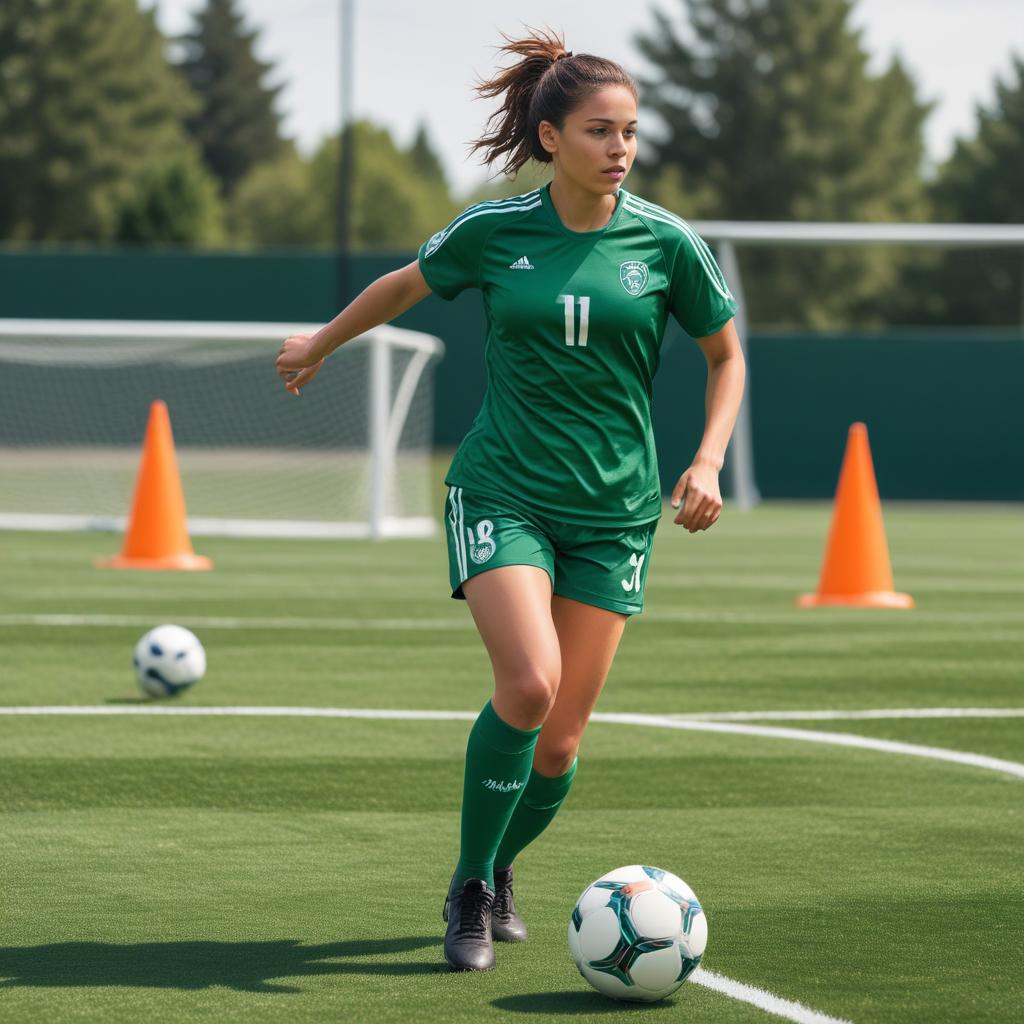
Overview of Women’s Soccer Player Development in Washington
The women’s soccer landscape in Washington is supported by a robust network of player development programs designed to nurture talent from the grassroots level through to elite competition. At the heart of this system is the Washington State Youth Soccer Association (WSYSA), the primary governing body responsible for organizing, promoting, and regulating soccer activities throughout the state. The WSYSA collaborates with various regional clubs, schools, and community initiatives to ensure a structured pathway that encourages growth and skill advancement.
Washington’s commitment to women’s soccer player development is evident through its comprehensive approach that combines technical training, competitive experiences, and educational resources. Many clubs and academies across the state implement specialized soccer training programs tailored specifically for female athletes, focusing on skill acquisition, physical conditioning, and tactical understanding. These programs emphasize a holistic development model, recognizing that fostering confidence and teamwork is critical alongside athletic performance.
Major initiatives such as the Olympic Development Program (ODP) in Washington provide aspiring players with opportunities to compete at higher levels and gain exposure to college scouts and professional pathways. Washington’s ODP is well regarded for its rigorous selection process and expert coaching staff, delivering an environment where top young talents can refine their skills under advanced technical and tactical instruction. This program operates in partnership with the WSYSA and the United States Soccer Federation, aligning state-level development with national standards.
In addition to ODP, numerous regional clubs offer year-round training and competitive leagues specifically designed to challenge players and enhance their development. These clubs often partner with local schools and community organizations to expand access to quality coaching and facilities, helping to grow the talent pool while nurturing a passion for the sport. These collaborative efforts ensure that women’s soccer in Washington benefits from a comprehensive player development overview that combines skill-building, competition, and community engagement.
Overall, the current landscape of women’s soccer player development in Washington reflects a strong commitment to fostering female athletes through expert-led soccer training programs and strategic initiatives. This coordinated approach continues to build a vibrant, supportive environment where players can excel, ensuring Washington remains a significant contributor to the growth and success of women’s soccer in the United States.
Historical Context and Growth
The history of women’s soccer in Washington has seen remarkable growth and transformation over the decades. From its humble beginnings in local recreational leagues, the development evolution of women’s soccer in the state has been driven by dedicated community efforts, increasing youth participation, and the establishment of structured training programs. The growth of soccer in Washington is marked by key milestones such as the founding of the Washington State Women’s Soccer Association (WSWSA), which played a pivotal role in organizing competitions and fostering talent statewide.
Throughout the years, the history of women’s soccer in Washington reflects a broader national trend of rising interest and support for the sport. Grassroots initiatives and school programs helped deepen the talent pool, while partnership with professional teams created new role models and pathways for emerging players. The evolution of development models has emphasized skill-building, fitness, and tactical understanding from an early age, enabling Washington girls to compete successfully both regionally and nationally.
Significant achievements within the local soccer community highlight the continual progress in women’s soccer development. The increase in competitive leagues, specialized coaching clinics, and scholarship opportunities illustrate the dynamic growth soccer in Washington has experienced. These developments have not only advanced the quality of play but also fostered a strong culture of empowerment and opportunity for female athletes across the state, establishing Washington as a recognized hub for women’s soccer excellence.
Current Development Programs
Washington offers a robust variety of soccer development programs tailored specifically for women, ensuring ample opportunities for skill growth and competitive play. Among the key options are dedicated clubs like the Washington State Youth Soccer Association (WSYSA) which provide structured training and competitive leagues for female players at different age levels.
In addition to clubs, numerous soccer academies throughout Washington focus on advanced player development, delivering intensive training around technical skills, tactical awareness, and physical conditioning. These academies cater to youth players eager to elevate their game and often work closely with college and professional scouts to facilitate progression to higher competitive tiers.
Complementing clubs and academies, Washington’s school programs play a central role in women’s soccer development. Many high schools offer strong varsity teams with experienced coaching staffs, providing student-athletes with consistent competition and development opportunities within their educational environment. These programs often collaborate with local clubs to maximize training quality and athlete exposure.
Collectively, these soccer development programs in Washington youth soccer create a comprehensive network of player training options for women. Whether through community clubs, specialized academies, or school sports, female soccer players in Washington have access to diverse pathways to nurture their talents and pursue success in the sport.
Key Player Development Models in Washington
Washington state has established a strong reputation for developing talented women’s soccer players through a variety of player development models. These soccer training frameworks are carefully structured to nurture skill growth, tactical understanding, and physical conditioning, while also providing clear player progression pathways. The region’s approach integrates diverse methodologies that collectively focus on enhancing technical abilities, game intelligence, and mental resilience, which are essential for competitive play.
One of the primary player development models in Washington emphasizes a holistic coaching philosophy. Coaches are trained to create environments that not only develop individual talents but also foster teamwork and sportsmanship. This model uses age-appropriate training drills that grow increasingly complex as players mature. As a result, young athletes experience deliberate practice that matches their developmental stage, laying a strong foundation for advanced soccer concepts and strategies.
Washington’s soccer training frameworks often incorporate small-sided games and situational play to improve decision making and adaptability on the field. These techniques encourage players to think critically and react quickly, which are vital traits for progressing to higher levels of competition. Furthermore, strength and conditioning programs tailored specifically for female athletes are integrated to enhance physical endurance and reduce injury risk, aligning with modern sports science principles.
Player progression pathways within Washington’s development models are clearly defined, guiding athletes from grassroots to elite competition. Many clubs and academies work in close collaboration with schools, state associations, and national programs to create seamless transitions. Talented players often move through tiers such as club leagues, regional select teams, and eventually to college scholarships or professional opportunities. This pathway ensures continuous exposure to higher levels of coaching and competition, preparing athletes effectively for the demands of elite soccer.
In summary, Washington’s approach to player development models in women’s soccer is comprehensive and progressive. Its blend of structured training methodologies, advanced coaching techniques, and well-established player pathways makes it a cornerstone in the U.S. soccer landscape. Through these frameworks, Washington continues to produce skilled, confident, and competitive female soccer players ready to make their mark locally and beyond.
Club-Based Training Model
In Washington, club-based training models are central to developing women’s soccer players, focusing on comprehensive soccer club development that prioritizes skill advancement and competitive readiness. These models typically involve structured programs managed by local Washington clubs, which are committed to nurturing talent through expert coaching and consistent player support.
Coaching styles within these clubs emphasize a balance between technical skill, tactical understanding, and physical conditioning. Coaches often employ personalized training plans tailored to individual player needs, encouraging creativity and decision-making on the field. The supportive coaching approach fosters a positive environment where players are motivated to improve continually and embrace challenges.
Competition levels in Washington’s club-based training are designed to be progressive, allowing players to develop through various tiers of play. Clubs participate in local leagues and tournaments, exposing athletes to high-caliber competition essential for growth. This structured competitive framework ensures players gain valuable match experience while testing and refining their skills against formidable opponents.
Beyond training and competition, player support is a hallmark of Washington clubs. Many clubs provide resources such as sports psychology, nutrition advice, and injury prevention programs to holistically support player development. This all-encompassing approach helps players thrive both on and off the pitch, reinforcing the clubs’ commitment to sustaining a healthy, motivated, and skilled player base.
School and Collegiate Soccer Programs
High school and collegiate soccer programs play a crucial role in the development of Washington female players, offering structured environments for skill enhancement and competitive play. School soccer teams provide young athletes with foundational training and exposure to team dynamics, fostering both technical abilities and mental toughness essential for advancement. These programs often serve as the first significant platform where players can showcase their talents to scouts and recruiters.
Collegiate soccer development in Washington further elevates player growth by combining rigorous athletic training with academic pursuits. College programs are essential for refining tactical understanding and physical conditioning at a higher level of competition. Many Washington institutions actively recruit promising female players from local high schools, emphasizing the importance of school soccer as a feeder system. Recruitment efforts include scouting matches, reviewing game footage, and evaluating athlete commitment both on and off the field.
Scholarship opportunities are a significant aspect of collegiate soccer development, providing access to quality education while allowing athletes to continue their soccer journey. These scholarships incentivize talent retention within the state and help reduce financial barriers for skilled players. For Washington female players, leveraging school and collegiate soccer programs creates a pathway not only for athletic success but also for personal growth and career prospects beyond the sport.
Challenges and Future Trends in Women’s Soccer Development
The development of women’s soccer in Washington faces several significant challenges that must be addressed to ensure sustainable growth and success. One of the primary development challenges is the disparity in funding and resources when compared to men’s soccer programs. Many female players in Washington find limited access to quality training facilities, experienced coaches, and competitive leagues, which slows their progress and reduces opportunities for advancement. Additionally, societal perceptions and lingering stereotypes about women’s sports continue to affect participation rates and fan support, limiting the overall visibility and commercial appeal of women’s soccer in the region.
Another considerable hurdle is the retention of female athletes through the critical adolescent years. Many young women drop out due to balancing academic pressures, limited professional aspirations, or a lack of inclusive environments. The need for inclusive and supportive soccer programs that embrace diversity and promote gender equality is therefore urgent. Creating safe and welcoming spaces for girls of all backgrounds can help reverse attrition rates and boost participation numbers across Washington.
Looking ahead, future trends in women’s soccer in Washington are poised to transform the landscape positively. Technology integration will play a crucial role, with advancements like data analytics, wearable performance trackers, and virtual coaching platforms becoming standard tools for player development. These technologies will enable personalized training programs and injury prevention, helping athletes reach their full potential more efficiently.
Inclusivity will also be a hallmark of future development models, with programs designed to accommodate players of various abilities, ethnicities, and socioeconomic backgrounds. This broader inclusivity will expand the talent pool and foster a richer, more competitive environment. Equity initiatives and partnerships with schools and community organizations will be vital in achieving these goals.
Moreover, the establishment and reinforcement of professional pathways within Washington are critical for the long-term viability of women’s soccer. Strengthening connections between youth academies, collegiate teams, and professional clubs will create clearer trajectories for talented players. Enhanced support for female coaches and administrators will also contribute to a more robust professional ecosystem, ultimately elevating the entire sport.
In conclusion, while Washington’s women’s soccer development faces notable challenges, an emphasis on technology integration, inclusivity, and professional pathways heralds a promising future. By addressing current obstacles and embracing emerging trends, the region can foster a dynamic and thriving environment for women’s soccer that supports athletes at every level.
Barriers to Access and Growth
Player development and participation in women’s soccer across Washington face significant access challenges rooted in a variety of socioeconomic and systemic development barriers. Many aspiring players come from communities where financial constraints limit their ability to afford club fees, quality equipment, and travel expenses, all of which are essential for competitive play and skill advancement. These economic obstacles often prevent equal opportunity, disproportionately affecting those from lower-income families.
Systemic issues also contribute to soccer participation issues in the region. Limited availability of programs and facilities in underserved areas restricts consistent practice and competition, creating geographic disparities that hinder growth. Additionally, a lack of diversity and inclusion efforts means not all groups have equal representation or support, further widening the gap in player development.
Moreover, awareness and access to development pathways remain challenges for many. Without clear and accessible routes to higher levels of play, talented players may drop out prematurely or never realize their full potential. Overcoming these barriers requires targeted investment in community programs, subsidized opportunities, and policies designed to foster inclusivity and reduce the socio-economic divides that currently impede expansion of women’s soccer participation in Washington.
Innovations and Emerging Opportunities
The landscape of women’s soccer development in Washington is rapidly evolving, driven by soccer innovations that are transforming traditional training and player development models. Cutting-edge player development tech, such as GPS tracking systems and advanced video analysis tools, now allow coaches to monitor athletes’ performance in real-time, fine-tuning their skills with data-backed insights. These technological advancements enhance personalized training and encourage a more scientific approach to player growth.
Beyond technology, emerging opportunities are also rooted in new training philosophies that emphasize holistic athlete development. Programs increasingly focus on mental resilience, nutrition, and injury prevention alongside physical skills, ensuring players develop comprehensively. Additionally, initiatives aimed at fostering inclusivity and diversity within women’s soccer in Washington are gaining momentum, creating pathways for underserved communities.
Community partnerships and collaborations between clubs, schools, and tech startups are catalyzing these changes, resulting in innovative curriculum designs and state-of-the-art training environments. These efforts collectively position Washington as a leader in progressive soccer training, nurturing well-rounded athletes prepared for competitive success at national and international levels.

I’ve been passionate about women’s soccer in Washington ever since I first watched a local match in high school. Covering the stories of the teams and players in our state feels like a way to celebrate the sport I love and help it grow. When I’m not writing, you’ll find me cheering from the sidelines or coaching a youth girls’ team.