Overview of Women’s Soccer Safety Standards in Washington State
Women’s soccer safety in Washington State has become a key focus area in recent years, driven by the increasing participation of female athletes and growing awareness of sports-related health risks. The state has established a comprehensive framework of soccer safety standards aimed at protecting players from injuries and ensuring a safe playing environment. This framework is supported by a combination of local and statewide sports regulations specifically tailored to women’s soccer, reflecting the distinct needs and challenges of female athletes.
The Washington State Youth Soccer Association (WSYSA) and the Washington State Soccer Association (WSSA) play pivotal roles as regulatory bodies overseeing the implementation and enforcement of women’s soccer safety standards. These organizations collaborate with schools, clubs, and community leagues to ensure compliance with established safety protocols. Their responsibilities range from certifying coaches and referees in proper safety procedures to mandating the use of approved protective gear and enforcing rules designed to minimize injury risks during gameplay.
Additionally, Washington State adheres to national guidelines issued by organizations such as U.S. Soccer and the National Federation of State High School Associations (NFHS). These guidelines provide a foundation for concussion management, heat safety, first aid readiness, and injury prevention strategies specific to soccer. The integration of these national directives with state-level policies creates a robust safety net to protect female soccer players at all levels.
Emphasizing player safety goes beyond rule enforcement; it includes ongoing education for coaches, trainers, and athletes about best practices in injury prevention, nutrition, and physical conditioning. Schools and clubs often conduct safety workshops and training sessions to ensure all participants are well-informed about the risks and necessary precautions related to women’s soccer safety. Such efforts reflect a proactive approach that balances competitive play with the well-being of athletes.
In summary, the landscape of women’s soccer safety standards in Washington State is characterized by coordinated efforts among key regulatory bodies and adherence to stringent sports regulations. These measures underscore the state’s commitment to fostering a safe and supportive environment for female soccer players, aligning with broader goals of promoting health, safety, and inclusivity in sports.
Regulatory Authorities Governing Soccer Safety
In Washington State, a network of key organizations ensures the enforcement and monitoring of safety standards in women’s soccer. The primary entity is the Washington State Youth Soccer Association (WSYSA), which plays a crucial role in establishing and implementing Washington State soccer regulations. WSYSA works closely with local clubs and leagues to promote safe play environments, enforce mandatory safety protocols, and provide training on injury prevention and first aid.
Alongside WSYSA, the Washington Interscholastic Activities Association (WIAA) governs soccer safety for high school sports, ensuring that school teams comply with statewide safety guidelines. This includes concussion protocols, proper field conditions, and safeguarding measures related to equipment and emergency preparedness. The WIAA collaborates with sports safety authorities at both the state and national levels to uphold these standards.
National organizations like the United States Soccer Federation (USSF) also influence local safety practices by setting overarching guidelines that state bodies adapt and enforce. USSF’s initiatives on injury prevention and referee training help reinforce a culture of safety within Washington’s women’s soccer community. Together, these soccer governing bodies form a comprehensive safety framework that ensures participants at every level are protected and supported throughout their athletic experience.
Key Safety Protocols and Guidelines
In Washington State, women’s soccer teams and facilities follow a range of mandated and recommended safety protocols to ensure player protection and minimize the risk of injury. These safety protocols start with comprehensive pre-participation physical evaluations to assess each player’s health status and identify potential injury risks before training or matches begin. Coaches and staff are required to be trained in concussion recognition and management, aligning with state concussion laws to protect players from long-term brain injuries.
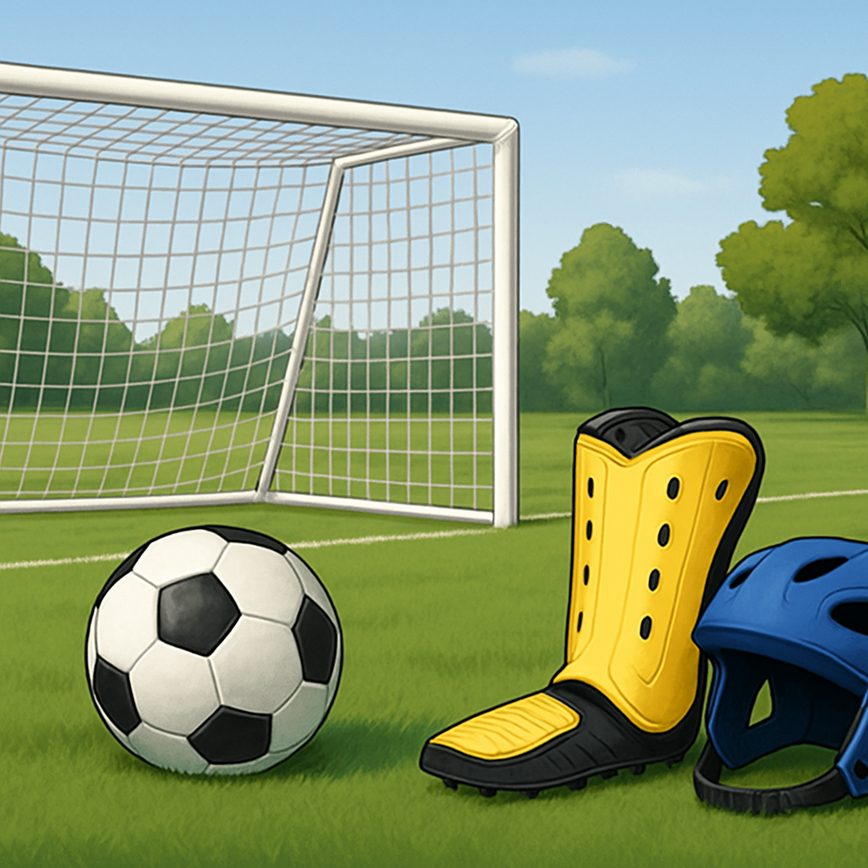
Soccer injury prevention is further emphasized through proper field maintenance and equipment standards. Fields must be inspected regularly to guarantee playing surfaces are free of hazards such as holes, debris, or uneven areas that could cause trips or falls. The use of appropriate protective gear, including shin guards that meet safety certifications, is mandatory to reduce direct impacts during games. Additionally, policies for hydration breaks and climate-related adjustments protect players from heat-related illnesses and overexertion during practices and competitive play.
Player protection guidelines also include emergency action plans that all teams must have in place, ensuring quick and efficient responses in case of injuries. Access to certified athletic trainers or medical personnel during games and certain practices is highly encouraged to provide instant care. Washington State’s women’s soccer organizations promote educational programs for players, coaches, and parents, focusing on injury awareness, safe playing techniques, and mental health support, reinforcing a holistic approach to safety and wellbeing on and off the field.
Injury Prevention and Management in Women’s Soccer
Women’s soccer is a physically demanding sport that comes with inherent risks of injury. Understanding injury prevention and sports health management is critical for maintaining player safety and performance. In Washington State, there are established standards and protocols aimed at mitigating the risk of women’s soccer injuries and ensuring proper management when injuries do occur.
The most common injuries in women’s soccer include anterior cruciate ligament (ACL) tears, ankle sprains, hamstring strains, and concussions. ACL injuries, in particular, are prevalent among female athletes due to biomechanical and hormonal differences. Ankle sprains often result from sudden changes in direction, while hamstring strains can occur from overexertion or inadequate warm-up. Concussions, although less frequent, are serious concerns due to potential long-term effects and require immediate attention and proper protocols for safe return-to-play.
Washington State has implemented comprehensive injury prevention measures specifically tailored to women’s soccer. These include mandatory preseason screenings to assess risk factors for injury, such as muscle imbalances or previous injuries. Coaches and trainers are required to stay updated with certified training programs focused on injury prevention techniques, including neuromuscular training and proper landing mechanics.
Sports health management in Washington State also emphasizes education for players, coaches, and parents about recognizing signs of injuries and the importance of timely treatment. Return-to-play policies are strictly enforced to ensure athletes fully recover before resuming competition, reducing risks of re-injury or chronic conditions. Certified athletic trainers and medical professionals are often present at games and practices to provide immediate care and coordinate follow-up treatment plans.
Overall, the focus on injury prevention combined with structured management protocols enhances player safety in the women’s soccer community across Washington State. By addressing women’s soccer injuries proactively and enforcing high safety standards, the state supports athletes’ long-term health and competitive success.
Common Injuries and Risk Factors
Female soccer players commonly face a range of injuries that can significantly impact their performance and long-term health. Among these, ACL injuries are particularly prevalent due to the sport’s high demands on knee stability during sudden direction changes, jumping, and landing. These injuries are often exacerbated by factors such as anatomical differences, hormonal fluctuations, and neuromuscular control deficits unique to female athletes.
Concussions also represent a critical concern in women’s soccer. Head collisions, falls, and accidental impacts with the ball can lead to concussions, which require immediate attention and proper management to prevent long-term cognitive issues. The risk of concussion may be heightened by differences in neck strength and size compared to male players, which can affect the ability to absorb and dissipate forces during impacts.
Muscle strains are another frequent injury in female soccer, often involving the hamstrings, quadriceps, and calf muscles. These strains typically occur due to muscle fatigue, inadequate warm-up, or improper biomechanics during sprinting and sudden stops. Overuse and insufficient recovery time increase susceptibility, highlighting the need for tailored training and conditioning programs.
Understanding these common injuries and their risk factors is essential for developing effective prevention strategies, ensuring the safety and well-being of female soccer players in Washington State.
Rehabilitation and Return-to-Play Standards
Rehabilitation protocols for soccer injuries in Washington State women’s leagues emphasize a structured and individualized approach to ensure effective recovery and injury prevention. These protocols begin immediately after injury with a focus on reducing inflammation, managing pain, and restoring basic mobility. A gradual progression follows, involving physical therapy exercises designed to regain strength, flexibility, and functional ability specific to soccer movements.
Return to play guidelines are stringent and evidence-based, prioritizing player safety above all. Before clearance, players must meet several benchmarks including pain-free movement, full range of motion, and strength comparable to their pre-injury status. Players often undergo sport-specific functional tests to assess their readiness to safely resume training and competitive play.
Effective soccer injury recovery relies not only on physical healing but also on psychological readiness. Medical professionals, coaches, and therapists collaborate to monitor player progress and emotional wellness throughout rehabilitation. Return-to-play standards mandate a multidisciplinary clearance to minimize the risk of re-injury and ensure players re-enter the game at full capacity, reinforcing the commitment to long-term athlete health and safety in Washington State.
Advancements and Future Directions in Soccer Safety
In recent years, sports safety innovations have significantly transformed the landscape of women’s soccer safety in Washington State. New technologies and enhanced training protocols are playing crucial roles in protecting athletes and reducing injury rates on the field. These advancements reflect a growing commitment to creating safer environments for players at all levels of competition.
One notable development in women’s soccer safety improvements is the integration of advanced protective gear and wearable technology. Helmets equipped with impact sensors and smart mouthguards that monitor concussions are becoming more common during training and matches. These devices provide real-time data to coaches and medical staff, enabling quicker responses to potential injuries. Additionally, improved ankle braces and padded uniforms help mitigate the risk of common injuries such as sprains and bruises, which are prevalent in the sport.
Training methods have likewise evolved, with an emphasis on injury prevention and athlete education. Programs focusing on proper warm-up routines, strength conditioning, and neuromuscular training have shown to reduce the incidence of ACL tears and other musculoskeletal injuries in female soccer players. Coaches and trainers in Washington State are increasingly adopting these evidence-based techniques, supported by ongoing research and collaboration with sports medicine experts.
Looking ahead, future safety standards in women’s soccer in Washington State aim to build on current successes by advancing policies and infrastructure. There is a growing call to standardize concussion protocols across leagues, mandating baseline cognitive testing and post-injury follow-up for all players. Moreover, future safety improvements may involve the broader use of AI and machine learning to predict injury risks based on player movement patterns, fatigue levels, and past injury history.
Efforts are also underway to improve field conditions and ensure compliance with safety regulations for playing surfaces, reducing hazards such as uneven turf that can cause falls or twisted ankles. Enhanced collaboration between local soccer organizations, health professionals, and policymakers will be vital for implementing these innovations effectively and sustainably.
In summary, the trajectory of women’s soccer safety in Washington State is being shaped by cutting-edge sports safety innovations, comprehensive training improvements, and a forward-looking strategy for future safety standards. These advancements not only protect athletes but also promote a culture of health and well-being, ensuring that women’s soccer continues to grow safely and successfully.
Use of Technology in Enhancing Safety
In recent years, the integration of soccer safety technology has revolutionized the way women’s soccer teams in Washington State approach player health and injury prevention. Wearable safety tech, such as GPS trackers and heart rate monitors, is increasingly used during training and matches to provide real-time data on player movements, physical exertion, and impacts. These devices allow coaches and medical staff to closely monitor athletes’ conditions, helping to identify signs of fatigue or distress before they lead to serious injuries.
Injury monitoring devices play a critical role in quickly detecting potential concussions or musculoskeletal issues. By utilizing accelerometers and impact sensors embedded within headbands or shorts, these technologies can alert support teams immediately when a player experiences a significant blow or abnormal motion. This prompt notification enables faster medical evaluation and intervention, significantly reducing the risk of long-term injury effects.
Additionally, data collected from wearable safety tech informs training adjustments tailored to individual players, enhancing overall team safety standards. Coaches can design customized recovery protocols and modify workout intensities based on precise insights gathered from these devices. As a result, the adoption of advanced soccer safety technology helps create a safer playing environment by minimizing injury risks and promoting athlete wellness throughout the competitive season.
Policy Changes and Education Initiatives
Washington State has implemented several crucial safety policy updates aimed at enhancing the protection of women’s soccer players. These updates are designed to create a safer playing environment by setting stricter safety standards and protocols for teams across the state. Central to these changes are improved guidelines regarding concussion management, injury prevention, and emergency response, ensuring that all teams adhere to best practices to minimize risks during play and training.
In addition to policy reforms, there is a strong emphasis on coach education as a cornerstone of the safety culture. Coaches are now required to complete comprehensive training programs that cover topics such as risk assessment, first aid, and recognizing signs of player distress. This education ensures that coaches are well-prepared to maintain a safe environment and respond appropriately to any incidents on the field. By investing in coach education, the state is fostering a knowledgeable leadership at all levels.
Player safety training initiatives complement these efforts by actively involving players in safety awareness. Programs focus on teaching athletes about proper techniques, injury avoidance, and the importance of communication regarding their health and wellbeing. Together, these combined efforts in safety policy updates, coach education, and player safety training are transforming the culture within women’s soccer in Washington State, promoting a safer, more supportive environment for all participants.

I’ve been passionate about women’s soccer in Washington ever since I first watched a local match in high school. Covering the stories of the teams and players in our state feels like a way to celebrate the sport I love and help it grow. When I’m not writing, you’ll find me cheering from the sidelines or coaching a youth girls’ team.