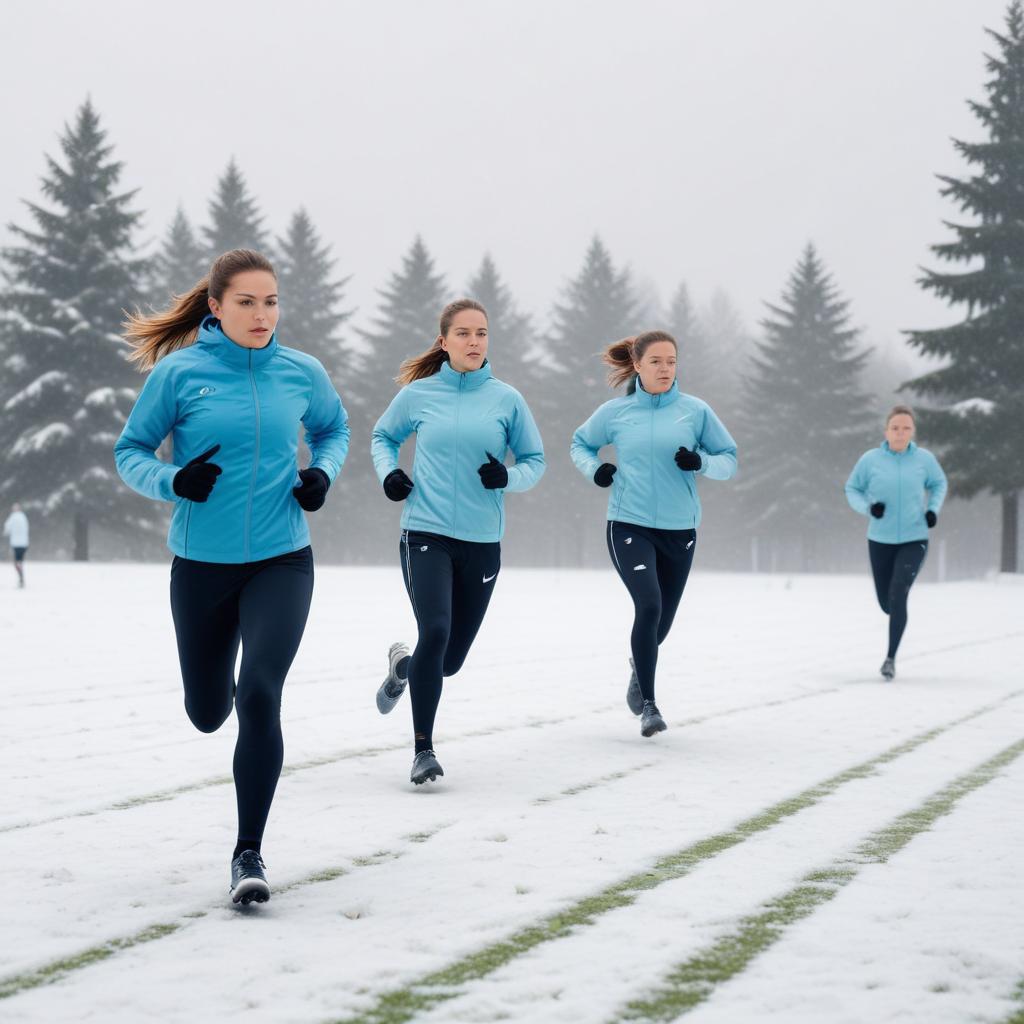
Overview of Women’s Soccer Winter Training in Washington
Winter training is a crucial phase for women’s soccer teams in Washington, serving as the foundation for success during the competitive season. The colder months bring unique challenges that require specialized approaches to maintain and improve player performance. Unlike the milder climates where training can continue outdoors without interruption, Washington’s winter weather demands adaptability and innovation from coaches and athletes alike.
One of the primary challenges is dealing with the cold temperatures, rain, and limited daylight hours. These conditions can hinder regular outdoor practice sessions, making it essential to integrate indoor training facilities and alternative workout routines. Washington soccer programs have adapted by emphasizing physical conditioning, technical skill drills, and strategic development in controlled environments. This shift ensures that players continue their offseason preparation without sacrificing quality or intensity.
Despite the obstacles, winter training presents significant opportunities for growth. It is an ideal time for focused skill refinement and injury prevention work, often overlooked during the busy competitive season. Coaches can allocate time for individualized training plans that address each player’s needs, whether through strength training, agility drills, or tactical education. These efforts contribute to building a well-rounded, resilient team prepared to face the demands of the upcoming season.
Furthermore, women’s soccer winter training in Washington fosters team cohesion. With fewer distractions and competitive matches, the offseason allows athletes to form stronger bonds and enhance communication on and off the field. This team-building aspect is vital for creating a unified squad ready to perform under pressure. Washington soccer programs are increasingly recognizing the importance of blending physical preparation with mental and social development during the winter months.
Overall, the commitment to maintaining rigorous winter training regimens demonstrates the dedication of women’s soccer teams in Washington. By leveraging indoor facilities and tailoring offseason preparation to the region’s climate, these programs ensure their athletes remain competitive and ready to excel when the season resumes. The winter months, though challenging, offer a prime opportunity to elevate performance and build a winning culture in Washington women’s soccer.
Climate Impact on Training in Washington
The Washington climate, known for its cold and wet winter weather, significantly influences how women’s soccer teams approach their training during this season. The persistent rain and lower temperatures often lead to adjustments in both training schedules and methods to ensure player safety and maintain performance levels.
Winter weather soccer training in Washington requires coaches to balance outdoor practice with indoor conditioning sessions. Because outdoor fields can become waterlogged and slippery, training on natural grass pitches sometimes needs to be limited or shifted to synthetic turf where drainage is better. This adaptation helps prevent injuries and allows for more consistent sessions despite the wet conditions.
Additionally, training times are often modified to accommodate shorter daylight hours and avoid the coldest parts of the day. Early evening practices may move to midday when temperatures rise slightly, and daylight is more available. Coaches also focus on drills that emphasize controlled ball handling and tactical awareness, which can be practiced indoors or on smaller, well-maintained spaces.
Overall, the unique challenges posed by Washington’s winter climate have led to specific training adaptations, such as enhanced warm-ups to prevent muscle strain in cold weather and increased emphasis on fitness and resilience. By tailoring their approach, women’s soccer teams can maintain high training quality even during the harsher winter months.
Benefits of Winter Training for Female Athletes
Winter training offers numerous winter training benefits for female soccer players, making it a crucial period for athletic development. Physically, maintaining consistent training during the colder months helps athletes sustain and improve their endurance, strength, and agility. Avoiding long breaks in conditioning ensures that female soccer players remain in peak shape when the competitive season returns, reducing the risk of injury due to sudden high-intensity activity.
Mental advantages are equally important for athletes training through winter. The dedication required to push through challenging weather conditions fosters resilience and discipline. Female soccer players develop a stronger mindset, learning to stay motivated despite external obstacles. This mental toughness translates to improved focus and confidence on the field, giving them a competitive edge.
Furthermore, winter training allows for targeted improvements in technique without the pressures of matches. Athletes can refine skills and experiment with new strategies, which contributes significantly to their overall athletic development. The combination of physical preparedness and mental sharpness gained during the winter positions female soccer players for success when the season intensifies.
Effective Training Approaches and Techniques
During the winter months, women’s soccer teams adopt specialized training techniques to maintain and enhance performance despite the colder conditions. These training strategies focus on a blend of fitness programs, technical drills, and tactical development to build a well-rounded team ready for the competitive season ahead.
Fitness programs are a cornerstone of winter training, emphasizing endurance, strength, and agility. Coaches design workouts that can be conducted both indoors and outdoors, adapting exercises to ensure players maintain peak physical condition. These fitness routines often include interval training, resistance exercises, and plyometric drills to improve explosive power, helping players stay agile and injury-free throughout the season.
Technical drills during the winter period are tailored to sharpen ball control, passing accuracy, and shooting skills under various conditions. Practice sessions are often held in indoor facilities where players can work on quick footwork, dribbling, and first touch to retain and enhance their technical proficiency. These winter soccer drills not only improve individual skills but also encourage players to develop better spatial awareness and coordination on the field.
Tactical development is equally prioritized in winter training. Teams use video analysis sessions and classroom-style meetings to study game footage, understand opponents’ strategies, and refine their own formations and playing styles. On-field tactical drills are designed to foster teamwork, communication, and strategic thinking, strengthening the squad’s ability to execute complex game plans under pressure.
By integrating these diverse training techniques—encompassing fitness programs, technical drills, and tactical insights—women’s soccer teams in Washington build resilience and readiness during the winter months. This comprehensive approach ensures that players arrive at the spring season physically fit, technically skilled, and tactically savvy, giving them a competitive edge on the field.
Indoor Training Methods
Indoor soccer training has become an essential part of winter preparation for women’s soccer teams, especially when outdoor conditions are unfavorable. These controlled environments allow players to maintain high levels of fitness and continue skill development without interruption from harsh weather. One common approach is the use of fitness drills indoor, which focus on improving cardiovascular endurance, agility, and strength. These drills often incorporate cone drills, ladder exercises, and small-sided games designed to keep players active and conditioned.
Skill development during indoor sessions centers around ball control, passing accuracy, and quick decision-making under pressure. Coaches set up small fields or use training equipment such as rebounders and nets to simulate real-game situations. This allows players to enhance their touch and technique while staying sharp throughout the winter months. Additionally, indoor training often emphasizes tactical drills, helping teams refine their formations and strategies without the distractions of adverse weather conditions.
Overall, indoor soccer training offers a reliable way to sustain and even boost physical and technical capabilities during winter. By focusing on fitness drills indoor and skill development activities, women’s teams can ensure they remain competitive and well-prepared for the outdoor season ahead.
Outdoor Adaptations for Washington Winter
Training outdoors during the Washington winter presents unique challenges, but teams successfully adapt through a combination of modified drills and weather-resistant gear to maintain effective outdoor winter training. Coaches strategically alter practice routines to suit the cooler temperatures and variable weather conditions. This includes shorter, high-intensity drills that keep players moving to retain warmth while emphasizing skill and tactical work that doesn’t require prolonged standing or minimal movement.
Field adaptations are also crucial. Teams may use turf fields that drain quickly and resist becoming muddy, or they apply protective covers when necessary to preserve optimal playing surfaces. Additionally, warm-up areas equipped with portable heaters or sheltered zones allow players to stay warm before and after drills, reducing the risk of injuries aggravated by cold muscles.
Proper gear is another key factor in successful outdoor winter training. Players are outfitted with layering systems that incorporate moisture-wicking base layers, insulated outer garments, and weather-resistant gloves and hats. Footwear with better traction ensures stability on slick or frozen ground. By combining these elements—customized drills, field adjustments, and high-quality gear—Washington teams push through seasonal weather challenges and continue to develop their skills effectively, making the most of every outdoor practice despite the winter conditions.
Strength and Conditioning Focus
Winter training for women’s soccer in Washington places a strong emphasis on strength training and conditioning programs designed to enhance endurance, improve power, and reduce the risk of injuries. These sessions are meticulously structured to develop key muscle groups that support athletic performance, ensuring players maintain peak physical condition throughout the colder months. Strength training exercises focus on building core stability, lower body explosiveness, and upper body resilience to boost on-field stamina and agility.
Conditioning programs are tailored to optimize cardiovascular fitness and muscular endurance, enabling athletes to sustain high-intensity efforts during matches. Coaches incorporate interval training, plyometrics, and resistance work to enhance power output and promote efficient recovery. Additionally, injury prevention is a critical component of the winter regimen. The training includes dynamic warm-ups, flexibility drills, and proprioceptive exercises that help minimize common soccer injuries such as ACL tears, muscle strains, and overuse issues.
By integrating these strength and conditioning elements into winter training, the program aims to prepare players physically and mentally for the demands of the upcoming season. This holistic approach not only boosts performance but also fosters long-term athlete health, ensuring that players are strong, resilient, and ready to compete at their best when the outdoor season resumes.

I’ve been passionate about women’s soccer in Washington ever since I first watched a local match in high school. Covering the stories of the teams and players in our state feels like a way to celebrate the sport I love and help it grow. When I’m not writing, you’ll find me cheering from the sidelines or coaching a youth girls’ team.