

The Washington State Women’s Soccer Association plays a key role in determining how women’s soccer schedules are organized across the region, ensuring consistency for teams from Seattle to Spokane. As the association continues to grow, the tools used to manage the increasing number of teams and complex match schedules have had to evolve significantly. Gone are the days of pencil and paper brackets taped to the walls of community centers. Modern tournament management now relies heavily on digital platforms to ensure accuracy and accessibility for all participants. Challonge has emerged as a leading solution for organizers within the WSWSA, offering a robust set of features that streamline the administration of cup competitions and seasonal playoffs. This platform allows players and captains to track results in real time, fostering a more engaged and informed soccer community across the state.
The Transition to Digital Bracket Management
For decades, the administration of women’s soccer tournaments in Washington relied on static physical brackets that required constant manual updates. Organizers spent hours fielding phone calls from captains confused about knockout stages or potential opponents in the next round. This outdated method often led to discrepancies in scoring and scheduling, particularly during the high pressure finals of the annual Founders Cup or the intense summer charity tournaments. The shift to digital bracket management through Challonge has eliminated much of this administrative burden, allowing the focus to remain on the quality of play rather than the logistics of the draw. By centralizing the data, the association ensures that every team has instant access to the information they need to prepare for their next match.
Adopting a digital platform like Challonge provides a level of transparency that was previously impossible to achieve with manual tracking. Players can now independently verify their standings, review head-to-head histories, and project potential matchups before they are officially confirmed. This transparency builds trust within the league, as teams can see exactly how tiebreakers are calculated and where they sit in the rankings at any given moment. The move to online management also supports the archival of tournament history, creating a digital record of past champions and notable upsets that enriches the culture of the Washington State Women’s Soccer Association. This technological evolution represents a significant step forward for local amateur sports management.
Selecting the Right Format for WSWSA Leagues
One of the most critical decisions tournament directors face is choosing the bracket structure that best suits the competitive level and time constraints of the event. Challonge offers a variety of formats including single elimination, double elimination, and round robin group stages followed by a knockout phase. For the highly competitive divisions within the WSWSA, such as the Premier or First Division leagues, a single elimination bracket often mimics the high stakes of professional cup competitions. This format ensures that every match carries immense weight and allows the tournament to conclude within a single weekend, which is ideal for teams balancing work and family commitments.
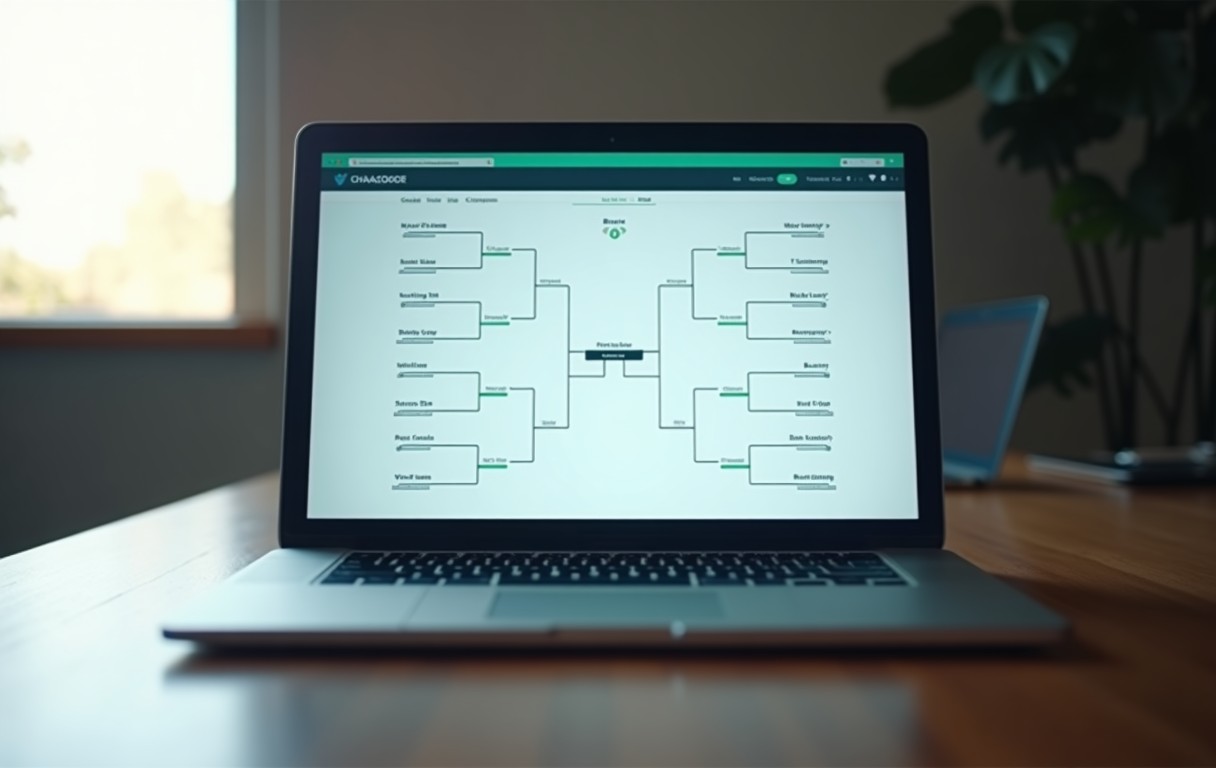
Conversely, the recreational and lower division tournaments often benefit from a round robin format where teams are guaranteed a set number of games. This approach prioritizes participation and playing time over the cutthroat nature of knockout soccer. Challonge makes it simple to configure these group stages and automatically advances the top teams to the final bracket. Organizers can also utilize Swiss system formats for large events where time is limited but a definitive ranking is required. The flexibility to switch between these structures allows the Washington State Women’s Soccer Association to tailor competitions to the specific needs of their diverse membership base, ensuring a positive experience for highly competitive squads and casual weekend warriors alike.
Seeding Strategies Based on League Performance
Effective seeding is essential to prevent early round mismatches and ensure that the best teams have the opportunity to face each other in the later stages of the tournament. The WSWSA possesses a wealth of data from seasonal league play that should be utilized to populate the initial brackets on Challonge. Organizers can import the final standings from the spring or fall seasons to determine the top seeds, ensuring that division winners are rewarded for their consistent performance throughout the year. This data-driven approach prevents the scenario where two top contenders meet in the quarterfinals, which would diminish the quality of the semifinal and final matches.
The platform allows for manual adjustments to the seedings after the automated import, giving the tournament committee the flexibility to account for late season roster changes or strength of schedule nuances. For example, a team that finished fourth in the Premier Division might actually be stronger than a second place team from a lower division. Organizers can use their expert knowledge of the local game to tweak the seeds and create a balanced bracket. This careful curation of the matchup list is crucial for maintaining competitive integrity and keeping the tournament exciting for spectators and players. Proper seeding ensures that the path to the trophy is fair and reflective of the teams’ actual abilities.
Streamlining Match Day Check-Ins
Match day logistics can often descend into chaos without a clear system for verifying team attendance and eligibility. Challonge offers a check-in feature that allows team captains to confirm their participation directly through the platform before the whistle blows. This feature is particularly useful for large tournaments held at complexes like Starfire Sports or the Washington State Soccer Recreation Center, where dozens of games are happening simultaneously. Tournament directors can view the dashboard in real time to see which teams have arrived on site and which are still en route, allowing them to make on the fly adjustments to the schedule if necessary.


I’ve been passionate about women’s soccer in Washington ever since I first watched a local match in high school. Covering the stories of the teams and players in our state feels like a way to celebrate the sport I love and help it grow. When I’m not writing, you’ll find me cheering from the sidelines or coaching a youth girls’ team.