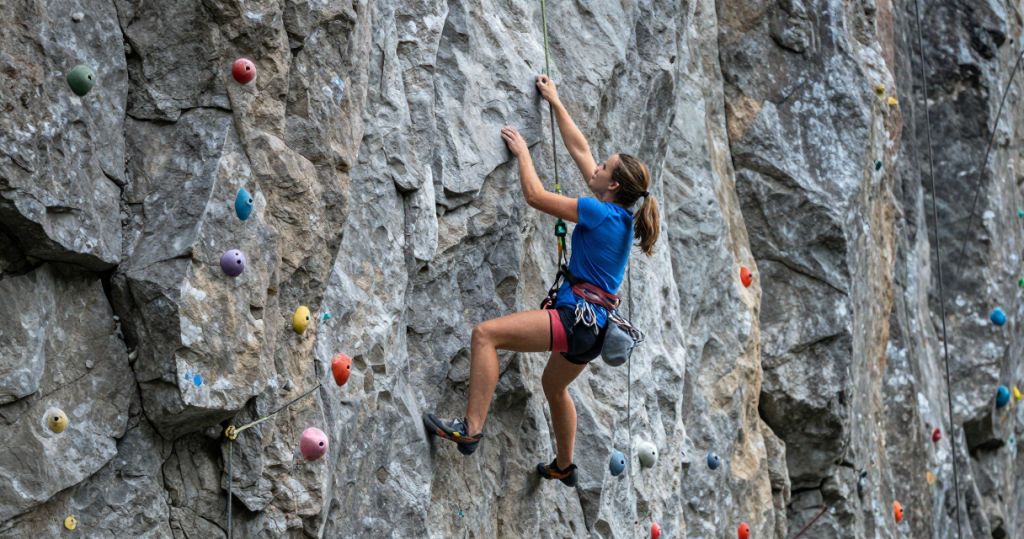
Rock climbing has become an increasingly popular activity among athletes, and for Washington women’s soccer athletes, it offers a unique set of benefits that can enhance their performance on the field. The Pacific Northwest is renowned for its stunning climbing locations, from the craggy cliffs of Leavenworth to the indoor climbing gyms scattered throughout Seattle. Engaging in rock climbing can help these athletes develop crucial skills that translate directly to soccer, including strength, endurance, focus, and teamwork. This article delves into the various advantages that rock climbing can provide to women’s soccer players in Washington, highlighting how this sport can complement their training routines and improve their overall athletic performance.
Improved Physical Strength
One of the most significant benefits of rock climbing for soccer athletes is the improvement in physical strength. Climbing requires the use of multiple muscle groups, including the core, legs, arms, and back. This full-body workout can help Washington women’s soccer players develop the upper body and core strength necessary for effective control and power during games. As they climb, athletes engage their grip strength, which is essential for shielding the ball and winning aerial duels on the pitch. Research indicates that rock climbing can enhance muscle endurance and overall strength, helping players perform better during the physically demanding phases of a soccer match.
Enhanced Endurance and Cardiovascular Fitness
Rock climbing is an excellent cardiovascular workout that can significantly improve endurance, an essential attribute for soccer players. The dynamic movements involved in climbing, coupled with the need to maintain high levels of exertion, challenge the cardiovascular system and build stamina. For Washington women’s soccer athletes, incorporating climbing into their training regimen can lead to improved performance during matches, allowing them to maintain energy levels and agility throughout the game. As they tackle different climbing routes, athletes can develop a higher aerobic capacity, which is crucial for sustaining high-intensity efforts over 90 minutes on the soccer field.
Increased Mental Toughness and Focus
Rock climbing is not just a physical challenge; it also requires immense mental focus and determination. Climbers must assess their surroundings, make quick decisions, and remain calm under pressure. These mental skills are directly applicable to soccer, where athletes often find themselves in high-stress situations that require strategic thinking and composure. For Washington women’s soccer players, the mental fortitude gained from climbing can translate into better decision-making during matches, allowing them to remain focused and confident even when faced with adversity. Developing this mental toughness can significantly enhance their overall performance and resilience on the field.
Teamwork and Communication Skills
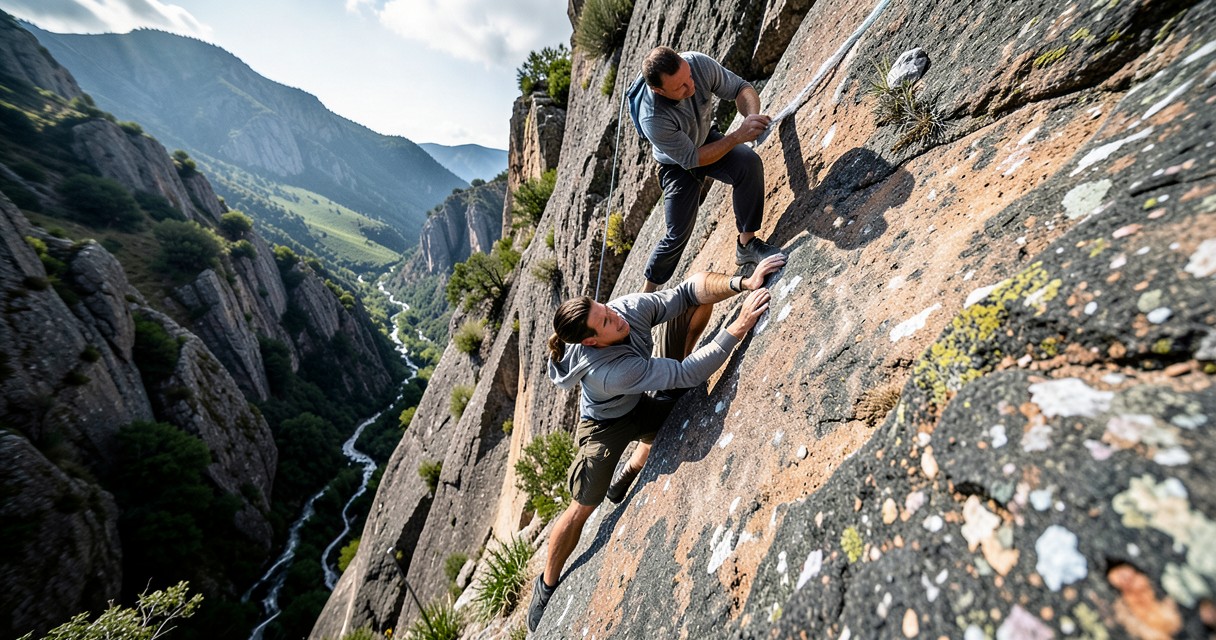
While climbing is often seen as an individual sport, many climbing routes require teamwork and effective communication. For Washington women’s soccer athletes, practicing climbing with teammates can foster a strong sense of camaraderie and improve communication skills. Whether it’s encouraging each other during challenging climbs or strategizing on how to tackle a difficult route, these experiences can strengthen the bonds among team members. Effective communication is vital in soccer, where players must relay information quickly and accurately to execute plays. The teamwork developed through climbing can enhance on-field coordination, leading to improved team dynamics and performance.
Injury Prevention through Flexibility and Balance
Rock climbing promotes flexibility and balance, both of which are crucial for injury prevention in soccer. The varied movements involved in climbing require athletes to stretch and engage their muscles in different ways, enhancing their overall flexibility. This increased range of motion can help soccer players avoid common injuries associated with tight muscles and poor flexibility. Additionally, climbing exercises improve balance and coordination, which are essential for maintaining stability while dribbling, shooting, or defending. By incorporating climbing into their training, Washington women’s soccer athletes can reduce their risk of injury and maintain peak physical condition throughout the season.
Connection to Nature and Mental Well-Being
Engaging in rock climbing allows athletes to connect with the natural beauty of Washington State, which can have positive effects on mental health and well-being. Spending time outdoors has been shown to reduce stress, anxiety, and depression, making it an excellent complement to the competitive nature of soccer. For women’s soccer players, the opportunity to escape the pressures of training and competition while enjoying the stunning landscapes can provide a much-needed mental reset. The joy of climbing in scenic locations can enhance motivation and enthusiasm for both climbing and soccer, leading to a more balanced and fulfilling athletic experience.
Building Confidence and Self-Esteem
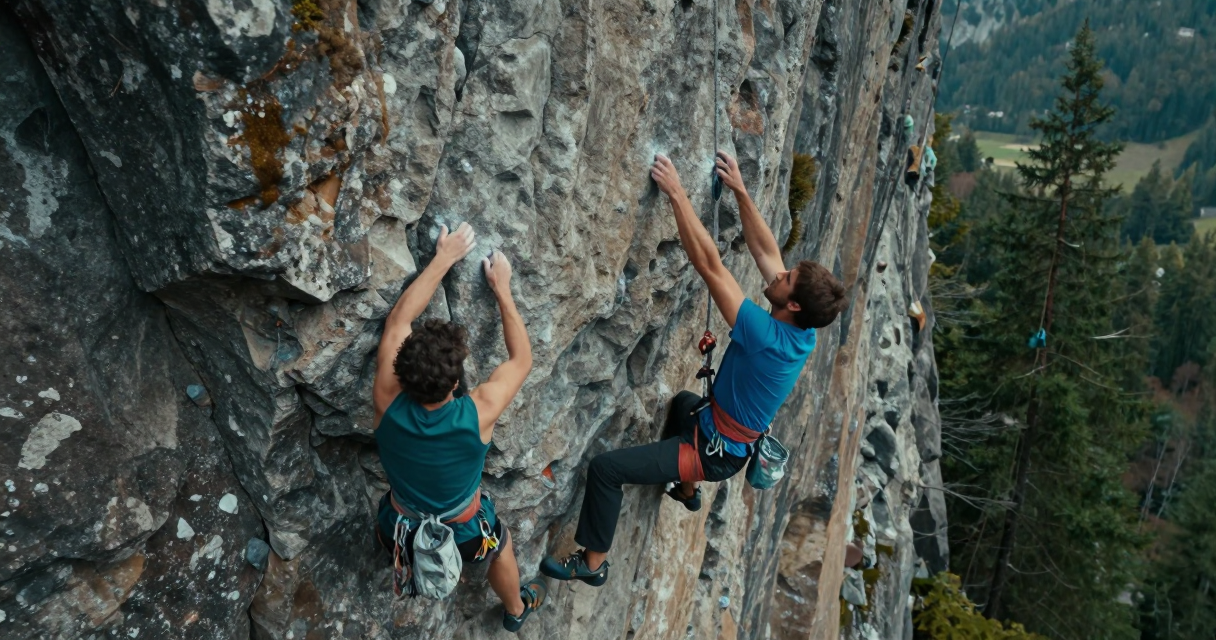
Successfully conquering climbing routes can significantly boost an athlete’s confidence and self-esteem. As Washington women’s soccer players tackle new challenges in climbing, they learn to trust their abilities and overcome fears, which translates to greater confidence on the soccer field. This newfound self-assurance can empower them to take risks during games, whether it’s attempting a daring shot on goal or making a challenging pass. Confidence is a key factor in athletic performance, and the skills developed through rock climbing can help athletes believe in themselves and their capabilities, ultimately leading to improved game performance.

I’ve been passionate about women’s soccer in Washington ever since I first watched a local match in high school. Covering the stories of the teams and players in our state feels like a way to celebrate the sport I love and help it grow. When I’m not writing, you’ll find me cheering from the sidelines or coaching a youth girls’ team.