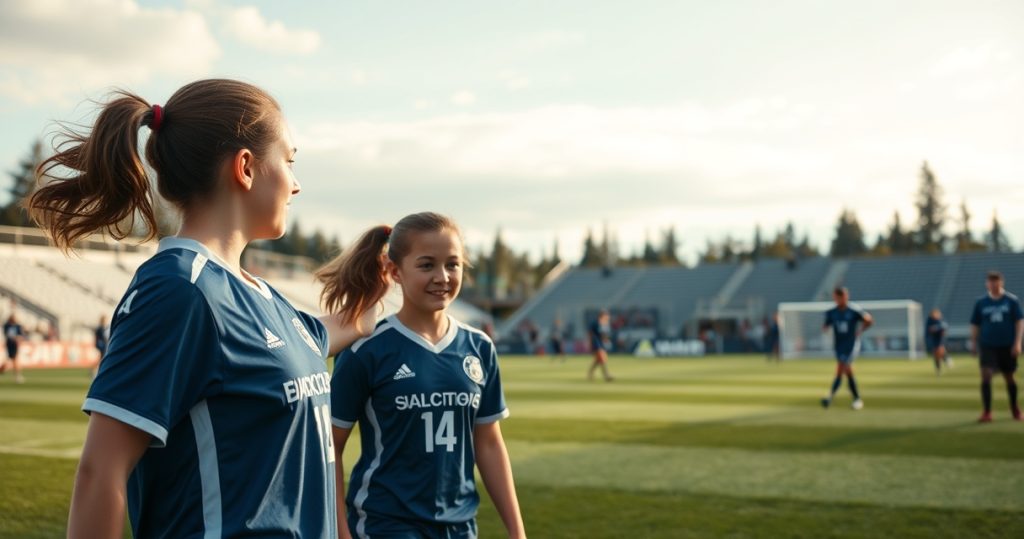
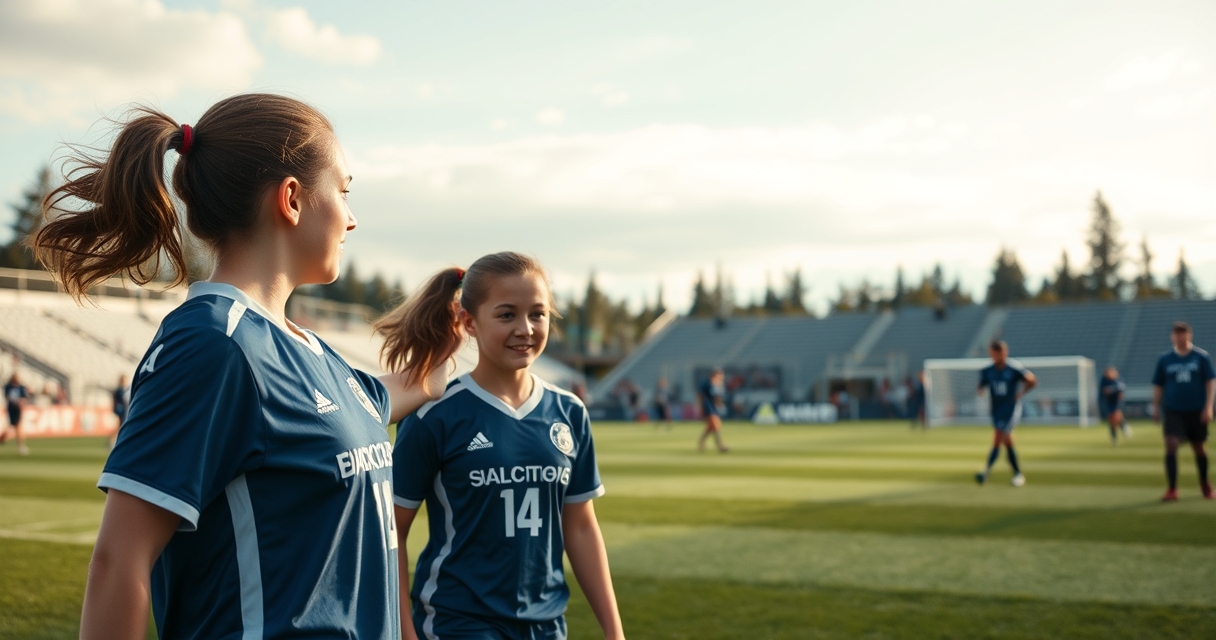
The Washington State Women’s Soccer Association (WSWSA) runs women’s soccer community outreach programs that foster engagement, youth development, and competitive play across the Evergreen State. As the organization expands its reach, the demand for skilled communicators who can tell the story of women’s soccer, attract sponsors, and keep fans informed has risen dramatically. Graduates holding a communications degree are uniquely positioned to fill these gaps, translating on‑field excitement into compelling narratives that drive attendance and support. Understanding the specific career paths within WSWSA helps new professionals target their job search and align their academic preparation with real‑world expectations.
Understanding the Landscape of Washington Women’s Soccer
Washington’s women’s soccer education programs include youth leagues, college teams, semi‑professional clubs, and a state association that coordinates them all. The WSWSA oversees more than 30 member clubs, each with its own branding, social media presence, and community outreach initiatives. In addition to league play, the association organizes annual tournaments that draw teams from neighboring states, creating opportunities for media coverage and sponsorship activation. Because the sport is still growing in popularity, the association places a premium on storytelling that highlights player achievements, local heroes, and the cultural impact of women’s soccer in the region.
Geographically, the state’s diverse communities, from the Puget Sound metropolitan area to the rural eastern towns, require tailored communication strategies. A single message that works in Seattle may not resonate in Spokane, so the association relies on regional communicators who understand local media habits and community values. This decentralized model means that communications professionals often work across multiple platforms, balancing the needs of a statewide audience with the nuances of individual club cultures.
Core Communication Roles Within State Associations
The most common positions for communications graduates at WSWSA include Public Relations Coordinator, Digital Content Specialist, and Community Engagement Manager. Public Relations Coordinators handle press releases, media inquiries, and crisis communication, ensuring that the association’s image remains positive during both triumphs and setbacks. Digital Content Specialists create video highlights, manage website updates, and produce podcasts that showcase player stories and match analysis. Community Engagement Managers develop outreach programs, coordinate volunteer initiatives, and build partnerships with schools and local businesses to broaden the sport’s footprint.
Each role demands a blend of writing ability, visual storytelling, and strategic planning. For example, a Public Relations Coordinator might draft a release announcing a new sponsorship deal with a regional health clinic, then coordinate a photo shoot that features athletes using the clinic’s services. Meanwhile, a Digital Content Specialist could edit a series of match clips for Instagram Reels, adding captions that encourage fans to share their favorite moments. Community Engagement Managers often organize “soccer in the park” events that bring together families, coaches, and local officials, creating a platform for the association to showcase its mission.
How a Communications Degree Prepares You for These Roles
Academic programs in communications provide a solid foundation in media writing, audience analysis, and multimedia production, all essential skills for WSWSA positions. Courses that focus on public relations teach students how to craft clear, concise messages that align with an organization’s values, a capability that translates directly to press release writing and media outreach. Meanwhile, digital journalism classes expose graduates to content management systems, SEO best practices, and analytics tools that help track the performance of website articles and social media posts.

Practical experience gained through internships or campus media outlets further strengthens a candidate’s portfolio. A student who has managed a university sports blog can demonstrate an ability to produce timely game recaps, conduct athlete interviews, and engage readers through comment moderation. Similarly, a project that involves creating a promotional video for a campus event showcases proficiency with video editing software and storytelling techniques that are highly valued by the association’s digital teams.
Real World Skills Employers Value in the Pacific Northwest
Beyond the classroom, employers in Washington look for professionals who can navigate the region’s distinctive media environment. The Pacific Northwest boasts a strong tradition of independent journalism, with outlets that prioritize community voices and investigative reporting. As a result, WSWSA staff members who can pitch story ideas to local newspapers, radio stations, and niche blogs gain a competitive edge. Demonstrating an ability to build relationships with journalists, understand editorial calendars, and tailor pitches to different audiences is often a deciding factor in hiring.
Technical competence also carries weight. Proficiency with Adobe Creative Cloud, video streaming platforms, and social media scheduling tools such as Hootsuite or Buffer enables new hires to produce high‑quality assets on tight deadlines. Additionally, knowledge of data visualization helps communicators present attendance trends, sponsorship ROI, and demographic insights in a format that executives can quickly interpret. Employers frequently assess these capabilities through portfolio reviews, live editing tests, or scenario‑based interviews that simulate real‑world challenges.
Salary Expectations and Advancement Opportunities
Entry‑level communications positions at WSWSA typically start between $45,000 and $55,000 annually, reflecting the cost of living in Washington’s major urban centers. Public Relations Coordinators may earn slightly higher salaries if they bring prior experience in crisis management or have a track record of securing major media placements. Digital Content Specialists often see compensation rise as they master advanced video production techniques and demonstrate measurable growth in follower counts or engagement rates.

Career progression within the association is well defined. After two to three years, professionals can move into senior roles such as Director of Communications, overseeing a team of writers, designers, and outreach coordinators. Those who excel in fundraising communications may transition to senior development positions, where they craft donor proposals and manage large‑scale sponsorship campaigns. Continuous professional development, such as obtaining a Certified Public Relations Specialist credential, can accelerate promotion timelines and open doors to leadership positions across the broader sports industry.
Networking Strategies and Professional Development in the Region
Building a robust professional network is essential for anyone pursuing women’s soccer leadership development pathways in Washington. Attending the annual Pacific Northwest Sports Media Conference provides direct access to league executives, media professionals, and agency representatives who oversee sponsorship deals. Participating in panel discussions, volunteering for event staffing, and sharing work samples during networking breaks can lead to mentorship opportunities and job referrals.
Local chapters of national organizations such as the Public Relations Society of America and the Society of Professional Journalists host regular meet‑ups that focus on sports communication trends. Engaging with these groups allows graduates to stay current on industry best practices, learn about emerging platforms, and connect with peers who may later become collaborators on joint projects. By combining formal education with active involvement in regional professional circles, communications graduates can position themselves as indispensable assets to the Washington State Women’s Soccer Association.

I’ve been passionate about women’s soccer in Washington ever since I first watched a local match in high school. Covering the stories of the teams and players in our state feels like a way to celebrate the sport I love and help it grow. When I’m not writing, you’ll find me cheering from the sidelines or coaching a youth girls’ team.