Blog » Facilities used for women’s soccer in Washington State

Facilities used for women’s soccer in Washington State

Moreover, inclusive sports venues in Washington State go beyond physical accessibility by offering programs aimed at increasing participation and retention of female soccer players. Workshops, mentorship programs, and awareness campaigns promote equality and foster a sense of belonging within the soccer community, encouraging more women to take advantage of state facilities.

By prioritizing inclusive sports venues, Washington State continues to advance gender equity in athletics. The ongoing commitment to accessibility ensures that soccer facilities not only meet legal standards but also create a supportive atmosphere where female athletes can thrive and confidently pursue their passion for the sport.

Community-driven initiatives also play a crucial role in advancing facility accessibility and quality. Soccer clubs, schools, and local leagues actively engage with stakeholders to identify challenges and propose solutions to improve the user experience on and off the field. These grassroots efforts complement larger-scale development projects by addressing unique community needs and encouraging ongoing participation among female athletes.

Looking forward, the future of women’s soccer facilities in Washington involves continued investment in modern technologies such as LED field lighting, eco-friendly turf options, and digital access points for scheduling and information dissemination. These enhancements contribute not only to better playing conditions but also to safer, more accessible, and more equitable environments for women and girls pursuing soccer across the state.

Overall, the ongoing development efforts combined with strategic accessibility improvements and diversified soccer facility funding are helping Washington State build a robust infrastructure that supports the growth and sustainability of women’s soccer at all levels, from grassroots to elite competition.

Recent Facility Upgrades and Investments

In recent years, significant facility renovations have been made throughout Washington State to modernize soccer fields and better support women’s teams and events. These investments reflect a growing recognition of the importance of providing high-quality venues that encourage participation and enhance the competitive experience for female athletes. Key upgrades have included the installation of advanced turf systems designed to improve playability and safety, as well as enhanced lighting to accommodate evening matches and training sessions.

Moreover, many of the renovated facilities now feature expanded locker rooms, dedicated training areas, and improved seating arrangements, specifically tailored to meet the needs of women’s soccer teams. These enhancements not only help create a more professional atmosphere but also foster a sense of community and pride among players and supporters. The increased investment in sports infrastructure is a direct response to the rising popularity of women’s soccer in the state and represents a commitment to advancing gender equity within the sport.

Local governments, sports organizations, and private sponsors have collaborated on these projects, channeling funds into infrastructure upgrades that facilitate high-caliber events and tournaments. These efforts are paving the way for future growth, ensuring that Washington State remains a premier destination for women’s soccer. The emphasis on soccer field modernization underscores the dedication to providing safe, accessible, and state-of-the-art facilities that empower female athletes at all levels.

Accessibility Initiatives for Female Athletes

Washington State has made significant strides in promoting facility accessibility for female athletes, ensuring that soccer venues are inclusive and supportive for all. Several programs and initiatives focus on improving infrastructure to accommodate diverse needs, making sports venues more welcoming and easier to navigate for women players with varying abilities.

Organizations throughout the state partner with local governments and sports associations to implement accessibility improvements such as ramps, adjustable seating, and gender-neutral locker rooms. These enhancements are designed to create a more comfortable and equitable environment, emphasizing female athlete support by addressing the unique challenges women may face in traditionally male-dominated sports spaces.

Moreover, inclusive sports venues in Washington State go beyond physical accessibility by offering programs aimed at increasing participation and retention of female soccer players. Workshops, mentorship programs, and awareness campaigns promote equality and foster a sense of belonging within the soccer community, encouraging more women to take advantage of state facilities.

By prioritizing inclusive sports venues, Washington State continues to advance gender equity in athletics. The ongoing commitment to accessibility ensures that soccer facilities not only meet legal standards but also create a supportive atmosphere where female athletes can thrive and confidently pursue their passion for the sport.

Community-driven initiatives also play a crucial role in advancing facility accessibility and quality. Soccer clubs, schools, and local leagues actively engage with stakeholders to identify challenges and propose solutions to improve the user experience on and off the field. These grassroots efforts complement larger-scale development projects by addressing unique community needs and encouraging ongoing participation among female athletes.

Looking forward, the future of women’s soccer facilities in Washington involves continued investment in modern technologies such as LED field lighting, eco-friendly turf options, and digital access points for scheduling and information dissemination. These enhancements contribute not only to better playing conditions but also to safer, more accessible, and more equitable environments for women and girls pursuing soccer across the state.

Overall, the ongoing development efforts combined with strategic accessibility improvements and diversified soccer facility funding are helping Washington State build a robust infrastructure that supports the growth and sustainability of women’s soccer at all levels, from grassroots to elite competition.

Recent Facility Upgrades and Investments

In recent years, significant facility renovations have been made throughout Washington State to modernize soccer fields and better support women’s teams and events. These investments reflect a growing recognition of the importance of providing high-quality venues that encourage participation and enhance the competitive experience for female athletes. Key upgrades have included the installation of advanced turf systems designed to improve playability and safety, as well as enhanced lighting to accommodate evening matches and training sessions.

Moreover, many of the renovated facilities now feature expanded locker rooms, dedicated training areas, and improved seating arrangements, specifically tailored to meet the needs of women’s soccer teams. These enhancements not only help create a more professional atmosphere but also foster a sense of community and pride among players and supporters. The increased investment in sports infrastructure is a direct response to the rising popularity of women’s soccer in the state and represents a commitment to advancing gender equity within the sport.

Local governments, sports organizations, and private sponsors have collaborated on these projects, channeling funds into infrastructure upgrades that facilitate high-caliber events and tournaments. These efforts are paving the way for future growth, ensuring that Washington State remains a premier destination for women’s soccer. The emphasis on soccer field modernization underscores the dedication to providing safe, accessible, and state-of-the-art facilities that empower female athletes at all levels.

Accessibility Initiatives for Female Athletes

Washington State has made significant strides in promoting facility accessibility for female athletes, ensuring that soccer venues are inclusive and supportive for all. Several programs and initiatives focus on improving infrastructure to accommodate diverse needs, making sports venues more welcoming and easier to navigate for women players with varying abilities.

Organizations throughout the state partner with local governments and sports associations to implement accessibility improvements such as ramps, adjustable seating, and gender-neutral locker rooms. These enhancements are designed to create a more comfortable and equitable environment, emphasizing female athlete support by addressing the unique challenges women may face in traditionally male-dominated sports spaces.

Moreover, inclusive sports venues in Washington State go beyond physical accessibility by offering programs aimed at increasing participation and retention of female soccer players. Workshops, mentorship programs, and awareness campaigns promote equality and foster a sense of belonging within the soccer community, encouraging more women to take advantage of state facilities.

By prioritizing inclusive sports venues, Washington State continues to advance gender equity in athletics. The ongoing commitment to accessibility ensures that soccer facilities not only meet legal standards but also create a supportive atmosphere where female athletes can thrive and confidently pursue their passion for the sport.

Funding for soccer facility development and accessibility improvements has become more diversified, drawing from local government grants, state sports commissions, nonprofit organizations, and private sponsors. This collaborative funding model allows more comprehensive upgrades and the sustained maintenance of facilities. Notably, programs dedicated to the enhancement of women’s sports have increased in prominence, thereby directing greater resources toward facilities specifically catered to women’s soccer.

Community-driven initiatives also play a crucial role in advancing facility accessibility and quality. Soccer clubs, schools, and local leagues actively engage with stakeholders to identify challenges and propose solutions to improve the user experience on and off the field. These grassroots efforts complement larger-scale development projects by addressing unique community needs and encouraging ongoing participation among female athletes.

Looking forward, the future of women’s soccer facilities in Washington involves continued investment in modern technologies such as LED field lighting, eco-friendly turf options, and digital access points for scheduling and information dissemination. These enhancements contribute not only to better playing conditions but also to safer, more accessible, and more equitable environments for women and girls pursuing soccer across the state.

Overall, the ongoing development efforts combined with strategic accessibility improvements and diversified soccer facility funding are helping Washington State build a robust infrastructure that supports the growth and sustainability of women’s soccer at all levels, from grassroots to elite competition.

Recent Facility Upgrades and Investments

In recent years, significant facility renovations have been made throughout Washington State to modernize soccer fields and better support women’s teams and events. These investments reflect a growing recognition of the importance of providing high-quality venues that encourage participation and enhance the competitive experience for female athletes. Key upgrades have included the installation of advanced turf systems designed to improve playability and safety, as well as enhanced lighting to accommodate evening matches and training sessions.

Moreover, many of the renovated facilities now feature expanded locker rooms, dedicated training areas, and improved seating arrangements, specifically tailored to meet the needs of women’s soccer teams. These enhancements not only help create a more professional atmosphere but also foster a sense of community and pride among players and supporters. The increased investment in sports infrastructure is a direct response to the rising popularity of women’s soccer in the state and represents a commitment to advancing gender equity within the sport.

Local governments, sports organizations, and private sponsors have collaborated on these projects, channeling funds into infrastructure upgrades that facilitate high-caliber events and tournaments. These efforts are paving the way for future growth, ensuring that Washington State remains a premier destination for women’s soccer. The emphasis on soccer field modernization underscores the dedication to providing safe, accessible, and state-of-the-art facilities that empower female athletes at all levels.

Accessibility Initiatives for Female Athletes

Washington State has made significant strides in promoting facility accessibility for female athletes, ensuring that soccer venues are inclusive and supportive for all. Several programs and initiatives focus on improving infrastructure to accommodate diverse needs, making sports venues more welcoming and easier to navigate for women players with varying abilities.

Organizations throughout the state partner with local governments and sports associations to implement accessibility improvements such as ramps, adjustable seating, and gender-neutral locker rooms. These enhancements are designed to create a more comfortable and equitable environment, emphasizing female athlete support by addressing the unique challenges women may face in traditionally male-dominated sports spaces.

Moreover, inclusive sports venues in Washington State go beyond physical accessibility by offering programs aimed at increasing participation and retention of female soccer players. Workshops, mentorship programs, and awareness campaigns promote equality and foster a sense of belonging within the soccer community, encouraging more women to take advantage of state facilities.

By prioritizing inclusive sports venues, Washington State continues to advance gender equity in athletics. The ongoing commitment to accessibility ensures that soccer facilities not only meet legal standards but also create a supportive atmosphere where female athletes can thrive and confidently pursue their passion for the sport.

Funding for soccer facility development and accessibility improvements has become more diversified, drawing from local government grants, state sports commissions, nonprofit organizations, and private sponsors. This collaborative funding model allows more comprehensive upgrades and the sustained maintenance of facilities. Notably, programs dedicated to the enhancement of women’s sports have increased in prominence, thereby directing greater resources toward facilities specifically catered to women’s soccer.

Community-driven initiatives also play a crucial role in advancing facility accessibility and quality. Soccer clubs, schools, and local leagues actively engage with stakeholders to identify challenges and propose solutions to improve the user experience on and off the field. These grassroots efforts complement larger-scale development projects by addressing unique community needs and encouraging ongoing participation among female athletes.

Looking forward, the future of women’s soccer facilities in Washington involves continued investment in modern technologies such as LED field lighting, eco-friendly turf options, and digital access points for scheduling and information dissemination. These enhancements contribute not only to better playing conditions but also to safer, more accessible, and more equitable environments for women and girls pursuing soccer across the state.

Overall, the ongoing development efforts combined with strategic accessibility improvements and diversified soccer facility funding are helping Washington State build a robust infrastructure that supports the growth and sustainability of women’s soccer at all levels, from grassroots to elite competition.

Recent Facility Upgrades and Investments

In recent years, significant facility renovations have been made throughout Washington State to modernize soccer fields and better support women’s teams and events. These investments reflect a growing recognition of the importance of providing high-quality venues that encourage participation and enhance the competitive experience for female athletes. Key upgrades have included the installation of advanced turf systems designed to improve playability and safety, as well as enhanced lighting to accommodate evening matches and training sessions.

Moreover, many of the renovated facilities now feature expanded locker rooms, dedicated training areas, and improved seating arrangements, specifically tailored to meet the needs of women’s soccer teams. These enhancements not only help create a more professional atmosphere but also foster a sense of community and pride among players and supporters. The increased investment in sports infrastructure is a direct response to the rising popularity of women’s soccer in the state and represents a commitment to advancing gender equity within the sport.

Local governments, sports organizations, and private sponsors have collaborated on these projects, channeling funds into infrastructure upgrades that facilitate high-caliber events and tournaments. These efforts are paving the way for future growth, ensuring that Washington State remains a premier destination for women’s soccer. The emphasis on soccer field modernization underscores the dedication to providing safe, accessible, and state-of-the-art facilities that empower female athletes at all levels.

Accessibility Initiatives for Female Athletes

Washington State has made significant strides in promoting facility accessibility for female athletes, ensuring that soccer venues are inclusive and supportive for all. Several programs and initiatives focus on improving infrastructure to accommodate diverse needs, making sports venues more welcoming and easier to navigate for women players with varying abilities.

Organizations throughout the state partner with local governments and sports associations to implement accessibility improvements such as ramps, adjustable seating, and gender-neutral locker rooms. These enhancements are designed to create a more comfortable and equitable environment, emphasizing female athlete support by addressing the unique challenges women may face in traditionally male-dominated sports spaces.

Moreover, inclusive sports venues in Washington State go beyond physical accessibility by offering programs aimed at increasing participation and retention of female soccer players. Workshops, mentorship programs, and awareness campaigns promote equality and foster a sense of belonging within the soccer community, encouraging more women to take advantage of state facilities.

By prioritizing inclusive sports venues, Washington State continues to advance gender equity in athletics. The ongoing commitment to accessibility ensures that soccer facilities not only meet legal standards but also create a supportive atmosphere where female athletes can thrive and confidently pursue their passion for the sport.

Local sports complexes serve as hubs for women’s soccer activities across the state, hosting numerous leagues and tournaments throughout the year. Many of these complexes are managed by city or county parks departments, ensuring that the fields meet safety standards and are available for public use. They typically include amenities such as restrooms, seating areas for spectators, and parking facilities, enhancing the overall experience for players and fans.

Recreational soccer facilities in Washington State emphasize community involvement and accessibility, often collaborating with local soccer associations and clubs to promote the growth of women’s soccer. These venues play a crucial role in nurturing young talent while providing a supportive environment for adult amateur leagues. Whether in urban centers or suburban neighborhoods, community soccer fields and local sports complexes together create a vibrant network for women’s soccer players statewide.

Development and Accessibility of Women’s Soccer Facilities

The development of women’s soccer facilities in Washington State has seen significant progress over recent years, driven by a combination of public initiatives, private investments, and community advocacy. Facility development is now focused not only on expanding the number of soccer fields but also on enhancing the quality and functionality of these venues to meet the specific needs of female players at all levels.

One of the key areas of focus in facility development is improving accessibility to ensure that facilities are welcoming and usable by all players, including those with disabilities. Recent projects across Washington have incorporated ADA-compliant features such as accessible seating, ramps, and restrooms, as well as specialized playing surfaces that accommodate a wide range of physical abilities. These accessibility improvements are helping to break down barriers and create a more inclusive environment for women’s soccer.

Funding for soccer facility development and accessibility improvements has become more diversified, drawing from local government grants, state sports commissions, nonprofit organizations, and private sponsors. This collaborative funding model allows more comprehensive upgrades and the sustained maintenance of facilities. Notably, programs dedicated to the enhancement of women’s sports have increased in prominence, thereby directing greater resources toward facilities specifically catered to women’s soccer.

Community-driven initiatives also play a crucial role in advancing facility accessibility and quality. Soccer clubs, schools, and local leagues actively engage with stakeholders to identify challenges and propose solutions to improve the user experience on and off the field. These grassroots efforts complement larger-scale development projects by addressing unique community needs and encouraging ongoing participation among female athletes.

Looking forward, the future of women’s soccer facilities in Washington involves continued investment in modern technologies such as LED field lighting, eco-friendly turf options, and digital access points for scheduling and information dissemination. These enhancements contribute not only to better playing conditions but also to safer, more accessible, and more equitable environments for women and girls pursuing soccer across the state.

Overall, the ongoing development efforts combined with strategic accessibility improvements and diversified soccer facility funding are helping Washington State build a robust infrastructure that supports the growth and sustainability of women’s soccer at all levels, from grassroots to elite competition.

Recent Facility Upgrades and Investments

In recent years, significant facility renovations have been made throughout Washington State to modernize soccer fields and better support women’s teams and events. These investments reflect a growing recognition of the importance of providing high-quality venues that encourage participation and enhance the competitive experience for female athletes. Key upgrades have included the installation of advanced turf systems designed to improve playability and safety, as well as enhanced lighting to accommodate evening matches and training sessions.

Moreover, many of the renovated facilities now feature expanded locker rooms, dedicated training areas, and improved seating arrangements, specifically tailored to meet the needs of women’s soccer teams. These enhancements not only help create a more professional atmosphere but also foster a sense of community and pride among players and supporters. The increased investment in sports infrastructure is a direct response to the rising popularity of women’s soccer in the state and represents a commitment to advancing gender equity within the sport.

Local governments, sports organizations, and private sponsors have collaborated on these projects, channeling funds into infrastructure upgrades that facilitate high-caliber events and tournaments. These efforts are paving the way for future growth, ensuring that Washington State remains a premier destination for women’s soccer. The emphasis on soccer field modernization underscores the dedication to providing safe, accessible, and state-of-the-art facilities that empower female athletes at all levels.

Accessibility Initiatives for Female Athletes

Washington State has made significant strides in promoting facility accessibility for female athletes, ensuring that soccer venues are inclusive and supportive for all. Several programs and initiatives focus on improving infrastructure to accommodate diverse needs, making sports venues more welcoming and easier to navigate for women players with varying abilities.

Organizations throughout the state partner with local governments and sports associations to implement accessibility improvements such as ramps, adjustable seating, and gender-neutral locker rooms. These enhancements are designed to create a more comfortable and equitable environment, emphasizing female athlete support by addressing the unique challenges women may face in traditionally male-dominated sports spaces.

Moreover, inclusive sports venues in Washington State go beyond physical accessibility by offering programs aimed at increasing participation and retention of female soccer players. Workshops, mentorship programs, and awareness campaigns promote equality and foster a sense of belonging within the soccer community, encouraging more women to take advantage of state facilities.

By prioritizing inclusive sports venues, Washington State continues to advance gender equity in athletics. The ongoing commitment to accessibility ensures that soccer facilities not only meet legal standards but also create a supportive atmosphere where female athletes can thrive and confidently pursue their passion for the sport.

Local sports complexes serve as hubs for women’s soccer activities across the state, hosting numerous leagues and tournaments throughout the year. Many of these complexes are managed by city or county parks departments, ensuring that the fields meet safety standards and are available for public use. They typically include amenities such as restrooms, seating areas for spectators, and parking facilities, enhancing the overall experience for players and fans.

Recreational soccer facilities in Washington State emphasize community involvement and accessibility, often collaborating with local soccer associations and clubs to promote the growth of women’s soccer. These venues play a crucial role in nurturing young talent while providing a supportive environment for adult amateur leagues. Whether in urban centers or suburban neighborhoods, community soccer fields and local sports complexes together create a vibrant network for women’s soccer players statewide.

Development and Accessibility of Women’s Soccer Facilities

The development of women’s soccer facilities in Washington State has seen significant progress over recent years, driven by a combination of public initiatives, private investments, and community advocacy. Facility development is now focused not only on expanding the number of soccer fields but also on enhancing the quality and functionality of these venues to meet the specific needs of female players at all levels.

One of the key areas of focus in facility development is improving accessibility to ensure that facilities are welcoming and usable by all players, including those with disabilities. Recent projects across Washington have incorporated ADA-compliant features such as accessible seating, ramps, and restrooms, as well as specialized playing surfaces that accommodate a wide range of physical abilities. These accessibility improvements are helping to break down barriers and create a more inclusive environment for women’s soccer.

Funding for soccer facility development and accessibility improvements has become more diversified, drawing from local government grants, state sports commissions, nonprofit organizations, and private sponsors. This collaborative funding model allows more comprehensive upgrades and the sustained maintenance of facilities. Notably, programs dedicated to the enhancement of women’s sports have increased in prominence, thereby directing greater resources toward facilities specifically catered to women’s soccer.

Community-driven initiatives also play a crucial role in advancing facility accessibility and quality. Soccer clubs, schools, and local leagues actively engage with stakeholders to identify challenges and propose solutions to improve the user experience on and off the field. These grassroots efforts complement larger-scale development projects by addressing unique community needs and encouraging ongoing participation among female athletes.

Looking forward, the future of women’s soccer facilities in Washington involves continued investment in modern technologies such as LED field lighting, eco-friendly turf options, and digital access points for scheduling and information dissemination. These enhancements contribute not only to better playing conditions but also to safer, more accessible, and more equitable environments for women and girls pursuing soccer across the state.

Overall, the ongoing development efforts combined with strategic accessibility improvements and diversified soccer facility funding are helping Washington State build a robust infrastructure that supports the growth and sustainability of women’s soccer at all levels, from grassroots to elite competition.

Recent Facility Upgrades and Investments

In recent years, significant facility renovations have been made throughout Washington State to modernize soccer fields and better support women’s teams and events. These investments reflect a growing recognition of the importance of providing high-quality venues that encourage participation and enhance the competitive experience for female athletes. Key upgrades have included the installation of advanced turf systems designed to improve playability and safety, as well as enhanced lighting to accommodate evening matches and training sessions.

Moreover, many of the renovated facilities now feature expanded locker rooms, dedicated training areas, and improved seating arrangements, specifically tailored to meet the needs of women’s soccer teams. These enhancements not only help create a more professional atmosphere but also foster a sense of community and pride among players and supporters. The increased investment in sports infrastructure is a direct response to the rising popularity of women’s soccer in the state and represents a commitment to advancing gender equity within the sport.

Local governments, sports organizations, and private sponsors have collaborated on these projects, channeling funds into infrastructure upgrades that facilitate high-caliber events and tournaments. These efforts are paving the way for future growth, ensuring that Washington State remains a premier destination for women’s soccer. The emphasis on soccer field modernization underscores the dedication to providing safe, accessible, and state-of-the-art facilities that empower female athletes at all levels.

Accessibility Initiatives for Female Athletes

Washington State has made significant strides in promoting facility accessibility for female athletes, ensuring that soccer venues are inclusive and supportive for all. Several programs and initiatives focus on improving infrastructure to accommodate diverse needs, making sports venues more welcoming and easier to navigate for women players with varying abilities.

Organizations throughout the state partner with local governments and sports associations to implement accessibility improvements such as ramps, adjustable seating, and gender-neutral locker rooms. These enhancements are designed to create a more comfortable and equitable environment, emphasizing female athlete support by addressing the unique challenges women may face in traditionally male-dominated sports spaces.

Moreover, inclusive sports venues in Washington State go beyond physical accessibility by offering programs aimed at increasing participation and retention of female soccer players. Workshops, mentorship programs, and awareness campaigns promote equality and foster a sense of belonging within the soccer community, encouraging more women to take advantage of state facilities.

By prioritizing inclusive sports venues, Washington State continues to advance gender equity in athletics. The ongoing commitment to accessibility ensures that soccer facilities not only meet legal standards but also create a supportive atmosphere where female athletes can thrive and confidently pursue their passion for the sport.

Overview of Women’s Soccer Facilities in Washington State

Washington State boasts a diverse and well-developed landscape of women’s soccer facilities that cater to players of all levels, from grassroots clubs to collegiate teams and elite athletes. Women’s soccer facilities in Washington State are integral to fostering the growth and development of the sport, providing essential venues where players can train, compete, and flourish. These facilities range from community soccer fields and regional sports complexes to sophisticated stadiums equipped with modern amenities and top-notch soccer infrastructure.

The importance of women’s soccer facilities in Washington State extends beyond just offering playing fields. They play a vital role in supporting the state’s growing interest in women’s soccer by enabling organized leagues, tournaments, and development programs to thrive. Access to quality soccer infrastructure is crucial for nurturing talent and ensuring competitive opportunities at every level, from youth leagues to professional clubs. This emphasis on developing comprehensive sports venues has helped cultivate a strong soccer culture and community throughout the state.

General availability of women’s soccer facilities across Washington State is notably high, with many counties and municipalities investing in expanding and upgrading their sports venues to meet the demands of increasing participation. Urban centers like Seattle and Tacoma feature some of the most advanced facilities that attract regional and national competitions, while smaller towns offer well-maintained fields to accommodate local leagues and school teams. The collaborative efforts between local governments, soccer associations, and private organizations ensure that the soccer infrastructure remains accessible, well-maintained, and inclusive for all players.

Overall, the landscape of women’s soccer facilities in Washington State reflects a commitment to providing the necessary resources and infrastructure to promote the sport’s continued growth. These venues not only host matches but also serve as community hubs where athletes, families, and fans come together to celebrate women’s soccer. As the sport continues to gain popularity, the investment in and availability of top-tier women’s soccer facilities in Washington State will remain a key factor in sustaining its momentum and success.

Types of Facilities Available

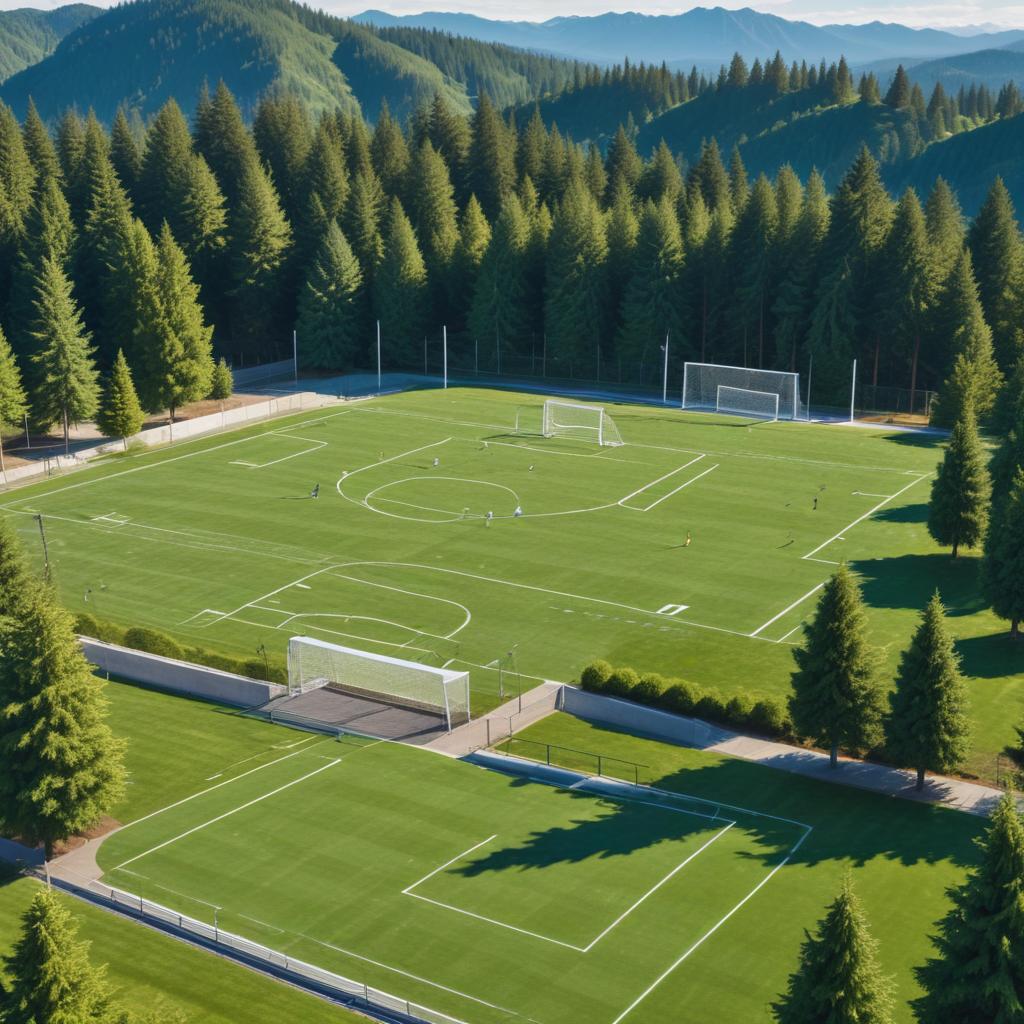
Women’s soccer in Washington State benefits from a diverse range of facilities designed to support athletes at all levels. The foundation of these facilities is the outdoor soccer fields, which include both natural grass and artificial turf surfaces. These fields are commonly found in local parks, schools, and dedicated sports complexes, providing ample space for matches and training sessions. Outdoor soccer fields are essential for game-day play, allowing teams to experience real-game conditions and develop tactical skills.

In addition to outdoor fields, indoor soccer venues play a crucial role, especially during the colder months. These indoor facilities offer controlled environments where women’s soccer teams can practice year-round without weather disruptions. Indoor soccer venues often feature turf surfaces and are equipped with lighting and climate control, enabling consistent training schedules. They are ideal for small-sided games and technical drills that require precision and speed.

Dedicated training centers complement these playing fields by providing state-of-the-art amenities tailored for player development. These centers often include fitness gyms, rehabilitation rooms, and tactical analysis areas. Training centers serve as hubs for skill enhancement, physical conditioning, and recovery, empowering athletes to reach their full potential. Together, soccer fields, indoor soccer venues, and training centers create a comprehensive infrastructure supporting women’s soccer across Washington State.

Geographic Distribution of Facilities

The facility locations for women’s soccer in Washington State exhibit a clear urban vs rural distinction. Urban areas, particularly around major cities such as Seattle, Tacoma, and Spokane, boast a higher concentration of regional soccer fields and multipurpose venues. These urban centers benefit from robust infrastructure, better funding, and greater accessibility, allowing for more frequent maintenance and upgrades. As a result, athletes in metropolitan regions enjoy access to top-tier facilities that cater to various levels of competition and training.

In contrast, rural parts of Washington State face limited access to dedicated women’s soccer venues. While there are soccer fields scattered throughout less densely populated regions, they tend to be fewer in number and often shared with other sports or community activities. This uneven distribution creates challenges for rural players, who may need to travel considerable distances to reach quality facility locations for tournaments or regular practice sessions.

Overall, the geographic distribution of women’s soccer fields reflects broader population and economic patterns within the state. Efforts are ongoing to improve equity in regional soccer facilities, with some initiatives aiming to enhance rural access through new construction projects and refurbishments. However, the urban vs rural divide remains a significant factor shaping the landscape of women’s soccer infrastructure in Washington State.

Key Facilities Supporting Women’s Soccer in Washington State

Washington State boasts a number of top soccer facilities that play a crucial role in fostering the growth and development of women’s soccer across the region. These premier venues not only serve as hubs for local clubs and youth programs but also host collegiate and professional women’s soccer matches, contributing significantly to the sport’s visibility and popularity.

One of the most prominent Washington State stadiums for women’s soccer is the Starfire Sports Complex in Tukwila. Known for its exceptional spectator experience and professional-grade fields, Starfire has become a favored venue for various women’s soccer events, including training sessions, tournaments, and competitive matches. Equipped with multiple synthetic turf fields and seating areas designed for fans, it supports the sport at grassroots and elite levels alike.

Another key women’s soccer venue in Washington is Cheney Stadium in Tacoma. While traditionally known for baseball, this stadium is versatile and has been adapted to host major soccer events, providing a high-quality playing surface and ample facilities for athletes and spectators. Cheney Stadium’s central location makes it accessible for teams across the state, further enhancing its role in promoting women’s soccer.

Additionally, the University of Washington’s Husky Soccer Stadium in Seattle is a landmark facility dedicated to collegiate women’s soccer. The stadium offers a top-tier environment that not only supports the university’s women’s soccer team but also hosts regional tournaments and showcases. The vibrant atmosphere at Husky Soccer Stadium exemplifies the passion for women’s soccer within the Seattle area and beyond.

Several community parks and local sports complexes throughout Washington State supplement these major facilities by providing accessible venues for recreational and youth soccer. These spaces are essential in cultivating talent and encouraging participation among young female athletes. Together, these top soccer facilities and stadiums form a robust network that sustains and advances women’s soccer in Washington State, making the sport more inclusive and competitive than ever before.

Professional and Collegiate Stadiums

Washington State is home to several notable stadiums that serve as vital venues for women’s soccer at both the collegiate and professional levels. College soccer fields across the state play a crucial role in developing young talent and hosting competitive matches. One prominent example is the Husky Soccer Stadium in Seattle, which serves as the home field for the University of Washington’s women’s soccer team. This stadium offers a high-quality playing surface and seating capacity that enhances the collegiate game experience for players and fans alike.

On the professional front, Washington boasts several key stadiums that accommodate National Women’s Soccer League (NWSL) matches, providing world-class venues for the sport. The Lumen Field in Seattle is not only iconic for its role in professional soccer but also as a premier NWSL venue. As home to OL Reign, Lumen Field delivers an electric atmosphere and top-tier facilities that support the growth of women’s soccer professionally and bring fans closer to the action. Additionally, Cheney Stadium in Tacoma occasionally hosts professional women’s soccer games, further adding to the infrastructure supporting the sport.

These stadiums collectively illustrate the depth and dedication Washington State has towards fostering women’s soccer. From college soccer fields nurturing future stars to professional stadiums enhancing the spectator experience, the state’s facilities are an integral part of the soccer community. As the sport continues to grow in popularity, these venues remain essential for hosting important matches and events in the NWSL and collegiate soccer calendars.

Community and Local Soccer Complexes

Washington State offers a variety of community soccer fields and local sports complexes that cater to women’s soccer leagues and amateur players alike. These recreational soccer facilities are designed to provide accessible and well-maintained spaces for players of all skill levels to enjoy the sport. Community parks often feature multiple fields with quality turf and lighting, making them ideal for both practice sessions and competitive matches.

Local sports complexes serve as hubs for women’s soccer activities across the state, hosting numerous leagues and tournaments throughout the year. Many of these complexes are managed by city or county parks departments, ensuring that the fields meet safety standards and are available for public use. They typically include amenities such as restrooms, seating areas for spectators, and parking facilities, enhancing the overall experience for players and fans.

Recreational soccer facilities in Washington State emphasize community involvement and accessibility, often collaborating with local soccer associations and clubs to promote the growth of women’s soccer. These venues play a crucial role in nurturing young talent while providing a supportive environment for adult amateur leagues. Whether in urban centers or suburban neighborhoods, community soccer fields and local sports complexes together create a vibrant network for women’s soccer players statewide.

Development and Accessibility of Women’s Soccer Facilities

The development of women’s soccer facilities in Washington State has seen significant progress over recent years, driven by a combination of public initiatives, private investments, and community advocacy. Facility development is now focused not only on expanding the number of soccer fields but also on enhancing the quality and functionality of these venues to meet the specific needs of female players at all levels.

One of the key areas of focus in facility development is improving accessibility to ensure that facilities are welcoming and usable by all players, including those with disabilities. Recent projects across Washington have incorporated ADA-compliant features such as accessible seating, ramps, and restrooms, as well as specialized playing surfaces that accommodate a wide range of physical abilities. These accessibility improvements are helping to break down barriers and create a more inclusive environment for women’s soccer.

Funding for soccer facility development and accessibility improvements has become more diversified, drawing from local government grants, state sports commissions, nonprofit organizations, and private sponsors. This collaborative funding model allows more comprehensive upgrades and the sustained maintenance of facilities. Notably, programs dedicated to the enhancement of women’s sports have increased in prominence, thereby directing greater resources toward facilities specifically catered to women’s soccer.

Community-driven initiatives also play a crucial role in advancing facility accessibility and quality. Soccer clubs, schools, and local leagues actively engage with stakeholders to identify challenges and propose solutions to improve the user experience on and off the field. These grassroots efforts complement larger-scale development projects by addressing unique community needs and encouraging ongoing participation among female athletes.

Looking forward, the future of women’s soccer facilities in Washington involves continued investment in modern technologies such as LED field lighting, eco-friendly turf options, and digital access points for scheduling and information dissemination. These enhancements contribute not only to better playing conditions but also to safer, more accessible, and more equitable environments for women and girls pursuing soccer across the state.

Overall, the ongoing development efforts combined with strategic accessibility improvements and diversified soccer facility funding are helping Washington State build a robust infrastructure that supports the growth and sustainability of women’s soccer at all levels, from grassroots to elite competition.

Recent Facility Upgrades and Investments

In recent years, significant facility renovations have been made throughout Washington State to modernize soccer fields and better support women’s teams and events. These investments reflect a growing recognition of the importance of providing high-quality venues that encourage participation and enhance the competitive experience for female athletes. Key upgrades have included the installation of advanced turf systems designed to improve playability and safety, as well as enhanced lighting to accommodate evening matches and training sessions.

Moreover, many of the renovated facilities now feature expanded locker rooms, dedicated training areas, and improved seating arrangements, specifically tailored to meet the needs of women’s soccer teams. These enhancements not only help create a more professional atmosphere but also foster a sense of community and pride among players and supporters. The increased investment in sports infrastructure is a direct response to the rising popularity of women’s soccer in the state and represents a commitment to advancing gender equity within the sport.

Local governments, sports organizations, and private sponsors have collaborated on these projects, channeling funds into infrastructure upgrades that facilitate high-caliber events and tournaments. These efforts are paving the way for future growth, ensuring that Washington State remains a premier destination for women’s soccer. The emphasis on soccer field modernization underscores the dedication to providing safe, accessible, and state-of-the-art facilities that empower female athletes at all levels.

Accessibility Initiatives for Female Athletes

Washington State has made significant strides in promoting facility accessibility for female athletes, ensuring that soccer venues are inclusive and supportive for all. Several programs and initiatives focus on improving infrastructure to accommodate diverse needs, making sports venues more welcoming and easier to navigate for women players with varying abilities.

Organizations throughout the state partner with local governments and sports associations to implement accessibility improvements such as ramps, adjustable seating, and gender-neutral locker rooms. These enhancements are designed to create a more comfortable and equitable environment, emphasizing female athlete support by addressing the unique challenges women may face in traditionally male-dominated sports spaces.

Moreover, inclusive sports venues in Washington State go beyond physical accessibility by offering programs aimed at increasing participation and retention of female soccer players. Workshops, mentorship programs, and awareness campaigns promote equality and foster a sense of belonging within the soccer community, encouraging more women to take advantage of state facilities.

By prioritizing inclusive sports venues, Washington State continues to advance gender equity in athletics. The ongoing commitment to accessibility ensures that soccer facilities not only meet legal standards but also create a supportive atmosphere where female athletes can thrive and confidently pursue their passion for the sport.

Community-driven initiatives also play a crucial role in advancing facility accessibility and quality. Soccer clubs, schools, and local leagues actively engage with stakeholders to identify challenges and propose solutions to improve the user experience on and off the field. These grassroots efforts complement larger-scale development projects by addressing unique community needs and encouraging ongoing participation among female athletes.

Looking forward, the future of women’s soccer facilities in Washington involves continued investment in modern technologies such as LED field lighting, eco-friendly turf options, and digital access points for scheduling and information dissemination. These enhancements contribute not only to better playing conditions but also to safer, more accessible, and more equitable environments for women and girls pursuing soccer across the state.

Overall, the ongoing development efforts combined with strategic accessibility improvements and diversified soccer facility funding are helping Washington State build a robust infrastructure that supports the growth and sustainability of women’s soccer at all levels, from grassroots to elite competition.

Recent Facility Upgrades and Investments

In recent years, significant facility renovations have been made throughout Washington State to modernize soccer fields and better support women’s teams and events. These investments reflect a growing recognition of the importance of providing high-quality venues that encourage participation and enhance the competitive experience for female athletes. Key upgrades have included the installation of advanced turf systems designed to improve playability and safety, as well as enhanced lighting to accommodate evening matches and training sessions.

Moreover, many of the renovated facilities now feature expanded locker rooms, dedicated training areas, and improved seating arrangements, specifically tailored to meet the needs of women’s soccer teams. These enhancements not only help create a more professional atmosphere but also foster a sense of community and pride among players and supporters. The increased investment in sports infrastructure is a direct response to the rising popularity of women’s soccer in the state and represents a commitment to advancing gender equity within the sport.

Local governments, sports organizations, and private sponsors have collaborated on these projects, channeling funds into infrastructure upgrades that facilitate high-caliber events and tournaments. These efforts are paving the way for future growth, ensuring that Washington State remains a premier destination for women’s soccer. The emphasis on soccer field modernization underscores the dedication to providing safe, accessible, and state-of-the-art facilities that empower female athletes at all levels.

Accessibility Initiatives for Female Athletes

Washington State has made significant strides in promoting facility accessibility for female athletes, ensuring that soccer venues are inclusive and supportive for all. Several programs and initiatives focus on improving infrastructure to accommodate diverse needs, making sports venues more welcoming and easier to navigate for women players with varying abilities.

Organizations throughout the state partner with local governments and sports associations to implement accessibility improvements such as ramps, adjustable seating, and gender-neutral locker rooms. These enhancements are designed to create a more comfortable and equitable environment, emphasizing female athlete support by addressing the unique challenges women may face in traditionally male-dominated sports spaces.

Moreover, inclusive sports venues in Washington State go beyond physical accessibility by offering programs aimed at increasing participation and retention of female soccer players. Workshops, mentorship programs, and awareness campaigns promote equality and foster a sense of belonging within the soccer community, encouraging more women to take advantage of state facilities.

By prioritizing inclusive sports venues, Washington State continues to advance gender equity in athletics. The ongoing commitment to accessibility ensures that soccer facilities not only meet legal standards but also create a supportive atmosphere where female athletes can thrive and confidently pursue their passion for the sport.

Overview of Women’s Soccer Facilities in Washington State

Washington State boasts a diverse and well-developed landscape of women’s soccer facilities that cater to players of all levels, from grassroots clubs to collegiate teams and elite athletes. Women’s soccer facilities in Washington State are integral to fostering the growth and development of the sport, providing essential venues where players can train, compete, and flourish. These facilities range from community soccer fields and regional sports complexes to sophisticated stadiums equipped with modern amenities and top-notch soccer infrastructure.

The importance of women’s soccer facilities in Washington State extends beyond just offering playing fields. They play a vital role in supporting the state’s growing interest in women’s soccer by enabling organized leagues, tournaments, and development programs to thrive. Access to quality soccer infrastructure is crucial for nurturing talent and ensuring competitive opportunities at every level, from youth leagues to professional clubs. This emphasis on developing comprehensive sports venues has helped cultivate a strong soccer culture and community throughout the state.

General availability of women’s soccer facilities across Washington State is notably high, with many counties and municipalities investing in expanding and upgrading their sports venues to meet the demands of increasing participation. Urban centers like Seattle and Tacoma feature some of the most advanced facilities that attract regional and national competitions, while smaller towns offer well-maintained fields to accommodate local leagues and school teams. The collaborative efforts between local governments, soccer associations, and private organizations ensure that the soccer infrastructure remains accessible, well-maintained, and inclusive for all players.

Overall, the landscape of women’s soccer facilities in Washington State reflects a commitment to providing the necessary resources and infrastructure to promote the sport’s continued growth. These venues not only host matches but also serve as community hubs where athletes, families, and fans come together to celebrate women’s soccer. As the sport continues to gain popularity, the investment in and availability of top-tier women’s soccer facilities in Washington State will remain a key factor in sustaining its momentum and success.

Types of Facilities Available

Women’s soccer in Washington State benefits from a diverse range of facilities designed to support athletes at all levels. The foundation of these facilities is the outdoor soccer fields, which include both natural grass and artificial turf surfaces. These fields are commonly found in local parks, schools, and dedicated sports complexes, providing ample space for matches and training sessions. Outdoor soccer fields are essential for game-day play, allowing teams to experience real-game conditions and develop tactical skills.

In addition to outdoor fields, indoor soccer venues play a crucial role, especially during the colder months. These indoor facilities offer controlled environments where women’s soccer teams can practice year-round without weather disruptions. Indoor soccer venues often feature turf surfaces and are equipped with lighting and climate control, enabling consistent training schedules. They are ideal for small-sided games and technical drills that require precision and speed.

Dedicated training centers complement these playing fields by providing state-of-the-art amenities tailored for player development. These centers often include fitness gyms, rehabilitation rooms, and tactical analysis areas. Training centers serve as hubs for skill enhancement, physical conditioning, and recovery, empowering athletes to reach their full potential. Together, soccer fields, indoor soccer venues, and training centers create a comprehensive infrastructure supporting women’s soccer across Washington State.

Geographic Distribution of Facilities

The facility locations for women’s soccer in Washington State exhibit a clear urban vs rural distinction. Urban areas, particularly around major cities such as Seattle, Tacoma, and Spokane, boast a higher concentration of regional soccer fields and multipurpose venues. These urban centers benefit from robust infrastructure, better funding, and greater accessibility, allowing for more frequent maintenance and upgrades. As a result, athletes in metropolitan regions enjoy access to top-tier facilities that cater to various levels of competition and training.

In contrast, rural parts of Washington State face limited access to dedicated women’s soccer venues. While there are soccer fields scattered throughout less densely populated regions, they tend to be fewer in number and often shared with other sports or community activities. This uneven distribution creates challenges for rural players, who may need to travel considerable distances to reach quality facility locations for tournaments or regular practice sessions.

Overall, the geographic distribution of women’s soccer fields reflects broader population and economic patterns within the state. Efforts are ongoing to improve equity in regional soccer facilities, with some initiatives aiming to enhance rural access through new construction projects and refurbishments. However, the urban vs rural divide remains a significant factor shaping the landscape of women’s soccer infrastructure in Washington State.

Key Facilities Supporting Women’s Soccer in Washington State

Washington State boasts a number of top soccer facilities that play a crucial role in fostering the growth and development of women’s soccer across the region. These premier venues not only serve as hubs for local clubs and youth programs but also host collegiate and professional women’s soccer matches, contributing significantly to the sport’s visibility and popularity.

One of the most prominent Washington State stadiums for women’s soccer is the Starfire Sports Complex in Tukwila. Known for its exceptional spectator experience and professional-grade fields, Starfire has become a favored venue for various women’s soccer events, including training sessions, tournaments, and competitive matches. Equipped with multiple synthetic turf fields and seating areas designed for fans, it supports the sport at grassroots and elite levels alike.

Another key women’s soccer venue in Washington is Cheney Stadium in Tacoma. While traditionally known for baseball, this stadium is versatile and has been adapted to host major soccer events, providing a high-quality playing surface and ample facilities for athletes and spectators. Cheney Stadium’s central location makes it accessible for teams across the state, further enhancing its role in promoting women’s soccer.

Additionally, the University of Washington’s Husky Soccer Stadium in Seattle is a landmark facility dedicated to collegiate women’s soccer. The stadium offers a top-tier environment that not only supports the university’s women’s soccer team but also hosts regional tournaments and showcases. The vibrant atmosphere at Husky Soccer Stadium exemplifies the passion for women’s soccer within the Seattle area and beyond.

Several community parks and local sports complexes throughout Washington State supplement these major facilities by providing accessible venues for recreational and youth soccer. These spaces are essential in cultivating talent and encouraging participation among young female athletes. Together, these top soccer facilities and stadiums form a robust network that sustains and advances women’s soccer in Washington State, making the sport more inclusive and competitive than ever before.

Professional and Collegiate Stadiums

Washington State is home to several notable stadiums that serve as vital venues for women’s soccer at both the collegiate and professional levels. College soccer fields across the state play a crucial role in developing young talent and hosting competitive matches. One prominent example is the Husky Soccer Stadium in Seattle, which serves as the home field for the University of Washington’s women’s soccer team. This stadium offers a high-quality playing surface and seating capacity that enhances the collegiate game experience for players and fans alike.

On the professional front, Washington boasts several key stadiums that accommodate National Women’s Soccer League (NWSL) matches, providing world-class venues for the sport. The Lumen Field in Seattle is not only iconic for its role in professional soccer but also as a premier NWSL venue. As home to OL Reign, Lumen Field delivers an electric atmosphere and top-tier facilities that support the growth of women’s soccer professionally and bring fans closer to the action. Additionally, Cheney Stadium in Tacoma occasionally hosts professional women’s soccer games, further adding to the infrastructure supporting the sport.

These stadiums collectively illustrate the depth and dedication Washington State has towards fostering women’s soccer. From college soccer fields nurturing future stars to professional stadiums enhancing the spectator experience, the state’s facilities are an integral part of the soccer community. As the sport continues to grow in popularity, these venues remain essential for hosting important matches and events in the NWSL and collegiate soccer calendars.

Community and Local Soccer Complexes

Washington State offers a variety of community soccer fields and local sports complexes that cater to women’s soccer leagues and amateur players alike. These recreational soccer facilities are designed to provide accessible and well-maintained spaces for players of all skill levels to enjoy the sport. Community parks often feature multiple fields with quality turf and lighting, making them ideal for both practice sessions and competitive matches.

Local sports complexes serve as hubs for women’s soccer activities across the state, hosting numerous leagues and tournaments throughout the year. Many of these complexes are managed by city or county parks departments, ensuring that the fields meet safety standards and are available for public use. They typically include amenities such as restrooms, seating areas for spectators, and parking facilities, enhancing the overall experience for players and fans.

Recreational soccer facilities in Washington State emphasize community involvement and accessibility, often collaborating with local soccer associations and clubs to promote the growth of women’s soccer. These venues play a crucial role in nurturing young talent while providing a supportive environment for adult amateur leagues. Whether in urban centers or suburban neighborhoods, community soccer fields and local sports complexes together create a vibrant network for women’s soccer players statewide.

Development and Accessibility of Women’s Soccer Facilities

The development of women’s soccer facilities in Washington State has seen significant progress over recent years, driven by a combination of public initiatives, private investments, and community advocacy. Facility development is now focused not only on expanding the number of soccer fields but also on enhancing the quality and functionality of these venues to meet the specific needs of female players at all levels.

One of the key areas of focus in facility development is improving accessibility to ensure that facilities are welcoming and usable by all players, including those with disabilities. Recent projects across Washington have incorporated ADA-compliant features such as accessible seating, ramps, and restrooms, as well as specialized playing surfaces that accommodate a wide range of physical abilities. These accessibility improvements are helping to break down barriers and create a more inclusive environment for women’s soccer.

Funding for soccer facility development and accessibility improvements has become more diversified, drawing from local government grants, state sports commissions, nonprofit organizations, and private sponsors. This collaborative funding model allows more comprehensive upgrades and the sustained maintenance of facilities. Notably, programs dedicated to the enhancement of women’s sports have increased in prominence, thereby directing greater resources toward facilities specifically catered to women’s soccer.

Community-driven initiatives also play a crucial role in advancing facility accessibility and quality. Soccer clubs, schools, and local leagues actively engage with stakeholders to identify challenges and propose solutions to improve the user experience on and off the field. These grassroots efforts complement larger-scale development projects by addressing unique community needs and encouraging ongoing participation among female athletes.

Looking forward, the future of women’s soccer facilities in Washington involves continued investment in modern technologies such as LED field lighting, eco-friendly turf options, and digital access points for scheduling and information dissemination. These enhancements contribute not only to better playing conditions but also to safer, more accessible, and more equitable environments for women and girls pursuing soccer across the state.

Overall, the ongoing development efforts combined with strategic accessibility improvements and diversified soccer facility funding are helping Washington State build a robust infrastructure that supports the growth and sustainability of women’s soccer at all levels, from grassroots to elite competition.

Recent Facility Upgrades and Investments

In recent years, significant facility renovations have been made throughout Washington State to modernize soccer fields and better support women’s teams and events. These investments reflect a growing recognition of the importance of providing high-quality venues that encourage participation and enhance the competitive experience for female athletes. Key upgrades have included the installation of advanced turf systems designed to improve playability and safety, as well as enhanced lighting to accommodate evening matches and training sessions.

Moreover, many of the renovated facilities now feature expanded locker rooms, dedicated training areas, and improved seating arrangements, specifically tailored to meet the needs of women’s soccer teams. These enhancements not only help create a more professional atmosphere but also foster a sense of community and pride among players and supporters. The increased investment in sports infrastructure is a direct response to the rising popularity of women’s soccer in the state and represents a commitment to advancing gender equity within the sport.

Local governments, sports organizations, and private sponsors have collaborated on these projects, channeling funds into infrastructure upgrades that facilitate high-caliber events and tournaments. These efforts are paving the way for future growth, ensuring that Washington State remains a premier destination for women’s soccer. The emphasis on soccer field modernization underscores the dedication to providing safe, accessible, and state-of-the-art facilities that empower female athletes at all levels.

Accessibility Initiatives for Female Athletes

Washington State has made significant strides in promoting facility accessibility for female athletes, ensuring that soccer venues are inclusive and supportive for all. Several programs and initiatives focus on improving infrastructure to accommodate diverse needs, making sports venues more welcoming and easier to navigate for women players with varying abilities.

Organizations throughout the state partner with local governments and sports associations to implement accessibility improvements such as ramps, adjustable seating, and gender-neutral locker rooms. These enhancements are designed to create a more comfortable and equitable environment, emphasizing female athlete support by addressing the unique challenges women may face in traditionally male-dominated sports spaces.

Moreover, inclusive sports venues in Washington State go beyond physical accessibility by offering programs aimed at increasing participation and retention of female soccer players. Workshops, mentorship programs, and awareness campaigns promote equality and foster a sense of belonging within the soccer community, encouraging more women to take advantage of state facilities.

By prioritizing inclusive sports venues, Washington State continues to advance gender equity in athletics. The ongoing commitment to accessibility ensures that soccer facilities not only meet legal standards but also create a supportive atmosphere where female athletes can thrive and confidently pursue their passion for the sport.

Community-driven initiatives also play a crucial role in advancing facility accessibility and quality. Soccer clubs, schools, and local leagues actively engage with stakeholders to identify challenges and propose solutions to improve the user experience on and off the field. These grassroots efforts complement larger-scale development projects by addressing unique community needs and encouraging ongoing participation among female athletes.

Looking forward, the future of women’s soccer facilities in Washington involves continued investment in modern technologies such as LED field lighting, eco-friendly turf options, and digital access points for scheduling and information dissemination. These enhancements contribute not only to better playing conditions but also to safer, more accessible, and more equitable environments for women and girls pursuing soccer across the state.

Overall, the ongoing development efforts combined with strategic accessibility improvements and diversified soccer facility funding are helping Washington State build a robust infrastructure that supports the growth and sustainability of women’s soccer at all levels, from grassroots to elite competition.

Recent Facility Upgrades and Investments

In recent years, significant facility renovations have been made throughout Washington State to modernize soccer fields and better support women’s teams and events. These investments reflect a growing recognition of the importance of providing high-quality venues that encourage participation and enhance the competitive experience for female athletes. Key upgrades have included the installation of advanced turf systems designed to improve playability and safety, as well as enhanced lighting to accommodate evening matches and training sessions.

Moreover, many of the renovated facilities now feature expanded locker rooms, dedicated training areas, and improved seating arrangements, specifically tailored to meet the needs of women’s soccer teams. These enhancements not only help create a more professional atmosphere but also foster a sense of community and pride among players and supporters. The increased investment in sports infrastructure is a direct response to the rising popularity of women’s soccer in the state and represents a commitment to advancing gender equity within the sport.

Local governments, sports organizations, and private sponsors have collaborated on these projects, channeling funds into infrastructure upgrades that facilitate high-caliber events and tournaments. These efforts are paving the way for future growth, ensuring that Washington State remains a premier destination for women’s soccer. The emphasis on soccer field modernization underscores the dedication to providing safe, accessible, and state-of-the-art facilities that empower female athletes at all levels.

Accessibility Initiatives for Female Athletes

Washington State has made significant strides in promoting facility accessibility for female athletes, ensuring that soccer venues are inclusive and supportive for all. Several programs and initiatives focus on improving infrastructure to accommodate diverse needs, making sports venues more welcoming and easier to navigate for women players with varying abilities.

Organizations throughout the state partner with local governments and sports associations to implement accessibility improvements such as ramps, adjustable seating, and gender-neutral locker rooms. These enhancements are designed to create a more comfortable and equitable environment, emphasizing female athlete support by addressing the unique challenges women may face in traditionally male-dominated sports spaces.

Moreover, inclusive sports venues in Washington State go beyond physical accessibility by offering programs aimed at increasing participation and retention of female soccer players. Workshops, mentorship programs, and awareness campaigns promote equality and foster a sense of belonging within the soccer community, encouraging more women to take advantage of state facilities.

By prioritizing inclusive sports venues, Washington State continues to advance gender equity in athletics. The ongoing commitment to accessibility ensures that soccer facilities not only meet legal standards but also create a supportive atmosphere where female athletes can thrive and confidently pursue their passion for the sport.

Overview of Women’s Soccer Facilities in Washington State

Washington State boasts a diverse and well-developed landscape of women’s soccer facilities that cater to players of all levels, from grassroots clubs to collegiate teams and elite athletes. Women’s soccer facilities in Washington State are integral to fostering the growth and development of the sport, providing essential venues where players can train, compete, and flourish. These facilities range from community soccer fields and regional sports complexes to sophisticated stadiums equipped with modern amenities and top-notch soccer infrastructure.

The importance of women’s soccer facilities in Washington State extends beyond just offering playing fields. They play a vital role in supporting the state’s growing interest in women’s soccer by enabling organized leagues, tournaments, and development programs to thrive. Access to quality soccer infrastructure is crucial for nurturing talent and ensuring competitive opportunities at every level, from youth leagues to professional clubs. This emphasis on developing comprehensive sports venues has helped cultivate a strong soccer culture and community throughout the state.

General availability of women’s soccer facilities across Washington State is notably high, with many counties and municipalities investing in expanding and upgrading their sports venues to meet the demands of increasing participation. Urban centers like Seattle and Tacoma feature some of the most advanced facilities that attract regional and national competitions, while smaller towns offer well-maintained fields to accommodate local leagues and school teams. The collaborative efforts between local governments, soccer associations, and private organizations ensure that the soccer infrastructure remains accessible, well-maintained, and inclusive for all players.

Overall, the landscape of women’s soccer facilities in Washington State reflects a commitment to providing the necessary resources and infrastructure to promote the sport’s continued growth. These venues not only host matches but also serve as community hubs where athletes, families, and fans come together to celebrate women’s soccer. As the sport continues to gain popularity, the investment in and availability of top-tier women’s soccer facilities in Washington State will remain a key factor in sustaining its momentum and success.

Types of Facilities Available

Women’s soccer in Washington State benefits from a diverse range of facilities designed to support athletes at all levels. The foundation of these facilities is the outdoor soccer fields, which include both natural grass and artificial turf surfaces. These fields are commonly found in local parks, schools, and dedicated sports complexes, providing ample space for matches and training sessions. Outdoor soccer fields are essential for game-day play, allowing teams to experience real-game conditions and develop tactical skills.

In addition to outdoor fields, indoor soccer venues play a crucial role, especially during the colder months. These indoor facilities offer controlled environments where women’s soccer teams can practice year-round without weather disruptions. Indoor soccer venues often feature turf surfaces and are equipped with lighting and climate control, enabling consistent training schedules. They are ideal for small-sided games and technical drills that require precision and speed.

Dedicated training centers complement these playing fields by providing state-of-the-art amenities tailored for player development. These centers often include fitness gyms, rehabilitation rooms, and tactical analysis areas. Training centers serve as hubs for skill enhancement, physical conditioning, and recovery, empowering athletes to reach their full potential. Together, soccer fields, indoor soccer venues, and training centers create a comprehensive infrastructure supporting women’s soccer across Washington State.

Geographic Distribution of Facilities

The facility locations for women’s soccer in Washington State exhibit a clear urban vs rural distinction. Urban areas, particularly around major cities such as Seattle, Tacoma, and Spokane, boast a higher concentration of regional soccer fields and multipurpose venues. These urban centers benefit from robust infrastructure, better funding, and greater accessibility, allowing for more frequent maintenance and upgrades. As a result, athletes in metropolitan regions enjoy access to top-tier facilities that cater to various levels of competition and training.

In contrast, rural parts of Washington State face limited access to dedicated women’s soccer venues. While there are soccer fields scattered throughout less densely populated regions, they tend to be fewer in number and often shared with other sports or community activities. This uneven distribution creates challenges for rural players, who may need to travel considerable distances to reach quality facility locations for tournaments or regular practice sessions.

Overall, the geographic distribution of women’s soccer fields reflects broader population and economic patterns within the state. Efforts are ongoing to improve equity in regional soccer facilities, with some initiatives aiming to enhance rural access through new construction projects and refurbishments. However, the urban vs rural divide remains a significant factor shaping the landscape of women’s soccer infrastructure in Washington State.

Key Facilities Supporting Women’s Soccer in Washington State

Washington State boasts a number of top soccer facilities that play a crucial role in fostering the growth and development of women’s soccer across the region. These premier venues not only serve as hubs for local clubs and youth programs but also host collegiate and professional women’s soccer matches, contributing significantly to the sport’s visibility and popularity.

One of the most prominent Washington State stadiums for women’s soccer is the Starfire Sports Complex in Tukwila. Known for its exceptional spectator experience and professional-grade fields, Starfire has become a favored venue for various women’s soccer events, including training sessions, tournaments, and competitive matches. Equipped with multiple synthetic turf fields and seating areas designed for fans, it supports the sport at grassroots and elite levels alike.

Another key women’s soccer venue in Washington is Cheney Stadium in Tacoma. While traditionally known for baseball, this stadium is versatile and has been adapted to host major soccer events, providing a high-quality playing surface and ample facilities for athletes and spectators. Cheney Stadium’s central location makes it accessible for teams across the state, further enhancing its role in promoting women’s soccer.

Additionally, the University of Washington’s Husky Soccer Stadium in Seattle is a landmark facility dedicated to collegiate women’s soccer. The stadium offers a top-tier environment that not only supports the university’s women’s soccer team but also hosts regional tournaments and showcases. The vibrant atmosphere at Husky Soccer Stadium exemplifies the passion for women’s soccer within the Seattle area and beyond.

Several community parks and local sports complexes throughout Washington State supplement these major facilities by providing accessible venues for recreational and youth soccer. These spaces are essential in cultivating talent and encouraging participation among young female athletes. Together, these top soccer facilities and stadiums form a robust network that sustains and advances women’s soccer in Washington State, making the sport more inclusive and competitive than ever before.

Professional and Collegiate Stadiums

Washington State is home to several notable stadiums that serve as vital venues for women’s soccer at both the collegiate and professional levels. College soccer fields across the state play a crucial role in developing young talent and hosting competitive matches. One prominent example is the Husky Soccer Stadium in Seattle, which serves as the home field for the University of Washington’s women’s soccer team. This stadium offers a high-quality playing surface and seating capacity that enhances the collegiate game experience for players and fans alike.

On the professional front, Washington boasts several key stadiums that accommodate National Women’s Soccer League (NWSL) matches, providing world-class venues for the sport. The Lumen Field in Seattle is not only iconic for its role in professional soccer but also as a premier NWSL venue. As home to OL Reign, Lumen Field delivers an electric atmosphere and top-tier facilities that support the growth of women’s soccer professionally and bring fans closer to the action. Additionally, Cheney Stadium in Tacoma occasionally hosts professional women’s soccer games, further adding to the infrastructure supporting the sport.

These stadiums collectively illustrate the depth and dedication Washington State has towards fostering women’s soccer. From college soccer fields nurturing future stars to professional stadiums enhancing the spectator experience, the state’s facilities are an integral part of the soccer community. As the sport continues to grow in popularity, these venues remain essential for hosting important matches and events in the NWSL and collegiate soccer calendars.

Community and Local Soccer Complexes

Washington State offers a variety of community soccer fields and local sports complexes that cater to women’s soccer leagues and amateur players alike. These recreational soccer facilities are designed to provide accessible and well-maintained spaces for players of all skill levels to enjoy the sport. Community parks often feature multiple fields with quality turf and lighting, making them ideal for both practice sessions and competitive matches.

Local sports complexes serve as hubs for women’s soccer activities across the state, hosting numerous leagues and tournaments throughout the year. Many of these complexes are managed by city or county parks departments, ensuring that the fields meet safety standards and are available for public use. They typically include amenities such as restrooms, seating areas for spectators, and parking facilities, enhancing the overall experience for players and fans.

Recreational soccer facilities in Washington State emphasize community involvement and accessibility, often collaborating with local soccer associations and clubs to promote the growth of women’s soccer. These venues play a crucial role in nurturing young talent while providing a supportive environment for adult amateur leagues. Whether in urban centers or suburban neighborhoods, community soccer fields and local sports complexes together create a vibrant network for women’s soccer players statewide.

Development and Accessibility of Women’s Soccer Facilities

The development of women’s soccer facilities in Washington State has seen significant progress over recent years, driven by a combination of public initiatives, private investments, and community advocacy. Facility development is now focused not only on expanding the number of soccer fields but also on enhancing the quality and functionality of these venues to meet the specific needs of female players at all levels.

One of the key areas of focus in facility development is improving accessibility to ensure that facilities are welcoming and usable by all players, including those with disabilities. Recent projects across Washington have incorporated ADA-compliant features such as accessible seating, ramps, and restrooms, as well as specialized playing surfaces that accommodate a wide range of physical abilities. These accessibility improvements are helping to break down barriers and create a more inclusive environment for women’s soccer.

Funding for soccer facility development and accessibility improvements has become more diversified, drawing from local government grants, state sports commissions, nonprofit organizations, and private sponsors. This collaborative funding model allows more comprehensive upgrades and the sustained maintenance of facilities. Notably, programs dedicated to the enhancement of women’s sports have increased in prominence, thereby directing greater resources toward facilities specifically catered to women’s soccer.

Community-driven initiatives also play a crucial role in advancing facility accessibility and quality. Soccer clubs, schools, and local leagues actively engage with stakeholders to identify challenges and propose solutions to improve the user experience on and off the field. These grassroots efforts complement larger-scale development projects by addressing unique community needs and encouraging ongoing participation among female athletes.

Looking forward, the future of women’s soccer facilities in Washington involves continued investment in modern technologies such as LED field lighting, eco-friendly turf options, and digital access points for scheduling and information dissemination. These enhancements contribute not only to better playing conditions but also to safer, more accessible, and more equitable environments for women and girls pursuing soccer across the state.

Overall, the ongoing development efforts combined with strategic accessibility improvements and diversified soccer facility funding are helping Washington State build a robust infrastructure that supports the growth and sustainability of women’s soccer at all levels, from grassroots to elite competition.

Recent Facility Upgrades and Investments

In recent years, significant facility renovations have been made throughout Washington State to modernize soccer fields and better support women’s teams and events. These investments reflect a growing recognition of the importance of providing high-quality venues that encourage participation and enhance the competitive experience for female athletes. Key upgrades have included the installation of advanced turf systems designed to improve playability and safety, as well as enhanced lighting to accommodate evening matches and training sessions.

Moreover, many of the renovated facilities now feature expanded locker rooms, dedicated training areas, and improved seating arrangements, specifically tailored to meet the needs of women’s soccer teams. These enhancements not only help create a more professional atmosphere but also foster a sense of community and pride among players and supporters. The increased investment in sports infrastructure is a direct response to the rising popularity of women’s soccer in the state and represents a commitment to advancing gender equity within the sport.

Local governments, sports organizations, and private sponsors have collaborated on these projects, channeling funds into infrastructure upgrades that facilitate high-caliber events and tournaments. These efforts are paving the way for future growth, ensuring that Washington State remains a premier destination for women’s soccer. The emphasis on soccer field modernization underscores the dedication to providing safe, accessible, and state-of-the-art facilities that empower female athletes at all levels.

Accessibility Initiatives for Female Athletes

Washington State has made significant strides in promoting facility accessibility for female athletes, ensuring that soccer venues are inclusive and supportive for all. Several programs and initiatives focus on improving infrastructure to accommodate diverse needs, making sports venues more welcoming and easier to navigate for women players with varying abilities.

Organizations throughout the state partner with local governments and sports associations to implement accessibility improvements such as ramps, adjustable seating, and gender-neutral locker rooms. These enhancements are designed to create a more comfortable and equitable environment, emphasizing female athlete support by addressing the unique challenges women may face in traditionally male-dominated sports spaces.

Moreover, inclusive sports venues in Washington State go beyond physical accessibility by offering programs aimed at increasing participation and retention of female soccer players. Workshops, mentorship programs, and awareness campaigns promote equality and foster a sense of belonging within the soccer community, encouraging more women to take advantage of state facilities.

By prioritizing inclusive sports venues, Washington State continues to advance gender equity in athletics. The ongoing commitment to accessibility ensures that soccer facilities not only meet legal standards but also create a supportive atmosphere where female athletes can thrive and confidently pursue their passion for the sport.

Funding for soccer facility development and accessibility improvements has become more diversified, drawing from local government grants, state sports commissions, nonprofit organizations, and private sponsors. This collaborative funding model allows more comprehensive upgrades and the sustained maintenance of facilities. Notably, programs dedicated to the enhancement of women’s sports have increased in prominence, thereby directing greater resources toward facilities specifically catered to women’s soccer.

Community-driven initiatives also play a crucial role in advancing facility accessibility and quality. Soccer clubs, schools, and local leagues actively engage with stakeholders to identify challenges and propose solutions to improve the user experience on and off the field. These grassroots efforts complement larger-scale development projects by addressing unique community needs and encouraging ongoing participation among female athletes.

Looking forward, the future of women’s soccer facilities in Washington involves continued investment in modern technologies such as LED field lighting, eco-friendly turf options, and digital access points for scheduling and information dissemination. These enhancements contribute not only to better playing conditions but also to safer, more accessible, and more equitable environments for women and girls pursuing soccer across the state.

Overall, the ongoing development efforts combined with strategic accessibility improvements and diversified soccer facility funding are helping Washington State build a robust infrastructure that supports the growth and sustainability of women’s soccer at all levels, from grassroots to elite competition.

Recent Facility Upgrades and Investments

In recent years, significant facility renovations have been made throughout Washington State to modernize soccer fields and better support women’s teams and events. These investments reflect a growing recognition of the importance of providing high-quality venues that encourage participation and enhance the competitive experience for female athletes. Key upgrades have included the installation of advanced turf systems designed to improve playability and safety, as well as enhanced lighting to accommodate evening matches and training sessions.

Moreover, many of the renovated facilities now feature expanded locker rooms, dedicated training areas, and improved seating arrangements, specifically tailored to meet the needs of women’s soccer teams. These enhancements not only help create a more professional atmosphere but also foster a sense of community and pride among players and supporters. The increased investment in sports infrastructure is a direct response to the rising popularity of women’s soccer in the state and represents a commitment to advancing gender equity within the sport.

Local governments, sports organizations, and private sponsors have collaborated on these projects, channeling funds into infrastructure upgrades that facilitate high-caliber events and tournaments. These efforts are paving the way for future growth, ensuring that Washington State remains a premier destination for women’s soccer. The emphasis on soccer field modernization underscores the dedication to providing safe, accessible, and state-of-the-art facilities that empower female athletes at all levels.

Accessibility Initiatives for Female Athletes

Washington State has made significant strides in promoting facility accessibility for female athletes, ensuring that soccer venues are inclusive and supportive for all. Several programs and initiatives focus on improving infrastructure to accommodate diverse needs, making sports venues more welcoming and easier to navigate for women players with varying abilities.

Organizations throughout the state partner with local governments and sports associations to implement accessibility improvements such as ramps, adjustable seating, and gender-neutral locker rooms. These enhancements are designed to create a more comfortable and equitable environment, emphasizing female athlete support by addressing the unique challenges women may face in traditionally male-dominated sports spaces.

Moreover, inclusive sports venues in Washington State go beyond physical accessibility by offering programs aimed at increasing participation and retention of female soccer players. Workshops, mentorship programs, and awareness campaigns promote equality and foster a sense of belonging within the soccer community, encouraging more women to take advantage of state facilities.

By prioritizing inclusive sports venues, Washington State continues to advance gender equity in athletics. The ongoing commitment to accessibility ensures that soccer facilities not only meet legal standards but also create a supportive atmosphere where female athletes can thrive and confidently pursue their passion for the sport.

Overview of Women’s Soccer Facilities in Washington State

Washington State boasts a diverse and well-developed landscape of women’s soccer facilities that cater to players of all levels, from grassroots clubs to collegiate teams and elite athletes. Women’s soccer facilities in Washington State are integral to fostering the growth and development of the sport, providing essential venues where players can train, compete, and flourish. These facilities range from community soccer fields and regional sports complexes to sophisticated stadiums equipped with modern amenities and top-notch soccer infrastructure.

The importance of women’s soccer facilities in Washington State extends beyond just offering playing fields. They play a vital role in supporting the state’s growing interest in women’s soccer by enabling organized leagues, tournaments, and development programs to thrive. Access to quality soccer infrastructure is crucial for nurturing talent and ensuring competitive opportunities at every level, from youth leagues to professional clubs. This emphasis on developing comprehensive sports venues has helped cultivate a strong soccer culture and community throughout the state.

General availability of women’s soccer facilities across Washington State is notably high, with many counties and municipalities investing in expanding and upgrading their sports venues to meet the demands of increasing participation. Urban centers like Seattle and Tacoma feature some of the most advanced facilities that attract regional and national competitions, while smaller towns offer well-maintained fields to accommodate local leagues and school teams. The collaborative efforts between local governments, soccer associations, and private organizations ensure that the soccer infrastructure remains accessible, well-maintained, and inclusive for all players.

Overall, the landscape of women’s soccer facilities in Washington State reflects a commitment to providing the necessary resources and infrastructure to promote the sport’s continued growth. These venues not only host matches but also serve as community hubs where athletes, families, and fans come together to celebrate women’s soccer. As the sport continues to gain popularity, the investment in and availability of top-tier women’s soccer facilities in Washington State will remain a key factor in sustaining its momentum and success.

Types of Facilities Available

Women’s soccer in Washington State benefits from a diverse range of facilities designed to support athletes at all levels. The foundation of these facilities is the outdoor soccer fields, which include both natural grass and artificial turf surfaces. These fields are commonly found in local parks, schools, and dedicated sports complexes, providing ample space for matches and training sessions. Outdoor soccer fields are essential for game-day play, allowing teams to experience real-game conditions and develop tactical skills.

In addition to outdoor fields, indoor soccer venues play a crucial role, especially during the colder months. These indoor facilities offer controlled environments where women’s soccer teams can practice year-round without weather disruptions. Indoor soccer venues often feature turf surfaces and are equipped with lighting and climate control, enabling consistent training schedules. They are ideal for small-sided games and technical drills that require precision and speed.

Dedicated training centers complement these playing fields by providing state-of-the-art amenities tailored for player development. These centers often include fitness gyms, rehabilitation rooms, and tactical analysis areas. Training centers serve as hubs for skill enhancement, physical conditioning, and recovery, empowering athletes to reach their full potential. Together, soccer fields, indoor soccer venues, and training centers create a comprehensive infrastructure supporting women’s soccer across Washington State.

Geographic Distribution of Facilities

The facility locations for women’s soccer in Washington State exhibit a clear urban vs rural distinction. Urban areas, particularly around major cities such as Seattle, Tacoma, and Spokane, boast a higher concentration of regional soccer fields and multipurpose venues. These urban centers benefit from robust infrastructure, better funding, and greater accessibility, allowing for more frequent maintenance and upgrades. As a result, athletes in metropolitan regions enjoy access to top-tier facilities that cater to various levels of competition and training.

In contrast, rural parts of Washington State face limited access to dedicated women’s soccer venues. While there are soccer fields scattered throughout less densely populated regions, they tend to be fewer in number and often shared with other sports or community activities. This uneven distribution creates challenges for rural players, who may need to travel considerable distances to reach quality facility locations for tournaments or regular practice sessions.

Overall, the geographic distribution of women’s soccer fields reflects broader population and economic patterns within the state. Efforts are ongoing to improve equity in regional soccer facilities, with some initiatives aiming to enhance rural access through new construction projects and refurbishments. However, the urban vs rural divide remains a significant factor shaping the landscape of women’s soccer infrastructure in Washington State.

Key Facilities Supporting Women’s Soccer in Washington State

Washington State boasts a number of top soccer facilities that play a crucial role in fostering the growth and development of women’s soccer across the region. These premier venues not only serve as hubs for local clubs and youth programs but also host collegiate and professional women’s soccer matches, contributing significantly to the sport’s visibility and popularity.

One of the most prominent Washington State stadiums for women’s soccer is the Starfire Sports Complex in Tukwila. Known for its exceptional spectator experience and professional-grade fields, Starfire has become a favored venue for various women’s soccer events, including training sessions, tournaments, and competitive matches. Equipped with multiple synthetic turf fields and seating areas designed for fans, it supports the sport at grassroots and elite levels alike.

Another key women’s soccer venue in Washington is Cheney Stadium in Tacoma. While traditionally known for baseball, this stadium is versatile and has been adapted to host major soccer events, providing a high-quality playing surface and ample facilities for athletes and spectators. Cheney Stadium’s central location makes it accessible for teams across the state, further enhancing its role in promoting women’s soccer.

Additionally, the University of Washington’s Husky Soccer Stadium in Seattle is a landmark facility dedicated to collegiate women’s soccer. The stadium offers a top-tier environment that not only supports the university’s women’s soccer team but also hosts regional tournaments and showcases. The vibrant atmosphere at Husky Soccer Stadium exemplifies the passion for women’s soccer within the Seattle area and beyond.

Several community parks and local sports complexes throughout Washington State supplement these major facilities by providing accessible venues for recreational and youth soccer. These spaces are essential in cultivating talent and encouraging participation among young female athletes. Together, these top soccer facilities and stadiums form a robust network that sustains and advances women’s soccer in Washington State, making the sport more inclusive and competitive than ever before.

Professional and Collegiate Stadiums

Washington State is home to several notable stadiums that serve as vital venues for women’s soccer at both the collegiate and professional levels. College soccer fields across the state play a crucial role in developing young talent and hosting competitive matches. One prominent example is the Husky Soccer Stadium in Seattle, which serves as the home field for the University of Washington’s women’s soccer team. This stadium offers a high-quality playing surface and seating capacity that enhances the collegiate game experience for players and fans alike.

On the professional front, Washington boasts several key stadiums that accommodate National Women’s Soccer League (NWSL) matches, providing world-class venues for the sport. The Lumen Field in Seattle is not only iconic for its role in professional soccer but also as a premier NWSL venue. As home to OL Reign, Lumen Field delivers an electric atmosphere and top-tier facilities that support the growth of women’s soccer professionally and bring fans closer to the action. Additionally, Cheney Stadium in Tacoma occasionally hosts professional women’s soccer games, further adding to the infrastructure supporting the sport.

These stadiums collectively illustrate the depth and dedication Washington State has towards fostering women’s soccer. From college soccer fields nurturing future stars to professional stadiums enhancing the spectator experience, the state’s facilities are an integral part of the soccer community. As the sport continues to grow in popularity, these venues remain essential for hosting important matches and events in the NWSL and collegiate soccer calendars.

Community and Local Soccer Complexes

Washington State offers a variety of community soccer fields and local sports complexes that cater to women’s soccer leagues and amateur players alike. These recreational soccer facilities are designed to provide accessible and well-maintained spaces for players of all skill levels to enjoy the sport. Community parks often feature multiple fields with quality turf and lighting, making them ideal for both practice sessions and competitive matches.

Local sports complexes serve as hubs for women’s soccer activities across the state, hosting numerous leagues and tournaments throughout the year. Many of these complexes are managed by city or county parks departments, ensuring that the fields meet safety standards and are available for public use. They typically include amenities such as restrooms, seating areas for spectators, and parking facilities, enhancing the overall experience for players and fans.

Recreational soccer facilities in Washington State emphasize community involvement and accessibility, often collaborating with local soccer associations and clubs to promote the growth of women’s soccer. These venues play a crucial role in nurturing young talent while providing a supportive environment for adult amateur leagues. Whether in urban centers or suburban neighborhoods, community soccer fields and local sports complexes together create a vibrant network for women’s soccer players statewide.

Development and Accessibility of Women’s Soccer Facilities

The development of women’s soccer facilities in Washington State has seen significant progress over recent years, driven by a combination of public initiatives, private investments, and community advocacy. Facility development is now focused not only on expanding the number of soccer fields but also on enhancing the quality and functionality of these venues to meet the specific needs of female players at all levels.

One of the key areas of focus in facility development is improving accessibility to ensure that facilities are welcoming and usable by all players, including those with disabilities. Recent projects across Washington have incorporated ADA-compliant features such as accessible seating, ramps, and restrooms, as well as specialized playing surfaces that accommodate a wide range of physical abilities. These accessibility improvements are helping to break down barriers and create a more inclusive environment for women’s soccer.

Funding for soccer facility development and accessibility improvements has become more diversified, drawing from local government grants, state sports commissions, nonprofit organizations, and private sponsors. This collaborative funding model allows more comprehensive upgrades and the sustained maintenance of facilities. Notably, programs dedicated to the enhancement of women’s sports have increased in prominence, thereby directing greater resources toward facilities specifically catered to women’s soccer.

Community-driven initiatives also play a crucial role in advancing facility accessibility and quality. Soccer clubs, schools, and local leagues actively engage with stakeholders to identify challenges and propose solutions to improve the user experience on and off the field. These grassroots efforts complement larger-scale development projects by addressing unique community needs and encouraging ongoing participation among female athletes.

Looking forward, the future of women’s soccer facilities in Washington involves continued investment in modern technologies such as LED field lighting, eco-friendly turf options, and digital access points for scheduling and information dissemination. These enhancements contribute not only to better playing conditions but also to safer, more accessible, and more equitable environments for women and girls pursuing soccer across the state.

Overall, the ongoing development efforts combined with strategic accessibility improvements and diversified soccer facility funding are helping Washington State build a robust infrastructure that supports the growth and sustainability of women’s soccer at all levels, from grassroots to elite competition.

Recent Facility Upgrades and Investments

In recent years, significant facility renovations have been made throughout Washington State to modernize soccer fields and better support women’s teams and events. These investments reflect a growing recognition of the importance of providing high-quality venues that encourage participation and enhance the competitive experience for female athletes. Key upgrades have included the installation of advanced turf systems designed to improve playability and safety, as well as enhanced lighting to accommodate evening matches and training sessions.

Moreover, many of the renovated facilities now feature expanded locker rooms, dedicated training areas, and improved seating arrangements, specifically tailored to meet the needs of women’s soccer teams. These enhancements not only help create a more professional atmosphere but also foster a sense of community and pride among players and supporters. The increased investment in sports infrastructure is a direct response to the rising popularity of women’s soccer in the state and represents a commitment to advancing gender equity within the sport.

Local governments, sports organizations, and private sponsors have collaborated on these projects, channeling funds into infrastructure upgrades that facilitate high-caliber events and tournaments. These efforts are paving the way for future growth, ensuring that Washington State remains a premier destination for women’s soccer. The emphasis on soccer field modernization underscores the dedication to providing safe, accessible, and state-of-the-art facilities that empower female athletes at all levels.

Accessibility Initiatives for Female Athletes

Washington State has made significant strides in promoting facility accessibility for female athletes, ensuring that soccer venues are inclusive and supportive for all. Several programs and initiatives focus on improving infrastructure to accommodate diverse needs, making sports venues more welcoming and easier to navigate for women players with varying abilities.

Organizations throughout the state partner with local governments and sports associations to implement accessibility improvements such as ramps, adjustable seating, and gender-neutral locker rooms. These enhancements are designed to create a more comfortable and equitable environment, emphasizing female athlete support by addressing the unique challenges women may face in traditionally male-dominated sports spaces.

Moreover, inclusive sports venues in Washington State go beyond physical accessibility by offering programs aimed at increasing participation and retention of female soccer players. Workshops, mentorship programs, and awareness campaigns promote equality and foster a sense of belonging within the soccer community, encouraging more women to take advantage of state facilities.

By prioritizing inclusive sports venues, Washington State continues to advance gender equity in athletics. The ongoing commitment to accessibility ensures that soccer facilities not only meet legal standards but also create a supportive atmosphere where female athletes can thrive and confidently pursue their passion for the sport.

Funding for soccer facility development and accessibility improvements has become more diversified, drawing from local government grants, state sports commissions, nonprofit organizations, and private sponsors. This collaborative funding model allows more comprehensive upgrades and the sustained maintenance of facilities. Notably, programs dedicated to the enhancement of women’s sports have increased in prominence, thereby directing greater resources toward facilities specifically catered to women’s soccer.

Community-driven initiatives also play a crucial role in advancing facility accessibility and quality. Soccer clubs, schools, and local leagues actively engage with stakeholders to identify challenges and propose solutions to improve the user experience on and off the field. These grassroots efforts complement larger-scale development projects by addressing unique community needs and encouraging ongoing participation among female athletes.

Looking forward, the future of women’s soccer facilities in Washington involves continued investment in modern technologies such as LED field lighting, eco-friendly turf options, and digital access points for scheduling and information dissemination. These enhancements contribute not only to better playing conditions but also to safer, more accessible, and more equitable environments for women and girls pursuing soccer across the state.

Overall, the ongoing development efforts combined with strategic accessibility improvements and diversified soccer facility funding are helping Washington State build a robust infrastructure that supports the growth and sustainability of women’s soccer at all levels, from grassroots to elite competition.

Recent Facility Upgrades and Investments

In recent years, significant facility renovations have been made throughout Washington State to modernize soccer fields and better support women’s teams and events. These investments reflect a growing recognition of the importance of providing high-quality venues that encourage participation and enhance the competitive experience for female athletes. Key upgrades have included the installation of advanced turf systems designed to improve playability and safety, as well as enhanced lighting to accommodate evening matches and training sessions.

Moreover, many of the renovated facilities now feature expanded locker rooms, dedicated training areas, and improved seating arrangements, specifically tailored to meet the needs of women’s soccer teams. These enhancements not only help create a more professional atmosphere but also foster a sense of community and pride among players and supporters. The increased investment in sports infrastructure is a direct response to the rising popularity of women’s soccer in the state and represents a commitment to advancing gender equity within the sport.

Local governments, sports organizations, and private sponsors have collaborated on these projects, channeling funds into infrastructure upgrades that facilitate high-caliber events and tournaments. These efforts are paving the way for future growth, ensuring that Washington State remains a premier destination for women’s soccer. The emphasis on soccer field modernization underscores the dedication to providing safe, accessible, and state-of-the-art facilities that empower female athletes at all levels.

Accessibility Initiatives for Female Athletes

Washington State has made significant strides in promoting facility accessibility for female athletes, ensuring that soccer venues are inclusive and supportive for all. Several programs and initiatives focus on improving infrastructure to accommodate diverse needs, making sports venues more welcoming and easier to navigate for women players with varying abilities.

Organizations throughout the state partner with local governments and sports associations to implement accessibility improvements such as ramps, adjustable seating, and gender-neutral locker rooms. These enhancements are designed to create a more comfortable and equitable environment, emphasizing female athlete support by addressing the unique challenges women may face in traditionally male-dominated sports spaces.

Moreover, inclusive sports venues in Washington State go beyond physical accessibility by offering programs aimed at increasing participation and retention of female soccer players. Workshops, mentorship programs, and awareness campaigns promote equality and foster a sense of belonging within the soccer community, encouraging more women to take advantage of state facilities.

By prioritizing inclusive sports venues, Washington State continues to advance gender equity in athletics. The ongoing commitment to accessibility ensures that soccer facilities not only meet legal standards but also create a supportive atmosphere where female athletes can thrive and confidently pursue their passion for the sport.

Overview of Women’s Soccer Facilities in Washington State

Washington State boasts a diverse and well-developed landscape of women’s soccer facilities that cater to players of all levels, from grassroots clubs to collegiate teams and elite athletes. Women’s soccer facilities in Washington State are integral to fostering the growth and development of the sport, providing essential venues where players can train, compete, and flourish. These facilities range from community soccer fields and regional sports complexes to sophisticated stadiums equipped with modern amenities and top-notch soccer infrastructure.

The importance of women’s soccer facilities in Washington State extends beyond just offering playing fields. They play a vital role in supporting the state’s growing interest in women’s soccer by enabling organized leagues, tournaments, and development programs to thrive. Access to quality soccer infrastructure is crucial for nurturing talent and ensuring competitive opportunities at every level, from youth leagues to professional clubs. This emphasis on developing comprehensive sports venues has helped cultivate a strong soccer culture and community throughout the state.

General availability of women’s soccer facilities across Washington State is notably high, with many counties and municipalities investing in expanding and upgrading their sports venues to meet the demands of increasing participation. Urban centers like Seattle and Tacoma feature some of the most advanced facilities that attract regional and national competitions, while smaller towns offer well-maintained fields to accommodate local leagues and school teams. The collaborative efforts between local governments, soccer associations, and private organizations ensure that the soccer infrastructure remains accessible, well-maintained, and inclusive for all players.

Overall, the landscape of women’s soccer facilities in Washington State reflects a commitment to providing the necessary resources and infrastructure to promote the sport’s continued growth. These venues not only host matches but also serve as community hubs where athletes, families, and fans come together to celebrate women’s soccer. As the sport continues to gain popularity, the investment in and availability of top-tier women’s soccer facilities in Washington State will remain a key factor in sustaining its momentum and success.

Types of Facilities Available

Women’s soccer in Washington State benefits from a diverse range of facilities designed to support athletes at all levels. The foundation of these facilities is the outdoor soccer fields, which include both natural grass and artificial turf surfaces. These fields are commonly found in local parks, schools, and dedicated sports complexes, providing ample space for matches and training sessions. Outdoor soccer fields are essential for game-day play, allowing teams to experience real-game conditions and develop tactical skills.

In addition to outdoor fields, indoor soccer venues play a crucial role, especially during the colder months. These indoor facilities offer controlled environments where women’s soccer teams can practice year-round without weather disruptions. Indoor soccer venues often feature turf surfaces and are equipped with lighting and climate control, enabling consistent training schedules. They are ideal for small-sided games and technical drills that require precision and speed.

Dedicated training centers complement these playing fields by providing state-of-the-art amenities tailored for player development. These centers often include fitness gyms, rehabilitation rooms, and tactical analysis areas. Training centers serve as hubs for skill enhancement, physical conditioning, and recovery, empowering athletes to reach their full potential. Together, soccer fields, indoor soccer venues, and training centers create a comprehensive infrastructure supporting women’s soccer across Washington State.

Geographic Distribution of Facilities

The facility locations for women’s soccer in Washington State exhibit a clear urban vs rural distinction. Urban areas, particularly around major cities such as Seattle, Tacoma, and Spokane, boast a higher concentration of regional soccer fields and multipurpose venues. These urban centers benefit from robust infrastructure, better funding, and greater accessibility, allowing for more frequent maintenance and upgrades. As a result, athletes in metropolitan regions enjoy access to top-tier facilities that cater to various levels of competition and training.

In contrast, rural parts of Washington State face limited access to dedicated women’s soccer venues. While there are soccer fields scattered throughout less densely populated regions, they tend to be fewer in number and often shared with other sports or community activities. This uneven distribution creates challenges for rural players, who may need to travel considerable distances to reach quality facility locations for tournaments or regular practice sessions.

Overall, the geographic distribution of women’s soccer fields reflects broader population and economic patterns within the state. Efforts are ongoing to improve equity in regional soccer facilities, with some initiatives aiming to enhance rural access through new construction projects and refurbishments. However, the urban vs rural divide remains a significant factor shaping the landscape of women’s soccer infrastructure in Washington State.

Key Facilities Supporting Women’s Soccer in Washington State

Washington State boasts a number of top soccer facilities that play a crucial role in fostering the growth and development of women’s soccer across the region. These premier venues not only serve as hubs for local clubs and youth programs but also host collegiate and professional women’s soccer matches, contributing significantly to the sport’s visibility and popularity.

One of the most prominent Washington State stadiums for women’s soccer is the Starfire Sports Complex in Tukwila. Known for its exceptional spectator experience and professional-grade fields, Starfire has become a favored venue for various women’s soccer events, including training sessions, tournaments, and competitive matches. Equipped with multiple synthetic turf fields and seating areas designed for fans, it supports the sport at grassroots and elite levels alike.

Another key women’s soccer venue in Washington is Cheney Stadium in Tacoma. While traditionally known for baseball, this stadium is versatile and has been adapted to host major soccer events, providing a high-quality playing surface and ample facilities for athletes and spectators. Cheney Stadium’s central location makes it accessible for teams across the state, further enhancing its role in promoting women’s soccer.

Additionally, the University of Washington’s Husky Soccer Stadium in Seattle is a landmark facility dedicated to collegiate women’s soccer. The stadium offers a top-tier environment that not only supports the university’s women’s soccer team but also hosts regional tournaments and showcases. The vibrant atmosphere at Husky Soccer Stadium exemplifies the passion for women’s soccer within the Seattle area and beyond.

Several community parks and local sports complexes throughout Washington State supplement these major facilities by providing accessible venues for recreational and youth soccer. These spaces are essential in cultivating talent and encouraging participation among young female athletes. Together, these top soccer facilities and stadiums form a robust network that sustains and advances women’s soccer in Washington State, making the sport more inclusive and competitive than ever before.

Professional and Collegiate Stadiums

Washington State is home to several notable stadiums that serve as vital venues for women’s soccer at both the collegiate and professional levels. College soccer fields across the state play a crucial role in developing young talent and hosting competitive matches. One prominent example is the Husky Soccer Stadium in Seattle, which serves as the home field for the University of Washington’s women’s soccer team. This stadium offers a high-quality playing surface and seating capacity that enhances the collegiate game experience for players and fans alike.

On the professional front, Washington boasts several key stadiums that accommodate National Women’s Soccer League (NWSL) matches, providing world-class venues for the sport. The Lumen Field in Seattle is not only iconic for its role in professional soccer but also as a premier NWSL venue. As home to OL Reign, Lumen Field delivers an electric atmosphere and top-tier facilities that support the growth of women’s soccer professionally and bring fans closer to the action. Additionally, Cheney Stadium in Tacoma occasionally hosts professional women’s soccer games, further adding to the infrastructure supporting the sport.

These stadiums collectively illustrate the depth and dedication Washington State has towards fostering women’s soccer. From college soccer fields nurturing future stars to professional stadiums enhancing the spectator experience, the state’s facilities are an integral part of the soccer community. As the sport continues to grow in popularity, these venues remain essential for hosting important matches and events in the NWSL and collegiate soccer calendars.

Community and Local Soccer Complexes

Washington State offers a variety of community soccer fields and local sports complexes that cater to women’s soccer leagues and amateur players alike. These recreational soccer facilities are designed to provide accessible and well-maintained spaces for players of all skill levels to enjoy the sport. Community parks often feature multiple fields with quality turf and lighting, making them ideal for both practice sessions and competitive matches.

Local sports complexes serve as hubs for women’s soccer activities across the state, hosting numerous leagues and tournaments throughout the year. Many of these complexes are managed by city or county parks departments, ensuring that the fields meet safety standards and are available for public use. They typically include amenities such as restrooms, seating areas for spectators, and parking facilities, enhancing the overall experience for players and fans.

Recreational soccer facilities in Washington State emphasize community involvement and accessibility, often collaborating with local soccer associations and clubs to promote the growth of women’s soccer. These venues play a crucial role in nurturing young talent while providing a supportive environment for adult amateur leagues. Whether in urban centers or suburban neighborhoods, community soccer fields and local sports complexes together create a vibrant network for women’s soccer players statewide.

Development and Accessibility of Women’s Soccer Facilities

The development of women’s soccer facilities in Washington State has seen significant progress over recent years, driven by a combination of public initiatives, private investments, and community advocacy. Facility development is now focused not only on expanding the number of soccer fields but also on enhancing the quality and functionality of these venues to meet the specific needs of female players at all levels.

One of the key areas of focus in facility development is improving accessibility to ensure that facilities are welcoming and usable by all players, including those with disabilities. Recent projects across Washington have incorporated ADA-compliant features such as accessible seating, ramps, and restrooms, as well as specialized playing surfaces that accommodate a wide range of physical abilities. These accessibility improvements are helping to break down barriers and create a more inclusive environment for women’s soccer.

Funding for soccer facility development and accessibility improvements has become more diversified, drawing from local government grants, state sports commissions, nonprofit organizations, and private sponsors. This collaborative funding model allows more comprehensive upgrades and the sustained maintenance of facilities. Notably, programs dedicated to the enhancement of women’s sports have increased in prominence, thereby directing greater resources toward facilities specifically catered to women’s soccer.

Community-driven initiatives also play a crucial role in advancing facility accessibility and quality. Soccer clubs, schools, and local leagues actively engage with stakeholders to identify challenges and propose solutions to improve the user experience on and off the field. These grassroots efforts complement larger-scale development projects by addressing unique community needs and encouraging ongoing participation among female athletes.

Looking forward, the future of women’s soccer facilities in Washington involves continued investment in modern technologies such as LED field lighting, eco-friendly turf options, and digital access points for scheduling and information dissemination. These enhancements contribute not only to better playing conditions but also to safer, more accessible, and more equitable environments for women and girls pursuing soccer across the state.

Overall, the ongoing development efforts combined with strategic accessibility improvements and diversified soccer facility funding are helping Washington State build a robust infrastructure that supports the growth and sustainability of women’s soccer at all levels, from grassroots to elite competition.

Recent Facility Upgrades and Investments

In recent years, significant facility renovations have been made throughout Washington State to modernize soccer fields and better support women’s teams and events. These investments reflect a growing recognition of the importance of providing high-quality venues that encourage participation and enhance the competitive experience for female athletes. Key upgrades have included the installation of advanced turf systems designed to improve playability and safety, as well as enhanced lighting to accommodate evening matches and training sessions.

Moreover, many of the renovated facilities now feature expanded locker rooms, dedicated training areas, and improved seating arrangements, specifically tailored to meet the needs of women’s soccer teams. These enhancements not only help create a more professional atmosphere but also foster a sense of community and pride among players and supporters. The increased investment in sports infrastructure is a direct response to the rising popularity of women’s soccer in the state and represents a commitment to advancing gender equity within the sport.

Local governments, sports organizations, and private sponsors have collaborated on these projects, channeling funds into infrastructure upgrades that facilitate high-caliber events and tournaments. These efforts are paving the way for future growth, ensuring that Washington State remains a premier destination for women’s soccer. The emphasis on soccer field modernization underscores the dedication to providing safe, accessible, and state-of-the-art facilities that empower female athletes at all levels.

Accessibility Initiatives for Female Athletes

Washington State has made significant strides in promoting facility accessibility for female athletes, ensuring that soccer venues are inclusive and supportive for all. Several programs and initiatives focus on improving infrastructure to accommodate diverse needs, making sports venues more welcoming and easier to navigate for women players with varying abilities.

Organizations throughout the state partner with local governments and sports associations to implement accessibility improvements such as ramps, adjustable seating, and gender-neutral locker rooms. These enhancements are designed to create a more comfortable and equitable environment, emphasizing female athlete support by addressing the unique challenges women may face in traditionally male-dominated sports spaces.

Moreover, inclusive sports venues in Washington State go beyond physical accessibility by offering programs aimed at increasing participation and retention of female soccer players. Workshops, mentorship programs, and awareness campaigns promote equality and foster a sense of belonging within the soccer community, encouraging more women to take advantage of state facilities.

By prioritizing inclusive sports venues, Washington State continues to advance gender equity in athletics. The ongoing commitment to accessibility ensures that soccer facilities not only meet legal standards but also create a supportive atmosphere where female athletes can thrive and confidently pursue their passion for the sport.

Local sports complexes serve as hubs for women’s soccer activities across the state, hosting numerous leagues and tournaments throughout the year. Many of these complexes are managed by city or county parks departments, ensuring that the fields meet safety standards and are available for public use. They typically include amenities such as restrooms, seating areas for spectators, and parking facilities, enhancing the overall experience for players and fans.

Recreational soccer facilities in Washington State emphasize community involvement and accessibility, often collaborating with local soccer associations and clubs to promote the growth of women’s soccer. These venues play a crucial role in nurturing young talent while providing a supportive environment for adult amateur leagues. Whether in urban centers or suburban neighborhoods, community soccer fields and local sports complexes together create a vibrant network for women’s soccer players statewide.

Development and Accessibility of Women’s Soccer Facilities

The development of women’s soccer facilities in Washington State has seen significant progress over recent years, driven by a combination of public initiatives, private investments, and community advocacy. Facility development is now focused not only on expanding the number of soccer fields but also on enhancing the quality and functionality of these venues to meet the specific needs of female players at all levels.

One of the key areas of focus in facility development is improving accessibility to ensure that facilities are welcoming and usable by all players, including those with disabilities. Recent projects across Washington have incorporated ADA-compliant features such as accessible seating, ramps, and restrooms, as well as specialized playing surfaces that accommodate a wide range of physical abilities. These accessibility improvements are helping to break down barriers and create a more inclusive environment for women’s soccer.

Funding for soccer facility development and accessibility improvements has become more diversified, drawing from local government grants, state sports commissions, nonprofit organizations, and private sponsors. This collaborative funding model allows more comprehensive upgrades and the sustained maintenance of facilities. Notably, programs dedicated to the enhancement of women’s sports have increased in prominence, thereby directing greater resources toward facilities specifically catered to women’s soccer.

Community-driven initiatives also play a crucial role in advancing facility accessibility and quality. Soccer clubs, schools, and local leagues actively engage with stakeholders to identify challenges and propose solutions to improve the user experience on and off the field. These grassroots efforts complement larger-scale development projects by addressing unique community needs and encouraging ongoing participation among female athletes.

Looking forward, the future of women’s soccer facilities in Washington involves continued investment in modern technologies such as LED field lighting, eco-friendly turf options, and digital access points for scheduling and information dissemination. These enhancements contribute not only to better playing conditions but also to safer, more accessible, and more equitable environments for women and girls pursuing soccer across the state.

Overall, the ongoing development efforts combined with strategic accessibility improvements and diversified soccer facility funding are helping Washington State build a robust infrastructure that supports the growth and sustainability of women’s soccer at all levels, from grassroots to elite competition.

Recent Facility Upgrades and Investments

In recent years, significant facility renovations have been made throughout Washington State to modernize soccer fields and better support women’s teams and events. These investments reflect a growing recognition of the importance of providing high-quality venues that encourage participation and enhance the competitive experience for female athletes. Key upgrades have included the installation of advanced turf systems designed to improve playability and safety, as well as enhanced lighting to accommodate evening matches and training sessions.

Moreover, many of the renovated facilities now feature expanded locker rooms, dedicated training areas, and improved seating arrangements, specifically tailored to meet the needs of women’s soccer teams. These enhancements not only help create a more professional atmosphere but also foster a sense of community and pride among players and supporters. The increased investment in sports infrastructure is a direct response to the rising popularity of women’s soccer in the state and represents a commitment to advancing gender equity within the sport.

Local governments, sports organizations, and private sponsors have collaborated on these projects, channeling funds into infrastructure upgrades that facilitate high-caliber events and tournaments. These efforts are paving the way for future growth, ensuring that Washington State remains a premier destination for women’s soccer. The emphasis on soccer field modernization underscores the dedication to providing safe, accessible, and state-of-the-art facilities that empower female athletes at all levels.

Accessibility Initiatives for Female Athletes

Washington State has made significant strides in promoting facility accessibility for female athletes, ensuring that soccer venues are inclusive and supportive for all. Several programs and initiatives focus on improving infrastructure to accommodate diverse needs, making sports venues more welcoming and easier to navigate for women players with varying abilities.

Organizations throughout the state partner with local governments and sports associations to implement accessibility improvements such as ramps, adjustable seating, and gender-neutral locker rooms. These enhancements are designed to create a more comfortable and equitable environment, emphasizing female athlete support by addressing the unique challenges women may face in traditionally male-dominated sports spaces.

Moreover, inclusive sports venues in Washington State go beyond physical accessibility by offering programs aimed at increasing participation and retention of female soccer players. Workshops, mentorship programs, and awareness campaigns promote equality and foster a sense of belonging within the soccer community, encouraging more women to take advantage of state facilities.

By prioritizing inclusive sports venues, Washington State continues to advance gender equity in athletics. The ongoing commitment to accessibility ensures that soccer facilities not only meet legal standards but also create a supportive atmosphere where female athletes can thrive and confidently pursue their passion for the sport.

Overview of Women’s Soccer Facilities in Washington State

Washington State boasts a diverse and well-developed landscape of women’s soccer facilities that cater to players of all levels, from grassroots clubs to collegiate teams and elite athletes. Women’s soccer facilities in Washington State are integral to fostering the growth and development of the sport, providing essential venues where players can train, compete, and flourish. These facilities range from community soccer fields and regional sports complexes to sophisticated stadiums equipped with modern amenities and top-notch soccer infrastructure.

The importance of women’s soccer facilities in Washington State extends beyond just offering playing fields. They play a vital role in supporting the state’s growing interest in women’s soccer by enabling organized leagues, tournaments, and development programs to thrive. Access to quality soccer infrastructure is crucial for nurturing talent and ensuring competitive opportunities at every level, from youth leagues to professional clubs. This emphasis on developing comprehensive sports venues has helped cultivate a strong soccer culture and community throughout the state.

General availability of women’s soccer facilities across Washington State is notably high, with many counties and municipalities investing in expanding and upgrading their sports venues to meet the demands of increasing participation. Urban centers like Seattle and Tacoma feature some of the most advanced facilities that attract regional and national competitions, while smaller towns offer well-maintained fields to accommodate local leagues and school teams. The collaborative efforts between local governments, soccer associations, and private organizations ensure that the soccer infrastructure remains accessible, well-maintained, and inclusive for all players.

Overall, the landscape of women’s soccer facilities in Washington State reflects a commitment to providing the necessary resources and infrastructure to promote the sport’s continued growth. These venues not only host matches but also serve as community hubs where athletes, families, and fans come together to celebrate women’s soccer. As the sport continues to gain popularity, the investment in and availability of top-tier women’s soccer facilities in Washington State will remain a key factor in sustaining its momentum and success.

Types of Facilities Available

Women’s soccer in Washington State benefits from a diverse range of facilities designed to support athletes at all levels. The foundation of these facilities is the outdoor soccer fields, which include both natural grass and artificial turf surfaces. These fields are commonly found in local parks, schools, and dedicated sports complexes, providing ample space for matches and training sessions. Outdoor soccer fields are essential for game-day play, allowing teams to experience real-game conditions and develop tactical skills.

In addition to outdoor fields, indoor soccer venues play a crucial role, especially during the colder months. These indoor facilities offer controlled environments where women’s soccer teams can practice year-round without weather disruptions. Indoor soccer venues often feature turf surfaces and are equipped with lighting and climate control, enabling consistent training schedules. They are ideal for small-sided games and technical drills that require precision and speed.

Dedicated training centers complement these playing fields by providing state-of-the-art amenities tailored for player development. These centers often include fitness gyms, rehabilitation rooms, and tactical analysis areas. Training centers serve as hubs for skill enhancement, physical conditioning, and recovery, empowering athletes to reach their full potential. Together, soccer fields, indoor soccer venues, and training centers create a comprehensive infrastructure supporting women’s soccer across Washington State.

Geographic Distribution of Facilities

The facility locations for women’s soccer in Washington State exhibit a clear urban vs rural distinction. Urban areas, particularly around major cities such as Seattle, Tacoma, and Spokane, boast a higher concentration of regional soccer fields and multipurpose venues. These urban centers benefit from robust infrastructure, better funding, and greater accessibility, allowing for more frequent maintenance and upgrades. As a result, athletes in metropolitan regions enjoy access to top-tier facilities that cater to various levels of competition and training.

In contrast, rural parts of Washington State face limited access to dedicated women’s soccer venues. While there are soccer fields scattered throughout less densely populated regions, they tend to be fewer in number and often shared with other sports or community activities. This uneven distribution creates challenges for rural players, who may need to travel considerable distances to reach quality facility locations for tournaments or regular practice sessions.

Overall, the geographic distribution of women’s soccer fields reflects broader population and economic patterns within the state. Efforts are ongoing to improve equity in regional soccer facilities, with some initiatives aiming to enhance rural access through new construction projects and refurbishments. However, the urban vs rural divide remains a significant factor shaping the landscape of women’s soccer infrastructure in Washington State.

Key Facilities Supporting Women’s Soccer in Washington State

Washington State boasts a number of top soccer facilities that play a crucial role in fostering the growth and development of women’s soccer across the region. These premier venues not only serve as hubs for local clubs and youth programs but also host collegiate and professional women’s soccer matches, contributing significantly to the sport’s visibility and popularity.

One of the most prominent Washington State stadiums for women’s soccer is the Starfire Sports Complex in Tukwila. Known for its exceptional spectator experience and professional-grade fields, Starfire has become a favored venue for various women’s soccer events, including training sessions, tournaments, and competitive matches. Equipped with multiple synthetic turf fields and seating areas designed for fans, it supports the sport at grassroots and elite levels alike.

Another key women’s soccer venue in Washington is Cheney Stadium in Tacoma. While traditionally known for baseball, this stadium is versatile and has been adapted to host major soccer events, providing a high-quality playing surface and ample facilities for athletes and spectators. Cheney Stadium’s central location makes it accessible for teams across the state, further enhancing its role in promoting women’s soccer.

Additionally, the University of Washington’s Husky Soccer Stadium in Seattle is a landmark facility dedicated to collegiate women’s soccer. The stadium offers a top-tier environment that not only supports the university’s women’s soccer team but also hosts regional tournaments and showcases. The vibrant atmosphere at Husky Soccer Stadium exemplifies the passion for women’s soccer within the Seattle area and beyond.

Several community parks and local sports complexes throughout Washington State supplement these major facilities by providing accessible venues for recreational and youth soccer. These spaces are essential in cultivating talent and encouraging participation among young female athletes. Together, these top soccer facilities and stadiums form a robust network that sustains and advances women’s soccer in Washington State, making the sport more inclusive and competitive than ever before.

Professional and Collegiate Stadiums

Washington State is home to several notable stadiums that serve as vital venues for women’s soccer at both the collegiate and professional levels. College soccer fields across the state play a crucial role in developing young talent and hosting competitive matches. One prominent example is the Husky Soccer Stadium in Seattle, which serves as the home field for the University of Washington’s women’s soccer team. This stadium offers a high-quality playing surface and seating capacity that enhances the collegiate game experience for players and fans alike.

On the professional front, Washington boasts several key stadiums that accommodate National Women’s Soccer League (NWSL) matches, providing world-class venues for the sport. The Lumen Field in Seattle is not only iconic for its role in professional soccer but also as a premier NWSL venue. As home to OL Reign, Lumen Field delivers an electric atmosphere and top-tier facilities that support the growth of women’s soccer professionally and bring fans closer to the action. Additionally, Cheney Stadium in Tacoma occasionally hosts professional women’s soccer games, further adding to the infrastructure supporting the sport.

These stadiums collectively illustrate the depth and dedication Washington State has towards fostering women’s soccer. From college soccer fields nurturing future stars to professional stadiums enhancing the spectator experience, the state’s facilities are an integral part of the soccer community. As the sport continues to grow in popularity, these venues remain essential for hosting important matches and events in the NWSL and collegiate soccer calendars.

Community and Local Soccer Complexes

Washington State offers a variety of community soccer fields and local sports complexes that cater to women’s soccer leagues and amateur players alike. These recreational soccer facilities are designed to provide accessible and well-maintained spaces for players of all skill levels to enjoy the sport. Community parks often feature multiple fields with quality turf and lighting, making them ideal for both practice sessions and competitive matches.

Local sports complexes serve as hubs for women’s soccer activities across the state, hosting numerous leagues and tournaments throughout the year. Many of these complexes are managed by city or county parks departments, ensuring that the fields meet safety standards and are available for public use. They typically include amenities such as restrooms, seating areas for spectators, and parking facilities, enhancing the overall experience for players and fans.

Recreational soccer facilities in Washington State emphasize community involvement and accessibility, often collaborating with local soccer associations and clubs to promote the growth of women’s soccer. These venues play a crucial role in nurturing young talent while providing a supportive environment for adult amateur leagues. Whether in urban centers or suburban neighborhoods, community soccer fields and local sports complexes together create a vibrant network for women’s soccer players statewide.

Development and Accessibility of Women’s Soccer Facilities

The development of women’s soccer facilities in Washington State has seen significant progress over recent years, driven by a combination of public initiatives, private investments, and community advocacy. Facility development is now focused not only on expanding the number of soccer fields but also on enhancing the quality and functionality of these venues to meet the specific needs of female players at all levels.

One of the key areas of focus in facility development is improving accessibility to ensure that facilities are welcoming and usable by all players, including those with disabilities. Recent projects across Washington have incorporated ADA-compliant features such as accessible seating, ramps, and restrooms, as well as specialized playing surfaces that accommodate a wide range of physical abilities. These accessibility improvements are helping to break down barriers and create a more inclusive environment for women’s soccer.

Funding for soccer facility development and accessibility improvements has become more diversified, drawing from local government grants, state sports commissions, nonprofit organizations, and private sponsors. This collaborative funding model allows more comprehensive upgrades and the sustained maintenance of facilities. Notably, programs dedicated to the enhancement of women’s sports have increased in prominence, thereby directing greater resources toward facilities specifically catered to women’s soccer.

Community-driven initiatives also play a crucial role in advancing facility accessibility and quality. Soccer clubs, schools, and local leagues actively engage with stakeholders to identify challenges and propose solutions to improve the user experience on and off the field. These grassroots efforts complement larger-scale development projects by addressing unique community needs and encouraging ongoing participation among female athletes.

Looking forward, the future of women’s soccer facilities in Washington involves continued investment in modern technologies such as LED field lighting, eco-friendly turf options, and digital access points for scheduling and information dissemination. These enhancements contribute not only to better playing conditions but also to safer, more accessible, and more equitable environments for women and girls pursuing soccer across the state.

Overall, the ongoing development efforts combined with strategic accessibility improvements and diversified soccer facility funding are helping Washington State build a robust infrastructure that supports the growth and sustainability of women’s soccer at all levels, from grassroots to elite competition.

Recent Facility Upgrades and Investments

In recent years, significant facility renovations have been made throughout Washington State to modernize soccer fields and better support women’s teams and events. These investments reflect a growing recognition of the importance of providing high-quality venues that encourage participation and enhance the competitive experience for female athletes. Key upgrades have included the installation of advanced turf systems designed to improve playability and safety, as well as enhanced lighting to accommodate evening matches and training sessions.

Moreover, many of the renovated facilities now feature expanded locker rooms, dedicated training areas, and improved seating arrangements, specifically tailored to meet the needs of women’s soccer teams. These enhancements not only help create a more professional atmosphere but also foster a sense of community and pride among players and supporters. The increased investment in sports infrastructure is a direct response to the rising popularity of women’s soccer in the state and represents a commitment to advancing gender equity within the sport.

Local governments, sports organizations, and private sponsors have collaborated on these projects, channeling funds into infrastructure upgrades that facilitate high-caliber events and tournaments. These efforts are paving the way for future growth, ensuring that Washington State remains a premier destination for women’s soccer. The emphasis on soccer field modernization underscores the dedication to providing safe, accessible, and state-of-the-art facilities that empower female athletes at all levels.

Accessibility Initiatives for Female Athletes

Washington State has made significant strides in promoting facility accessibility for female athletes, ensuring that soccer venues are inclusive and supportive for all. Several programs and initiatives focus on improving infrastructure to accommodate diverse needs, making sports venues more welcoming and easier to navigate for women players with varying abilities.

Organizations throughout the state partner with local governments and sports associations to implement accessibility improvements such as ramps, adjustable seating, and gender-neutral locker rooms. These enhancements are designed to create a more comfortable and equitable environment, emphasizing female athlete support by addressing the unique challenges women may face in traditionally male-dominated sports spaces.

Moreover, inclusive sports venues in Washington State go beyond physical accessibility by offering programs aimed at increasing participation and retention of female soccer players. Workshops, mentorship programs, and awareness campaigns promote equality and foster a sense of belonging within the soccer community, encouraging more women to take advantage of state facilities.

By prioritizing inclusive sports venues, Washington State continues to advance gender equity in athletics. The ongoing commitment to accessibility ensures that soccer facilities not only meet legal standards but also create a supportive atmosphere where female athletes can thrive and confidently pursue their passion for the sport.

Local sports complexes serve as hubs for women’s soccer activities across the state, hosting numerous leagues and tournaments throughout the year. Many of these complexes are managed by city or county parks departments, ensuring that the fields meet safety standards and are available for public use. They typically include amenities such as restrooms, seating areas for spectators, and parking facilities, enhancing the overall experience for players and fans.

Recreational soccer facilities in Washington State emphasize community involvement and accessibility, often collaborating with local soccer associations and clubs to promote the growth of women’s soccer. These venues play a crucial role in nurturing young talent while providing a supportive environment for adult amateur leagues. Whether in urban centers or suburban neighborhoods, community soccer fields and local sports complexes together create a vibrant network for women’s soccer players statewide.

Development and Accessibility of Women’s Soccer Facilities

The development of women’s soccer facilities in Washington State has seen significant progress over recent years, driven by a combination of public initiatives, private investments, and community advocacy. Facility development is now focused not only on expanding the number of soccer fields but also on enhancing the quality and functionality of these venues to meet the specific needs of female players at all levels.

One of the key areas of focus in facility development is improving accessibility to ensure that facilities are welcoming and usable by all players, including those with disabilities. Recent projects across Washington have incorporated ADA-compliant features such as accessible seating, ramps, and restrooms, as well as specialized playing surfaces that accommodate a wide range of physical abilities. These accessibility improvements are helping to break down barriers and create a more inclusive environment for women’s soccer.

Funding for soccer facility development and accessibility improvements has become more diversified, drawing from local government grants, state sports commissions, nonprofit organizations, and private sponsors. This collaborative funding model allows more comprehensive upgrades and the sustained maintenance of facilities. Notably, programs dedicated to the enhancement of women’s sports have increased in prominence, thereby directing greater resources toward facilities specifically catered to women’s soccer.

Community-driven initiatives also play a crucial role in advancing facility accessibility and quality. Soccer clubs, schools, and local leagues actively engage with stakeholders to identify challenges and propose solutions to improve the user experience on and off the field. These grassroots efforts complement larger-scale development projects by addressing unique community needs and encouraging ongoing participation among female athletes.

Looking forward, the future of women’s soccer facilities in Washington involves continued investment in modern technologies such as LED field lighting, eco-friendly turf options, and digital access points for scheduling and information dissemination. These enhancements contribute not only to better playing conditions but also to safer, more accessible, and more equitable environments for women and girls pursuing soccer across the state.

Overall, the ongoing development efforts combined with strategic accessibility improvements and diversified soccer facility funding are helping Washington State build a robust infrastructure that supports the growth and sustainability of women’s soccer at all levels, from grassroots to elite competition.

Recent Facility Upgrades and Investments

In recent years, significant facility renovations have been made throughout Washington State to modernize soccer fields and better support women’s teams and events. These investments reflect a growing recognition of the importance of providing high-quality venues that encourage participation and enhance the competitive experience for female athletes. Key upgrades have included the installation of advanced turf systems designed to improve playability and safety, as well as enhanced lighting to accommodate evening matches and training sessions.

Moreover, many of the renovated facilities now feature expanded locker rooms, dedicated training areas, and improved seating arrangements, specifically tailored to meet the needs of women’s soccer teams. These enhancements not only help create a more professional atmosphere but also foster a sense of community and pride among players and supporters. The increased investment in sports infrastructure is a direct response to the rising popularity of women’s soccer in the state and represents a commitment to advancing gender equity within the sport.

Local governments, sports organizations, and private sponsors have collaborated on these projects, channeling funds into infrastructure upgrades that facilitate high-caliber events and tournaments. These efforts are paving the way for future growth, ensuring that Washington State remains a premier destination for women’s soccer. The emphasis on soccer field modernization underscores the dedication to providing safe, accessible, and state-of-the-art facilities that empower female athletes at all levels.

Accessibility Initiatives for Female Athletes

Washington State has made significant strides in promoting facility accessibility for female athletes, ensuring that soccer venues are inclusive and supportive for all. Several programs and initiatives focus on improving infrastructure to accommodate diverse needs, making sports venues more welcoming and easier to navigate for women players with varying abilities.

Organizations throughout the state partner with local governments and sports associations to implement accessibility improvements such as ramps, adjustable seating, and gender-neutral locker rooms. These enhancements are designed to create a more comfortable and equitable environment, emphasizing female athlete support by addressing the unique challenges women may face in traditionally male-dominated sports spaces.

Moreover, inclusive sports venues in Washington State go beyond physical accessibility by offering programs aimed at increasing participation and retention of female soccer players. Workshops, mentorship programs, and awareness campaigns promote equality and foster a sense of belonging within the soccer community, encouraging more women to take advantage of state facilities.

By prioritizing inclusive sports venues, Washington State continues to advance gender equity in athletics. The ongoing commitment to accessibility ensures that soccer facilities not only meet legal standards but also create a supportive atmosphere where female athletes can thrive and confidently pursue their passion for the sport.

Overview of Women’s Soccer Facilities in Washington State

Washington State boasts a diverse and well-developed landscape of women’s soccer facilities that cater to players of all levels, from grassroots clubs to collegiate teams and elite athletes. Women’s soccer facilities in Washington State are integral to fostering the growth and development of the sport, providing essential venues where players can train, compete, and flourish. These facilities range from community soccer fields and regional sports complexes to sophisticated stadiums equipped with modern amenities and top-notch soccer infrastructure.

The importance of women’s soccer facilities in Washington State extends beyond just offering playing fields. They play a vital role in supporting the state’s growing interest in women’s soccer by enabling organized leagues, tournaments, and development programs to thrive. Access to quality soccer infrastructure is crucial for nurturing talent and ensuring competitive opportunities at every level, from youth leagues to professional clubs. This emphasis on developing comprehensive sports venues has helped cultivate a strong soccer culture and community throughout the state.

General availability of women’s soccer facilities across Washington State is notably high, with many counties and municipalities investing in expanding and upgrading their sports venues to meet the demands of increasing participation. Urban centers like Seattle and Tacoma feature some of the most advanced facilities that attract regional and national competitions, while smaller towns offer well-maintained fields to accommodate local leagues and school teams. The collaborative efforts between local governments, soccer associations, and private organizations ensure that the soccer infrastructure remains accessible, well-maintained, and inclusive for all players.

Overall, the landscape of women’s soccer facilities in Washington State reflects a commitment to providing the necessary resources and infrastructure to promote the sport’s continued growth. These venues not only host matches but also serve as community hubs where athletes, families, and fans come together to celebrate women’s soccer. As the sport continues to gain popularity, the investment in and availability of top-tier women’s soccer facilities in Washington State will remain a key factor in sustaining its momentum and success.

Types of Facilities Available

Women’s soccer in Washington State benefits from a diverse range of facilities designed to support athletes at all levels. The foundation of these facilities is the outdoor soccer fields, which include both natural grass and artificial turf surfaces. These fields are commonly found in local parks, schools, and dedicated sports complexes, providing ample space for matches and training sessions. Outdoor soccer fields are essential for game-day play, allowing teams to experience real-game conditions and develop tactical skills.

In addition to outdoor fields, indoor soccer venues play a crucial role, especially during the colder months. These indoor facilities offer controlled environments where women’s soccer teams can practice year-round without weather disruptions. Indoor soccer venues often feature turf surfaces and are equipped with lighting and climate control, enabling consistent training schedules. They are ideal for small-sided games and technical drills that require precision and speed.

Dedicated training centers complement these playing fields by providing state-of-the-art amenities tailored for player development. These centers often include fitness gyms, rehabilitation rooms, and tactical analysis areas. Training centers serve as hubs for skill enhancement, physical conditioning, and recovery, empowering athletes to reach their full potential. Together, soccer fields, indoor soccer venues, and training centers create a comprehensive infrastructure supporting women’s soccer across Washington State.

Geographic Distribution of Facilities

The facility locations for women’s soccer in Washington State exhibit a clear urban vs rural distinction. Urban areas, particularly around major cities such as Seattle, Tacoma, and Spokane, boast a higher concentration of regional soccer fields and multipurpose venues. These urban centers benefit from robust infrastructure, better funding, and greater accessibility, allowing for more frequent maintenance and upgrades. As a result, athletes in metropolitan regions enjoy access to top-tier facilities that cater to various levels of competition and training.

In contrast, rural parts of Washington State face limited access to dedicated women’s soccer venues. While there are soccer fields scattered throughout less densely populated regions, they tend to be fewer in number and often shared with other sports or community activities. This uneven distribution creates challenges for rural players, who may need to travel considerable distances to reach quality facility locations for tournaments or regular practice sessions.

Overall, the geographic distribution of women’s soccer fields reflects broader population and economic patterns within the state. Efforts are ongoing to improve equity in regional soccer facilities, with some initiatives aiming to enhance rural access through new construction projects and refurbishments. However, the urban vs rural divide remains a significant factor shaping the landscape of women’s soccer infrastructure in Washington State.

Key Facilities Supporting Women’s Soccer in Washington State

Washington State boasts a number of top soccer facilities that play a crucial role in fostering the growth and development of women’s soccer across the region. These premier venues not only serve as hubs for local clubs and youth programs but also host collegiate and professional women’s soccer matches, contributing significantly to the sport’s visibility and popularity.

One of the most prominent Washington State stadiums for women’s soccer is the Starfire Sports Complex in Tukwila. Known for its exceptional spectator experience and professional-grade fields, Starfire has become a favored venue for various women’s soccer events, including training sessions, tournaments, and competitive matches. Equipped with multiple synthetic turf fields and seating areas designed for fans, it supports the sport at grassroots and elite levels alike.

Another key women’s soccer venue in Washington is Cheney Stadium in Tacoma. While traditionally known for baseball, this stadium is versatile and has been adapted to host major soccer events, providing a high-quality playing surface and ample facilities for athletes and spectators. Cheney Stadium’s central location makes it accessible for teams across the state, further enhancing its role in promoting women’s soccer.

Additionally, the University of Washington’s Husky Soccer Stadium in Seattle is a landmark facility dedicated to collegiate women’s soccer. The stadium offers a top-tier environment that not only supports the university’s women’s soccer team but also hosts regional tournaments and showcases. The vibrant atmosphere at Husky Soccer Stadium exemplifies the passion for women’s soccer within the Seattle area and beyond.

Several community parks and local sports complexes throughout Washington State supplement these major facilities by providing accessible venues for recreational and youth soccer. These spaces are essential in cultivating talent and encouraging participation among young female athletes. Together, these top soccer facilities and stadiums form a robust network that sustains and advances women’s soccer in Washington State, making the sport more inclusive and competitive than ever before.

Professional and Collegiate Stadiums

Washington State is home to several notable stadiums that serve as vital venues for women’s soccer at both the collegiate and professional levels. College soccer fields across the state play a crucial role in developing young talent and hosting competitive matches. One prominent example is the Husky Soccer Stadium in Seattle, which serves as the home field for the University of Washington’s women’s soccer team. This stadium offers a high-quality playing surface and seating capacity that enhances the collegiate game experience for players and fans alike.

On the professional front, Washington boasts several key stadiums that accommodate National Women’s Soccer League (NWSL) matches, providing world-class venues for the sport. The Lumen Field in Seattle is not only iconic for its role in professional soccer but also as a premier NWSL venue. As home to OL Reign, Lumen Field delivers an electric atmosphere and top-tier facilities that support the growth of women’s soccer professionally and bring fans closer to the action. Additionally, Cheney Stadium in Tacoma occasionally hosts professional women’s soccer games, further adding to the infrastructure supporting the sport.

These stadiums collectively illustrate the depth and dedication Washington State has towards fostering women’s soccer. From college soccer fields nurturing future stars to professional stadiums enhancing the spectator experience, the state’s facilities are an integral part of the soccer community. As the sport continues to grow in popularity, these venues remain essential for hosting important matches and events in the NWSL and collegiate soccer calendars.

Community and Local Soccer Complexes

Washington State offers a variety of community soccer fields and local sports complexes that cater to women’s soccer leagues and amateur players alike. These recreational soccer facilities are designed to provide accessible and well-maintained spaces for players of all skill levels to enjoy the sport. Community parks often feature multiple fields with quality turf and lighting, making them ideal for both practice sessions and competitive matches.

Local sports complexes serve as hubs for women’s soccer activities across the state, hosting numerous leagues and tournaments throughout the year. Many of these complexes are managed by city or county parks departments, ensuring that the fields meet safety standards and are available for public use. They typically include amenities such as restrooms, seating areas for spectators, and parking facilities, enhancing the overall experience for players and fans.

Recreational soccer facilities in Washington State emphasize community involvement and accessibility, often collaborating with local soccer associations and clubs to promote the growth of women’s soccer. These venues play a crucial role in nurturing young talent while providing a supportive environment for adult amateur leagues. Whether in urban centers or suburban neighborhoods, community soccer fields and local sports complexes together create a vibrant network for women’s soccer players statewide.

Development and Accessibility of Women’s Soccer Facilities

The development of women’s soccer facilities in Washington State has seen significant progress over recent years, driven by a combination of public initiatives, private investments, and community advocacy. Facility development is now focused not only on expanding the number of soccer fields but also on enhancing the quality and functionality of these venues to meet the specific needs of female players at all levels.

One of the key areas of focus in facility development is improving accessibility to ensure that facilities are welcoming and usable by all players, including those with disabilities. Recent projects across Washington have incorporated ADA-compliant features such as accessible seating, ramps, and restrooms, as well as specialized playing surfaces that accommodate a wide range of physical abilities. These accessibility improvements are helping to break down barriers and create a more inclusive environment for women’s soccer.

Funding for soccer facility development and accessibility improvements has become more diversified, drawing from local government grants, state sports commissions, nonprofit organizations, and private sponsors. This collaborative funding model allows more comprehensive upgrades and the sustained maintenance of facilities. Notably, programs dedicated to the enhancement of women’s sports have increased in prominence, thereby directing greater resources toward facilities specifically catered to women’s soccer.

Community-driven initiatives also play a crucial role in advancing facility accessibility and quality. Soccer clubs, schools, and local leagues actively engage with stakeholders to identify challenges and propose solutions to improve the user experience on and off the field. These grassroots efforts complement larger-scale development projects by addressing unique community needs and encouraging ongoing participation among female athletes.

Looking forward, the future of women’s soccer facilities in Washington involves continued investment in modern technologies such as LED field lighting, eco-friendly turf options, and digital access points for scheduling and information dissemination. These enhancements contribute not only to better playing conditions but also to safer, more accessible, and more equitable environments for women and girls pursuing soccer across the state.

Overall, the ongoing development efforts combined with strategic accessibility improvements and diversified soccer facility funding are helping Washington State build a robust infrastructure that supports the growth and sustainability of women’s soccer at all levels, from grassroots to elite competition.

Recent Facility Upgrades and Investments

In recent years, significant facility renovations have been made throughout Washington State to modernize soccer fields and better support women’s teams and events. These investments reflect a growing recognition of the importance of providing high-quality venues that encourage participation and enhance the competitive experience for female athletes. Key upgrades have included the installation of advanced turf systems designed to improve playability and safety, as well as enhanced lighting to accommodate evening matches and training sessions.

Moreover, many of the renovated facilities now feature expanded locker rooms, dedicated training areas, and improved seating arrangements, specifically tailored to meet the needs of women’s soccer teams. These enhancements not only help create a more professional atmosphere but also foster a sense of community and pride among players and supporters. The increased investment in sports infrastructure is a direct response to the rising popularity of women’s soccer in the state and represents a commitment to advancing gender equity within the sport.

Local governments, sports organizations, and private sponsors have collaborated on these projects, channeling funds into infrastructure upgrades that facilitate high-caliber events and tournaments. These efforts are paving the way for future growth, ensuring that Washington State remains a premier destination for women’s soccer. The emphasis on soccer field modernization underscores the dedication to providing safe, accessible, and state-of-the-art facilities that empower female athletes at all levels.

Accessibility Initiatives for Female Athletes

Washington State has made significant strides in promoting facility accessibility for female athletes, ensuring that soccer venues are inclusive and supportive for all. Several programs and initiatives focus on improving infrastructure to accommodate diverse needs, making sports venues more welcoming and easier to navigate for women players with varying abilities.

Organizations throughout the state partner with local governments and sports associations to implement accessibility improvements such as ramps, adjustable seating, and gender-neutral locker rooms. These enhancements are designed to create a more comfortable and equitable environment, emphasizing female athlete support by addressing the unique challenges women may face in traditionally male-dominated sports spaces.

Moreover, inclusive sports venues in Washington State go beyond physical accessibility by offering programs aimed at increasing participation and retention of female soccer players. Workshops, mentorship programs, and awareness campaigns promote equality and foster a sense of belonging within the soccer community, encouraging more women to take advantage of state facilities.

By prioritizing inclusive sports venues, Washington State continues to advance gender equity in athletics. The ongoing commitment to accessibility ensures that soccer facilities not only meet legal standards but also create a supportive atmosphere where female athletes can thrive and confidently pursue their passion for the sport.

Community-driven initiatives also play a crucial role in advancing facility accessibility and quality. Soccer clubs, schools, and local leagues actively engage with stakeholders to identify challenges and propose solutions to improve the user experience on and off the field. These grassroots efforts complement larger-scale development projects by addressing unique community needs and encouraging ongoing participation among female athletes.

Looking forward, the future of women’s soccer facilities in Washington involves continued investment in modern technologies such as LED field lighting, eco-friendly turf options, and digital access points for scheduling and information dissemination. These enhancements contribute not only to better playing conditions but also to safer, more accessible, and more equitable environments for women and girls pursuing soccer across the state.

Overall, the ongoing development efforts combined with strategic accessibility improvements and diversified soccer facility funding are helping Washington State build a robust infrastructure that supports the growth and sustainability of women’s soccer at all levels, from grassroots to elite competition.

Recent Facility Upgrades and Investments

In recent years, significant facility renovations have been made throughout Washington State to modernize soccer fields and better support women’s teams and events. These investments reflect a growing recognition of the importance of providing high-quality venues that encourage participation and enhance the competitive experience for female athletes. Key upgrades have included the installation of advanced turf systems designed to improve playability and safety, as well as enhanced lighting to accommodate evening matches and training sessions.

Moreover, many of the renovated facilities now feature expanded locker rooms, dedicated training areas, and improved seating arrangements, specifically tailored to meet the needs of women’s soccer teams. These enhancements not only help create a more professional atmosphere but also foster a sense of community and pride among players and supporters. The increased investment in sports infrastructure is a direct response to the rising popularity of women’s soccer in the state and represents a commitment to advancing gender equity within the sport.

Local governments, sports organizations, and private sponsors have collaborated on these projects, channeling funds into infrastructure upgrades that facilitate high-caliber events and tournaments. These efforts are paving the way for future growth, ensuring that Washington State remains a premier destination for women’s soccer. The emphasis on soccer field modernization underscores the dedication to providing safe, accessible, and state-of-the-art facilities that empower female athletes at all levels.

Accessibility Initiatives for Female Athletes

Washington State has made significant strides in promoting facility accessibility for female athletes, ensuring that soccer venues are inclusive and supportive for all. Several programs and initiatives focus on improving infrastructure to accommodate diverse needs, making sports venues more welcoming and easier to navigate for women players with varying abilities.

Organizations throughout the state partner with local governments and sports associations to implement accessibility improvements such as ramps, adjustable seating, and gender-neutral locker rooms. These enhancements are designed to create a more comfortable and equitable environment, emphasizing female athlete support by addressing the unique challenges women may face in traditionally male-dominated sports spaces.

Moreover, inclusive sports venues in Washington State go beyond physical accessibility by offering programs aimed at increasing participation and retention of female soccer players. Workshops, mentorship programs, and awareness campaigns promote equality and foster a sense of belonging within the soccer community, encouraging more women to take advantage of state facilities.

By prioritizing inclusive sports venues, Washington State continues to advance gender equity in athletics. The ongoing commitment to accessibility ensures that soccer facilities not only meet legal standards but also create a supportive atmosphere where female athletes can thrive and confidently pursue their passion for the sport.

Local sports complexes serve as hubs for women’s soccer activities across the state, hosting numerous leagues and tournaments throughout the year. Many of these complexes are managed by city or county parks departments, ensuring that the fields meet safety standards and are available for public use. They typically include amenities such as restrooms, seating areas for spectators, and parking facilities, enhancing the overall experience for players and fans.

Recreational soccer facilities in Washington State emphasize community involvement and accessibility, often collaborating with local soccer associations and clubs to promote the growth of women’s soccer. These venues play a crucial role in nurturing young talent while providing a supportive environment for adult amateur leagues. Whether in urban centers or suburban neighborhoods, community soccer fields and local sports complexes together create a vibrant network for women’s soccer players statewide.

Development and Accessibility of Women’s Soccer Facilities

The development of women’s soccer facilities in Washington State has seen significant progress over recent years, driven by a combination of public initiatives, private investments, and community advocacy. Facility development is now focused not only on expanding the number of soccer fields but also on enhancing the quality and functionality of these venues to meet the specific needs of female players at all levels.

One of the key areas of focus in facility development is improving accessibility to ensure that facilities are welcoming and usable by all players, including those with disabilities. Recent projects across Washington have incorporated ADA-compliant features such as accessible seating, ramps, and restrooms, as well as specialized playing surfaces that accommodate a wide range of physical abilities. These accessibility improvements are helping to break down barriers and create a more inclusive environment for women’s soccer.

Funding for soccer facility development and accessibility improvements has become more diversified, drawing from local government grants, state sports commissions, nonprofit organizations, and private sponsors. This collaborative funding model allows more comprehensive upgrades and the sustained maintenance of facilities. Notably, programs dedicated to the enhancement of women’s sports have increased in prominence, thereby directing greater resources toward facilities specifically catered to women’s soccer.

Community-driven initiatives also play a crucial role in advancing facility accessibility and quality. Soccer clubs, schools, and local leagues actively engage with stakeholders to identify challenges and propose solutions to improve the user experience on and off the field. These grassroots efforts complement larger-scale development projects by addressing unique community needs and encouraging ongoing participation among female athletes.

Looking forward, the future of women’s soccer facilities in Washington involves continued investment in modern technologies such as LED field lighting, eco-friendly turf options, and digital access points for scheduling and information dissemination. These enhancements contribute not only to better playing conditions but also to safer, more accessible, and more equitable environments for women and girls pursuing soccer across the state.

Overall, the ongoing development efforts combined with strategic accessibility improvements and diversified soccer facility funding are helping Washington State build a robust infrastructure that supports the growth and sustainability of women’s soccer at all levels, from grassroots to elite competition.

Recent Facility Upgrades and Investments

In recent years, significant facility renovations have been made throughout Washington State to modernize soccer fields and better support women’s teams and events. These investments reflect a growing recognition of the importance of providing high-quality venues that encourage participation and enhance the competitive experience for female athletes. Key upgrades have included the installation of advanced turf systems designed to improve playability and safety, as well as enhanced lighting to accommodate evening matches and training sessions.

Moreover, many of the renovated facilities now feature expanded locker rooms, dedicated training areas, and improved seating arrangements, specifically tailored to meet the needs of women’s soccer teams. These enhancements not only help create a more professional atmosphere but also foster a sense of community and pride among players and supporters. The increased investment in sports infrastructure is a direct response to the rising popularity of women’s soccer in the state and represents a commitment to advancing gender equity within the sport.

Local governments, sports organizations, and private sponsors have collaborated on these projects, channeling funds into infrastructure upgrades that facilitate high-caliber events and tournaments. These efforts are paving the way for future growth, ensuring that Washington State remains a premier destination for women’s soccer. The emphasis on soccer field modernization underscores the dedication to providing safe, accessible, and state-of-the-art facilities that empower female athletes at all levels.

Accessibility Initiatives for Female Athletes

Washington State has made significant strides in promoting facility accessibility for female athletes, ensuring that soccer venues are inclusive and supportive for all. Several programs and initiatives focus on improving infrastructure to accommodate diverse needs, making sports venues more welcoming and easier to navigate for women players with varying abilities.

Organizations throughout the state partner with local governments and sports associations to implement accessibility improvements such as ramps, adjustable seating, and gender-neutral locker rooms. These enhancements are designed to create a more comfortable and equitable environment, emphasizing female athlete support by addressing the unique challenges women may face in traditionally male-dominated sports spaces.

Moreover, inclusive sports venues in Washington State go beyond physical accessibility by offering programs aimed at increasing participation and retention of female soccer players. Workshops, mentorship programs, and awareness campaigns promote equality and foster a sense of belonging within the soccer community, encouraging more women to take advantage of state facilities.

By prioritizing inclusive sports venues, Washington State continues to advance gender equity in athletics. The ongoing commitment to accessibility ensures that soccer facilities not only meet legal standards but also create a supportive atmosphere where female athletes can thrive and confidently pursue their passion for the sport.

Overview of Women’s Soccer Facilities in Washington State

Washington State boasts a diverse and well-developed landscape of women’s soccer facilities that cater to players of all levels, from grassroots clubs to collegiate teams and elite athletes. Women’s soccer facilities in Washington State are integral to fostering the growth and development of the sport, providing essential venues where players can train, compete, and flourish. These facilities range from community soccer fields and regional sports complexes to sophisticated stadiums equipped with modern amenities and top-notch soccer infrastructure.

The importance of women’s soccer facilities in Washington State extends beyond just offering playing fields. They play a vital role in supporting the state’s growing interest in women’s soccer by enabling organized leagues, tournaments, and development programs to thrive. Access to quality soccer infrastructure is crucial for nurturing talent and ensuring competitive opportunities at every level, from youth leagues to professional clubs. This emphasis on developing comprehensive sports venues has helped cultivate a strong soccer culture and community throughout the state.

General availability of women’s soccer facilities across Washington State is notably high, with many counties and municipalities investing in expanding and upgrading their sports venues to meet the demands of increasing participation. Urban centers like Seattle and Tacoma feature some of the most advanced facilities that attract regional and national competitions, while smaller towns offer well-maintained fields to accommodate local leagues and school teams. The collaborative efforts between local governments, soccer associations, and private organizations ensure that the soccer infrastructure remains accessible, well-maintained, and inclusive for all players.

Overall, the landscape of women’s soccer facilities in Washington State reflects a commitment to providing the necessary resources and infrastructure to promote the sport’s continued growth. These venues not only host matches but also serve as community hubs where athletes, families, and fans come together to celebrate women’s soccer. As the sport continues to gain popularity, the investment in and availability of top-tier women’s soccer facilities in Washington State will remain a key factor in sustaining its momentum and success.

Types of Facilities Available

Women’s soccer in Washington State benefits from a diverse range of facilities designed to support athletes at all levels. The foundation of these facilities is the outdoor soccer fields, which include both natural grass and artificial turf surfaces. These fields are commonly found in local parks, schools, and dedicated sports complexes, providing ample space for matches and training sessions. Outdoor soccer fields are essential for game-day play, allowing teams to experience real-game conditions and develop tactical skills.

In addition to outdoor fields, indoor soccer venues play a crucial role, especially during the colder months. These indoor facilities offer controlled environments where women’s soccer teams can practice year-round without weather disruptions. Indoor soccer venues often feature turf surfaces and are equipped with lighting and climate control, enabling consistent training schedules. They are ideal for small-sided games and technical drills that require precision and speed.

Dedicated training centers complement these playing fields by providing state-of-the-art amenities tailored for player development. These centers often include fitness gyms, rehabilitation rooms, and tactical analysis areas. Training centers serve as hubs for skill enhancement, physical conditioning, and recovery, empowering athletes to reach their full potential. Together, soccer fields, indoor soccer venues, and training centers create a comprehensive infrastructure supporting women’s soccer across Washington State.

Geographic Distribution of Facilities

The facility locations for women’s soccer in Washington State exhibit a clear urban vs rural distinction. Urban areas, particularly around major cities such as Seattle, Tacoma, and Spokane, boast a higher concentration of regional soccer fields and multipurpose venues. These urban centers benefit from robust infrastructure, better funding, and greater accessibility, allowing for more frequent maintenance and upgrades. As a result, athletes in metropolitan regions enjoy access to top-tier facilities that cater to various levels of competition and training.

In contrast, rural parts of Washington State face limited access to dedicated women’s soccer venues. While there are soccer fields scattered throughout less densely populated regions, they tend to be fewer in number and often shared with other sports or community activities. This uneven distribution creates challenges for rural players, who may need to travel considerable distances to reach quality facility locations for tournaments or regular practice sessions.

Overall, the geographic distribution of women’s soccer fields reflects broader population and economic patterns within the state. Efforts are ongoing to improve equity in regional soccer facilities, with some initiatives aiming to enhance rural access through new construction projects and refurbishments. However, the urban vs rural divide remains a significant factor shaping the landscape of women’s soccer infrastructure in Washington State.

Key Facilities Supporting Women’s Soccer in Washington State

Washington State boasts a number of top soccer facilities that play a crucial role in fostering the growth and development of women’s soccer across the region. These premier venues not only serve as hubs for local clubs and youth programs but also host collegiate and professional women’s soccer matches, contributing significantly to the sport’s visibility and popularity.

One of the most prominent Washington State stadiums for women’s soccer is the Starfire Sports Complex in Tukwila. Known for its exceptional spectator experience and professional-grade fields, Starfire has become a favored venue for various women’s soccer events, including training sessions, tournaments, and competitive matches. Equipped with multiple synthetic turf fields and seating areas designed for fans, it supports the sport at grassroots and elite levels alike.

Another key women’s soccer venue in Washington is Cheney Stadium in Tacoma. While traditionally known for baseball, this stadium is versatile and has been adapted to host major soccer events, providing a high-quality playing surface and ample facilities for athletes and spectators. Cheney Stadium’s central location makes it accessible for teams across the state, further enhancing its role in promoting women’s soccer.

Additionally, the University of Washington’s Husky Soccer Stadium in Seattle is a landmark facility dedicated to collegiate women’s soccer. The stadium offers a top-tier environment that not only supports the university’s women’s soccer team but also hosts regional tournaments and showcases. The vibrant atmosphere at Husky Soccer Stadium exemplifies the passion for women’s soccer within the Seattle area and beyond.

Several community parks and local sports complexes throughout Washington State supplement these major facilities by providing accessible venues for recreational and youth soccer. These spaces are essential in cultivating talent and encouraging participation among young female athletes. Together, these top soccer facilities and stadiums form a robust network that sustains and advances women’s soccer in Washington State, making the sport more inclusive and competitive than ever before.

Professional and Collegiate Stadiums

Washington State is home to several notable stadiums that serve as vital venues for women’s soccer at both the collegiate and professional levels. College soccer fields across the state play a crucial role in developing young talent and hosting competitive matches. One prominent example is the Husky Soccer Stadium in Seattle, which serves as the home field for the University of Washington’s women’s soccer team. This stadium offers a high-quality playing surface and seating capacity that enhances the collegiate game experience for players and fans alike.

On the professional front, Washington boasts several key stadiums that accommodate National Women’s Soccer League (NWSL) matches, providing world-class venues for the sport. The Lumen Field in Seattle is not only iconic for its role in professional soccer but also as a premier NWSL venue. As home to OL Reign, Lumen Field delivers an electric atmosphere and top-tier facilities that support the growth of women’s soccer professionally and bring fans closer to the action. Additionally, Cheney Stadium in Tacoma occasionally hosts professional women’s soccer games, further adding to the infrastructure supporting the sport.

These stadiums collectively illustrate the depth and dedication Washington State has towards fostering women’s soccer. From college soccer fields nurturing future stars to professional stadiums enhancing the spectator experience, the state’s facilities are an integral part of the soccer community. As the sport continues to grow in popularity, these venues remain essential for hosting important matches and events in the NWSL and collegiate soccer calendars.

Community and Local Soccer Complexes

Washington State offers a variety of community soccer fields and local sports complexes that cater to women’s soccer leagues and amateur players alike. These recreational soccer facilities are designed to provide accessible and well-maintained spaces for players of all skill levels to enjoy the sport. Community parks often feature multiple fields with quality turf and lighting, making them ideal for both practice sessions and competitive matches.

Local sports complexes serve as hubs for women’s soccer activities across the state, hosting numerous leagues and tournaments throughout the year. Many of these complexes are managed by city or county parks departments, ensuring that the fields meet safety standards and are available for public use. They typically include amenities such as restrooms, seating areas for spectators, and parking facilities, enhancing the overall experience for players and fans.

Recreational soccer facilities in Washington State emphasize community involvement and accessibility, often collaborating with local soccer associations and clubs to promote the growth of women’s soccer. These venues play a crucial role in nurturing young talent while providing a supportive environment for adult amateur leagues. Whether in urban centers or suburban neighborhoods, community soccer fields and local sports complexes together create a vibrant network for women’s soccer players statewide.

Development and Accessibility of Women’s Soccer Facilities

The development of women’s soccer facilities in Washington State has seen significant progress over recent years, driven by a combination of public initiatives, private investments, and community advocacy. Facility development is now focused not only on expanding the number of soccer fields but also on enhancing the quality and functionality of these venues to meet the specific needs of female players at all levels.

One of the key areas of focus in facility development is improving accessibility to ensure that facilities are welcoming and usable by all players, including those with disabilities. Recent projects across Washington have incorporated ADA-compliant features such as accessible seating, ramps, and restrooms, as well as specialized playing surfaces that accommodate a wide range of physical abilities. These accessibility improvements are helping to break down barriers and create a more inclusive environment for women’s soccer.

Funding for soccer facility development and accessibility improvements has become more diversified, drawing from local government grants, state sports commissions, nonprofit organizations, and private sponsors. This collaborative funding model allows more comprehensive upgrades and the sustained maintenance of facilities. Notably, programs dedicated to the enhancement of women’s sports have increased in prominence, thereby directing greater resources toward facilities specifically catered to women’s soccer.

Community-driven initiatives also play a crucial role in advancing facility accessibility and quality. Soccer clubs, schools, and local leagues actively engage with stakeholders to identify challenges and propose solutions to improve the user experience on and off the field. These grassroots efforts complement larger-scale development projects by addressing unique community needs and encouraging ongoing participation among female athletes.

Looking forward, the future of women’s soccer facilities in Washington involves continued investment in modern technologies such as LED field lighting, eco-friendly turf options, and digital access points for scheduling and information dissemination. These enhancements contribute not only to better playing conditions but also to safer, more accessible, and more equitable environments for women and girls pursuing soccer across the state.

Overall, the ongoing development efforts combined with strategic accessibility improvements and diversified soccer facility funding are helping Washington State build a robust infrastructure that supports the growth and sustainability of women’s soccer at all levels, from grassroots to elite competition.

Recent Facility Upgrades and Investments

In recent years, significant facility renovations have been made throughout Washington State to modernize soccer fields and better support women’s teams and events. These investments reflect a growing recognition of the importance of providing high-quality venues that encourage participation and enhance the competitive experience for female athletes. Key upgrades have included the installation of advanced turf systems designed to improve playability and safety, as well as enhanced lighting to accommodate evening matches and training sessions.

Moreover, many of the renovated facilities now feature expanded locker rooms, dedicated training areas, and improved seating arrangements, specifically tailored to meet the needs of women’s soccer teams. These enhancements not only help create a more professional atmosphere but also foster a sense of community and pride among players and supporters. The increased investment in sports infrastructure is a direct response to the rising popularity of women’s soccer in the state and represents a commitment to advancing gender equity within the sport.

Local governments, sports organizations, and private sponsors have collaborated on these projects, channeling funds into infrastructure upgrades that facilitate high-caliber events and tournaments. These efforts are paving the way for future growth, ensuring that Washington State remains a premier destination for women’s soccer. The emphasis on soccer field modernization underscores the dedication to providing safe, accessible, and state-of-the-art facilities that empower female athletes at all levels.

Accessibility Initiatives for Female Athletes

Washington State has made significant strides in promoting facility accessibility for female athletes, ensuring that soccer venues are inclusive and supportive for all. Several programs and initiatives focus on improving infrastructure to accommodate diverse needs, making sports venues more welcoming and easier to navigate for women players with varying abilities.

Organizations throughout the state partner with local governments and sports associations to implement accessibility improvements such as ramps, adjustable seating, and gender-neutral locker rooms. These enhancements are designed to create a more comfortable and equitable environment, emphasizing female athlete support by addressing the unique challenges women may face in traditionally male-dominated sports spaces.

Moreover, inclusive sports venues in Washington State go beyond physical accessibility by offering programs aimed at increasing participation and retention of female soccer players. Workshops, mentorship programs, and awareness campaigns promote equality and foster a sense of belonging within the soccer community, encouraging more women to take advantage of state facilities.

By prioritizing inclusive sports venues, Washington State continues to advance gender equity in athletics. The ongoing commitment to accessibility ensures that soccer facilities not only meet legal standards but also create a supportive atmosphere where female athletes can thrive and confidently pursue their passion for the sport.

Community-driven initiatives also play a crucial role in advancing facility accessibility and quality. Soccer clubs, schools, and local leagues actively engage with stakeholders to identify challenges and propose solutions to improve the user experience on and off the field. These grassroots efforts complement larger-scale development projects by addressing unique community needs and encouraging ongoing participation among female athletes.

Looking forward, the future of women’s soccer facilities in Washington involves continued investment in modern technologies such as LED field lighting, eco-friendly turf options, and digital access points for scheduling and information dissemination. These enhancements contribute not only to better playing conditions but also to safer, more accessible, and more equitable environments for women and girls pursuing soccer across the state.

Overall, the ongoing development efforts combined with strategic accessibility improvements and diversified soccer facility funding are helping Washington State build a robust infrastructure that supports the growth and sustainability of women’s soccer at all levels, from grassroots to elite competition.

Recent Facility Upgrades and Investments

In recent years, significant facility renovations have been made throughout Washington State to modernize soccer fields and better support women’s teams and events. These investments reflect a growing recognition of the importance of providing high-quality venues that encourage participation and enhance the competitive experience for female athletes. Key upgrades have included the installation of advanced turf systems designed to improve playability and safety, as well as enhanced lighting to accommodate evening matches and training sessions.

Moreover, many of the renovated facilities now feature expanded locker rooms, dedicated training areas, and improved seating arrangements, specifically tailored to meet the needs of women’s soccer teams. These enhancements not only help create a more professional atmosphere but also foster a sense of community and pride among players and supporters. The increased investment in sports infrastructure is a direct response to the rising popularity of women’s soccer in the state and represents a commitment to advancing gender equity within the sport.

Local governments, sports organizations, and private sponsors have collaborated on these projects, channeling funds into infrastructure upgrades that facilitate high-caliber events and tournaments. These efforts are paving the way for future growth, ensuring that Washington State remains a premier destination for women’s soccer. The emphasis on soccer field modernization underscores the dedication to providing safe, accessible, and state-of-the-art facilities that empower female athletes at all levels.

Accessibility Initiatives for Female Athletes

Washington State has made significant strides in promoting facility accessibility for female athletes, ensuring that soccer venues are inclusive and supportive for all. Several programs and initiatives focus on improving infrastructure to accommodate diverse needs, making sports venues more welcoming and easier to navigate for women players with varying abilities.

Organizations throughout the state partner with local governments and sports associations to implement accessibility improvements such as ramps, adjustable seating, and gender-neutral locker rooms. These enhancements are designed to create a more comfortable and equitable environment, emphasizing female athlete support by addressing the unique challenges women may face in traditionally male-dominated sports spaces.

Moreover, inclusive sports venues in Washington State go beyond physical accessibility by offering programs aimed at increasing participation and retention of female soccer players. Workshops, mentorship programs, and awareness campaigns promote equality and foster a sense of belonging within the soccer community, encouraging more women to take advantage of state facilities.

By prioritizing inclusive sports venues, Washington State continues to advance gender equity in athletics. The ongoing commitment to accessibility ensures that soccer facilities not only meet legal standards but also create a supportive atmosphere where female athletes can thrive and confidently pursue their passion for the sport.

Local sports complexes serve as hubs for women’s soccer activities across the state, hosting numerous leagues and tournaments throughout the year. Many of these complexes are managed by city or county parks departments, ensuring that the fields meet safety standards and are available for public use. They typically include amenities such as restrooms, seating areas for spectators, and parking facilities, enhancing the overall experience for players and fans.

Recreational soccer facilities in Washington State emphasize community involvement and accessibility, often collaborating with local soccer associations and clubs to promote the growth of women’s soccer. These venues play a crucial role in nurturing young talent while providing a supportive environment for adult amateur leagues. Whether in urban centers or suburban neighborhoods, community soccer fields and local sports complexes together create a vibrant network for women’s soccer players statewide.

Development and Accessibility of Women’s Soccer Facilities

The development of women’s soccer facilities in Washington State has seen significant progress over recent years, driven by a combination of public initiatives, private investments, and community advocacy. Facility development is now focused not only on expanding the number of soccer fields but also on enhancing the quality and functionality of these venues to meet the specific needs of female players at all levels.

One of the key areas of focus in facility development is improving accessibility to ensure that facilities are welcoming and usable by all players, including those with disabilities. Recent projects across Washington have incorporated ADA-compliant features such as accessible seating, ramps, and restrooms, as well as specialized playing surfaces that accommodate a wide range of physical abilities. These accessibility improvements are helping to break down barriers and create a more inclusive environment for women’s soccer.

Funding for soccer facility development and accessibility improvements has become more diversified, drawing from local government grants, state sports commissions, nonprofit organizations, and private sponsors. This collaborative funding model allows more comprehensive upgrades and the sustained maintenance of facilities. Notably, programs dedicated to the enhancement of women’s sports have increased in prominence, thereby directing greater resources toward facilities specifically catered to women’s soccer.

Community-driven initiatives also play a crucial role in advancing facility accessibility and quality. Soccer clubs, schools, and local leagues actively engage with stakeholders to identify challenges and propose solutions to improve the user experience on and off the field. These grassroots efforts complement larger-scale development projects by addressing unique community needs and encouraging ongoing participation among female athletes.

Looking forward, the future of women’s soccer facilities in Washington involves continued investment in modern technologies such as LED field lighting, eco-friendly turf options, and digital access points for scheduling and information dissemination. These enhancements contribute not only to better playing conditions but also to safer, more accessible, and more equitable environments for women and girls pursuing soccer across the state.

Overall, the ongoing development efforts combined with strategic accessibility improvements and diversified soccer facility funding are helping Washington State build a robust infrastructure that supports the growth and sustainability of women’s soccer at all levels, from grassroots to elite competition.

Recent Facility Upgrades and Investments

In recent years, significant facility renovations have been made throughout Washington State to modernize soccer fields and better support women’s teams and events. These investments reflect a growing recognition of the importance of providing high-quality venues that encourage participation and enhance the competitive experience for female athletes. Key upgrades have included the installation of advanced turf systems designed to improve playability and safety, as well as enhanced lighting to accommodate evening matches and training sessions.

Moreover, many of the renovated facilities now feature expanded locker rooms, dedicated training areas, and improved seating arrangements, specifically tailored to meet the needs of women’s soccer teams. These enhancements not only help create a more professional atmosphere but also foster a sense of community and pride among players and supporters. The increased investment in sports infrastructure is a direct response to the rising popularity of women’s soccer in the state and represents a commitment to advancing gender equity within the sport.

Local governments, sports organizations, and private sponsors have collaborated on these projects, channeling funds into infrastructure upgrades that facilitate high-caliber events and tournaments. These efforts are paving the way for future growth, ensuring that Washington State remains a premier destination for women’s soccer. The emphasis on soccer field modernization underscores the dedication to providing safe, accessible, and state-of-the-art facilities that empower female athletes at all levels.

Accessibility Initiatives for Female Athletes

Washington State has made significant strides in promoting facility accessibility for female athletes, ensuring that soccer venues are inclusive and supportive for all. Several programs and initiatives focus on improving infrastructure to accommodate diverse needs, making sports venues more welcoming and easier to navigate for women players with varying abilities.

Organizations throughout the state partner with local governments and sports associations to implement accessibility improvements such as ramps, adjustable seating, and gender-neutral locker rooms. These enhancements are designed to create a more comfortable and equitable environment, emphasizing female athlete support by addressing the unique challenges women may face in traditionally male-dominated sports spaces.

Moreover, inclusive sports venues in Washington State go beyond physical accessibility by offering programs aimed at increasing participation and retention of female soccer players. Workshops, mentorship programs, and awareness campaigns promote equality and foster a sense of belonging within the soccer community, encouraging more women to take advantage of state facilities.

By prioritizing inclusive sports venues, Washington State continues to advance gender equity in athletics. The ongoing commitment to accessibility ensures that soccer facilities not only meet legal standards but also create a supportive atmosphere where female athletes can thrive and confidently pursue their passion for the sport.

Overview of Women’s Soccer Facilities in Washington State

Washington State boasts a diverse and well-developed landscape of women’s soccer facilities that cater to players of all levels, from grassroots clubs to collegiate teams and elite athletes. Women’s soccer facilities in Washington State are integral to fostering the growth and development of the sport, providing essential venues where players can train, compete, and flourish. These facilities range from community soccer fields and regional sports complexes to sophisticated stadiums equipped with modern amenities and top-notch soccer infrastructure.

The importance of women’s soccer facilities in Washington State extends beyond just offering playing fields. They play a vital role in supporting the state’s growing interest in women’s soccer by enabling organized leagues, tournaments, and development programs to thrive. Access to quality soccer infrastructure is crucial for nurturing talent and ensuring competitive opportunities at every level, from youth leagues to professional clubs. This emphasis on developing comprehensive sports venues has helped cultivate a strong soccer culture and community throughout the state.

General availability of women’s soccer facilities across Washington State is notably high, with many counties and municipalities investing in expanding and upgrading their sports venues to meet the demands of increasing participation. Urban centers like Seattle and Tacoma feature some of the most advanced facilities that attract regional and national competitions, while smaller towns offer well-maintained fields to accommodate local leagues and school teams. The collaborative efforts between local governments, soccer associations, and private organizations ensure that the soccer infrastructure remains accessible, well-maintained, and inclusive for all players.

Overall, the landscape of women’s soccer facilities in Washington State reflects a commitment to providing the necessary resources and infrastructure to promote the sport’s continued growth. These venues not only host matches but also serve as community hubs where athletes, families, and fans come together to celebrate women’s soccer. As the sport continues to gain popularity, the investment in and availability of top-tier women’s soccer facilities in Washington State will remain a key factor in sustaining its momentum and success.

Types of Facilities Available

Women’s soccer in Washington State benefits from a diverse range of facilities designed to support athletes at all levels. The foundation of these facilities is the outdoor soccer fields, which include both natural grass and artificial turf surfaces. These fields are commonly found in local parks, schools, and dedicated sports complexes, providing ample space for matches and training sessions. Outdoor soccer fields are essential for game-day play, allowing teams to experience real-game conditions and develop tactical skills.

In addition to outdoor fields, indoor soccer venues play a crucial role, especially during the colder months. These indoor facilities offer controlled environments where women’s soccer teams can practice year-round without weather disruptions. Indoor soccer venues often feature turf surfaces and are equipped with lighting and climate control, enabling consistent training schedules. They are ideal for small-sided games and technical drills that require precision and speed.

Dedicated training centers complement these playing fields by providing state-of-the-art amenities tailored for player development. These centers often include fitness gyms, rehabilitation rooms, and tactical analysis areas. Training centers serve as hubs for skill enhancement, physical conditioning, and recovery, empowering athletes to reach their full potential. Together, soccer fields, indoor soccer venues, and training centers create a comprehensive infrastructure supporting women’s soccer across Washington State.

Geographic Distribution of Facilities

The facility locations for women’s soccer in Washington State exhibit a clear urban vs rural distinction. Urban areas, particularly around major cities such as Seattle, Tacoma, and Spokane, boast a higher concentration of regional soccer fields and multipurpose venues. These urban centers benefit from robust infrastructure, better funding, and greater accessibility, allowing for more frequent maintenance and upgrades. As a result, athletes in metropolitan regions enjoy access to top-tier facilities that cater to various levels of competition and training.

In contrast, rural parts of Washington State face limited access to dedicated women’s soccer venues. While there are soccer fields scattered throughout less densely populated regions, they tend to be fewer in number and often shared with other sports or community activities. This uneven distribution creates challenges for rural players, who may need to travel considerable distances to reach quality facility locations for tournaments or regular practice sessions.

Overall, the geographic distribution of women’s soccer fields reflects broader population and economic patterns within the state. Efforts are ongoing to improve equity in regional soccer facilities, with some initiatives aiming to enhance rural access through new construction projects and refurbishments. However, the urban vs rural divide remains a significant factor shaping the landscape of women’s soccer infrastructure in Washington State.

Key Facilities Supporting Women’s Soccer in Washington State

Washington State boasts a number of top soccer facilities that play a crucial role in fostering the growth and development of women’s soccer across the region. These premier venues not only serve as hubs for local clubs and youth programs but also host collegiate and professional women’s soccer matches, contributing significantly to the sport’s visibility and popularity.

One of the most prominent Washington State stadiums for women’s soccer is the Starfire Sports Complex in Tukwila. Known for its exceptional spectator experience and professional-grade fields, Starfire has become a favored venue for various women’s soccer events, including training sessions, tournaments, and competitive matches. Equipped with multiple synthetic turf fields and seating areas designed for fans, it supports the sport at grassroots and elite levels alike.

Another key women’s soccer venue in Washington is Cheney Stadium in Tacoma. While traditionally known for baseball, this stadium is versatile and has been adapted to host major soccer events, providing a high-quality playing surface and ample facilities for athletes and spectators. Cheney Stadium’s central location makes it accessible for teams across the state, further enhancing its role in promoting women’s soccer.

Additionally, the University of Washington’s Husky Soccer Stadium in Seattle is a landmark facility dedicated to collegiate women’s soccer. The stadium offers a top-tier environment that not only supports the university’s women’s soccer team but also hosts regional tournaments and showcases. The vibrant atmosphere at Husky Soccer Stadium exemplifies the passion for women’s soccer within the Seattle area and beyond.

Several community parks and local sports complexes throughout Washington State supplement these major facilities by providing accessible venues for recreational and youth soccer. These spaces are essential in cultivating talent and encouraging participation among young female athletes. Together, these top soccer facilities and stadiums form a robust network that sustains and advances women’s soccer in Washington State, making the sport more inclusive and competitive than ever before.

Professional and Collegiate Stadiums

Washington State is home to several notable stadiums that serve as vital venues for women’s soccer at both the collegiate and professional levels. College soccer fields across the state play a crucial role in developing young talent and hosting competitive matches. One prominent example is the Husky Soccer Stadium in Seattle, which serves as the home field for the University of Washington’s women’s soccer team. This stadium offers a high-quality playing surface and seating capacity that enhances the collegiate game experience for players and fans alike.

On the professional front, Washington boasts several key stadiums that accommodate National Women’s Soccer League (NWSL) matches, providing world-class venues for the sport. The Lumen Field in Seattle is not only iconic for its role in professional soccer but also as a premier NWSL venue. As home to OL Reign, Lumen Field delivers an electric atmosphere and top-tier facilities that support the growth of women’s soccer professionally and bring fans closer to the action. Additionally, Cheney Stadium in Tacoma occasionally hosts professional women’s soccer games, further adding to the infrastructure supporting the sport.

These stadiums collectively illustrate the depth and dedication Washington State has towards fostering women’s soccer. From college soccer fields nurturing future stars to professional stadiums enhancing the spectator experience, the state’s facilities are an integral part of the soccer community. As the sport continues to grow in popularity, these venues remain essential for hosting important matches and events in the NWSL and collegiate soccer calendars.

Community and Local Soccer Complexes

Washington State offers a variety of community soccer fields and local sports complexes that cater to women’s soccer leagues and amateur players alike. These recreational soccer facilities are designed to provide accessible and well-maintained spaces for players of all skill levels to enjoy the sport. Community parks often feature multiple fields with quality turf and lighting, making them ideal for both practice sessions and competitive matches.

Local sports complexes serve as hubs for women’s soccer activities across the state, hosting numerous leagues and tournaments throughout the year. Many of these complexes are managed by city or county parks departments, ensuring that the fields meet safety standards and are available for public use. They typically include amenities such as restrooms, seating areas for spectators, and parking facilities, enhancing the overall experience for players and fans.

Recreational soccer facilities in Washington State emphasize community involvement and accessibility, often collaborating with local soccer associations and clubs to promote the growth of women’s soccer. These venues play a crucial role in nurturing young talent while providing a supportive environment for adult amateur leagues. Whether in urban centers or suburban neighborhoods, community soccer fields and local sports complexes together create a vibrant network for women’s soccer players statewide.

Development and Accessibility of Women’s Soccer Facilities

The development of women’s soccer facilities in Washington State has seen significant progress over recent years, driven by a combination of public initiatives, private investments, and community advocacy. Facility development is now focused not only on expanding the number of soccer fields but also on enhancing the quality and functionality of these venues to meet the specific needs of female players at all levels.

One of the key areas of focus in facility development is improving accessibility to ensure that facilities are welcoming and usable by all players, including those with disabilities. Recent projects across Washington have incorporated ADA-compliant features such as accessible seating, ramps, and restrooms, as well as specialized playing surfaces that accommodate a wide range of physical abilities. These accessibility improvements are helping to break down barriers and create a more inclusive environment for women’s soccer.

Funding for soccer facility development and accessibility improvements has become more diversified, drawing from local government grants, state sports commissions, nonprofit organizations, and private sponsors. This collaborative funding model allows more comprehensive upgrades and the sustained maintenance of facilities. Notably, programs dedicated to the enhancement of women’s sports have increased in prominence, thereby directing greater resources toward facilities specifically catered to women’s soccer.

Community-driven initiatives also play a crucial role in advancing facility accessibility and quality. Soccer clubs, schools, and local leagues actively engage with stakeholders to identify challenges and propose solutions to improve the user experience on and off the field. These grassroots efforts complement larger-scale development projects by addressing unique community needs and encouraging ongoing participation among female athletes.

Looking forward, the future of women’s soccer facilities in Washington involves continued investment in modern technologies such as LED field lighting, eco-friendly turf options, and digital access points for scheduling and information dissemination. These enhancements contribute not only to better playing conditions but also to safer, more accessible, and more equitable environments for women and girls pursuing soccer across the state.

Overall, the ongoing development efforts combined with strategic accessibility improvements and diversified soccer facility funding are helping Washington State build a robust infrastructure that supports the growth and sustainability of women’s soccer at all levels, from grassroots to elite competition.

Recent Facility Upgrades and Investments

In recent years, significant facility renovations have been made throughout Washington State to modernize soccer fields and better support women’s teams and events. These investments reflect a growing recognition of the importance of providing high-quality venues that encourage participation and enhance the competitive experience for female athletes. Key upgrades have included the installation of advanced turf systems designed to improve playability and safety, as well as enhanced lighting to accommodate evening matches and training sessions.

Moreover, many of the renovated facilities now feature expanded locker rooms, dedicated training areas, and improved seating arrangements, specifically tailored to meet the needs of women’s soccer teams. These enhancements not only help create a more professional atmosphere but also foster a sense of community and pride among players and supporters. The increased investment in sports infrastructure is a direct response to the rising popularity of women’s soccer in the state and represents a commitment to advancing gender equity within the sport.

Local governments, sports organizations, and private sponsors have collaborated on these projects, channeling funds into infrastructure upgrades that facilitate high-caliber events and tournaments. These efforts are paving the way for future growth, ensuring that Washington State remains a premier destination for women’s soccer. The emphasis on soccer field modernization underscores the dedication to providing safe, accessible, and state-of-the-art facilities that empower female athletes at all levels.

Accessibility Initiatives for Female Athletes

Washington State has made significant strides in promoting facility accessibility for female athletes, ensuring that soccer venues are inclusive and supportive for all. Several programs and initiatives focus on improving infrastructure to accommodate diverse needs, making sports venues more welcoming and easier to navigate for women players with varying abilities.

Organizations throughout the state partner with local governments and sports associations to implement accessibility improvements such as ramps, adjustable seating, and gender-neutral locker rooms. These enhancements are designed to create a more comfortable and equitable environment, emphasizing female athlete support by addressing the unique challenges women may face in traditionally male-dominated sports spaces.

Moreover, inclusive sports venues in Washington State go beyond physical accessibility by offering programs aimed at increasing participation and retention of female soccer players. Workshops, mentorship programs, and awareness campaigns promote equality and foster a sense of belonging within the soccer community, encouraging more women to take advantage of state facilities.

By prioritizing inclusive sports venues, Washington State continues to advance gender equity in athletics. The ongoing commitment to accessibility ensures that soccer facilities not only meet legal standards but also create a supportive atmosphere where female athletes can thrive and confidently pursue their passion for the sport.

Funding for soccer facility development and accessibility improvements has become more diversified, drawing from local government grants, state sports commissions, nonprofit organizations, and private sponsors. This collaborative funding model allows more comprehensive upgrades and the sustained maintenance of facilities. Notably, programs dedicated to the enhancement of women’s sports have increased in prominence, thereby directing greater resources toward facilities specifically catered to women’s soccer.

Community-driven initiatives also play a crucial role in advancing facility accessibility and quality. Soccer clubs, schools, and local leagues actively engage with stakeholders to identify challenges and propose solutions to improve the user experience on and off the field. These grassroots efforts complement larger-scale development projects by addressing unique community needs and encouraging ongoing participation among female athletes.

Looking forward, the future of women’s soccer facilities in Washington involves continued investment in modern technologies such as LED field lighting, eco-friendly turf options, and digital access points for scheduling and information dissemination. These enhancements contribute not only to better playing conditions but also to safer, more accessible, and more equitable environments for women and girls pursuing soccer across the state.

Overall, the ongoing development efforts combined with strategic accessibility improvements and diversified soccer facility funding are helping Washington State build a robust infrastructure that supports the growth and sustainability of women’s soccer at all levels, from grassroots to elite competition.

Recent Facility Upgrades and Investments

In recent years, significant facility renovations have been made throughout Washington State to modernize soccer fields and better support women’s teams and events. These investments reflect a growing recognition of the importance of providing high-quality venues that encourage participation and enhance the competitive experience for female athletes. Key upgrades have included the installation of advanced turf systems designed to improve playability and safety, as well as enhanced lighting to accommodate evening matches and training sessions.

Moreover, many of the renovated facilities now feature expanded locker rooms, dedicated training areas, and improved seating arrangements, specifically tailored to meet the needs of women’s soccer teams. These enhancements not only help create a more professional atmosphere but also foster a sense of community and pride among players and supporters. The increased investment in sports infrastructure is a direct response to the rising popularity of women’s soccer in the state and represents a commitment to advancing gender equity within the sport.

Local governments, sports organizations, and private sponsors have collaborated on these projects, channeling funds into infrastructure upgrades that facilitate high-caliber events and tournaments. These efforts are paving the way for future growth, ensuring that Washington State remains a premier destination for women’s soccer. The emphasis on soccer field modernization underscores the dedication to providing safe, accessible, and state-of-the-art facilities that empower female athletes at all levels.

Accessibility Initiatives for Female Athletes

Washington State has made significant strides in promoting facility accessibility for female athletes, ensuring that soccer venues are inclusive and supportive for all. Several programs and initiatives focus on improving infrastructure to accommodate diverse needs, making sports venues more welcoming and easier to navigate for women players with varying abilities.

Organizations throughout the state partner with local governments and sports associations to implement accessibility improvements such as ramps, adjustable seating, and gender-neutral locker rooms. These enhancements are designed to create a more comfortable and equitable environment, emphasizing female athlete support by addressing the unique challenges women may face in traditionally male-dominated sports spaces.

Moreover, inclusive sports venues in Washington State go beyond physical accessibility by offering programs aimed at increasing participation and retention of female soccer players. Workshops, mentorship programs, and awareness campaigns promote equality and foster a sense of belonging within the soccer community, encouraging more women to take advantage of state facilities.

By prioritizing inclusive sports venues, Washington State continues to advance gender equity in athletics. The ongoing commitment to accessibility ensures that soccer facilities not only meet legal standards but also create a supportive atmosphere where female athletes can thrive and confidently pursue their passion for the sport.

Local sports complexes serve as hubs for women’s soccer activities across the state, hosting numerous leagues and tournaments throughout the year. Many of these complexes are managed by city or county parks departments, ensuring that the fields meet safety standards and are available for public use. They typically include amenities such as restrooms, seating areas for spectators, and parking facilities, enhancing the overall experience for players and fans.

Recreational soccer facilities in Washington State emphasize community involvement and accessibility, often collaborating with local soccer associations and clubs to promote the growth of women’s soccer. These venues play a crucial role in nurturing young talent while providing a supportive environment for adult amateur leagues. Whether in urban centers or suburban neighborhoods, community soccer fields and local sports complexes together create a vibrant network for women’s soccer players statewide.

Development and Accessibility of Women’s Soccer Facilities

The development of women’s soccer facilities in Washington State has seen significant progress over recent years, driven by a combination of public initiatives, private investments, and community advocacy. Facility development is now focused not only on expanding the number of soccer fields but also on enhancing the quality and functionality of these venues to meet the specific needs of female players at all levels.

One of the key areas of focus in facility development is improving accessibility to ensure that facilities are welcoming and usable by all players, including those with disabilities. Recent projects across Washington have incorporated ADA-compliant features such as accessible seating, ramps, and restrooms, as well as specialized playing surfaces that accommodate a wide range of physical abilities. These accessibility improvements are helping to break down barriers and create a more inclusive environment for women’s soccer.

Funding for soccer facility development and accessibility improvements has become more diversified, drawing from local government grants, state sports commissions, nonprofit organizations, and private sponsors. This collaborative funding model allows more comprehensive upgrades and the sustained maintenance of facilities. Notably, programs dedicated to the enhancement of women’s sports have increased in prominence, thereby directing greater resources toward facilities specifically catered to women’s soccer.

Community-driven initiatives also play a crucial role in advancing facility accessibility and quality. Soccer clubs, schools, and local leagues actively engage with stakeholders to identify challenges and propose solutions to improve the user experience on and off the field. These grassroots efforts complement larger-scale development projects by addressing unique community needs and encouraging ongoing participation among female athletes.

Looking forward, the future of women’s soccer facilities in Washington involves continued investment in modern technologies such as LED field lighting, eco-friendly turf options, and digital access points for scheduling and information dissemination. These enhancements contribute not only to better playing conditions but also to safer, more accessible, and more equitable environments for women and girls pursuing soccer across the state.

Overall, the ongoing development efforts combined with strategic accessibility improvements and diversified soccer facility funding are helping Washington State build a robust infrastructure that supports the growth and sustainability of women’s soccer at all levels, from grassroots to elite competition.

Recent Facility Upgrades and Investments

In recent years, significant facility renovations have been made throughout Washington State to modernize soccer fields and better support women’s teams and events. These investments reflect a growing recognition of the importance of providing high-quality venues that encourage participation and enhance the competitive experience for female athletes. Key upgrades have included the installation of advanced turf systems designed to improve playability and safety, as well as enhanced lighting to accommodate evening matches and training sessions.

Moreover, many of the renovated facilities now feature expanded locker rooms, dedicated training areas, and improved seating arrangements, specifically tailored to meet the needs of women’s soccer teams. These enhancements not only help create a more professional atmosphere but also foster a sense of community and pride among players and supporters. The increased investment in sports infrastructure is a direct response to the rising popularity of women’s soccer in the state and represents a commitment to advancing gender equity within the sport.

Local governments, sports organizations, and private sponsors have collaborated on these projects, channeling funds into infrastructure upgrades that facilitate high-caliber events and tournaments. These efforts are paving the way for future growth, ensuring that Washington State remains a premier destination for women’s soccer. The emphasis on soccer field modernization underscores the dedication to providing safe, accessible, and state-of-the-art facilities that empower female athletes at all levels.

Accessibility Initiatives for Female Athletes

Washington State has made significant strides in promoting facility accessibility for female athletes, ensuring that soccer venues are inclusive and supportive for all. Several programs and initiatives focus on improving infrastructure to accommodate diverse needs, making sports venues more welcoming and easier to navigate for women players with varying abilities.

Organizations throughout the state partner with local governments and sports associations to implement accessibility improvements such as ramps, adjustable seating, and gender-neutral locker rooms. These enhancements are designed to create a more comfortable and equitable environment, emphasizing female athlete support by addressing the unique challenges women may face in traditionally male-dominated sports spaces.

Moreover, inclusive sports venues in Washington State go beyond physical accessibility by offering programs aimed at increasing participation and retention of female soccer players. Workshops, mentorship programs, and awareness campaigns promote equality and foster a sense of belonging within the soccer community, encouraging more women to take advantage of state facilities.

By prioritizing inclusive sports venues, Washington State continues to advance gender equity in athletics. The ongoing commitment to accessibility ensures that soccer facilities not only meet legal standards but also create a supportive atmosphere where female athletes can thrive and confidently pursue their passion for the sport.

Overview of Women’s Soccer Facilities in Washington State

Washington State boasts a diverse and well-developed landscape of women’s soccer facilities that cater to players of all levels, from grassroots clubs to collegiate teams and elite athletes. Women’s soccer facilities in Washington State are integral to fostering the growth and development of the sport, providing essential venues where players can train, compete, and flourish. These facilities range from community soccer fields and regional sports complexes to sophisticated stadiums equipped with modern amenities and top-notch soccer infrastructure.

The importance of women’s soccer facilities in Washington State extends beyond just offering playing fields. They play a vital role in supporting the state’s growing interest in women’s soccer by enabling organized leagues, tournaments, and development programs to thrive. Access to quality soccer infrastructure is crucial for nurturing talent and ensuring competitive opportunities at every level, from youth leagues to professional clubs. This emphasis on developing comprehensive sports venues has helped cultivate a strong soccer culture and community throughout the state.

General availability of women’s soccer facilities across Washington State is notably high, with many counties and municipalities investing in expanding and upgrading their sports venues to meet the demands of increasing participation. Urban centers like Seattle and Tacoma feature some of the most advanced facilities that attract regional and national competitions, while smaller towns offer well-maintained fields to accommodate local leagues and school teams. The collaborative efforts between local governments, soccer associations, and private organizations ensure that the soccer infrastructure remains accessible, well-maintained, and inclusive for all players.

Overall, the landscape of women’s soccer facilities in Washington State reflects a commitment to providing the necessary resources and infrastructure to promote the sport’s continued growth. These venues not only host matches but also serve as community hubs where athletes, families, and fans come together to celebrate women’s soccer. As the sport continues to gain popularity, the investment in and availability of top-tier women’s soccer facilities in Washington State will remain a key factor in sustaining its momentum and success.

Types of Facilities Available

Women’s soccer in Washington State benefits from a diverse range of facilities designed to support athletes at all levels. The foundation of these facilities is the outdoor soccer fields, which include both natural grass and artificial turf surfaces. These fields are commonly found in local parks, schools, and dedicated sports complexes, providing ample space for matches and training sessions. Outdoor soccer fields are essential for game-day play, allowing teams to experience real-game conditions and develop tactical skills.

In addition to outdoor fields, indoor soccer venues play a crucial role, especially during the colder months. These indoor facilities offer controlled environments where women’s soccer teams can practice year-round without weather disruptions. Indoor soccer venues often feature turf surfaces and are equipped with lighting and climate control, enabling consistent training schedules. They are ideal for small-sided games and technical drills that require precision and speed.

Dedicated training centers complement these playing fields by providing state-of-the-art amenities tailored for player development. These centers often include fitness gyms, rehabilitation rooms, and tactical analysis areas. Training centers serve as hubs for skill enhancement, physical conditioning, and recovery, empowering athletes to reach their full potential. Together, soccer fields, indoor soccer venues, and training centers create a comprehensive infrastructure supporting women’s soccer across Washington State.

Geographic Distribution of Facilities

The facility locations for women’s soccer in Washington State exhibit a clear urban vs rural distinction. Urban areas, particularly around major cities such as Seattle, Tacoma, and Spokane, boast a higher concentration of regional soccer fields and multipurpose venues. These urban centers benefit from robust infrastructure, better funding, and greater accessibility, allowing for more frequent maintenance and upgrades. As a result, athletes in metropolitan regions enjoy access to top-tier facilities that cater to various levels of competition and training.

In contrast, rural parts of Washington State face limited access to dedicated women’s soccer venues. While there are soccer fields scattered throughout less densely populated regions, they tend to be fewer in number and often shared with other sports or community activities. This uneven distribution creates challenges for rural players, who may need to travel considerable distances to reach quality facility locations for tournaments or regular practice sessions.

Overall, the geographic distribution of women’s soccer fields reflects broader population and economic patterns within the state. Efforts are ongoing to improve equity in regional soccer facilities, with some initiatives aiming to enhance rural access through new construction projects and refurbishments. However, the urban vs rural divide remains a significant factor shaping the landscape of women’s soccer infrastructure in Washington State.

Key Facilities Supporting Women’s Soccer in Washington State

Washington State boasts a number of top soccer facilities that play a crucial role in fostering the growth and development of women’s soccer across the region. These premier venues not only serve as hubs for local clubs and youth programs but also host collegiate and professional women’s soccer matches, contributing significantly to the sport’s visibility and popularity.

One of the most prominent Washington State stadiums for women’s soccer is the Starfire Sports Complex in Tukwila. Known for its exceptional spectator experience and professional-grade fields, Starfire has become a favored venue for various women’s soccer events, including training sessions, tournaments, and competitive matches. Equipped with multiple synthetic turf fields and seating areas designed for fans, it supports the sport at grassroots and elite levels alike.

Another key women’s soccer venue in Washington is Cheney Stadium in Tacoma. While traditionally known for baseball, this stadium is versatile and has been adapted to host major soccer events, providing a high-quality playing surface and ample facilities for athletes and spectators. Cheney Stadium’s central location makes it accessible for teams across the state, further enhancing its role in promoting women’s soccer.

Additionally, the University of Washington’s Husky Soccer Stadium in Seattle is a landmark facility dedicated to collegiate women’s soccer. The stadium offers a top-tier environment that not only supports the university’s women’s soccer team but also hosts regional tournaments and showcases. The vibrant atmosphere at Husky Soccer Stadium exemplifies the passion for women’s soccer within the Seattle area and beyond.

Several community parks and local sports complexes throughout Washington State supplement these major facilities by providing accessible venues for recreational and youth soccer. These spaces are essential in cultivating talent and encouraging participation among young female athletes. Together, these top soccer facilities and stadiums form a robust network that sustains and advances women’s soccer in Washington State, making the sport more inclusive and competitive than ever before.

Professional and Collegiate Stadiums

Washington State is home to several notable stadiums that serve as vital venues for women’s soccer at both the collegiate and professional levels. College soccer fields across the state play a crucial role in developing young talent and hosting competitive matches. One prominent example is the Husky Soccer Stadium in Seattle, which serves as the home field for the University of Washington’s women’s soccer team. This stadium offers a high-quality playing surface and seating capacity that enhances the collegiate game experience for players and fans alike.

On the professional front, Washington boasts several key stadiums that accommodate National Women’s Soccer League (NWSL) matches, providing world-class venues for the sport. The Lumen Field in Seattle is not only iconic for its role in professional soccer but also as a premier NWSL venue. As home to OL Reign, Lumen Field delivers an electric atmosphere and top-tier facilities that support the growth of women’s soccer professionally and bring fans closer to the action. Additionally, Cheney Stadium in Tacoma occasionally hosts professional women’s soccer games, further adding to the infrastructure supporting the sport.

These stadiums collectively illustrate the depth and dedication Washington State has towards fostering women’s soccer. From college soccer fields nurturing future stars to professional stadiums enhancing the spectator experience, the state’s facilities are an integral part of the soccer community. As the sport continues to grow in popularity, these venues remain essential for hosting important matches and events in the NWSL and collegiate soccer calendars.

Community and Local Soccer Complexes

Washington State offers a variety of community soccer fields and local sports complexes that cater to women’s soccer leagues and amateur players alike. These recreational soccer facilities are designed to provide accessible and well-maintained spaces for players of all skill levels to enjoy the sport. Community parks often feature multiple fields with quality turf and lighting, making them ideal for both practice sessions and competitive matches.

Local sports complexes serve as hubs for women’s soccer activities across the state, hosting numerous leagues and tournaments throughout the year. Many of these complexes are managed by city or county parks departments, ensuring that the fields meet safety standards and are available for public use. They typically include amenities such as restrooms, seating areas for spectators, and parking facilities, enhancing the overall experience for players and fans.

Recreational soccer facilities in Washington State emphasize community involvement and accessibility, often collaborating with local soccer associations and clubs to promote the growth of women’s soccer. These venues play a crucial role in nurturing young talent while providing a supportive environment for adult amateur leagues. Whether in urban centers or suburban neighborhoods, community soccer fields and local sports complexes together create a vibrant network for women’s soccer players statewide.

Development and Accessibility of Women’s Soccer Facilities

The development of women’s soccer facilities in Washington State has seen significant progress over recent years, driven by a combination of public initiatives, private investments, and community advocacy. Facility development is now focused not only on expanding the number of soccer fields but also on enhancing the quality and functionality of these venues to meet the specific needs of female players at all levels.

One of the key areas of focus in facility development is improving accessibility to ensure that facilities are welcoming and usable by all players, including those with disabilities. Recent projects across Washington have incorporated ADA-compliant features such as accessible seating, ramps, and restrooms, as well as specialized playing surfaces that accommodate a wide range of physical abilities. These accessibility improvements are helping to break down barriers and create a more inclusive environment for women’s soccer.

Funding for soccer facility development and accessibility improvements has become more diversified, drawing from local government grants, state sports commissions, nonprofit organizations, and private sponsors. This collaborative funding model allows more comprehensive upgrades and the sustained maintenance of facilities. Notably, programs dedicated to the enhancement of women’s sports have increased in prominence, thereby directing greater resources toward facilities specifically catered to women’s soccer.

Community-driven initiatives also play a crucial role in advancing facility accessibility and quality. Soccer clubs, schools, and local leagues actively engage with stakeholders to identify challenges and propose solutions to improve the user experience on and off the field. These grassroots efforts complement larger-scale development projects by addressing unique community needs and encouraging ongoing participation among female athletes.

Looking forward, the future of women’s soccer facilities in Washington involves continued investment in modern technologies such as LED field lighting, eco-friendly turf options, and digital access points for scheduling and information dissemination. These enhancements contribute not only to better playing conditions but also to safer, more accessible, and more equitable environments for women and girls pursuing soccer across the state.

Overall, the ongoing development efforts combined with strategic accessibility improvements and diversified soccer facility funding are helping Washington State build a robust infrastructure that supports the growth and sustainability of women’s soccer at all levels, from grassroots to elite competition.

Recent Facility Upgrades and Investments

In recent years, significant facility renovations have been made throughout Washington State to modernize soccer fields and better support women’s teams and events. These investments reflect a growing recognition of the importance of providing high-quality venues that encourage participation and enhance the competitive experience for female athletes. Key upgrades have included the installation of advanced turf systems designed to improve playability and safety, as well as enhanced lighting to accommodate evening matches and training sessions.

Moreover, many of the renovated facilities now feature expanded locker rooms, dedicated training areas, and improved seating arrangements, specifically tailored to meet the needs of women’s soccer teams. These enhancements not only help create a more professional atmosphere but also foster a sense of community and pride among players and supporters. The increased investment in sports infrastructure is a direct response to the rising popularity of women’s soccer in the state and represents a commitment to advancing gender equity within the sport.

Local governments, sports organizations, and private sponsors have collaborated on these projects, channeling funds into infrastructure upgrades that facilitate high-caliber events and tournaments. These efforts are paving the way for future growth, ensuring that Washington State remains a premier destination for women’s soccer. The emphasis on soccer field modernization underscores the dedication to providing safe, accessible, and state-of-the-art facilities that empower female athletes at all levels.

Accessibility Initiatives for Female Athletes

Washington State has made significant strides in promoting facility accessibility for female athletes, ensuring that soccer venues are inclusive and supportive for all. Several programs and initiatives focus on improving infrastructure to accommodate diverse needs, making sports venues more welcoming and easier to navigate for women players with varying abilities.

Organizations throughout the state partner with local governments and sports associations to implement accessibility improvements such as ramps, adjustable seating, and gender-neutral locker rooms. These enhancements are designed to create a more comfortable and equitable environment, emphasizing female athlete support by addressing the unique challenges women may face in traditionally male-dominated sports spaces.

Moreover, inclusive sports venues in Washington State go beyond physical accessibility by offering programs aimed at increasing participation and retention of female soccer players. Workshops, mentorship programs, and awareness campaigns promote equality and foster a sense of belonging within the soccer community, encouraging more women to take advantage of state facilities.

By prioritizing inclusive sports venues, Washington State continues to advance gender equity in athletics. The ongoing commitment to accessibility ensures that soccer facilities not only meet legal standards but also create a supportive atmosphere where female athletes can thrive and confidently pursue their passion for the sport.

Funding for soccer facility development and accessibility improvements has become more diversified, drawing from local government grants, state sports commissions, nonprofit organizations, and private sponsors. This collaborative funding model allows more comprehensive upgrades and the sustained maintenance of facilities. Notably, programs dedicated to the enhancement of women’s sports have increased in prominence, thereby directing greater resources toward facilities specifically catered to women’s soccer.

Community-driven initiatives also play a crucial role in advancing facility accessibility and quality. Soccer clubs, schools, and local leagues actively engage with stakeholders to identify challenges and propose solutions to improve the user experience on and off the field. These grassroots efforts complement larger-scale development projects by addressing unique community needs and encouraging ongoing participation among female athletes.

Looking forward, the future of women’s soccer facilities in Washington involves continued investment in modern technologies such as LED field lighting, eco-friendly turf options, and digital access points for scheduling and information dissemination. These enhancements contribute not only to better playing conditions but also to safer, more accessible, and more equitable environments for women and girls pursuing soccer across the state.

Overall, the ongoing development efforts combined with strategic accessibility improvements and diversified soccer facility funding are helping Washington State build a robust infrastructure that supports the growth and sustainability of women’s soccer at all levels, from grassroots to elite competition.

Recent Facility Upgrades and Investments

In recent years, significant facility renovations have been made throughout Washington State to modernize soccer fields and better support women’s teams and events. These investments reflect a growing recognition of the importance of providing high-quality venues that encourage participation and enhance the competitive experience for female athletes. Key upgrades have included the installation of advanced turf systems designed to improve playability and safety, as well as enhanced lighting to accommodate evening matches and training sessions.

Moreover, many of the renovated facilities now feature expanded locker rooms, dedicated training areas, and improved seating arrangements, specifically tailored to meet the needs of women’s soccer teams. These enhancements not only help create a more professional atmosphere but also foster a sense of community and pride among players and supporters. The increased investment in sports infrastructure is a direct response to the rising popularity of women’s soccer in the state and represents a commitment to advancing gender equity within the sport.

Local governments, sports organizations, and private sponsors have collaborated on these projects, channeling funds into infrastructure upgrades that facilitate high-caliber events and tournaments. These efforts are paving the way for future growth, ensuring that Washington State remains a premier destination for women’s soccer. The emphasis on soccer field modernization underscores the dedication to providing safe, accessible, and state-of-the-art facilities that empower female athletes at all levels.

Accessibility Initiatives for Female Athletes

Washington State has made significant strides in promoting facility accessibility for female athletes, ensuring that soccer venues are inclusive and supportive for all. Several programs and initiatives focus on improving infrastructure to accommodate diverse needs, making sports venues more welcoming and easier to navigate for women players with varying abilities.

Organizations throughout the state partner with local governments and sports associations to implement accessibility improvements such as ramps, adjustable seating, and gender-neutral locker rooms. These enhancements are designed to create a more comfortable and equitable environment, emphasizing female athlete support by addressing the unique challenges women may face in traditionally male-dominated sports spaces.

Moreover, inclusive sports venues in Washington State go beyond physical accessibility by offering programs aimed at increasing participation and retention of female soccer players. Workshops, mentorship programs, and awareness campaigns promote equality and foster a sense of belonging within the soccer community, encouraging more women to take advantage of state facilities.

By prioritizing inclusive sports venues, Washington State continues to advance gender equity in athletics. The ongoing commitment to accessibility ensures that soccer facilities not only meet legal standards but also create a supportive atmosphere where female athletes can thrive and confidently pursue their passion for the sport.

Local sports complexes serve as hubs for women’s soccer activities across the state, hosting numerous leagues and tournaments throughout the year. Many of these complexes are managed by city or county parks departments, ensuring that the fields meet safety standards and are available for public use. They typically include amenities such as restrooms, seating areas for spectators, and parking facilities, enhancing the overall experience for players and fans.

Recreational soccer facilities in Washington State emphasize community involvement and accessibility, often collaborating with local soccer associations and clubs to promote the growth of women’s soccer. These venues play a crucial role in nurturing young talent while providing a supportive environment for adult amateur leagues. Whether in urban centers or suburban neighborhoods, community soccer fields and local sports complexes together create a vibrant network for women’s soccer players statewide.

Development and Accessibility of Women’s Soccer Facilities

The development of women’s soccer facilities in Washington State has seen significant progress over recent years, driven by a combination of public initiatives, private investments, and community advocacy. Facility development is now focused not only on expanding the number of soccer fields but also on enhancing the quality and functionality of these venues to meet the specific needs of female players at all levels.

One of the key areas of focus in facility development is improving accessibility to ensure that facilities are welcoming and usable by all players, including those with disabilities. Recent projects across Washington have incorporated ADA-compliant features such as accessible seating, ramps, and restrooms, as well as specialized playing surfaces that accommodate a wide range of physical abilities. These accessibility improvements are helping to break down barriers and create a more inclusive environment for women’s soccer.

Funding for soccer facility development and accessibility improvements has become more diversified, drawing from local government grants, state sports commissions, nonprofit organizations, and private sponsors. This collaborative funding model allows more comprehensive upgrades and the sustained maintenance of facilities. Notably, programs dedicated to the enhancement of women’s sports have increased in prominence, thereby directing greater resources toward facilities specifically catered to women’s soccer.

Community-driven initiatives also play a crucial role in advancing facility accessibility and quality. Soccer clubs, schools, and local leagues actively engage with stakeholders to identify challenges and propose solutions to improve the user experience on and off the field. These grassroots efforts complement larger-scale development projects by addressing unique community needs and encouraging ongoing participation among female athletes.

Looking forward, the future of women’s soccer facilities in Washington involves continued investment in modern technologies such as LED field lighting, eco-friendly turf options, and digital access points for scheduling and information dissemination. These enhancements contribute not only to better playing conditions but also to safer, more accessible, and more equitable environments for women and girls pursuing soccer across the state.

Overall, the ongoing development efforts combined with strategic accessibility improvements and diversified soccer facility funding are helping Washington State build a robust infrastructure that supports the growth and sustainability of women’s soccer at all levels, from grassroots to elite competition.

Recent Facility Upgrades and Investments

In recent years, significant facility renovations have been made throughout Washington State to modernize soccer fields and better support women’s teams and events. These investments reflect a growing recognition of the importance of providing high-quality venues that encourage participation and enhance the competitive experience for female athletes. Key upgrades have included the installation of advanced turf systems designed to improve playability and safety, as well as enhanced lighting to accommodate evening matches and training sessions.

Moreover, many of the renovated facilities now feature expanded locker rooms, dedicated training areas, and improved seating arrangements, specifically tailored to meet the needs of women’s soccer teams. These enhancements not only help create a more professional atmosphere but also foster a sense of community and pride among players and supporters. The increased investment in sports infrastructure is a direct response to the rising popularity of women’s soccer in the state and represents a commitment to advancing gender equity within the sport.

Local governments, sports organizations, and private sponsors have collaborated on these projects, channeling funds into infrastructure upgrades that facilitate high-caliber events and tournaments. These efforts are paving the way for future growth, ensuring that Washington State remains a premier destination for women’s soccer. The emphasis on soccer field modernization underscores the dedication to providing safe, accessible, and state-of-the-art facilities that empower female athletes at all levels.

Accessibility Initiatives for Female Athletes

Washington State has made significant strides in promoting facility accessibility for female athletes, ensuring that soccer venues are inclusive and supportive for all. Several programs and initiatives focus on improving infrastructure to accommodate diverse needs, making sports venues more welcoming and easier to navigate for women players with varying abilities.

Organizations throughout the state partner with local governments and sports associations to implement accessibility improvements such as ramps, adjustable seating, and gender-neutral locker rooms. These enhancements are designed to create a more comfortable and equitable environment, emphasizing female athlete support by addressing the unique challenges women may face in traditionally male-dominated sports spaces.

Moreover, inclusive sports venues in Washington State go beyond physical accessibility by offering programs aimed at increasing participation and retention of female soccer players. Workshops, mentorship programs, and awareness campaigns promote equality and foster a sense of belonging within the soccer community, encouraging more women to take advantage of state facilities.

By prioritizing inclusive sports venues, Washington State continues to advance gender equity in athletics. The ongoing commitment to accessibility ensures that soccer facilities not only meet legal standards but also create a supportive atmosphere where female athletes can thrive and confidently pursue their passion for the sport.

Overview of Women’s Soccer Facilities in Washington State

Washington State boasts a diverse and well-developed landscape of women’s soccer facilities that cater to players of all levels, from grassroots clubs to collegiate teams and elite athletes. Women’s soccer facilities in Washington State are integral to fostering the growth and development of the sport, providing essential venues where players can train, compete, and flourish. These facilities range from community soccer fields and regional sports complexes to sophisticated stadiums equipped with modern amenities and top-notch soccer infrastructure.

The importance of women’s soccer facilities in Washington State extends beyond just offering playing fields. They play a vital role in supporting the state’s growing interest in women’s soccer by enabling organized leagues, tournaments, and development programs to thrive. Access to quality soccer infrastructure is crucial for nurturing talent and ensuring competitive opportunities at every level, from youth leagues to professional clubs. This emphasis on developing comprehensive sports venues has helped cultivate a strong soccer culture and community throughout the state.

General availability of women’s soccer facilities across Washington State is notably high, with many counties and municipalities investing in expanding and upgrading their sports venues to meet the demands of increasing participation. Urban centers like Seattle and Tacoma feature some of the most advanced facilities that attract regional and national competitions, while smaller towns offer well-maintained fields to accommodate local leagues and school teams. The collaborative efforts between local governments, soccer associations, and private organizations ensure that the soccer infrastructure remains accessible, well-maintained, and inclusive for all players.

Overall, the landscape of women’s soccer facilities in Washington State reflects a commitment to providing the necessary resources and infrastructure to promote the sport’s continued growth. These venues not only host matches but also serve as community hubs where athletes, families, and fans come together to celebrate women’s soccer. As the sport continues to gain popularity, the investment in and availability of top-tier women’s soccer facilities in Washington State will remain a key factor in sustaining its momentum and success.

Types of Facilities Available

Women’s soccer in Washington State benefits from a diverse range of facilities designed to support athletes at all levels. The foundation of these facilities is the outdoor soccer fields, which include both natural grass and artificial turf surfaces. These fields are commonly found in local parks, schools, and dedicated sports complexes, providing ample space for matches and training sessions. Outdoor soccer fields are essential for game-day play, allowing teams to experience real-game conditions and develop tactical skills.

In addition to outdoor fields, indoor soccer venues play a crucial role, especially during the colder months. These indoor facilities offer controlled environments where women’s soccer teams can practice year-round without weather disruptions. Indoor soccer venues often feature turf surfaces and are equipped with lighting and climate control, enabling consistent training schedules. They are ideal for small-sided games and technical drills that require precision and speed.

Dedicated training centers complement these playing fields by providing state-of-the-art amenities tailored for player development. These centers often include fitness gyms, rehabilitation rooms, and tactical analysis areas. Training centers serve as hubs for skill enhancement, physical conditioning, and recovery, empowering athletes to reach their full potential. Together, soccer fields, indoor soccer venues, and training centers create a comprehensive infrastructure supporting women’s soccer across Washington State.

Geographic Distribution of Facilities

The facility locations for women’s soccer in Washington State exhibit a clear urban vs rural distinction. Urban areas, particularly around major cities such as Seattle, Tacoma, and Spokane, boast a higher concentration of regional soccer fields and multipurpose venues. These urban centers benefit from robust infrastructure, better funding, and greater accessibility, allowing for more frequent maintenance and upgrades. As a result, athletes in metropolitan regions enjoy access to top-tier facilities that cater to various levels of competition and training.

In contrast, rural parts of Washington State face limited access to dedicated women’s soccer venues. While there are soccer fields scattered throughout less densely populated regions, they tend to be fewer in number and often shared with other sports or community activities. This uneven distribution creates challenges for rural players, who may need to travel considerable distances to reach quality facility locations for tournaments or regular practice sessions.

Overall, the geographic distribution of women’s soccer fields reflects broader population and economic patterns within the state. Efforts are ongoing to improve equity in regional soccer facilities, with some initiatives aiming to enhance rural access through new construction projects and refurbishments. However, the urban vs rural divide remains a significant factor shaping the landscape of women’s soccer infrastructure in Washington State.

Key Facilities Supporting Women’s Soccer in Washington State

Washington State boasts a number of top soccer facilities that play a crucial role in fostering the growth and development of women’s soccer across the region. These premier venues not only serve as hubs for local clubs and youth programs but also host collegiate and professional women’s soccer matches, contributing significantly to the sport’s visibility and popularity.

One of the most prominent Washington State stadiums for women’s soccer is the Starfire Sports Complex in Tukwila. Known for its exceptional spectator experience and professional-grade fields, Starfire has become a favored venue for various women’s soccer events, including training sessions, tournaments, and competitive matches. Equipped with multiple synthetic turf fields and seating areas designed for fans, it supports the sport at grassroots and elite levels alike.

Another key women’s soccer venue in Washington is Cheney Stadium in Tacoma. While traditionally known for baseball, this stadium is versatile and has been adapted to host major soccer events, providing a high-quality playing surface and ample facilities for athletes and spectators. Cheney Stadium’s central location makes it accessible for teams across the state, further enhancing its role in promoting women’s soccer.

Additionally, the University of Washington’s Husky Soccer Stadium in Seattle is a landmark facility dedicated to collegiate women’s soccer. The stadium offers a top-tier environment that not only supports the university’s women’s soccer team but also hosts regional tournaments and showcases. The vibrant atmosphere at Husky Soccer Stadium exemplifies the passion for women’s soccer within the Seattle area and beyond.

Several community parks and local sports complexes throughout Washington State supplement these major facilities by providing accessible venues for recreational and youth soccer. These spaces are essential in cultivating talent and encouraging participation among young female athletes. Together, these top soccer facilities and stadiums form a robust network that sustains and advances women’s soccer in Washington State, making the sport more inclusive and competitive than ever before.

Professional and Collegiate Stadiums

Washington State is home to several notable stadiums that serve as vital venues for women’s soccer at both the collegiate and professional levels. College soccer fields across the state play a crucial role in developing young talent and hosting competitive matches. One prominent example is the Husky Soccer Stadium in Seattle, which serves as the home field for the University of Washington’s women’s soccer team. This stadium offers a high-quality playing surface and seating capacity that enhances the collegiate game experience for players and fans alike.

On the professional front, Washington boasts several key stadiums that accommodate National Women’s Soccer League (NWSL) matches, providing world-class venues for the sport. The Lumen Field in Seattle is not only iconic for its role in professional soccer but also as a premier NWSL venue. As home to OL Reign, Lumen Field delivers an electric atmosphere and top-tier facilities that support the growth of women’s soccer professionally and bring fans closer to the action. Additionally, Cheney Stadium in Tacoma occasionally hosts professional women’s soccer games, further adding to the infrastructure supporting the sport.

These stadiums collectively illustrate the depth and dedication Washington State has towards fostering women’s soccer. From college soccer fields nurturing future stars to professional stadiums enhancing the spectator experience, the state’s facilities are an integral part of the soccer community. As the sport continues to grow in popularity, these venues remain essential for hosting important matches and events in the NWSL and collegiate soccer calendars.

Community and Local Soccer Complexes

Washington State offers a variety of community soccer fields and local sports complexes that cater to women’s soccer leagues and amateur players alike. These recreational soccer facilities are designed to provide accessible and well-maintained spaces for players of all skill levels to enjoy the sport. Community parks often feature multiple fields with quality turf and lighting, making them ideal for both practice sessions and competitive matches.

Local sports complexes serve as hubs for women’s soccer activities across the state, hosting numerous leagues and tournaments throughout the year. Many of these complexes are managed by city or county parks departments, ensuring that the fields meet safety standards and are available for public use. They typically include amenities such as restrooms, seating areas for spectators, and parking facilities, enhancing the overall experience for players and fans.

Recreational soccer facilities in Washington State emphasize community involvement and accessibility, often collaborating with local soccer associations and clubs to promote the growth of women’s soccer. These venues play a crucial role in nurturing young talent while providing a supportive environment for adult amateur leagues. Whether in urban centers or suburban neighborhoods, community soccer fields and local sports complexes together create a vibrant network for women’s soccer players statewide.

Development and Accessibility of Women’s Soccer Facilities

The development of women’s soccer facilities in Washington State has seen significant progress over recent years, driven by a combination of public initiatives, private investments, and community advocacy. Facility development is now focused not only on expanding the number of soccer fields but also on enhancing the quality and functionality of these venues to meet the specific needs of female players at all levels.

One of the key areas of focus in facility development is improving accessibility to ensure that facilities are welcoming and usable by all players, including those with disabilities. Recent projects across Washington have incorporated ADA-compliant features such as accessible seating, ramps, and restrooms, as well as specialized playing surfaces that accommodate a wide range of physical abilities. These accessibility improvements are helping to break down barriers and create a more inclusive environment for women’s soccer.

Funding for soccer facility development and accessibility improvements has become more diversified, drawing from local government grants, state sports commissions, nonprofit organizations, and private sponsors. This collaborative funding model allows more comprehensive upgrades and the sustained maintenance of facilities. Notably, programs dedicated to the enhancement of women’s sports have increased in prominence, thereby directing greater resources toward facilities specifically catered to women’s soccer.

Community-driven initiatives also play a crucial role in advancing facility accessibility and quality. Soccer clubs, schools, and local leagues actively engage with stakeholders to identify challenges and propose solutions to improve the user experience on and off the field. These grassroots efforts complement larger-scale development projects by addressing unique community needs and encouraging ongoing participation among female athletes.

Looking forward, the future of women’s soccer facilities in Washington involves continued investment in modern technologies such as LED field lighting, eco-friendly turf options, and digital access points for scheduling and information dissemination. These enhancements contribute not only to better playing conditions but also to safer, more accessible, and more equitable environments for women and girls pursuing soccer across the state.

Overall, the ongoing development efforts combined with strategic accessibility improvements and diversified soccer facility funding are helping Washington State build a robust infrastructure that supports the growth and sustainability of women’s soccer at all levels, from grassroots to elite competition.

Recent Facility Upgrades and Investments

In recent years, significant facility renovations have been made throughout Washington State to modernize soccer fields and better support women’s teams and events. These investments reflect a growing recognition of the importance of providing high-quality venues that encourage participation and enhance the competitive experience for female athletes. Key upgrades have included the installation of advanced turf systems designed to improve playability and safety, as well as enhanced lighting to accommodate evening matches and training sessions.

Moreover, many of the renovated facilities now feature expanded locker rooms, dedicated training areas, and improved seating arrangements, specifically tailored to meet the needs of women’s soccer teams. These enhancements not only help create a more professional atmosphere but also foster a sense of community and pride among players and supporters. The increased investment in sports infrastructure is a direct response to the rising popularity of women’s soccer in the state and represents a commitment to advancing gender equity within the sport.

Local governments, sports organizations, and private sponsors have collaborated on these projects, channeling funds into infrastructure upgrades that facilitate high-caliber events and tournaments. These efforts are paving the way for future growth, ensuring that Washington State remains a premier destination for women’s soccer. The emphasis on soccer field modernization underscores the dedication to providing safe, accessible, and state-of-the-art facilities that empower female athletes at all levels.

Accessibility Initiatives for Female Athletes

Washington State has made significant strides in promoting facility accessibility for female athletes, ensuring that soccer venues are inclusive and supportive for all. Several programs and initiatives focus on improving infrastructure to accommodate diverse needs, making sports venues more welcoming and easier to navigate for women players with varying abilities.

Organizations throughout the state partner with local governments and sports associations to implement accessibility improvements such as ramps, adjustable seating, and gender-neutral locker rooms. These enhancements are designed to create a more comfortable and equitable environment, emphasizing female athlete support by addressing the unique challenges women may face in traditionally male-dominated sports spaces.

Moreover, inclusive sports venues in Washington State go beyond physical accessibility by offering programs aimed at increasing participation and retention of female soccer players. Workshops, mentorship programs, and awareness campaigns promote equality and foster a sense of belonging within the soccer community, encouraging more women to take advantage of state facilities.

By prioritizing inclusive sports venues, Washington State continues to advance gender equity in athletics. The ongoing commitment to accessibility ensures that soccer facilities not only meet legal standards but also create a supportive atmosphere where female athletes can thrive and confidently pursue their passion for the sport.

Local sports complexes serve as hubs for women’s soccer activities across the state, hosting numerous leagues and tournaments throughout the year. Many of these complexes are managed by city or county parks departments, ensuring that the fields meet safety standards and are available for public use. They typically include amenities such as restrooms, seating areas for spectators, and parking facilities, enhancing the overall experience for players and fans.

Recreational soccer facilities in Washington State emphasize community involvement and accessibility, often collaborating with local soccer associations and clubs to promote the growth of women’s soccer. These venues play a crucial role in nurturing young talent while providing a supportive environment for adult amateur leagues. Whether in urban centers or suburban neighborhoods, community soccer fields and local sports complexes together create a vibrant network for women’s soccer players statewide.

Development and Accessibility of Women’s Soccer Facilities

The development of women’s soccer facilities in Washington State has seen significant progress over recent years, driven by a combination of public initiatives, private investments, and community advocacy. Facility development is now focused not only on expanding the number of soccer fields but also on enhancing the quality and functionality of these venues to meet the specific needs of female players at all levels.

One of the key areas of focus in facility development is improving accessibility to ensure that facilities are welcoming and usable by all players, including those with disabilities. Recent projects across Washington have incorporated ADA-compliant features such as accessible seating, ramps, and restrooms, as well as specialized playing surfaces that accommodate a wide range of physical abilities. These accessibility improvements are helping to break down barriers and create a more inclusive environment for women’s soccer.

Funding for soccer facility development and accessibility improvements has become more diversified, drawing from local government grants, state sports commissions, nonprofit organizations, and private sponsors. This collaborative funding model allows more comprehensive upgrades and the sustained maintenance of facilities. Notably, programs dedicated to the enhancement of women’s sports have increased in prominence, thereby directing greater resources toward facilities specifically catered to women’s soccer.

Community-driven initiatives also play a crucial role in advancing facility accessibility and quality. Soccer clubs, schools, and local leagues actively engage with stakeholders to identify challenges and propose solutions to improve the user experience on and off the field. These grassroots efforts complement larger-scale development projects by addressing unique community needs and encouraging ongoing participation among female athletes.

Looking forward, the future of women’s soccer facilities in Washington involves continued investment in modern technologies such as LED field lighting, eco-friendly turf options, and digital access points for scheduling and information dissemination. These enhancements contribute not only to better playing conditions but also to safer, more accessible, and more equitable environments for women and girls pursuing soccer across the state.

Overall, the ongoing development efforts combined with strategic accessibility improvements and diversified soccer facility funding are helping Washington State build a robust infrastructure that supports the growth and sustainability of women’s soccer at all levels, from grassroots to elite competition.

Recent Facility Upgrades and Investments

In recent years, significant facility renovations have been made throughout Washington State to modernize soccer fields and better support women’s teams and events. These investments reflect a growing recognition of the importance of providing high-quality venues that encourage participation and enhance the competitive experience for female athletes. Key upgrades have included the installation of advanced turf systems designed to improve playability and safety, as well as enhanced lighting to accommodate evening matches and training sessions.

Moreover, many of the renovated facilities now feature expanded locker rooms, dedicated training areas, and improved seating arrangements, specifically tailored to meet the needs of women’s soccer teams. These enhancements not only help create a more professional atmosphere but also foster a sense of community and pride among players and supporters. The increased investment in sports infrastructure is a direct response to the rising popularity of women’s soccer in the state and represents a commitment to advancing gender equity within the sport.

Local governments, sports organizations, and private sponsors have collaborated on these projects, channeling funds into infrastructure upgrades that facilitate high-caliber events and tournaments. These efforts are paving the way for future growth, ensuring that Washington State remains a premier destination for women’s soccer. The emphasis on soccer field modernization underscores the dedication to providing safe, accessible, and state-of-the-art facilities that empower female athletes at all levels.

Accessibility Initiatives for Female Athletes

Washington State has made significant strides in promoting facility accessibility for female athletes, ensuring that soccer venues are inclusive and supportive for all. Several programs and initiatives focus on improving infrastructure to accommodate diverse needs, making sports venues more welcoming and easier to navigate for women players with varying abilities.

Organizations throughout the state partner with local governments and sports associations to implement accessibility improvements such as ramps, adjustable seating, and gender-neutral locker rooms. These enhancements are designed to create a more comfortable and equitable environment, emphasizing female athlete support by addressing the unique challenges women may face in traditionally male-dominated sports spaces.

Moreover, inclusive sports venues in Washington State go beyond physical accessibility by offering programs aimed at increasing participation and retention of female soccer players. Workshops, mentorship programs, and awareness campaigns promote equality and foster a sense of belonging within the soccer community, encouraging more women to take advantage of state facilities.

By prioritizing inclusive sports venues, Washington State continues to advance gender equity in athletics. The ongoing commitment to accessibility ensures that soccer facilities not only meet legal standards but also create a supportive atmosphere where female athletes can thrive and confidently pursue their passion for the sport.

Local sports complexes serve as hubs for women’s soccer activities across the state, hosting numerous leagues and tournaments throughout the year. Many of these complexes are managed by city or county parks departments, ensuring that the fields meet safety standards and are available for public use. They typically include amenities such as restrooms, seating areas for spectators, and parking facilities, enhancing the overall experience for players and fans.

Recreational soccer facilities in Washington State emphasize community involvement and accessibility, often collaborating with local soccer associations and clubs to promote the growth of women’s soccer. These venues play a crucial role in nurturing young talent while providing a supportive environment for adult amateur leagues. Whether in urban centers or suburban neighborhoods, community soccer fields and local sports complexes together create a vibrant network for women’s soccer players statewide.

Development and Accessibility of Women’s Soccer Facilities

The development of women’s soccer facilities in Washington State has seen significant progress over recent years, driven by a combination of public initiatives, private investments, and community advocacy. Facility development is now focused not only on expanding the number of soccer fields but also on enhancing the quality and functionality of these venues to meet the specific needs of female players at all levels.

One of the key areas of focus in facility development is improving accessibility to ensure that facilities are welcoming and usable by all players, including those with disabilities. Recent projects across Washington have incorporated ADA-compliant features such as accessible seating, ramps, and restrooms, as well as specialized playing surfaces that accommodate a wide range of physical abilities. These accessibility improvements are helping to break down barriers and create a more inclusive environment for women’s soccer.

Funding for soccer facility development and accessibility improvements has become more diversified, drawing from local government grants, state sports commissions, nonprofit organizations, and private sponsors. This collaborative funding model allows more comprehensive upgrades and the sustained maintenance of facilities. Notably, programs dedicated to the enhancement of women’s sports have increased in prominence, thereby directing greater resources toward facilities specifically catered to women’s soccer.

Community-driven initiatives also play a crucial role in advancing facility accessibility and quality. Soccer clubs, schools, and local leagues actively engage with stakeholders to identify challenges and propose solutions to improve the user experience on and off the field. These grassroots efforts complement larger-scale development projects by addressing unique community needs and encouraging ongoing participation among female athletes.

Looking forward, the future of women’s soccer facilities in Washington involves continued investment in modern technologies such as LED field lighting, eco-friendly turf options, and digital access points for scheduling and information dissemination. These enhancements contribute not only to better playing conditions but also to safer, more accessible, and more equitable environments for women and girls pursuing soccer across the state.

Overall, the ongoing development efforts combined with strategic accessibility improvements and diversified soccer facility funding are helping Washington State build a robust infrastructure that supports the growth and sustainability of women’s soccer at all levels, from grassroots to elite competition.

Recent Facility Upgrades and Investments

In recent years, significant facility renovations have been made throughout Washington State to modernize soccer fields and better support women’s teams and events. These investments reflect a growing recognition of the importance of providing high-quality venues that encourage participation and enhance the competitive experience for female athletes. Key upgrades have included the installation of advanced turf systems designed to improve playability and safety, as well as enhanced lighting to accommodate evening matches and training sessions.

Moreover, many of the renovated facilities now feature expanded locker rooms, dedicated training areas, and improved seating arrangements, specifically tailored to meet the needs of women’s soccer teams. These enhancements not only help create a more professional atmosphere but also foster a sense of community and pride among players and supporters. The increased investment in sports infrastructure is a direct response to the rising popularity of women’s soccer in the state and represents a commitment to advancing gender equity within the sport.

Local governments, sports organizations, and private sponsors have collaborated on these projects, channeling funds into infrastructure upgrades that facilitate high-caliber events and tournaments. These efforts are paving the way for future growth, ensuring that Washington State remains a premier destination for women’s soccer. The emphasis on soccer field modernization underscores the dedication to providing safe, accessible, and state-of-the-art facilities that empower female athletes at all levels.

Accessibility Initiatives for Female Athletes

Washington State has made significant strides in promoting facility accessibility for female athletes, ensuring that soccer venues are inclusive and supportive for all. Several programs and initiatives focus on improving infrastructure to accommodate diverse needs, making sports venues more welcoming and easier to navigate for women players with varying abilities.

Organizations throughout the state partner with local governments and sports associations to implement accessibility improvements such as ramps, adjustable seating, and gender-neutral locker rooms. These enhancements are designed to create a more comfortable and equitable environment, emphasizing female athlete support by addressing the unique challenges women may face in traditionally male-dominated sports spaces.

Moreover, inclusive sports venues in Washington State go beyond physical accessibility by offering programs aimed at increasing participation and retention of female soccer players. Workshops, mentorship programs, and awareness campaigns promote equality and foster a sense of belonging within the soccer community, encouraging more women to take advantage of state facilities.

By prioritizing inclusive sports venues, Washington State continues to advance gender equity in athletics. The ongoing commitment to accessibility ensures that soccer facilities not only meet legal standards but also create a supportive atmosphere where female athletes can thrive and confidently pursue their passion for the sport.

Overview of Women’s Soccer Facilities in Washington State

Washington State boasts a diverse and well-developed landscape of women’s soccer facilities that cater to players of all levels, from grassroots clubs to collegiate teams and elite athletes. Women’s soccer facilities in Washington State are integral to fostering the growth and development of the sport, providing essential venues where players can train, compete, and flourish. These facilities range from community soccer fields and regional sports complexes to sophisticated stadiums equipped with modern amenities and top-notch soccer infrastructure.

The importance of women’s soccer facilities in Washington State extends beyond just offering playing fields. They play a vital role in supporting the state’s growing interest in women’s soccer by enabling organized leagues, tournaments, and development programs to thrive. Access to quality soccer infrastructure is crucial for nurturing talent and ensuring competitive opportunities at every level, from youth leagues to professional clubs. This emphasis on developing comprehensive sports venues has helped cultivate a strong soccer culture and community throughout the state.

General availability of women’s soccer facilities across Washington State is notably high, with many counties and municipalities investing in expanding and upgrading their sports venues to meet the demands of increasing participation. Urban centers like Seattle and Tacoma feature some of the most advanced facilities that attract regional and national competitions, while smaller towns offer well-maintained fields to accommodate local leagues and school teams. The collaborative efforts between local governments, soccer associations, and private organizations ensure that the soccer infrastructure remains accessible, well-maintained, and inclusive for all players.

Overall, the landscape of women’s soccer facilities in Washington State reflects a commitment to providing the necessary resources and infrastructure to promote the sport’s continued growth. These venues not only host matches but also serve as community hubs where athletes, families, and fans come together to celebrate women’s soccer. As the sport continues to gain popularity, the investment in and availability of top-tier women’s soccer facilities in Washington State will remain a key factor in sustaining its momentum and success.

Types of Facilities Available

Women’s soccer in Washington State benefits from a diverse range of facilities designed to support athletes at all levels. The foundation of these facilities is the outdoor soccer fields, which include both natural grass and artificial turf surfaces. These fields are commonly found in local parks, schools, and dedicated sports complexes, providing ample space for matches and training sessions. Outdoor soccer fields are essential for game-day play, allowing teams to experience real-game conditions and develop tactical skills.

In addition to outdoor fields, indoor soccer venues play a crucial role, especially during the colder months. These indoor facilities offer controlled environments where women’s soccer teams can practice year-round without weather disruptions. Indoor soccer venues often feature turf surfaces and are equipped with lighting and climate control, enabling consistent training schedules. They are ideal for small-sided games and technical drills that require precision and speed.

Dedicated training centers complement these playing fields by providing state-of-the-art amenities tailored for player development. These centers often include fitness gyms, rehabilitation rooms, and tactical analysis areas. Training centers serve as hubs for skill enhancement, physical conditioning, and recovery, empowering athletes to reach their full potential. Together, soccer fields, indoor soccer venues, and training centers create a comprehensive infrastructure supporting women’s soccer across Washington State.

Geographic Distribution of Facilities

The facility locations for women’s soccer in Washington State exhibit a clear urban vs rural distinction. Urban areas, particularly around major cities such as Seattle, Tacoma, and Spokane, boast a higher concentration of regional soccer fields and multipurpose venues. These urban centers benefit from robust infrastructure, better funding, and greater accessibility, allowing for more frequent maintenance and upgrades. As a result, athletes in metropolitan regions enjoy access to top-tier facilities that cater to various levels of competition and training.

In contrast, rural parts of Washington State face limited access to dedicated women’s soccer venues. While there are soccer fields scattered throughout less densely populated regions, they tend to be fewer in number and often shared with other sports or community activities. This uneven distribution creates challenges for rural players, who may need to travel considerable distances to reach quality facility locations for tournaments or regular practice sessions.

Overall, the geographic distribution of women’s soccer fields reflects broader population and economic patterns within the state. Efforts are ongoing to improve equity in regional soccer facilities, with some initiatives aiming to enhance rural access through new construction projects and refurbishments. However, the urban vs rural divide remains a significant factor shaping the landscape of women’s soccer infrastructure in Washington State.

Key Facilities Supporting Women’s Soccer in Washington State

Washington State boasts a number of top soccer facilities that play a crucial role in fostering the growth and development of women’s soccer across the region. These premier venues not only serve as hubs for local clubs and youth programs but also host collegiate and professional women’s soccer matches, contributing significantly to the sport’s visibility and popularity.

One of the most prominent Washington State stadiums for women’s soccer is the Starfire Sports Complex in Tukwila. Known for its exceptional spectator experience and professional-grade fields, Starfire has become a favored venue for various women’s soccer events, including training sessions, tournaments, and competitive matches. Equipped with multiple synthetic turf fields and seating areas designed for fans, it supports the sport at grassroots and elite levels alike.

Another key women’s soccer venue in Washington is Cheney Stadium in Tacoma. While traditionally known for baseball, this stadium is versatile and has been adapted to host major soccer events, providing a high-quality playing surface and ample facilities for athletes and spectators. Cheney Stadium’s central location makes it accessible for teams across the state, further enhancing its role in promoting women’s soccer.

Additionally, the University of Washington’s Husky Soccer Stadium in Seattle is a landmark facility dedicated to collegiate women’s soccer. The stadium offers a top-tier environment that not only supports the university’s women’s soccer team but also hosts regional tournaments and showcases. The vibrant atmosphere at Husky Soccer Stadium exemplifies the passion for women’s soccer within the Seattle area and beyond.

Several community parks and local sports complexes throughout Washington State supplement these major facilities by providing accessible venues for recreational and youth soccer. These spaces are essential in cultivating talent and encouraging participation among young female athletes. Together, these top soccer facilities and stadiums form a robust network that sustains and advances women’s soccer in Washington State, making the sport more inclusive and competitive than ever before.

Professional and Collegiate Stadiums

Washington State is home to several notable stadiums that serve as vital venues for women’s soccer at both the collegiate and professional levels. College soccer fields across the state play a crucial role in developing young talent and hosting competitive matches. One prominent example is the Husky Soccer Stadium in Seattle, which serves as the home field for the University of Washington’s women’s soccer team. This stadium offers a high-quality playing surface and seating capacity that enhances the collegiate game experience for players and fans alike.

On the professional front, Washington boasts several key stadiums that accommodate National Women’s Soccer League (NWSL) matches, providing world-class venues for the sport. The Lumen Field in Seattle is not only iconic for its role in professional soccer but also as a premier NWSL venue. As home to OL Reign, Lumen Field delivers an electric atmosphere and top-tier facilities that support the growth of women’s soccer professionally and bring fans closer to the action. Additionally, Cheney Stadium in Tacoma occasionally hosts professional women’s soccer games, further adding to the infrastructure supporting the sport.

These stadiums collectively illustrate the depth and dedication Washington State has towards fostering women’s soccer. From college soccer fields nurturing future stars to professional stadiums enhancing the spectator experience, the state’s facilities are an integral part of the soccer community. As the sport continues to grow in popularity, these venues remain essential for hosting important matches and events in the NWSL and collegiate soccer calendars.

Community and Local Soccer Complexes

Washington State offers a variety of community soccer fields and local sports complexes that cater to women’s soccer leagues and amateur players alike. These recreational soccer facilities are designed to provide accessible and well-maintained spaces for players of all skill levels to enjoy the sport. Community parks often feature multiple fields with quality turf and lighting, making them ideal for both practice sessions and competitive matches.

Local sports complexes serve as hubs for women’s soccer activities across the state, hosting numerous leagues and tournaments throughout the year. Many of these complexes are managed by city or county parks departments, ensuring that the fields meet safety standards and are available for public use. They typically include amenities such as restrooms, seating areas for spectators, and parking facilities, enhancing the overall experience for players and fans.

Recreational soccer facilities in Washington State emphasize community involvement and accessibility, often collaborating with local soccer associations and clubs to promote the growth of women’s soccer. These venues play a crucial role in nurturing young talent while providing a supportive environment for adult amateur leagues. Whether in urban centers or suburban neighborhoods, community soccer fields and local sports complexes together create a vibrant network for women’s soccer players statewide.

Development and Accessibility of Women’s Soccer Facilities

The development of women’s soccer facilities in Washington State has seen significant progress over recent years, driven by a combination of public initiatives, private investments, and community advocacy. Facility development is now focused not only on expanding the number of soccer fields but also on enhancing the quality and functionality of these venues to meet the specific needs of female players at all levels.

One of the key areas of focus in facility development is improving accessibility to ensure that facilities are welcoming and usable by all players, including those with disabilities. Recent projects across Washington have incorporated ADA-compliant features such as accessible seating, ramps, and restrooms, as well as specialized playing surfaces that accommodate a wide range of physical abilities. These accessibility improvements are helping to break down barriers and create a more inclusive environment for women’s soccer.

Funding for soccer facility development and accessibility improvements has become more diversified, drawing from local government grants, state sports commissions, nonprofit organizations, and private sponsors. This collaborative funding model allows more comprehensive upgrades and the sustained maintenance of facilities. Notably, programs dedicated to the enhancement of women’s sports have increased in prominence, thereby directing greater resources toward facilities specifically catered to women’s soccer.

Community-driven initiatives also play a crucial role in advancing facility accessibility and quality. Soccer clubs, schools, and local leagues actively engage with stakeholders to identify challenges and propose solutions to improve the user experience on and off the field. These grassroots efforts complement larger-scale development projects by addressing unique community needs and encouraging ongoing participation among female athletes.

Looking forward, the future of women’s soccer facilities in Washington involves continued investment in modern technologies such as LED field lighting, eco-friendly turf options, and digital access points for scheduling and information dissemination. These enhancements contribute not only to better playing conditions but also to safer, more accessible, and more equitable environments for women and girls pursuing soccer across the state.

Overall, the ongoing development efforts combined with strategic accessibility improvements and diversified soccer facility funding are helping Washington State build a robust infrastructure that supports the growth and sustainability of women’s soccer at all levels, from grassroots to elite competition.

Recent Facility Upgrades and Investments

In recent years, significant facility renovations have been made throughout Washington State to modernize soccer fields and better support women’s teams and events. These investments reflect a growing recognition of the importance of providing high-quality venues that encourage participation and enhance the competitive experience for female athletes. Key upgrades have included the installation of advanced turf systems designed to improve playability and safety, as well as enhanced lighting to accommodate evening matches and training sessions.

Moreover, many of the renovated facilities now feature expanded locker rooms, dedicated training areas, and improved seating arrangements, specifically tailored to meet the needs of women’s soccer teams. These enhancements not only help create a more professional atmosphere but also foster a sense of community and pride among players and supporters. The increased investment in sports infrastructure is a direct response to the rising popularity of women’s soccer in the state and represents a commitment to advancing gender equity within the sport.

Local governments, sports organizations, and private sponsors have collaborated on these projects, channeling funds into infrastructure upgrades that facilitate high-caliber events and tournaments. These efforts are paving the way for future growth, ensuring that Washington State remains a premier destination for women’s soccer. The emphasis on soccer field modernization underscores the dedication to providing safe, accessible, and state-of-the-art facilities that empower female athletes at all levels.

Accessibility Initiatives for Female Athletes

Washington State has made significant strides in promoting facility accessibility for female athletes, ensuring that soccer venues are inclusive and supportive for all. Several programs and initiatives focus on improving infrastructure to accommodate diverse needs, making sports venues more welcoming and easier to navigate for women players with varying abilities.

Organizations throughout the state partner with local governments and sports associations to implement accessibility improvements such as ramps, adjustable seating, and gender-neutral locker rooms. These enhancements are designed to create a more comfortable and equitable environment, emphasizing female athlete support by addressing the unique challenges women may face in traditionally male-dominated sports spaces.

Moreover, inclusive sports venues in Washington State go beyond physical accessibility by offering programs aimed at increasing participation and retention of female soccer players. Workshops, mentorship programs, and awareness campaigns promote equality and foster a sense of belonging within the soccer community, encouraging more women to take advantage of state facilities.

By prioritizing inclusive sports venues, Washington State continues to advance gender equity in athletics. The ongoing commitment to accessibility ensures that soccer facilities not only meet legal standards but also create a supportive atmosphere where female athletes can thrive and confidently pursue their passion for the sport.

Community-driven initiatives also play a crucial role in advancing facility accessibility and quality. Soccer clubs, schools, and local leagues actively engage with stakeholders to identify challenges and propose solutions to improve the user experience on and off the field. These grassroots efforts complement larger-scale development projects by addressing unique community needs and encouraging ongoing participation among female athletes.

Looking forward, the future of women’s soccer facilities in Washington involves continued investment in modern technologies such as LED field lighting, eco-friendly turf options, and digital access points for scheduling and information dissemination. These enhancements contribute not only to better playing conditions but also to safer, more accessible, and more equitable environments for women and girls pursuing soccer across the state.

Overall, the ongoing development efforts combined with strategic accessibility improvements and diversified soccer facility funding are helping Washington State build a robust infrastructure that supports the growth and sustainability of women’s soccer at all levels, from grassroots to elite competition.

Recent Facility Upgrades and Investments

In recent years, significant facility renovations have been made throughout Washington State to modernize soccer fields and better support women’s teams and events. These investments reflect a growing recognition of the importance of providing high-quality venues that encourage participation and enhance the competitive experience for female athletes. Key upgrades have included the installation of advanced turf systems designed to improve playability and safety, as well as enhanced lighting to accommodate evening matches and training sessions.

Moreover, many of the renovated facilities now feature expanded locker rooms, dedicated training areas, and improved seating arrangements, specifically tailored to meet the needs of women’s soccer teams. These enhancements not only help create a more professional atmosphere but also foster a sense of community and pride among players and supporters. The increased investment in sports infrastructure is a direct response to the rising popularity of women’s soccer in the state and represents a commitment to advancing gender equity within the sport.

Local governments, sports organizations, and private sponsors have collaborated on these projects, channeling funds into infrastructure upgrades that facilitate high-caliber events and tournaments. These efforts are paving the way for future growth, ensuring that Washington State remains a premier destination for women’s soccer. The emphasis on soccer field modernization underscores the dedication to providing safe, accessible, and state-of-the-art facilities that empower female athletes at all levels.

Accessibility Initiatives for Female Athletes

Washington State has made significant strides in promoting facility accessibility for female athletes, ensuring that soccer venues are inclusive and supportive for all. Several programs and initiatives focus on improving infrastructure to accommodate diverse needs, making sports venues more welcoming and easier to navigate for women players with varying abilities.

Organizations throughout the state partner with local governments and sports associations to implement accessibility improvements such as ramps, adjustable seating, and gender-neutral locker rooms. These enhancements are designed to create a more comfortable and equitable environment, emphasizing female athlete support by addressing the unique challenges women may face in traditionally male-dominated sports spaces.

Moreover, inclusive sports venues in Washington State go beyond physical accessibility by offering programs aimed at increasing participation and retention of female soccer players. Workshops, mentorship programs, and awareness campaigns promote equality and foster a sense of belonging within the soccer community, encouraging more women to take advantage of state facilities.

By prioritizing inclusive sports venues, Washington State continues to advance gender equity in athletics. The ongoing commitment to accessibility ensures that soccer facilities not only meet legal standards but also create a supportive atmosphere where female athletes can thrive and confidently pursue their passion for the sport.

Local sports complexes serve as hubs for women’s soccer activities across the state, hosting numerous leagues and tournaments throughout the year. Many of these complexes are managed by city or county parks departments, ensuring that the fields meet safety standards and are available for public use. They typically include amenities such as restrooms, seating areas for spectators, and parking facilities, enhancing the overall experience for players and fans.

Recreational soccer facilities in Washington State emphasize community involvement and accessibility, often collaborating with local soccer associations and clubs to promote the growth of women’s soccer. These venues play a crucial role in nurturing young talent while providing a supportive environment for adult amateur leagues. Whether in urban centers or suburban neighborhoods, community soccer fields and local sports complexes together create a vibrant network for women’s soccer players statewide.

Development and Accessibility of Women’s Soccer Facilities

The development of women’s soccer facilities in Washington State has seen significant progress over recent years, driven by a combination of public initiatives, private investments, and community advocacy. Facility development is now focused not only on expanding the number of soccer fields but also on enhancing the quality and functionality of these venues to meet the specific needs of female players at all levels.

One of the key areas of focus in facility development is improving accessibility to ensure that facilities are welcoming and usable by all players, including those with disabilities. Recent projects across Washington have incorporated ADA-compliant features such as accessible seating, ramps, and restrooms, as well as specialized playing surfaces that accommodate a wide range of physical abilities. These accessibility improvements are helping to break down barriers and create a more inclusive environment for women’s soccer.

Funding for soccer facility development and accessibility improvements has become more diversified, drawing from local government grants, state sports commissions, nonprofit organizations, and private sponsors. This collaborative funding model allows more comprehensive upgrades and the sustained maintenance of facilities. Notably, programs dedicated to the enhancement of women’s sports have increased in prominence, thereby directing greater resources toward facilities specifically catered to women’s soccer.

Community-driven initiatives also play a crucial role in advancing facility accessibility and quality. Soccer clubs, schools, and local leagues actively engage with stakeholders to identify challenges and propose solutions to improve the user experience on and off the field. These grassroots efforts complement larger-scale development projects by addressing unique community needs and encouraging ongoing participation among female athletes.

Looking forward, the future of women’s soccer facilities in Washington involves continued investment in modern technologies such as LED field lighting, eco-friendly turf options, and digital access points for scheduling and information dissemination. These enhancements contribute not only to better playing conditions but also to safer, more accessible, and more equitable environments for women and girls pursuing soccer across the state.

Overall, the ongoing development efforts combined with strategic accessibility improvements and diversified soccer facility funding are helping Washington State build a robust infrastructure that supports the growth and sustainability of women’s soccer at all levels, from grassroots to elite competition.

Recent Facility Upgrades and Investments

In recent years, significant facility renovations have been made throughout Washington State to modernize soccer fields and better support women’s teams and events. These investments reflect a growing recognition of the importance of providing high-quality venues that encourage participation and enhance the competitive experience for female athletes. Key upgrades have included the installation of advanced turf systems designed to improve playability and safety, as well as enhanced lighting to accommodate evening matches and training sessions.

Moreover, many of the renovated facilities now feature expanded locker rooms, dedicated training areas, and improved seating arrangements, specifically tailored to meet the needs of women’s soccer teams. These enhancements not only help create a more professional atmosphere but also foster a sense of community and pride among players and supporters. The increased investment in sports infrastructure is a direct response to the rising popularity of women’s soccer in the state and represents a commitment to advancing gender equity within the sport.

Local governments, sports organizations, and private sponsors have collaborated on these projects, channeling funds into infrastructure upgrades that facilitate high-caliber events and tournaments. These efforts are paving the way for future growth, ensuring that Washington State remains a premier destination for women’s soccer. The emphasis on soccer field modernization underscores the dedication to providing safe, accessible, and state-of-the-art facilities that empower female athletes at all levels.

Accessibility Initiatives for Female Athletes

Washington State has made significant strides in promoting facility accessibility for female athletes, ensuring that soccer venues are inclusive and supportive for all. Several programs and initiatives focus on improving infrastructure to accommodate diverse needs, making sports venues more welcoming and easier to navigate for women players with varying abilities.

Organizations throughout the state partner with local governments and sports associations to implement accessibility improvements such as ramps, adjustable seating, and gender-neutral locker rooms. These enhancements are designed to create a more comfortable and equitable environment, emphasizing female athlete support by addressing the unique challenges women may face in traditionally male-dominated sports spaces.

Moreover, inclusive sports venues in Washington State go beyond physical accessibility by offering programs aimed at increasing participation and retention of female soccer players. Workshops, mentorship programs, and awareness campaigns promote equality and foster a sense of belonging within the soccer community, encouraging more women to take advantage of state facilities.

By prioritizing inclusive sports venues, Washington State continues to advance gender equity in athletics. The ongoing commitment to accessibility ensures that soccer facilities not only meet legal standards but also create a supportive atmosphere where female athletes can thrive and confidently pursue their passion for the sport.

Local sports complexes serve as hubs for women’s soccer activities across the state, hosting numerous leagues and tournaments throughout the year. Many of these complexes are managed by city or county parks departments, ensuring that the fields meet safety standards and are available for public use. They typically include amenities such as restrooms, seating areas for spectators, and parking facilities, enhancing the overall experience for players and fans.

Recreational soccer facilities in Washington State emphasize community involvement and accessibility, often collaborating with local soccer associations and clubs to promote the growth of women’s soccer. These venues play a crucial role in nurturing young talent while providing a supportive environment for adult amateur leagues. Whether in urban centers or suburban neighborhoods, community soccer fields and local sports complexes together create a vibrant network for women’s soccer players statewide.

Development and Accessibility of Women’s Soccer Facilities

The development of women’s soccer facilities in Washington State has seen significant progress over recent years, driven by a combination of public initiatives, private investments, and community advocacy. Facility development is now focused not only on expanding the number of soccer fields but also on enhancing the quality and functionality of these venues to meet the specific needs of female players at all levels.

One of the key areas of focus in facility development is improving accessibility to ensure that facilities are welcoming and usable by all players, including those with disabilities. Recent projects across Washington have incorporated ADA-compliant features such as accessible seating, ramps, and restrooms, as well as specialized playing surfaces that accommodate a wide range of physical abilities. These accessibility improvements are helping to break down barriers and create a more inclusive environment for women’s soccer.

Funding for soccer facility development and accessibility improvements has become more diversified, drawing from local government grants, state sports commissions, nonprofit organizations, and private sponsors. This collaborative funding model allows more comprehensive upgrades and the sustained maintenance of facilities. Notably, programs dedicated to the enhancement of women’s sports have increased in prominence, thereby directing greater resources toward facilities specifically catered to women’s soccer.

Community-driven initiatives also play a crucial role in advancing facility accessibility and quality. Soccer clubs, schools, and local leagues actively engage with stakeholders to identify challenges and propose solutions to improve the user experience on and off the field. These grassroots efforts complement larger-scale development projects by addressing unique community needs and encouraging ongoing participation among female athletes.

Looking forward, the future of women’s soccer facilities in Washington involves continued investment in modern technologies such as LED field lighting, eco-friendly turf options, and digital access points for scheduling and information dissemination. These enhancements contribute not only to better playing conditions but also to safer, more accessible, and more equitable environments for women and girls pursuing soccer across the state.

Overall, the ongoing development efforts combined with strategic accessibility improvements and diversified soccer facility funding are helping Washington State build a robust infrastructure that supports the growth and sustainability of women’s soccer at all levels, from grassroots to elite competition.

Recent Facility Upgrades and Investments

In recent years, significant facility renovations have been made throughout Washington State to modernize soccer fields and better support women’s teams and events. These investments reflect a growing recognition of the importance of providing high-quality venues that encourage participation and enhance the competitive experience for female athletes. Key upgrades have included the installation of advanced turf systems designed to improve playability and safety, as well as enhanced lighting to accommodate evening matches and training sessions.

Moreover, many of the renovated facilities now feature expanded locker rooms, dedicated training areas, and improved seating arrangements, specifically tailored to meet the needs of women’s soccer teams. These enhancements not only help create a more professional atmosphere but also foster a sense of community and pride among players and supporters. The increased investment in sports infrastructure is a direct response to the rising popularity of women’s soccer in the state and represents a commitment to advancing gender equity within the sport.

Local governments, sports organizations, and private sponsors have collaborated on these projects, channeling funds into infrastructure upgrades that facilitate high-caliber events and tournaments. These efforts are paving the way for future growth, ensuring that Washington State remains a premier destination for women’s soccer. The emphasis on soccer field modernization underscores the dedication to providing safe, accessible, and state-of-the-art facilities that empower female athletes at all levels.

Accessibility Initiatives for Female Athletes

Washington State has made significant strides in promoting facility accessibility for female athletes, ensuring that soccer venues are inclusive and supportive for all. Several programs and initiatives focus on improving infrastructure to accommodate diverse needs, making sports venues more welcoming and easier to navigate for women players with varying abilities.

Organizations throughout the state partner with local governments and sports associations to implement accessibility improvements such as ramps, adjustable seating, and gender-neutral locker rooms. These enhancements are designed to create a more comfortable and equitable environment, emphasizing female athlete support by addressing the unique challenges women may face in traditionally male-dominated sports spaces.

Moreover, inclusive sports venues in Washington State go beyond physical accessibility by offering programs aimed at increasing participation and retention of female soccer players. Workshops, mentorship programs, and awareness campaigns promote equality and foster a sense of belonging within the soccer community, encouraging more women to take advantage of state facilities.

By prioritizing inclusive sports venues, Washington State continues to advance gender equity in athletics. The ongoing commitment to accessibility ensures that soccer facilities not only meet legal standards but also create a supportive atmosphere where female athletes can thrive and confidently pursue their passion for the sport.

Overview of Women’s Soccer Facilities in Washington State

Washington State boasts a diverse and well-developed landscape of women’s soccer facilities that cater to players of all levels, from grassroots clubs to collegiate teams and elite athletes. Women’s soccer facilities in Washington State are integral to fostering the growth and development of the sport, providing essential venues where players can train, compete, and flourish. These facilities range from community soccer fields and regional sports complexes to sophisticated stadiums equipped with modern amenities and top-notch soccer infrastructure.

The importance of women’s soccer facilities in Washington State extends beyond just offering playing fields. They play a vital role in supporting the state’s growing interest in women’s soccer by enabling organized leagues, tournaments, and development programs to thrive. Access to quality soccer infrastructure is crucial for nurturing talent and ensuring competitive opportunities at every level, from youth leagues to professional clubs. This emphasis on developing comprehensive sports venues has helped cultivate a strong soccer culture and community throughout the state.

General availability of women’s soccer facilities across Washington State is notably high, with many counties and municipalities investing in expanding and upgrading their sports venues to meet the demands of increasing participation. Urban centers like Seattle and Tacoma feature some of the most advanced facilities that attract regional and national competitions, while smaller towns offer well-maintained fields to accommodate local leagues and school teams. The collaborative efforts between local governments, soccer associations, and private organizations ensure that the soccer infrastructure remains accessible, well-maintained, and inclusive for all players.

Overall, the landscape of women’s soccer facilities in Washington State reflects a commitment to providing the necessary resources and infrastructure to promote the sport’s continued growth. These venues not only host matches but also serve as community hubs where athletes, families, and fans come together to celebrate women’s soccer. As the sport continues to gain popularity, the investment in and availability of top-tier women’s soccer facilities in Washington State will remain a key factor in sustaining its momentum and success.

Types of Facilities Available

Women’s soccer in Washington State benefits from a diverse range of facilities designed to support athletes at all levels. The foundation of these facilities is the outdoor soccer fields, which include both natural grass and artificial turf surfaces. These fields are commonly found in local parks, schools, and dedicated sports complexes, providing ample space for matches and training sessions. Outdoor soccer fields are essential for game-day play, allowing teams to experience real-game conditions and develop tactical skills.

In addition to outdoor fields, indoor soccer venues play a crucial role, especially during the colder months. These indoor facilities offer controlled environments where women’s soccer teams can practice year-round without weather disruptions. Indoor soccer venues often feature turf surfaces and are equipped with lighting and climate control, enabling consistent training schedules. They are ideal for small-sided games and technical drills that require precision and speed.

Dedicated training centers complement these playing fields by providing state-of-the-art amenities tailored for player development. These centers often include fitness gyms, rehabilitation rooms, and tactical analysis areas. Training centers serve as hubs for skill enhancement, physical conditioning, and recovery, empowering athletes to reach their full potential. Together, soccer fields, indoor soccer venues, and training centers create a comprehensive infrastructure supporting women’s soccer across Washington State.

Geographic Distribution of Facilities

The facility locations for women’s soccer in Washington State exhibit a clear urban vs rural distinction. Urban areas, particularly around major cities such as Seattle, Tacoma, and Spokane, boast a higher concentration of regional soccer fields and multipurpose venues. These urban centers benefit from robust infrastructure, better funding, and greater accessibility, allowing for more frequent maintenance and upgrades. As a result, athletes in metropolitan regions enjoy access to top-tier facilities that cater to various levels of competition and training.

In contrast, rural parts of Washington State face limited access to dedicated women’s soccer venues. While there are soccer fields scattered throughout less densely populated regions, they tend to be fewer in number and often shared with other sports or community activities. This uneven distribution creates challenges for rural players, who may need to travel considerable distances to reach quality facility locations for tournaments or regular practice sessions.

Overall, the geographic distribution of women’s soccer fields reflects broader population and economic patterns within the state. Efforts are ongoing to improve equity in regional soccer facilities, with some initiatives aiming to enhance rural access through new construction projects and refurbishments. However, the urban vs rural divide remains a significant factor shaping the landscape of women’s soccer infrastructure in Washington State.

Key Facilities Supporting Women’s Soccer in Washington State

Washington State boasts a number of top soccer facilities that play a crucial role in fostering the growth and development of women’s soccer across the region. These premier venues not only serve as hubs for local clubs and youth programs but also host collegiate and professional women’s soccer matches, contributing significantly to the sport’s visibility and popularity.

One of the most prominent Washington State stadiums for women’s soccer is the Starfire Sports Complex in Tukwila. Known for its exceptional spectator experience and professional-grade fields, Starfire has become a favored venue for various women’s soccer events, including training sessions, tournaments, and competitive matches. Equipped with multiple synthetic turf fields and seating areas designed for fans, it supports the sport at grassroots and elite levels alike.

Another key women’s soccer venue in Washington is Cheney Stadium in Tacoma. While traditionally known for baseball, this stadium is versatile and has been adapted to host major soccer events, providing a high-quality playing surface and ample facilities for athletes and spectators. Cheney Stadium’s central location makes it accessible for teams across the state, further enhancing its role in promoting women’s soccer.

Additionally, the University of Washington’s Husky Soccer Stadium in Seattle is a landmark facility dedicated to collegiate women’s soccer. The stadium offers a top-tier environment that not only supports the university’s women’s soccer team but also hosts regional tournaments and showcases. The vibrant atmosphere at Husky Soccer Stadium exemplifies the passion for women’s soccer within the Seattle area and beyond.

Several community parks and local sports complexes throughout Washington State supplement these major facilities by providing accessible venues for recreational and youth soccer. These spaces are essential in cultivating talent and encouraging participation among young female athletes. Together, these top soccer facilities and stadiums form a robust network that sustains and advances women’s soccer in Washington State, making the sport more inclusive and competitive than ever before.

Professional and Collegiate Stadiums

Washington State is home to several notable stadiums that serve as vital venues for women’s soccer at both the collegiate and professional levels. College soccer fields across the state play a crucial role in developing young talent and hosting competitive matches. One prominent example is the Husky Soccer Stadium in Seattle, which serves as the home field for the University of Washington’s women’s soccer team. This stadium offers a high-quality playing surface and seating capacity that enhances the collegiate game experience for players and fans alike.

On the professional front, Washington boasts several key stadiums that accommodate National Women’s Soccer League (NWSL) matches, providing world-class venues for the sport. The Lumen Field in Seattle is not only iconic for its role in professional soccer but also as a premier NWSL venue. As home to OL Reign, Lumen Field delivers an electric atmosphere and top-tier facilities that support the growth of women’s soccer professionally and bring fans closer to the action. Additionally, Cheney Stadium in Tacoma occasionally hosts professional women’s soccer games, further adding to the infrastructure supporting the sport.

These stadiums collectively illustrate the depth and dedication Washington State has towards fostering women’s soccer. From college soccer fields nurturing future stars to professional stadiums enhancing the spectator experience, the state’s facilities are an integral part of the soccer community. As the sport continues to grow in popularity, these venues remain essential for hosting important matches and events in the NWSL and collegiate soccer calendars.

Community and Local Soccer Complexes

Washington State offers a variety of community soccer fields and local sports complexes that cater to women’s soccer leagues and amateur players alike. These recreational soccer facilities are designed to provide accessible and well-maintained spaces for players of all skill levels to enjoy the sport. Community parks often feature multiple fields with quality turf and lighting, making them ideal for both practice sessions and competitive matches.

Local sports complexes serve as hubs for women’s soccer activities across the state, hosting numerous leagues and tournaments throughout the year. Many of these complexes are managed by city or county parks departments, ensuring that the fields meet safety standards and are available for public use. They typically include amenities such as restrooms, seating areas for spectators, and parking facilities, enhancing the overall experience for players and fans.

Recreational soccer facilities in Washington State emphasize community involvement and accessibility, often collaborating with local soccer associations and clubs to promote the growth of women’s soccer. These venues play a crucial role in nurturing young talent while providing a supportive environment for adult amateur leagues. Whether in urban centers or suburban neighborhoods, community soccer fields and local sports complexes together create a vibrant network for women’s soccer players statewide.

Development and Accessibility of Women’s Soccer Facilities

The development of women’s soccer facilities in Washington State has seen significant progress over recent years, driven by a combination of public initiatives, private investments, and community advocacy. Facility development is now focused not only on expanding the number of soccer fields but also on enhancing the quality and functionality of these venues to meet the specific needs of female players at all levels.

One of the key areas of focus in facility development is improving accessibility to ensure that facilities are welcoming and usable by all players, including those with disabilities. Recent projects across Washington have incorporated ADA-compliant features such as accessible seating, ramps, and restrooms, as well as specialized playing surfaces that accommodate a wide range of physical abilities. These accessibility improvements are helping to break down barriers and create a more inclusive environment for women’s soccer.

Funding for soccer facility development and accessibility improvements has become more diversified, drawing from local government grants, state sports commissions, nonprofit organizations, and private sponsors. This collaborative funding model allows more comprehensive upgrades and the sustained maintenance of facilities. Notably, programs dedicated to the enhancement of women’s sports have increased in prominence, thereby directing greater resources toward facilities specifically catered to women’s soccer.

Community-driven initiatives also play a crucial role in advancing facility accessibility and quality. Soccer clubs, schools, and local leagues actively engage with stakeholders to identify challenges and propose solutions to improve the user experience on and off the field. These grassroots efforts complement larger-scale development projects by addressing unique community needs and encouraging ongoing participation among female athletes.

Looking forward, the future of women’s soccer facilities in Washington involves continued investment in modern technologies such as LED field lighting, eco-friendly turf options, and digital access points for scheduling and information dissemination. These enhancements contribute not only to better playing conditions but also to safer, more accessible, and more equitable environments for women and girls pursuing soccer across the state.

Overall, the ongoing development efforts combined with strategic accessibility improvements and diversified soccer facility funding are helping Washington State build a robust infrastructure that supports the growth and sustainability of women’s soccer at all levels, from grassroots to elite competition.

Recent Facility Upgrades and Investments

In recent years, significant facility renovations have been made throughout Washington State to modernize soccer fields and better support women’s teams and events. These investments reflect a growing recognition of the importance of providing high-quality venues that encourage participation and enhance the competitive experience for female athletes. Key upgrades have included the installation of advanced turf systems designed to improve playability and safety, as well as enhanced lighting to accommodate evening matches and training sessions.

Moreover, many of the renovated facilities now feature expanded locker rooms, dedicated training areas, and improved seating arrangements, specifically tailored to meet the needs of women’s soccer teams. These enhancements not only help create a more professional atmosphere but also foster a sense of community and pride among players and supporters. The increased investment in sports infrastructure is a direct response to the rising popularity of women’s soccer in the state and represents a commitment to advancing gender equity within the sport.

Local governments, sports organizations, and private sponsors have collaborated on these projects, channeling funds into infrastructure upgrades that facilitate high-caliber events and tournaments. These efforts are paving the way for future growth, ensuring that Washington State remains a premier destination for women’s soccer. The emphasis on soccer field modernization underscores the dedication to providing safe, accessible, and state-of-the-art facilities that empower female athletes at all levels.

Accessibility Initiatives for Female Athletes

Washington State has made significant strides in promoting facility accessibility for female athletes, ensuring that soccer venues are inclusive and supportive for all. Several programs and initiatives focus on improving infrastructure to accommodate diverse needs, making sports venues more welcoming and easier to navigate for women players with varying abilities.

Organizations throughout the state partner with local governments and sports associations to implement accessibility improvements such as ramps, adjustable seating, and gender-neutral locker rooms. These enhancements are designed to create a more comfortable and equitable environment, emphasizing female athlete support by addressing the unique challenges women may face in traditionally male-dominated sports spaces.

Moreover, inclusive sports venues in Washington State go beyond physical accessibility by offering programs aimed at increasing participation and retention of female soccer players. Workshops, mentorship programs, and awareness campaigns promote equality and foster a sense of belonging within the soccer community, encouraging more women to take advantage of state facilities.

By prioritizing inclusive sports venues, Washington State continues to advance gender equity in athletics. The ongoing commitment to accessibility ensures that soccer facilities not only meet legal standards but also create a supportive atmosphere where female athletes can thrive and confidently pursue their passion for the sport.

Community-driven initiatives also play a crucial role in advancing facility accessibility and quality. Soccer clubs, schools, and local leagues actively engage with stakeholders to identify challenges and propose solutions to improve the user experience on and off the field. These grassroots efforts complement larger-scale development projects by addressing unique community needs and encouraging ongoing participation among female athletes.

Looking forward, the future of women’s soccer facilities in Washington involves continued investment in modern technologies such as LED field lighting, eco-friendly turf options, and digital access points for scheduling and information dissemination. These enhancements contribute not only to better playing conditions but also to safer, more accessible, and more equitable environments for women and girls pursuing soccer across the state.

Overall, the ongoing development efforts combined with strategic accessibility improvements and diversified soccer facility funding are helping Washington State build a robust infrastructure that supports the growth and sustainability of women’s soccer at all levels, from grassroots to elite competition.

Recent Facility Upgrades and Investments

In recent years, significant facility renovations have been made throughout Washington State to modernize soccer fields and better support women’s teams and events. These investments reflect a growing recognition of the importance of providing high-quality venues that encourage participation and enhance the competitive experience for female athletes. Key upgrades have included the installation of advanced turf systems designed to improve playability and safety, as well as enhanced lighting to accommodate evening matches and training sessions.

Moreover, many of the renovated facilities now feature expanded locker rooms, dedicated training areas, and improved seating arrangements, specifically tailored to meet the needs of women’s soccer teams. These enhancements not only help create a more professional atmosphere but also foster a sense of community and pride among players and supporters. The increased investment in sports infrastructure is a direct response to the rising popularity of women’s soccer in the state and represents a commitment to advancing gender equity within the sport.

Local governments, sports organizations, and private sponsors have collaborated on these projects, channeling funds into infrastructure upgrades that facilitate high-caliber events and tournaments. These efforts are paving the way for future growth, ensuring that Washington State remains a premier destination for women’s soccer. The emphasis on soccer field modernization underscores the dedication to providing safe, accessible, and state-of-the-art facilities that empower female athletes at all levels.

Accessibility Initiatives for Female Athletes

Washington State has made significant strides in promoting facility accessibility for female athletes, ensuring that soccer venues are inclusive and supportive for all. Several programs and initiatives focus on improving infrastructure to accommodate diverse needs, making sports venues more welcoming and easier to navigate for women players with varying abilities.

Organizations throughout the state partner with local governments and sports associations to implement accessibility improvements such as ramps, adjustable seating, and gender-neutral locker rooms. These enhancements are designed to create a more comfortable and equitable environment, emphasizing female athlete support by addressing the unique challenges women may face in traditionally male-dominated sports spaces.

Moreover, inclusive sports venues in Washington State go beyond physical accessibility by offering programs aimed at increasing participation and retention of female soccer players. Workshops, mentorship programs, and awareness campaigns promote equality and foster a sense of belonging within the soccer community, encouraging more women to take advantage of state facilities.

By prioritizing inclusive sports venues, Washington State continues to advance gender equity in athletics. The ongoing commitment to accessibility ensures that soccer facilities not only meet legal standards but also create a supportive atmosphere where female athletes can thrive and confidently pursue their passion for the sport.

Local sports complexes serve as hubs for women’s soccer activities across the state, hosting numerous leagues and tournaments throughout the year. Many of these complexes are managed by city or county parks departments, ensuring that the fields meet safety standards and are available for public use. They typically include amenities such as restrooms, seating areas for spectators, and parking facilities, enhancing the overall experience for players and fans.

Recreational soccer facilities in Washington State emphasize community involvement and accessibility, often collaborating with local soccer associations and clubs to promote the growth of women’s soccer. These venues play a crucial role in nurturing young talent while providing a supportive environment for adult amateur leagues. Whether in urban centers or suburban neighborhoods, community soccer fields and local sports complexes together create a vibrant network for women’s soccer players statewide.

Development and Accessibility of Women’s Soccer Facilities

The development of women’s soccer facilities in Washington State has seen significant progress over recent years, driven by a combination of public initiatives, private investments, and community advocacy. Facility development is now focused not only on expanding the number of soccer fields but also on enhancing the quality and functionality of these venues to meet the specific needs of female players at all levels.

One of the key areas of focus in facility development is improving accessibility to ensure that facilities are welcoming and usable by all players, including those with disabilities. Recent projects across Washington have incorporated ADA-compliant features such as accessible seating, ramps, and restrooms, as well as specialized playing surfaces that accommodate a wide range of physical abilities. These accessibility improvements are helping to break down barriers and create a more inclusive environment for women’s soccer.

Funding for soccer facility development and accessibility improvements has become more diversified, drawing from local government grants, state sports commissions, nonprofit organizations, and private sponsors. This collaborative funding model allows more comprehensive upgrades and the sustained maintenance of facilities. Notably, programs dedicated to the enhancement of women’s sports have increased in prominence, thereby directing greater resources toward facilities specifically catered to women’s soccer.

Community-driven initiatives also play a crucial role in advancing facility accessibility and quality. Soccer clubs, schools, and local leagues actively engage with stakeholders to identify challenges and propose solutions to improve the user experience on and off the field. These grassroots efforts complement larger-scale development projects by addressing unique community needs and encouraging ongoing participation among female athletes.

Looking forward, the future of women’s soccer facilities in Washington involves continued investment in modern technologies such as LED field lighting, eco-friendly turf options, and digital access points for scheduling and information dissemination. These enhancements contribute not only to better playing conditions but also to safer, more accessible, and more equitable environments for women and girls pursuing soccer across the state.

Overall, the ongoing development efforts combined with strategic accessibility improvements and diversified soccer facility funding are helping Washington State build a robust infrastructure that supports the growth and sustainability of women’s soccer at all levels, from grassroots to elite competition.

Recent Facility Upgrades and Investments

In recent years, significant facility renovations have been made throughout Washington State to modernize soccer fields and better support women’s teams and events. These investments reflect a growing recognition of the importance of providing high-quality venues that encourage participation and enhance the competitive experience for female athletes. Key upgrades have included the installation of advanced turf systems designed to improve playability and safety, as well as enhanced lighting to accommodate evening matches and training sessions.

Moreover, many of the renovated facilities now feature expanded locker rooms, dedicated training areas, and improved seating arrangements, specifically tailored to meet the needs of women’s soccer teams. These enhancements not only help create a more professional atmosphere but also foster a sense of community and pride among players and supporters. The increased investment in sports infrastructure is a direct response to the rising popularity of women’s soccer in the state and represents a commitment to advancing gender equity within the sport.

Local governments, sports organizations, and private sponsors have collaborated on these projects, channeling funds into infrastructure upgrades that facilitate high-caliber events and tournaments. These efforts are paving the way for future growth, ensuring that Washington State remains a premier destination for women’s soccer. The emphasis on soccer field modernization underscores the dedication to providing safe, accessible, and state-of-the-art facilities that empower female athletes at all levels.

Accessibility Initiatives for Female Athletes

Washington State has made significant strides in promoting facility accessibility for female athletes, ensuring that soccer venues are inclusive and supportive for all. Several programs and initiatives focus on improving infrastructure to accommodate diverse needs, making sports venues more welcoming and easier to navigate for women players with varying abilities.

Organizations throughout the state partner with local governments and sports associations to implement accessibility improvements such as ramps, adjustable seating, and gender-neutral locker rooms. These enhancements are designed to create a more comfortable and equitable environment, emphasizing female athlete support by addressing the unique challenges women may face in traditionally male-dominated sports spaces.

Moreover, inclusive sports venues in Washington State go beyond physical accessibility by offering programs aimed at increasing participation and retention of female soccer players. Workshops, mentorship programs, and awareness campaigns promote equality and foster a sense of belonging within the soccer community, encouraging more women to take advantage of state facilities.

By prioritizing inclusive sports venues, Washington State continues to advance gender equity in athletics. The ongoing commitment to accessibility ensures that soccer facilities not only meet legal standards but also create a supportive atmosphere where female athletes can thrive and confidently pursue their passion for the sport.

Local sports complexes serve as hubs for women’s soccer activities across the state, hosting numerous leagues and tournaments throughout the year. Many of these complexes are managed by city or county parks departments, ensuring that the fields meet safety standards and are available for public use. They typically include amenities such as restrooms, seating areas for spectators, and parking facilities, enhancing the overall experience for players and fans.

Recreational soccer facilities in Washington State emphasize community involvement and accessibility, often collaborating with local soccer associations and clubs to promote the growth of women’s soccer. These venues play a crucial role in nurturing young talent while providing a supportive environment for adult amateur leagues. Whether in urban centers or suburban neighborhoods, community soccer fields and local sports complexes together create a vibrant network for women’s soccer players statewide.

Development and Accessibility of Women’s Soccer Facilities

The development of women’s soccer facilities in Washington State has seen significant progress over recent years, driven by a combination of public initiatives, private investments, and community advocacy. Facility development is now focused not only on expanding the number of soccer fields but also on enhancing the quality and functionality of these venues to meet the specific needs of female players at all levels.

One of the key areas of focus in facility development is improving accessibility to ensure that facilities are welcoming and usable by all players, including those with disabilities. Recent projects across Washington have incorporated ADA-compliant features such as accessible seating, ramps, and restrooms, as well as specialized playing surfaces that accommodate a wide range of physical abilities. These accessibility improvements are helping to break down barriers and create a more inclusive environment for women’s soccer.

Funding for soccer facility development and accessibility improvements has become more diversified, drawing from local government grants, state sports commissions, nonprofit organizations, and private sponsors. This collaborative funding model allows more comprehensive upgrades and the sustained maintenance of facilities. Notably, programs dedicated to the enhancement of women’s sports have increased in prominence, thereby directing greater resources toward facilities specifically catered to women’s soccer.

Community-driven initiatives also play a crucial role in advancing facility accessibility and quality. Soccer clubs, schools, and local leagues actively engage with stakeholders to identify challenges and propose solutions to improve the user experience on and off the field. These grassroots efforts complement larger-scale development projects by addressing unique community needs and encouraging ongoing participation among female athletes.

Looking forward, the future of women’s soccer facilities in Washington involves continued investment in modern technologies such as LED field lighting, eco-friendly turf options, and digital access points for scheduling and information dissemination. These enhancements contribute not only to better playing conditions but also to safer, more accessible, and more equitable environments for women and girls pursuing soccer across the state.

Overall, the ongoing development efforts combined with strategic accessibility improvements and diversified soccer facility funding are helping Washington State build a robust infrastructure that supports the growth and sustainability of women’s soccer at all levels, from grassroots to elite competition.

Recent Facility Upgrades and Investments

In recent years, significant facility renovations have been made throughout Washington State to modernize soccer fields and better support women’s teams and events. These investments reflect a growing recognition of the importance of providing high-quality venues that encourage participation and enhance the competitive experience for female athletes. Key upgrades have included the installation of advanced turf systems designed to improve playability and safety, as well as enhanced lighting to accommodate evening matches and training sessions.

Moreover, many of the renovated facilities now feature expanded locker rooms, dedicated training areas, and improved seating arrangements, specifically tailored to meet the needs of women’s soccer teams. These enhancements not only help create a more professional atmosphere but also foster a sense of community and pride among players and supporters. The increased investment in sports infrastructure is a direct response to the rising popularity of women’s soccer in the state and represents a commitment to advancing gender equity within the sport.

Local governments, sports organizations, and private sponsors have collaborated on these projects, channeling funds into infrastructure upgrades that facilitate high-caliber events and tournaments. These efforts are paving the way for future growth, ensuring that Washington State remains a premier destination for women’s soccer. The emphasis on soccer field modernization underscores the dedication to providing safe, accessible, and state-of-the-art facilities that empower female athletes at all levels.

Accessibility Initiatives for Female Athletes

Washington State has made significant strides in promoting facility accessibility for female athletes, ensuring that soccer venues are inclusive and supportive for all. Several programs and initiatives focus on improving infrastructure to accommodate diverse needs, making sports venues more welcoming and easier to navigate for women players with varying abilities.

Organizations throughout the state partner with local governments and sports associations to implement accessibility improvements such as ramps, adjustable seating, and gender-neutral locker rooms. These enhancements are designed to create a more comfortable and equitable environment, emphasizing female athlete support by addressing the unique challenges women may face in traditionally male-dominated sports spaces.

Moreover, inclusive sports venues in Washington State go beyond physical accessibility by offering programs aimed at increasing participation and retention of female soccer players. Workshops, mentorship programs, and awareness campaigns promote equality and foster a sense of belonging within the soccer community, encouraging more women to take advantage of state facilities.

By prioritizing inclusive sports venues, Washington State continues to advance gender equity in athletics. The ongoing commitment to accessibility ensures that soccer facilities not only meet legal standards but also create a supportive atmosphere where female athletes can thrive and confidently pursue their passion for the sport.

Overview of Women’s Soccer Facilities in Washington State

Washington State boasts a diverse and well-developed landscape of women’s soccer facilities that cater to players of all levels, from grassroots clubs to collegiate teams and elite athletes. Women’s soccer facilities in Washington State are integral to fostering the growth and development of the sport, providing essential venues where players can train, compete, and flourish. These facilities range from community soccer fields and regional sports complexes to sophisticated stadiums equipped with modern amenities and top-notch soccer infrastructure.

The importance of women’s soccer facilities in Washington State extends beyond just offering playing fields. They play a vital role in supporting the state’s growing interest in women’s soccer by enabling organized leagues, tournaments, and development programs to thrive. Access to quality soccer infrastructure is crucial for nurturing talent and ensuring competitive opportunities at every level, from youth leagues to professional clubs. This emphasis on developing comprehensive sports venues has helped cultivate a strong soccer culture and community throughout the state.

General availability of women’s soccer facilities across Washington State is notably high, with many counties and municipalities investing in expanding and upgrading their sports venues to meet the demands of increasing participation. Urban centers like Seattle and Tacoma feature some of the most advanced facilities that attract regional and national competitions, while smaller towns offer well-maintained fields to accommodate local leagues and school teams. The collaborative efforts between local governments, soccer associations, and private organizations ensure that the soccer infrastructure remains accessible, well-maintained, and inclusive for all players.

Overall, the landscape of women’s soccer facilities in Washington State reflects a commitment to providing the necessary resources and infrastructure to promote the sport’s continued growth. These venues not only host matches but also serve as community hubs where athletes, families, and fans come together to celebrate women’s soccer. As the sport continues to gain popularity, the investment in and availability of top-tier women’s soccer facilities in Washington State will remain a key factor in sustaining its momentum and success.

Types of Facilities Available

Women’s soccer in Washington State benefits from a diverse range of facilities designed to support athletes at all levels. The foundation of these facilities is the outdoor soccer fields, which include both natural grass and artificial turf surfaces. These fields are commonly found in local parks, schools, and dedicated sports complexes, providing ample space for matches and training sessions. Outdoor soccer fields are essential for game-day play, allowing teams to experience real-game conditions and develop tactical skills.

In addition to outdoor fields, indoor soccer venues play a crucial role, especially during the colder months. These indoor facilities offer controlled environments where women’s soccer teams can practice year-round without weather disruptions. Indoor soccer venues often feature turf surfaces and are equipped with lighting and climate control, enabling consistent training schedules. They are ideal for small-sided games and technical drills that require precision and speed.

Dedicated training centers complement these playing fields by providing state-of-the-art amenities tailored for player development. These centers often include fitness gyms, rehabilitation rooms, and tactical analysis areas. Training centers serve as hubs for skill enhancement, physical conditioning, and recovery, empowering athletes to reach their full potential. Together, soccer fields, indoor soccer venues, and training centers create a comprehensive infrastructure supporting women’s soccer across Washington State.

Geographic Distribution of Facilities

The facility locations for women’s soccer in Washington State exhibit a clear urban vs rural distinction. Urban areas, particularly around major cities such as Seattle, Tacoma, and Spokane, boast a higher concentration of regional soccer fields and multipurpose venues. These urban centers benefit from robust infrastructure, better funding, and greater accessibility, allowing for more frequent maintenance and upgrades. As a result, athletes in metropolitan regions enjoy access to top-tier facilities that cater to various levels of competition and training.

In contrast, rural parts of Washington State face limited access to dedicated women’s soccer venues. While there are soccer fields scattered throughout less densely populated regions, they tend to be fewer in number and often shared with other sports or community activities. This uneven distribution creates challenges for rural players, who may need to travel considerable distances to reach quality facility locations for tournaments or regular practice sessions.

Overall, the geographic distribution of women’s soccer fields reflects broader population and economic patterns within the state. Efforts are ongoing to improve equity in regional soccer facilities, with some initiatives aiming to enhance rural access through new construction projects and refurbishments. However, the urban vs rural divide remains a significant factor shaping the landscape of women’s soccer infrastructure in Washington State.

Key Facilities Supporting Women’s Soccer in Washington State

Washington State boasts a number of top soccer facilities that play a crucial role in fostering the growth and development of women’s soccer across the region. These premier venues not only serve as hubs for local clubs and youth programs but also host collegiate and professional women’s soccer matches, contributing significantly to the sport’s visibility and popularity.

One of the most prominent Washington State stadiums for women’s soccer is the Starfire Sports Complex in Tukwila. Known for its exceptional spectator experience and professional-grade fields, Starfire has become a favored venue for various women’s soccer events, including training sessions, tournaments, and competitive matches. Equipped with multiple synthetic turf fields and seating areas designed for fans, it supports the sport at grassroots and elite levels alike.

Another key women’s soccer venue in Washington is Cheney Stadium in Tacoma. While traditionally known for baseball, this stadium is versatile and has been adapted to host major soccer events, providing a high-quality playing surface and ample facilities for athletes and spectators. Cheney Stadium’s central location makes it accessible for teams across the state, further enhancing its role in promoting women’s soccer.

Additionally, the University of Washington’s Husky Soccer Stadium in Seattle is a landmark facility dedicated to collegiate women’s soccer. The stadium offers a top-tier environment that not only supports the university’s women’s soccer team but also hosts regional tournaments and showcases. The vibrant atmosphere at Husky Soccer Stadium exemplifies the passion for women’s soccer within the Seattle area and beyond.

Several community parks and local sports complexes throughout Washington State supplement these major facilities by providing accessible venues for recreational and youth soccer. These spaces are essential in cultivating talent and encouraging participation among young female athletes. Together, these top soccer facilities and stadiums form a robust network that sustains and advances women’s soccer in Washington State, making the sport more inclusive and competitive than ever before.

Professional and Collegiate Stadiums

Washington State is home to several notable stadiums that serve as vital venues for women’s soccer at both the collegiate and professional levels. College soccer fields across the state play a crucial role in developing young talent and hosting competitive matches. One prominent example is the Husky Soccer Stadium in Seattle, which serves as the home field for the University of Washington’s women’s soccer team. This stadium offers a high-quality playing surface and seating capacity that enhances the collegiate game experience for players and fans alike.

On the professional front, Washington boasts several key stadiums that accommodate National Women’s Soccer League (NWSL) matches, providing world-class venues for the sport. The Lumen Field in Seattle is not only iconic for its role in professional soccer but also as a premier NWSL venue. As home to OL Reign, Lumen Field delivers an electric atmosphere and top-tier facilities that support the growth of women’s soccer professionally and bring fans closer to the action. Additionally, Cheney Stadium in Tacoma occasionally hosts professional women’s soccer games, further adding to the infrastructure supporting the sport.

These stadiums collectively illustrate the depth and dedication Washington State has towards fostering women’s soccer. From college soccer fields nurturing future stars to professional stadiums enhancing the spectator experience, the state’s facilities are an integral part of the soccer community. As the sport continues to grow in popularity, these venues remain essential for hosting important matches and events in the NWSL and collegiate soccer calendars.

Community and Local Soccer Complexes

Washington State offers a variety of community soccer fields and local sports complexes that cater to women’s soccer leagues and amateur players alike. These recreational soccer facilities are designed to provide accessible and well-maintained spaces for players of all skill levels to enjoy the sport. Community parks often feature multiple fields with quality turf and lighting, making them ideal for both practice sessions and competitive matches.

Local sports complexes serve as hubs for women’s soccer activities across the state, hosting numerous leagues and tournaments throughout the year. Many of these complexes are managed by city or county parks departments, ensuring that the fields meet safety standards and are available for public use. They typically include amenities such as restrooms, seating areas for spectators, and parking facilities, enhancing the overall experience for players and fans.

Recreational soccer facilities in Washington State emphasize community involvement and accessibility, often collaborating with local soccer associations and clubs to promote the growth of women’s soccer. These venues play a crucial role in nurturing young talent while providing a supportive environment for adult amateur leagues. Whether in urban centers or suburban neighborhoods, community soccer fields and local sports complexes together create a vibrant network for women’s soccer players statewide.

Development and Accessibility of Women’s Soccer Facilities

The development of women’s soccer facilities in Washington State has seen significant progress over recent years, driven by a combination of public initiatives, private investments, and community advocacy. Facility development is now focused not only on expanding the number of soccer fields but also on enhancing the quality and functionality of these venues to meet the specific needs of female players at all levels.

One of the key areas of focus in facility development is improving accessibility to ensure that facilities are welcoming and usable by all players, including those with disabilities. Recent projects across Washington have incorporated ADA-compliant features such as accessible seating, ramps, and restrooms, as well as specialized playing surfaces that accommodate a wide range of physical abilities. These accessibility improvements are helping to break down barriers and create a more inclusive environment for women’s soccer.

Funding for soccer facility development and accessibility improvements has become more diversified, drawing from local government grants, state sports commissions, nonprofit organizations, and private sponsors. This collaborative funding model allows more comprehensive upgrades and the sustained maintenance of facilities. Notably, programs dedicated to the enhancement of women’s sports have increased in prominence, thereby directing greater resources toward facilities specifically catered to women’s soccer.

Community-driven initiatives also play a crucial role in advancing facility accessibility and quality. Soccer clubs, schools, and local leagues actively engage with stakeholders to identify challenges and propose solutions to improve the user experience on and off the field. These grassroots efforts complement larger-scale development projects by addressing unique community needs and encouraging ongoing participation among female athletes.

Looking forward, the future of women’s soccer facilities in Washington involves continued investment in modern technologies such as LED field lighting, eco-friendly turf options, and digital access points for scheduling and information dissemination. These enhancements contribute not only to better playing conditions but also to safer, more accessible, and more equitable environments for women and girls pursuing soccer across the state.

Overall, the ongoing development efforts combined with strategic accessibility improvements and diversified soccer facility funding are helping Washington State build a robust infrastructure that supports the growth and sustainability of women’s soccer at all levels, from grassroots to elite competition.

Recent Facility Upgrades and Investments

In recent years, significant facility renovations have been made throughout Washington State to modernize soccer fields and better support women’s teams and events. These investments reflect a growing recognition of the importance of providing high-quality venues that encourage participation and enhance the competitive experience for female athletes. Key upgrades have included the installation of advanced turf systems designed to improve playability and safety, as well as enhanced lighting to accommodate evening matches and training sessions.

Moreover, many of the renovated facilities now feature expanded locker rooms, dedicated training areas, and improved seating arrangements, specifically tailored to meet the needs of women’s soccer teams. These enhancements not only help create a more professional atmosphere but also foster a sense of community and pride among players and supporters. The increased investment in sports infrastructure is a direct response to the rising popularity of women’s soccer in the state and represents a commitment to advancing gender equity within the sport.

Local governments, sports organizations, and private sponsors have collaborated on these projects, channeling funds into infrastructure upgrades that facilitate high-caliber events and tournaments. These efforts are paving the way for future growth, ensuring that Washington State remains a premier destination for women’s soccer. The emphasis on soccer field modernization underscores the dedication to providing safe, accessible, and state-of-the-art facilities that empower female athletes at all levels.

Accessibility Initiatives for Female Athletes

Washington State has made significant strides in promoting facility accessibility for female athletes, ensuring that soccer venues are inclusive and supportive for all. Several programs and initiatives focus on improving infrastructure to accommodate diverse needs, making sports venues more welcoming and easier to navigate for women players with varying abilities.

Organizations throughout the state partner with local governments and sports associations to implement accessibility improvements such as ramps, adjustable seating, and gender-neutral locker rooms. These enhancements are designed to create a more comfortable and equitable environment, emphasizing female athlete support by addressing the unique challenges women may face in traditionally male-dominated sports spaces.

Moreover, inclusive sports venues in Washington State go beyond physical accessibility by offering programs aimed at increasing participation and retention of female soccer players. Workshops, mentorship programs, and awareness campaigns promote equality and foster a sense of belonging within the soccer community, encouraging more women to take advantage of state facilities.

By prioritizing inclusive sports venues, Washington State continues to advance gender equity in athletics. The ongoing commitment to accessibility ensures that soccer facilities not only meet legal standards but also create a supportive atmosphere where female athletes can thrive and confidently pursue their passion for the sport.

Funding for soccer facility development and accessibility improvements has become more diversified, drawing from local government grants, state sports commissions, nonprofit organizations, and private sponsors. This collaborative funding model allows more comprehensive upgrades and the sustained maintenance of facilities. Notably, programs dedicated to the enhancement of women’s sports have increased in prominence, thereby directing greater resources toward facilities specifically catered to women’s soccer.

Community-driven initiatives also play a crucial role in advancing facility accessibility and quality. Soccer clubs, schools, and local leagues actively engage with stakeholders to identify challenges and propose solutions to improve the user experience on and off the field. These grassroots efforts complement larger-scale development projects by addressing unique community needs and encouraging ongoing participation among female athletes.

Looking forward, the future of women’s soccer facilities in Washington involves continued investment in modern technologies such as LED field lighting, eco-friendly turf options, and digital access points for scheduling and information dissemination. These enhancements contribute not only to better playing conditions but also to safer, more accessible, and more equitable environments for women and girls pursuing soccer across the state.

Overall, the ongoing development efforts combined with strategic accessibility improvements and diversified soccer facility funding are helping Washington State build a robust infrastructure that supports the growth and sustainability of women’s soccer at all levels, from grassroots to elite competition.

Recent Facility Upgrades and Investments

In recent years, significant facility renovations have been made throughout Washington State to modernize soccer fields and better support women’s teams and events. These investments reflect a growing recognition of the importance of providing high-quality venues that encourage participation and enhance the competitive experience for female athletes. Key upgrades have included the installation of advanced turf systems designed to improve playability and safety, as well as enhanced lighting to accommodate evening matches and training sessions.

Moreover, many of the renovated facilities now feature expanded locker rooms, dedicated training areas, and improved seating arrangements, specifically tailored to meet the needs of women’s soccer teams. These enhancements not only help create a more professional atmosphere but also foster a sense of community and pride among players and supporters. The increased investment in sports infrastructure is a direct response to the rising popularity of women’s soccer in the state and represents a commitment to advancing gender equity within the sport.

Local governments, sports organizations, and private sponsors have collaborated on these projects, channeling funds into infrastructure upgrades that facilitate high-caliber events and tournaments. These efforts are paving the way for future growth, ensuring that Washington State remains a premier destination for women’s soccer. The emphasis on soccer field modernization underscores the dedication to providing safe, accessible, and state-of-the-art facilities that empower female athletes at all levels.

Accessibility Initiatives for Female Athletes

Washington State has made significant strides in promoting facility accessibility for female athletes, ensuring that soccer venues are inclusive and supportive for all. Several programs and initiatives focus on improving infrastructure to accommodate diverse needs, making sports venues more welcoming and easier to navigate for women players with varying abilities.

Organizations throughout the state partner with local governments and sports associations to implement accessibility improvements such as ramps, adjustable seating, and gender-neutral locker rooms. These enhancements are designed to create a more comfortable and equitable environment, emphasizing female athlete support by addressing the unique challenges women may face in traditionally male-dominated sports spaces.

Moreover, inclusive sports venues in Washington State go beyond physical accessibility by offering programs aimed at increasing participation and retention of female soccer players. Workshops, mentorship programs, and awareness campaigns promote equality and foster a sense of belonging within the soccer community, encouraging more women to take advantage of state facilities.

By prioritizing inclusive sports venues, Washington State continues to advance gender equity in athletics. The ongoing commitment to accessibility ensures that soccer facilities not only meet legal standards but also create a supportive atmosphere where female athletes can thrive and confidently pursue their passion for the sport.

Local sports complexes serve as hubs for women’s soccer activities across the state, hosting numerous leagues and tournaments throughout the year. Many of these complexes are managed by city or county parks departments, ensuring that the fields meet safety standards and are available for public use. They typically include amenities such as restrooms, seating areas for spectators, and parking facilities, enhancing the overall experience for players and fans.

Recreational soccer facilities in Washington State emphasize community involvement and accessibility, often collaborating with local soccer associations and clubs to promote the growth of women’s soccer. These venues play a crucial role in nurturing young talent while providing a supportive environment for adult amateur leagues. Whether in urban centers or suburban neighborhoods, community soccer fields and local sports complexes together create a vibrant network for women’s soccer players statewide.

Development and Accessibility of Women’s Soccer Facilities

The development of women’s soccer facilities in Washington State has seen significant progress over recent years, driven by a combination of public initiatives, private investments, and community advocacy. Facility development is now focused not only on expanding the number of soccer fields but also on enhancing the quality and functionality of these venues to meet the specific needs of female players at all levels.

One of the key areas of focus in facility development is improving accessibility to ensure that facilities are welcoming and usable by all players, including those with disabilities. Recent projects across Washington have incorporated ADA-compliant features such as accessible seating, ramps, and restrooms, as well as specialized playing surfaces that accommodate a wide range of physical abilities. These accessibility improvements are helping to break down barriers and create a more inclusive environment for women’s soccer.

Funding for soccer facility development and accessibility improvements has become more diversified, drawing from local government grants, state sports commissions, nonprofit organizations, and private sponsors. This collaborative funding model allows more comprehensive upgrades and the sustained maintenance of facilities. Notably, programs dedicated to the enhancement of women’s sports have increased in prominence, thereby directing greater resources toward facilities specifically catered to women’s soccer.

Community-driven initiatives also play a crucial role in advancing facility accessibility and quality. Soccer clubs, schools, and local leagues actively engage with stakeholders to identify challenges and propose solutions to improve the user experience on and off the field. These grassroots efforts complement larger-scale development projects by addressing unique community needs and encouraging ongoing participation among female athletes.

Looking forward, the future of women’s soccer facilities in Washington involves continued investment in modern technologies such as LED field lighting, eco-friendly turf options, and digital access points for scheduling and information dissemination. These enhancements contribute not only to better playing conditions but also to safer, more accessible, and more equitable environments for women and girls pursuing soccer across the state.

Overall, the ongoing development efforts combined with strategic accessibility improvements and diversified soccer facility funding are helping Washington State build a robust infrastructure that supports the growth and sustainability of women’s soccer at all levels, from grassroots to elite competition.

Recent Facility Upgrades and Investments

In recent years, significant facility renovations have been made throughout Washington State to modernize soccer fields and better support women’s teams and events. These investments reflect a growing recognition of the importance of providing high-quality venues that encourage participation and enhance the competitive experience for female athletes. Key upgrades have included the installation of advanced turf systems designed to improve playability and safety, as well as enhanced lighting to accommodate evening matches and training sessions.

Moreover, many of the renovated facilities now feature expanded locker rooms, dedicated training areas, and improved seating arrangements, specifically tailored to meet the needs of women’s soccer teams. These enhancements not only help create a more professional atmosphere but also foster a sense of community and pride among players and supporters. The increased investment in sports infrastructure is a direct response to the rising popularity of women’s soccer in the state and represents a commitment to advancing gender equity within the sport.

Local governments, sports organizations, and private sponsors have collaborated on these projects, channeling funds into infrastructure upgrades that facilitate high-caliber events and tournaments. These efforts are paving the way for future growth, ensuring that Washington State remains a premier destination for women’s soccer. The emphasis on soccer field modernization underscores the dedication to providing safe, accessible, and state-of-the-art facilities that empower female athletes at all levels.

Accessibility Initiatives for Female Athletes

Washington State has made significant strides in promoting facility accessibility for female athletes, ensuring that soccer venues are inclusive and supportive for all. Several programs and initiatives focus on improving infrastructure to accommodate diverse needs, making sports venues more welcoming and easier to navigate for women players with varying abilities.

Organizations throughout the state partner with local governments and sports associations to implement accessibility improvements such as ramps, adjustable seating, and gender-neutral locker rooms. These enhancements are designed to create a more comfortable and equitable environment, emphasizing female athlete support by addressing the unique challenges women may face in traditionally male-dominated sports spaces.

Moreover, inclusive sports venues in Washington State go beyond physical accessibility by offering programs aimed at increasing participation and retention of female soccer players. Workshops, mentorship programs, and awareness campaigns promote equality and foster a sense of belonging within the soccer community, encouraging more women to take advantage of state facilities.

By prioritizing inclusive sports venues, Washington State continues to advance gender equity in athletics. The ongoing commitment to accessibility ensures that soccer facilities not only meet legal standards but also create a supportive atmosphere where female athletes can thrive and confidently pursue their passion for the sport.

Local sports complexes serve as hubs for women’s soccer activities across the state, hosting numerous leagues and tournaments throughout the year. Many of these complexes are managed by city or county parks departments, ensuring that the fields meet safety standards and are available for public use. They typically include amenities such as restrooms, seating areas for spectators, and parking facilities, enhancing the overall experience for players and fans.

Recreational soccer facilities in Washington State emphasize community involvement and accessibility, often collaborating with local soccer associations and clubs to promote the growth of women’s soccer. These venues play a crucial role in nurturing young talent while providing a supportive environment for adult amateur leagues. Whether in urban centers or suburban neighborhoods, community soccer fields and local sports complexes together create a vibrant network for women’s soccer players statewide.

Development and Accessibility of Women’s Soccer Facilities

The development of women’s soccer facilities in Washington State has seen significant progress over recent years, driven by a combination of public initiatives, private investments, and community advocacy. Facility development is now focused not only on expanding the number of soccer fields but also on enhancing the quality and functionality of these venues to meet the specific needs of female players at all levels.

One of the key areas of focus in facility development is improving accessibility to ensure that facilities are welcoming and usable by all players, including those with disabilities. Recent projects across Washington have incorporated ADA-compliant features such as accessible seating, ramps, and restrooms, as well as specialized playing surfaces that accommodate a wide range of physical abilities. These accessibility improvements are helping to break down barriers and create a more inclusive environment for women’s soccer.

Funding for soccer facility development and accessibility improvements has become more diversified, drawing from local government grants, state sports commissions, nonprofit organizations, and private sponsors. This collaborative funding model allows more comprehensive upgrades and the sustained maintenance of facilities. Notably, programs dedicated to the enhancement of women’s sports have increased in prominence, thereby directing greater resources toward facilities specifically catered to women’s soccer.

Community-driven initiatives also play a crucial role in advancing facility accessibility and quality. Soccer clubs, schools, and local leagues actively engage with stakeholders to identify challenges and propose solutions to improve the user experience on and off the field. These grassroots efforts complement larger-scale development projects by addressing unique community needs and encouraging ongoing participation among female athletes.

Looking forward, the future of women’s soccer facilities in Washington involves continued investment in modern technologies such as LED field lighting, eco-friendly turf options, and digital access points for scheduling and information dissemination. These enhancements contribute not only to better playing conditions but also to safer, more accessible, and more equitable environments for women and girls pursuing soccer across the state.

Overall, the ongoing development efforts combined with strategic accessibility improvements and diversified soccer facility funding are helping Washington State build a robust infrastructure that supports the growth and sustainability of women’s soccer at all levels, from grassroots to elite competition.

Recent Facility Upgrades and Investments

In recent years, significant facility renovations have been made throughout Washington State to modernize soccer fields and better support women’s teams and events. These investments reflect a growing recognition of the importance of providing high-quality venues that encourage participation and enhance the competitive experience for female athletes. Key upgrades have included the installation of advanced turf systems designed to improve playability and safety, as well as enhanced lighting to accommodate evening matches and training sessions.

Moreover, many of the renovated facilities now feature expanded locker rooms, dedicated training areas, and improved seating arrangements, specifically tailored to meet the needs of women’s soccer teams. These enhancements not only help create a more professional atmosphere but also foster a sense of community and pride among players and supporters. The increased investment in sports infrastructure is a direct response to the rising popularity of women’s soccer in the state and represents a commitment to advancing gender equity within the sport.

Local governments, sports organizations, and private sponsors have collaborated on these projects, channeling funds into infrastructure upgrades that facilitate high-caliber events and tournaments. These efforts are paving the way for future growth, ensuring that Washington State remains a premier destination for women’s soccer. The emphasis on soccer field modernization underscores the dedication to providing safe, accessible, and state-of-the-art facilities that empower female athletes at all levels.

Accessibility Initiatives for Female Athletes

Washington State has made significant strides in promoting facility accessibility for female athletes, ensuring that soccer venues are inclusive and supportive for all. Several programs and initiatives focus on improving infrastructure to accommodate diverse needs, making sports venues more welcoming and easier to navigate for women players with varying abilities.

Organizations throughout the state partner with local governments and sports associations to implement accessibility improvements such as ramps, adjustable seating, and gender-neutral locker rooms. These enhancements are designed to create a more comfortable and equitable environment, emphasizing female athlete support by addressing the unique challenges women may face in traditionally male-dominated sports spaces.

Moreover, inclusive sports venues in Washington State go beyond physical accessibility by offering programs aimed at increasing participation and retention of female soccer players. Workshops, mentorship programs, and awareness campaigns promote equality and foster a sense of belonging within the soccer community, encouraging more women to take advantage of state facilities.

By prioritizing inclusive sports venues, Washington State continues to advance gender equity in athletics. The ongoing commitment to accessibility ensures that soccer facilities not only meet legal standards but also create a supportive atmosphere where female athletes can thrive and confidently pursue their passion for the sport.

Overview of Women’s Soccer Facilities in Washington State

Washington State boasts a diverse and well-developed landscape of women’s soccer facilities that cater to players of all levels, from grassroots clubs to collegiate teams and elite athletes. Women’s soccer facilities in Washington State are integral to fostering the growth and development of the sport, providing essential venues where players can train, compete, and flourish. These facilities range from community soccer fields and regional sports complexes to sophisticated stadiums equipped with modern amenities and top-notch soccer infrastructure.

The importance of women’s soccer facilities in Washington State extends beyond just offering playing fields. They play a vital role in supporting the state’s growing interest in women’s soccer by enabling organized leagues, tournaments, and development programs to thrive. Access to quality soccer infrastructure is crucial for nurturing talent and ensuring competitive opportunities at every level, from youth leagues to professional clubs. This emphasis on developing comprehensive sports venues has helped cultivate a strong soccer culture and community throughout the state.

General availability of women’s soccer facilities across Washington State is notably high, with many counties and municipalities investing in expanding and upgrading their sports venues to meet the demands of increasing participation. Urban centers like Seattle and Tacoma feature some of the most advanced facilities that attract regional and national competitions, while smaller towns offer well-maintained fields to accommodate local leagues and school teams. The collaborative efforts between local governments, soccer associations, and private organizations ensure that the soccer infrastructure remains accessible, well-maintained, and inclusive for all players.

Overall, the landscape of women’s soccer facilities in Washington State reflects a commitment to providing the necessary resources and infrastructure to promote the sport’s continued growth. These venues not only host matches but also serve as community hubs where athletes, families, and fans come together to celebrate women’s soccer. As the sport continues to gain popularity, the investment in and availability of top-tier women’s soccer facilities in Washington State will remain a key factor in sustaining its momentum and success.

Types of Facilities Available

Women’s soccer in Washington State benefits from a diverse range of facilities designed to support athletes at all levels. The foundation of these facilities is the outdoor soccer fields, which include both natural grass and artificial turf surfaces. These fields are commonly found in local parks, schools, and dedicated sports complexes, providing ample space for matches and training sessions. Outdoor soccer fields are essential for game-day play, allowing teams to experience real-game conditions and develop tactical skills.

In addition to outdoor fields, indoor soccer venues play a crucial role, especially during the colder months. These indoor facilities offer controlled environments where women’s soccer teams can practice year-round without weather disruptions. Indoor soccer venues often feature turf surfaces and are equipped with lighting and climate control, enabling consistent training schedules. They are ideal for small-sided games and technical drills that require precision and speed.

Dedicated training centers complement these playing fields by providing state-of-the-art amenities tailored for player development. These centers often include fitness gyms, rehabilitation rooms, and tactical analysis areas. Training centers serve as hubs for skill enhancement, physical conditioning, and recovery, empowering athletes to reach their full potential. Together, soccer fields, indoor soccer venues, and training centers create a comprehensive infrastructure supporting women’s soccer across Washington State.

Geographic Distribution of Facilities

The facility locations for women’s soccer in Washington State exhibit a clear urban vs rural distinction. Urban areas, particularly around major cities such as Seattle, Tacoma, and Spokane, boast a higher concentration of regional soccer fields and multipurpose venues. These urban centers benefit from robust infrastructure, better funding, and greater accessibility, allowing for more frequent maintenance and upgrades. As a result, athletes in metropolitan regions enjoy access to top-tier facilities that cater to various levels of competition and training.

In contrast, rural parts of Washington State face limited access to dedicated women’s soccer venues. While there are soccer fields scattered throughout less densely populated regions, they tend to be fewer in number and often shared with other sports or community activities. This uneven distribution creates challenges for rural players, who may need to travel considerable distances to reach quality facility locations for tournaments or regular practice sessions.

Overall, the geographic distribution of women’s soccer fields reflects broader population and economic patterns within the state. Efforts are ongoing to improve equity in regional soccer facilities, with some initiatives aiming to enhance rural access through new construction projects and refurbishments. However, the urban vs rural divide remains a significant factor shaping the landscape of women’s soccer infrastructure in Washington State.

Key Facilities Supporting Women’s Soccer in Washington State

Washington State boasts a number of top soccer facilities that play a crucial role in fostering the growth and development of women’s soccer across the region. These premier venues not only serve as hubs for local clubs and youth programs but also host collegiate and professional women’s soccer matches, contributing significantly to the sport’s visibility and popularity.

One of the most prominent Washington State stadiums for women’s soccer is the Starfire Sports Complex in Tukwila. Known for its exceptional spectator experience and professional-grade fields, Starfire has become a favored venue for various women’s soccer events, including training sessions, tournaments, and competitive matches. Equipped with multiple synthetic turf fields and seating areas designed for fans, it supports the sport at grassroots and elite levels alike.

Another key women’s soccer venue in Washington is Cheney Stadium in Tacoma. While traditionally known for baseball, this stadium is versatile and has been adapted to host major soccer events, providing a high-quality playing surface and ample facilities for athletes and spectators. Cheney Stadium’s central location makes it accessible for teams across the state, further enhancing its role in promoting women’s soccer.

Additionally, the University of Washington’s Husky Soccer Stadium in Seattle is a landmark facility dedicated to collegiate women’s soccer. The stadium offers a top-tier environment that not only supports the university’s women’s soccer team but also hosts regional tournaments and showcases. The vibrant atmosphere at Husky Soccer Stadium exemplifies the passion for women’s soccer within the Seattle area and beyond.

Several community parks and local sports complexes throughout Washington State supplement these major facilities by providing accessible venues for recreational and youth soccer. These spaces are essential in cultivating talent and encouraging participation among young female athletes. Together, these top soccer facilities and stadiums form a robust network that sustains and advances women’s soccer in Washington State, making the sport more inclusive and competitive than ever before.

Professional and Collegiate Stadiums

Washington State is home to several notable stadiums that serve as vital venues for women’s soccer at both the collegiate and professional levels. College soccer fields across the state play a crucial role in developing young talent and hosting competitive matches. One prominent example is the Husky Soccer Stadium in Seattle, which serves as the home field for the University of Washington’s women’s soccer team. This stadium offers a high-quality playing surface and seating capacity that enhances the collegiate game experience for players and fans alike.

On the professional front, Washington boasts several key stadiums that accommodate National Women’s Soccer League (NWSL) matches, providing world-class venues for the sport. The Lumen Field in Seattle is not only iconic for its role in professional soccer but also as a premier NWSL venue. As home to OL Reign, Lumen Field delivers an electric atmosphere and top-tier facilities that support the growth of women’s soccer professionally and bring fans closer to the action. Additionally, Cheney Stadium in Tacoma occasionally hosts professional women’s soccer games, further adding to the infrastructure supporting the sport.

These stadiums collectively illustrate the depth and dedication Washington State has towards fostering women’s soccer. From college soccer fields nurturing future stars to professional stadiums enhancing the spectator experience, the state’s facilities are an integral part of the soccer community. As the sport continues to grow in popularity, these venues remain essential for hosting important matches and events in the NWSL and collegiate soccer calendars.

Community and Local Soccer Complexes

Washington State offers a variety of community soccer fields and local sports complexes that cater to women’s soccer leagues and amateur players alike. These recreational soccer facilities are designed to provide accessible and well-maintained spaces for players of all skill levels to enjoy the sport. Community parks often feature multiple fields with quality turf and lighting, making them ideal for both practice sessions and competitive matches.

Local sports complexes serve as hubs for women’s soccer activities across the state, hosting numerous leagues and tournaments throughout the year. Many of these complexes are managed by city or county parks departments, ensuring that the fields meet safety standards and are available for public use. They typically include amenities such as restrooms, seating areas for spectators, and parking facilities, enhancing the overall experience for players and fans.

Recreational soccer facilities in Washington State emphasize community involvement and accessibility, often collaborating with local soccer associations and clubs to promote the growth of women’s soccer. These venues play a crucial role in nurturing young talent while providing a supportive environment for adult amateur leagues. Whether in urban centers or suburban neighborhoods, community soccer fields and local sports complexes together create a vibrant network for women’s soccer players statewide.

Development and Accessibility of Women’s Soccer Facilities

The development of women’s soccer facilities in Washington State has seen significant progress over recent years, driven by a combination of public initiatives, private investments, and community advocacy. Facility development is now focused not only on expanding the number of soccer fields but also on enhancing the quality and functionality of these venues to meet the specific needs of female players at all levels.

One of the key areas of focus in facility development is improving accessibility to ensure that facilities are welcoming and usable by all players, including those with disabilities. Recent projects across Washington have incorporated ADA-compliant features such as accessible seating, ramps, and restrooms, as well as specialized playing surfaces that accommodate a wide range of physical abilities. These accessibility improvements are helping to break down barriers and create a more inclusive environment for women’s soccer.

Funding for soccer facility development and accessibility improvements has become more diversified, drawing from local government grants, state sports commissions, nonprofit organizations, and private sponsors. This collaborative funding model allows more comprehensive upgrades and the sustained maintenance of facilities. Notably, programs dedicated to the enhancement of women’s sports have increased in prominence, thereby directing greater resources toward facilities specifically catered to women’s soccer.

Community-driven initiatives also play a crucial role in advancing facility accessibility and quality. Soccer clubs, schools, and local leagues actively engage with stakeholders to identify challenges and propose solutions to improve the user experience on and off the field. These grassroots efforts complement larger-scale development projects by addressing unique community needs and encouraging ongoing participation among female athletes.

Looking forward, the future of women’s soccer facilities in Washington involves continued investment in modern technologies such as LED field lighting, eco-friendly turf options, and digital access points for scheduling and information dissemination. These enhancements contribute not only to better playing conditions but also to safer, more accessible, and more equitable environments for women and girls pursuing soccer across the state.

Overall, the ongoing development efforts combined with strategic accessibility improvements and diversified soccer facility funding are helping Washington State build a robust infrastructure that supports the growth and sustainability of women’s soccer at all levels, from grassroots to elite competition.

Recent Facility Upgrades and Investments

In recent years, significant facility renovations have been made throughout Washington State to modernize soccer fields and better support women’s teams and events. These investments reflect a growing recognition of the importance of providing high-quality venues that encourage participation and enhance the competitive experience for female athletes. Key upgrades have included the installation of advanced turf systems designed to improve playability and safety, as well as enhanced lighting to accommodate evening matches and training sessions.

Moreover, many of the renovated facilities now feature expanded locker rooms, dedicated training areas, and improved seating arrangements, specifically tailored to meet the needs of women’s soccer teams. These enhancements not only help create a more professional atmosphere but also foster a sense of community and pride among players and supporters. The increased investment in sports infrastructure is a direct response to the rising popularity of women’s soccer in the state and represents a commitment to advancing gender equity within the sport.

Local governments, sports organizations, and private sponsors have collaborated on these projects, channeling funds into infrastructure upgrades that facilitate high-caliber events and tournaments. These efforts are paving the way for future growth, ensuring that Washington State remains a premier destination for women’s soccer. The emphasis on soccer field modernization underscores the dedication to providing safe, accessible, and state-of-the-art facilities that empower female athletes at all levels.

Accessibility Initiatives for Female Athletes

Washington State has made significant strides in promoting facility accessibility for female athletes, ensuring that soccer venues are inclusive and supportive for all. Several programs and initiatives focus on improving infrastructure to accommodate diverse needs, making sports venues more welcoming and easier to navigate for women players with varying abilities.

Organizations throughout the state partner with local governments and sports associations to implement accessibility improvements such as ramps, adjustable seating, and gender-neutral locker rooms. These enhancements are designed to create a more comfortable and equitable environment, emphasizing female athlete support by addressing the unique challenges women may face in traditionally male-dominated sports spaces.

Moreover, inclusive sports venues in Washington State go beyond physical accessibility by offering programs aimed at increasing participation and retention of female soccer players. Workshops, mentorship programs, and awareness campaigns promote equality and foster a sense of belonging within the soccer community, encouraging more women to take advantage of state facilities.

By prioritizing inclusive sports venues, Washington State continues to advance gender equity in athletics. The ongoing commitment to accessibility ensures that soccer facilities not only meet legal standards but also create a supportive atmosphere where female athletes can thrive and confidently pursue their passion for the sport.

Funding for soccer facility development and accessibility improvements has become more diversified, drawing from local government grants, state sports commissions, nonprofit organizations, and private sponsors. This collaborative funding model allows more comprehensive upgrades and the sustained maintenance of facilities. Notably, programs dedicated to the enhancement of women’s sports have increased in prominence, thereby directing greater resources toward facilities specifically catered to women’s soccer.

Community-driven initiatives also play a crucial role in advancing facility accessibility and quality. Soccer clubs, schools, and local leagues actively engage with stakeholders to identify challenges and propose solutions to improve the user experience on and off the field. These grassroots efforts complement larger-scale development projects by addressing unique community needs and encouraging ongoing participation among female athletes.

Looking forward, the future of women’s soccer facilities in Washington involves continued investment in modern technologies such as LED field lighting, eco-friendly turf options, and digital access points for scheduling and information dissemination. These enhancements contribute not only to better playing conditions but also to safer, more accessible, and more equitable environments for women and girls pursuing soccer across the state.

Overall, the ongoing development efforts combined with strategic accessibility improvements and diversified soccer facility funding are helping Washington State build a robust infrastructure that supports the growth and sustainability of women’s soccer at all levels, from grassroots to elite competition.

Recent Facility Upgrades and Investments

In recent years, significant facility renovations have been made throughout Washington State to modernize soccer fields and better support women’s teams and events. These investments reflect a growing recognition of the importance of providing high-quality venues that encourage participation and enhance the competitive experience for female athletes. Key upgrades have included the installation of advanced turf systems designed to improve playability and safety, as well as enhanced lighting to accommodate evening matches and training sessions.

Moreover, many of the renovated facilities now feature expanded locker rooms, dedicated training areas, and improved seating arrangements, specifically tailored to meet the needs of women’s soccer teams. These enhancements not only help create a more professional atmosphere but also foster a sense of community and pride among players and supporters. The increased investment in sports infrastructure is a direct response to the rising popularity of women’s soccer in the state and represents a commitment to advancing gender equity within the sport.

Local governments, sports organizations, and private sponsors have collaborated on these projects, channeling funds into infrastructure upgrades that facilitate high-caliber events and tournaments. These efforts are paving the way for future growth, ensuring that Washington State remains a premier destination for women’s soccer. The emphasis on soccer field modernization underscores the dedication to providing safe, accessible, and state-of-the-art facilities that empower female athletes at all levels.

Accessibility Initiatives for Female Athletes

Washington State has made significant strides in promoting facility accessibility for female athletes, ensuring that soccer venues are inclusive and supportive for all. Several programs and initiatives focus on improving infrastructure to accommodate diverse needs, making sports venues more welcoming and easier to navigate for women players with varying abilities.

Organizations throughout the state partner with local governments and sports associations to implement accessibility improvements such as ramps, adjustable seating, and gender-neutral locker rooms. These enhancements are designed to create a more comfortable and equitable environment, emphasizing female athlete support by addressing the unique challenges women may face in traditionally male-dominated sports spaces.

Moreover, inclusive sports venues in Washington State go beyond physical accessibility by offering programs aimed at increasing participation and retention of female soccer players. Workshops, mentorship programs, and awareness campaigns promote equality and foster a sense of belonging within the soccer community, encouraging more women to take advantage of state facilities.

By prioritizing inclusive sports venues, Washington State continues to advance gender equity in athletics. The ongoing commitment to accessibility ensures that soccer facilities not only meet legal standards but also create a supportive atmosphere where female athletes can thrive and confidently pursue their passion for the sport.

Local sports complexes serve as hubs for women’s soccer activities across the state, hosting numerous leagues and tournaments throughout the year. Many of these complexes are managed by city or county parks departments, ensuring that the fields meet safety standards and are available for public use. They typically include amenities such as restrooms, seating areas for spectators, and parking facilities, enhancing the overall experience for players and fans.

Recreational soccer facilities in Washington State emphasize community involvement and accessibility, often collaborating with local soccer associations and clubs to promote the growth of women’s soccer. These venues play a crucial role in nurturing young talent while providing a supportive environment for adult amateur leagues. Whether in urban centers or suburban neighborhoods, community soccer fields and local sports complexes together create a vibrant network for women’s soccer players statewide.

Development and Accessibility of Women’s Soccer Facilities

The development of women’s soccer facilities in Washington State has seen significant progress over recent years, driven by a combination of public initiatives, private investments, and community advocacy. Facility development is now focused not only on expanding the number of soccer fields but also on enhancing the quality and functionality of these venues to meet the specific needs of female players at all levels.

One of the key areas of focus in facility development is improving accessibility to ensure that facilities are welcoming and usable by all players, including those with disabilities. Recent projects across Washington have incorporated ADA-compliant features such as accessible seating, ramps, and restrooms, as well as specialized playing surfaces that accommodate a wide range of physical abilities. These accessibility improvements are helping to break down barriers and create a more inclusive environment for women’s soccer.

Funding for soccer facility development and accessibility improvements has become more diversified, drawing from local government grants, state sports commissions, nonprofit organizations, and private sponsors. This collaborative funding model allows more comprehensive upgrades and the sustained maintenance of facilities. Notably, programs dedicated to the enhancement of women’s sports have increased in prominence, thereby directing greater resources toward facilities specifically catered to women’s soccer.

Community-driven initiatives also play a crucial role in advancing facility accessibility and quality. Soccer clubs, schools, and local leagues actively engage with stakeholders to identify challenges and propose solutions to improve the user experience on and off the field. These grassroots efforts complement larger-scale development projects by addressing unique community needs and encouraging ongoing participation among female athletes.

Looking forward, the future of women’s soccer facilities in Washington involves continued investment in modern technologies such as LED field lighting, eco-friendly turf options, and digital access points for scheduling and information dissemination. These enhancements contribute not only to better playing conditions but also to safer, more accessible, and more equitable environments for women and girls pursuing soccer across the state.

Overall, the ongoing development efforts combined with strategic accessibility improvements and diversified soccer facility funding are helping Washington State build a robust infrastructure that supports the growth and sustainability of women’s soccer at all levels, from grassroots to elite competition.

Recent Facility Upgrades and Investments

In recent years, significant facility renovations have been made throughout Washington State to modernize soccer fields and better support women’s teams and events. These investments reflect a growing recognition of the importance of providing high-quality venues that encourage participation and enhance the competitive experience for female athletes. Key upgrades have included the installation of advanced turf systems designed to improve playability and safety, as well as enhanced lighting to accommodate evening matches and training sessions.

Moreover, many of the renovated facilities now feature expanded locker rooms, dedicated training areas, and improved seating arrangements, specifically tailored to meet the needs of women’s soccer teams. These enhancements not only help create a more professional atmosphere but also foster a sense of community and pride among players and supporters. The increased investment in sports infrastructure is a direct response to the rising popularity of women’s soccer in the state and represents a commitment to advancing gender equity within the sport.

Local governments, sports organizations, and private sponsors have collaborated on these projects, channeling funds into infrastructure upgrades that facilitate high-caliber events and tournaments. These efforts are paving the way for future growth, ensuring that Washington State remains a premier destination for women’s soccer. The emphasis on soccer field modernization underscores the dedication to providing safe, accessible, and state-of-the-art facilities that empower female athletes at all levels.

Accessibility Initiatives for Female Athletes

Washington State has made significant strides in promoting facility accessibility for female athletes, ensuring that soccer venues are inclusive and supportive for all. Several programs and initiatives focus on improving infrastructure to accommodate diverse needs, making sports venues more welcoming and easier to navigate for women players with varying abilities.

Organizations throughout the state partner with local governments and sports associations to implement accessibility improvements such as ramps, adjustable seating, and gender-neutral locker rooms. These enhancements are designed to create a more comfortable and equitable environment, emphasizing female athlete support by addressing the unique challenges women may face in traditionally male-dominated sports spaces.

Moreover, inclusive sports venues in Washington State go beyond physical accessibility by offering programs aimed at increasing participation and retention of female soccer players. Workshops, mentorship programs, and awareness campaigns promote equality and foster a sense of belonging within the soccer community, encouraging more women to take advantage of state facilities.

By prioritizing inclusive sports venues, Washington State continues to advance gender equity in athletics. The ongoing commitment to accessibility ensures that soccer facilities not only meet legal standards but also create a supportive atmosphere where female athletes can thrive and confidently pursue their passion for the sport.

Local sports complexes serve as hubs for women’s soccer activities across the state, hosting numerous leagues and tournaments throughout the year. Many of these complexes are managed by city or county parks departments, ensuring that the fields meet safety standards and are available for public use. They typically include amenities such as restrooms, seating areas for spectators, and parking facilities, enhancing the overall experience for players and fans.

Recreational soccer facilities in Washington State emphasize community involvement and accessibility, often collaborating with local soccer associations and clubs to promote the growth of women’s soccer. These venues play a crucial role in nurturing young talent while providing a supportive environment for adult amateur leagues. Whether in urban centers or suburban neighborhoods, community soccer fields and local sports complexes together create a vibrant network for women’s soccer players statewide.

Development and Accessibility of Women’s Soccer Facilities

The development of women’s soccer facilities in Washington State has seen significant progress over recent years, driven by a combination of public initiatives, private investments, and community advocacy. Facility development is now focused not only on expanding the number of soccer fields but also on enhancing the quality and functionality of these venues to meet the specific needs of female players at all levels.

One of the key areas of focus in facility development is improving accessibility to ensure that facilities are welcoming and usable by all players, including those with disabilities. Recent projects across Washington have incorporated ADA-compliant features such as accessible seating, ramps, and restrooms, as well as specialized playing surfaces that accommodate a wide range of physical abilities. These accessibility improvements are helping to break down barriers and create a more inclusive environment for women’s soccer.

Funding for soccer facility development and accessibility improvements has become more diversified, drawing from local government grants, state sports commissions, nonprofit organizations, and private sponsors. This collaborative funding model allows more comprehensive upgrades and the sustained maintenance of facilities. Notably, programs dedicated to the enhancement of women’s sports have increased in prominence, thereby directing greater resources toward facilities specifically catered to women’s soccer.

Community-driven initiatives also play a crucial role in advancing facility accessibility and quality. Soccer clubs, schools, and local leagues actively engage with stakeholders to identify challenges and propose solutions to improve the user experience on and off the field. These grassroots efforts complement larger-scale development projects by addressing unique community needs and encouraging ongoing participation among female athletes.

Looking forward, the future of women’s soccer facilities in Washington involves continued investment in modern technologies such as LED field lighting, eco-friendly turf options, and digital access points for scheduling and information dissemination. These enhancements contribute not only to better playing conditions but also to safer, more accessible, and more equitable environments for women and girls pursuing soccer across the state.

Overall, the ongoing development efforts combined with strategic accessibility improvements and diversified soccer facility funding are helping Washington State build a robust infrastructure that supports the growth and sustainability of women’s soccer at all levels, from grassroots to elite competition.

Recent Facility Upgrades and Investments

In recent years, significant facility renovations have been made throughout Washington State to modernize soccer fields and better support women’s teams and events. These investments reflect a growing recognition of the importance of providing high-quality venues that encourage participation and enhance the competitive experience for female athletes. Key upgrades have included the installation of advanced turf systems designed to improve playability and safety, as well as enhanced lighting to accommodate evening matches and training sessions.

Moreover, many of the renovated facilities now feature expanded locker rooms, dedicated training areas, and improved seating arrangements, specifically tailored to meet the needs of women’s soccer teams. These enhancements not only help create a more professional atmosphere but also foster a sense of community and pride among players and supporters. The increased investment in sports infrastructure is a direct response to the rising popularity of women’s soccer in the state and represents a commitment to advancing gender equity within the sport.

Local governments, sports organizations, and private sponsors have collaborated on these projects, channeling funds into infrastructure upgrades that facilitate high-caliber events and tournaments. These efforts are paving the way for future growth, ensuring that Washington State remains a premier destination for women’s soccer. The emphasis on soccer field modernization underscores the dedication to providing safe, accessible, and state-of-the-art facilities that empower female athletes at all levels.

Accessibility Initiatives for Female Athletes

Washington State has made significant strides in promoting facility accessibility for female athletes, ensuring that soccer venues are inclusive and supportive for all. Several programs and initiatives focus on improving infrastructure to accommodate diverse needs, making sports venues more welcoming and easier to navigate for women players with varying abilities.

Organizations throughout the state partner with local governments and sports associations to implement accessibility improvements such as ramps, adjustable seating, and gender-neutral locker rooms. These enhancements are designed to create a more comfortable and equitable environment, emphasizing female athlete support by addressing the unique challenges women may face in traditionally male-dominated sports spaces.

Moreover, inclusive sports venues in Washington State go beyond physical accessibility by offering programs aimed at increasing participation and retention of female soccer players. Workshops, mentorship programs, and awareness campaigns promote equality and foster a sense of belonging within the soccer community, encouraging more women to take advantage of state facilities.

By prioritizing inclusive sports venues, Washington State continues to advance gender equity in athletics. The ongoing commitment to accessibility ensures that soccer facilities not only meet legal standards but also create a supportive atmosphere where female athletes can thrive and confidently pursue their passion for the sport.

Overview of Women’s Soccer Facilities in Washington State

Washington State boasts a diverse and well-developed landscape of women’s soccer facilities that cater to players of all levels, from grassroots clubs to collegiate teams and elite athletes. Women’s soccer facilities in Washington State are integral to fostering the growth and development of the sport, providing essential venues where players can train, compete, and flourish. These facilities range from community soccer fields and regional sports complexes to sophisticated stadiums equipped with modern amenities and top-notch soccer infrastructure.

The importance of women’s soccer facilities in Washington State extends beyond just offering playing fields. They play a vital role in supporting the state’s growing interest in women’s soccer by enabling organized leagues, tournaments, and development programs to thrive. Access to quality soccer infrastructure is crucial for nurturing talent and ensuring competitive opportunities at every level, from youth leagues to professional clubs. This emphasis on developing comprehensive sports venues has helped cultivate a strong soccer culture and community throughout the state.

General availability of women’s soccer facilities across Washington State is notably high, with many counties and municipalities investing in expanding and upgrading their sports venues to meet the demands of increasing participation. Urban centers like Seattle and Tacoma feature some of the most advanced facilities that attract regional and national competitions, while smaller towns offer well-maintained fields to accommodate local leagues and school teams. The collaborative efforts between local governments, soccer associations, and private organizations ensure that the soccer infrastructure remains accessible, well-maintained, and inclusive for all players.

Overall, the landscape of women’s soccer facilities in Washington State reflects a commitment to providing the necessary resources and infrastructure to promote the sport’s continued growth. These venues not only host matches but also serve as community hubs where athletes, families, and fans come together to celebrate women’s soccer. As the sport continues to gain popularity, the investment in and availability of top-tier women’s soccer facilities in Washington State will remain a key factor in sustaining its momentum and success.

Types of Facilities Available

Women’s soccer in Washington State benefits from a diverse range of facilities designed to support athletes at all levels. The foundation of these facilities is the outdoor soccer fields, which include both natural grass and artificial turf surfaces. These fields are commonly found in local parks, schools, and dedicated sports complexes, providing ample space for matches and training sessions. Outdoor soccer fields are essential for game-day play, allowing teams to experience real-game conditions and develop tactical skills.

In addition to outdoor fields, indoor soccer venues play a crucial role, especially during the colder months. These indoor facilities offer controlled environments where women’s soccer teams can practice year-round without weather disruptions. Indoor soccer venues often feature turf surfaces and are equipped with lighting and climate control, enabling consistent training schedules. They are ideal for small-sided games and technical drills that require precision and speed.

Dedicated training centers complement these playing fields by providing state-of-the-art amenities tailored for player development. These centers often include fitness gyms, rehabilitation rooms, and tactical analysis areas. Training centers serve as hubs for skill enhancement, physical conditioning, and recovery, empowering athletes to reach their full potential. Together, soccer fields, indoor soccer venues, and training centers create a comprehensive infrastructure supporting women’s soccer across Washington State.

Geographic Distribution of Facilities

The facility locations for women’s soccer in Washington State exhibit a clear urban vs rural distinction. Urban areas, particularly around major cities such as Seattle, Tacoma, and Spokane, boast a higher concentration of regional soccer fields and multipurpose venues. These urban centers benefit from robust infrastructure, better funding, and greater accessibility, allowing for more frequent maintenance and upgrades. As a result, athletes in metropolitan regions enjoy access to top-tier facilities that cater to various levels of competition and training.

In contrast, rural parts of Washington State face limited access to dedicated women’s soccer venues. While there are soccer fields scattered throughout less densely populated regions, they tend to be fewer in number and often shared with other sports or community activities. This uneven distribution creates challenges for rural players, who may need to travel considerable distances to reach quality facility locations for tournaments or regular practice sessions.

Overall, the geographic distribution of women’s soccer fields reflects broader population and economic patterns within the state. Efforts are ongoing to improve equity in regional soccer facilities, with some initiatives aiming to enhance rural access through new construction projects and refurbishments. However, the urban vs rural divide remains a significant factor shaping the landscape of women’s soccer infrastructure in Washington State.

Key Facilities Supporting Women’s Soccer in Washington State

Washington State boasts a number of top soccer facilities that play a crucial role in fostering the growth and development of women’s soccer across the region. These premier venues not only serve as hubs for local clubs and youth programs but also host collegiate and professional women’s soccer matches, contributing significantly to the sport’s visibility and popularity.

One of the most prominent Washington State stadiums for women’s soccer is the Starfire Sports Complex in Tukwila. Known for its exceptional spectator experience and professional-grade fields, Starfire has become a favored venue for various women’s soccer events, including training sessions, tournaments, and competitive matches. Equipped with multiple synthetic turf fields and seating areas designed for fans, it supports the sport at grassroots and elite levels alike.

Another key women’s soccer venue in Washington is Cheney Stadium in Tacoma. While traditionally known for baseball, this stadium is versatile and has been adapted to host major soccer events, providing a high-quality playing surface and ample facilities for athletes and spectators. Cheney Stadium’s central location makes it accessible for teams across the state, further enhancing its role in promoting women’s soccer.

Additionally, the University of Washington’s Husky Soccer Stadium in Seattle is a landmark facility dedicated to collegiate women’s soccer. The stadium offers a top-tier environment that not only supports the university’s women’s soccer team but also hosts regional tournaments and showcases. The vibrant atmosphere at Husky Soccer Stadium exemplifies the passion for women’s soccer within the Seattle area and beyond.

Several community parks and local sports complexes throughout Washington State supplement these major facilities by providing accessible venues for recreational and youth soccer. These spaces are essential in cultivating talent and encouraging participation among young female athletes. Together, these top soccer facilities and stadiums form a robust network that sustains and advances women’s soccer in Washington State, making the sport more inclusive and competitive than ever before.

Professional and Collegiate Stadiums

Washington State is home to several notable stadiums that serve as vital venues for women’s soccer at both the collegiate and professional levels. College soccer fields across the state play a crucial role in developing young talent and hosting competitive matches. One prominent example is the Husky Soccer Stadium in Seattle, which serves as the home field for the University of Washington’s women’s soccer team. This stadium offers a high-quality playing surface and seating capacity that enhances the collegiate game experience for players and fans alike.

On the professional front, Washington boasts several key stadiums that accommodate National Women’s Soccer League (NWSL) matches, providing world-class venues for the sport. The Lumen Field in Seattle is not only iconic for its role in professional soccer but also as a premier NWSL venue. As home to OL Reign, Lumen Field delivers an electric atmosphere and top-tier facilities that support the growth of women’s soccer professionally and bring fans closer to the action. Additionally, Cheney Stadium in Tacoma occasionally hosts professional women’s soccer games, further adding to the infrastructure supporting the sport.

These stadiums collectively illustrate the depth and dedication Washington State has towards fostering women’s soccer. From college soccer fields nurturing future stars to professional stadiums enhancing the spectator experience, the state’s facilities are an integral part of the soccer community. As the sport continues to grow in popularity, these venues remain essential for hosting important matches and events in the NWSL and collegiate soccer calendars.

Community and Local Soccer Complexes

Washington State offers a variety of community soccer fields and local sports complexes that cater to women’s soccer leagues and amateur players alike. These recreational soccer facilities are designed to provide accessible and well-maintained spaces for players of all skill levels to enjoy the sport. Community parks often feature multiple fields with quality turf and lighting, making them ideal for both practice sessions and competitive matches.

Local sports complexes serve as hubs for women’s soccer activities across the state, hosting numerous leagues and tournaments throughout the year. Many of these complexes are managed by city or county parks departments, ensuring that the fields meet safety standards and are available for public use. They typically include amenities such as restrooms, seating areas for spectators, and parking facilities, enhancing the overall experience for players and fans.

Recreational soccer facilities in Washington State emphasize community involvement and accessibility, often collaborating with local soccer associations and clubs to promote the growth of women’s soccer. These venues play a crucial role in nurturing young talent while providing a supportive environment for adult amateur leagues. Whether in urban centers or suburban neighborhoods, community soccer fields and local sports complexes together create a vibrant network for women’s soccer players statewide.

Development and Accessibility of Women’s Soccer Facilities

The development of women’s soccer facilities in Washington State has seen significant progress over recent years, driven by a combination of public initiatives, private investments, and community advocacy. Facility development is now focused not only on expanding the number of soccer fields but also on enhancing the quality and functionality of these venues to meet the specific needs of female players at all levels.

One of the key areas of focus in facility development is improving accessibility to ensure that facilities are welcoming and usable by all players, including those with disabilities. Recent projects across Washington have incorporated ADA-compliant features such as accessible seating, ramps, and restrooms, as well as specialized playing surfaces that accommodate a wide range of physical abilities. These accessibility improvements are helping to break down barriers and create a more inclusive environment for women’s soccer.

Funding for soccer facility development and accessibility improvements has become more diversified, drawing from local government grants, state sports commissions, nonprofit organizations, and private sponsors. This collaborative funding model allows more comprehensive upgrades and the sustained maintenance of facilities. Notably, programs dedicated to the enhancement of women’s sports have increased in prominence, thereby directing greater resources toward facilities specifically catered to women’s soccer.

Community-driven initiatives also play a crucial role in advancing facility accessibility and quality. Soccer clubs, schools, and local leagues actively engage with stakeholders to identify challenges and propose solutions to improve the user experience on and off the field. These grassroots efforts complement larger-scale development projects by addressing unique community needs and encouraging ongoing participation among female athletes.

Looking forward, the future of women’s soccer facilities in Washington involves continued investment in modern technologies such as LED field lighting, eco-friendly turf options, and digital access points for scheduling and information dissemination. These enhancements contribute not only to better playing conditions but also to safer, more accessible, and more equitable environments for women and girls pursuing soccer across the state.

Overall, the ongoing development efforts combined with strategic accessibility improvements and diversified soccer facility funding are helping Washington State build a robust infrastructure that supports the growth and sustainability of women’s soccer at all levels, from grassroots to elite competition.

Recent Facility Upgrades and Investments

In recent years, significant facility renovations have been made throughout Washington State to modernize soccer fields and better support women’s teams and events. These investments reflect a growing recognition of the importance of providing high-quality venues that encourage participation and enhance the competitive experience for female athletes. Key upgrades have included the installation of advanced turf systems designed to improve playability and safety, as well as enhanced lighting to accommodate evening matches and training sessions.

Moreover, many of the renovated facilities now feature expanded locker rooms, dedicated training areas, and improved seating arrangements, specifically tailored to meet the needs of women’s soccer teams. These enhancements not only help create a more professional atmosphere but also foster a sense of community and pride among players and supporters. The increased investment in sports infrastructure is a direct response to the rising popularity of women’s soccer in the state and represents a commitment to advancing gender equity within the sport.

Local governments, sports organizations, and private sponsors have collaborated on these projects, channeling funds into infrastructure upgrades that facilitate high-caliber events and tournaments. These efforts are paving the way for future growth, ensuring that Washington State remains a premier destination for women’s soccer. The emphasis on soccer field modernization underscores the dedication to providing safe, accessible, and state-of-the-art facilities that empower female athletes at all levels.

Accessibility Initiatives for Female Athletes

Washington State has made significant strides in promoting facility accessibility for female athletes, ensuring that soccer venues are inclusive and supportive for all. Several programs and initiatives focus on improving infrastructure to accommodate diverse needs, making sports venues more welcoming and easier to navigate for women players with varying abilities.

Organizations throughout the state partner with local governments and sports associations to implement accessibility improvements such as ramps, adjustable seating, and gender-neutral locker rooms. These enhancements are designed to create a more comfortable and equitable environment, emphasizing female athlete support by addressing the unique challenges women may face in traditionally male-dominated sports spaces.

Moreover, inclusive sports venues in Washington State go beyond physical accessibility by offering programs aimed at increasing participation and retention of female soccer players. Workshops, mentorship programs, and awareness campaigns promote equality and foster a sense of belonging within the soccer community, encouraging more women to take advantage of state facilities.

By prioritizing inclusive sports venues, Washington State continues to advance gender equity in athletics. The ongoing commitment to accessibility ensures that soccer facilities not only meet legal standards but also create a supportive atmosphere where female athletes can thrive and confidently pursue their passion for the sport.

Community-driven initiatives also play a crucial role in advancing facility accessibility and quality. Soccer clubs, schools, and local leagues actively engage with stakeholders to identify challenges and propose solutions to improve the user experience on and off the field. These grassroots efforts complement larger-scale development projects by addressing unique community needs and encouraging ongoing participation among female athletes.

Looking forward, the future of women’s soccer facilities in Washington involves continued investment in modern technologies such as LED field lighting, eco-friendly turf options, and digital access points for scheduling and information dissemination. These enhancements contribute not only to better playing conditions but also to safer, more accessible, and more equitable environments for women and girls pursuing soccer across the state.

Overall, the ongoing development efforts combined with strategic accessibility improvements and diversified soccer facility funding are helping Washington State build a robust infrastructure that supports the growth and sustainability of women’s soccer at all levels, from grassroots to elite competition.

Recent Facility Upgrades and Investments

In recent years, significant facility renovations have been made throughout Washington State to modernize soccer fields and better support women’s teams and events. These investments reflect a growing recognition of the importance of providing high-quality venues that encourage participation and enhance the competitive experience for female athletes. Key upgrades have included the installation of advanced turf systems designed to improve playability and safety, as well as enhanced lighting to accommodate evening matches and training sessions.

Moreover, many of the renovated facilities now feature expanded locker rooms, dedicated training areas, and improved seating arrangements, specifically tailored to meet the needs of women’s soccer teams. These enhancements not only help create a more professional atmosphere but also foster a sense of community and pride among players and supporters. The increased investment in sports infrastructure is a direct response to the rising popularity of women’s soccer in the state and represents a commitment to advancing gender equity within the sport.

Local governments, sports organizations, and private sponsors have collaborated on these projects, channeling funds into infrastructure upgrades that facilitate high-caliber events and tournaments. These efforts are paving the way for future growth, ensuring that Washington State remains a premier destination for women’s soccer. The emphasis on soccer field modernization underscores the dedication to providing safe, accessible, and state-of-the-art facilities that empower female athletes at all levels.

Accessibility Initiatives for Female Athletes

Washington State has made significant strides in promoting facility accessibility for female athletes, ensuring that soccer venues are inclusive and supportive for all. Several programs and initiatives focus on improving infrastructure to accommodate diverse needs, making sports venues more welcoming and easier to navigate for women players with varying abilities.

Organizations throughout the state partner with local governments and sports associations to implement accessibility improvements such as ramps, adjustable seating, and gender-neutral locker rooms. These enhancements are designed to create a more comfortable and equitable environment, emphasizing female athlete support by addressing the unique challenges women may face in traditionally male-dominated sports spaces.

Moreover, inclusive sports venues in Washington State go beyond physical accessibility by offering programs aimed at increasing participation and retention of female soccer players. Workshops, mentorship programs, and awareness campaigns promote equality and foster a sense of belonging within the soccer community, encouraging more women to take advantage of state facilities.

By prioritizing inclusive sports venues, Washington State continues to advance gender equity in athletics. The ongoing commitment to accessibility ensures that soccer facilities not only meet legal standards but also create a supportive atmosphere where female athletes can thrive and confidently pursue their passion for the sport.

Funding for soccer facility development and accessibility improvements has become more diversified, drawing from local government grants, state sports commissions, nonprofit organizations, and private sponsors. This collaborative funding model allows more comprehensive upgrades and the sustained maintenance of facilities. Notably, programs dedicated to the enhancement of women’s sports have increased in prominence, thereby directing greater resources toward facilities specifically catered to women’s soccer.

Community-driven initiatives also play a crucial role in advancing facility accessibility and quality. Soccer clubs, schools, and local leagues actively engage with stakeholders to identify challenges and propose solutions to improve the user experience on and off the field. These grassroots efforts complement larger-scale development projects by addressing unique community needs and encouraging ongoing participation among female athletes.

Looking forward, the future of women’s soccer facilities in Washington involves continued investment in modern technologies such as LED field lighting, eco-friendly turf options, and digital access points for scheduling and information dissemination. These enhancements contribute not only to better playing conditions but also to safer, more accessible, and more equitable environments for women and girls pursuing soccer across the state.

Overall, the ongoing development efforts combined with strategic accessibility improvements and diversified soccer facility funding are helping Washington State build a robust infrastructure that supports the growth and sustainability of women’s soccer at all levels, from grassroots to elite competition.

Recent Facility Upgrades and Investments

In recent years, significant facility renovations have been made throughout Washington State to modernize soccer fields and better support women’s teams and events. These investments reflect a growing recognition of the importance of providing high-quality venues that encourage participation and enhance the competitive experience for female athletes. Key upgrades have included the installation of advanced turf systems designed to improve playability and safety, as well as enhanced lighting to accommodate evening matches and training sessions.

Moreover, many of the renovated facilities now feature expanded locker rooms, dedicated training areas, and improved seating arrangements, specifically tailored to meet the needs of women’s soccer teams. These enhancements not only help create a more professional atmosphere but also foster a sense of community and pride among players and supporters. The increased investment in sports infrastructure is a direct response to the rising popularity of women’s soccer in the state and represents a commitment to advancing gender equity within the sport.

Local governments, sports organizations, and private sponsors have collaborated on these projects, channeling funds into infrastructure upgrades that facilitate high-caliber events and tournaments. These efforts are paving the way for future growth, ensuring that Washington State remains a premier destination for women’s soccer. The emphasis on soccer field modernization underscores the dedication to providing safe, accessible, and state-of-the-art facilities that empower female athletes at all levels.

Accessibility Initiatives for Female Athletes

Washington State has made significant strides in promoting facility accessibility for female athletes, ensuring that soccer venues are inclusive and supportive for all. Several programs and initiatives focus on improving infrastructure to accommodate diverse needs, making sports venues more welcoming and easier to navigate for women players with varying abilities.

Organizations throughout the state partner with local governments and sports associations to implement accessibility improvements such as ramps, adjustable seating, and gender-neutral locker rooms. These enhancements are designed to create a more comfortable and equitable environment, emphasizing female athlete support by addressing the unique challenges women may face in traditionally male-dominated sports spaces.

Moreover, inclusive sports venues in Washington State go beyond physical accessibility by offering programs aimed at increasing participation and retention of female soccer players. Workshops, mentorship programs, and awareness campaigns promote equality and foster a sense of belonging within the soccer community, encouraging more women to take advantage of state facilities.

By prioritizing inclusive sports venues, Washington State continues to advance gender equity in athletics. The ongoing commitment to accessibility ensures that soccer facilities not only meet legal standards but also create a supportive atmosphere where female athletes can thrive and confidently pursue their passion for the sport.

Local sports complexes serve as hubs for women’s soccer activities across the state, hosting numerous leagues and tournaments throughout the year. Many of these complexes are managed by city or county parks departments, ensuring that the fields meet safety standards and are available for public use. They typically include amenities such as restrooms, seating areas for spectators, and parking facilities, enhancing the overall experience for players and fans.

Recreational soccer facilities in Washington State emphasize community involvement and accessibility, often collaborating with local soccer associations and clubs to promote the growth of women’s soccer. These venues play a crucial role in nurturing young talent while providing a supportive environment for adult amateur leagues. Whether in urban centers or suburban neighborhoods, community soccer fields and local sports complexes together create a vibrant network for women’s soccer players statewide.

Development and Accessibility of Women’s Soccer Facilities

The development of women’s soccer facilities in Washington State has seen significant progress over recent years, driven by a combination of public initiatives, private investments, and community advocacy. Facility development is now focused not only on expanding the number of soccer fields but also on enhancing the quality and functionality of these venues to meet the specific needs of female players at all levels.

One of the key areas of focus in facility development is improving accessibility to ensure that facilities are welcoming and usable by all players, including those with disabilities. Recent projects across Washington have incorporated ADA-compliant features such as accessible seating, ramps, and restrooms, as well as specialized playing surfaces that accommodate a wide range of physical abilities. These accessibility improvements are helping to break down barriers and create a more inclusive environment for women’s soccer.

Funding for soccer facility development and accessibility improvements has become more diversified, drawing from local government grants, state sports commissions, nonprofit organizations, and private sponsors. This collaborative funding model allows more comprehensive upgrades and the sustained maintenance of facilities. Notably, programs dedicated to the enhancement of women’s sports have increased in prominence, thereby directing greater resources toward facilities specifically catered to women’s soccer.

Community-driven initiatives also play a crucial role in advancing facility accessibility and quality. Soccer clubs, schools, and local leagues actively engage with stakeholders to identify challenges and propose solutions to improve the user experience on and off the field. These grassroots efforts complement larger-scale development projects by addressing unique community needs and encouraging ongoing participation among female athletes.

Looking forward, the future of women’s soccer facilities in Washington involves continued investment in modern technologies such as LED field lighting, eco-friendly turf options, and digital access points for scheduling and information dissemination. These enhancements contribute not only to better playing conditions but also to safer, more accessible, and more equitable environments for women and girls pursuing soccer across the state.

Overall, the ongoing development efforts combined with strategic accessibility improvements and diversified soccer facility funding are helping Washington State build a robust infrastructure that supports the growth and sustainability of women’s soccer at all levels, from grassroots to elite competition.

Recent Facility Upgrades and Investments

In recent years, significant facility renovations have been made throughout Washington State to modernize soccer fields and better support women’s teams and events. These investments reflect a growing recognition of the importance of providing high-quality venues that encourage participation and enhance the competitive experience for female athletes. Key upgrades have included the installation of advanced turf systems designed to improve playability and safety, as well as enhanced lighting to accommodate evening matches and training sessions.

Moreover, many of the renovated facilities now feature expanded locker rooms, dedicated training areas, and improved seating arrangements, specifically tailored to meet the needs of women’s soccer teams. These enhancements not only help create a more professional atmosphere but also foster a sense of community and pride among players and supporters. The increased investment in sports infrastructure is a direct response to the rising popularity of women’s soccer in the state and represents a commitment to advancing gender equity within the sport.

Local governments, sports organizations, and private sponsors have collaborated on these projects, channeling funds into infrastructure upgrades that facilitate high-caliber events and tournaments. These efforts are paving the way for future growth, ensuring that Washington State remains a premier destination for women’s soccer. The emphasis on soccer field modernization underscores the dedication to providing safe, accessible, and state-of-the-art facilities that empower female athletes at all levels.

Accessibility Initiatives for Female Athletes

Washington State has made significant strides in promoting facility accessibility for female athletes, ensuring that soccer venues are inclusive and supportive for all. Several programs and initiatives focus on improving infrastructure to accommodate diverse needs, making sports venues more welcoming and easier to navigate for women players with varying abilities.

Organizations throughout the state partner with local governments and sports associations to implement accessibility improvements such as ramps, adjustable seating, and gender-neutral locker rooms. These enhancements are designed to create a more comfortable and equitable environment, emphasizing female athlete support by addressing the unique challenges women may face in traditionally male-dominated sports spaces.

Moreover, inclusive sports venues in Washington State go beyond physical accessibility by offering programs aimed at increasing participation and retention of female soccer players. Workshops, mentorship programs, and awareness campaigns promote equality and foster a sense of belonging within the soccer community, encouraging more women to take advantage of state facilities.

By prioritizing inclusive sports venues, Washington State continues to advance gender equity in athletics. The ongoing commitment to accessibility ensures that soccer facilities not only meet legal standards but also create a supportive atmosphere where female athletes can thrive and confidently pursue their passion for the sport.

Local sports complexes serve as hubs for women’s soccer activities across the state, hosting numerous leagues and tournaments throughout the year. Many of these complexes are managed by city or county parks departments, ensuring that the fields meet safety standards and are available for public use. They typically include amenities such as restrooms, seating areas for spectators, and parking facilities, enhancing the overall experience for players and fans.

Recreational soccer facilities in Washington State emphasize community involvement and accessibility, often collaborating with local soccer associations and clubs to promote the growth of women’s soccer. These venues play a crucial role in nurturing young talent while providing a supportive environment for adult amateur leagues. Whether in urban centers or suburban neighborhoods, community soccer fields and local sports complexes together create a vibrant network for women’s soccer players statewide.

Development and Accessibility of Women’s Soccer Facilities

The development of women’s soccer facilities in Washington State has seen significant progress over recent years, driven by a combination of public initiatives, private investments, and community advocacy. Facility development is now focused not only on expanding the number of soccer fields but also on enhancing the quality and functionality of these venues to meet the specific needs of female players at all levels.

One of the key areas of focus in facility development is improving accessibility to ensure that facilities are welcoming and usable by all players, including those with disabilities. Recent projects across Washington have incorporated ADA-compliant features such as accessible seating, ramps, and restrooms, as well as specialized playing surfaces that accommodate a wide range of physical abilities. These accessibility improvements are helping to break down barriers and create a more inclusive environment for women’s soccer.

Funding for soccer facility development and accessibility improvements has become more diversified, drawing from local government grants, state sports commissions, nonprofit organizations, and private sponsors. This collaborative funding model allows more comprehensive upgrades and the sustained maintenance of facilities. Notably, programs dedicated to the enhancement of women’s sports have increased in prominence, thereby directing greater resources toward facilities specifically catered to women’s soccer.

Community-driven initiatives also play a crucial role in advancing facility accessibility and quality. Soccer clubs, schools, and local leagues actively engage with stakeholders to identify challenges and propose solutions to improve the user experience on and off the field. These grassroots efforts complement larger-scale development projects by addressing unique community needs and encouraging ongoing participation among female athletes.

Looking forward, the future of women’s soccer facilities in Washington involves continued investment in modern technologies such as LED field lighting, eco-friendly turf options, and digital access points for scheduling and information dissemination. These enhancements contribute not only to better playing conditions but also to safer, more accessible, and more equitable environments for women and girls pursuing soccer across the state.

Overall, the ongoing development efforts combined with strategic accessibility improvements and diversified soccer facility funding are helping Washington State build a robust infrastructure that supports the growth and sustainability of women’s soccer at all levels, from grassroots to elite competition.

Recent Facility Upgrades and Investments

In recent years, significant facility renovations have been made throughout Washington State to modernize soccer fields and better support women’s teams and events. These investments reflect a growing recognition of the importance of providing high-quality venues that encourage participation and enhance the competitive experience for female athletes. Key upgrades have included the installation of advanced turf systems designed to improve playability and safety, as well as enhanced lighting to accommodate evening matches and training sessions.

Moreover, many of the renovated facilities now feature expanded locker rooms, dedicated training areas, and improved seating arrangements, specifically tailored to meet the needs of women’s soccer teams. These enhancements not only help create a more professional atmosphere but also foster a sense of community and pride among players and supporters. The increased investment in sports infrastructure is a direct response to the rising popularity of women’s soccer in the state and represents a commitment to advancing gender equity within the sport.

Local governments, sports organizations, and private sponsors have collaborated on these projects, channeling funds into infrastructure upgrades that facilitate high-caliber events and tournaments. These efforts are paving the way for future growth, ensuring that Washington State remains a premier destination for women’s soccer. The emphasis on soccer field modernization underscores the dedication to providing safe, accessible, and state-of-the-art facilities that empower female athletes at all levels.

Accessibility Initiatives for Female Athletes

Washington State has made significant strides in promoting facility accessibility for female athletes, ensuring that soccer venues are inclusive and supportive for all. Several programs and initiatives focus on improving infrastructure to accommodate diverse needs, making sports venues more welcoming and easier to navigate for women players with varying abilities.

Organizations throughout the state partner with local governments and sports associations to implement accessibility improvements such as ramps, adjustable seating, and gender-neutral locker rooms. These enhancements are designed to create a more comfortable and equitable environment, emphasizing female athlete support by addressing the unique challenges women may face in traditionally male-dominated sports spaces.

Moreover, inclusive sports venues in Washington State go beyond physical accessibility by offering programs aimed at increasing participation and retention of female soccer players. Workshops, mentorship programs, and awareness campaigns promote equality and foster a sense of belonging within the soccer community, encouraging more women to take advantage of state facilities.

By prioritizing inclusive sports venues, Washington State continues to advance gender equity in athletics. The ongoing commitment to accessibility ensures that soccer facilities not only meet legal standards but also create a supportive atmosphere where female athletes can thrive and confidently pursue their passion for the sport.

Overview of Women’s Soccer Facilities in Washington State

Washington State boasts a diverse and well-developed landscape of women’s soccer facilities that cater to players of all levels, from grassroots clubs to collegiate teams and elite athletes. Women’s soccer facilities in Washington State are integral to fostering the growth and development of the sport, providing essential venues where players can train, compete, and flourish. These facilities range from community soccer fields and regional sports complexes to sophisticated stadiums equipped with modern amenities and top-notch soccer infrastructure.

The importance of women’s soccer facilities in Washington State extends beyond just offering playing fields. They play a vital role in supporting the state’s growing interest in women’s soccer by enabling organized leagues, tournaments, and development programs to thrive. Access to quality soccer infrastructure is crucial for nurturing talent and ensuring competitive opportunities at every level, from youth leagues to professional clubs. This emphasis on developing comprehensive sports venues has helped cultivate a strong soccer culture and community throughout the state.

General availability of women’s soccer facilities across Washington State is notably high, with many counties and municipalities investing in expanding and upgrading their sports venues to meet the demands of increasing participation. Urban centers like Seattle and Tacoma feature some of the most advanced facilities that attract regional and national competitions, while smaller towns offer well-maintained fields to accommodate local leagues and school teams. The collaborative efforts between local governments, soccer associations, and private organizations ensure that the soccer infrastructure remains accessible, well-maintained, and inclusive for all players.

Overall, the landscape of women’s soccer facilities in Washington State reflects a commitment to providing the necessary resources and infrastructure to promote the sport’s continued growth. These venues not only host matches but also serve as community hubs where athletes, families, and fans come together to celebrate women’s soccer. As the sport continues to gain popularity, the investment in and availability of top-tier women’s soccer facilities in Washington State will remain a key factor in sustaining its momentum and success.

Types of Facilities Available

Women’s soccer in Washington State benefits from a diverse range of facilities designed to support athletes at all levels. The foundation of these facilities is the outdoor soccer fields, which include both natural grass and artificial turf surfaces. These fields are commonly found in local parks, schools, and dedicated sports complexes, providing ample space for matches and training sessions. Outdoor soccer fields are essential for game-day play, allowing teams to experience real-game conditions and develop tactical skills.

In addition to outdoor fields, indoor soccer venues play a crucial role, especially during the colder months. These indoor facilities offer controlled environments where women’s soccer teams can practice year-round without weather disruptions. Indoor soccer venues often feature turf surfaces and are equipped with lighting and climate control, enabling consistent training schedules. They are ideal for small-sided games and technical drills that require precision and speed.

Dedicated training centers complement these playing fields by providing state-of-the-art amenities tailored for player development. These centers often include fitness gyms, rehabilitation rooms, and tactical analysis areas. Training centers serve as hubs for skill enhancement, physical conditioning, and recovery, empowering athletes to reach their full potential. Together, soccer fields, indoor soccer venues, and training centers create a comprehensive infrastructure supporting women’s soccer across Washington State.

Geographic Distribution of Facilities

The facility locations for women’s soccer in Washington State exhibit a clear urban vs rural distinction. Urban areas, particularly around major cities such as Seattle, Tacoma, and Spokane, boast a higher concentration of regional soccer fields and multipurpose venues. These urban centers benefit from robust infrastructure, better funding, and greater accessibility, allowing for more frequent maintenance and upgrades. As a result, athletes in metropolitan regions enjoy access to top-tier facilities that cater to various levels of competition and training.

In contrast, rural parts of Washington State face limited access to dedicated women’s soccer venues. While there are soccer fields scattered throughout less densely populated regions, they tend to be fewer in number and often shared with other sports or community activities. This uneven distribution creates challenges for rural players, who may need to travel considerable distances to reach quality facility locations for tournaments or regular practice sessions.

Overall, the geographic distribution of women’s soccer fields reflects broader population and economic patterns within the state. Efforts are ongoing to improve equity in regional soccer facilities, with some initiatives aiming to enhance rural access through new construction projects and refurbishments. However, the urban vs rural divide remains a significant factor shaping the landscape of women’s soccer infrastructure in Washington State.

Key Facilities Supporting Women’s Soccer in Washington State

Washington State boasts a number of top soccer facilities that play a crucial role in fostering the growth and development of women’s soccer across the region. These premier venues not only serve as hubs for local clubs and youth programs but also host collegiate and professional women’s soccer matches, contributing significantly to the sport’s visibility and popularity.

One of the most prominent Washington State stadiums for women’s soccer is the Starfire Sports Complex in Tukwila. Known for its exceptional spectator experience and professional-grade fields, Starfire has become a favored venue for various women’s soccer events, including training sessions, tournaments, and competitive matches. Equipped with multiple synthetic turf fields and seating areas designed for fans, it supports the sport at grassroots and elite levels alike.

Another key women’s soccer venue in Washington is Cheney Stadium in Tacoma. While traditionally known for baseball, this stadium is versatile and has been adapted to host major soccer events, providing a high-quality playing surface and ample facilities for athletes and spectators. Cheney Stadium’s central location makes it accessible for teams across the state, further enhancing its role in promoting women’s soccer.

Additionally, the University of Washington’s Husky Soccer Stadium in Seattle is a landmark facility dedicated to collegiate women’s soccer. The stadium offers a top-tier environment that not only supports the university’s women’s soccer team but also hosts regional tournaments and showcases. The vibrant atmosphere at Husky Soccer Stadium exemplifies the passion for women’s soccer within the Seattle area and beyond.

Several community parks and local sports complexes throughout Washington State supplement these major facilities by providing accessible venues for recreational and youth soccer. These spaces are essential in cultivating talent and encouraging participation among young female athletes. Together, these top soccer facilities and stadiums form a robust network that sustains and advances women’s soccer in Washington State, making the sport more inclusive and competitive than ever before.

Professional and Collegiate Stadiums

Washington State is home to several notable stadiums that serve as vital venues for women’s soccer at both the collegiate and professional levels. College soccer fields across the state play a crucial role in developing young talent and hosting competitive matches. One prominent example is the Husky Soccer Stadium in Seattle, which serves as the home field for the University of Washington’s women’s soccer team. This stadium offers a high-quality playing surface and seating capacity that enhances the collegiate game experience for players and fans alike.

On the professional front, Washington boasts several key stadiums that accommodate National Women’s Soccer League (NWSL) matches, providing world-class venues for the sport. The Lumen Field in Seattle is not only iconic for its role in professional soccer but also as a premier NWSL venue. As home to OL Reign, Lumen Field delivers an electric atmosphere and top-tier facilities that support the growth of women’s soccer professionally and bring fans closer to the action. Additionally, Cheney Stadium in Tacoma occasionally hosts professional women’s soccer games, further adding to the infrastructure supporting the sport.

These stadiums collectively illustrate the depth and dedication Washington State has towards fostering women’s soccer. From college soccer fields nurturing future stars to professional stadiums enhancing the spectator experience, the state’s facilities are an integral part of the soccer community. As the sport continues to grow in popularity, these venues remain essential for hosting important matches and events in the NWSL and collegiate soccer calendars.

Community and Local Soccer Complexes

Washington State offers a variety of community soccer fields and local sports complexes that cater to women’s soccer leagues and amateur players alike. These recreational soccer facilities are designed to provide accessible and well-maintained spaces for players of all skill levels to enjoy the sport. Community parks often feature multiple fields with quality turf and lighting, making them ideal for both practice sessions and competitive matches.

Local sports complexes serve as hubs for women’s soccer activities across the state, hosting numerous leagues and tournaments throughout the year. Many of these complexes are managed by city or county parks departments, ensuring that the fields meet safety standards and are available for public use. They typically include amenities such as restrooms, seating areas for spectators, and parking facilities, enhancing the overall experience for players and fans.

Recreational soccer facilities in Washington State emphasize community involvement and accessibility, often collaborating with local soccer associations and clubs to promote the growth of women’s soccer. These venues play a crucial role in nurturing young talent while providing a supportive environment for adult amateur leagues. Whether in urban centers or suburban neighborhoods, community soccer fields and local sports complexes together create a vibrant network for women’s soccer players statewide.

Development and Accessibility of Women’s Soccer Facilities

The development of women’s soccer facilities in Washington State has seen significant progress over recent years, driven by a combination of public initiatives, private investments, and community advocacy. Facility development is now focused not only on expanding the number of soccer fields but also on enhancing the quality and functionality of these venues to meet the specific needs of female players at all levels.

One of the key areas of focus in facility development is improving accessibility to ensure that facilities are welcoming and usable by all players, including those with disabilities. Recent projects across Washington have incorporated ADA-compliant features such as accessible seating, ramps, and restrooms, as well as specialized playing surfaces that accommodate a wide range of physical abilities. These accessibility improvements are helping to break down barriers and create a more inclusive environment for women’s soccer.

Funding for soccer facility development and accessibility improvements has become more diversified, drawing from local government grants, state sports commissions, nonprofit organizations, and private sponsors. This collaborative funding model allows more comprehensive upgrades and the sustained maintenance of facilities. Notably, programs dedicated to the enhancement of women’s sports have increased in prominence, thereby directing greater resources toward facilities specifically catered to women’s soccer.

Community-driven initiatives also play a crucial role in advancing facility accessibility and quality. Soccer clubs, schools, and local leagues actively engage with stakeholders to identify challenges and propose solutions to improve the user experience on and off the field. These grassroots efforts complement larger-scale development projects by addressing unique community needs and encouraging ongoing participation among female athletes.

Looking forward, the future of women’s soccer facilities in Washington involves continued investment in modern technologies such as LED field lighting, eco-friendly turf options, and digital access points for scheduling and information dissemination. These enhancements contribute not only to better playing conditions but also to safer, more accessible, and more equitable environments for women and girls pursuing soccer across the state.

Overall, the ongoing development efforts combined with strategic accessibility improvements and diversified soccer facility funding are helping Washington State build a robust infrastructure that supports the growth and sustainability of women’s soccer at all levels, from grassroots to elite competition.

Recent Facility Upgrades and Investments

In recent years, significant facility renovations have been made throughout Washington State to modernize soccer fields and better support women’s teams and events. These investments reflect a growing recognition of the importance of providing high-quality venues that encourage participation and enhance the competitive experience for female athletes. Key upgrades have included the installation of advanced turf systems designed to improve playability and safety, as well as enhanced lighting to accommodate evening matches and training sessions.

Moreover, many of the renovated facilities now feature expanded locker rooms, dedicated training areas, and improved seating arrangements, specifically tailored to meet the needs of women’s soccer teams. These enhancements not only help create a more professional atmosphere but also foster a sense of community and pride among players and supporters. The increased investment in sports infrastructure is a direct response to the rising popularity of women’s soccer in the state and represents a commitment to advancing gender equity within the sport.

Local governments, sports organizations, and private sponsors have collaborated on these projects, channeling funds into infrastructure upgrades that facilitate high-caliber events and tournaments. These efforts are paving the way for future growth, ensuring that Washington State remains a premier destination for women’s soccer. The emphasis on soccer field modernization underscores the dedication to providing safe, accessible, and state-of-the-art facilities that empower female athletes at all levels.

Accessibility Initiatives for Female Athletes

Washington State has made significant strides in promoting facility accessibility for female athletes, ensuring that soccer venues are inclusive and supportive for all. Several programs and initiatives focus on improving infrastructure to accommodate diverse needs, making sports venues more welcoming and easier to navigate for women players with varying abilities.

Organizations throughout the state partner with local governments and sports associations to implement accessibility improvements such as ramps, adjustable seating, and gender-neutral locker rooms. These enhancements are designed to create a more comfortable and equitable environment, emphasizing female athlete support by addressing the unique challenges women may face in traditionally male-dominated sports spaces.

Moreover, inclusive sports venues in Washington State go beyond physical accessibility by offering programs aimed at increasing participation and retention of female soccer players. Workshops, mentorship programs, and awareness campaigns promote equality and foster a sense of belonging within the soccer community, encouraging more women to take advantage of state facilities.

By prioritizing inclusive sports venues, Washington State continues to advance gender equity in athletics. The ongoing commitment to accessibility ensures that soccer facilities not only meet legal standards but also create a supportive atmosphere where female athletes can thrive and confidently pursue their passion for the sport.

Community-driven initiatives also play a crucial role in advancing facility accessibility and quality. Soccer clubs, schools, and local leagues actively engage with stakeholders to identify challenges and propose solutions to improve the user experience on and off the field. These grassroots efforts complement larger-scale development projects by addressing unique community needs and encouraging ongoing participation among female athletes.

Looking forward, the future of women’s soccer facilities in Washington involves continued investment in modern technologies such as LED field lighting, eco-friendly turf options, and digital access points for scheduling and information dissemination. These enhancements contribute not only to better playing conditions but also to safer, more accessible, and more equitable environments for women and girls pursuing soccer across the state.

Overall, the ongoing development efforts combined with strategic accessibility improvements and diversified soccer facility funding are helping Washington State build a robust infrastructure that supports the growth and sustainability of women’s soccer at all levels, from grassroots to elite competition.

Recent Facility Upgrades and Investments

In recent years, significant facility renovations have been made throughout Washington State to modernize soccer fields and better support women’s teams and events. These investments reflect a growing recognition of the importance of providing high-quality venues that encourage participation and enhance the competitive experience for female athletes. Key upgrades have included the installation of advanced turf systems designed to improve playability and safety, as well as enhanced lighting to accommodate evening matches and training sessions.

Moreover, many of the renovated facilities now feature expanded locker rooms, dedicated training areas, and improved seating arrangements, specifically tailored to meet the needs of women’s soccer teams. These enhancements not only help create a more professional atmosphere but also foster a sense of community and pride among players and supporters. The increased investment in sports infrastructure is a direct response to the rising popularity of women’s soccer in the state and represents a commitment to advancing gender equity within the sport.

Local governments, sports organizations, and private sponsors have collaborated on these projects, channeling funds into infrastructure upgrades that facilitate high-caliber events and tournaments. These efforts are paving the way for future growth, ensuring that Washington State remains a premier destination for women’s soccer. The emphasis on soccer field modernization underscores the dedication to providing safe, accessible, and state-of-the-art facilities that empower female athletes at all levels.

Accessibility Initiatives for Female Athletes

Washington State has made significant strides in promoting facility accessibility for female athletes, ensuring that soccer venues are inclusive and supportive for all. Several programs and initiatives focus on improving infrastructure to accommodate diverse needs, making sports venues more welcoming and easier to navigate for women players with varying abilities.

Organizations throughout the state partner with local governments and sports associations to implement accessibility improvements such as ramps, adjustable seating, and gender-neutral locker rooms. These enhancements are designed to create a more comfortable and equitable environment, emphasizing female athlete support by addressing the unique challenges women may face in traditionally male-dominated sports spaces.

Moreover, inclusive sports venues in Washington State go beyond physical accessibility by offering programs aimed at increasing participation and retention of female soccer players. Workshops, mentorship programs, and awareness campaigns promote equality and foster a sense of belonging within the soccer community, encouraging more women to take advantage of state facilities.

By prioritizing inclusive sports venues, Washington State continues to advance gender equity in athletics. The ongoing commitment to accessibility ensures that soccer facilities not only meet legal standards but also create a supportive atmosphere where female athletes can thrive and confidently pursue their passion for the sport.

Funding for soccer facility development and accessibility improvements has become more diversified, drawing from local government grants, state sports commissions, nonprofit organizations, and private sponsors. This collaborative funding model allows more comprehensive upgrades and the sustained maintenance of facilities. Notably, programs dedicated to the enhancement of women’s sports have increased in prominence, thereby directing greater resources toward facilities specifically catered to women’s soccer.

Community-driven initiatives also play a crucial role in advancing facility accessibility and quality. Soccer clubs, schools, and local leagues actively engage with stakeholders to identify challenges and propose solutions to improve the user experience on and off the field. These grassroots efforts complement larger-scale development projects by addressing unique community needs and encouraging ongoing participation among female athletes.

Looking forward, the future of women’s soccer facilities in Washington involves continued investment in modern technologies such as LED field lighting, eco-friendly turf options, and digital access points for scheduling and information dissemination. These enhancements contribute not only to better playing conditions but also to safer, more accessible, and more equitable environments for women and girls pursuing soccer across the state.

Overall, the ongoing development efforts combined with strategic accessibility improvements and diversified soccer facility funding are helping Washington State build a robust infrastructure that supports the growth and sustainability of women’s soccer at all levels, from grassroots to elite competition.

Recent Facility Upgrades and Investments

In recent years, significant facility renovations have been made throughout Washington State to modernize soccer fields and better support women’s teams and events. These investments reflect a growing recognition of the importance of providing high-quality venues that encourage participation and enhance the competitive experience for female athletes. Key upgrades have included the installation of advanced turf systems designed to improve playability and safety, as well as enhanced lighting to accommodate evening matches and training sessions.

Moreover, many of the renovated facilities now feature expanded locker rooms, dedicated training areas, and improved seating arrangements, specifically tailored to meet the needs of women’s soccer teams. These enhancements not only help create a more professional atmosphere but also foster a sense of community and pride among players and supporters. The increased investment in sports infrastructure is a direct response to the rising popularity of women’s soccer in the state and represents a commitment to advancing gender equity within the sport.

Local governments, sports organizations, and private sponsors have collaborated on these projects, channeling funds into infrastructure upgrades that facilitate high-caliber events and tournaments. These efforts are paving the way for future growth, ensuring that Washington State remains a premier destination for women’s soccer. The emphasis on soccer field modernization underscores the dedication to providing safe, accessible, and state-of-the-art facilities that empower female athletes at all levels.

Accessibility Initiatives for Female Athletes

Washington State has made significant strides in promoting facility accessibility for female athletes, ensuring that soccer venues are inclusive and supportive for all. Several programs and initiatives focus on improving infrastructure to accommodate diverse needs, making sports venues more welcoming and easier to navigate for women players with varying abilities.

Organizations throughout the state partner with local governments and sports associations to implement accessibility improvements such as ramps, adjustable seating, and gender-neutral locker rooms. These enhancements are designed to create a more comfortable and equitable environment, emphasizing female athlete support by addressing the unique challenges women may face in traditionally male-dominated sports spaces.

Moreover, inclusive sports venues in Washington State go beyond physical accessibility by offering programs aimed at increasing participation and retention of female soccer players. Workshops, mentorship programs, and awareness campaigns promote equality and foster a sense of belonging within the soccer community, encouraging more women to take advantage of state facilities.

By prioritizing inclusive sports venues, Washington State continues to advance gender equity in athletics. The ongoing commitment to accessibility ensures that soccer facilities not only meet legal standards but also create a supportive atmosphere where female athletes can thrive and confidently pursue their passion for the sport.

Local sports complexes serve as hubs for women’s soccer activities across the state, hosting numerous leagues and tournaments throughout the year. Many of these complexes are managed by city or county parks departments, ensuring that the fields meet safety standards and are available for public use. They typically include amenities such as restrooms, seating areas for spectators, and parking facilities, enhancing the overall experience for players and fans.

Recreational soccer facilities in Washington State emphasize community involvement and accessibility, often collaborating with local soccer associations and clubs to promote the growth of women’s soccer. These venues play a crucial role in nurturing young talent while providing a supportive environment for adult amateur leagues. Whether in urban centers or suburban neighborhoods, community soccer fields and local sports complexes together create a vibrant network for women’s soccer players statewide.

Development and Accessibility of Women’s Soccer Facilities

The development of women’s soccer facilities in Washington State has seen significant progress over recent years, driven by a combination of public initiatives, private investments, and community advocacy. Facility development is now focused not only on expanding the number of soccer fields but also on enhancing the quality and functionality of these venues to meet the specific needs of female players at all levels.

One of the key areas of focus in facility development is improving accessibility to ensure that facilities are welcoming and usable by all players, including those with disabilities. Recent projects across Washington have incorporated ADA-compliant features such as accessible seating, ramps, and restrooms, as well as specialized playing surfaces that accommodate a wide range of physical abilities. These accessibility improvements are helping to break down barriers and create a more inclusive environment for women’s soccer.

Funding for soccer facility development and accessibility improvements has become more diversified, drawing from local government grants, state sports commissions, nonprofit organizations, and private sponsors. This collaborative funding model allows more comprehensive upgrades and the sustained maintenance of facilities. Notably, programs dedicated to the enhancement of women’s sports have increased in prominence, thereby directing greater resources toward facilities specifically catered to women’s soccer.

Community-driven initiatives also play a crucial role in advancing facility accessibility and quality. Soccer clubs, schools, and local leagues actively engage with stakeholders to identify challenges and propose solutions to improve the user experience on and off the field. These grassroots efforts complement larger-scale development projects by addressing unique community needs and encouraging ongoing participation among female athletes.

Looking forward, the future of women’s soccer facilities in Washington involves continued investment in modern technologies such as LED field lighting, eco-friendly turf options, and digital access points for scheduling and information dissemination. These enhancements contribute not only to better playing conditions but also to safer, more accessible, and more equitable environments for women and girls pursuing soccer across the state.

Overall, the ongoing development efforts combined with strategic accessibility improvements and diversified soccer facility funding are helping Washington State build a robust infrastructure that supports the growth and sustainability of women’s soccer at all levels, from grassroots to elite competition.

Recent Facility Upgrades and Investments

In recent years, significant facility renovations have been made throughout Washington State to modernize soccer fields and better support women’s teams and events. These investments reflect a growing recognition of the importance of providing high-quality venues that encourage participation and enhance the competitive experience for female athletes. Key upgrades have included the installation of advanced turf systems designed to improve playability and safety, as well as enhanced lighting to accommodate evening matches and training sessions.

Moreover, many of the renovated facilities now feature expanded locker rooms, dedicated training areas, and improved seating arrangements, specifically tailored to meet the needs of women’s soccer teams. These enhancements not only help create a more professional atmosphere but also foster a sense of community and pride among players and supporters. The increased investment in sports infrastructure is a direct response to the rising popularity of women’s soccer in the state and represents a commitment to advancing gender equity within the sport.

Local governments, sports organizations, and private sponsors have collaborated on these projects, channeling funds into infrastructure upgrades that facilitate high-caliber events and tournaments. These efforts are paving the way for future growth, ensuring that Washington State remains a premier destination for women’s soccer. The emphasis on soccer field modernization underscores the dedication to providing safe, accessible, and state-of-the-art facilities that empower female athletes at all levels.

Accessibility Initiatives for Female Athletes

Washington State has made significant strides in promoting facility accessibility for female athletes, ensuring that soccer venues are inclusive and supportive for all. Several programs and initiatives focus on improving infrastructure to accommodate diverse needs, making sports venues more welcoming and easier to navigate for women players with varying abilities.

Organizations throughout the state partner with local governments and sports associations to implement accessibility improvements such as ramps, adjustable seating, and gender-neutral locker rooms. These enhancements are designed to create a more comfortable and equitable environment, emphasizing female athlete support by addressing the unique challenges women may face in traditionally male-dominated sports spaces.

Moreover, inclusive sports venues in Washington State go beyond physical accessibility by offering programs aimed at increasing participation and retention of female soccer players. Workshops, mentorship programs, and awareness campaigns promote equality and foster a sense of belonging within the soccer community, encouraging more women to take advantage of state facilities.

By prioritizing inclusive sports venues, Washington State continues to advance gender equity in athletics. The ongoing commitment to accessibility ensures that soccer facilities not only meet legal standards but also create a supportive atmosphere where female athletes can thrive and confidently pursue their passion for the sport.

Local sports complexes serve as hubs for women’s soccer activities across the state, hosting numerous leagues and tournaments throughout the year. Many of these complexes are managed by city or county parks departments, ensuring that the fields meet safety standards and are available for public use. They typically include amenities such as restrooms, seating areas for spectators, and parking facilities, enhancing the overall experience for players and fans.

Recreational soccer facilities in Washington State emphasize community involvement and accessibility, often collaborating with local soccer associations and clubs to promote the growth of women’s soccer. These venues play a crucial role in nurturing young talent while providing a supportive environment for adult amateur leagues. Whether in urban centers or suburban neighborhoods, community soccer fields and local sports complexes together create a vibrant network for women’s soccer players statewide.

Development and Accessibility of Women’s Soccer Facilities

The development of women’s soccer facilities in Washington State has seen significant progress over recent years, driven by a combination of public initiatives, private investments, and community advocacy. Facility development is now focused not only on expanding the number of soccer fields but also on enhancing the quality and functionality of these venues to meet the specific needs of female players at all levels.

One of the key areas of focus in facility development is improving accessibility to ensure that facilities are welcoming and usable by all players, including those with disabilities. Recent projects across Washington have incorporated ADA-compliant features such as accessible seating, ramps, and restrooms, as well as specialized playing surfaces that accommodate a wide range of physical abilities. These accessibility improvements are helping to break down barriers and create a more inclusive environment for women’s soccer.

Funding for soccer facility development and accessibility improvements has become more diversified, drawing from local government grants, state sports commissions, nonprofit organizations, and private sponsors. This collaborative funding model allows more comprehensive upgrades and the sustained maintenance of facilities. Notably, programs dedicated to the enhancement of women’s sports have increased in prominence, thereby directing greater resources toward facilities specifically catered to women’s soccer.

Community-driven initiatives also play a crucial role in advancing facility accessibility and quality. Soccer clubs, schools, and local leagues actively engage with stakeholders to identify challenges and propose solutions to improve the user experience on and off the field. These grassroots efforts complement larger-scale development projects by addressing unique community needs and encouraging ongoing participation among female athletes.

Looking forward, the future of women’s soccer facilities in Washington involves continued investment in modern technologies such as LED field lighting, eco-friendly turf options, and digital access points for scheduling and information dissemination. These enhancements contribute not only to better playing conditions but also to safer, more accessible, and more equitable environments for women and girls pursuing soccer across the state.

Overall, the ongoing development efforts combined with strategic accessibility improvements and diversified soccer facility funding are helping Washington State build a robust infrastructure that supports the growth and sustainability of women’s soccer at all levels, from grassroots to elite competition.

Recent Facility Upgrades and Investments

In recent years, significant facility renovations have been made throughout Washington State to modernize soccer fields and better support women’s teams and events. These investments reflect a growing recognition of the importance of providing high-quality venues that encourage participation and enhance the competitive experience for female athletes. Key upgrades have included the installation of advanced turf systems designed to improve playability and safety, as well as enhanced lighting to accommodate evening matches and training sessions.

Moreover, many of the renovated facilities now feature expanded locker rooms, dedicated training areas, and improved seating arrangements, specifically tailored to meet the needs of women’s soccer teams. These enhancements not only help create a more professional atmosphere but also foster a sense of community and pride among players and supporters. The increased investment in sports infrastructure is a direct response to the rising popularity of women’s soccer in the state and represents a commitment to advancing gender equity within the sport.

Local governments, sports organizations, and private sponsors have collaborated on these projects, channeling funds into infrastructure upgrades that facilitate high-caliber events and tournaments. These efforts are paving the way for future growth, ensuring that Washington State remains a premier destination for women’s soccer. The emphasis on soccer field modernization underscores the dedication to providing safe, accessible, and state-of-the-art facilities that empower female athletes at all levels.

Accessibility Initiatives for Female Athletes

Washington State has made significant strides in promoting facility accessibility for female athletes, ensuring that soccer venues are inclusive and supportive for all. Several programs and initiatives focus on improving infrastructure to accommodate diverse needs, making sports venues more welcoming and easier to navigate for women players with varying abilities.

Organizations throughout the state partner with local governments and sports associations to implement accessibility improvements such as ramps, adjustable seating, and gender-neutral locker rooms. These enhancements are designed to create a more comfortable and equitable environment, emphasizing female athlete support by addressing the unique challenges women may face in traditionally male-dominated sports spaces.

Moreover, inclusive sports venues in Washington State go beyond physical accessibility by offering programs aimed at increasing participation and retention of female soccer players. Workshops, mentorship programs, and awareness campaigns promote equality and foster a sense of belonging within the soccer community, encouraging more women to take advantage of state facilities.

By prioritizing inclusive sports venues, Washington State continues to advance gender equity in athletics. The ongoing commitment to accessibility ensures that soccer facilities not only meet legal standards but also create a supportive atmosphere where female athletes can thrive and confidently pursue their passion for the sport.

Overview of Women’s Soccer Facilities in Washington State

Washington State boasts a diverse and well-developed landscape of women’s soccer facilities that cater to players of all levels, from grassroots clubs to collegiate teams and elite athletes. Women’s soccer facilities in Washington State are integral to fostering the growth and development of the sport, providing essential venues where players can train, compete, and flourish. These facilities range from community soccer fields and regional sports complexes to sophisticated stadiums equipped with modern amenities and top-notch soccer infrastructure.

The importance of women’s soccer facilities in Washington State extends beyond just offering playing fields. They play a vital role in supporting the state’s growing interest in women’s soccer by enabling organized leagues, tournaments, and development programs to thrive. Access to quality soccer infrastructure is crucial for nurturing talent and ensuring competitive opportunities at every level, from youth leagues to professional clubs. This emphasis on developing comprehensive sports venues has helped cultivate a strong soccer culture and community throughout the state.

General availability of women’s soccer facilities across Washington State is notably high, with many counties and municipalities investing in expanding and upgrading their sports venues to meet the demands of increasing participation. Urban centers like Seattle and Tacoma feature some of the most advanced facilities that attract regional and national competitions, while smaller towns offer well-maintained fields to accommodate local leagues and school teams. The collaborative efforts between local governments, soccer associations, and private organizations ensure that the soccer infrastructure remains accessible, well-maintained, and inclusive for all players.

Overall, the landscape of women’s soccer facilities in Washington State reflects a commitment to providing the necessary resources and infrastructure to promote the sport’s continued growth. These venues not only host matches but also serve as community hubs where athletes, families, and fans come together to celebrate women’s soccer. As the sport continues to gain popularity, the investment in and availability of top-tier women’s soccer facilities in Washington State will remain a key factor in sustaining its momentum and success.

Types of Facilities Available

Women’s soccer in Washington State benefits from a diverse range of facilities designed to support athletes at all levels. The foundation of these facilities is the outdoor soccer fields, which include both natural grass and artificial turf surfaces. These fields are commonly found in local parks, schools, and dedicated sports complexes, providing ample space for matches and training sessions. Outdoor soccer fields are essential for game-day play, allowing teams to experience real-game conditions and develop tactical skills.

In addition to outdoor fields, indoor soccer venues play a crucial role, especially during the colder months. These indoor facilities offer controlled environments where women’s soccer teams can practice year-round without weather disruptions. Indoor soccer venues often feature turf surfaces and are equipped with lighting and climate control, enabling consistent training schedules. They are ideal for small-sided games and technical drills that require precision and speed.

Dedicated training centers complement these playing fields by providing state-of-the-art amenities tailored for player development. These centers often include fitness gyms, rehabilitation rooms, and tactical analysis areas. Training centers serve as hubs for skill enhancement, physical conditioning, and recovery, empowering athletes to reach their full potential. Together, soccer fields, indoor soccer venues, and training centers create a comprehensive infrastructure supporting women’s soccer across Washington State.

Geographic Distribution of Facilities

The facility locations for women’s soccer in Washington State exhibit a clear urban vs rural distinction. Urban areas, particularly around major cities such as Seattle, Tacoma, and Spokane, boast a higher concentration of regional soccer fields and multipurpose venues. These urban centers benefit from robust infrastructure, better funding, and greater accessibility, allowing for more frequent maintenance and upgrades. As a result, athletes in metropolitan regions enjoy access to top-tier facilities that cater to various levels of competition and training.

In contrast, rural parts of Washington State face limited access to dedicated women’s soccer venues. While there are soccer fields scattered throughout less densely populated regions, they tend to be fewer in number and often shared with other sports or community activities. This uneven distribution creates challenges for rural players, who may need to travel considerable distances to reach quality facility locations for tournaments or regular practice sessions.

Overall, the geographic distribution of women’s soccer fields reflects broader population and economic patterns within the state. Efforts are ongoing to improve equity in regional soccer facilities, with some initiatives aiming to enhance rural access through new construction projects and refurbishments. However, the urban vs rural divide remains a significant factor shaping the landscape of women’s soccer infrastructure in Washington State.

Key Facilities Supporting Women’s Soccer in Washington State

Washington State boasts a number of top soccer facilities that play a crucial role in fostering the growth and development of women’s soccer across the region. These premier venues not only serve as hubs for local clubs and youth programs but also host collegiate and professional women’s soccer matches, contributing significantly to the sport’s visibility and popularity.

One of the most prominent Washington State stadiums for women’s soccer is the Starfire Sports Complex in Tukwila. Known for its exceptional spectator experience and professional-grade fields, Starfire has become a favored venue for various women’s soccer events, including training sessions, tournaments, and competitive matches. Equipped with multiple synthetic turf fields and seating areas designed for fans, it supports the sport at grassroots and elite levels alike.

Another key women’s soccer venue in Washington is Cheney Stadium in Tacoma. While traditionally known for baseball, this stadium is versatile and has been adapted to host major soccer events, providing a high-quality playing surface and ample facilities for athletes and spectators. Cheney Stadium’s central location makes it accessible for teams across the state, further enhancing its role in promoting women’s soccer.

Additionally, the University of Washington’s Husky Soccer Stadium in Seattle is a landmark facility dedicated to collegiate women’s soccer. The stadium offers a top-tier environment that not only supports the university’s women’s soccer team but also hosts regional tournaments and showcases. The vibrant atmosphere at Husky Soccer Stadium exemplifies the passion for women’s soccer within the Seattle area and beyond.

Several community parks and local sports complexes throughout Washington State supplement these major facilities by providing accessible venues for recreational and youth soccer. These spaces are essential in cultivating talent and encouraging participation among young female athletes. Together, these top soccer facilities and stadiums form a robust network that sustains and advances women’s soccer in Washington State, making the sport more inclusive and competitive than ever before.

Professional and Collegiate Stadiums

Washington State is home to several notable stadiums that serve as vital venues for women’s soccer at both the collegiate and professional levels. College soccer fields across the state play a crucial role in developing young talent and hosting competitive matches. One prominent example is the Husky Soccer Stadium in Seattle, which serves as the home field for the University of Washington’s women’s soccer team. This stadium offers a high-quality playing surface and seating capacity that enhances the collegiate game experience for players and fans alike.

On the professional front, Washington boasts several key stadiums that accommodate National Women’s Soccer League (NWSL) matches, providing world-class venues for the sport. The Lumen Field in Seattle is not only iconic for its role in professional soccer but also as a premier NWSL venue. As home to OL Reign, Lumen Field delivers an electric atmosphere and top-tier facilities that support the growth of women’s soccer professionally and bring fans closer to the action. Additionally, Cheney Stadium in Tacoma occasionally hosts professional women’s soccer games, further adding to the infrastructure supporting the sport.

These stadiums collectively illustrate the depth and dedication Washington State has towards fostering women’s soccer. From college soccer fields nurturing future stars to professional stadiums enhancing the spectator experience, the state’s facilities are an integral part of the soccer community. As the sport continues to grow in popularity, these venues remain essential for hosting important matches and events in the NWSL and collegiate soccer calendars.

Community and Local Soccer Complexes

Washington State offers a variety of community soccer fields and local sports complexes that cater to women’s soccer leagues and amateur players alike. These recreational soccer facilities are designed to provide accessible and well-maintained spaces for players of all skill levels to enjoy the sport. Community parks often feature multiple fields with quality turf and lighting, making them ideal for both practice sessions and competitive matches.

Local sports complexes serve as hubs for women’s soccer activities across the state, hosting numerous leagues and tournaments throughout the year. Many of these complexes are managed by city or county parks departments, ensuring that the fields meet safety standards and are available for public use. They typically include amenities such as restrooms, seating areas for spectators, and parking facilities, enhancing the overall experience for players and fans.

Recreational soccer facilities in Washington State emphasize community involvement and accessibility, often collaborating with local soccer associations and clubs to promote the growth of women’s soccer. These venues play a crucial role in nurturing young talent while providing a supportive environment for adult amateur leagues. Whether in urban centers or suburban neighborhoods, community soccer fields and local sports complexes together create a vibrant network for women’s soccer players statewide.

Development and Accessibility of Women’s Soccer Facilities

The development of women’s soccer facilities in Washington State has seen significant progress over recent years, driven by a combination of public initiatives, private investments, and community advocacy. Facility development is now focused not only on expanding the number of soccer fields but also on enhancing the quality and functionality of these venues to meet the specific needs of female players at all levels.

One of the key areas of focus in facility development is improving accessibility to ensure that facilities are welcoming and usable by all players, including those with disabilities. Recent projects across Washington have incorporated ADA-compliant features such as accessible seating, ramps, and restrooms, as well as specialized playing surfaces that accommodate a wide range of physical abilities. These accessibility improvements are helping to break down barriers and create a more inclusive environment for women’s soccer.

Funding for soccer facility development and accessibility improvements has become more diversified, drawing from local government grants, state sports commissions, nonprofit organizations, and private sponsors. This collaborative funding model allows more comprehensive upgrades and the sustained maintenance of facilities. Notably, programs dedicated to the enhancement of women’s sports have increased in prominence, thereby directing greater resources toward facilities specifically catered to women’s soccer.

Community-driven initiatives also play a crucial role in advancing facility accessibility and quality. Soccer clubs, schools, and local leagues actively engage with stakeholders to identify challenges and propose solutions to improve the user experience on and off the field. These grassroots efforts complement larger-scale development projects by addressing unique community needs and encouraging ongoing participation among female athletes.

Looking forward, the future of women’s soccer facilities in Washington involves continued investment in modern technologies such as LED field lighting, eco-friendly turf options, and digital access points for scheduling and information dissemination. These enhancements contribute not only to better playing conditions but also to safer, more accessible, and more equitable environments for women and girls pursuing soccer across the state.

Overall, the ongoing development efforts combined with strategic accessibility improvements and diversified soccer facility funding are helping Washington State build a robust infrastructure that supports the growth and sustainability of women’s soccer at all levels, from grassroots to elite competition.

Recent Facility Upgrades and Investments

In recent years, significant facility renovations have been made throughout Washington State to modernize soccer fields and better support women’s teams and events. These investments reflect a growing recognition of the importance of providing high-quality venues that encourage participation and enhance the competitive experience for female athletes. Key upgrades have included the installation of advanced turf systems designed to improve playability and safety, as well as enhanced lighting to accommodate evening matches and training sessions.

Moreover, many of the renovated facilities now feature expanded locker rooms, dedicated training areas, and improved seating arrangements, specifically tailored to meet the needs of women’s soccer teams. These enhancements not only help create a more professional atmosphere but also foster a sense of community and pride among players and supporters. The increased investment in sports infrastructure is a direct response to the rising popularity of women’s soccer in the state and represents a commitment to advancing gender equity within the sport.

Local governments, sports organizations, and private sponsors have collaborated on these projects, channeling funds into infrastructure upgrades that facilitate high-caliber events and tournaments. These efforts are paving the way for future growth, ensuring that Washington State remains a premier destination for women’s soccer. The emphasis on soccer field modernization underscores the dedication to providing safe, accessible, and state-of-the-art facilities that empower female athletes at all levels.

Accessibility Initiatives for Female Athletes

Washington State has made significant strides in promoting facility accessibility for female athletes, ensuring that soccer venues are inclusive and supportive for all. Several programs and initiatives focus on improving infrastructure to accommodate diverse needs, making sports venues more welcoming and easier to navigate for women players with varying abilities.

Organizations throughout the state partner with local governments and sports associations to implement accessibility improvements such as ramps, adjustable seating, and gender-neutral locker rooms. These enhancements are designed to create a more comfortable and equitable environment, emphasizing female athlete support by addressing the unique challenges women may face in traditionally male-dominated sports spaces.

Moreover, inclusive sports venues in Washington State go beyond physical accessibility by offering programs aimed at increasing participation and retention of female soccer players. Workshops, mentorship programs, and awareness campaigns promote equality and foster a sense of belonging within the soccer community, encouraging more women to take advantage of state facilities.

By prioritizing inclusive sports venues, Washington State continues to advance gender equity in athletics. The ongoing commitment to accessibility ensures that soccer facilities not only meet legal standards but also create a supportive atmosphere where female athletes can thrive and confidently pursue their passion for the sport.

Funding for soccer facility development and accessibility improvements has become more diversified, drawing from local government grants, state sports commissions, nonprofit organizations, and private sponsors. This collaborative funding model allows more comprehensive upgrades and the sustained maintenance of facilities. Notably, programs dedicated to the enhancement of women’s sports have increased in prominence, thereby directing greater resources toward facilities specifically catered to women’s soccer.

Community-driven initiatives also play a crucial role in advancing facility accessibility and quality. Soccer clubs, schools, and local leagues actively engage with stakeholders to identify challenges and propose solutions to improve the user experience on and off the field. These grassroots efforts complement larger-scale development projects by addressing unique community needs and encouraging ongoing participation among female athletes.

Looking forward, the future of women’s soccer facilities in Washington involves continued investment in modern technologies such as LED field lighting, eco-friendly turf options, and digital access points for scheduling and information dissemination. These enhancements contribute not only to better playing conditions but also to safer, more accessible, and more equitable environments for women and girls pursuing soccer across the state.

Overall, the ongoing development efforts combined with strategic accessibility improvements and diversified soccer facility funding are helping Washington State build a robust infrastructure that supports the growth and sustainability of women’s soccer at all levels, from grassroots to elite competition.

Recent Facility Upgrades and Investments

In recent years, significant facility renovations have been made throughout Washington State to modernize soccer fields and better support women’s teams and events. These investments reflect a growing recognition of the importance of providing high-quality venues that encourage participation and enhance the competitive experience for female athletes. Key upgrades have included the installation of advanced turf systems designed to improve playability and safety, as well as enhanced lighting to accommodate evening matches and training sessions.

Moreover, many of the renovated facilities now feature expanded locker rooms, dedicated training areas, and improved seating arrangements, specifically tailored to meet the needs of women’s soccer teams. These enhancements not only help create a more professional atmosphere but also foster a sense of community and pride among players and supporters. The increased investment in sports infrastructure is a direct response to the rising popularity of women’s soccer in the state and represents a commitment to advancing gender equity within the sport.

Local governments, sports organizations, and private sponsors have collaborated on these projects, channeling funds into infrastructure upgrades that facilitate high-caliber events and tournaments. These efforts are paving the way for future growth, ensuring that Washington State remains a premier destination for women’s soccer. The emphasis on soccer field modernization underscores the dedication to providing safe, accessible, and state-of-the-art facilities that empower female athletes at all levels.

Accessibility Initiatives for Female Athletes

Washington State has made significant strides in promoting facility accessibility for female athletes, ensuring that soccer venues are inclusive and supportive for all. Several programs and initiatives focus on improving infrastructure to accommodate diverse needs, making sports venues more welcoming and easier to navigate for women players with varying abilities.

Organizations throughout the state partner with local governments and sports associations to implement accessibility improvements such as ramps, adjustable seating, and gender-neutral locker rooms. These enhancements are designed to create a more comfortable and equitable environment, emphasizing female athlete support by addressing the unique challenges women may face in traditionally male-dominated sports spaces.

Moreover, inclusive sports venues in Washington State go beyond physical accessibility by offering programs aimed at increasing participation and retention of female soccer players. Workshops, mentorship programs, and awareness campaigns promote equality and foster a sense of belonging within the soccer community, encouraging more women to take advantage of state facilities.

By prioritizing inclusive sports venues, Washington State continues to advance gender equity in athletics. The ongoing commitment to accessibility ensures that soccer facilities not only meet legal standards but also create a supportive atmosphere where female athletes can thrive and confidently pursue their passion for the sport.

Funding for soccer facility development and accessibility improvements has become more diversified, drawing from local government grants, state sports commissions, nonprofit organizations, and private sponsors. This collaborative funding model allows more comprehensive upgrades and the sustained maintenance of facilities. Notably, programs dedicated to the enhancement of women’s sports have increased in prominence, thereby directing greater resources toward facilities specifically catered to women’s soccer.

Community-driven initiatives also play a crucial role in advancing facility accessibility and quality. Soccer clubs, schools, and local leagues actively engage with stakeholders to identify challenges and propose solutions to improve the user experience on and off the field. These grassroots efforts complement larger-scale development projects by addressing unique community needs and encouraging ongoing participation among female athletes.

Looking forward, the future of women’s soccer facilities in Washington involves continued investment in modern technologies such as LED field lighting, eco-friendly turf options, and digital access points for scheduling and information dissemination. These enhancements contribute not only to better playing conditions but also to safer, more accessible, and more equitable environments for women and girls pursuing soccer across the state.

Overall, the ongoing development efforts combined with strategic accessibility improvements and diversified soccer facility funding are helping Washington State build a robust infrastructure that supports the growth and sustainability of women’s soccer at all levels, from grassroots to elite competition.

Recent Facility Upgrades and Investments

In recent years, significant facility renovations have been made throughout Washington State to modernize soccer fields and better support women’s teams and events. These investments reflect a growing recognition of the importance of providing high-quality venues that encourage participation and enhance the competitive experience for female athletes. Key upgrades have included the installation of advanced turf systems designed to improve playability and safety, as well as enhanced lighting to accommodate evening matches and training sessions.

Moreover, many of the renovated facilities now feature expanded locker rooms, dedicated training areas, and improved seating arrangements, specifically tailored to meet the needs of women’s soccer teams. These enhancements not only help create a more professional atmosphere but also foster a sense of community and pride among players and supporters. The increased investment in sports infrastructure is a direct response to the rising popularity of women’s soccer in the state and represents a commitment to advancing gender equity within the sport.

Local governments, sports organizations, and private sponsors have collaborated on these projects, channeling funds into infrastructure upgrades that facilitate high-caliber events and tournaments. These efforts are paving the way for future growth, ensuring that Washington State remains a premier destination for women’s soccer. The emphasis on soccer field modernization underscores the dedication to providing safe, accessible, and state-of-the-art facilities that empower female athletes at all levels.

Accessibility Initiatives for Female Athletes

Washington State has made significant strides in promoting facility accessibility for female athletes, ensuring that soccer venues are inclusive and supportive for all. Several programs and initiatives focus on improving infrastructure to accommodate diverse needs, making sports venues more welcoming and easier to navigate for women players with varying abilities.

Organizations throughout the state partner with local governments and sports associations to implement accessibility improvements such as ramps, adjustable seating, and gender-neutral locker rooms. These enhancements are designed to create a more comfortable and equitable environment, emphasizing female athlete support by addressing the unique challenges women may face in traditionally male-dominated sports spaces.

Moreover, inclusive sports venues in Washington State go beyond physical accessibility by offering programs aimed at increasing participation and retention of female soccer players. Workshops, mentorship programs, and awareness campaigns promote equality and foster a sense of belonging within the soccer community, encouraging more women to take advantage of state facilities.

By prioritizing inclusive sports venues, Washington State continues to advance gender equity in athletics. The ongoing commitment to accessibility ensures that soccer facilities not only meet legal standards but also create a supportive atmosphere where female athletes can thrive and confidently pursue their passion for the sport.

Local sports complexes serve as hubs for women’s soccer activities across the state, hosting numerous leagues and tournaments throughout the year. Many of these complexes are managed by city or county parks departments, ensuring that the fields meet safety standards and are available for public use. They typically include amenities such as restrooms, seating areas for spectators, and parking facilities, enhancing the overall experience for players and fans.

Recreational soccer facilities in Washington State emphasize community involvement and accessibility, often collaborating with local soccer associations and clubs to promote the growth of women’s soccer. These venues play a crucial role in nurturing young talent while providing a supportive environment for adult amateur leagues. Whether in urban centers or suburban neighborhoods, community soccer fields and local sports complexes together create a vibrant network for women’s soccer players statewide.

Development and Accessibility of Women’s Soccer Facilities

The development of women’s soccer facilities in Washington State has seen significant progress over recent years, driven by a combination of public initiatives, private investments, and community advocacy. Facility development is now focused not only on expanding the number of soccer fields but also on enhancing the quality and functionality of these venues to meet the specific needs of female players at all levels.

One of the key areas of focus in facility development is improving accessibility to ensure that facilities are welcoming and usable by all players, including those with disabilities. Recent projects across Washington have incorporated ADA-compliant features such as accessible seating, ramps, and restrooms, as well as specialized playing surfaces that accommodate a wide range of physical abilities. These accessibility improvements are helping to break down barriers and create a more inclusive environment for women’s soccer.

Funding for soccer facility development and accessibility improvements has become more diversified, drawing from local government grants, state sports commissions, nonprofit organizations, and private sponsors. This collaborative funding model allows more comprehensive upgrades and the sustained maintenance of facilities. Notably, programs dedicated to the enhancement of women’s sports have increased in prominence, thereby directing greater resources toward facilities specifically catered to women’s soccer.

Community-driven initiatives also play a crucial role in advancing facility accessibility and quality. Soccer clubs, schools, and local leagues actively engage with stakeholders to identify challenges and propose solutions to improve the user experience on and off the field. These grassroots efforts complement larger-scale development projects by addressing unique community needs and encouraging ongoing participation among female athletes.

Looking forward, the future of women’s soccer facilities in Washington involves continued investment in modern technologies such as LED field lighting, eco-friendly turf options, and digital access points for scheduling and information dissemination. These enhancements contribute not only to better playing conditions but also to safer, more accessible, and more equitable environments for women and girls pursuing soccer across the state.

Overall, the ongoing development efforts combined with strategic accessibility improvements and diversified soccer facility funding are helping Washington State build a robust infrastructure that supports the growth and sustainability of women’s soccer at all levels, from grassroots to elite competition.

Recent Facility Upgrades and Investments

In recent years, significant facility renovations have been made throughout Washington State to modernize soccer fields and better support women’s teams and events. These investments reflect a growing recognition of the importance of providing high-quality venues that encourage participation and enhance the competitive experience for female athletes. Key upgrades have included the installation of advanced turf systems designed to improve playability and safety, as well as enhanced lighting to accommodate evening matches and training sessions.

Moreover, many of the renovated facilities now feature expanded locker rooms, dedicated training areas, and improved seating arrangements, specifically tailored to meet the needs of women’s soccer teams. These enhancements not only help create a more professional atmosphere but also foster a sense of community and pride among players and supporters. The increased investment in sports infrastructure is a direct response to the rising popularity of women’s soccer in the state and represents a commitment to advancing gender equity within the sport.

Local governments, sports organizations, and private sponsors have collaborated on these projects, channeling funds into infrastructure upgrades that facilitate high-caliber events and tournaments. These efforts are paving the way for future growth, ensuring that Washington State remains a premier destination for women’s soccer. The emphasis on soccer field modernization underscores the dedication to providing safe, accessible, and state-of-the-art facilities that empower female athletes at all levels.

Accessibility Initiatives for Female Athletes

Washington State has made significant strides in promoting facility accessibility for female athletes, ensuring that soccer venues are inclusive and supportive for all. Several programs and initiatives focus on improving infrastructure to accommodate diverse needs, making sports venues more welcoming and easier to navigate for women players with varying abilities.

Organizations throughout the state partner with local governments and sports associations to implement accessibility improvements such as ramps, adjustable seating, and gender-neutral locker rooms. These enhancements are designed to create a more comfortable and equitable environment, emphasizing female athlete support by addressing the unique challenges women may face in traditionally male-dominated sports spaces.

Moreover, inclusive sports venues in Washington State go beyond physical accessibility by offering programs aimed at increasing participation and retention of female soccer players. Workshops, mentorship programs, and awareness campaigns promote equality and foster a sense of belonging within the soccer community, encouraging more women to take advantage of state facilities.

By prioritizing inclusive sports venues, Washington State continues to advance gender equity in athletics. The ongoing commitment to accessibility ensures that soccer facilities not only meet legal standards but also create a supportive atmosphere where female athletes can thrive and confidently pursue their passion for the sport.

Local sports complexes serve as hubs for women’s soccer activities across the state, hosting numerous leagues and tournaments throughout the year. Many of these complexes are managed by city or county parks departments, ensuring that the fields meet safety standards and are available for public use. They typically include amenities such as restrooms, seating areas for spectators, and parking facilities, enhancing the overall experience for players and fans.

Recreational soccer facilities in Washington State emphasize community involvement and accessibility, often collaborating with local soccer associations and clubs to promote the growth of women’s soccer. These venues play a crucial role in nurturing young talent while providing a supportive environment for adult amateur leagues. Whether in urban centers or suburban neighborhoods, community soccer fields and local sports complexes together create a vibrant network for women’s soccer players statewide.

Development and Accessibility of Women’s Soccer Facilities

The development of women’s soccer facilities in Washington State has seen significant progress over recent years, driven by a combination of public initiatives, private investments, and community advocacy. Facility development is now focused not only on expanding the number of soccer fields but also on enhancing the quality and functionality of these venues to meet the specific needs of female players at all levels.

One of the key areas of focus in facility development is improving accessibility to ensure that facilities are welcoming and usable by all players, including those with disabilities. Recent projects across Washington have incorporated ADA-compliant features such as accessible seating, ramps, and restrooms, as well as specialized playing surfaces that accommodate a wide range of physical abilities. These accessibility improvements are helping to break down barriers and create a more inclusive environment for women’s soccer.

Funding for soccer facility development and accessibility improvements has become more diversified, drawing from local government grants, state sports commissions, nonprofit organizations, and private sponsors. This collaborative funding model allows more comprehensive upgrades and the sustained maintenance of facilities. Notably, programs dedicated to the enhancement of women’s sports have increased in prominence, thereby directing greater resources toward facilities specifically catered to women’s soccer.

Community-driven initiatives also play a crucial role in advancing facility accessibility and quality. Soccer clubs, schools, and local leagues actively engage with stakeholders to identify challenges and propose solutions to improve the user experience on and off the field. These grassroots efforts complement larger-scale development projects by addressing unique community needs and encouraging ongoing participation among female athletes.

Looking forward, the future of women’s soccer facilities in Washington involves continued investment in modern technologies such as LED field lighting, eco-friendly turf options, and digital access points for scheduling and information dissemination. These enhancements contribute not only to better playing conditions but also to safer, more accessible, and more equitable environments for women and girls pursuing soccer across the state.

Overall, the ongoing development efforts combined with strategic accessibility improvements and diversified soccer facility funding are helping Washington State build a robust infrastructure that supports the growth and sustainability of women’s soccer at all levels, from grassroots to elite competition.

Recent Facility Upgrades and Investments

In recent years, significant facility renovations have been made throughout Washington State to modernize soccer fields and better support women’s teams and events. These investments reflect a growing recognition of the importance of providing high-quality venues that encourage participation and enhance the competitive experience for female athletes. Key upgrades have included the installation of advanced turf systems designed to improve playability and safety, as well as enhanced lighting to accommodate evening matches and training sessions.

Moreover, many of the renovated facilities now feature expanded locker rooms, dedicated training areas, and improved seating arrangements, specifically tailored to meet the needs of women’s soccer teams. These enhancements not only help create a more professional atmosphere but also foster a sense of community and pride among players and supporters. The increased investment in sports infrastructure is a direct response to the rising popularity of women’s soccer in the state and represents a commitment to advancing gender equity within the sport.

Local governments, sports organizations, and private sponsors have collaborated on these projects, channeling funds into infrastructure upgrades that facilitate high-caliber events and tournaments. These efforts are paving the way for future growth, ensuring that Washington State remains a premier destination for women’s soccer. The emphasis on soccer field modernization underscores the dedication to providing safe, accessible, and state-of-the-art facilities that empower female athletes at all levels.

Accessibility Initiatives for Female Athletes

Washington State has made significant strides in promoting facility accessibility for female athletes, ensuring that soccer venues are inclusive and supportive for all. Several programs and initiatives focus on improving infrastructure to accommodate diverse needs, making sports venues more welcoming and easier to navigate for women players with varying abilities.

Organizations throughout the state partner with local governments and sports associations to implement accessibility improvements such as ramps, adjustable seating, and gender-neutral locker rooms. These enhancements are designed to create a more comfortable and equitable environment, emphasizing female athlete support by addressing the unique challenges women may face in traditionally male-dominated sports spaces.

Moreover, inclusive sports venues in Washington State go beyond physical accessibility by offering programs aimed at increasing participation and retention of female soccer players. Workshops, mentorship programs, and awareness campaigns promote equality and foster a sense of belonging within the soccer community, encouraging more women to take advantage of state facilities.

By prioritizing inclusive sports venues, Washington State continues to advance gender equity in athletics. The ongoing commitment to accessibility ensures that soccer facilities not only meet legal standards but also create a supportive atmosphere where female athletes can thrive and confidently pursue their passion for the sport.

Overview of Women’s Soccer Facilities in Washington State

Washington State boasts a diverse and well-developed landscape of women’s soccer facilities that cater to players of all levels, from grassroots clubs to collegiate teams and elite athletes. Women’s soccer facilities in Washington State are integral to fostering the growth and development of the sport, providing essential venues where players can train, compete, and flourish. These facilities range from community soccer fields and regional sports complexes to sophisticated stadiums equipped with modern amenities and top-notch soccer infrastructure.

The importance of women’s soccer facilities in Washington State extends beyond just offering playing fields. They play a vital role in supporting the state’s growing interest in women’s soccer by enabling organized leagues, tournaments, and development programs to thrive. Access to quality soccer infrastructure is crucial for nurturing talent and ensuring competitive opportunities at every level, from youth leagues to professional clubs. This emphasis on developing comprehensive sports venues has helped cultivate a strong soccer culture and community throughout the state.

General availability of women’s soccer facilities across Washington State is notably high, with many counties and municipalities investing in expanding and upgrading their sports venues to meet the demands of increasing participation. Urban centers like Seattle and Tacoma feature some of the most advanced facilities that attract regional and national competitions, while smaller towns offer well-maintained fields to accommodate local leagues and school teams. The collaborative efforts between local governments, soccer associations, and private organizations ensure that the soccer infrastructure remains accessible, well-maintained, and inclusive for all players.

Overall, the landscape of women’s soccer facilities in Washington State reflects a commitment to providing the necessary resources and infrastructure to promote the sport’s continued growth. These venues not only host matches but also serve as community hubs where athletes, families, and fans come together to celebrate women’s soccer. As the sport continues to gain popularity, the investment in and availability of top-tier women’s soccer facilities in Washington State will remain a key factor in sustaining its momentum and success.

Types of Facilities Available

Women’s soccer in Washington State benefits from a diverse range of facilities designed to support athletes at all levels. The foundation of these facilities is the outdoor soccer fields, which include both natural grass and artificial turf surfaces. These fields are commonly found in local parks, schools, and dedicated sports complexes, providing ample space for matches and training sessions. Outdoor soccer fields are essential for game-day play, allowing teams to experience real-game conditions and develop tactical skills.

In addition to outdoor fields, indoor soccer venues play a crucial role, especially during the colder months. These indoor facilities offer controlled environments where women’s soccer teams can practice year-round without weather disruptions. Indoor soccer venues often feature turf surfaces and are equipped with lighting and climate control, enabling consistent training schedules. They are ideal for small-sided games and technical drills that require precision and speed.

Dedicated training centers complement these playing fields by providing state-of-the-art amenities tailored for player development. These centers often include fitness gyms, rehabilitation rooms, and tactical analysis areas. Training centers serve as hubs for skill enhancement, physical conditioning, and recovery, empowering athletes to reach their full potential. Together, soccer fields, indoor soccer venues, and training centers create a comprehensive infrastructure supporting women’s soccer across Washington State.

Geographic Distribution of Facilities

The facility locations for women’s soccer in Washington State exhibit a clear urban vs rural distinction. Urban areas, particularly around major cities such as Seattle, Tacoma, and Spokane, boast a higher concentration of regional soccer fields and multipurpose venues. These urban centers benefit from robust infrastructure, better funding, and greater accessibility, allowing for more frequent maintenance and upgrades. As a result, athletes in metropolitan regions enjoy access to top-tier facilities that cater to various levels of competition and training.

In contrast, rural parts of Washington State face limited access to dedicated women’s soccer venues. While there are soccer fields scattered throughout less densely populated regions, they tend to be fewer in number and often shared with other sports or community activities. This uneven distribution creates challenges for rural players, who may need to travel considerable distances to reach quality facility locations for tournaments or regular practice sessions.

Overall, the geographic distribution of women’s soccer fields reflects broader population and economic patterns within the state. Efforts are ongoing to improve equity in regional soccer facilities, with some initiatives aiming to enhance rural access through new construction projects and refurbishments. However, the urban vs rural divide remains a significant factor shaping the landscape of women’s soccer infrastructure in Washington State.

Key Facilities Supporting Women’s Soccer in Washington State

Washington State boasts a number of top soccer facilities that play a crucial role in fostering the growth and development of women’s soccer across the region. These premier venues not only serve as hubs for local clubs and youth programs but also host collegiate and professional women’s soccer matches, contributing significantly to the sport’s visibility and popularity.

One of the most prominent Washington State stadiums for women’s soccer is the Starfire Sports Complex in Tukwila. Known for its exceptional spectator experience and professional-grade fields, Starfire has become a favored venue for various women’s soccer events, including training sessions, tournaments, and competitive matches. Equipped with multiple synthetic turf fields and seating areas designed for fans, it supports the sport at grassroots and elite levels alike.

Another key women’s soccer venue in Washington is Cheney Stadium in Tacoma. While traditionally known for baseball, this stadium is versatile and has been adapted to host major soccer events, providing a high-quality playing surface and ample facilities for athletes and spectators. Cheney Stadium’s central location makes it accessible for teams across the state, further enhancing its role in promoting women’s soccer.

Additionally, the University of Washington’s Husky Soccer Stadium in Seattle is a landmark facility dedicated to collegiate women’s soccer. The stadium offers a top-tier environment that not only supports the university’s women’s soccer team but also hosts regional tournaments and showcases. The vibrant atmosphere at Husky Soccer Stadium exemplifies the passion for women’s soccer within the Seattle area and beyond.

Several community parks and local sports complexes throughout Washington State supplement these major facilities by providing accessible venues for recreational and youth soccer. These spaces are essential in cultivating talent and encouraging participation among young female athletes. Together, these top soccer facilities and stadiums form a robust network that sustains and advances women’s soccer in Washington State, making the sport more inclusive and competitive than ever before.

Professional and Collegiate Stadiums

Washington State is home to several notable stadiums that serve as vital venues for women’s soccer at both the collegiate and professional levels. College soccer fields across the state play a crucial role in developing young talent and hosting competitive matches. One prominent example is the Husky Soccer Stadium in Seattle, which serves as the home field for the University of Washington’s women’s soccer team. This stadium offers a high-quality playing surface and seating capacity that enhances the collegiate game experience for players and fans alike.

On the professional front, Washington boasts several key stadiums that accommodate National Women’s Soccer League (NWSL) matches, providing world-class venues for the sport. The Lumen Field in Seattle is not only iconic for its role in professional soccer but also as a premier NWSL venue. As home to OL Reign, Lumen Field delivers an electric atmosphere and top-tier facilities that support the growth of women’s soccer professionally and bring fans closer to the action. Additionally, Cheney Stadium in Tacoma occasionally hosts professional women’s soccer games, further adding to the infrastructure supporting the sport.

These stadiums collectively illustrate the depth and dedication Washington State has towards fostering women’s soccer. From college soccer fields nurturing future stars to professional stadiums enhancing the spectator experience, the state’s facilities are an integral part of the soccer community. As the sport continues to grow in popularity, these venues remain essential for hosting important matches and events in the NWSL and collegiate soccer calendars.

Community and Local Soccer Complexes

Washington State offers a variety of community soccer fields and local sports complexes that cater to women’s soccer leagues and amateur players alike. These recreational soccer facilities are designed to provide accessible and well-maintained spaces for players of all skill levels to enjoy the sport. Community parks often feature multiple fields with quality turf and lighting, making them ideal for both practice sessions and competitive matches.

Local sports complexes serve as hubs for women’s soccer activities across the state, hosting numerous leagues and tournaments throughout the year. Many of these complexes are managed by city or county parks departments, ensuring that the fields meet safety standards and are available for public use. They typically include amenities such as restrooms, seating areas for spectators, and parking facilities, enhancing the overall experience for players and fans.

Recreational soccer facilities in Washington State emphasize community involvement and accessibility, often collaborating with local soccer associations and clubs to promote the growth of women’s soccer. These venues play a crucial role in nurturing young talent while providing a supportive environment for adult amateur leagues. Whether in urban centers or suburban neighborhoods, community soccer fields and local sports complexes together create a vibrant network for women’s soccer players statewide.

Development and Accessibility of Women’s Soccer Facilities

The development of women’s soccer facilities in Washington State has seen significant progress over recent years, driven by a combination of public initiatives, private investments, and community advocacy. Facility development is now focused not only on expanding the number of soccer fields but also on enhancing the quality and functionality of these venues to meet the specific needs of female players at all levels.

One of the key areas of focus in facility development is improving accessibility to ensure that facilities are welcoming and usable by all players, including those with disabilities. Recent projects across Washington have incorporated ADA-compliant features such as accessible seating, ramps, and restrooms, as well as specialized playing surfaces that accommodate a wide range of physical abilities. These accessibility improvements are helping to break down barriers and create a more inclusive environment for women’s soccer.

Funding for soccer facility development and accessibility improvements has become more diversified, drawing from local government grants, state sports commissions, nonprofit organizations, and private sponsors. This collaborative funding model allows more comprehensive upgrades and the sustained maintenance of facilities. Notably, programs dedicated to the enhancement of women’s sports have increased in prominence, thereby directing greater resources toward facilities specifically catered to women’s soccer.

Community-driven initiatives also play a crucial role in advancing facility accessibility and quality. Soccer clubs, schools, and local leagues actively engage with stakeholders to identify challenges and propose solutions to improve the user experience on and off the field. These grassroots efforts complement larger-scale development projects by addressing unique community needs and encouraging ongoing participation among female athletes.

Looking forward, the future of women’s soccer facilities in Washington involves continued investment in modern technologies such as LED field lighting, eco-friendly turf options, and digital access points for scheduling and information dissemination. These enhancements contribute not only to better playing conditions but also to safer, more accessible, and more equitable environments for women and girls pursuing soccer across the state.

Overall, the ongoing development efforts combined with strategic accessibility improvements and diversified soccer facility funding are helping Washington State build a robust infrastructure that supports the growth and sustainability of women’s soccer at all levels, from grassroots to elite competition.

Recent Facility Upgrades and Investments

In recent years, significant facility renovations have been made throughout Washington State to modernize soccer fields and better support women’s teams and events. These investments reflect a growing recognition of the importance of providing high-quality venues that encourage participation and enhance the competitive experience for female athletes. Key upgrades have included the installation of advanced turf systems designed to improve playability and safety, as well as enhanced lighting to accommodate evening matches and training sessions.

Moreover, many of the renovated facilities now feature expanded locker rooms, dedicated training areas, and improved seating arrangements, specifically tailored to meet the needs of women’s soccer teams. These enhancements not only help create a more professional atmosphere but also foster a sense of community and pride among players and supporters. The increased investment in sports infrastructure is a direct response to the rising popularity of women’s soccer in the state and represents a commitment to advancing gender equity within the sport.

Local governments, sports organizations, and private sponsors have collaborated on these projects, channeling funds into infrastructure upgrades that facilitate high-caliber events and tournaments. These efforts are paving the way for future growth, ensuring that Washington State remains a premier destination for women’s soccer. The emphasis on soccer field modernization underscores the dedication to providing safe, accessible, and state-of-the-art facilities that empower female athletes at all levels.

Accessibility Initiatives for Female Athletes

Washington State has made significant strides in promoting facility accessibility for female athletes, ensuring that soccer venues are inclusive and supportive for all. Several programs and initiatives focus on improving infrastructure to accommodate diverse needs, making sports venues more welcoming and easier to navigate for women players with varying abilities.

Organizations throughout the state partner with local governments and sports associations to implement accessibility improvements such as ramps, adjustable seating, and gender-neutral locker rooms. These enhancements are designed to create a more comfortable and equitable environment, emphasizing female athlete support by addressing the unique challenges women may face in traditionally male-dominated sports spaces.

Moreover, inclusive sports venues in Washington State go beyond physical accessibility by offering programs aimed at increasing participation and retention of female soccer players. Workshops, mentorship programs, and awareness campaigns promote equality and foster a sense of belonging within the soccer community, encouraging more women to take advantage of state facilities.

By prioritizing inclusive sports venues, Washington State continues to advance gender equity in athletics. The ongoing commitment to accessibility ensures that soccer facilities not only meet legal standards but also create a supportive atmosphere where female athletes can thrive and confidently pursue their passion for the sport.

Community-driven initiatives also play a crucial role in advancing facility accessibility and quality. Soccer clubs, schools, and local leagues actively engage with stakeholders to identify challenges and propose solutions to improve the user experience on and off the field. These grassroots efforts complement larger-scale development projects by addressing unique community needs and encouraging ongoing participation among female athletes.

Looking forward, the future of women’s soccer facilities in Washington involves continued investment in modern technologies such as LED field lighting, eco-friendly turf options, and digital access points for scheduling and information dissemination. These enhancements contribute not only to better playing conditions but also to safer, more accessible, and more equitable environments for women and girls pursuing soccer across the state.

Overall, the ongoing development efforts combined with strategic accessibility improvements and diversified soccer facility funding are helping Washington State build a robust infrastructure that supports the growth and sustainability of women’s soccer at all levels, from grassroots to elite competition.

Recent Facility Upgrades and Investments

In recent years, significant facility renovations have been made throughout Washington State to modernize soccer fields and better support women’s teams and events. These investments reflect a growing recognition of the importance of providing high-quality venues that encourage participation and enhance the competitive experience for female athletes. Key upgrades have included the installation of advanced turf systems designed to improve playability and safety, as well as enhanced lighting to accommodate evening matches and training sessions.

Moreover, many of the renovated facilities now feature expanded locker rooms, dedicated training areas, and improved seating arrangements, specifically tailored to meet the needs of women’s soccer teams. These enhancements not only help create a more professional atmosphere but also foster a sense of community and pride among players and supporters. The increased investment in sports infrastructure is a direct response to the rising popularity of women’s soccer in the state and represents a commitment to advancing gender equity within the sport.

Local governments, sports organizations, and private sponsors have collaborated on these projects, channeling funds into infrastructure upgrades that facilitate high-caliber events and tournaments. These efforts are paving the way for future growth, ensuring that Washington State remains a premier destination for women’s soccer. The emphasis on soccer field modernization underscores the dedication to providing safe, accessible, and state-of-the-art facilities that empower female athletes at all levels.

Accessibility Initiatives for Female Athletes

Washington State has made significant strides in promoting facility accessibility for female athletes, ensuring that soccer venues are inclusive and supportive for all. Several programs and initiatives focus on improving infrastructure to accommodate diverse needs, making sports venues more welcoming and easier to navigate for women players with varying abilities.

Organizations throughout the state partner with local governments and sports associations to implement accessibility improvements such as ramps, adjustable seating, and gender-neutral locker rooms. These enhancements are designed to create a more comfortable and equitable environment, emphasizing female athlete support by addressing the unique challenges women may face in traditionally male-dominated sports spaces.

Moreover, inclusive sports venues in Washington State go beyond physical accessibility by offering programs aimed at increasing participation and retention of female soccer players. Workshops, mentorship programs, and awareness campaigns promote equality and foster a sense of belonging within the soccer community, encouraging more women to take advantage of state facilities.

By prioritizing inclusive sports venues, Washington State continues to advance gender equity in athletics. The ongoing commitment to accessibility ensures that soccer facilities not only meet legal standards but also create a supportive atmosphere where female athletes can thrive and confidently pursue their passion for the sport.

Funding for soccer facility development and accessibility improvements has become more diversified, drawing from local government grants, state sports commissions, nonprofit organizations, and private sponsors. This collaborative funding model allows more comprehensive upgrades and the sustained maintenance of facilities. Notably, programs dedicated to the enhancement of women’s sports have increased in prominence, thereby directing greater resources toward facilities specifically catered to women’s soccer.

Community-driven initiatives also play a crucial role in advancing facility accessibility and quality. Soccer clubs, schools, and local leagues actively engage with stakeholders to identify challenges and propose solutions to improve the user experience on and off the field. These grassroots efforts complement larger-scale development projects by addressing unique community needs and encouraging ongoing participation among female athletes.

Looking forward, the future of women’s soccer facilities in Washington involves continued investment in modern technologies such as LED field lighting, eco-friendly turf options, and digital access points for scheduling and information dissemination. These enhancements contribute not only to better playing conditions but also to safer, more accessible, and more equitable environments for women and girls pursuing soccer across the state.

Overall, the ongoing development efforts combined with strategic accessibility improvements and diversified soccer facility funding are helping Washington State build a robust infrastructure that supports the growth and sustainability of women’s soccer at all levels, from grassroots to elite competition.

Recent Facility Upgrades and Investments

In recent years, significant facility renovations have been made throughout Washington State to modernize soccer fields and better support women’s teams and events. These investments reflect a growing recognition of the importance of providing high-quality venues that encourage participation and enhance the competitive experience for female athletes. Key upgrades have included the installation of advanced turf systems designed to improve playability and safety, as well as enhanced lighting to accommodate evening matches and training sessions.

Moreover, many of the renovated facilities now feature expanded locker rooms, dedicated training areas, and improved seating arrangements, specifically tailored to meet the needs of women’s soccer teams. These enhancements not only help create a more professional atmosphere but also foster a sense of community and pride among players and supporters. The increased investment in sports infrastructure is a direct response to the rising popularity of women’s soccer in the state and represents a commitment to advancing gender equity within the sport.

Local governments, sports organizations, and private sponsors have collaborated on these projects, channeling funds into infrastructure upgrades that facilitate high-caliber events and tournaments. These efforts are paving the way for future growth, ensuring that Washington State remains a premier destination for women’s soccer. The emphasis on soccer field modernization underscores the dedication to providing safe, accessible, and state-of-the-art facilities that empower female athletes at all levels.

Accessibility Initiatives for Female Athletes

Washington State has made significant strides in promoting facility accessibility for female athletes, ensuring that soccer venues are inclusive and supportive for all. Several programs and initiatives focus on improving infrastructure to accommodate diverse needs, making sports venues more welcoming and easier to navigate for women players with varying abilities.

Organizations throughout the state partner with local governments and sports associations to implement accessibility improvements such as ramps, adjustable seating, and gender-neutral locker rooms. These enhancements are designed to create a more comfortable and equitable environment, emphasizing female athlete support by addressing the unique challenges women may face in traditionally male-dominated sports spaces.

Moreover, inclusive sports venues in Washington State go beyond physical accessibility by offering programs aimed at increasing participation and retention of female soccer players. Workshops, mentorship programs, and awareness campaigns promote equality and foster a sense of belonging within the soccer community, encouraging more women to take advantage of state facilities.

By prioritizing inclusive sports venues, Washington State continues to advance gender equity in athletics. The ongoing commitment to accessibility ensures that soccer facilities not only meet legal standards but also create a supportive atmosphere where female athletes can thrive and confidently pursue their passion for the sport.

Funding for soccer facility development and accessibility improvements has become more diversified, drawing from local government grants, state sports commissions, nonprofit organizations, and private sponsors. This collaborative funding model allows more comprehensive upgrades and the sustained maintenance of facilities. Notably, programs dedicated to the enhancement of women’s sports have increased in prominence, thereby directing greater resources toward facilities specifically catered to women’s soccer.

Community-driven initiatives also play a crucial role in advancing facility accessibility and quality. Soccer clubs, schools, and local leagues actively engage with stakeholders to identify challenges and propose solutions to improve the user experience on and off the field. These grassroots efforts complement larger-scale development projects by addressing unique community needs and encouraging ongoing participation among female athletes.

Looking forward, the future of women’s soccer facilities in Washington involves continued investment in modern technologies such as LED field lighting, eco-friendly turf options, and digital access points for scheduling and information dissemination. These enhancements contribute not only to better playing conditions but also to safer, more accessible, and more equitable environments for women and girls pursuing soccer across the state.

Overall, the ongoing development efforts combined with strategic accessibility improvements and diversified soccer facility funding are helping Washington State build a robust infrastructure that supports the growth and sustainability of women’s soccer at all levels, from grassroots to elite competition.

Recent Facility Upgrades and Investments

In recent years, significant facility renovations have been made throughout Washington State to modernize soccer fields and better support women’s teams and events. These investments reflect a growing recognition of the importance of providing high-quality venues that encourage participation and enhance the competitive experience for female athletes. Key upgrades have included the installation of advanced turf systems designed to improve playability and safety, as well as enhanced lighting to accommodate evening matches and training sessions.

Moreover, many of the renovated facilities now feature expanded locker rooms, dedicated training areas, and improved seating arrangements, specifically tailored to meet the needs of women’s soccer teams. These enhancements not only help create a more professional atmosphere but also foster a sense of community and pride among players and supporters. The increased investment in sports infrastructure is a direct response to the rising popularity of women’s soccer in the state and represents a commitment to advancing gender equity within the sport.

Local governments, sports organizations, and private sponsors have collaborated on these projects, channeling funds into infrastructure upgrades that facilitate high-caliber events and tournaments. These efforts are paving the way for future growth, ensuring that Washington State remains a premier destination for women’s soccer. The emphasis on soccer field modernization underscores the dedication to providing safe, accessible, and state-of-the-art facilities that empower female athletes at all levels.

Accessibility Initiatives for Female Athletes

Washington State has made significant strides in promoting facility accessibility for female athletes, ensuring that soccer venues are inclusive and supportive for all. Several programs and initiatives focus on improving infrastructure to accommodate diverse needs, making sports venues more welcoming and easier to navigate for women players with varying abilities.

Organizations throughout the state partner with local governments and sports associations to implement accessibility improvements such as ramps, adjustable seating, and gender-neutral locker rooms. These enhancements are designed to create a more comfortable and equitable environment, emphasizing female athlete support by addressing the unique challenges women may face in traditionally male-dominated sports spaces.

Moreover, inclusive sports venues in Washington State go beyond physical accessibility by offering programs aimed at increasing participation and retention of female soccer players. Workshops, mentorship programs, and awareness campaigns promote equality and foster a sense of belonging within the soccer community, encouraging more women to take advantage of state facilities.

By prioritizing inclusive sports venues, Washington State continues to advance gender equity in athletics. The ongoing commitment to accessibility ensures that soccer facilities not only meet legal standards but also create a supportive atmosphere where female athletes can thrive and confidently pursue their passion for the sport.

Local sports complexes serve as hubs for women’s soccer activities across the state, hosting numerous leagues and tournaments throughout the year. Many of these complexes are managed by city or county parks departments, ensuring that the fields meet safety standards and are available for public use. They typically include amenities such as restrooms, seating areas for spectators, and parking facilities, enhancing the overall experience for players and fans.

Recreational soccer facilities in Washington State emphasize community involvement and accessibility, often collaborating with local soccer associations and clubs to promote the growth of women’s soccer. These venues play a crucial role in nurturing young talent while providing a supportive environment for adult amateur leagues. Whether in urban centers or suburban neighborhoods, community soccer fields and local sports complexes together create a vibrant network for women’s soccer players statewide.

Development and Accessibility of Women’s Soccer Facilities

The development of women’s soccer facilities in Washington State has seen significant progress over recent years, driven by a combination of public initiatives, private investments, and community advocacy. Facility development is now focused not only on expanding the number of soccer fields but also on enhancing the quality and functionality of these venues to meet the specific needs of female players at all levels.

One of the key areas of focus in facility development is improving accessibility to ensure that facilities are welcoming and usable by all players, including those with disabilities. Recent projects across Washington have incorporated ADA-compliant features such as accessible seating, ramps, and restrooms, as well as specialized playing surfaces that accommodate a wide range of physical abilities. These accessibility improvements are helping to break down barriers and create a more inclusive environment for women’s soccer.

Funding for soccer facility development and accessibility improvements has become more diversified, drawing from local government grants, state sports commissions, nonprofit organizations, and private sponsors. This collaborative funding model allows more comprehensive upgrades and the sustained maintenance of facilities. Notably, programs dedicated to the enhancement of women’s sports have increased in prominence, thereby directing greater resources toward facilities specifically catered to women’s soccer.

Community-driven initiatives also play a crucial role in advancing facility accessibility and quality. Soccer clubs, schools, and local leagues actively engage with stakeholders to identify challenges and propose solutions to improve the user experience on and off the field. These grassroots efforts complement larger-scale development projects by addressing unique community needs and encouraging ongoing participation among female athletes.

Looking forward, the future of women’s soccer facilities in Washington involves continued investment in modern technologies such as LED field lighting, eco-friendly turf options, and digital access points for scheduling and information dissemination. These enhancements contribute not only to better playing conditions but also to safer, more accessible, and more equitable environments for women and girls pursuing soccer across the state.

Overall, the ongoing development efforts combined with strategic accessibility improvements and diversified soccer facility funding are helping Washington State build a robust infrastructure that supports the growth and sustainability of women’s soccer at all levels, from grassroots to elite competition.

Recent Facility Upgrades and Investments

In recent years, significant facility renovations have been made throughout Washington State to modernize soccer fields and better support women’s teams and events. These investments reflect a growing recognition of the importance of providing high-quality venues that encourage participation and enhance the competitive experience for female athletes. Key upgrades have included the installation of advanced turf systems designed to improve playability and safety, as well as enhanced lighting to accommodate evening matches and training sessions.

Moreover, many of the renovated facilities now feature expanded locker rooms, dedicated training areas, and improved seating arrangements, specifically tailored to meet the needs of women’s soccer teams. These enhancements not only help create a more professional atmosphere but also foster a sense of community and pride among players and supporters. The increased investment in sports infrastructure is a direct response to the rising popularity of women’s soccer in the state and represents a commitment to advancing gender equity within the sport.

Local governments, sports organizations, and private sponsors have collaborated on these projects, channeling funds into infrastructure upgrades that facilitate high-caliber events and tournaments. These efforts are paving the way for future growth, ensuring that Washington State remains a premier destination for women’s soccer. The emphasis on soccer field modernization underscores the dedication to providing safe, accessible, and state-of-the-art facilities that empower female athletes at all levels.

Accessibility Initiatives for Female Athletes

Washington State has made significant strides in promoting facility accessibility for female athletes, ensuring that soccer venues are inclusive and supportive for all. Several programs and initiatives focus on improving infrastructure to accommodate diverse needs, making sports venues more welcoming and easier to navigate for women players with varying abilities.

Organizations throughout the state partner with local governments and sports associations to implement accessibility improvements such as ramps, adjustable seating, and gender-neutral locker rooms. These enhancements are designed to create a more comfortable and equitable environment, emphasizing female athlete support by addressing the unique challenges women may face in traditionally male-dominated sports spaces.

Moreover, inclusive sports venues in Washington State go beyond physical accessibility by offering programs aimed at increasing participation and retention of female soccer players. Workshops, mentorship programs, and awareness campaigns promote equality and foster a sense of belonging within the soccer community, encouraging more women to take advantage of state facilities.

By prioritizing inclusive sports venues, Washington State continues to advance gender equity in athletics. The ongoing commitment to accessibility ensures that soccer facilities not only meet legal standards but also create a supportive atmosphere where female athletes can thrive and confidently pursue their passion for the sport.

Local sports complexes serve as hubs for women’s soccer activities across the state, hosting numerous leagues and tournaments throughout the year. Many of these complexes are managed by city or county parks departments, ensuring that the fields meet safety standards and are available for public use. They typically include amenities such as restrooms, seating areas for spectators, and parking facilities, enhancing the overall experience for players and fans.

Recreational soccer facilities in Washington State emphasize community involvement and accessibility, often collaborating with local soccer associations and clubs to promote the growth of women’s soccer. These venues play a crucial role in nurturing young talent while providing a supportive environment for adult amateur leagues. Whether in urban centers or suburban neighborhoods, community soccer fields and local sports complexes together create a vibrant network for women’s soccer players statewide.

Development and Accessibility of Women’s Soccer Facilities

The development of women’s soccer facilities in Washington State has seen significant progress over recent years, driven by a combination of public initiatives, private investments, and community advocacy. Facility development is now focused not only on expanding the number of soccer fields but also on enhancing the quality and functionality of these venues to meet the specific needs of female players at all levels.

One of the key areas of focus in facility development is improving accessibility to ensure that facilities are welcoming and usable by all players, including those with disabilities. Recent projects across Washington have incorporated ADA-compliant features such as accessible seating, ramps, and restrooms, as well as specialized playing surfaces that accommodate a wide range of physical abilities. These accessibility improvements are helping to break down barriers and create a more inclusive environment for women’s soccer.

Funding for soccer facility development and accessibility improvements has become more diversified, drawing from local government grants, state sports commissions, nonprofit organizations, and private sponsors. This collaborative funding model allows more comprehensive upgrades and the sustained maintenance of facilities. Notably, programs dedicated to the enhancement of women’s sports have increased in prominence, thereby directing greater resources toward facilities specifically catered to women’s soccer.

Community-driven initiatives also play a crucial role in advancing facility accessibility and quality. Soccer clubs, schools, and local leagues actively engage with stakeholders to identify challenges and propose solutions to improve the user experience on and off the field. These grassroots efforts complement larger-scale development projects by addressing unique community needs and encouraging ongoing participation among female athletes.

Looking forward, the future of women’s soccer facilities in Washington involves continued investment in modern technologies such as LED field lighting, eco-friendly turf options, and digital access points for scheduling and information dissemination. These enhancements contribute not only to better playing conditions but also to safer, more accessible, and more equitable environments for women and girls pursuing soccer across the state.

Overall, the ongoing development efforts combined with strategic accessibility improvements and diversified soccer facility funding are helping Washington State build a robust infrastructure that supports the growth and sustainability of women’s soccer at all levels, from grassroots to elite competition.

Recent Facility Upgrades and Investments

In recent years, significant facility renovations have been made throughout Washington State to modernize soccer fields and better support women’s teams and events. These investments reflect a growing recognition of the importance of providing high-quality venues that encourage participation and enhance the competitive experience for female athletes. Key upgrades have included the installation of advanced turf systems designed to improve playability and safety, as well as enhanced lighting to accommodate evening matches and training sessions.

Moreover, many of the renovated facilities now feature expanded locker rooms, dedicated training areas, and improved seating arrangements, specifically tailored to meet the needs of women’s soccer teams. These enhancements not only help create a more professional atmosphere but also foster a sense of community and pride among players and supporters. The increased investment in sports infrastructure is a direct response to the rising popularity of women’s soccer in the state and represents a commitment to advancing gender equity within the sport.

Local governments, sports organizations, and private sponsors have collaborated on these projects, channeling funds into infrastructure upgrades that facilitate high-caliber events and tournaments. These efforts are paving the way for future growth, ensuring that Washington State remains a premier destination for women’s soccer. The emphasis on soccer field modernization underscores the dedication to providing safe, accessible, and state-of-the-art facilities that empower female athletes at all levels.

Accessibility Initiatives for Female Athletes

Washington State has made significant strides in promoting facility accessibility for female athletes, ensuring that soccer venues are inclusive and supportive for all. Several programs and initiatives focus on improving infrastructure to accommodate diverse needs, making sports venues more welcoming and easier to navigate for women players with varying abilities.

Organizations throughout the state partner with local governments and sports associations to implement accessibility improvements such as ramps, adjustable seating, and gender-neutral locker rooms. These enhancements are designed to create a more comfortable and equitable environment, emphasizing female athlete support by addressing the unique challenges women may face in traditionally male-dominated sports spaces.

Moreover, inclusive sports venues in Washington State go beyond physical accessibility by offering programs aimed at increasing participation and retention of female soccer players. Workshops, mentorship programs, and awareness campaigns promote equality and foster a sense of belonging within the soccer community, encouraging more women to take advantage of state facilities.

By prioritizing inclusive sports venues, Washington State continues to advance gender equity in athletics. The ongoing commitment to accessibility ensures that soccer facilities not only meet legal standards but also create a supportive atmosphere where female athletes can thrive and confidently pursue their passion for the sport.

Overview of Women’s Soccer Facilities in Washington State

Washington State boasts a diverse and well-developed landscape of women’s soccer facilities that cater to players of all levels, from grassroots clubs to collegiate teams and elite athletes. Women’s soccer facilities in Washington State are integral to fostering the growth and development of the sport, providing essential venues where players can train, compete, and flourish. These facilities range from community soccer fields and regional sports complexes to sophisticated stadiums equipped with modern amenities and top-notch soccer infrastructure.

The importance of women’s soccer facilities in Washington State extends beyond just offering playing fields. They play a vital role in supporting the state’s growing interest in women’s soccer by enabling organized leagues, tournaments, and development programs to thrive. Access to quality soccer infrastructure is crucial for nurturing talent and ensuring competitive opportunities at every level, from youth leagues to professional clubs. This emphasis on developing comprehensive sports venues has helped cultivate a strong soccer culture and community throughout the state.

General availability of women’s soccer facilities across Washington State is notably high, with many counties and municipalities investing in expanding and upgrading their sports venues to meet the demands of increasing participation. Urban centers like Seattle and Tacoma feature some of the most advanced facilities that attract regional and national competitions, while smaller towns offer well-maintained fields to accommodate local leagues and school teams. The collaborative efforts between local governments, soccer associations, and private organizations ensure that the soccer infrastructure remains accessible, well-maintained, and inclusive for all players.

Overall, the landscape of women’s soccer facilities in Washington State reflects a commitment to providing the necessary resources and infrastructure to promote the sport’s continued growth. These venues not only host matches but also serve as community hubs where athletes, families, and fans come together to celebrate women’s soccer. As the sport continues to gain popularity, the investment in and availability of top-tier women’s soccer facilities in Washington State will remain a key factor in sustaining its momentum and success.

Types of Facilities Available

Women’s soccer in Washington State benefits from a diverse range of facilities designed to support athletes at all levels. The foundation of these facilities is the outdoor soccer fields, which include both natural grass and artificial turf surfaces. These fields are commonly found in local parks, schools, and dedicated sports complexes, providing ample space for matches and training sessions. Outdoor soccer fields are essential for game-day play, allowing teams to experience real-game conditions and develop tactical skills.

In addition to outdoor fields, indoor soccer venues play a crucial role, especially during the colder months. These indoor facilities offer controlled environments where women’s soccer teams can practice year-round without weather disruptions. Indoor soccer venues often feature turf surfaces and are equipped with lighting and climate control, enabling consistent training schedules. They are ideal for small-sided games and technical drills that require precision and speed.

Dedicated training centers complement these playing fields by providing state-of-the-art amenities tailored for player development. These centers often include fitness gyms, rehabilitation rooms, and tactical analysis areas. Training centers serve as hubs for skill enhancement, physical conditioning, and recovery, empowering athletes to reach their full potential. Together, soccer fields, indoor soccer venues, and training centers create a comprehensive infrastructure supporting women’s soccer across Washington State.

Geographic Distribution of Facilities

The facility locations for women’s soccer in Washington State exhibit a clear urban vs rural distinction. Urban areas, particularly around major cities such as Seattle, Tacoma, and Spokane, boast a higher concentration of regional soccer fields and multipurpose venues. These urban centers benefit from robust infrastructure, better funding, and greater accessibility, allowing for more frequent maintenance and upgrades. As a result, athletes in metropolitan regions enjoy access to top-tier facilities that cater to various levels of competition and training.

In contrast, rural parts of Washington State face limited access to dedicated women’s soccer venues. While there are soccer fields scattered throughout less densely populated regions, they tend to be fewer in number and often shared with other sports or community activities. This uneven distribution creates challenges for rural players, who may need to travel considerable distances to reach quality facility locations for tournaments or regular practice sessions.

Overall, the geographic distribution of women’s soccer fields reflects broader population and economic patterns within the state. Efforts are ongoing to improve equity in regional soccer facilities, with some initiatives aiming to enhance rural access through new construction projects and refurbishments. However, the urban vs rural divide remains a significant factor shaping the landscape of women’s soccer infrastructure in Washington State.

Key Facilities Supporting Women’s Soccer in Washington State

Washington State boasts a number of top soccer facilities that play a crucial role in fostering the growth and development of women’s soccer across the region. These premier venues not only serve as hubs for local clubs and youth programs but also host collegiate and professional women’s soccer matches, contributing significantly to the sport’s visibility and popularity.

One of the most prominent Washington State stadiums for women’s soccer is the Starfire Sports Complex in Tukwila. Known for its exceptional spectator experience and professional-grade fields, Starfire has become a favored venue for various women’s soccer events, including training sessions, tournaments, and competitive matches. Equipped with multiple synthetic turf fields and seating areas designed for fans, it supports the sport at grassroots and elite levels alike.

Another key women’s soccer venue in Washington is Cheney Stadium in Tacoma. While traditionally known for baseball, this stadium is versatile and has been adapted to host major soccer events, providing a high-quality playing surface and ample facilities for athletes and spectators. Cheney Stadium’s central location makes it accessible for teams across the state, further enhancing its role in promoting women’s soccer.

Additionally, the University of Washington’s Husky Soccer Stadium in Seattle is a landmark facility dedicated to collegiate women’s soccer. The stadium offers a top-tier environment that not only supports the university’s women’s soccer team but also hosts regional tournaments and showcases. The vibrant atmosphere at Husky Soccer Stadium exemplifies the passion for women’s soccer within the Seattle area and beyond.

Several community parks and local sports complexes throughout Washington State supplement these major facilities by providing accessible venues for recreational and youth soccer. These spaces are essential in cultivating talent and encouraging participation among young female athletes. Together, these top soccer facilities and stadiums form a robust network that sustains and advances women’s soccer in Washington State, making the sport more inclusive and competitive than ever before.

Professional and Collegiate Stadiums

Washington State is home to several notable stadiums that serve as vital venues for women’s soccer at both the collegiate and professional levels. College soccer fields across the state play a crucial role in developing young talent and hosting competitive matches. One prominent example is the Husky Soccer Stadium in Seattle, which serves as the home field for the University of Washington’s women’s soccer team. This stadium offers a high-quality playing surface and seating capacity that enhances the collegiate game experience for players and fans alike.

On the professional front, Washington boasts several key stadiums that accommodate National Women’s Soccer League (NWSL) matches, providing world-class venues for the sport. The Lumen Field in Seattle is not only iconic for its role in professional soccer but also as a premier NWSL venue. As home to OL Reign, Lumen Field delivers an electric atmosphere and top-tier facilities that support the growth of women’s soccer professionally and bring fans closer to the action. Additionally, Cheney Stadium in Tacoma occasionally hosts professional women’s soccer games, further adding to the infrastructure supporting the sport.

These stadiums collectively illustrate the depth and dedication Washington State has towards fostering women’s soccer. From college soccer fields nurturing future stars to professional stadiums enhancing the spectator experience, the state’s facilities are an integral part of the soccer community. As the sport continues to grow in popularity, these venues remain essential for hosting important matches and events in the NWSL and collegiate soccer calendars.

Community and Local Soccer Complexes

Washington State offers a variety of community soccer fields and local sports complexes that cater to women’s soccer leagues and amateur players alike. These recreational soccer facilities are designed to provide accessible and well-maintained spaces for players of all skill levels to enjoy the sport. Community parks often feature multiple fields with quality turf and lighting, making them ideal for both practice sessions and competitive matches.

Local sports complexes serve as hubs for women’s soccer activities across the state, hosting numerous leagues and tournaments throughout the year. Many of these complexes are managed by city or county parks departments, ensuring that the fields meet safety standards and are available for public use. They typically include amenities such as restrooms, seating areas for spectators, and parking facilities, enhancing the overall experience for players and fans.

Recreational soccer facilities in Washington State emphasize community involvement and accessibility, often collaborating with local soccer associations and clubs to promote the growth of women’s soccer. These venues play a crucial role in nurturing young talent while providing a supportive environment for adult amateur leagues. Whether in urban centers or suburban neighborhoods, community soccer fields and local sports complexes together create a vibrant network for women’s soccer players statewide.

Development and Accessibility of Women’s Soccer Facilities

The development of women’s soccer facilities in Washington State has seen significant progress over recent years, driven by a combination of public initiatives, private investments, and community advocacy. Facility development is now focused not only on expanding the number of soccer fields but also on enhancing the quality and functionality of these venues to meet the specific needs of female players at all levels.

One of the key areas of focus in facility development is improving accessibility to ensure that facilities are welcoming and usable by all players, including those with disabilities. Recent projects across Washington have incorporated ADA-compliant features such as accessible seating, ramps, and restrooms, as well as specialized playing surfaces that accommodate a wide range of physical abilities. These accessibility improvements are helping to break down barriers and create a more inclusive environment for women’s soccer.

Funding for soccer facility development and accessibility improvements has become more diversified, drawing from local government grants, state sports commissions, nonprofit organizations, and private sponsors. This collaborative funding model allows more comprehensive upgrades and the sustained maintenance of facilities. Notably, programs dedicated to the enhancement of women’s sports have increased in prominence, thereby directing greater resources toward facilities specifically catered to women’s soccer.

Community-driven initiatives also play a crucial role in advancing facility accessibility and quality. Soccer clubs, schools, and local leagues actively engage with stakeholders to identify challenges and propose solutions to improve the user experience on and off the field. These grassroots efforts complement larger-scale development projects by addressing unique community needs and encouraging ongoing participation among female athletes.

Looking forward, the future of women’s soccer facilities in Washington involves continued investment in modern technologies such as LED field lighting, eco-friendly turf options, and digital access points for scheduling and information dissemination. These enhancements contribute not only to better playing conditions but also to safer, more accessible, and more equitable environments for women and girls pursuing soccer across the state.

Overall, the ongoing development efforts combined with strategic accessibility improvements and diversified soccer facility funding are helping Washington State build a robust infrastructure that supports the growth and sustainability of women’s soccer at all levels, from grassroots to elite competition.

Recent Facility Upgrades and Investments

In recent years, significant facility renovations have been made throughout Washington State to modernize soccer fields and better support women’s teams and events. These investments reflect a growing recognition of the importance of providing high-quality venues that encourage participation and enhance the competitive experience for female athletes. Key upgrades have included the installation of advanced turf systems designed to improve playability and safety, as well as enhanced lighting to accommodate evening matches and training sessions.

Moreover, many of the renovated facilities now feature expanded locker rooms, dedicated training areas, and improved seating arrangements, specifically tailored to meet the needs of women’s soccer teams. These enhancements not only help create a more professional atmosphere but also foster a sense of community and pride among players and supporters. The increased investment in sports infrastructure is a direct response to the rising popularity of women’s soccer in the state and represents a commitment to advancing gender equity within the sport.

Local governments, sports organizations, and private sponsors have collaborated on these projects, channeling funds into infrastructure upgrades that facilitate high-caliber events and tournaments. These efforts are paving the way for future growth, ensuring that Washington State remains a premier destination for women’s soccer. The emphasis on soccer field modernization underscores the dedication to providing safe, accessible, and state-of-the-art facilities that empower female athletes at all levels.

Accessibility Initiatives for Female Athletes

Washington State has made significant strides in promoting facility accessibility for female athletes, ensuring that soccer venues are inclusive and supportive for all. Several programs and initiatives focus on improving infrastructure to accommodate diverse needs, making sports venues more welcoming and easier to navigate for women players with varying abilities.

Organizations throughout the state partner with local governments and sports associations to implement accessibility improvements such as ramps, adjustable seating, and gender-neutral locker rooms. These enhancements are designed to create a more comfortable and equitable environment, emphasizing female athlete support by addressing the unique challenges women may face in traditionally male-dominated sports spaces.

Moreover, inclusive sports venues in Washington State go beyond physical accessibility by offering programs aimed at increasing participation and retention of female soccer players. Workshops, mentorship programs, and awareness campaigns promote equality and foster a sense of belonging within the soccer community, encouraging more women to take advantage of state facilities.

By prioritizing inclusive sports venues, Washington State continues to advance gender equity in athletics. The ongoing commitment to accessibility ensures that soccer facilities not only meet legal standards but also create a supportive atmosphere where female athletes can thrive and confidently pursue their passion for the sport.

Community-driven initiatives also play a crucial role in advancing facility accessibility and quality. Soccer clubs, schools, and local leagues actively engage with stakeholders to identify challenges and propose solutions to improve the user experience on and off the field. These grassroots efforts complement larger-scale development projects by addressing unique community needs and encouraging ongoing participation among female athletes.

Looking forward, the future of women’s soccer facilities in Washington involves continued investment in modern technologies such as LED field lighting, eco-friendly turf options, and digital access points for scheduling and information dissemination. These enhancements contribute not only to better playing conditions but also to safer, more accessible, and more equitable environments for women and girls pursuing soccer across the state.

Overall, the ongoing development efforts combined with strategic accessibility improvements and diversified soccer facility funding are helping Washington State build a robust infrastructure that supports the growth and sustainability of women’s soccer at all levels, from grassroots to elite competition.

Recent Facility Upgrades and Investments

In recent years, significant facility renovations have been made throughout Washington State to modernize soccer fields and better support women’s teams and events. These investments reflect a growing recognition of the importance of providing high-quality venues that encourage participation and enhance the competitive experience for female athletes. Key upgrades have included the installation of advanced turf systems designed to improve playability and safety, as well as enhanced lighting to accommodate evening matches and training sessions.

Moreover, many of the renovated facilities now feature expanded locker rooms, dedicated training areas, and improved seating arrangements, specifically tailored to meet the needs of women’s soccer teams. These enhancements not only help create a more professional atmosphere but also foster a sense of community and pride among players and supporters. The increased investment in sports infrastructure is a direct response to the rising popularity of women’s soccer in the state and represents a commitment to advancing gender equity within the sport.

Local governments, sports organizations, and private sponsors have collaborated on these projects, channeling funds into infrastructure upgrades that facilitate high-caliber events and tournaments. These efforts are paving the way for future growth, ensuring that Washington State remains a premier destination for women’s soccer. The emphasis on soccer field modernization underscores the dedication to providing safe, accessible, and state-of-the-art facilities that empower female athletes at all levels.

Accessibility Initiatives for Female Athletes

Washington State has made significant strides in promoting facility accessibility for female athletes, ensuring that soccer venues are inclusive and supportive for all. Several programs and initiatives focus on improving infrastructure to accommodate diverse needs, making sports venues more welcoming and easier to navigate for women players with varying abilities.

Organizations throughout the state partner with local governments and sports associations to implement accessibility improvements such as ramps, adjustable seating, and gender-neutral locker rooms. These enhancements are designed to create a more comfortable and equitable environment, emphasizing female athlete support by addressing the unique challenges women may face in traditionally male-dominated sports spaces.

Moreover, inclusive sports venues in Washington State go beyond physical accessibility by offering programs aimed at increasing participation and retention of female soccer players. Workshops, mentorship programs, and awareness campaigns promote equality and foster a sense of belonging within the soccer community, encouraging more women to take advantage of state facilities.

By prioritizing inclusive sports venues, Washington State continues to advance gender equity in athletics. The ongoing commitment to accessibility ensures that soccer facilities not only meet legal standards but also create a supportive atmosphere where female athletes can thrive and confidently pursue their passion for the sport.

Funding for soccer facility development and accessibility improvements has become more diversified, drawing from local government grants, state sports commissions, nonprofit organizations, and private sponsors. This collaborative funding model allows more comprehensive upgrades and the sustained maintenance of facilities. Notably, programs dedicated to the enhancement of women’s sports have increased in prominence, thereby directing greater resources toward facilities specifically catered to women’s soccer.

Community-driven initiatives also play a crucial role in advancing facility accessibility and quality. Soccer clubs, schools, and local leagues actively engage with stakeholders to identify challenges and propose solutions to improve the user experience on and off the field. These grassroots efforts complement larger-scale development projects by addressing unique community needs and encouraging ongoing participation among female athletes.

Looking forward, the future of women’s soccer facilities in Washington involves continued investment in modern technologies such as LED field lighting, eco-friendly turf options, and digital access points for scheduling and information dissemination. These enhancements contribute not only to better playing conditions but also to safer, more accessible, and more equitable environments for women and girls pursuing soccer across the state.

Overall, the ongoing development efforts combined with strategic accessibility improvements and diversified soccer facility funding are helping Washington State build a robust infrastructure that supports the growth and sustainability of women’s soccer at all levels, from grassroots to elite competition.

Recent Facility Upgrades and Investments

In recent years, significant facility renovations have been made throughout Washington State to modernize soccer fields and better support women’s teams and events. These investments reflect a growing recognition of the importance of providing high-quality venues that encourage participation and enhance the competitive experience for female athletes. Key upgrades have included the installation of advanced turf systems designed to improve playability and safety, as well as enhanced lighting to accommodate evening matches and training sessions.

Moreover, many of the renovated facilities now feature expanded locker rooms, dedicated training areas, and improved seating arrangements, specifically tailored to meet the needs of women’s soccer teams. These enhancements not only help create a more professional atmosphere but also foster a sense of community and pride among players and supporters. The increased investment in sports infrastructure is a direct response to the rising popularity of women’s soccer in the state and represents a commitment to advancing gender equity within the sport.

Local governments, sports organizations, and private sponsors have collaborated on these projects, channeling funds into infrastructure upgrades that facilitate high-caliber events and tournaments. These efforts are paving the way for future growth, ensuring that Washington State remains a premier destination for women’s soccer. The emphasis on soccer field modernization underscores the dedication to providing safe, accessible, and state-of-the-art facilities that empower female athletes at all levels.

Accessibility Initiatives for Female Athletes

Washington State has made significant strides in promoting facility accessibility for female athletes, ensuring that soccer venues are inclusive and supportive for all. Several programs and initiatives focus on improving infrastructure to accommodate diverse needs, making sports venues more welcoming and easier to navigate for women players with varying abilities.

Organizations throughout the state partner with local governments and sports associations to implement accessibility improvements such as ramps, adjustable seating, and gender-neutral locker rooms. These enhancements are designed to create a more comfortable and equitable environment, emphasizing female athlete support by addressing the unique challenges women may face in traditionally male-dominated sports spaces.

Moreover, inclusive sports venues in Washington State go beyond physical accessibility by offering programs aimed at increasing participation and retention of female soccer players. Workshops, mentorship programs, and awareness campaigns promote equality and foster a sense of belonging within the soccer community, encouraging more women to take advantage of state facilities.

By prioritizing inclusive sports venues, Washington State continues to advance gender equity in athletics. The ongoing commitment to accessibility ensures that soccer facilities not only meet legal standards but also create a supportive atmosphere where female athletes can thrive and confidently pursue their passion for the sport.

Funding for soccer facility development and accessibility improvements has become more diversified, drawing from local government grants, state sports commissions, nonprofit organizations, and private sponsors. This collaborative funding model allows more comprehensive upgrades and the sustained maintenance of facilities. Notably, programs dedicated to the enhancement of women’s sports have increased in prominence, thereby directing greater resources toward facilities specifically catered to women’s soccer.

Community-driven initiatives also play a crucial role in advancing facility accessibility and quality. Soccer clubs, schools, and local leagues actively engage with stakeholders to identify challenges and propose solutions to improve the user experience on and off the field. These grassroots efforts complement larger-scale development projects by addressing unique community needs and encouraging ongoing participation among female athletes.

Looking forward, the future of women’s soccer facilities in Washington involves continued investment in modern technologies such as LED field lighting, eco-friendly turf options, and digital access points for scheduling and information dissemination. These enhancements contribute not only to better playing conditions but also to safer, more accessible, and more equitable environments for women and girls pursuing soccer across the state.

Overall, the ongoing development efforts combined with strategic accessibility improvements and diversified soccer facility funding are helping Washington State build a robust infrastructure that supports the growth and sustainability of women’s soccer at all levels, from grassroots to elite competition.

Recent Facility Upgrades and Investments

In recent years, significant facility renovations have been made throughout Washington State to modernize soccer fields and better support women’s teams and events. These investments reflect a growing recognition of the importance of providing high-quality venues that encourage participation and enhance the competitive experience for female athletes. Key upgrades have included the installation of advanced turf systems designed to improve playability and safety, as well as enhanced lighting to accommodate evening matches and training sessions.

Moreover, many of the renovated facilities now feature expanded locker rooms, dedicated training areas, and improved seating arrangements, specifically tailored to meet the needs of women’s soccer teams. These enhancements not only help create a more professional atmosphere but also foster a sense of community and pride among players and supporters. The increased investment in sports infrastructure is a direct response to the rising popularity of women’s soccer in the state and represents a commitment to advancing gender equity within the sport.

Local governments, sports organizations, and private sponsors have collaborated on these projects, channeling funds into infrastructure upgrades that facilitate high-caliber events and tournaments. These efforts are paving the way for future growth, ensuring that Washington State remains a premier destination for women’s soccer. The emphasis on soccer field modernization underscores the dedication to providing safe, accessible, and state-of-the-art facilities that empower female athletes at all levels.

Accessibility Initiatives for Female Athletes

Washington State has made significant strides in promoting facility accessibility for female athletes, ensuring that soccer venues are inclusive and supportive for all. Several programs and initiatives focus on improving infrastructure to accommodate diverse needs, making sports venues more welcoming and easier to navigate for women players with varying abilities.

Organizations throughout the state partner with local governments and sports associations to implement accessibility improvements such as ramps, adjustable seating, and gender-neutral locker rooms. These enhancements are designed to create a more comfortable and equitable environment, emphasizing female athlete support by addressing the unique challenges women may face in traditionally male-dominated sports spaces.

Moreover, inclusive sports venues in Washington State go beyond physical accessibility by offering programs aimed at increasing participation and retention of female soccer players. Workshops, mentorship programs, and awareness campaigns promote equality and foster a sense of belonging within the soccer community, encouraging more women to take advantage of state facilities.

By prioritizing inclusive sports venues, Washington State continues to advance gender equity in athletics. The ongoing commitment to accessibility ensures that soccer facilities not only meet legal standards but also create a supportive atmosphere where female athletes can thrive and confidently pursue their passion for the sport.

Local sports complexes serve as hubs for women’s soccer activities across the state, hosting numerous leagues and tournaments throughout the year. Many of these complexes are managed by city or county parks departments, ensuring that the fields meet safety standards and are available for public use. They typically include amenities such as restrooms, seating areas for spectators, and parking facilities, enhancing the overall experience for players and fans.

Recreational soccer facilities in Washington State emphasize community involvement and accessibility, often collaborating with local soccer associations and clubs to promote the growth of women’s soccer. These venues play a crucial role in nurturing young talent while providing a supportive environment for adult amateur leagues. Whether in urban centers or suburban neighborhoods, community soccer fields and local sports complexes together create a vibrant network for women’s soccer players statewide.

Development and Accessibility of Women’s Soccer Facilities

The development of women’s soccer facilities in Washington State has seen significant progress over recent years, driven by a combination of public initiatives, private investments, and community advocacy. Facility development is now focused not only on expanding the number of soccer fields but also on enhancing the quality and functionality of these venues to meet the specific needs of female players at all levels.

One of the key areas of focus in facility development is improving accessibility to ensure that facilities are welcoming and usable by all players, including those with disabilities. Recent projects across Washington have incorporated ADA-compliant features such as accessible seating, ramps, and restrooms, as well as specialized playing surfaces that accommodate a wide range of physical abilities. These accessibility improvements are helping to break down barriers and create a more inclusive environment for women’s soccer.

Funding for soccer facility development and accessibility improvements has become more diversified, drawing from local government grants, state sports commissions, nonprofit organizations, and private sponsors. This collaborative funding model allows more comprehensive upgrades and the sustained maintenance of facilities. Notably, programs dedicated to the enhancement of women’s sports have increased in prominence, thereby directing greater resources toward facilities specifically catered to women’s soccer.

Community-driven initiatives also play a crucial role in advancing facility accessibility and quality. Soccer clubs, schools, and local leagues actively engage with stakeholders to identify challenges and propose solutions to improve the user experience on and off the field. These grassroots efforts complement larger-scale development projects by addressing unique community needs and encouraging ongoing participation among female athletes.

Looking forward, the future of women’s soccer facilities in Washington involves continued investment in modern technologies such as LED field lighting, eco-friendly turf options, and digital access points for scheduling and information dissemination. These enhancements contribute not only to better playing conditions but also to safer, more accessible, and more equitable environments for women and girls pursuing soccer across the state.

Overall, the ongoing development efforts combined with strategic accessibility improvements and diversified soccer facility funding are helping Washington State build a robust infrastructure that supports the growth and sustainability of women’s soccer at all levels, from grassroots to elite competition.

Recent Facility Upgrades and Investments

In recent years, significant facility renovations have been made throughout Washington State to modernize soccer fields and better support women’s teams and events. These investments reflect a growing recognition of the importance of providing high-quality venues that encourage participation and enhance the competitive experience for female athletes. Key upgrades have included the installation of advanced turf systems designed to improve playability and safety, as well as enhanced lighting to accommodate evening matches and training sessions.

Moreover, many of the renovated facilities now feature expanded locker rooms, dedicated training areas, and improved seating arrangements, specifically tailored to meet the needs of women’s soccer teams. These enhancements not only help create a more professional atmosphere but also foster a sense of community and pride among players and supporters. The increased investment in sports infrastructure is a direct response to the rising popularity of women’s soccer in the state and represents a commitment to advancing gender equity within the sport.

Local governments, sports organizations, and private sponsors have collaborated on these projects, channeling funds into infrastructure upgrades that facilitate high-caliber events and tournaments. These efforts are paving the way for future growth, ensuring that Washington State remains a premier destination for women’s soccer. The emphasis on soccer field modernization underscores the dedication to providing safe, accessible, and state-of-the-art facilities that empower female athletes at all levels.

Accessibility Initiatives for Female Athletes

Washington State has made significant strides in promoting facility accessibility for female athletes, ensuring that soccer venues are inclusive and supportive for all. Several programs and initiatives focus on improving infrastructure to accommodate diverse needs, making sports venues more welcoming and easier to navigate for women players with varying abilities.

Organizations throughout the state partner with local governments and sports associations to implement accessibility improvements such as ramps, adjustable seating, and gender-neutral locker rooms. These enhancements are designed to create a more comfortable and equitable environment, emphasizing female athlete support by addressing the unique challenges women may face in traditionally male-dominated sports spaces.

Moreover, inclusive sports venues in Washington State go beyond physical accessibility by offering programs aimed at increasing participation and retention of female soccer players. Workshops, mentorship programs, and awareness campaigns promote equality and foster a sense of belonging within the soccer community, encouraging more women to take advantage of state facilities.

By prioritizing inclusive sports venues, Washington State continues to advance gender equity in athletics. The ongoing commitment to accessibility ensures that soccer facilities not only meet legal standards but also create a supportive atmosphere where female athletes can thrive and confidently pursue their passion for the sport.

Local sports complexes serve as hubs for women’s soccer activities across the state, hosting numerous leagues and tournaments throughout the year. Many of these complexes are managed by city or county parks departments, ensuring that the fields meet safety standards and are available for public use. They typically include amenities such as restrooms, seating areas for spectators, and parking facilities, enhancing the overall experience for players and fans.

Recreational soccer facilities in Washington State emphasize community involvement and accessibility, often collaborating with local soccer associations and clubs to promote the growth of women’s soccer. These venues play a crucial role in nurturing young talent while providing a supportive environment for adult amateur leagues. Whether in urban centers or suburban neighborhoods, community soccer fields and local sports complexes together create a vibrant network for women’s soccer players statewide.

Development and Accessibility of Women’s Soccer Facilities

The development of women’s soccer facilities in Washington State has seen significant progress over recent years, driven by a combination of public initiatives, private investments, and community advocacy. Facility development is now focused not only on expanding the number of soccer fields but also on enhancing the quality and functionality of these venues to meet the specific needs of female players at all levels.

One of the key areas of focus in facility development is improving accessibility to ensure that facilities are welcoming and usable by all players, including those with disabilities. Recent projects across Washington have incorporated ADA-compliant features such as accessible seating, ramps, and restrooms, as well as specialized playing surfaces that accommodate a wide range of physical abilities. These accessibility improvements are helping to break down barriers and create a more inclusive environment for women’s soccer.

Funding for soccer facility development and accessibility improvements has become more diversified, drawing from local government grants, state sports commissions, nonprofit organizations, and private sponsors. This collaborative funding model allows more comprehensive upgrades and the sustained maintenance of facilities. Notably, programs dedicated to the enhancement of women’s sports have increased in prominence, thereby directing greater resources toward facilities specifically catered to women’s soccer.

Community-driven initiatives also play a crucial role in advancing facility accessibility and quality. Soccer clubs, schools, and local leagues actively engage with stakeholders to identify challenges and propose solutions to improve the user experience on and off the field. These grassroots efforts complement larger-scale development projects by addressing unique community needs and encouraging ongoing participation among female athletes.

Looking forward, the future of women’s soccer facilities in Washington involves continued investment in modern technologies such as LED field lighting, eco-friendly turf options, and digital access points for scheduling and information dissemination. These enhancements contribute not only to better playing conditions but also to safer, more accessible, and more equitable environments for women and girls pursuing soccer across the state.

Overall, the ongoing development efforts combined with strategic accessibility improvements and diversified soccer facility funding are helping Washington State build a robust infrastructure that supports the growth and sustainability of women’s soccer at all levels, from grassroots to elite competition.

Recent Facility Upgrades and Investments

In recent years, significant facility renovations have been made throughout Washington State to modernize soccer fields and better support women’s teams and events. These investments reflect a growing recognition of the importance of providing high-quality venues that encourage participation and enhance the competitive experience for female athletes. Key upgrades have included the installation of advanced turf systems designed to improve playability and safety, as well as enhanced lighting to accommodate evening matches and training sessions.

Moreover, many of the renovated facilities now feature expanded locker rooms, dedicated training areas, and improved seating arrangements, specifically tailored to meet the needs of women’s soccer teams. These enhancements not only help create a more professional atmosphere but also foster a sense of community and pride among players and supporters. The increased investment in sports infrastructure is a direct response to the rising popularity of women’s soccer in the state and represents a commitment to advancing gender equity within the sport.

Local governments, sports organizations, and private sponsors have collaborated on these projects, channeling funds into infrastructure upgrades that facilitate high-caliber events and tournaments. These efforts are paving the way for future growth, ensuring that Washington State remains a premier destination for women’s soccer. The emphasis on soccer field modernization underscores the dedication to providing safe, accessible, and state-of-the-art facilities that empower female athletes at all levels.

Accessibility Initiatives for Female Athletes

Washington State has made significant strides in promoting facility accessibility for female athletes, ensuring that soccer venues are inclusive and supportive for all. Several programs and initiatives focus on improving infrastructure to accommodate diverse needs, making sports venues more welcoming and easier to navigate for women players with varying abilities.

Organizations throughout the state partner with local governments and sports associations to implement accessibility improvements such as ramps, adjustable seating, and gender-neutral locker rooms. These enhancements are designed to create a more comfortable and equitable environment, emphasizing female athlete support by addressing the unique challenges women may face in traditionally male-dominated sports spaces.

Moreover, inclusive sports venues in Washington State go beyond physical accessibility by offering programs aimed at increasing participation and retention of female soccer players. Workshops, mentorship programs, and awareness campaigns promote equality and foster a sense of belonging within the soccer community, encouraging more women to take advantage of state facilities.

By prioritizing inclusive sports venues, Washington State continues to advance gender equity in athletics. The ongoing commitment to accessibility ensures that soccer facilities not only meet legal standards but also create a supportive atmosphere where female athletes can thrive and confidently pursue their passion for the sport.

Overview of Women’s Soccer Facilities in Washington State

Washington State boasts a diverse and well-developed landscape of women’s soccer facilities that cater to players of all levels, from grassroots clubs to collegiate teams and elite athletes. Women’s soccer facilities in Washington State are integral to fostering the growth and development of the sport, providing essential venues where players can train, compete, and flourish. These facilities range from community soccer fields and regional sports complexes to sophisticated stadiums equipped with modern amenities and top-notch soccer infrastructure.

The importance of women’s soccer facilities in Washington State extends beyond just offering playing fields. They play a vital role in supporting the state’s growing interest in women’s soccer by enabling organized leagues, tournaments, and development programs to thrive. Access to quality soccer infrastructure is crucial for nurturing talent and ensuring competitive opportunities at every level, from youth leagues to professional clubs. This emphasis on developing comprehensive sports venues has helped cultivate a strong soccer culture and community throughout the state.

General availability of women’s soccer facilities across Washington State is notably high, with many counties and municipalities investing in expanding and upgrading their sports venues to meet the demands of increasing participation. Urban centers like Seattle and Tacoma feature some of the most advanced facilities that attract regional and national competitions, while smaller towns offer well-maintained fields to accommodate local leagues and school teams. The collaborative efforts between local governments, soccer associations, and private organizations ensure that the soccer infrastructure remains accessible, well-maintained, and inclusive for all players.

Overall, the landscape of women’s soccer facilities in Washington State reflects a commitment to providing the necessary resources and infrastructure to promote the sport’s continued growth. These venues not only host matches but also serve as community hubs where athletes, families, and fans come together to celebrate women’s soccer. As the sport continues to gain popularity, the investment in and availability of top-tier women’s soccer facilities in Washington State will remain a key factor in sustaining its momentum and success.

Types of Facilities Available

Women’s soccer in Washington State benefits from a diverse range of facilities designed to support athletes at all levels. The foundation of these facilities is the outdoor soccer fields, which include both natural grass and artificial turf surfaces. These fields are commonly found in local parks, schools, and dedicated sports complexes, providing ample space for matches and training sessions. Outdoor soccer fields are essential for game-day play, allowing teams to experience real-game conditions and develop tactical skills.

In addition to outdoor fields, indoor soccer venues play a crucial role, especially during the colder months. These indoor facilities offer controlled environments where women’s soccer teams can practice year-round without weather disruptions. Indoor soccer venues often feature turf surfaces and are equipped with lighting and climate control, enabling consistent training schedules. They are ideal for small-sided games and technical drills that require precision and speed.

Dedicated training centers complement these playing fields by providing state-of-the-art amenities tailored for player development. These centers often include fitness gyms, rehabilitation rooms, and tactical analysis areas. Training centers serve as hubs for skill enhancement, physical conditioning, and recovery, empowering athletes to reach their full potential. Together, soccer fields, indoor soccer venues, and training centers create a comprehensive infrastructure supporting women’s soccer across Washington State.

Geographic Distribution of Facilities

The facility locations for women’s soccer in Washington State exhibit a clear urban vs rural distinction. Urban areas, particularly around major cities such as Seattle, Tacoma, and Spokane, boast a higher concentration of regional soccer fields and multipurpose venues. These urban centers benefit from robust infrastructure, better funding, and greater accessibility, allowing for more frequent maintenance and upgrades. As a result, athletes in metropolitan regions enjoy access to top-tier facilities that cater to various levels of competition and training.

In contrast, rural parts of Washington State face limited access to dedicated women’s soccer venues. While there are soccer fields scattered throughout less densely populated regions, they tend to be fewer in number and often shared with other sports or community activities. This uneven distribution creates challenges for rural players, who may need to travel considerable distances to reach quality facility locations for tournaments or regular practice sessions.

Overall, the geographic distribution of women’s soccer fields reflects broader population and economic patterns within the state. Efforts are ongoing to improve equity in regional soccer facilities, with some initiatives aiming to enhance rural access through new construction projects and refurbishments. However, the urban vs rural divide remains a significant factor shaping the landscape of women’s soccer infrastructure in Washington State.

Key Facilities Supporting Women’s Soccer in Washington State

Washington State boasts a number of top soccer facilities that play a crucial role in fostering the growth and development of women’s soccer across the region. These premier venues not only serve as hubs for local clubs and youth programs but also host collegiate and professional women’s soccer matches, contributing significantly to the sport’s visibility and popularity.

One of the most prominent Washington State stadiums for women’s soccer is the Starfire Sports Complex in Tukwila. Known for its exceptional spectator experience and professional-grade fields, Starfire has become a favored venue for various women’s soccer events, including training sessions, tournaments, and competitive matches. Equipped with multiple synthetic turf fields and seating areas designed for fans, it supports the sport at grassroots and elite levels alike.

Another key women’s soccer venue in Washington is Cheney Stadium in Tacoma. While traditionally known for baseball, this stadium is versatile and has been adapted to host major soccer events, providing a high-quality playing surface and ample facilities for athletes and spectators. Cheney Stadium’s central location makes it accessible for teams across the state, further enhancing its role in promoting women’s soccer.

Additionally, the University of Washington’s Husky Soccer Stadium in Seattle is a landmark facility dedicated to collegiate women’s soccer. The stadium offers a top-tier environment that not only supports the university’s women’s soccer team but also hosts regional tournaments and showcases. The vibrant atmosphere at Husky Soccer Stadium exemplifies the passion for women’s soccer within the Seattle area and beyond.

Several community parks and local sports complexes throughout Washington State supplement these major facilities by providing accessible venues for recreational and youth soccer. These spaces are essential in cultivating talent and encouraging participation among young female athletes. Together, these top soccer facilities and stadiums form a robust network that sustains and advances women’s soccer in Washington State, making the sport more inclusive and competitive than ever before.

Professional and Collegiate Stadiums

Washington State is home to several notable stadiums that serve as vital venues for women’s soccer at both the collegiate and professional levels. College soccer fields across the state play a crucial role in developing young talent and hosting competitive matches. One prominent example is the Husky Soccer Stadium in Seattle, which serves as the home field for the University of Washington’s women’s soccer team. This stadium offers a high-quality playing surface and seating capacity that enhances the collegiate game experience for players and fans alike.

On the professional front, Washington boasts several key stadiums that accommodate National Women’s Soccer League (NWSL) matches, providing world-class venues for the sport. The Lumen Field in Seattle is not only iconic for its role in professional soccer but also as a premier NWSL venue. As home to OL Reign, Lumen Field delivers an electric atmosphere and top-tier facilities that support the growth of women’s soccer professionally and bring fans closer to the action. Additionally, Cheney Stadium in Tacoma occasionally hosts professional women’s soccer games, further adding to the infrastructure supporting the sport.

These stadiums collectively illustrate the depth and dedication Washington State has towards fostering women’s soccer. From college soccer fields nurturing future stars to professional stadiums enhancing the spectator experience, the state’s facilities are an integral part of the soccer community. As the sport continues to grow in popularity, these venues remain essential for hosting important matches and events in the NWSL and collegiate soccer calendars.

Community and Local Soccer Complexes

Washington State offers a variety of community soccer fields and local sports complexes that cater to women’s soccer leagues and amateur players alike. These recreational soccer facilities are designed to provide accessible and well-maintained spaces for players of all skill levels to enjoy the sport. Community parks often feature multiple fields with quality turf and lighting, making them ideal for both practice sessions and competitive matches.

Local sports complexes serve as hubs for women’s soccer activities across the state, hosting numerous leagues and tournaments throughout the year. Many of these complexes are managed by city or county parks departments, ensuring that the fields meet safety standards and are available for public use. They typically include amenities such as restrooms, seating areas for spectators, and parking facilities, enhancing the overall experience for players and fans.

Recreational soccer facilities in Washington State emphasize community involvement and accessibility, often collaborating with local soccer associations and clubs to promote the growth of women’s soccer. These venues play a crucial role in nurturing young talent while providing a supportive environment for adult amateur leagues. Whether in urban centers or suburban neighborhoods, community soccer fields and local sports complexes together create a vibrant network for women’s soccer players statewide.

Development and Accessibility of Women’s Soccer Facilities

The development of women’s soccer facilities in Washington State has seen significant progress over recent years, driven by a combination of public initiatives, private investments, and community advocacy. Facility development is now focused not only on expanding the number of soccer fields but also on enhancing the quality and functionality of these venues to meet the specific needs of female players at all levels.

One of the key areas of focus in facility development is improving accessibility to ensure that facilities are welcoming and usable by all players, including those with disabilities. Recent projects across Washington have incorporated ADA-compliant features such as accessible seating, ramps, and restrooms, as well as specialized playing surfaces that accommodate a wide range of physical abilities. These accessibility improvements are helping to break down barriers and create a more inclusive environment for women’s soccer.

Funding for soccer facility development and accessibility improvements has become more diversified, drawing from local government grants, state sports commissions, nonprofit organizations, and private sponsors. This collaborative funding model allows more comprehensive upgrades and the sustained maintenance of facilities. Notably, programs dedicated to the enhancement of women’s sports have increased in prominence, thereby directing greater resources toward facilities specifically catered to women’s soccer.

Community-driven initiatives also play a crucial role in advancing facility accessibility and quality. Soccer clubs, schools, and local leagues actively engage with stakeholders to identify challenges and propose solutions to improve the user experience on and off the field. These grassroots efforts complement larger-scale development projects by addressing unique community needs and encouraging ongoing participation among female athletes.

Looking forward, the future of women’s soccer facilities in Washington involves continued investment in modern technologies such as LED field lighting, eco-friendly turf options, and digital access points for scheduling and information dissemination. These enhancements contribute not only to better playing conditions but also to safer, more accessible, and more equitable environments for women and girls pursuing soccer across the state.

Overall, the ongoing development efforts combined with strategic accessibility improvements and diversified soccer facility funding are helping Washington State build a robust infrastructure that supports the growth and sustainability of women’s soccer at all levels, from grassroots to elite competition.

Recent Facility Upgrades and Investments

In recent years, significant facility renovations have been made throughout Washington State to modernize soccer fields and better support women’s teams and events. These investments reflect a growing recognition of the importance of providing high-quality venues that encourage participation and enhance the competitive experience for female athletes. Key upgrades have included the installation of advanced turf systems designed to improve playability and safety, as well as enhanced lighting to accommodate evening matches and training sessions.

Moreover, many of the renovated facilities now feature expanded locker rooms, dedicated training areas, and improved seating arrangements, specifically tailored to meet the needs of women’s soccer teams. These enhancements not only help create a more professional atmosphere but also foster a sense of community and pride among players and supporters. The increased investment in sports infrastructure is a direct response to the rising popularity of women’s soccer in the state and represents a commitment to advancing gender equity within the sport.

Local governments, sports organizations, and private sponsors have collaborated on these projects, channeling funds into infrastructure upgrades that facilitate high-caliber events and tournaments. These efforts are paving the way for future growth, ensuring that Washington State remains a premier destination for women’s soccer. The emphasis on soccer field modernization underscores the dedication to providing safe, accessible, and state-of-the-art facilities that empower female athletes at all levels.

Accessibility Initiatives for Female Athletes

Washington State has made significant strides in promoting facility accessibility for female athletes, ensuring that soccer venues are inclusive and supportive for all. Several programs and initiatives focus on improving infrastructure to accommodate diverse needs, making sports venues more welcoming and easier to navigate for women players with varying abilities.

Organizations throughout the state partner with local governments and sports associations to implement accessibility improvements such as ramps, adjustable seating, and gender-neutral locker rooms. These enhancements are designed to create a more comfortable and equitable environment, emphasizing female athlete support by addressing the unique challenges women may face in traditionally male-dominated sports spaces.

Moreover, inclusive sports venues in Washington State go beyond physical accessibility by offering programs aimed at increasing participation and retention of female soccer players. Workshops, mentorship programs, and awareness campaigns promote equality and foster a sense of belonging within the soccer community, encouraging more women to take advantage of state facilities.

By prioritizing inclusive sports venues, Washington State continues to advance gender equity in athletics. The ongoing commitment to accessibility ensures that soccer facilities not only meet legal standards but also create a supportive atmosphere where female athletes can thrive and confidently pursue their passion for the sport.

Community-driven initiatives also play a crucial role in advancing facility accessibility and quality. Soccer clubs, schools, and local leagues actively engage with stakeholders to identify challenges and propose solutions to improve the user experience on and off the field. These grassroots efforts complement larger-scale development projects by addressing unique community needs and encouraging ongoing participation among female athletes.

Looking forward, the future of women’s soccer facilities in Washington involves continued investment in modern technologies such as LED field lighting, eco-friendly turf options, and digital access points for scheduling and information dissemination. These enhancements contribute not only to better playing conditions but also to safer, more accessible, and more equitable environments for women and girls pursuing soccer across the state.

Overall, the ongoing development efforts combined with strategic accessibility improvements and diversified soccer facility funding are helping Washington State build a robust infrastructure that supports the growth and sustainability of women’s soccer at all levels, from grassroots to elite competition.

Recent Facility Upgrades and Investments

In recent years, significant facility renovations have been made throughout Washington State to modernize soccer fields and better support women’s teams and events. These investments reflect a growing recognition of the importance of providing high-quality venues that encourage participation and enhance the competitive experience for female athletes. Key upgrades have included the installation of advanced turf systems designed to improve playability and safety, as well as enhanced lighting to accommodate evening matches and training sessions.

Moreover, many of the renovated facilities now feature expanded locker rooms, dedicated training areas, and improved seating arrangements, specifically tailored to meet the needs of women’s soccer teams. These enhancements not only help create a more professional atmosphere but also foster a sense of community and pride among players and supporters. The increased investment in sports infrastructure is a direct response to the rising popularity of women’s soccer in the state and represents a commitment to advancing gender equity within the sport.

Local governments, sports organizations, and private sponsors have collaborated on these projects, channeling funds into infrastructure upgrades that facilitate high-caliber events and tournaments. These efforts are paving the way for future growth, ensuring that Washington State remains a premier destination for women’s soccer. The emphasis on soccer field modernization underscores the dedication to providing safe, accessible, and state-of-the-art facilities that empower female athletes at all levels.

Accessibility Initiatives for Female Athletes

Washington State has made significant strides in promoting facility accessibility for female athletes, ensuring that soccer venues are inclusive and supportive for all. Several programs and initiatives focus on improving infrastructure to accommodate diverse needs, making sports venues more welcoming and easier to navigate for women players with varying abilities.

Organizations throughout the state partner with local governments and sports associations to implement accessibility improvements such as ramps, adjustable seating, and gender-neutral locker rooms. These enhancements are designed to create a more comfortable and equitable environment, emphasizing female athlete support by addressing the unique challenges women may face in traditionally male-dominated sports spaces.

Moreover, inclusive sports venues in Washington State go beyond physical accessibility by offering programs aimed at increasing participation and retention of female soccer players. Workshops, mentorship programs, and awareness campaigns promote equality and foster a sense of belonging within the soccer community, encouraging more women to take advantage of state facilities.

By prioritizing inclusive sports venues, Washington State continues to advance gender equity in athletics. The ongoing commitment to accessibility ensures that soccer facilities not only meet legal standards but also create a supportive atmosphere where female athletes can thrive and confidently pursue their passion for the sport.

Community-driven initiatives also play a crucial role in advancing facility accessibility and quality. Soccer clubs, schools, and local leagues actively engage with stakeholders to identify challenges and propose solutions to improve the user experience on and off the field. These grassroots efforts complement larger-scale development projects by addressing unique community needs and encouraging ongoing participation among female athletes.

Looking forward, the future of women’s soccer facilities in Washington involves continued investment in modern technologies such as LED field lighting, eco-friendly turf options, and digital access points for scheduling and information dissemination. These enhancements contribute not only to better playing conditions but also to safer, more accessible, and more equitable environments for women and girls pursuing soccer across the state.

Overall, the ongoing development efforts combined with strategic accessibility improvements and diversified soccer facility funding are helping Washington State build a robust infrastructure that supports the growth and sustainability of women’s soccer at all levels, from grassroots to elite competition.

Recent Facility Upgrades and Investments

In recent years, significant facility renovations have been made throughout Washington State to modernize soccer fields and better support women’s teams and events. These investments reflect a growing recognition of the importance of providing high-quality venues that encourage participation and enhance the competitive experience for female athletes. Key upgrades have included the installation of advanced turf systems designed to improve playability and safety, as well as enhanced lighting to accommodate evening matches and training sessions.

Moreover, many of the renovated facilities now feature expanded locker rooms, dedicated training areas, and improved seating arrangements, specifically tailored to meet the needs of women’s soccer teams. These enhancements not only help create a more professional atmosphere but also foster a sense of community and pride among players and supporters. The increased investment in sports infrastructure is a direct response to the rising popularity of women’s soccer in the state and represents a commitment to advancing gender equity within the sport.

Local governments, sports organizations, and private sponsors have collaborated on these projects, channeling funds into infrastructure upgrades that facilitate high-caliber events and tournaments. These efforts are paving the way for future growth, ensuring that Washington State remains a premier destination for women’s soccer. The emphasis on soccer field modernization underscores the dedication to providing safe, accessible, and state-of-the-art facilities that empower female athletes at all levels.

Accessibility Initiatives for Female Athletes

Washington State has made significant strides in promoting facility accessibility for female athletes, ensuring that soccer venues are inclusive and supportive for all. Several programs and initiatives focus on improving infrastructure to accommodate diverse needs, making sports venues more welcoming and easier to navigate for women players with varying abilities.

Organizations throughout the state partner with local governments and sports associations to implement accessibility improvements such as ramps, adjustable seating, and gender-neutral locker rooms. These enhancements are designed to create a more comfortable and equitable environment, emphasizing female athlete support by addressing the unique challenges women may face in traditionally male-dominated sports spaces.

Moreover, inclusive sports venues in Washington State go beyond physical accessibility by offering programs aimed at increasing participation and retention of female soccer players. Workshops, mentorship programs, and awareness campaigns promote equality and foster a sense of belonging within the soccer community, encouraging more women to take advantage of state facilities.

By prioritizing inclusive sports venues, Washington State continues to advance gender equity in athletics. The ongoing commitment to accessibility ensures that soccer facilities not only meet legal standards but also create a supportive atmosphere where female athletes can thrive and confidently pursue their passion for the sport.

Funding for soccer facility development and accessibility improvements has become more diversified, drawing from local government grants, state sports commissions, nonprofit organizations, and private sponsors. This collaborative funding model allows more comprehensive upgrades and the sustained maintenance of facilities. Notably, programs dedicated to the enhancement of women’s sports have increased in prominence, thereby directing greater resources toward facilities specifically catered to women’s soccer.

Community-driven initiatives also play a crucial role in advancing facility accessibility and quality. Soccer clubs, schools, and local leagues actively engage with stakeholders to identify challenges and propose solutions to improve the user experience on and off the field. These grassroots efforts complement larger-scale development projects by addressing unique community needs and encouraging ongoing participation among female athletes.

Looking forward, the future of women’s soccer facilities in Washington involves continued investment in modern technologies such as LED field lighting, eco-friendly turf options, and digital access points for scheduling and information dissemination. These enhancements contribute not only to better playing conditions but also to safer, more accessible, and more equitable environments for women and girls pursuing soccer across the state.

Overall, the ongoing development efforts combined with strategic accessibility improvements and diversified soccer facility funding are helping Washington State build a robust infrastructure that supports the growth and sustainability of women’s soccer at all levels, from grassroots to elite competition.

Recent Facility Upgrades and Investments

In recent years, significant facility renovations have been made throughout Washington State to modernize soccer fields and better support women’s teams and events. These investments reflect a growing recognition of the importance of providing high-quality venues that encourage participation and enhance the competitive experience for female athletes. Key upgrades have included the installation of advanced turf systems designed to improve playability and safety, as well as enhanced lighting to accommodate evening matches and training sessions.

Moreover, many of the renovated facilities now feature expanded locker rooms, dedicated training areas, and improved seating arrangements, specifically tailored to meet the needs of women’s soccer teams. These enhancements not only help create a more professional atmosphere but also foster a sense of community and pride among players and supporters. The increased investment in sports infrastructure is a direct response to the rising popularity of women’s soccer in the state and represents a commitment to advancing gender equity within the sport.

Local governments, sports organizations, and private sponsors have collaborated on these projects, channeling funds into infrastructure upgrades that facilitate high-caliber events and tournaments. These efforts are paving the way for future growth, ensuring that Washington State remains a premier destination for women’s soccer. The emphasis on soccer field modernization underscores the dedication to providing safe, accessible, and state-of-the-art facilities that empower female athletes at all levels.

Accessibility Initiatives for Female Athletes

Washington State has made significant strides in promoting facility accessibility for female athletes, ensuring that soccer venues are inclusive and supportive for all. Several programs and initiatives focus on improving infrastructure to accommodate diverse needs, making sports venues more welcoming and easier to navigate for women players with varying abilities.

Organizations throughout the state partner with local governments and sports associations to implement accessibility improvements such as ramps, adjustable seating, and gender-neutral locker rooms. These enhancements are designed to create a more comfortable and equitable environment, emphasizing female athlete support by addressing the unique challenges women may face in traditionally male-dominated sports spaces.

Moreover, inclusive sports venues in Washington State go beyond physical accessibility by offering programs aimed at increasing participation and retention of female soccer players. Workshops, mentorship programs, and awareness campaigns promote equality and foster a sense of belonging within the soccer community, encouraging more women to take advantage of state facilities.

By prioritizing inclusive sports venues, Washington State continues to advance gender equity in athletics. The ongoing commitment to accessibility ensures that soccer facilities not only meet legal standards but also create a supportive atmosphere where female athletes can thrive and confidently pursue their passion for the sport.

Funding for soccer facility development and accessibility improvements has become more diversified, drawing from local government grants, state sports commissions, nonprofit organizations, and private sponsors. This collaborative funding model allows more comprehensive upgrades and the sustained maintenance of facilities. Notably, programs dedicated to the enhancement of women’s sports have increased in prominence, thereby directing greater resources toward facilities specifically catered to women’s soccer.

Community-driven initiatives also play a crucial role in advancing facility accessibility and quality. Soccer clubs, schools, and local leagues actively engage with stakeholders to identify challenges and propose solutions to improve the user experience on and off the field. These grassroots efforts complement larger-scale development projects by addressing unique community needs and encouraging ongoing participation among female athletes.

Looking forward, the future of women’s soccer facilities in Washington involves continued investment in modern technologies such as LED field lighting, eco-friendly turf options, and digital access points for scheduling and information dissemination. These enhancements contribute not only to better playing conditions but also to safer, more accessible, and more equitable environments for women and girls pursuing soccer across the state.

Overall, the ongoing development efforts combined with strategic accessibility improvements and diversified soccer facility funding are helping Washington State build a robust infrastructure that supports the growth and sustainability of women’s soccer at all levels, from grassroots to elite competition.

Recent Facility Upgrades and Investments

In recent years, significant facility renovations have been made throughout Washington State to modernize soccer fields and better support women’s teams and events. These investments reflect a growing recognition of the importance of providing high-quality venues that encourage participation and enhance the competitive experience for female athletes. Key upgrades have included the installation of advanced turf systems designed to improve playability and safety, as well as enhanced lighting to accommodate evening matches and training sessions.

Moreover, many of the renovated facilities now feature expanded locker rooms, dedicated training areas, and improved seating arrangements, specifically tailored to meet the needs of women’s soccer teams. These enhancements not only help create a more professional atmosphere but also foster a sense of community and pride among players and supporters. The increased investment in sports infrastructure is a direct response to the rising popularity of women’s soccer in the state and represents a commitment to advancing gender equity within the sport.

Local governments, sports organizations, and private sponsors have collaborated on these projects, channeling funds into infrastructure upgrades that facilitate high-caliber events and tournaments. These efforts are paving the way for future growth, ensuring that Washington State remains a premier destination for women’s soccer. The emphasis on soccer field modernization underscores the dedication to providing safe, accessible, and state-of-the-art facilities that empower female athletes at all levels.

Accessibility Initiatives for Female Athletes

Washington State has made significant strides in promoting facility accessibility for female athletes, ensuring that soccer venues are inclusive and supportive for all. Several programs and initiatives focus on improving infrastructure to accommodate diverse needs, making sports venues more welcoming and easier to navigate for women players with varying abilities.

Organizations throughout the state partner with local governments and sports associations to implement accessibility improvements such as ramps, adjustable seating, and gender-neutral locker rooms. These enhancements are designed to create a more comfortable and equitable environment, emphasizing female athlete support by addressing the unique challenges women may face in traditionally male-dominated sports spaces.

Moreover, inclusive sports venues in Washington State go beyond physical accessibility by offering programs aimed at increasing participation and retention of female soccer players. Workshops, mentorship programs, and awareness campaigns promote equality and foster a sense of belonging within the soccer community, encouraging more women to take advantage of state facilities.

By prioritizing inclusive sports venues, Washington State continues to advance gender equity in athletics. The ongoing commitment to accessibility ensures that soccer facilities not only meet legal standards but also create a supportive atmosphere where female athletes can thrive and confidently pursue their passion for the sport.

Local sports complexes serve as hubs for women’s soccer activities across the state, hosting numerous leagues and tournaments throughout the year. Many of these complexes are managed by city or county parks departments, ensuring that the fields meet safety standards and are available for public use. They typically include amenities such as restrooms, seating areas for spectators, and parking facilities, enhancing the overall experience for players and fans.

Recreational soccer facilities in Washington State emphasize community involvement and accessibility, often collaborating with local soccer associations and clubs to promote the growth of women’s soccer. These venues play a crucial role in nurturing young talent while providing a supportive environment for adult amateur leagues. Whether in urban centers or suburban neighborhoods, community soccer fields and local sports complexes together create a vibrant network for women’s soccer players statewide.

Development and Accessibility of Women’s Soccer Facilities

The development of women’s soccer facilities in Washington State has seen significant progress over recent years, driven by a combination of public initiatives, private investments, and community advocacy. Facility development is now focused not only on expanding the number of soccer fields but also on enhancing the quality and functionality of these venues to meet the specific needs of female players at all levels.

One of the key areas of focus in facility development is improving accessibility to ensure that facilities are welcoming and usable by all players, including those with disabilities. Recent projects across Washington have incorporated ADA-compliant features such as accessible seating, ramps, and restrooms, as well as specialized playing surfaces that accommodate a wide range of physical abilities. These accessibility improvements are helping to break down barriers and create a more inclusive environment for women’s soccer.

Funding for soccer facility development and accessibility improvements has become more diversified, drawing from local government grants, state sports commissions, nonprofit organizations, and private sponsors. This collaborative funding model allows more comprehensive upgrades and the sustained maintenance of facilities. Notably, programs dedicated to the enhancement of women’s sports have increased in prominence, thereby directing greater resources toward facilities specifically catered to women’s soccer.

Community-driven initiatives also play a crucial role in advancing facility accessibility and quality. Soccer clubs, schools, and local leagues actively engage with stakeholders to identify challenges and propose solutions to improve the user experience on and off the field. These grassroots efforts complement larger-scale development projects by addressing unique community needs and encouraging ongoing participation among female athletes.

Looking forward, the future of women’s soccer facilities in Washington involves continued investment in modern technologies such as LED field lighting, eco-friendly turf options, and digital access points for scheduling and information dissemination. These enhancements contribute not only to better playing conditions but also to safer, more accessible, and more equitable environments for women and girls pursuing soccer across the state.

Overall, the ongoing development efforts combined with strategic accessibility improvements and diversified soccer facility funding are helping Washington State build a robust infrastructure that supports the growth and sustainability of women’s soccer at all levels, from grassroots to elite competition.

Recent Facility Upgrades and Investments

In recent years, significant facility renovations have been made throughout Washington State to modernize soccer fields and better support women’s teams and events. These investments reflect a growing recognition of the importance of providing high-quality venues that encourage participation and enhance the competitive experience for female athletes. Key upgrades have included the installation of advanced turf systems designed to improve playability and safety, as well as enhanced lighting to accommodate evening matches and training sessions.

Moreover, many of the renovated facilities now feature expanded locker rooms, dedicated training areas, and improved seating arrangements, specifically tailored to meet the needs of women’s soccer teams. These enhancements not only help create a more professional atmosphere but also foster a sense of community and pride among players and supporters. The increased investment in sports infrastructure is a direct response to the rising popularity of women’s soccer in the state and represents a commitment to advancing gender equity within the sport.

Local governments, sports organizations, and private sponsors have collaborated on these projects, channeling funds into infrastructure upgrades that facilitate high-caliber events and tournaments. These efforts are paving the way for future growth, ensuring that Washington State remains a premier destination for women’s soccer. The emphasis on soccer field modernization underscores the dedication to providing safe, accessible, and state-of-the-art facilities that empower female athletes at all levels.

Accessibility Initiatives for Female Athletes

Washington State has made significant strides in promoting facility accessibility for female athletes, ensuring that soccer venues are inclusive and supportive for all. Several programs and initiatives focus on improving infrastructure to accommodate diverse needs, making sports venues more welcoming and easier to navigate for women players with varying abilities.

Organizations throughout the state partner with local governments and sports associations to implement accessibility improvements such as ramps, adjustable seating, and gender-neutral locker rooms. These enhancements are designed to create a more comfortable and equitable environment, emphasizing female athlete support by addressing the unique challenges women may face in traditionally male-dominated sports spaces.

Moreover, inclusive sports venues in Washington State go beyond physical accessibility by offering programs aimed at increasing participation and retention of female soccer players. Workshops, mentorship programs, and awareness campaigns promote equality and foster a sense of belonging within the soccer community, encouraging more women to take advantage of state facilities.

By prioritizing inclusive sports venues, Washington State continues to advance gender equity in athletics. The ongoing commitment to accessibility ensures that soccer facilities not only meet legal standards but also create a supportive atmosphere where female athletes can thrive and confidently pursue their passion for the sport.

Local sports complexes serve as hubs for women’s soccer activities across the state, hosting numerous leagues and tournaments throughout the year. Many of these complexes are managed by city or county parks departments, ensuring that the fields meet safety standards and are available for public use. They typically include amenities such as restrooms, seating areas for spectators, and parking facilities, enhancing the overall experience for players and fans.

Recreational soccer facilities in Washington State emphasize community involvement and accessibility, often collaborating with local soccer associations and clubs to promote the growth of women’s soccer. These venues play a crucial role in nurturing young talent while providing a supportive environment for adult amateur leagues. Whether in urban centers or suburban neighborhoods, community soccer fields and local sports complexes together create a vibrant network for women’s soccer players statewide.

Development and Accessibility of Women’s Soccer Facilities

The development of women’s soccer facilities in Washington State has seen significant progress over recent years, driven by a combination of public initiatives, private investments, and community advocacy. Facility development is now focused not only on expanding the number of soccer fields but also on enhancing the quality and functionality of these venues to meet the specific needs of female players at all levels.

One of the key areas of focus in facility development is improving accessibility to ensure that facilities are welcoming and usable by all players, including those with disabilities. Recent projects across Washington have incorporated ADA-compliant features such as accessible seating, ramps, and restrooms, as well as specialized playing surfaces that accommodate a wide range of physical abilities. These accessibility improvements are helping to break down barriers and create a more inclusive environment for women’s soccer.

Funding for soccer facility development and accessibility improvements has become more diversified, drawing from local government grants, state sports commissions, nonprofit organizations, and private sponsors. This collaborative funding model allows more comprehensive upgrades and the sustained maintenance of facilities. Notably, programs dedicated to the enhancement of women’s sports have increased in prominence, thereby directing greater resources toward facilities specifically catered to women’s soccer.

Community-driven initiatives also play a crucial role in advancing facility accessibility and quality. Soccer clubs, schools, and local leagues actively engage with stakeholders to identify challenges and propose solutions to improve the user experience on and off the field. These grassroots efforts complement larger-scale development projects by addressing unique community needs and encouraging ongoing participation among female athletes.

Looking forward, the future of women’s soccer facilities in Washington involves continued investment in modern technologies such as LED field lighting, eco-friendly turf options, and digital access points for scheduling and information dissemination. These enhancements contribute not only to better playing conditions but also to safer, more accessible, and more equitable environments for women and girls pursuing soccer across the state.

Overall, the ongoing development efforts combined with strategic accessibility improvements and diversified soccer facility funding are helping Washington State build a robust infrastructure that supports the growth and sustainability of women’s soccer at all levels, from grassroots to elite competition.

Recent Facility Upgrades and Investments

In recent years, significant facility renovations have been made throughout Washington State to modernize soccer fields and better support women’s teams and events. These investments reflect a growing recognition of the importance of providing high-quality venues that encourage participation and enhance the competitive experience for female athletes. Key upgrades have included the installation of advanced turf systems designed to improve playability and safety, as well as enhanced lighting to accommodate evening matches and training sessions.

Moreover, many of the renovated facilities now feature expanded locker rooms, dedicated training areas, and improved seating arrangements, specifically tailored to meet the needs of women’s soccer teams. These enhancements not only help create a more professional atmosphere but also foster a sense of community and pride among players and supporters. The increased investment in sports infrastructure is a direct response to the rising popularity of women’s soccer in the state and represents a commitment to advancing gender equity within the sport.

Local governments, sports organizations, and private sponsors have collaborated on these projects, channeling funds into infrastructure upgrades that facilitate high-caliber events and tournaments. These efforts are paving the way for future growth, ensuring that Washington State remains a premier destination for women’s soccer. The emphasis on soccer field modernization underscores the dedication to providing safe, accessible, and state-of-the-art facilities that empower female athletes at all levels.

Accessibility Initiatives for Female Athletes

Washington State has made significant strides in promoting facility accessibility for female athletes, ensuring that soccer venues are inclusive and supportive for all. Several programs and initiatives focus on improving infrastructure to accommodate diverse needs, making sports venues more welcoming and easier to navigate for women players with varying abilities.

Organizations throughout the state partner with local governments and sports associations to implement accessibility improvements such as ramps, adjustable seating, and gender-neutral locker rooms. These enhancements are designed to create a more comfortable and equitable environment, emphasizing female athlete support by addressing the unique challenges women may face in traditionally male-dominated sports spaces.

Moreover, inclusive sports venues in Washington State go beyond physical accessibility by offering programs aimed at increasing participation and retention of female soccer players. Workshops, mentorship programs, and awareness campaigns promote equality and foster a sense of belonging within the soccer community, encouraging more women to take advantage of state facilities.

By prioritizing inclusive sports venues, Washington State continues to advance gender equity in athletics. The ongoing commitment to accessibility ensures that soccer facilities not only meet legal standards but also create a supportive atmosphere where female athletes can thrive and confidently pursue their passion for the sport.

Overview of Women’s Soccer Facilities in Washington State

Washington State boasts a diverse and well-developed landscape of women’s soccer facilities that cater to players of all levels, from grassroots clubs to collegiate teams and elite athletes. Women’s soccer facilities in Washington State are integral to fostering the growth and development of the sport, providing essential venues where players can train, compete, and flourish. These facilities range from community soccer fields and regional sports complexes to sophisticated stadiums equipped with modern amenities and top-notch soccer infrastructure.

The importance of women’s soccer facilities in Washington State extends beyond just offering playing fields. They play a vital role in supporting the state’s growing interest in women’s soccer by enabling organized leagues, tournaments, and development programs to thrive. Access to quality soccer infrastructure is crucial for nurturing talent and ensuring competitive opportunities at every level, from youth leagues to professional clubs. This emphasis on developing comprehensive sports venues has helped cultivate a strong soccer culture and community throughout the state.

General availability of women’s soccer facilities across Washington State is notably high, with many counties and municipalities investing in expanding and upgrading their sports venues to meet the demands of increasing participation. Urban centers like Seattle and Tacoma feature some of the most advanced facilities that attract regional and national competitions, while smaller towns offer well-maintained fields to accommodate local leagues and school teams. The collaborative efforts between local governments, soccer associations, and private organizations ensure that the soccer infrastructure remains accessible, well-maintained, and inclusive for all players.

Overall, the landscape of women’s soccer facilities in Washington State reflects a commitment to providing the necessary resources and infrastructure to promote the sport’s continued growth. These venues not only host matches but also serve as community hubs where athletes, families, and fans come together to celebrate women’s soccer. As the sport continues to gain popularity, the investment in and availability of top-tier women’s soccer facilities in Washington State will remain a key factor in sustaining its momentum and success.

Types of Facilities Available

Women’s soccer in Washington State benefits from a diverse range of facilities designed to support athletes at all levels. The foundation of these facilities is the outdoor soccer fields, which include both natural grass and artificial turf surfaces. These fields are commonly found in local parks, schools, and dedicated sports complexes, providing ample space for matches and training sessions. Outdoor soccer fields are essential for game-day play, allowing teams to experience real-game conditions and develop tactical skills.

In addition to outdoor fields, indoor soccer venues play a crucial role, especially during the colder months. These indoor facilities offer controlled environments where women’s soccer teams can practice year-round without weather disruptions. Indoor soccer venues often feature turf surfaces and are equipped with lighting and climate control, enabling consistent training schedules. They are ideal for small-sided games and technical drills that require precision and speed.

Dedicated training centers complement these playing fields by providing state-of-the-art amenities tailored for player development. These centers often include fitness gyms, rehabilitation rooms, and tactical analysis areas. Training centers serve as hubs for skill enhancement, physical conditioning, and recovery, empowering athletes to reach their full potential. Together, soccer fields, indoor soccer venues, and training centers create a comprehensive infrastructure supporting women’s soccer across Washington State.

Geographic Distribution of Facilities

The facility locations for women’s soccer in Washington State exhibit a clear urban vs rural distinction. Urban areas, particularly around major cities such as Seattle, Tacoma, and Spokane, boast a higher concentration of regional soccer fields and multipurpose venues. These urban centers benefit from robust infrastructure, better funding, and greater accessibility, allowing for more frequent maintenance and upgrades. As a result, athletes in metropolitan regions enjoy access to top-tier facilities that cater to various levels of competition and training.

In contrast, rural parts of Washington State face limited access to dedicated women’s soccer venues. While there are soccer fields scattered throughout less densely populated regions, they tend to be fewer in number and often shared with other sports or community activities. This uneven distribution creates challenges for rural players, who may need to travel considerable distances to reach quality facility locations for tournaments or regular practice sessions.

Overall, the geographic distribution of women’s soccer fields reflects broader population and economic patterns within the state. Efforts are ongoing to improve equity in regional soccer facilities, with some initiatives aiming to enhance rural access through new construction projects and refurbishments. However, the urban vs rural divide remains a significant factor shaping the landscape of women’s soccer infrastructure in Washington State.

Key Facilities Supporting Women’s Soccer in Washington State

Washington State boasts a number of top soccer facilities that play a crucial role in fostering the growth and development of women’s soccer across the region. These premier venues not only serve as hubs for local clubs and youth programs but also host collegiate and professional women’s soccer matches, contributing significantly to the sport’s visibility and popularity.

One of the most prominent Washington State stadiums for women’s soccer is the Starfire Sports Complex in Tukwila. Known for its exceptional spectator experience and professional-grade fields, Starfire has become a favored venue for various women’s soccer events, including training sessions, tournaments, and competitive matches. Equipped with multiple synthetic turf fields and seating areas designed for fans, it supports the sport at grassroots and elite levels alike.

Another key women’s soccer venue in Washington is Cheney Stadium in Tacoma. While traditionally known for baseball, this stadium is versatile and has been adapted to host major soccer events, providing a high-quality playing surface and ample facilities for athletes and spectators. Cheney Stadium’s central location makes it accessible for teams across the state, further enhancing its role in promoting women’s soccer.

Additionally, the University of Washington’s Husky Soccer Stadium in Seattle is a landmark facility dedicated to collegiate women’s soccer. The stadium offers a top-tier environment that not only supports the university’s women’s soccer team but also hosts regional tournaments and showcases. The vibrant atmosphere at Husky Soccer Stadium exemplifies the passion for women’s soccer within the Seattle area and beyond.

Several community parks and local sports complexes throughout Washington State supplement these major facilities by providing accessible venues for recreational and youth soccer. These spaces are essential in cultivating talent and encouraging participation among young female athletes. Together, these top soccer facilities and stadiums form a robust network that sustains and advances women’s soccer in Washington State, making the sport more inclusive and competitive than ever before.

Professional and Collegiate Stadiums

Washington State is home to several notable stadiums that serve as vital venues for women’s soccer at both the collegiate and professional levels. College soccer fields across the state play a crucial role in developing young talent and hosting competitive matches. One prominent example is the Husky Soccer Stadium in Seattle, which serves as the home field for the University of Washington’s women’s soccer team. This stadium offers a high-quality playing surface and seating capacity that enhances the collegiate game experience for players and fans alike.

On the professional front, Washington boasts several key stadiums that accommodate National Women’s Soccer League (NWSL) matches, providing world-class venues for the sport. The Lumen Field in Seattle is not only iconic for its role in professional soccer but also as a premier NWSL venue. As home to OL Reign, Lumen Field delivers an electric atmosphere and top-tier facilities that support the growth of women’s soccer professionally and bring fans closer to the action. Additionally, Cheney Stadium in Tacoma occasionally hosts professional women’s soccer games, further adding to the infrastructure supporting the sport.

These stadiums collectively illustrate the depth and dedication Washington State has towards fostering women’s soccer. From college soccer fields nurturing future stars to professional stadiums enhancing the spectator experience, the state’s facilities are an integral part of the soccer community. As the sport continues to grow in popularity, these venues remain essential for hosting important matches and events in the NWSL and collegiate soccer calendars.

Community and Local Soccer Complexes

Washington State offers a variety of community soccer fields and local sports complexes that cater to women’s soccer leagues and amateur players alike. These recreational soccer facilities are designed to provide accessible and well-maintained spaces for players of all skill levels to enjoy the sport. Community parks often feature multiple fields with quality turf and lighting, making them ideal for both practice sessions and competitive matches.

Local sports complexes serve as hubs for women’s soccer activities across the state, hosting numerous leagues and tournaments throughout the year. Many of these complexes are managed by city or county parks departments, ensuring that the fields meet safety standards and are available for public use. They typically include amenities such as restrooms, seating areas for spectators, and parking facilities, enhancing the overall experience for players and fans.

Recreational soccer facilities in Washington State emphasize community involvement and accessibility, often collaborating with local soccer associations and clubs to promote the growth of women’s soccer. These venues play a crucial role in nurturing young talent while providing a supportive environment for adult amateur leagues. Whether in urban centers or suburban neighborhoods, community soccer fields and local sports complexes together create a vibrant network for women’s soccer players statewide.

Development and Accessibility of Women’s Soccer Facilities

The development of women’s soccer facilities in Washington State has seen significant progress over recent years, driven by a combination of public initiatives, private investments, and community advocacy. Facility development is now focused not only on expanding the number of soccer fields but also on enhancing the quality and functionality of these venues to meet the specific needs of female players at all levels.

One of the key areas of focus in facility development is improving accessibility to ensure that facilities are welcoming and usable by all players, including those with disabilities. Recent projects across Washington have incorporated ADA-compliant features such as accessible seating, ramps, and restrooms, as well as specialized playing surfaces that accommodate a wide range of physical abilities. These accessibility improvements are helping to break down barriers and create a more inclusive environment for women’s soccer.

Funding for soccer facility development and accessibility improvements has become more diversified, drawing from local government grants, state sports commissions, nonprofit organizations, and private sponsors. This collaborative funding model allows more comprehensive upgrades and the sustained maintenance of facilities. Notably, programs dedicated to the enhancement of women’s sports have increased in prominence, thereby directing greater resources toward facilities specifically catered to women’s soccer.

Community-driven initiatives also play a crucial role in advancing facility accessibility and quality. Soccer clubs, schools, and local leagues actively engage with stakeholders to identify challenges and propose solutions to improve the user experience on and off the field. These grassroots efforts complement larger-scale development projects by addressing unique community needs and encouraging ongoing participation among female athletes.

Looking forward, the future of women’s soccer facilities in Washington involves continued investment in modern technologies such as LED field lighting, eco-friendly turf options, and digital access points for scheduling and information dissemination. These enhancements contribute not only to better playing conditions but also to safer, more accessible, and more equitable environments for women and girls pursuing soccer across the state.

Overall, the ongoing development efforts combined with strategic accessibility improvements and diversified soccer facility funding are helping Washington State build a robust infrastructure that supports the growth and sustainability of women’s soccer at all levels, from grassroots to elite competition.

Recent Facility Upgrades and Investments

In recent years, significant facility renovations have been made throughout Washington State to modernize soccer fields and better support women’s teams and events. These investments reflect a growing recognition of the importance of providing high-quality venues that encourage participation and enhance the competitive experience for female athletes. Key upgrades have included the installation of advanced turf systems designed to improve playability and safety, as well as enhanced lighting to accommodate evening matches and training sessions.

Moreover, many of the renovated facilities now feature expanded locker rooms, dedicated training areas, and improved seating arrangements, specifically tailored to meet the needs of women’s soccer teams. These enhancements not only help create a more professional atmosphere but also foster a sense of community and pride among players and supporters. The increased investment in sports infrastructure is a direct response to the rising popularity of women’s soccer in the state and represents a commitment to advancing gender equity within the sport.

Local governments, sports organizations, and private sponsors have collaborated on these projects, channeling funds into infrastructure upgrades that facilitate high-caliber events and tournaments. These efforts are paving the way for future growth, ensuring that Washington State remains a premier destination for women’s soccer. The emphasis on soccer field modernization underscores the dedication to providing safe, accessible, and state-of-the-art facilities that empower female athletes at all levels.

Accessibility Initiatives for Female Athletes

Washington State has made significant strides in promoting facility accessibility for female athletes, ensuring that soccer venues are inclusive and supportive for all. Several programs and initiatives focus on improving infrastructure to accommodate diverse needs, making sports venues more welcoming and easier to navigate for women players with varying abilities.

Organizations throughout the state partner with local governments and sports associations to implement accessibility improvements such as ramps, adjustable seating, and gender-neutral locker rooms. These enhancements are designed to create a more comfortable and equitable environment, emphasizing female athlete support by addressing the unique challenges women may face in traditionally male-dominated sports spaces.

Moreover, inclusive sports venues in Washington State go beyond physical accessibility by offering programs aimed at increasing participation and retention of female soccer players. Workshops, mentorship programs, and awareness campaigns promote equality and foster a sense of belonging within the soccer community, encouraging more women to take advantage of state facilities.

By prioritizing inclusive sports venues, Washington State continues to advance gender equity in athletics. The ongoing commitment to accessibility ensures that soccer facilities not only meet legal standards but also create a supportive atmosphere where female athletes can thrive and confidently pursue their passion for the sport.

Categories: