If your team is preparing for a competitive season in the Pacific Northwest, finding a consistent training environment that withstands the region’s weather patterns is essential. The best indoor soccer training centers washington state offers provide controlled surfaces and reliable lighting that outdoor fields simply cannot guarantee during the long, rainy months. Coaches across the state increasingly rely on these spaces to maintain technical precision and tactical discipline without sacrificing player safety or performance standards. Selecting the right facility requires looking beyond basic floor space and examining specific features like surface quality, ventilation systems, and available equipment. This guide walks you through the practical steps for evaluating local options, ensuring your squad has a home base that supports rigorous, year-round development.
Assessing Your Squad’s Technical Requirements
Before touring any venue, sit down with your coaching staff and define exactly what technical drills your players need to master during the off-season. Younger age groups often benefit from smaller, subdivided spaces that allow for high-intensity small-sided games, while senior squads require full-length turf areas to practice set pieces and counter-attacking transitions. Write down the specific dimensions you need, including the distance between goal lines and the width available for wide play, because these measurements dictate how many players can train simultaneously without crowding. If your focus is on improving ball retention under pressure, you will need a surface that offers consistent bounce and speed, characteristics that vary significantly between artificial turf and polyurethane-coated wood floors.
Consider the physical demands of your current training block as you evaluate potential spaces. A facility with a sprung floor system may be ideal for reducing joint stress during repetitive jumping and landing drills, which is crucial for injury prevention in adolescent athletes. On the other hand, a turf-based indoor pitch allows for more realistic ball behavior and better simulates outdoor match conditions, helping players transition smoothly when the weather finally clears. Discuss with your players what surface they feel most comfortable on, as their feedback often highlights subtle differences in traction and slide resistance that can affect confidence during quick changes of direction.
Evaluating Surface Quality and Lighting Standards
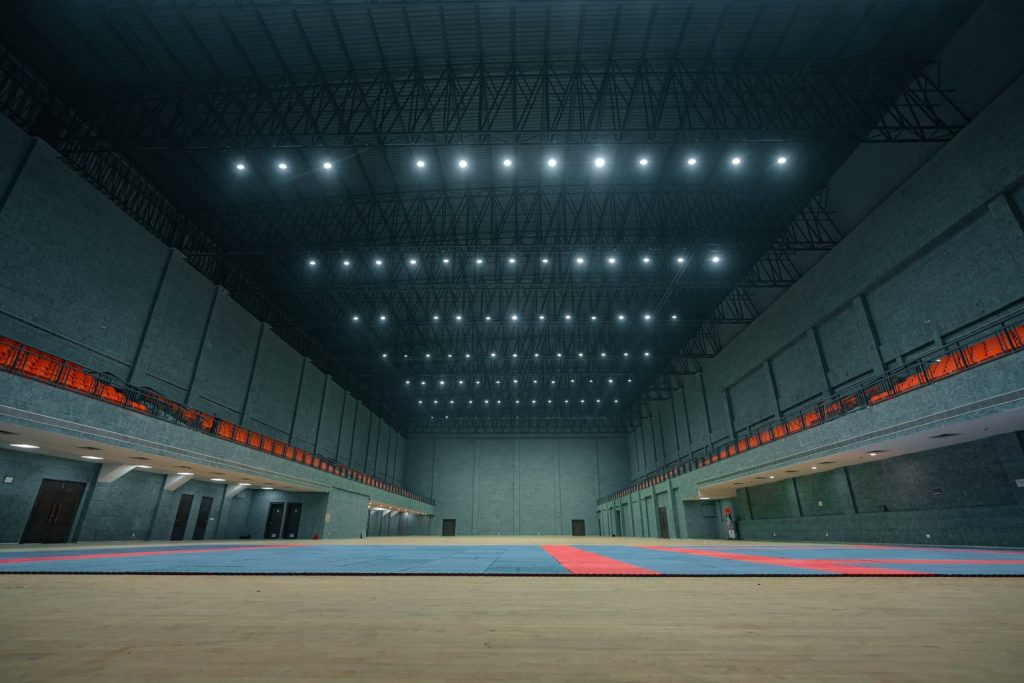
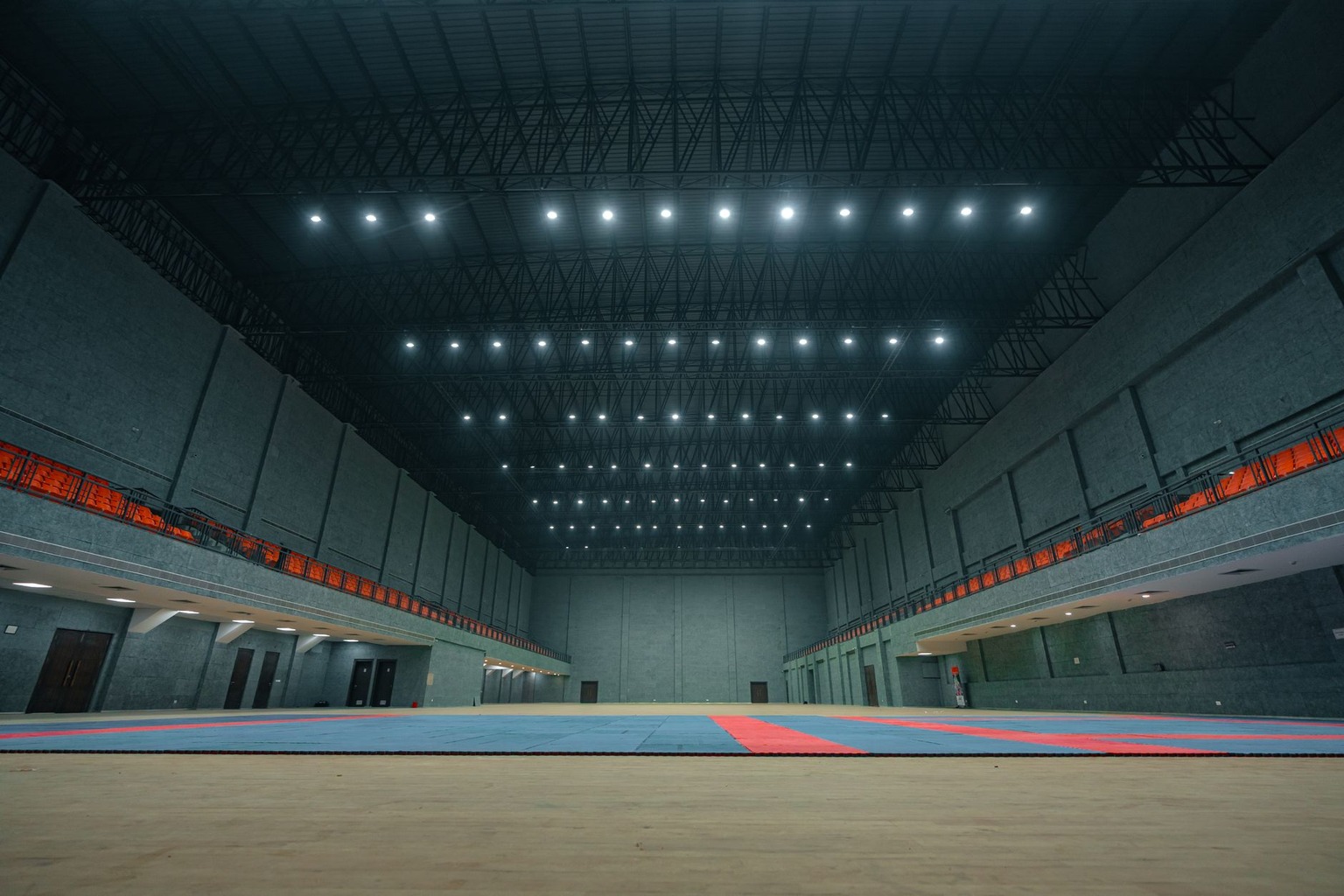
The quality of the playing surface is the single most important factor when choosing an indoor venue, as it directly impacts ball control and player safety. Look for facilities that use high-density, low-pile artificial turf specifically designed for soccer, rather than multi-sport surfaces that may have uneven stitching or excessive fill material. The lighting in these spaces must be uniform and shadow-free, with a minimum brightness level that allows players to track the ball comfortably without squinting, which reduces eye strain during long sessions. Poor lighting can distort depth perception, leading to misjudged passes and unnecessary fouls, so insist on seeing the facility at the exact time of day your team plans to train.
Ventilation and air quality are often overlooked but become critical in enclosed spaces where large groups of athletes are exerting themselves for extended periods. A well-designed training center will have a robust HVAC system that circulates fresh air and removes moisture from sweat, preventing the buildup of stagnant air that can lead to dizziness or nausea. Check for visible signs of maintenance, such as clean filters and unblocked vents, and ask management about their cleaning protocols between sessions. If the facility hosts multiple sports, ensure there are clear protocols for separating soccer activities from other uses to avoid contamination of the playing surface with chalk dust or foreign debris.
Checking for Specialized Equipment and Recovery Zones
A top-tier training facility goes beyond just providing a floor; it offers integrated equipment that supports comprehensive athlete development. Look for access to agility ladders, resistance bands, and plyometric boxes that are stored securely but easily accessible for quick setup between drills. Some venues partner with local sports science professionals to offer on-site recovery stations equipped with compression boots or cold water immersion pools, which can be invaluable after high-intensity interval training. The presence of these tools indicates a facility that understands the holistic needs of competitive athletes, moving beyond simple rental space to become a true performance hub.
Sports Dissected: PART 1 – Inside St. Louis CITY SC’s $450,000,000+ Soccer Campus: Training Facility | Royal Key

Video analysis technology is another key differentiator for serious programs, allowing coaches to capture training sessions from multiple angles for immediate review and long-term tracking. Ensure the venue has reliable Wi-Fi coverage and sufficient power outlets to charge recording devices and laptops during sessions. If your team uses GPS vests or heart rate monitors, confirm that the facility’s electronic environment does not interfere with these devices, as some older venues may have outdated wiring that causes signal disruption. These technological integrations save valuable time by allowing instant feedback, helping players correct technique errors before they become ingrained habits.
Understanding Scheduling Availability and Booking Policies
Consistency is the backbone of effective training, so the availability of your chosen facility must align with your team’s weekly rhythm. Many indoor centers operate on a strict reservation system, with prime time slots filling up weeks in advance, especially during the peak winter months when outdoor options are scarce. Map out your entire season schedule and identify your non-negotiable training days, then contact facilities to confirm they can accommodate recurring bookings at those specific times. Flexible cancellation policies are also important, as weather delays or player illnesses can force last-minute changes, and you want a venue that understands the unpredictable nature of youth and amateur sports.
Pricing structures vary widely across the state, with some facilities charging per player while others offer flat hourly rates for the entire group. Request detailed quotes that include all potential fees, such as equipment rental, cleaning deposits, or mandatory insurance costs, to avoid unexpected expenses later. Some centers offer discounts for long-term contracts or multiple weekly sessions, which can significantly reduce your overall budget if you commit to a full season. Compare these costs against the value of the amenities provided, remembering that a slightly higher price tag is often justified by superior surface quality and better maintenance standards.
Vetting Safety Protocols and Staff Expertise
Safety extends beyond the physical environment to include the knowledge and responsiveness of the staff on duty. Ask about the qualifications of the facility manager or head coach, specifically looking for certifications in first aid, CPR, and sports injury management. In the event of a minor injury, having staff who know how to properly stabilize a player and communicate with parents or guardians can make a significant difference in the immediate aftermath. Review their incident reporting procedures to ensure they have a clear process for documenting accidents and communicating with relevant authorities, which protects both your players and your organization.
Infection control measures are also a critical component of a safe training environment, particularly in enclosed spaces where respiratory viruses can spread easily. Inquire about their sanitation routines, including how frequently high-touch surfaces like goal posts, benches, and door handles are disinfected between sessions. Some facilities require players to wear dedicated indoor soccer shoes with non-marking soles to protect the surface and maintain hygiene standards. A transparent approach to health and safety protocols demonstrates professionalism and shows that the management takes the well-being of their users seriously, which is a hallmark of a reputable operation.
Comparing Location Logistics and Accessibility
The distance between your players’ homes and the training facility can significantly impact attendance and overall team morale. A venue that is convenient for the majority of your squad will reduce travel fatigue and allow more time for actual training and recovery. Consider parking availability, as many urban facilities have limited on-site spaces that fill up quickly, potentially forcing players to walk from distant lots or public transit stops. If you have younger players, ensure the location is easily accessible by car and has clear drop-off zones to minimize delays at the start of each session.
Proximity to complementary resources such as sports medicine clinics or nutritionists can add extra value to your choice of training base. Having these professionals nearby allows for quick consultations if a player experiences persistent pain or needs dietary adjustments for optimal performance. Check the surrounding area for safe walking paths or bike lanes, as some teams incorporate light aerobic work into their warm-ups before moving onto the main field. A well-connected location enhances the overall experience by reducing logistical friction and allowing your coaches to focus on coaching rather than traffic management.
Conducting a Trial Session and Final Review
Before committing to a long-term agreement, schedule a trial session with a small group of players to test the facility in real-world conditions. Observe how the surface handles high-speed sprints, sharp turns, and ball strikes, noting any inconsistencies in bounce or traction that might disrupt your planned drills. Pay attention to the acoustics of the space, as excessive echo can make verbal communication difficult during complex tactical explanations. Gather feedback from both coaches and players after the session, asking specific questions about comfort levels, visibility, and any minor irritants they encountered.
Use the insights from your trial to negotiate final terms with the facility manager, addressing any concerns that arose during the visit. If the lighting felt slightly dim or the ventilation was inadequate, ask what steps they are taking to improve these aspects and when you can expect changes. Confirm all details in writing, including the exact dimensions of the space you will be booking, the rules regarding equipment use, and the procedure for handling cancellations. A clear, written agreement protects both parties and sets a professional tone for your ongoing relationship with the facility.

I’ve been passionate about women’s soccer in Washington ever since I first watched a local match in high school. Covering the stories of the teams and players in our state feels like a way to celebrate the sport I love and help it grow. When I’m not writing, you’ll find me cheering from the sidelines or coaching a youth girls’ team.