Washington State’s women’s soccer community faces a persistent and systemic challenge that often goes unspoken: the uneven distribution of access to playing fields. While the state hosts elite-level events like the 2026 NWSL Championship and international matches, these opportunities don’t translate seamlessly to grassroots teams. The disparity between high-profile venues and the fields available to youth and amateur clubs highlights a critical gap in infrastructure that stifles development at the local level. This isn’t just about convenience, it’s about equity, sustainability, and the ability for players to train, compete, and grow without constant logistical hurdles. The consequences ripple through the system, affecting everything from player retention to community engagement, and demand a closer examination of the root causes and potential solutions.
The Myth of Equal Opportunity in Field Allocation
One of the most pervasive misconceptions about soccer in Washington State is that field access is a neutral commodity, distributed fairly based on need. In reality, the allocation process is often influenced by factors like political connections, venue capacity, and even historical precedent rather than objective criteria. Elite men’s teams and professional leagues frequently secure priority booking for their facilities, while women’s soccer teams, whether youth academies or college clubs, must navigate a fragmented system where fields are often reserved for events like the HBCU Invitational or NWSL matches. This prioritization isn’t just about capacity; it reflects a broader cultural bias where women’s soccer is perceived as secondary, even when the demand for fields is equally urgent. The result is a situation where a high school girls’ team might spend months searching for a single weekend slot, while a men’s recreational league can book a field for an entire season with minimal hassle.
The problem extends beyond just availability. Many fields in Washington State are governed by local parks and recreation departments, which often operate on outdated policies that don’t account for the growing popularity of women’s soccer. For instance, a field might be designated as “open to all” in theory, but in practice, it’s reserved for a specific men’s league or a high school football team during the off-season. This creates a cycle where women’s teams are forced to play on suboptimal surfaces, share facilities with other sports, or even relocate to neighboring counties just to find a suitable field. The lack of standardized policies means that what’s considered “fair” access in one city, like Seattle, can be entirely different in another, such as Spokane or Tacoma, where resources are even more limited.
Economic Barriers: The Hidden Cost of Field Access
Beyond the immediate challenge of finding a field, the economic realities of soccer in Washington State add another layer of complexity. While professional teams like the Washington Spirit can leverage corporate sponsorships and ticket sales to secure venues, grassroots women’s soccer teams often lack the financial resources to cover even basic fees. Many parks and recreation departments charge hourly rates, maintenance fees, or even rental costs for fields, which can quickly add up for a team operating on a tight budget. For example, a youth club in Bellevue might pay $50 per hour for a field, but that same field could be available for free to a men’s team because of a local partnership. This economic disparity isn’t just about money, it’s about power. Teams with deeper pockets can afford to negotiate better terms, while others are left scrambling for the most affordable (and often least desirable) options.
The financial strain isn’t just felt by the teams themselves but also by the players and their families. Parents often have to cover additional costs for transportation, equipment, or even meals if a game is held far from home. This can create a self-perpetuating cycle where families with fewer resources are less likely to stay involved in the sport, further narrowing the talent pipeline. The situation is particularly acute for lower-income communities, where the opportunity cost of traveling to a distant field, missing work or school, can be prohibitive. Expert consensus in sports policy highlights that economic barriers are one of the most significant factors in athlete attrition, and women’s soccer in Washington State is no exception. Without targeted interventions, such as subsidized field access or transportation assistance, these challenges will continue to limit participation and growth.
The Role of Infrastructure: Why Some Fields Are Better Than Others
The quality of fields available to women’s soccer teams in Washington State varies wildly, and the differences aren’t always obvious to the untrained eye. High-profile venues like Lumen Field in Seattle or CenturyLink Field in Tacoma are designed for large-scale events, with artificial turf, floodlights, and expansive seating, features that are rarely found on the fields used by youth or amateur teams. Many of these lower-tier fields suffer from poor drainage, uneven surfaces, or outdated markings, which can increase the risk of injuries and negatively impact performance. For instance, a field with improperly maintained turf can lead to ankle sprains or other joint issues, particularly in players who are still developing physically. The lack of consistency in field quality means that teams often have to adapt their training regimens based on where they’re playing, rather than following a standardized plan.
For more on the latest expansion options, Phoenix_139 covers all the possibilities in this helpful video you can watch right here.

The issue isn’t just about the physical condition of the fields but also about their accessibility. Some facilities are located in remote areas with limited public transportation, forcing players to rely on carpooling or personal vehicles. Others lack basic amenities like restrooms, changing rooms, or even shaded seating areas, making long practices or tournaments uncomfortable. The Washington State Parks and Recreation Association has noted that many of these deficiencies stem from underfunding and a lack of long-term planning in municipal budgets. Without dedicated funding for field maintenance and upgrades, the gap between elite and grassroots facilities will only widen, creating an uneven playing field, literally. This disparity isn’t just an inconvenience; it’s a systemic barrier that discourages participation and limits the development of young players.
Seasonal Constraints: How Field Availability Shifts with the Weather
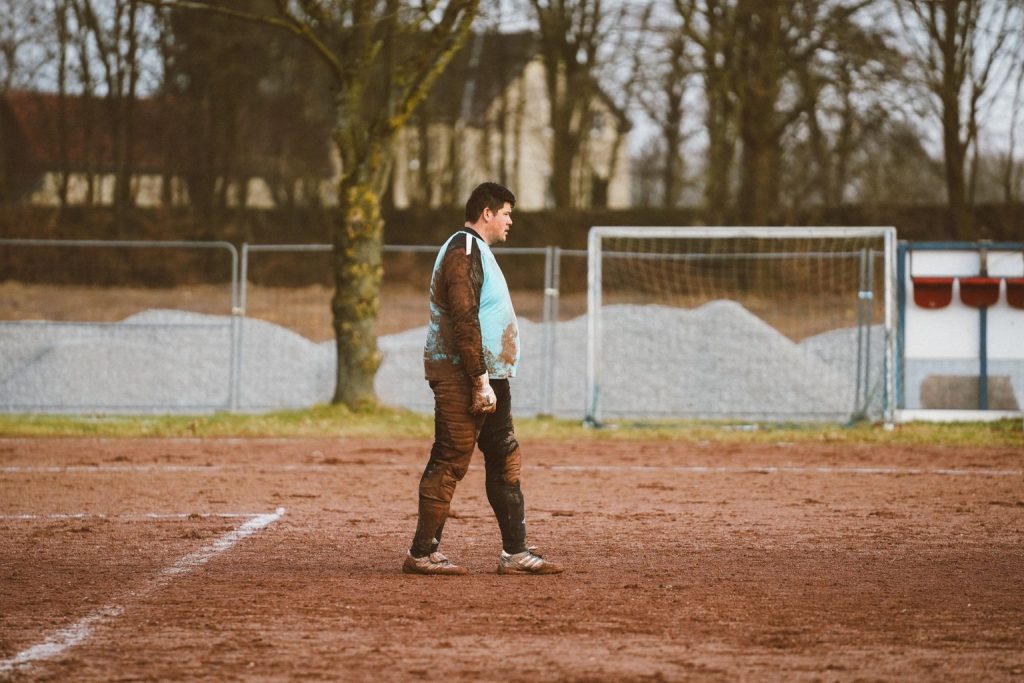
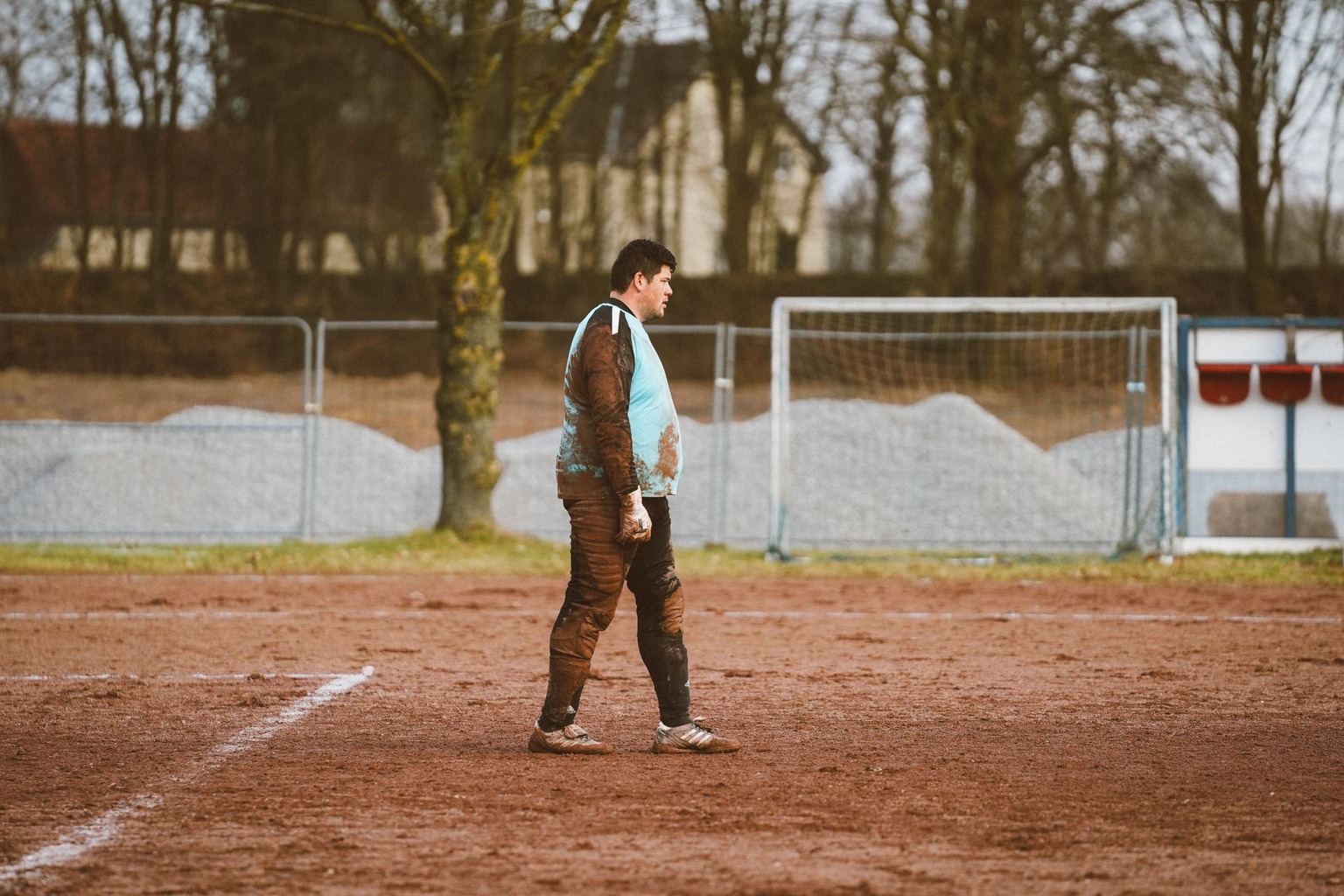
Washington State’s climate is one of the most unpredictable factors affecting field access for women’s soccer teams. The rainy seasons, which can stretch from October through April, turn many natural grass fields into muddy wastelands, rendering them unusable for extended periods. Even artificial turf fields can become slippery and hazardous when saturated, forcing teams to cancel practices or games. This seasonal unpredictability creates a ripple effect, as teams must adjust their schedules last-minute or find alternative venues, often at a higher cost. For example, a team in Everett might spend weeks planning a tournament in the spring, only to have it postponed due to heavy rain, leading to frustration and lost revenue. The lack of indoor or climate-controlled facilities further complicates matters, as many communities don’t have the infrastructure to accommodate soccer during inclement weather.
The seasonal challenge isn’t just about weather-related cancellations, it’s about the psychological impact on players and coaches. Repeated disruptions can lead to burnout, especially among younger athletes who may lose motivation if they can’t consistently train or compete. Coaches often have to pivot to indoor sports like basketball or volleyball to keep players engaged, which can dilute the focus on soccer development. Research in sports psychology underscores that consistency in training environments is critical for skill progression, and the lack of it in Washington State’s women’s soccer community is a well-documented issue. Without better planning for seasonal variability, such as investing in indoor training facilities or developing backup venues, teams will continue to face unnecessary setbacks that hinder their progress.
Political and Administrative Hurdles: Navigating Bureaucracy for Field Access
The process of securing field access in Washington State is often bogged down by bureaucratic red tape, where local government policies and administrative inefficiencies create unnecessary barriers. Many parks and recreation departments operate on a first-come, first-served basis, but without clear guidelines for prioritizing women’s soccer teams. This means that a team might spend hours on the phone or in person to secure a field, only to have their request denied because a higher-priority group, often a men’s team or a school, has already booked it. The lack of transparency in the booking process can also lead to frustration, as teams may not know why their request was denied or how to appeal the decision. For instance, a college women’s soccer team at the University of Washington might struggle to book a field in Seattle because the local parks department prioritizes high school football teams, even though women’s college soccer generates significant revenue through ticket sales and sponsorships.

The administrative challenges extend beyond just booking fields. Many teams also face difficulties with permits, insurance requirements, or even basic paperwork, which can be particularly overwhelming for smaller clubs with limited staff. The Washington State Department of Natural Resources has highlighted that these bureaucratic hurdles disproportionately affect women’s soccer teams, as they often lack the resources to navigate complex permitting processes. The result is a system where even well-organized teams can get bogged down in paperwork, leading to missed opportunities or last-minute cancellations. Without streamlined processes and dedicated support for women’s soccer organizations, these administrative barriers will continue to stifle growth and limit access to the sport.
Community Solutions: How Local Advocacy Is Changing the Game
Despite the systemic challenges, there are signs of progress in Washington State, driven by grassroots advocacy and community-led initiatives. Over the past decade, women’s soccer teams, particularly at the youth and high school levels, have begun organizing collectively to demand better field access. Groups like the Washington State Youth Soccer Association have lobbied for policy changes, pushing local governments to adopt more equitable field allocation policies. For example, in King County, advocacy efforts have led to the creation of dedicated women’s soccer fields in certain parks, ensuring that teams have reliable access during peak seasons. These victories are incremental but significant, as they prove that sustained advocacy can lead to tangible improvements. The success of these efforts often hinges on building alliances with local politicians, sports organizations, and even corporate sponsors who can provide financial support for infrastructure upgrades.
The most effective solutions often come from within the community itself. Many women’s soccer teams have formed partnerships with schools, nonprofits, and even private businesses to secure fields on a more consistent basis. For instance, a high school girls’ team in Olympia might partner with a local university to use their fields during off-seasons, while a youth club in Vancouver could collaborate with a sports equipment retailer to sponsor field upgrades. These collaborations not only provide immediate access to better facilities but also foster a sense of shared responsibility for the sport’s growth. Expert consensus in sports management emphasizes that community-driven solutions are often the most sustainable, as they address the root causes of access challenges rather than treating them as isolated issues. By continuing to advocate and innovate, women’s soccer teams in Washington State can turn these challenges into opportunities for long-term progress.

I’ve been passionate about women’s soccer in Washington ever since I first watched a local match in high school. Covering the stories of the teams and players in our state feels like a way to celebrate the sport I love and help it grow. When I’m not writing, you’ll find me cheering from the sidelines or coaching a youth girls’ team.