Over the decades, these associations have celebrated milestones such as the formation of statewide development programs, the introduction of coaching clinics dedicated exclusively to women’s soccer, and hosting championship events that draw large audiences. These developments have been instrumental in breaking barriers and ensuring equitable opportunities in sports.
Additionally, Washington sports records related to women’s soccer continue to grow as teams and individuals set new standards for excellence, helping to inspire younger generations. The collective effort of these associations has cemented their position as leaders in fostering athletic success and community engagement.
Influence on National Women’s Soccer Movements
Washington’s women’s soccer associations have played a pivotal role in shaping the national soccer influence on the growth and recognition of women’s sports across the United States. Their pioneering efforts in organizing, promoting, and supporting competitive women’s soccer created a model for other states to emulate, thus strengthening the women’s soccer movement at a national level. These associations not only fostered local talent but also advocated for greater resources, media attention, and equitable treatment for female athletes, which subsequently influenced broader policy changes and funding allocations throughout the country.
The impact of Washington’s organizations extended beyond the soccer field by linking the grassroots efforts with the national dialogue on sports equality. This connection helped raise awareness about the hurdles female athletes faced and underscored the importance of providing equal opportunities. By successfully demonstrating that women’s soccer could thrive with proper support, Washington’s associations stimulated interest and investment in women’s sports programs nationwide, amplifying the women’s soccer movement and reinforcing the push for gender equality in athletics.
Ultimately, the Washington impact soccer region stands as a testament to how localized initiatives can inspire and drive substantial change on a larger scale. Their commitment to advancing the sport and championing the rights of women athletes continues to resonate within the national soccer influence, inspiring ongoing efforts to ensure equitable treatment and increased visibility for women’s soccer across the United States.
Historical Context of Women’s Soccer in Washington
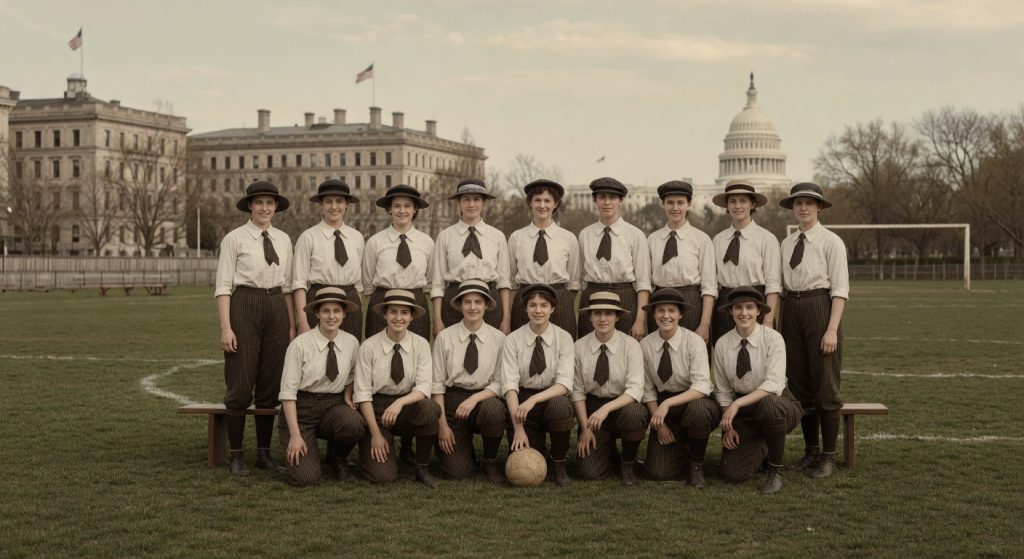
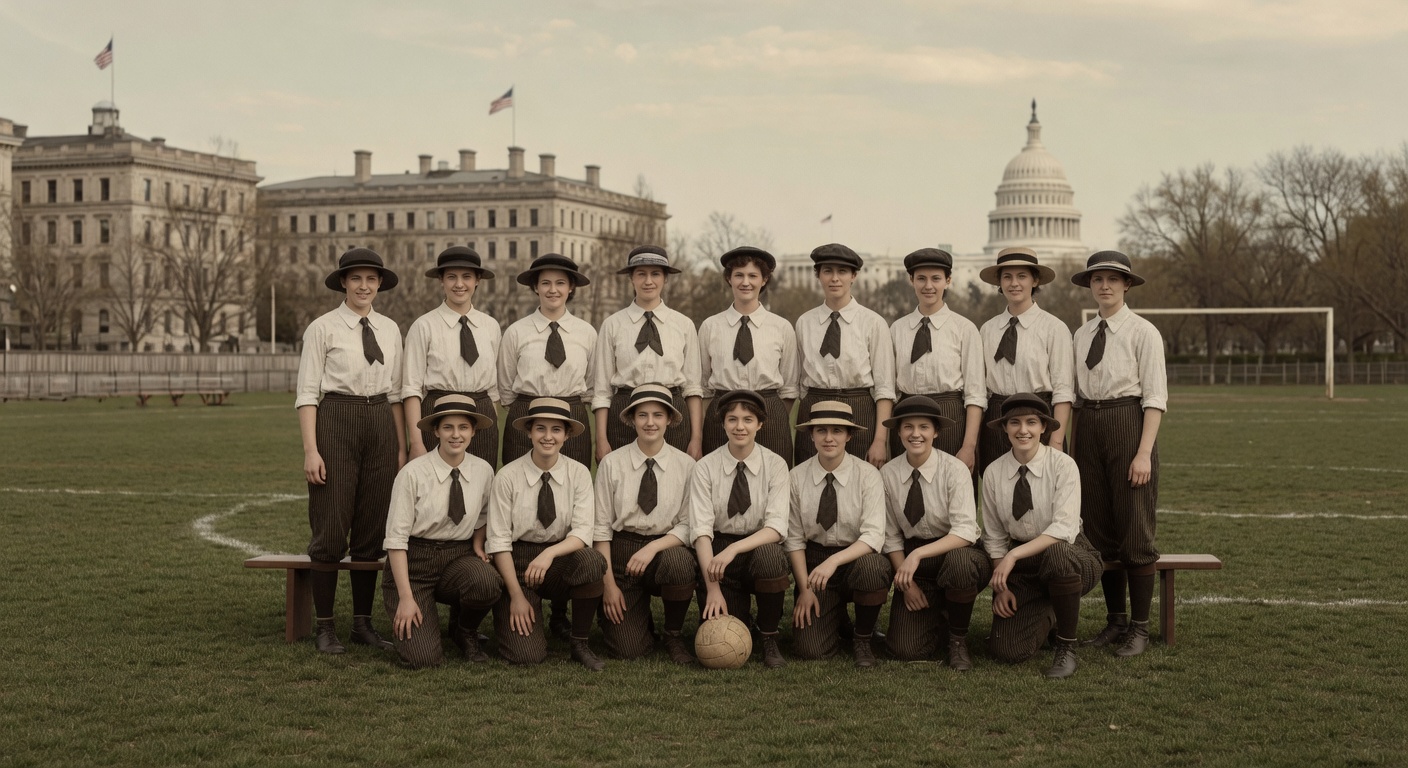
The history of women’s soccer in Washington is a rich tapestry woven with passion, resilience, and significant milestones. The origins of women’s soccer in the region date back to the early 20th century when societal norms began to shift, allowing women more freedom to participate in sports traditionally dominated by men. In Washington, early women’s soccer teams emerged in community clubs, schools, and local organizations, marking the foundational stages of what would evolve into a vibrant soccer culture.
Throughout the early development of women’s soccer, Washington played a pioneering role. The state saw the formation of some of the first organized women’s soccer associations, which provided a platform for regular competition and skill development. These early efforts were often grassroots in nature, driven by passionate individuals and groups committed to expanding opportunities for women in sport. This period was characterized by a growing awareness of the athletic potential of women and the important role soccer could play in women’s physical and social development.
Key events in Washington’s women’s soccer history include local tournaments that attracted participants from a broad spectrum of the community, fostering camaraderie and competitive spirit. These tournaments often served not only as athletic competitions but also as social gatherings that helped challenge and gradually change prevailing gender stereotypes. As the sport gained traction, more formal associations were established, setting the stage for structured leagues and organized training programs.
Social context played a crucial role in shaping the trajectory of women’s soccer in Washington. The early 1900s were a transformative time, as women’s roles in society were expanding beyond domestic spheres. The evolution of women’s soccer coincided with broader movements advocating for women’s rights and equality, making the sport both a reflection of and contributor to changing social dynamics. Support from schools, local governments, and community groups helped to secure resources and legitimacy for women’s soccer, ensuring its growth and sustainability.
Overall, the women’s soccer history in Washington is marked by ambitious beginnings, community support, and ongoing efforts to establish the sport firmly within the state’s athletic landscape. From its origins as informal gatherings to the establishment of recognized associations, women’s soccer in Washington has grown into a vital part of the state’s sports culture, inspiring generations of athletes and fans alike.
Early Challenges and Opportunities
During the initial formation of women’s soccer associations in Washington, the journey was fraught with numerous challenges. One of the most significant hurdles was overcoming the entrenched gender barriers sports traditionally imposed. Women faced skepticism and limited support, both socially and institutionally, which made organizing teams, securing funding, and gaining access to adequate training facilities a constant struggle. These challenges women soccer pioneers encountered often meant fighting not only against opponents on the field but also against societal norms that questioned the legitimacy of women playing competitive sports.
Despite these obstacles, several key opportunities helped spur the growth of soccer in Washington among women. Grassroots initiatives, community support, and local advocacy groups played pivotal roles in promoting the sport. These efforts created platforms where women could showcase their talents and passion for soccer, gradually building a dedicated following. Additionally, increased visibility through local tournaments and media exposure helped in attracting sponsorships and endorsements, which were critical for the sustainability of women’s soccer programs. Together, the growing soccer opportunities Washington provided gradually weakened gender barriers sports previously imposed, paving the way for future generations of female athletes in the region.
Pioneering Figures and Influencers
The formation and growth of women’s soccer associations in Washington owe much to a number of women soccer pioneers whose vision and dedication laid the groundwork for today’s thriving leagues. These key figures in women’s soccer in Washington played instrumental roles in not only advocating for the sport but also in organizing teams and associations that provided opportunities for female athletes. Influential players from Washington, such as those who broke barriers in the early days, helped challenge societal norms and pushed for greater recognition of women’s soccer as a competitive sport.
Among the most notable leaders were coaches, athletes, and community organizers who passionately promoted women’s participation and skill development in soccer. Their efforts included establishing training programs, securing funding, and creating platforms for competition. These trailblazers also worked tirelessly to connect local teams with regional and national soccer organizations, fostering a supportive network that facilitated growth and visibility for the sport.
The stories of these pioneering figures and influential players Washington highlight a legacy of perseverance and leadership. Their impact resonates in the continued expansion of women’s soccer associations that cultivate talent and inspire future generations. By championing women’s soccer at every level, these key figures not only shaped the sport’s history in Washington but also contributed to the broader movement for gender equality in athletics.
Formation and Development of Women’s Soccer Associations
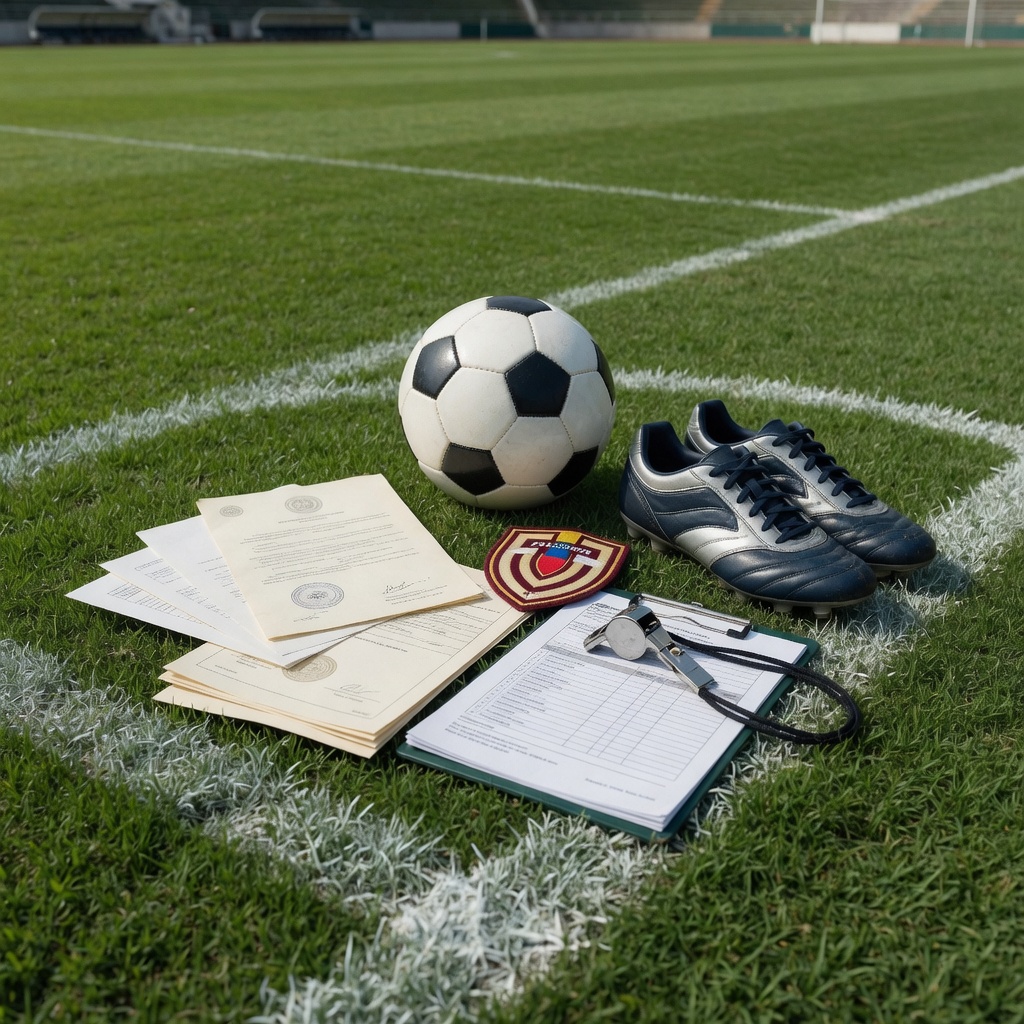
The formation of women’s soccer associations in Washington marked a pivotal moment in the growth of the sport across the region. The initial wave of soccer clubs’ formation began in the early 1980s, as local enthusiasts and pioneers sought to create structured environments where women could participate competitively and recreationally. The establishment of these associations not only promoted soccer but also empowered women athletes during a time when opportunities were limited.
One of the earliest formal organizations dedicated to women’s soccer in Washington was founded in 1984. This association was spearheaded by key founding members including community leaders, former players, and advocates for women’s sports equity. Their vision was to create a governing body that could oversee league structures, standardize rules, and foster the development of soccer clubs throughout the state.
These founding members laid out a strategic structural development plan which included the formation of regional divisions to better manage growing participation levels. This decentralized approach allowed for easier organization of local tournaments and practices, while still being united under the state association’s banner. Strong communication channels were established between clubs and the association, ensuring alignment with the overall mission to nurture talent and increase participation.
The structural framework included committees focused on different aspects such as youth development, coaching certification, and competitive play regulations. This specialization ensured that each area received focused attention to maintain quality and professionalism within the sport. Over the years, continued investment in these associations led to significant advancements in training facilities, referee education, and sponsorship acquisition, further propelling Washington soccer growth.
Women’s soccer associations in Washington also fostered partnerships with schools and community organizations, broadening outreach and accessibility. These efforts contributed greatly to the flourishing soccer culture statewide. Today, the legacy of those early associations is witnessed in the vibrant network of clubs and leagues that serve thousands of female players, demonstrating the success of their founding vision and structural development.
Founding Organizations and Their Missions
The founding soccer organizations dedicated to advancing women’s soccer in Washington were established with clear, focused missions that shaped the future of the sport. These early associations recognized the importance of creating structured opportunities for women and girls to participate in soccer at all levels. Their primary goals centered on providing equitable access to training, competition, and development programs tailored specifically to female athletes.
One of the core missions of these founding soccer organizations was to foster a community where women could thrive and build confidence through sport. Beyond just playing the game, these organizations aimed to nurture leadership, teamwork, and personal growth among their members. They worked to break down social and institutional barriers that historically limited women’s participation in soccer, advocating for greater inclusion and recognition on both local and state stages.
In addition to promoting soccer participation, these associations set clear soccer association goals such as organizing leagues and tournaments, offering coaching education, and supporting youth programs. Their mission extended to raising awareness about women’s soccer and mobilizing resources to sustain long-term growth and competitiveness. Through collaboration with schools, communities, and soccer governing bodies, the founding soccer organizations laid a solid foundation for women’s soccer to flourish in Washington.
Growth Through Community and Youth Engagement
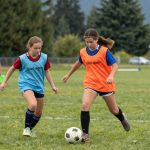
Community involvement has been a cornerstone in the expansion of women’s soccer associations across Washington. Local community soccer programs have actively fostered an environment where young girls feel encouraged and supported to pursue the sport. These programs not only offer skill development opportunities but also help build a sense of camaraderie and belonging, which is essential for sustained participation in women’s soccer.
Youth soccer in Washington has experienced remarkable growth thanks to targeted initiatives designed to engage children from an early age. Schools, local clubs, and community centers have collaborated to create accessible youth soccer Washington leagues and tournaments aimed specifically at girls. These efforts have created clear pathways for young players to transition into organized women’s soccer associations, strengthening the sport’s foundation in the state.
Engagement in women’s soccer has been further propelled by outreach programs that emphasize inclusivity and skill-building. By prioritizing community involvement, associations have tapped into a diverse pool of talent, ensuring that soccer becomes a staple for girls of all backgrounds in Washington. These initiatives underscore how engagement in women’s soccer goes beyond the field, encompassing mentorship, education, and community pride—key factors in the sport’s continued growth and success.
Impact and Legacy of Women’s Soccer Associations in Washington

The formation of women’s soccer associations in Washington has left a profound and lasting impact on both the local sports culture and the broader movement towards gender equality in the state. These associations have played a pivotal role in elevating the profile of women’s soccer, fostering community engagement, and inspiring a new generation of athletes. Their influence extends beyond the pitch, shaping societal attitudes and opening doors for women in sports development and leadership roles.
One of the most significant effects of women’s soccer associations in Washington is their contribution to sports development focused on women’s soccer. By creating organized leagues, training programs, and competitive opportunities, these associations have nurtured talent at grassroots and professional levels. This structured approach has enhanced the quality of play and increased participation rates, making women’s soccer a vital part of Washington’s sports identity. As a result, the state’s female soccer players have gained visibility and increased support, fostering a thriving soccer community that continues to grow year after year.
Moreover, the legacy of these associations is deeply intertwined with advancing gender equality. Their efforts have challenged long-standing stereotypes and paved the way for equitable access to resources and opportunities in sports. By advocating for fair treatment, equal funding, and media coverage, women’s soccer associations in Washington have contributed to reshaping public perception about women’s participation in traditionally male-dominated sports. This progress echoes beyond soccer, influencing policies and practices that promote inclusivity and equality in other areas of society as well.
The impact on local sports culture is also evident in the enthusiastic support from communities, families, and local governments that these associations have cultivated. Events and matches organized by the associations serve as celebrations of athleticism, teamwork, and empowerment, while also fostering a sense of pride and unity among supporters. This community involvement has strengthened the cultural fabric of Washington, making women’s soccer not only a sport but also a catalyst for social connection and empowerment.
In summary, the women’s soccer associations in Washington have crafted a lasting soccer legacy marked by increased participation, enhanced visibility, and significant strides toward gender equality. Their contributions continue to influence the ongoing development of women’s soccer and inspire future generations to pursue their athletic ambitions without barriers. This legacy stands as a testament to the power of organized, community-driven efforts in transforming sports and society alike.
Achievements and Milestones
Women’s soccer associations in Washington have reached remarkable achievements and significant milestones over the years, contributing extensively to the growth of the sport both locally and nationally. These associations have consistently championed women’s participation in soccer, paving the way for greater recognition and support.
One of the most notable women’s soccer achievements in Washington includes the establishment of competitive leagues that have developed top-tier talent. These leagues have produced players who have gone on to represent the state in national tournaments and have even reached professional levels. Such successes underscore the vital role that soccer association milestones play in elevating the sport’s prestige.
Over the decades, these associations have celebrated milestones such as the formation of statewide development programs, the introduction of coaching clinics dedicated exclusively to women’s soccer, and hosting championship events that draw large audiences. These developments have been instrumental in breaking barriers and ensuring equitable opportunities in sports.
Additionally, Washington sports records related to women’s soccer continue to grow as teams and individuals set new standards for excellence, helping to inspire younger generations. The collective effort of these associations has cemented their position as leaders in fostering athletic success and community engagement.
Influence on National Women’s Soccer Movements
Washington’s women’s soccer associations have played a pivotal role in shaping the national soccer influence on the growth and recognition of women’s sports across the United States. Their pioneering efforts in organizing, promoting, and supporting competitive women’s soccer created a model for other states to emulate, thus strengthening the women’s soccer movement at a national level. These associations not only fostered local talent but also advocated for greater resources, media attention, and equitable treatment for female athletes, which subsequently influenced broader policy changes and funding allocations throughout the country.
The impact of Washington’s organizations extended beyond the soccer field by linking the grassroots efforts with the national dialogue on sports equality. This connection helped raise awareness about the hurdles female athletes faced and underscored the importance of providing equal opportunities. By successfully demonstrating that women’s soccer could thrive with proper support, Washington’s associations stimulated interest and investment in women’s sports programs nationwide, amplifying the women’s soccer movement and reinforcing the push for gender equality in athletics.
Ultimately, the Washington impact soccer region stands as a testament to how localized initiatives can inspire and drive substantial change on a larger scale. Their commitment to advancing the sport and championing the rights of women athletes continues to resonate within the national soccer influence, inspiring ongoing efforts to ensure equitable treatment and increased visibility for women’s soccer across the United States.

I’ve been passionate about women’s soccer in Washington ever since I first watched a local match in high school. Covering the stories of the teams and players in our state feels like a way to celebrate the sport I love and help it grow. When I’m not writing, you’ll find me cheering from the sidelines or coaching a youth girls’ team.