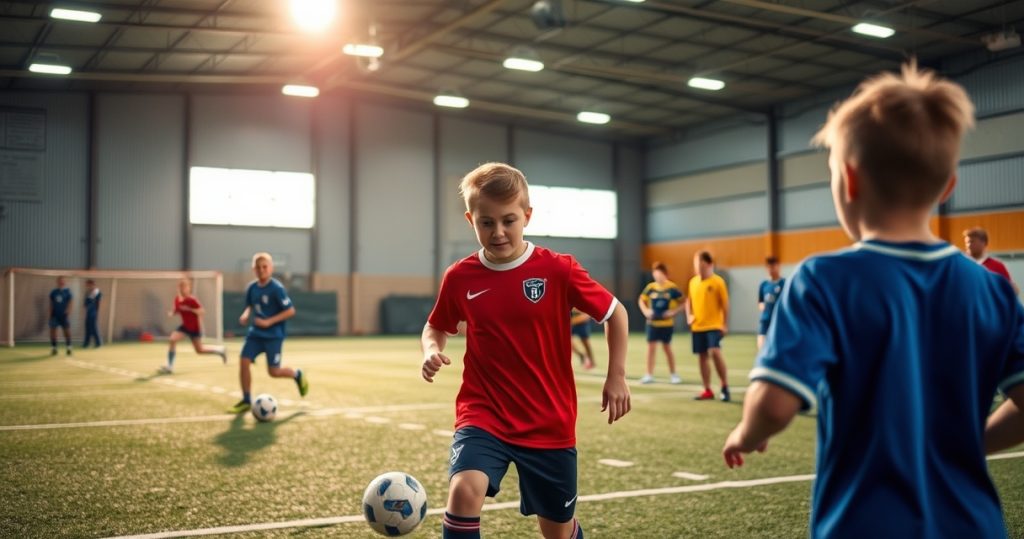
Finding the right environment for soccer training is essential for young athletes, especially in a community-focused setting like the YMCA. Members of the Washington State Women’s Soccer Association (WSWSA) focus on evolving their Women’s soccer training methodology to improve skill development and team cohesion at YMCA camps. This article explores various aspects of improving YMCA camp soccer training, including facility upgrades, coaching quality, and the importance of community involvement.
Assessing Current YMCA Soccer Training Facilities
The first step in enhancing YMCA camp soccer training is to assess the current facilities. Many YMCA locations feature fields that may not meet the needs of competitive soccer training. For instance, evaluating the quality of grass, availability of turf fields, and overall maintenance can reveal areas for improvement. Upgrading fields to synthetic turf can provide a more consistent playing surface, allowing for year-round training without the weather-related interruptions common with natural grass.
Additionally, the layout of the training facilities should be considered. Are there enough fields to accommodate multiple teams? Are the facilities equipped with the necessary amenities, such as locker rooms and restrooms? By addressing these concerns, the WSWSA can ensure that training sessions are not only effective but also enjoyable for the athletes.
Enhancing Coaching Quality and Resources
Coaching quality is another critical factor that directly affects the effectiveness of soccer training. The YMCA should prioritize hiring experienced coaches who not only possess a deep understanding of the game but also have experience working with young female athletes. Coaches should be equipped with the latest training methodologies that focus on skill development, teamwork, and sportsmanship.
Furthermore, providing ongoing education and training for coaches is essential. Workshops and clinics that focus on the latest coaching techniques can help ensure that coaches remain engaged and knowledgeable. This investment in coaching quality will translate to better training experiences for players, fostering a culture of excellence within the WSWSA.
Implementing Advanced Training Techniques
To elevate YMCA camp soccer training, incorporating advanced training techniques can make a significant difference. Utilizing technology, such as video analysis tools, can help players understand their strengths and areas for improvement. Coaches can analyze game footage with players, providing valuable feedback that can enhance performance during practice and games.

Additionally, integrating fitness and conditioning programs tailored specifically for soccer can improve players’ overall athleticism. Programs that focus on agility, strength, and endurance can be implemented alongside regular soccer training, ensuring that players are physically prepared for the demands of the sport.
Fostering a Supportive Community Environment
A strong community environment plays a vital role in the success of any sports program. The WSWSA should encourage parents, alumni, and local businesses to participate actively in supporting the YMCA camp soccer training. This can include organizing fundraising events to improve facilities, provide scholarships for underprivileged athletes, or sponsor training equipment.
Creating a supportive network not only helps in resource mobilization but also fosters a sense of belonging among the players. When athletes feel supported by their community, they are more likely to remain engaged and motivated throughout their training and competition seasons.
Promoting Inclusivity and Diversity in Soccer Training
Inclusivity is a cornerstone of youth sports, and YMCA soccer training should reflect this principle. The WSWSA can implement programs aimed at encouraging participation from girls of all backgrounds and skill levels. Offering introductory clinics for beginners can help demystify the sport and attract new players who may be hesitant to join a competitive team.
Additionally, promoting diversity within coaching staff and leadership roles can create a more inclusive environment. Representation matters, and when young athletes see coaches who look like them, it can inspire confidence and drive in their own athletic pursuits.
Creating Pathways for Development and Advancement
For many young female soccer players, the YMCA can serve as a stepping stone to higher levels of competition. Establishing a clear pathway for player development is essential for retaining talent and fostering ambition. The WSWSA can create partnerships with local high schools and colleges to provide players with opportunities to showcase their skills.
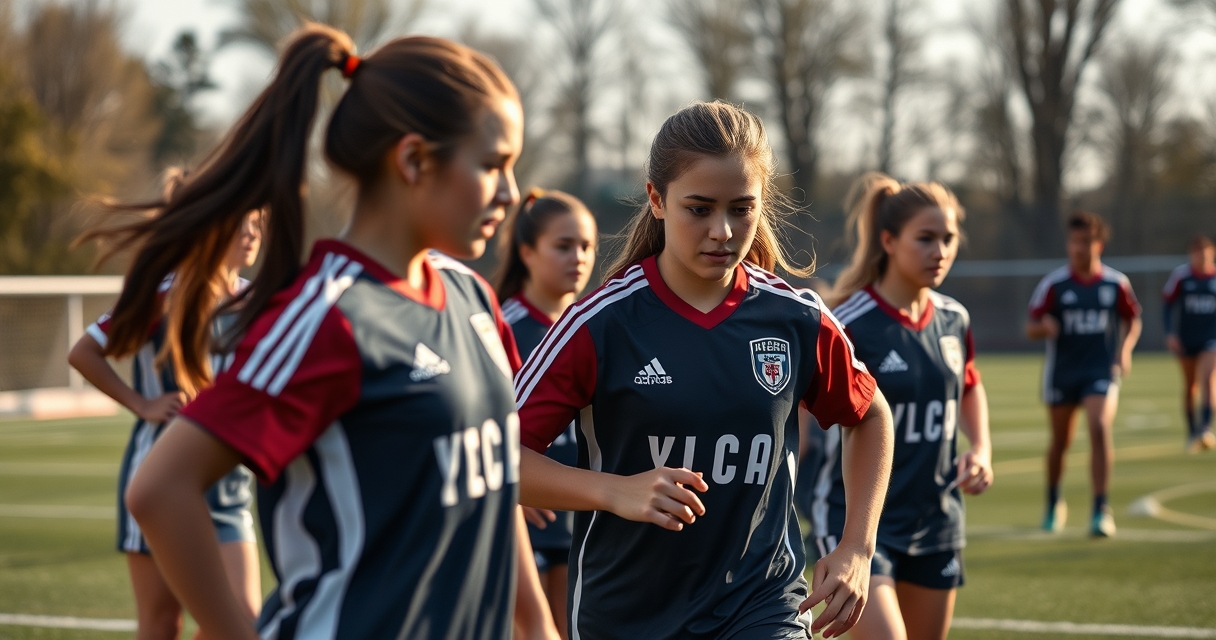
This could include hosting showcase events where players can demonstrate their abilities to college scouts or organizing tournaments that attract attention from higher-level teams. Providing these opportunities not only motivates players to improve but also reinforces the YMCA’s commitment to developing talent within the community.
Evaluating and Adapting Training Programs Regularly
Finally, it is crucial to regularly evaluate and adapt training programs to meet the evolving needs of players. Gathering feedback from athletes, coaches, and parents can provide valuable insights into what is working and what needs improvement. Surveys or focus groups can be implemented to facilitate this communication.
Moreover, staying abreast of trends in youth sports and soccer training will allow the WSWSA to adapt its programs accordingly. Continuous improvement should be the goal, ensuring that YMCA camp soccer training remains relevant, effective, and enjoyable for all participants.

I’ve been passionate about women’s soccer in Washington ever since I first watched a local match in high school. Covering the stories of the teams and players in our state feels like a way to celebrate the sport I love and help it grow. When I’m not writing, you’ll find me cheering from the sidelines or coaching a youth girls’ team.