The leadership structures within these founding associations were typically composed of elected officials including a president, vice president, secretary, and treasurer, supported by committees focused on coaching, competitions, and youth development. This organizational framework ensured clear roles and responsibilities, fostering effective governance and decision-making.
One of the primary initial goals of these women’s soccer leadership bodies was to establish leagues and tournaments tailored specifically for women’s teams, promoting competitive play while encouraging camaraderie and sportsmanship. Additionally, these organizations emphasized training and educational programs to elevate the skill level of players and coaches alike, ensuring sustainable growth of the sport.
By championing equal access to resources and advocating for recognition of women’s soccer, the founding associations set a solid foundation for expanding the presence and influence of women’s soccer throughout Washington. Their efforts not only shaped the early landscape but also inspired future generations of players and administrators to continue building a vibrant soccer community.
Growth and Expansion Strategies
Women’s soccer associations in Washington have successfully implemented a variety of growth strategies aimed at increasing membership and broadening their influence. Central to these efforts has been a focus on soccer outreach programs designed to engage local communities and foster a passion for the sport among young women and girls. By organizing free clinics, workshops, and school visits, these associations have cultivated strong grassroots support.
Membership expansion has also been driven by hosting a range of events such as tournaments, friendly matches, and social gatherings, which create opportunities for players, coaches, and supporters to connect and build lasting networks. These events serve not only as competitive platforms but also as community-building occasions that amplify the associations’ visibility within the region.
Partnerships with local businesses, schools, and civic organizations further reinforce their outreach efforts. Collaborating with these partners has enabled the associations to secure sponsorships, funding, and access to facilities, which are crucial for sustaining growth. Additionally, these alliances help raise awareness about the benefits of participation in women’s soccer, attracting more members and supporters.
Through these combined strategies—community outreach, engaging events, and strategic partnerships—women’s soccer associations in Washington continue to expand their membership base and deepen their impact, fostering a vibrant and inclusive soccer culture throughout the state.
Impact and Legacy of Women’s Soccer Associations in Washington

The formation of women’s soccer associations in Washington has had a profound and lasting impact on the sport’s growth and the broader sports culture within the state. These organizations have played a pivotal role in elevating women’s soccer, creating opportunities for athletes and fostering a supportive environment that embraces gender equality in sports. Their influence extends beyond the pitch, contributing significantly to the development of a strong women’s sports legacy in Washington.
One of the most notable aspects of the soccer impact brought about by these associations is the increased visibility and participation of women in soccer at all levels. From youth leagues to competitive adult teams, the associations have established crucial pathways that encourage engagement and skill development. Programs and tournaments organized by these groups have highlighted the talent and dedication of female athletes, drawing community support and inspiring future generations to take up the sport.
Washington’s women’s soccer associations have also contributed to breaking down barriers historically faced by female athletes. By advocating for equal access to resources, facilities, and funding, they have helped create a more inclusive sports landscape. This advocacy has not only improved conditions for soccer players but has also set a precedent that influences other women’s sports in the region, amplifying the legacy of women’s sports overall.
Moreover, the cultural influence of these associations is evident in the way community support for women’s soccer has grown. Local media coverage, sponsorships, and fan engagement are increasingly robust, reflecting a societal shift toward recognizing and celebrating women’s sports achievements. This supportive environment nurtures talent and raises the profile of the sport, ensuring that women’s soccer remains a vital and dynamic part of Washington’s sports culture.
In summary, the impact and legacy of women’s soccer associations in Washington are multifaceted. Through promoting participation, advocating for equality, and cultivating community enthusiasm, these organizations have left an indelible mark on the state’s sports scene. Their efforts continue to influence how women’s soccer is perceived and supported, securing its place as a key aspect of Washington’s vibrant sports culture.
Socio-cultural Impact on Communities
Women’s soccer associations have played a pivotal role in fostering community impact by promoting inclusivity and breaking down traditional gender barriers. The rise of these organizations has been instrumental in driving cultural change, particularly by challenging long-held stereotypes about women in sports. As more women participate and excel in soccer, these associations have empowered individuals to take pride in their abilities, fostering a sense of belonging and mutual support within local communities.
Beyond the field, women’s soccer associations have encouraged community involvement by organizing events, matches, and outreach programs that bring diverse groups together. These gatherings often serve as platforms for dialogue on gender equality, creating awareness and inspiring positive shifts in societal attitudes. The associations also provide mentorship and leadership opportunities for young women, nurturing confidence and a proactive spirit that extends beyond sports into other areas of life.
Empowerment through sports has proven to be a catalyst for broader social progress. Women’s soccer associations embody this by advocating for equal access to resources and recognition. Their influence resonates in schools, neighborhoods, and local governments, contributing to policies and practices that support women athletes. Overall, these associations have not only transformed the sporting landscape but also ignited a movement for gender equality and stronger community bonds through the shared love of soccer.
Continued Influence on Modern Women’s Soccer
The early women’s soccer associations in Washington played a crucial role in shaping the landscape of modern soccer. These pioneering groups laid the foundation for what would become a thriving network of women’s leagues across the state and beyond. By establishing organized competitions and creating structured development programs, they ensured that young female athletes had access to quality training and competitive opportunities. This early groundwork was instrumental in fostering a culture of support and growth for women’s soccer.
Modern soccer in Washington continues to benefit from these origins, as contemporary women’s leagues draw inspiration from the organizational models and community-building efforts of the initial associations. These leagues not only offer a platform for elite athletes to showcase their talent but also emphasize inclusive programs that nurture grassroots participation. The emphasis on development programs rooted in these early associations has helped maintain a consistent pipeline of skilled players who contribute to higher levels of competition nationally and internationally.
Furthermore, the commitment to ongoing soccer development within women’s leagues has spurred innovations in coaching, facilities, and community engagement. This legacy underscores the importance of those first associations in Washington, whose influence extends far beyond their original mission. Their dedication to advancing women’s soccer set a precedent that continues to drive the success and visibility of the sport today, inspiring new generations of female soccer players and enthusiasts.
Historical Background of Women’s Soccer in Washington
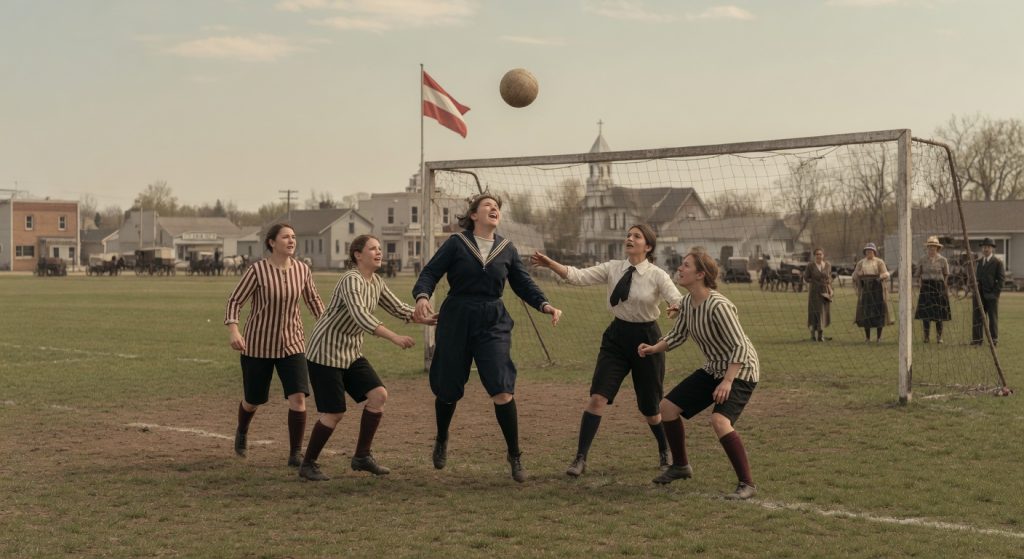
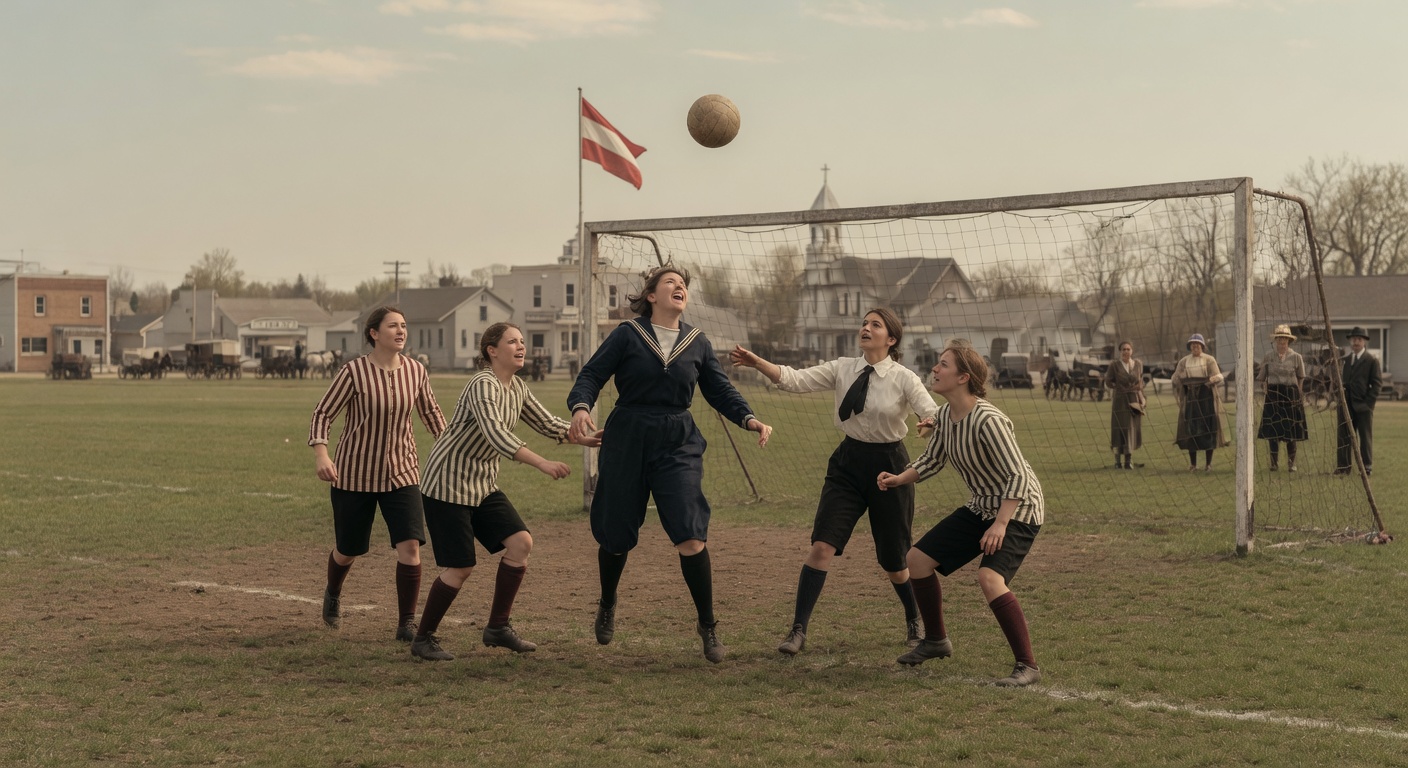
The history of women’s soccer in Washington traces back to the early 20th century, a period marked by significant social and cultural shifts. As women’s sports began gaining traction nationwide, Washington emerged as a notable hub for the development of female athletic programs, including soccer. The origins of soccer in the state were intertwined with broader movements advocating for women’s rights and increased participation in physical activities. These socio-cultural influences played a pivotal role in shaping the early landscape of women’s soccer in Washington.
At a time when women’s sports were often marginalized, pioneering women in Washington pushed boundaries, forming informal teams that would lay the groundwork for more organized play. These early efforts were frequently supported by schools, community centers, and local organizations that recognized the importance of physical education for women as part of a more progressive societal viewpoint. The growing interest in women’s soccer during this era was part of a larger narrative of empowerment and the breaking down of traditional gender roles.
The influence of the cultural landscape in Washington cannot be overstated. The state’s progressive attitude toward women’s equality encouraged the establishment of recreational leagues and competitive matches. This period also saw the rise of role models who inspired younger generations to embrace soccer. While resources were limited, the passion and determination of these early athletes forged a strong foundation for the sport’s growth. The women’s soccer history in Washington reflects a blend of resilience and community support that propelled the sport forward despite societal challenges.
As the decades progressed, the origins of Washington soccer began to take root more formally. Early women’s sports clubs evolved into established associations that helped organize competitions and advocate for better facilities and coaching. These associations played a crucial role in promoting the game and fostering a sense of camaraderie and identity among players. The legacy of these formative years continues to influence the robust women’s soccer culture present in Washington today, highlighting the state’s significant contribution to the sport’s national development.
Early Pioneers and Influential Figures
The formation and growth of women’s soccer associations in Washington owe much to the dedication and vision of early pioneers who championed the sport amidst various challenges. These women’s soccer leaders were instrumental in creating a supportive environment for female athletes, advocating for resources, and laying the foundation for organized competitions. Their leadership catalyzed the sport’s expansion from informal play to structured leagues.
Prominent Washington athletes and advocates like Pat Jennings and Lisa Reynolds emerged as key figures. Pat Jennings, recognized for her tireless efforts in promoting youth soccer programs, played a crucial role in creating opportunities for young girls to engage in the sport. Lisa Reynolds, a former state-level player, transitioned into leadership roles, helping to establish official women’s soccer associations that set standards for training, competition, and governance.
These pioneers not only demonstrated exceptional skills on the field but also worked behind the scenes to secure funding, garner community support, and collaborate with regional and national organizations. Their combined impact helped legitimize women’s soccer within Washington and inspired countless athletes to pursue the sport. Through their leadership, the foundation of a thriving women’s soccer culture was firmly set, ensuring the sport’s continued growth and success across the state.
Initial Challenges and Barriers
The formation of women’s soccer associations in Washington faced numerous challenges from the outset. Social barriers were some of the most significant obstacles, as women’s sports were often undervalued and dismissed compared to their male counterparts. This societal mindset created a lack of widespread support and recognition for female athletes, making it difficult to attract players, coaches, and fans. Persistent stereotypes about women’s physical capabilities in sports served to further limit opportunities and acceptance.
Financial challenges were equally daunting. Early women’s soccer groups struggled to secure funding and sponsorships needed to organize leagues, buy equipment, and cover travel expenses. Many associations relied heavily on volunteers and fundraising events to maintain operations. Limited access to resources compared to men’s sports programs created a disparity that slowed growth and professional development within the associations.
Institutionally, women’s soccer associations encountered difficulties gaining official recognition and support from governing sports bodies. Establishing formal leagues, securing playing venues, and navigating regulatory requirements proved complicated due to the absence of established frameworks for women’s soccer. These institutional barriers often slowed progress and added layers of complexity to the formation and sustainability of the associations.
Despite these early challenges and barriers, the dedication of players, organizers, and supporters helped to gradually overcome these issues, laying the groundwork for the vibrant women’s soccer community seen in Washington today.
Formation and Development of Women’s Soccer Associations

The formation of women’s soccer associations in Washington represents a remarkable journey from informal gatherings to structured organizations that continue to shape the sport today. Understanding the soccer associations formation process reveals how dedicated athletes and advocates transformed their passion into lasting institutions that serve thousands of players across the state.
During the early 1970s, women’s soccer in Washington existed primarily as recreational pickup games organized by small groups of enthusiasts. These grassroots efforts laid the foundation for what would eventually become official Washington soccer groups. Local communities began recognizing the growing interest among women and girls, prompting the first organized leagues to emerge in metropolitan areas like Seattle and Tacoma.
By the late 1970s and early 1980s, the movement gained significant momentum. Women’s soccer clubs started forming with more formal structures, including elected leadership, established bylaws, and regular competition schedules. These early organizations faced numerous challenges, including limited funding, lack of proper facilities, and minimal public recognition. However, the determination of founding members ensured their survival and growth.
The 1990s marked a transformational period for Washington soccer groups as Title IX’s impact became increasingly visible. Schools and universities expanded their women’s soccer programs, creating a pipeline of skilled players who sought competitive opportunities beyond their academic careers. This influx of talent accelerated the development of adult women’s leagues and associations throughout the state.
The official registration and incorporation of women’s soccer clubs became standard practice during this era. Organizations obtained nonprofit status, secured sponsorships, and developed partnerships with national governing bodies. These steps legitimized the associations and provided access to resources, training programs, and competitive tournaments at regional and national levels.
By the 2000s, the infrastructure supporting women’s soccer in Washington had matured considerably. State-level associations coordinated multiple leagues, organized annual championships, and implemented player development programs. The soccer associations formation process had evolved from simple community organizing to sophisticated administrative operations with dedicated staff and volunteers.
Today, these associations continue expanding their reach, embracing players of all ages and skill levels. The timeline from grassroots beginnings to established organizations demonstrates the power of community action and sustained advocacy in building lasting sports institutions that empower women throughout Washington State.
Founding Organizations and Their Roles
The formation of women’s soccer associations in Washington began with the establishment of key founding associations dedicated to advancing the sport. These soccer organizations were founded on principles of inclusivity, community engagement, and athletic development, aiming to provide structured opportunities for women to participate in soccer at all levels.
The leadership structures within these founding associations were typically composed of elected officials including a president, vice president, secretary, and treasurer, supported by committees focused on coaching, competitions, and youth development. This organizational framework ensured clear roles and responsibilities, fostering effective governance and decision-making.
One of the primary initial goals of these women’s soccer leadership bodies was to establish leagues and tournaments tailored specifically for women’s teams, promoting competitive play while encouraging camaraderie and sportsmanship. Additionally, these organizations emphasized training and educational programs to elevate the skill level of players and coaches alike, ensuring sustainable growth of the sport.
By championing equal access to resources and advocating for recognition of women’s soccer, the founding associations set a solid foundation for expanding the presence and influence of women’s soccer throughout Washington. Their efforts not only shaped the early landscape but also inspired future generations of players and administrators to continue building a vibrant soccer community.
Growth and Expansion Strategies
Women’s soccer associations in Washington have successfully implemented a variety of growth strategies aimed at increasing membership and broadening their influence. Central to these efforts has been a focus on soccer outreach programs designed to engage local communities and foster a passion for the sport among young women and girls. By organizing free clinics, workshops, and school visits, these associations have cultivated strong grassroots support.
Membership expansion has also been driven by hosting a range of events such as tournaments, friendly matches, and social gatherings, which create opportunities for players, coaches, and supporters to connect and build lasting networks. These events serve not only as competitive platforms but also as community-building occasions that amplify the associations’ visibility within the region.
Partnerships with local businesses, schools, and civic organizations further reinforce their outreach efforts. Collaborating with these partners has enabled the associations to secure sponsorships, funding, and access to facilities, which are crucial for sustaining growth. Additionally, these alliances help raise awareness about the benefits of participation in women’s soccer, attracting more members and supporters.
Through these combined strategies—community outreach, engaging events, and strategic partnerships—women’s soccer associations in Washington continue to expand their membership base and deepen their impact, fostering a vibrant and inclusive soccer culture throughout the state.
Impact and Legacy of Women’s Soccer Associations in Washington
The formation of women’s soccer associations in Washington has had a profound and lasting impact on the sport’s growth and the broader sports culture within the state. These organizations have played a pivotal role in elevating women’s soccer, creating opportunities for athletes and fostering a supportive environment that embraces gender equality in sports. Their influence extends beyond the pitch, contributing significantly to the development of a strong women’s sports legacy in Washington.
One of the most notable aspects of the soccer impact brought about by these associations is the increased visibility and participation of women in soccer at all levels. From youth leagues to competitive adult teams, the associations have established crucial pathways that encourage engagement and skill development. Programs and tournaments organized by these groups have highlighted the talent and dedication of female athletes, drawing community support and inspiring future generations to take up the sport.
Washington’s women’s soccer associations have also contributed to breaking down barriers historically faced by female athletes. By advocating for equal access to resources, facilities, and funding, they have helped create a more inclusive sports landscape. This advocacy has not only improved conditions for soccer players but has also set a precedent that influences other women’s sports in the region, amplifying the legacy of women’s sports overall.
Moreover, the cultural influence of these associations is evident in the way community support for women’s soccer has grown. Local media coverage, sponsorships, and fan engagement are increasingly robust, reflecting a societal shift toward recognizing and celebrating women’s sports achievements. This supportive environment nurtures talent and raises the profile of the sport, ensuring that women’s soccer remains a vital and dynamic part of Washington’s sports culture.
In summary, the impact and legacy of women’s soccer associations in Washington are multifaceted. Through promoting participation, advocating for equality, and cultivating community enthusiasm, these organizations have left an indelible mark on the state’s sports scene. Their efforts continue to influence how women’s soccer is perceived and supported, securing its place as a key aspect of Washington’s vibrant sports culture.
Socio-cultural Impact on Communities
Women’s soccer associations have played a pivotal role in fostering community impact by promoting inclusivity and breaking down traditional gender barriers. The rise of these organizations has been instrumental in driving cultural change, particularly by challenging long-held stereotypes about women in sports. As more women participate and excel in soccer, these associations have empowered individuals to take pride in their abilities, fostering a sense of belonging and mutual support within local communities.
Beyond the field, women’s soccer associations have encouraged community involvement by organizing events, matches, and outreach programs that bring diverse groups together. These gatherings often serve as platforms for dialogue on gender equality, creating awareness and inspiring positive shifts in societal attitudes. The associations also provide mentorship and leadership opportunities for young women, nurturing confidence and a proactive spirit that extends beyond sports into other areas of life.
Empowerment through sports has proven to be a catalyst for broader social progress. Women’s soccer associations embody this by advocating for equal access to resources and recognition. Their influence resonates in schools, neighborhoods, and local governments, contributing to policies and practices that support women athletes. Overall, these associations have not only transformed the sporting landscape but also ignited a movement for gender equality and stronger community bonds through the shared love of soccer.
Continued Influence on Modern Women’s Soccer
The early women’s soccer associations in Washington played a crucial role in shaping the landscape of modern soccer. These pioneering groups laid the foundation for what would become a thriving network of women’s leagues across the state and beyond. By establishing organized competitions and creating structured development programs, they ensured that young female athletes had access to quality training and competitive opportunities. This early groundwork was instrumental in fostering a culture of support and growth for women’s soccer.
Modern soccer in Washington continues to benefit from these origins, as contemporary women’s leagues draw inspiration from the organizational models and community-building efforts of the initial associations. These leagues not only offer a platform for elite athletes to showcase their talent but also emphasize inclusive programs that nurture grassroots participation. The emphasis on development programs rooted in these early associations has helped maintain a consistent pipeline of skilled players who contribute to higher levels of competition nationally and internationally.
Furthermore, the commitment to ongoing soccer development within women’s leagues has spurred innovations in coaching, facilities, and community engagement. This legacy underscores the importance of those first associations in Washington, whose influence extends far beyond their original mission. Their dedication to advancing women’s soccer set a precedent that continues to drive the success and visibility of the sport today, inspiring new generations of female soccer players and enthusiasts.

I’ve been passionate about women’s soccer in Washington ever since I first watched a local match in high school. Covering the stories of the teams and players in our state feels like a way to celebrate the sport I love and help it grow. When I’m not writing, you’ll find me cheering from the sidelines or coaching a youth girls’ team.