Award-winning performances from Washington women’s soccer teams highlight the associations’ dedication and impact. These organizations have garnered various awards and recognition that testify to their excellence in coaching, sportsmanship, and community engagement. Notably, several teams have secured state championships, solidifying Washington’s reputation as a powerhouse in women’s soccer. Such achievements serve as inspiration for younger players aspiring to follow in these footsteps.
On the national stage, Washington women’s soccer associations have received accolades from organizations that govern women’s soccer in the United States. Their efforts in promoting inclusivity and competitive integrity have earned them respect and acknowledgment from national bodies. This recognition not only elevates the visibility of Washington women’s soccer but also secures continued support and resources necessary for future growth.
Overall, the soccer achievements and awards and recognition Washington women’s soccer associations have attained highlight their crucial role in the sport’s development. By fostering talent and upholding high standards, these associations continue to contribute significantly to the landscape of women’s soccer, both locally and nationally.
Origins of Women’s Soccer Associations in Washington
The formation of women’s soccer associations in Washington is deeply rooted in the state’s rich history of sport and community organization. Women’s soccer history in Washington dates back several decades, where passionate athletes and advocates recognized the need for formal structures to support and promote the game among women. Early pioneers laid the groundwork by establishing local clubs and informal leagues, which gradually evolved into more organized associations dedicated to fostering competitive and recreational soccer.
Washington’s soccer association formation was influenced by broader social movements advocating for gender equality and increased opportunities for women in sports. During the 1970s and 1980s, as interest in women’s soccer grew nationwide, Washington saw a surge in grassroots efforts to create formal organizations that could provide resources, coaching, and competition platforms for female players. These associations not only offered a place for women to engage in soccer but also worked to raise awareness about the sport and challenge existing stereotypes.
The development of women’s soccer associations in Washington was marked by collaboration between local communities, schools, and sports enthusiasts who shared a vision of expanding the sport’s reach. Key milestones included the establishment of regional leagues and the integration of women’s divisions into broader soccer organizations, reflecting a commitment to inclusivity and growth. These associations played a crucial role in nurturing talent, organizing tournaments, and creating pathways for women athletes to excel at both amateur and professional levels.
Washington’s unique geographic and cultural landscape also contributed to the evolution of its women’s soccer associations. The state’s urban centers, along with its close-knit suburban and rural communities, provided diverse environments where the sport could thrive. These associations served as a vital link between players, coaches, and supporters, ensuring that women’s soccer remained a vibrant and dynamic part of Washington’s sporting identity.
Overall, the early beginnings and historical context of women’s soccer associations in Washington reflect a story of perseverance, community spirit, and a shared commitment to empowering women through sport. Today, these associations stand as a testament to the enduring passion for soccer in Washington and the significant strides made in advancing women’s participation in the beautiful game.
Early Influences and Pioneers
The formation of women’s soccer organizations in Washington was shaped significantly by early women’s soccer enthusiasts and pioneering figures who championed the sport during its nascent stages. These soccer pioneers laid the groundwork for organized play and formal associations, challenging prevailing social norms that often marginalized women’s participation in athletics. Their passion and dedication created a ripple effect, inspiring others to contribute to the growth of the game across the state.
Key figures in Washington sports history, including notable female athletes and community leaders, played instrumental roles in advocating for women’s soccer. They not only showcased exceptional talent on the field but also supported efforts to establish leagues, secure funding, and promote wider acceptance of women’s soccer. These trailblazers were often linked to broader social movements emphasizing gender equality and women’s empowerment, which helped elevate the sport’s visibility and legitimacy.
Social movements of the time, particularly those focused on women’s rights and equal opportunities in sports, provided momentum that facilitated the creation of formal women’s soccer organizations in Washington. By aligning the sport with these progressive causes, the early women’s soccer community harnessed greater public support and institutional backing, which were crucial to the establishment and sustainability of these associations. Together, these early influences and pioneers forged a foundation that continues to support and celebrate women’s soccer in Washington today.
Initial Organizational Efforts and Challenges
The formation of women’s soccer associations in Washington began with small, determined groups of athletes and supporters who sought to create structured opportunities for women to engage in the sport. Early soccer organization efforts were often grassroots, relying heavily on volunteer work and community backing. These pioneers faced multifaceted association challenges, including limited funding, scant media coverage, and often a lack of formal recognition from broader sports governing bodies. Recruiting enough players and securing reliable venues for practice and matches were also persistent hurdles.
In addition to logistical issues, societal attitudes toward women’s sports in Washington presented a significant barrier. Many potential organizers had to combat stereotypes that dismissed women’s soccer as less competitive or important compared to men’s sports. This cultural mindset impacted sponsorship opportunities and overall support, making the establishment and sustainability of formal associations more difficult. Despite these obstacles, early advocates for Washington women’s sports pressed on, laying a foundation for more organized and recognized women’s soccer entities.
Efforts to formally organize were further complicated by the evolving nature of women’s soccer as a sport. Without established infrastructure or consistent competition, associations had to innovate approaches to scheduling leagues, tournaments, and training programs. Coordination among regional teams and navigating administrative requirements added to the challenge. Nevertheless, these early endeavors were crucial in gradually building the framework that would support the growth and popularity of women’s soccer organizations in Washington.
Development and Growth of Women’s Soccer Associations

The formation and expansion of women’s soccer associations in Washington have marked a significant chapter in the evolution of the state’s sports culture. Over the years, the association development has been characterized by an increasing number of teams, inclusive policies, and structural sophistication, reflecting the growing interest and support for women’s soccer.
Initially, women’s soccer in Washington was organized on a modest scale, with small clubs and informal leagues. However, the growth of women’s soccer was steadily fueled by community engagement and the enthusiasm of players and organizers alike. As more young women and girls sought opportunities to participate in the sport, these grassroots efforts laid the foundation for more formalized associations across the state.
With time, the associations began to adopt organized governance structures, including boards of directors, clear regulations, and standardized competition frameworks. This structural development facilitated better resource allocation, consistent training programs, and enhanced competitive standards. Such improvements were crucial in elevating the quality and visibility of women’s soccer within the broader Washington sports evolution.
Moreover, partnerships with local schools, community centers, and sporting organizations played a pivotal role in the expansion of these associations. These collaborations helped in securing funding, improving facilities, and promoting the sport to diverse populations. The increased accessibility led to a surge in participation rates and the establishment of youth development programs designed to nurture talent from an early age.
Today, the landscape of women’s soccer in Washington is much more robust, with numerous associations actively contributing to the sport’s growth. The continued emphasis on inclusivity, competitive excellence, and community involvement underscores the progressive nature of this development. The growth of women’s soccer associations not only enriches the sporting community but also champions gender equality in athletics across the state.
Formation of Regional and Local Associations
The growth of women’s soccer in Washington was significantly supported by the establishment of smaller regional soccer associations and local soccer clubs under the umbrella of the larger state association. As interest in the sport expanded, it became clear that a centralized organization alone could not effectively manage or promote the game across the diverse and widespread communities of Washington. In response, regional soccer associations were formed to better serve localized areas, providing a more tailored approach to organizing leagues, tournaments, and training programs.
These regional soccer associations acted as intermediaries, linking the grassroots local soccer clubs with the broader statewide efforts. Local clubs, often founded by passionate community members and volunteers, became the foundation for nurturing young talent and fostering team spirit. This structure allowed for greater accessibility and participation, as players of different ages and skill levels found opportunities closer to home. The formation of these smaller entities ensured that the growth of women’s soccer in Washington was inclusive and sustainable.
By operating under the framework of the larger association, both regional and local organizations could maintain consistent standards while adapting to their community’s unique needs. This collaborative network not only facilitated better communication and resource sharing but also helped coordinate statewide initiatives and competitions. Ultimately, the establishment of regional soccer associations and local soccer clubs was a critical factor in the successful expansion of women’s soccer across Washington.
Role of Community and Schools
The growth of women’s soccer associations in Washington owes much to the strong involvement of the community and local schools. Community soccer initiatives provided a foundational platform where girls and young women could engage in the sport in a supportive and accessible environment. These community programs not only fostered enthusiasm and skills development but also cultivated a sense of belonging and teamwork essential for the success of women’s soccer associations. Furthermore, school soccer programs played a critical role in formalizing youth soccer development through structured training, competitive opportunities, and integration within educational institutions. Schools across Washington increasingly established girls’ soccer teams, which helped normalize female participation in the sport and encouraged athletic scholarships and recognition. This partnership between community and school soccer programs created a robust pipeline for talent and provided consistent support for young female athletes. The combination of grassroots community efforts and formal school programs acted as a catalyst for the formation and expansion of women’s soccer associations, ensuring sustained interest and growth within the state. Collectively, these programs addressed both accessibility and development needs, thereby empowering more young women to pursue soccer competitively and recreationally. Community soccer and school soccer programs hence remain pivotal in shaping the landscape of women’s soccer and fostering continued youth soccer development in Washington.
Impact and Legacy of Women’s Soccer Associations in Washington
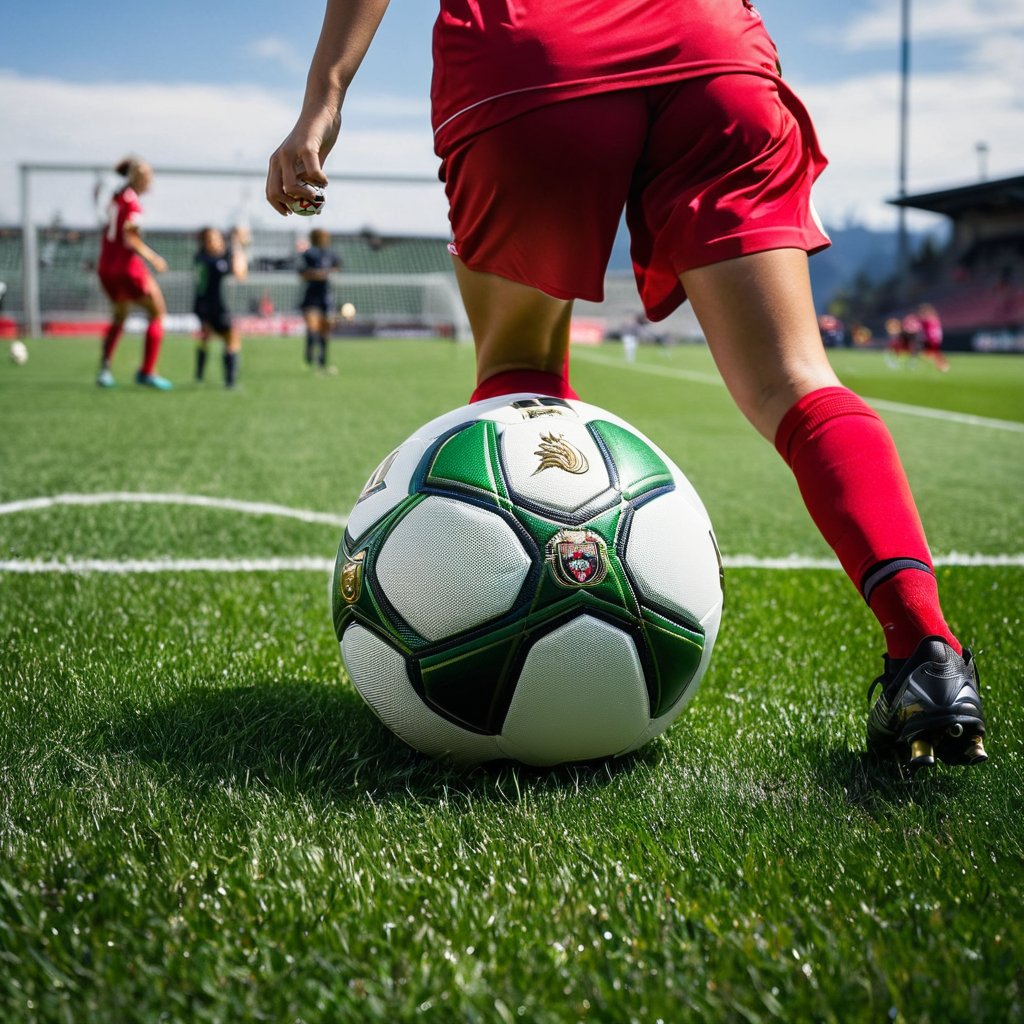
The women’s soccer associations in Washington have left an indelible mark on both the sport and the broader community. Their impact extends beyond just fostering athletic talent; these organizations have become powerful catalysts for social change, community engagement, and the empowerment of women in sports. Through sustained advocacy and development programs, women’s soccer associations have helped elevate the visibility and popularity of the sport, inspiring countless young athletes to pursue soccer at competitive levels.
The sport legacy created by these associations is significant, underpinned by decades of dedicated efforts to provide equitable opportunities for female players. Washington’s women’s soccer organizations have been pivotal in establishing structured leagues, coaching education, and grassroots initiatives, which have contributed to the sport’s growth statewide. This legacy is also reflected in the remarkable achievements of Washington soccer teams and players who have excelled both regionally and nationally, serving as role models and ambassadors for the sport.
Moreover, the impact of women’s soccer associations is evident in the flourishing community spirit they’ve nurtured. By organizing tournaments, outreach programs, and inclusive events, these associations have brought diverse groups together, strengthened community bonds, and fostered a shared passion for soccer across generations. The associations’ commitment to inclusivity and empowerment has enabled women from varied backgrounds to access quality training and competitive platforms, contributing to a richer, more diverse soccer culture in Washington.
Washington soccer achievements powered by these associations are a testament to their enduring influence. Several state and national titles, scholarships earned by female athletes, and the rise of professional players from Washington all highlight the success and growth catalyzed by these organizations. The impact also resonates on a societal level, encouraging gender equality and inspiring leadership among young women, which transcends the boundaries of sport.
In conclusion, the lasting effects and influence of women’s soccer associations in Washington are profound. They have not only shaped the trajectory of women’s soccer in the state but have also built a resilient sport legacy that positively affects players and communities alike. As these associations continue to evolve, their role in promoting women’s soccer impact and celebrating Washington soccer achievements ensures a vibrant future for the sport and the empowerment of women in the region.
Contributions to Women’s Sports Equality
Women’s soccer associations in Washington have played a pivotal role in advancing sports equality by actively challenging longstanding gender barriers in athletics. These associations have created inclusive platforms where female athletes could showcase their talents, thus fostering a culture that celebrates women’s rights within the sports community. By emphasizing equal opportunities, training, and resources for women soccer players, they have helped shift societal perceptions and norms surrounding female participation in sports.
The organizations tirelessly advocated for policies that ensured fair treatment and access to facilities, promoting an environment where female athletes received the same recognition and support as their male counterparts. Their soccer contributions extend beyond the field by promoting leadership development and empowering women to pursue careers in sports management and coaching, further driving gender equality in sports.
Through community outreach programs and public awareness campaigns, women’s soccer associations in Washington have highlighted the importance of equal representation in sports. Their efforts have contributed significantly to breaking down stereotypes and inspiring younger generations of girls to engage confidently in soccer. Ultimately, these associations not only advanced sports equality but also reinforced broader women’s rights initiatives, showcasing how sports can serve as a powerful platform for social change.
Notable Achievements and Recognition
Washington women’s soccer associations have made significant strides in elevating the sport through numerous soccer achievements. These associations have consistently fostered talent that has excelled not only within the state but also on national platforms. Their commitment to development programs and competitive leagues has led to the emergence of standout athletes who have gained recognition across major tournaments.
Award-winning performances from Washington women’s soccer teams highlight the associations’ dedication and impact. These organizations have garnered various awards and recognition that testify to their excellence in coaching, sportsmanship, and community engagement. Notably, several teams have secured state championships, solidifying Washington’s reputation as a powerhouse in women’s soccer. Such achievements serve as inspiration for younger players aspiring to follow in these footsteps.
On the national stage, Washington women’s soccer associations have received accolades from organizations that govern women’s soccer in the United States. Their efforts in promoting inclusivity and competitive integrity have earned them respect and acknowledgment from national bodies. This recognition not only elevates the visibility of Washington women’s soccer but also secures continued support and resources necessary for future growth.
Overall, the soccer achievements and awards and recognition Washington women’s soccer associations have attained highlight their crucial role in the sport’s development. By fostering talent and upholding high standards, these associations continue to contribute significantly to the landscape of women’s soccer, both locally and nationally.

I’ve been passionate about women’s soccer in Washington ever since I first watched a local match in high school. Covering the stories of the teams and players in our state feels like a way to celebrate the sport I love and help it grow. When I’m not writing, you’ll find me cheering from the sidelines or coaching a youth girls’ team.