Expansion efforts also focused on organizing more frequent and diverse soccer events such as clinics, tournaments, and community showcases. These events not only provided opportunities for current players to improve their skills but also attracted new interest, building a vibrant and supportive soccer community. Effective use of social media campaigns and local media coverage helped raise awareness of women’s soccer and highlighted the achievements of female athletes in Washington, inspiring more participation.
In addition, outreach initiatives reached underserved populations, ensuring inclusivity within the sport. Volunteer programs and mentorship from experienced players fostered a welcoming environment encouraging long-term involvement. By continuously adapting growth strategies to community needs, women’s soccer in Washington has seen considerable expansion, solidifying its presence and influence in the state’s athletic landscape.
Impact and Legacy of Women’s Soccer Associations in Washington
The formation of women’s soccer associations in Washington has had a profound and lasting impact on the community, transforming not only the landscape of sports but also promoting greater inclusivity and gender equality. These associations have played a pivotal role in expanding sport accessibility, providing women and girls across Washington with the opportunity to engage in soccer at competitive and recreational levels. This accessibility has encouraged widespread participation, fostering a strong sense of community and empowerment among female athletes.
One of the most significant legacies of these associations is the normalization of women’s participation in sports traditionally dominated by men. By creating structured leagues, tournaments, and development programs specifically for women, the soccer impact in Washington goes beyond the field—it challenges societal norms and inspires future generations to pursue their athletic ambitions without barriers. These initiatives have contributed to narrowing the gender gap in sports, promoting equal opportunities and recognition for female athletes.
Moreover, the presence of these associations has enhanced community cohesion by bringing together diverse groups united by a love for the game. Through outreach programs and partnerships with schools and local organizations, women’s soccer associations have increased access to quality training and resources in underserved areas, ensuring that socioeconomic status or geographic location does not limit participation. This inclusivity strengthens local communities and nurtures talent from varied backgrounds.
The legacy extends into societal contributions as well, where these associations have been catalysts for broader conversations about gender equality and women’s rights in sports. Their advocacy and visibility have helped influence policy changes and funding allocations at both grassroots and institutional levels. Washington has become a model for other regions, demonstrating how dedicated support for women’s sports not only promotes health and fitness but also empowers women socially and economically.
In summary, the impact and legacy of women’s soccer associations in Washington are evident in increased sport accessibility, stronger community bonds, and a continuing push towards gender equality in sports. They have created lasting opportunities for women that transcend soccer, fostering an environment where women athletes can thrive and inspiring commitment to equality across all sports disciplines in the state.
Influence on Community and Youth Programs
Women’s soccer associations in Washington have played a pivotal role in enriching local communities through dedicated community programs and youth soccer initiatives. By establishing accessible leagues and training camps, these associations have fostered an environment where young athletes, especially girls, can develop their skills and passion for the game. Their efforts in organizing regular youth soccer leagues have not only promoted physical fitness but also taught valuable life skills such as teamwork, discipline, and leadership.
These community programs are designed to be inclusive, reaching diverse populations and providing opportunities to youth regardless of their socioeconomic background. By collaborating with schools, local organizations, and volunteers, women’s soccer associations have created supportive networks that encourage consistent participation and growth in soccer development. This engagement has helped cultivate a sense of belonging among participants, further strengthening community ties.
Furthermore, these programs act as a feeder system for competitive soccer, nurturing talent from a young age and preparing players for higher levels of competition. The focus on youth soccer within these associations ensures a sustainable future for the sport, inspiring the next generation of female athletes. Through education, mentorship, and comprehensive training, these organizations continue to leave a lasting impact on both community welfare and the advancement of women’s soccer across Washington.
Progress Toward Gender Equality in Sports
Women’s soccer associations in Washington have played a pivotal role in advancing gender equality in sports. By championing the rights and opportunities for women in sports, these organizations have not only elevated the profile of women’s soccer but also fostered a broader movement towards equal treatment across all athletic disciplines. Their relentless soccer advocacy has helped challenge and dismantle long-standing gender biases that limited access and resources for female athletes.
Through organized campaigns, educational programs, and community engagement, these associations have raised awareness about the importance of gender equity. They actively lobbied local and state sports governing bodies to adopt policies that ensure fair funding, equal playing time, and safe environments for women athletes. This advocacy has influenced the implementation of more inclusive sports policies in Washington, promoting fair play and equal recognition.
Moreover, these groups provided a strong support network for women in sports, inspiring younger generations to pursue athletics without fear of discrimination. Their efforts have contributed significantly to a cultural shift in Washington’s sports community, where gender equality is increasingly prioritized. By fostering leadership and encouraging participation, women’s soccer associations continue to set an example in the fight for equal rights in sports.
Historical Background of Women’s Soccer in Washington
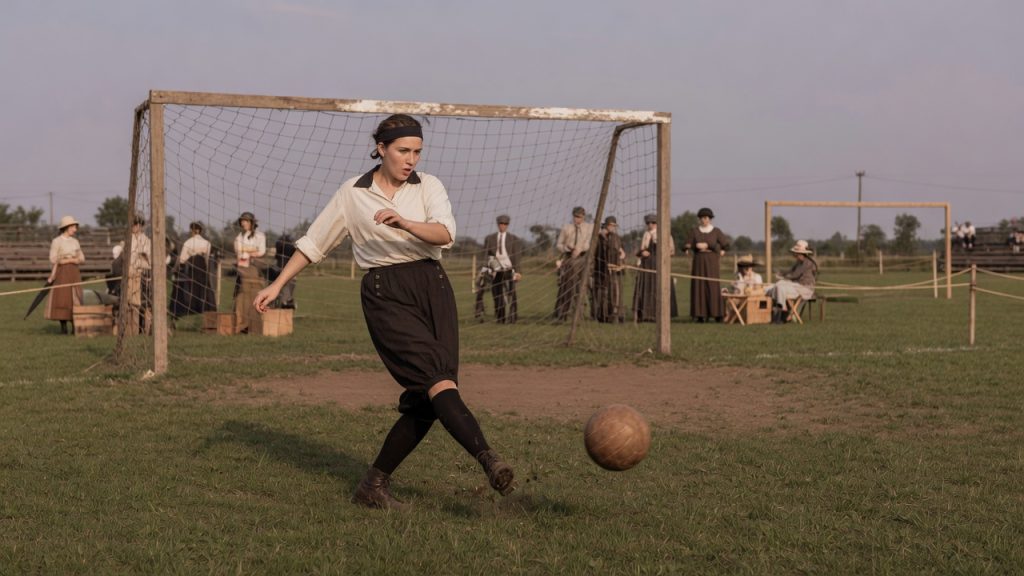
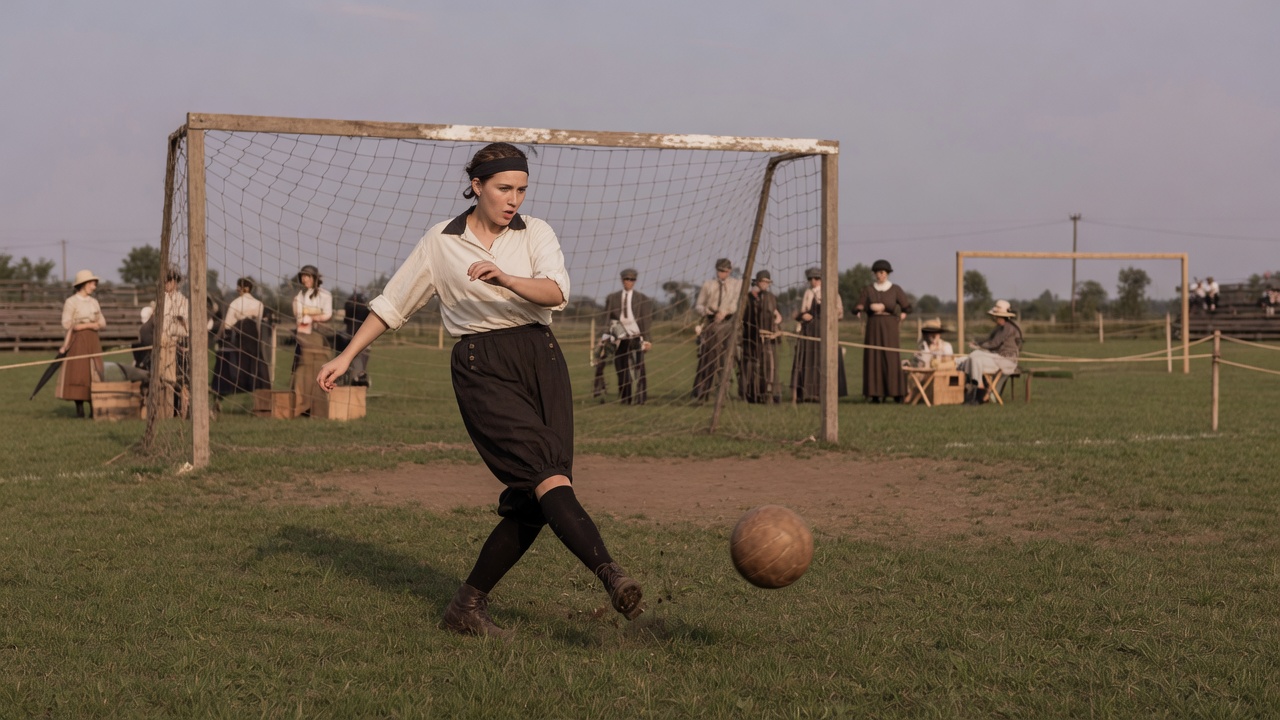
The history of women’s soccer in Washington state is a compelling narrative of perseverance, community spirit, and evolving cultural acceptance. It traces back to the early 20th century when sports were predominantly male-dominated fields, and women’s participation was often met with societal skepticism. Despite these challenges, the seeds of women’s soccer were sown as local women’s groups and school teams began to foster interest in the sport.
The early years of women’s soccer in Washington were marked by informal games played in community parks and schoolyards. These matches were often organized by passionate individuals who believed in the empowering nature of sports for women. During this time, social norms largely relegated women to traditional roles, and participating in competitive sports was seen as unconventional. Nonetheless, the growing enthusiasm among women for soccer hinted at the impending changes in social perceptions.
In Washington, the development of women’s soccer was influenced by broader social movements advocating for gender equality and women’s rights. The 1960s and 1970s were particularly significant as Title IX legislation in 1972 mandated equal opportunities for women in educational programs, including athletics. This legal protection catalyzed the establishment of more structured women’s soccer programs in schools and colleges across the state.
Washington’s soccer culture, initially shaped by immigrant communities and youth sports organizations, gradually embraced women’s participation. Women’s soccer associations began to form, providing organized leagues and competitive platforms that elevated the level of play and visibility of the sport. These associations were instrumental in nurturing talent, promoting teamwork, and challenging gender stereotypes within the broader sports community.
From grassroots clubs to formal associations, women’s soccer in Washington has continuously grown, reflecting the changing cultural landscape that supports diversity and inclusion in sports. The early struggles against cultural constraints and limited opportunities have given way to a vibrant, thriving women’s soccer scene. This historical evolution not only highlights the resilience of women athletes but also underscores the importance of community and advocacy in shaping the state’s women’s soccer history.
Pioneers and Early Influencers
The formation and growth of women’s soccer associations in Washington were driven by several soccer pioneers and early influencers who dedicated their efforts to promoting and organizing the sport. Among these figures was Amy Barker, a passionate advocate who helped establish one of the first women’s soccer clubs in the state during the late 1970s. Her commitment to creating opportunities for women players paved the way for increased participation and visibility in the sport.
Another key figure was Coach Laura Mitchell, who played an instrumental role in organizing competitive leagues and mentoring young athletes. Her leadership not only inspired many aspiring players but also contributed to the establishment of structured tournaments that became a staple of Washington women’s soccer.
Additionally, community organizer and former player Maria Gonzales was crucial in fostering partnerships between local schools, recreational centers, and emerging soccer associations. Her work in community outreach helped expand the network and support systems necessary for sustaining women’s soccer programs across the region.
These soccer pioneers and early influencers created a foundation that allowed women’s soccer in Washington to flourish, providing both organizational structure and a passionate community. Their legacy continues to inspire the current generation of players and organizers who carry forward the vision of accessible, competitive soccer opportunities for women throughout the state.
Initial Challenges and Opportunities
The formation of women’s soccer associations in Washington encountered a variety of challenges during its initial phase. One of the primary obstacles was the limited recognition and support from established sports organizations, which often prioritized men’s soccer. This lack of funding and resources made it difficult for women’s teams to secure training facilities, equipment, and qualified coaching staff. Additionally, societal attitudes and stereotypes about women’s participation in competitive sports created barriers to recruitment and community engagement. Many early organizers faced the challenge of convincing sponsors and local governments of the legitimacy and potential of women’s soccer.
However, these challenges were met with numerous opportunities that helped fuel the growth of women’s soccer in the region. The passionate commitment of players, volunteers, and advocates created a strong foundation for building a supportive network. The rise of national and international interest in women’s soccer provided increased visibility and momentum. Associations seized opportunities to collaborate with schools and community centers, fostering youth programs that nurtured the next generation of players. Media coverage and grassroots campaigns also helped shift public perception, attracting new fans and sponsorships.
Through persistent effort and strategic partnerships, these early women’s soccer associations were able to overcome initial hurdles and capitalize on emerging opportunities, marking the beginning of sustained women’s soccer growth in Washington. This blend of overcoming challenges while leveraging opportunities set the stage for a thriving and inclusive soccer culture dedicated to empowering women in sports.
Formation and Development of Women’s Soccer Associations

The formation of women’s soccer associations in Washington marked a significant milestone in the evolution of women’s sports organizations within the state. Initially, informal groups of passionate female soccer players came together, driven by the desire to promote and regulate the sport for women. These early efforts laid the groundwork for the formal establishment of soccer associations specifically dedicated to women’s soccer. Over time, these associations developed structured governance, standardized rules, and dedicated resources to meet the growing needs of female athletes and supporters.
The earliest formal associations were founded with the mission to provide organized competition, coaching standards, and community outreach aimed at increasing participation among women and girls. By creating official leagues, tournaments, and training programs, these women’s sports organizations established a framework that fostered both grassroots and competitive levels of play. This foundation was critical in building legitimacy for women’s soccer within the broader sports community and attracting sponsorship and media interest.
As these soccer associations matured, they actively collaborated with local schools, recreational departments, and national soccer bodies to promote women’s soccer at multiple levels. Their formation also led to advocacy for equal opportunities in sports funding, media coverage, and athletic scholarships, all essential for the sustained growth of women’s soccer. The association formation process was characterized by continuous evolution, adapting to rising participation rates and shifting cultural attitudes towards women’s sports.
The evolution of women’s soccer associations in Washington also reflects broader social changes, where recognition of women’s sports as a serious and competitive field has gained ground. These associations have played crucial roles in nurturing talent, organizing events, and providing leadership development opportunities for women. Today, they serve as vital institutions championing gender equity and empowering women through soccer, contributing to the sport’s vibrant and inclusive community in Washington state.
In summary, the formal establishment and ongoing development of women’s soccer associations in Washington have been instrumental in shaping the landscape of women’s sports organizations. From humble beginnings to influential entities, these associations continue to drive the growth of women’s soccer by promoting participation, ensuring competitive integrity, and fostering community engagement across the state.
Founding Organizations and Their Roles
- Washington State Women’s Soccer Association (WSWSA): The primary founding organization, WSWSA was instrumental in uniting local clubs and advocating for women’s soccer in the region. Their leadership focused on creating structured leagues and organizing statewide tournaments, establishing a formal framework for competitive women’s soccer.
- Pacific Northwest Women’s Sports Federation: This federation played a crucial role in promoting women’s athletic opportunities broadly in the region. They contributed by offering resources, coaching education, and advocating for equal funding and facilities, supporting the growth of women’s soccer leadership within community sports.
- Seattle Women’s Athletic Club: Providing one of the earliest platforms for female athletes, this club helped launch several women’s soccer teams. Their role was vital in fostering grassroots participation and developing early talent pools that would feed into larger associations and leagues.
- Washington Youth Soccer Association (WYSA): By integrating youth programs, WYSA ensured a pipeline of young female athletes entering the sport. Their commitment to youth development complemented the overarching goals of the founding organizations and helped solidify long-term sustainability in women’s soccer.
Together, these founding organizations shaped the association roles and governance structure that allowed women’s soccer in Washington to thrive. Their leadership and sustained efforts laid the groundwork for ongoing growth, visibility, and competitive opportunities throughout the state.
Growth and Expansion Efforts
The growth strategies implemented by women’s soccer associations in Washington have played a crucial role in expanding membership and increasing participation across the state. These strategies included targeted outreach programs designed to introduce the sport to a broader audience, including young girls, schools, and community groups. By forming partnerships with local educational institutions and recreational centers, the associations created accessible entry points for newcomers to join and engage with women’s soccer.
Expansion efforts also focused on organizing more frequent and diverse soccer events such as clinics, tournaments, and community showcases. These events not only provided opportunities for current players to improve their skills but also attracted new interest, building a vibrant and supportive soccer community. Effective use of social media campaigns and local media coverage helped raise awareness of women’s soccer and highlighted the achievements of female athletes in Washington, inspiring more participation.
In addition, outreach initiatives reached underserved populations, ensuring inclusivity within the sport. Volunteer programs and mentorship from experienced players fostered a welcoming environment encouraging long-term involvement. By continuously adapting growth strategies to community needs, women’s soccer in Washington has seen considerable expansion, solidifying its presence and influence in the state’s athletic landscape.
Impact and Legacy of Women’s Soccer Associations in Washington
The formation of women’s soccer associations in Washington has had a profound and lasting impact on the community, transforming not only the landscape of sports but also promoting greater inclusivity and gender equality. These associations have played a pivotal role in expanding sport accessibility, providing women and girls across Washington with the opportunity to engage in soccer at competitive and recreational levels. This accessibility has encouraged widespread participation, fostering a strong sense of community and empowerment among female athletes.
One of the most significant legacies of these associations is the normalization of women’s participation in sports traditionally dominated by men. By creating structured leagues, tournaments, and development programs specifically for women, the soccer impact in Washington goes beyond the field—it challenges societal norms and inspires future generations to pursue their athletic ambitions without barriers. These initiatives have contributed to narrowing the gender gap in sports, promoting equal opportunities and recognition for female athletes.
Moreover, the presence of these associations has enhanced community cohesion by bringing together diverse groups united by a love for the game. Through outreach programs and partnerships with schools and local organizations, women’s soccer associations have increased access to quality training and resources in underserved areas, ensuring that socioeconomic status or geographic location does not limit participation. This inclusivity strengthens local communities and nurtures talent from varied backgrounds.
The legacy extends into societal contributions as well, where these associations have been catalysts for broader conversations about gender equality and women’s rights in sports. Their advocacy and visibility have helped influence policy changes and funding allocations at both grassroots and institutional levels. Washington has become a model for other regions, demonstrating how dedicated support for women’s sports not only promotes health and fitness but also empowers women socially and economically.
In summary, the impact and legacy of women’s soccer associations in Washington are evident in increased sport accessibility, stronger community bonds, and a continuing push towards gender equality in sports. They have created lasting opportunities for women that transcend soccer, fostering an environment where women athletes can thrive and inspiring commitment to equality across all sports disciplines in the state.
Influence on Community and Youth Programs
Women’s soccer associations in Washington have played a pivotal role in enriching local communities through dedicated community programs and youth soccer initiatives. By establishing accessible leagues and training camps, these associations have fostered an environment where young athletes, especially girls, can develop their skills and passion for the game. Their efforts in organizing regular youth soccer leagues have not only promoted physical fitness but also taught valuable life skills such as teamwork, discipline, and leadership.
These community programs are designed to be inclusive, reaching diverse populations and providing opportunities to youth regardless of their socioeconomic background. By collaborating with schools, local organizations, and volunteers, women’s soccer associations have created supportive networks that encourage consistent participation and growth in soccer development. This engagement has helped cultivate a sense of belonging among participants, further strengthening community ties.
Furthermore, these programs act as a feeder system for competitive soccer, nurturing talent from a young age and preparing players for higher levels of competition. The focus on youth soccer within these associations ensures a sustainable future for the sport, inspiring the next generation of female athletes. Through education, mentorship, and comprehensive training, these organizations continue to leave a lasting impact on both community welfare and the advancement of women’s soccer across Washington.
Progress Toward Gender Equality in Sports
Women’s soccer associations in Washington have played a pivotal role in advancing gender equality in sports. By championing the rights and opportunities for women in sports, these organizations have not only elevated the profile of women’s soccer but also fostered a broader movement towards equal treatment across all athletic disciplines. Their relentless soccer advocacy has helped challenge and dismantle long-standing gender biases that limited access and resources for female athletes.
Through organized campaigns, educational programs, and community engagement, these associations have raised awareness about the importance of gender equity. They actively lobbied local and state sports governing bodies to adopt policies that ensure fair funding, equal playing time, and safe environments for women athletes. This advocacy has influenced the implementation of more inclusive sports policies in Washington, promoting fair play and equal recognition.
Moreover, these groups provided a strong support network for women in sports, inspiring younger generations to pursue athletics without fear of discrimination. Their efforts have contributed significantly to a cultural shift in Washington’s sports community, where gender equality is increasingly prioritized. By fostering leadership and encouraging participation, women’s soccer associations continue to set an example in the fight for equal rights in sports.

I’ve been passionate about women’s soccer in Washington ever since I first watched a local match in high school. Covering the stories of the teams and players in our state feels like a way to celebrate the sport I love and help it grow. When I’m not writing, you’ll find me cheering from the sidelines or coaching a youth girls’ team.