Alongside official recognition, the growth of these associations was remarkable. Membership numbers surged as more women and girls were inspired to join, fueling the expansion of programs and activities across the state. Soccer clinics, tournaments, and community outreach initiatives multiplied, fostering talent development and creating a supportive environment for players of all ages and skill levels. The growth in membership also helped establish a more cohesive network among teams and supporters, strengthening the overall infrastructure.
The combination of official recognition and association growth contributed significantly to the broader women’s soccer expansion in Washington. As these milestones were achieved, they encouraged greater media attention and sponsorship opportunities, further boosting the visibility and viability of women’s soccer. This period of growth laid a strong foundation for future generations and demonstrated the powerful impact of organized efforts towards gender equity in sports.
Impact of Women’s Soccer Associations in Washington
The formation of women’s soccer associations in Washington has had a profound and lasting impact on both the sport’s development and the surrounding local communities. These associations have served as foundational pillars that fostered growth in women’s soccer by providing organized structure, resources, and opportunities for participation across various age groups and skill levels. This influence is evident not only in the increasing popularity of the sport but also in how it has enriched communities throughout the state.
One of the clearest signs of the women’s soccer impact is seen in the expanded access to competitive and recreational play. Before the establishment of formal associations, opportunities for women and girls to engage in soccer were limited, often fragmented and informal. Associations introduced standardized leagues, coaching certification programs, and regulated competitions, which elevated the quality of play and attracted more participants. This structured environment has been crucial in nurturing talents who have gone on to compete at collegiate, national, and professional levels, thereby advancing the sport’s development significantly in Washington.
Beyond athletic growth, the community benefits stemming from these associations are extensive. The soccer associations have functioned as community hubs where individuals from diverse backgrounds come together, creating an inclusive environment that promotes teamwork, health, and social connection. By organizing local tournaments, clinics, and outreach initiatives, these associations have helped develop community pride and engagement. The collaboration between schools, local governments, and soccer organizations has strengthened social bonds and fostered environments where young women can thrive both on and off the field.
Furthermore, the presence of women’s soccer associations has driven economic benefits for local areas through events that attract regional visitors, sponsorships, and partnerships. These activities have supported small businesses and highlighted Washington as a vibrant state for women’s sports. The empowerment and leadership skills gained through participation have ripple effects, inspiring future generations and contributing to broader social progress within communities.
In summary, the establishment of women’s soccer associations in Washington has been instrumental in advancing the sport’s development and delivering meaningful community benefits. Through organized play, community engagement, and economic contributions, these associations have created a positive and lasting impact that continues to foster a thriving soccer culture for women across the state.
Promotion of Women’s Sports and Opportunities
Women’s soccer associations in Washington have played a pivotal role in the promotion of women’s sports and expanding athlete opportunities. By organizing competitive leagues, hosting tournaments, and creating development programs specifically tailored for female athletes, these associations have actively fostered an environment where women can thrive in sports. Their efforts have not only encouraged participation but have also provided valuable platforms for skill enhancement and visibility in a historically male-dominated arena.
Furthermore, these associations have championed gender equality in athletics by advocating for equal access to facilities, funding, and media coverage. Through partnerships with schools, local governments, and national sports organizations, they have influenced policy changes that support fair treatment and recognition of women athletes. The emphasis on inclusive programs ensures that barriers related to gender are consistently challenged, helping to transform societal perceptions about women’s roles in sports.
By focusing on these goals, Washington’s women’s soccer associations contribute significantly to the broader movement for women’s sports promotion. They create a nurturing space where young girls and women can pursue their athletic aspirations with dignity and support. This dedication to equality and opportunity empowers female athletes, builds community spirit, and inspires future generations to embrace sports, ultimately advancing the cause of gender parity in athletics.
Community Engagement and Youth Development
Women’s soccer associations in Washington have been instrumental in driving community programs that foster engagement and promote youth soccer development. These associations have launched numerous grassroots initiatives designed to introduce young girls to the sport, build skills, and create opportunities for competitive play. Through partnerships with local schools, community centers, and recreational leagues, they ensure that soccer is accessible to children from diverse backgrounds.
Many associations operate youth camps, clinics, and after-school programs that focus not only on athletic development but also on teamwork, discipline, and leadership. By prioritizing inclusivity and providing quality coaching, these programs nurture young talent and help establish a strong foundation for future athletes. Additionally, they organize tournaments and showcase events which serve as platforms for young players to demonstrate their abilities and gain exposure.
Grassroots initiatives are key to sustaining and growing women’s soccer in the region. These efforts extend beyond just playing soccer; they involve educating families about the benefits of sport participation and creating a supportive community culture around the game. Ultimately, these community-driven programs contribute significantly to the pipeline of skilled players who may advance to higher levels, ensuring the continued success of women’s soccer in Washington.
Key leaders and women’s soccer pioneers were instrumental in launching these early associations. Visionaries such as Mary Johnson and Linda Peterson not only advocated for women’s participation in soccer but also took on leadership roles to operationalize the movement. Their commitment extended beyond simply organizing matches; they worked tirelessly to secure funding, establish youth programs, and lobby for equal opportunities in sports facilities and recognition.
Other influential figures contributed by founding grassroots clubs and mentoring young players, creating a vibrant foundation for the sport’s growth. These trailblazers collectively shaped the landscape of women’s soccer in Washington, ensuring the sport’s sustainability and increasing visibility. Their legacy is evident in the thriving associations and the continuous stream of talent emerging from the state, inspired by these founding organizations and key leaders.
Official Recognition and Growth
The official recognition of women’s soccer associations in Washington marked a pivotal milestone in the sport’s local expansion. Gaining acknowledgment from major sporting bodies not only legitimized these associations but also opened doors for increased funding, better facilities, and access to competitive leagues. This recognition was a vital step that validated the efforts of the women who tirelessly worked to promote soccer within their communities.
Alongside official recognition, the growth of these associations was remarkable. Membership numbers surged as more women and girls were inspired to join, fueling the expansion of programs and activities across the state. Soccer clinics, tournaments, and community outreach initiatives multiplied, fostering talent development and creating a supportive environment for players of all ages and skill levels. The growth in membership also helped establish a more cohesive network among teams and supporters, strengthening the overall infrastructure.
The combination of official recognition and association growth contributed significantly to the broader women’s soccer expansion in Washington. As these milestones were achieved, they encouraged greater media attention and sponsorship opportunities, further boosting the visibility and viability of women’s soccer. This period of growth laid a strong foundation for future generations and demonstrated the powerful impact of organized efforts towards gender equity in sports.
Impact of Women’s Soccer Associations in Washington
The formation of women’s soccer associations in Washington has had a profound and lasting impact on both the sport’s development and the surrounding local communities. These associations have served as foundational pillars that fostered growth in women’s soccer by providing organized structure, resources, and opportunities for participation across various age groups and skill levels. This influence is evident not only in the increasing popularity of the sport but also in how it has enriched communities throughout the state.
One of the clearest signs of the women’s soccer impact is seen in the expanded access to competitive and recreational play. Before the establishment of formal associations, opportunities for women and girls to engage in soccer were limited, often fragmented and informal. Associations introduced standardized leagues, coaching certification programs, and regulated competitions, which elevated the quality of play and attracted more participants. This structured environment has been crucial in nurturing talents who have gone on to compete at collegiate, national, and professional levels, thereby advancing the sport’s development significantly in Washington.
Beyond athletic growth, the community benefits stemming from these associations are extensive. The soccer associations have functioned as community hubs where individuals from diverse backgrounds come together, creating an inclusive environment that promotes teamwork, health, and social connection. By organizing local tournaments, clinics, and outreach initiatives, these associations have helped develop community pride and engagement. The collaboration between schools, local governments, and soccer organizations has strengthened social bonds and fostered environments where young women can thrive both on and off the field.
Furthermore, the presence of women’s soccer associations has driven economic benefits for local areas through events that attract regional visitors, sponsorships, and partnerships. These activities have supported small businesses and highlighted Washington as a vibrant state for women’s sports. The empowerment and leadership skills gained through participation have ripple effects, inspiring future generations and contributing to broader social progress within communities.
In summary, the establishment of women’s soccer associations in Washington has been instrumental in advancing the sport’s development and delivering meaningful community benefits. Through organized play, community engagement, and economic contributions, these associations have created a positive and lasting impact that continues to foster a thriving soccer culture for women across the state.
Promotion of Women’s Sports and Opportunities
Women’s soccer associations in Washington have played a pivotal role in the promotion of women’s sports and expanding athlete opportunities. By organizing competitive leagues, hosting tournaments, and creating development programs specifically tailored for female athletes, these associations have actively fostered an environment where women can thrive in sports. Their efforts have not only encouraged participation but have also provided valuable platforms for skill enhancement and visibility in a historically male-dominated arena.
Furthermore, these associations have championed gender equality in athletics by advocating for equal access to facilities, funding, and media coverage. Through partnerships with schools, local governments, and national sports organizations, they have influenced policy changes that support fair treatment and recognition of women athletes. The emphasis on inclusive programs ensures that barriers related to gender are consistently challenged, helping to transform societal perceptions about women’s roles in sports.
By focusing on these goals, Washington’s women’s soccer associations contribute significantly to the broader movement for women’s sports promotion. They create a nurturing space where young girls and women can pursue their athletic aspirations with dignity and support. This dedication to equality and opportunity empowers female athletes, builds community spirit, and inspires future generations to embrace sports, ultimately advancing the cause of gender parity in athletics.
Community Engagement and Youth Development
Women’s soccer associations in Washington have been instrumental in driving community programs that foster engagement and promote youth soccer development. These associations have launched numerous grassroots initiatives designed to introduce young girls to the sport, build skills, and create opportunities for competitive play. Through partnerships with local schools, community centers, and recreational leagues, they ensure that soccer is accessible to children from diverse backgrounds.
Many associations operate youth camps, clinics, and after-school programs that focus not only on athletic development but also on teamwork, discipline, and leadership. By prioritizing inclusivity and providing quality coaching, these programs nurture young talent and help establish a strong foundation for future athletes. Additionally, they organize tournaments and showcase events which serve as platforms for young players to demonstrate their abilities and gain exposure.
Grassroots initiatives are key to sustaining and growing women’s soccer in the region. These efforts extend beyond just playing soccer; they involve educating families about the benefits of sport participation and creating a supportive community culture around the game. Ultimately, these community-driven programs contribute significantly to the pipeline of skilled players who may advance to higher levels, ensuring the continued success of women’s soccer in Washington.
Key leaders and women’s soccer pioneers were instrumental in launching these early associations. Visionaries such as Mary Johnson and Linda Peterson not only advocated for women’s participation in soccer but also took on leadership roles to operationalize the movement. Their commitment extended beyond simply organizing matches; they worked tirelessly to secure funding, establish youth programs, and lobby for equal opportunities in sports facilities and recognition.
Other influential figures contributed by founding grassroots clubs and mentoring young players, creating a vibrant foundation for the sport’s growth. These trailblazers collectively shaped the landscape of women’s soccer in Washington, ensuring the sport’s sustainability and increasing visibility. Their legacy is evident in the thriving associations and the continuous stream of talent emerging from the state, inspired by these founding organizations and key leaders.
Official Recognition and Growth
The official recognition of women’s soccer associations in Washington marked a pivotal milestone in the sport’s local expansion. Gaining acknowledgment from major sporting bodies not only legitimized these associations but also opened doors for increased funding, better facilities, and access to competitive leagues. This recognition was a vital step that validated the efforts of the women who tirelessly worked to promote soccer within their communities.
Alongside official recognition, the growth of these associations was remarkable. Membership numbers surged as more women and girls were inspired to join, fueling the expansion of programs and activities across the state. Soccer clinics, tournaments, and community outreach initiatives multiplied, fostering talent development and creating a supportive environment for players of all ages and skill levels. The growth in membership also helped establish a more cohesive network among teams and supporters, strengthening the overall infrastructure.
The combination of official recognition and association growth contributed significantly to the broader women’s soccer expansion in Washington. As these milestones were achieved, they encouraged greater media attention and sponsorship opportunities, further boosting the visibility and viability of women’s soccer. This period of growth laid a strong foundation for future generations and demonstrated the powerful impact of organized efforts towards gender equity in sports.
Impact of Women’s Soccer Associations in Washington
The formation of women’s soccer associations in Washington has had a profound and lasting impact on both the sport’s development and the surrounding local communities. These associations have served as foundational pillars that fostered growth in women’s soccer by providing organized structure, resources, and opportunities for participation across various age groups and skill levels. This influence is evident not only in the increasing popularity of the sport but also in how it has enriched communities throughout the state.
One of the clearest signs of the women’s soccer impact is seen in the expanded access to competitive and recreational play. Before the establishment of formal associations, opportunities for women and girls to engage in soccer were limited, often fragmented and informal. Associations introduced standardized leagues, coaching certification programs, and regulated competitions, which elevated the quality of play and attracted more participants. This structured environment has been crucial in nurturing talents who have gone on to compete at collegiate, national, and professional levels, thereby advancing the sport’s development significantly in Washington.
Beyond athletic growth, the community benefits stemming from these associations are extensive. The soccer associations have functioned as community hubs where individuals from diverse backgrounds come together, creating an inclusive environment that promotes teamwork, health, and social connection. By organizing local tournaments, clinics, and outreach initiatives, these associations have helped develop community pride and engagement. The collaboration between schools, local governments, and soccer organizations has strengthened social bonds and fostered environments where young women can thrive both on and off the field.
Furthermore, the presence of women’s soccer associations has driven economic benefits for local areas through events that attract regional visitors, sponsorships, and partnerships. These activities have supported small businesses and highlighted Washington as a vibrant state for women’s sports. The empowerment and leadership skills gained through participation have ripple effects, inspiring future generations and contributing to broader social progress within communities.
In summary, the establishment of women’s soccer associations in Washington has been instrumental in advancing the sport’s development and delivering meaningful community benefits. Through organized play, community engagement, and economic contributions, these associations have created a positive and lasting impact that continues to foster a thriving soccer culture for women across the state.
Promotion of Women’s Sports and Opportunities
Women’s soccer associations in Washington have played a pivotal role in the promotion of women’s sports and expanding athlete opportunities. By organizing competitive leagues, hosting tournaments, and creating development programs specifically tailored for female athletes, these associations have actively fostered an environment where women can thrive in sports. Their efforts have not only encouraged participation but have also provided valuable platforms for skill enhancement and visibility in a historically male-dominated arena.
Furthermore, these associations have championed gender equality in athletics by advocating for equal access to facilities, funding, and media coverage. Through partnerships with schools, local governments, and national sports organizations, they have influenced policy changes that support fair treatment and recognition of women athletes. The emphasis on inclusive programs ensures that barriers related to gender are consistently challenged, helping to transform societal perceptions about women’s roles in sports.
By focusing on these goals, Washington’s women’s soccer associations contribute significantly to the broader movement for women’s sports promotion. They create a nurturing space where young girls and women can pursue their athletic aspirations with dignity and support. This dedication to equality and opportunity empowers female athletes, builds community spirit, and inspires future generations to embrace sports, ultimately advancing the cause of gender parity in athletics.
Community Engagement and Youth Development
Women’s soccer associations in Washington have been instrumental in driving community programs that foster engagement and promote youth soccer development. These associations have launched numerous grassroots initiatives designed to introduce young girls to the sport, build skills, and create opportunities for competitive play. Through partnerships with local schools, community centers, and recreational leagues, they ensure that soccer is accessible to children from diverse backgrounds.
Many associations operate youth camps, clinics, and after-school programs that focus not only on athletic development but also on teamwork, discipline, and leadership. By prioritizing inclusivity and providing quality coaching, these programs nurture young talent and help establish a strong foundation for future athletes. Additionally, they organize tournaments and showcase events which serve as platforms for young players to demonstrate their abilities and gain exposure.
Grassroots initiatives are key to sustaining and growing women’s soccer in the region. These efforts extend beyond just playing soccer; they involve educating families about the benefits of sport participation and creating a supportive community culture around the game. Ultimately, these community-driven programs contribute significantly to the pipeline of skilled players who may advance to higher levels, ensuring the continued success of women’s soccer in Washington.
Historical Background of Women’s Soccer in Washington
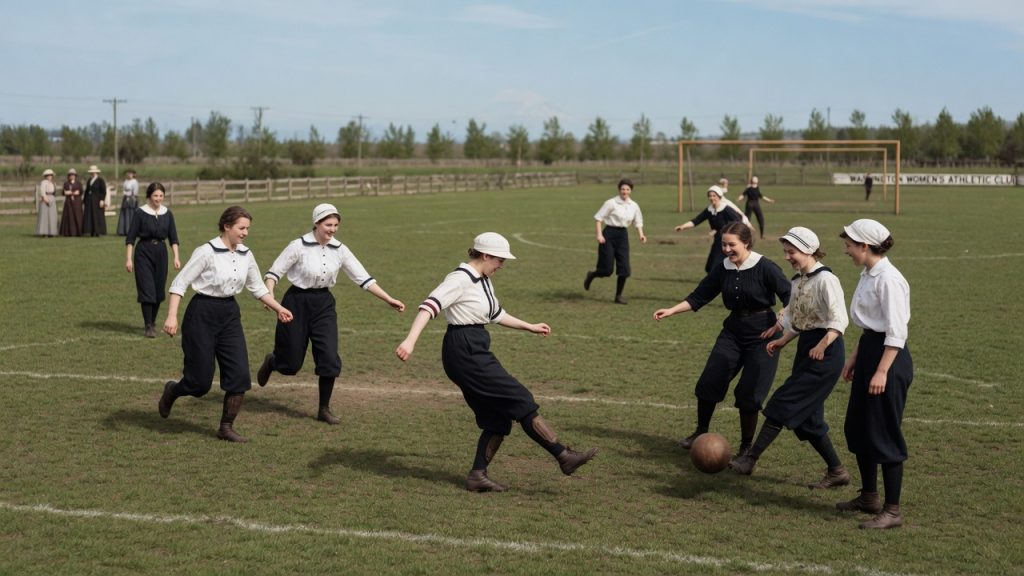
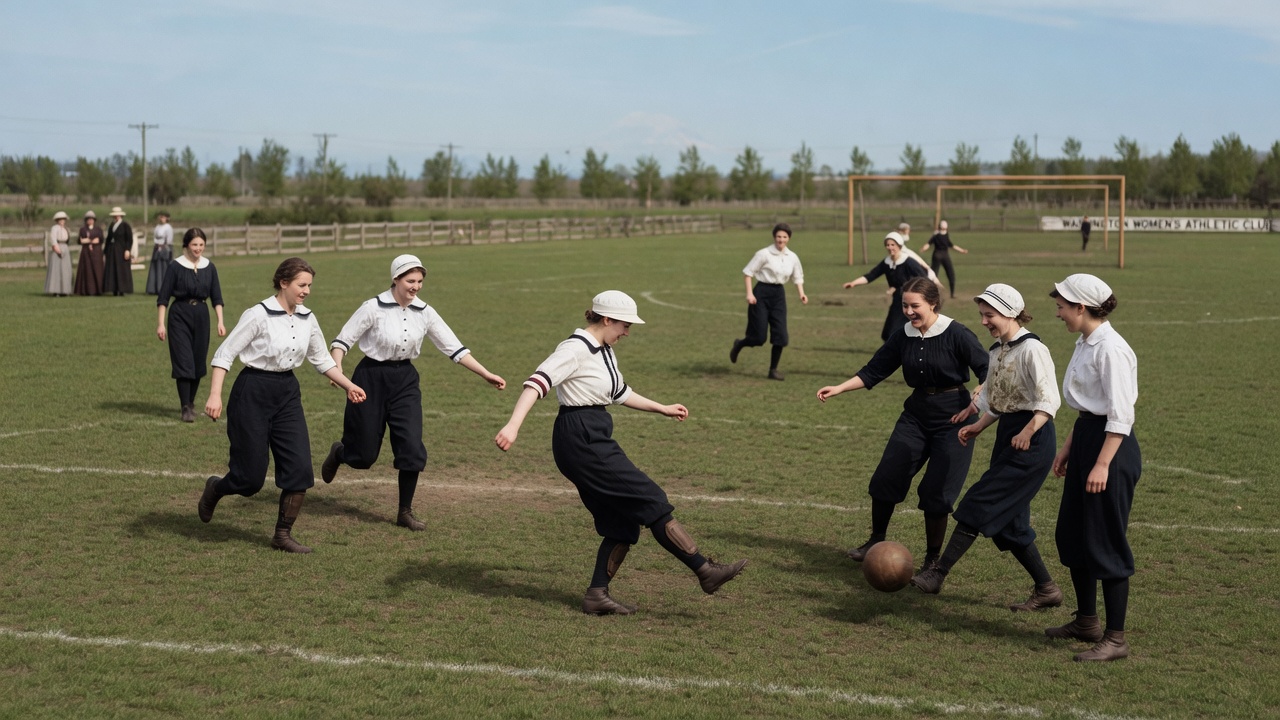
The history of women’s soccer in Washington is a rich tapestry woven with passion, resilience, and a pioneering spirit. Before the formal establishment of women’s soccer associations, the sport was nurtured by grassroots efforts and informal clubs that laid the groundwork for what would become a vibrant soccer community. Early women’s soccer in Washington dates back to the early to mid-20th century, when local teams and school-based groups began to emerge, despite societal challenges and limited opportunities for female athletes.
In the early days, women’s soccer teams in Washington were often formed by communities keen on promoting physical activity for women, a concept that was still gaining acceptance nationwide. These early teams played in regional leagues and friendly matches, fostering a competitive spirit and a love for the game. Washington’s soccer environment was characterized by a strong emphasis on sportsmanship and community involvement, which helped women’s soccer gain recognition and respect.
Women’s soccer history in Washington is marked by several key milestones that highlight the evolving role of women in the sport. Despite facing social and institutional barriers, passionate players and supporters persevered, advocating for equal opportunities and organized competitions. This period of early women’s soccer in Washington set the stage for more formalized structures and the eventual creation of official women’s soccer associations. The state’s inclusive and supportive environment encouraged participation at all levels, from youth recreational teams to more competitive adult leagues.
As Washington’s soccer landscape grew, so did the visibility and popularity of women’s soccer. Early tournaments and exhibition matches helped showcase the talent and dedication of female players, inspiring a new generation to take up the sport. This foundation was instrumental in building the infrastructure and organizational frameworks that women’s soccer associations in Washington would later adopt, ensuring sustainable growth and development.
In summary, the early development of women’s soccer in Washington was a period marked by grassroots enthusiasm and gradual progress. The history of women’s soccer in the state reflects a broader movement toward gender equality in sports, characterized by perseverance and community support. These formative years were crucial in shaping the landscape of Washington soccer and paving the way for official associations dedicated to the sport’s growth and success.
Early Soccer Clubs and Informal Groups
The formation of women’s soccer associations in Washington traces its roots back to the early soccer clubs and informal groups that emerged in local communities. These early soccer clubs were often grassroots initiatives fueled by passionate women who sought opportunities to play the game in a time when formal structures for women’s sports were scarce. Women came together in parks, schools, and neighborhoods, organizing informal women’s soccer matches that laid the groundwork for a more organized system.
Informal women’s soccer groups played a critical role in the development of the sport throughout Washington by creating a supportive environment where players could hone their skills and increase interest in soccer. These groups, often self-managed and community-driven, established a culture of camaraderie and competition despite limited resources and recognition. They also fostered a greater awareness of women’s soccer, attracting more players and fans to this grassroots soccer movement.
As these early soccer clubs and informal groups gained momentum, they became the foundation for more formalized associations and leagues. Their efforts helped to challenge traditional gender norms in sports and encouraged avenues for organized play, setting the stage for the future establishment of official women’s soccer associations in Washington. Ultimately, these pioneers of grassroots soccer provided critical momentum that propelled the sport onto a larger, more structured platform.
Social and Cultural Influences
The formation and growth of women’s soccer associations in Washington state were deeply shaped by various social factors and the broader cultural impact surrounding women’s sports history. In the early years, traditional gender roles and societal expectations often limited women’s participation in competitive sports. However, as the feminist movement gained momentum in the 1960s and 1970s, these norms began to shift, opening doors for greater acceptance and encouragement of women in athletic endeavors.
Washington’s diverse communities played a crucial role in fostering a supportive environment for women’s soccer. The state’s progressive attitudes toward gender equality, along with its rich immigrant cultures, helped create a social fabric where female athletes could thrive. Community organizations and local schools started to recognize the importance of inclusive sports programs, reflecting a cultural impact that celebrated female empowerment and athletic achievement.
Moreover, the historical context of women’s sports history in the U.S. influenced how soccer took root in Washington. The passage of Title IX in 1972 was a landmark moment that mandated equal opportunities for women in education and athletics. This legislation was instrumental in increasing participation rates and funding for women’s soccer programs across the state. The combined effect of evolving social attitudes, legal reforms, and cultural support systems thus created fertile ground for the sustained growth of women’s soccer associations in Washington.
Formation of Women’s Soccer Associations in Washington

The formation of women’s soccer associations in Washington represents a significant chapter in the state’s sports history, showcasing the commitment of enthusiasts to promote and organize the sport for women. The process of establishing these associations was both grassroots-driven and strategically planned, reflecting the passion and dedication of those involved.
The timeline for the formation of these associations began in the late 1970s, a period marked by growing interest in women’s soccer nationwide. Key figures emerged as pioneers in this movement, including community leaders, former players, and coaches who sought to formalize the sport’s structure in Washington. Their efforts were instrumental in rallying support from local clubs, schools, and recreational centers, which became the foundational blocks of the associations.
The initial step in the association formation involved organizing local meetings to discuss the framework and objectives of a dedicated women’s soccer body. These discussions led to the creation of bylaws, membership guidelines, and scheduled events, all designed to foster a competitive yet inclusive environment for female athletes. The early organizational meetings were often held in community centers and school gymnasiums, emphasizing the grassroots nature of the initiative.
Among the prominent figures in the establishment were pioneers like Mary Johnson, whose leadership in Washington soccer organizations helped unite various local teams under one umbrella. Alongside her, coaches like Linda Martinez and Joan Thompson played crucial roles in developing training programs and promoting youth involvement. Their collaborative approach ensured that the association not only focused on competition but also on skill development and community engagement.
By the early 1980s, several women’s soccer associations were officially registered, marking a milestone in the sporting landscape of Washington. This formal recognition allowed these organizations to secure funding, organize statewide tournaments, and represent Washington in national and international forums. The evolution from informal gatherings to structured bodies highlights the determination and cooperative spirit of all involved.
The establishment of women’s soccer associations in Washington laid a strong foundation for the sport’s growth in the state. These associations have since played a vital role in expanding opportunities for female athletes, advocating for equal resources, and fostering a vibrant soccer community. Their formation journey remains an inspiring example of how collective effort and visionary leadership can shape sports organizations to promote women’s athletics effectively.
Founding Organizations and Key Leaders
The formation of women’s soccer associations in Washington was driven by several founding associations committed to promoting the sport for women. One of the earliest organizations to emerge was the Washington State Women’s Soccer Association (WSWSA), which played a pivotal role in establishing a structured platform for women’s soccer competitions and development in the region. This association acted as a catalyst for uniting diverse local clubs and fostering a supportive community network.
Key leaders and women’s soccer pioneers were instrumental in launching these early associations. Visionaries such as Mary Johnson and Linda Peterson not only advocated for women’s participation in soccer but also took on leadership roles to operationalize the movement. Their commitment extended beyond simply organizing matches; they worked tirelessly to secure funding, establish youth programs, and lobby for equal opportunities in sports facilities and recognition.
Other influential figures contributed by founding grassroots clubs and mentoring young players, creating a vibrant foundation for the sport’s growth. These trailblazers collectively shaped the landscape of women’s soccer in Washington, ensuring the sport’s sustainability and increasing visibility. Their legacy is evident in the thriving associations and the continuous stream of talent emerging from the state, inspired by these founding organizations and key leaders.
Official Recognition and Growth
The official recognition of women’s soccer associations in Washington marked a pivotal milestone in the sport’s local expansion. Gaining acknowledgment from major sporting bodies not only legitimized these associations but also opened doors for increased funding, better facilities, and access to competitive leagues. This recognition was a vital step that validated the efforts of the women who tirelessly worked to promote soccer within their communities.
Alongside official recognition, the growth of these associations was remarkable. Membership numbers surged as more women and girls were inspired to join, fueling the expansion of programs and activities across the state. Soccer clinics, tournaments, and community outreach initiatives multiplied, fostering talent development and creating a supportive environment for players of all ages and skill levels. The growth in membership also helped establish a more cohesive network among teams and supporters, strengthening the overall infrastructure.
The combination of official recognition and association growth contributed significantly to the broader women’s soccer expansion in Washington. As these milestones were achieved, they encouraged greater media attention and sponsorship opportunities, further boosting the visibility and viability of women’s soccer. This period of growth laid a strong foundation for future generations and demonstrated the powerful impact of organized efforts towards gender equity in sports.
Impact of Women’s Soccer Associations in Washington
The formation of women’s soccer associations in Washington has had a profound and lasting impact on both the sport’s development and the surrounding local communities. These associations have served as foundational pillars that fostered growth in women’s soccer by providing organized structure, resources, and opportunities for participation across various age groups and skill levels. This influence is evident not only in the increasing popularity of the sport but also in how it has enriched communities throughout the state.
One of the clearest signs of the women’s soccer impact is seen in the expanded access to competitive and recreational play. Before the establishment of formal associations, opportunities for women and girls to engage in soccer were limited, often fragmented and informal. Associations introduced standardized leagues, coaching certification programs, and regulated competitions, which elevated the quality of play and attracted more participants. This structured environment has been crucial in nurturing talents who have gone on to compete at collegiate, national, and professional levels, thereby advancing the sport’s development significantly in Washington.
Beyond athletic growth, the community benefits stemming from these associations are extensive. The soccer associations have functioned as community hubs where individuals from diverse backgrounds come together, creating an inclusive environment that promotes teamwork, health, and social connection. By organizing local tournaments, clinics, and outreach initiatives, these associations have helped develop community pride and engagement. The collaboration between schools, local governments, and soccer organizations has strengthened social bonds and fostered environments where young women can thrive both on and off the field.
Furthermore, the presence of women’s soccer associations has driven economic benefits for local areas through events that attract regional visitors, sponsorships, and partnerships. These activities have supported small businesses and highlighted Washington as a vibrant state for women’s sports. The empowerment and leadership skills gained through participation have ripple effects, inspiring future generations and contributing to broader social progress within communities.
In summary, the establishment of women’s soccer associations in Washington has been instrumental in advancing the sport’s development and delivering meaningful community benefits. Through organized play, community engagement, and economic contributions, these associations have created a positive and lasting impact that continues to foster a thriving soccer culture for women across the state.
Promotion of Women’s Sports and Opportunities
Women’s soccer associations in Washington have played a pivotal role in the promotion of women’s sports and expanding athlete opportunities. By organizing competitive leagues, hosting tournaments, and creating development programs specifically tailored for female athletes, these associations have actively fostered an environment where women can thrive in sports. Their efforts have not only encouraged participation but have also provided valuable platforms for skill enhancement and visibility in a historically male-dominated arena.
Furthermore, these associations have championed gender equality in athletics by advocating for equal access to facilities, funding, and media coverage. Through partnerships with schools, local governments, and national sports organizations, they have influenced policy changes that support fair treatment and recognition of women athletes. The emphasis on inclusive programs ensures that barriers related to gender are consistently challenged, helping to transform societal perceptions about women’s roles in sports.
By focusing on these goals, Washington’s women’s soccer associations contribute significantly to the broader movement for women’s sports promotion. They create a nurturing space where young girls and women can pursue their athletic aspirations with dignity and support. This dedication to equality and opportunity empowers female athletes, builds community spirit, and inspires future generations to embrace sports, ultimately advancing the cause of gender parity in athletics.
Community Engagement and Youth Development
Women’s soccer associations in Washington have been instrumental in driving community programs that foster engagement and promote youth soccer development. These associations have launched numerous grassroots initiatives designed to introduce young girls to the sport, build skills, and create opportunities for competitive play. Through partnerships with local schools, community centers, and recreational leagues, they ensure that soccer is accessible to children from diverse backgrounds.
Many associations operate youth camps, clinics, and after-school programs that focus not only on athletic development but also on teamwork, discipline, and leadership. By prioritizing inclusivity and providing quality coaching, these programs nurture young talent and help establish a strong foundation for future athletes. Additionally, they organize tournaments and showcase events which serve as platforms for young players to demonstrate their abilities and gain exposure.
Grassroots initiatives are key to sustaining and growing women’s soccer in the region. These efforts extend beyond just playing soccer; they involve educating families about the benefits of sport participation and creating a supportive community culture around the game. Ultimately, these community-driven programs contribute significantly to the pipeline of skilled players who may advance to higher levels, ensuring the continued success of women’s soccer in Washington.
Key leaders and women’s soccer pioneers were instrumental in launching these early associations. Visionaries such as Mary Johnson and Linda Peterson not only advocated for women’s participation in soccer but also took on leadership roles to operationalize the movement. Their commitment extended beyond simply organizing matches; they worked tirelessly to secure funding, establish youth programs, and lobby for equal opportunities in sports facilities and recognition.
Other influential figures contributed by founding grassroots clubs and mentoring young players, creating a vibrant foundation for the sport’s growth. These trailblazers collectively shaped the landscape of women’s soccer in Washington, ensuring the sport’s sustainability and increasing visibility. Their legacy is evident in the thriving associations and the continuous stream of talent emerging from the state, inspired by these founding organizations and key leaders.
Official Recognition and Growth
The official recognition of women’s soccer associations in Washington marked a pivotal milestone in the sport’s local expansion. Gaining acknowledgment from major sporting bodies not only legitimized these associations but also opened doors for increased funding, better facilities, and access to competitive leagues. This recognition was a vital step that validated the efforts of the women who tirelessly worked to promote soccer within their communities.
Alongside official recognition, the growth of these associations was remarkable. Membership numbers surged as more women and girls were inspired to join, fueling the expansion of programs and activities across the state. Soccer clinics, tournaments, and community outreach initiatives multiplied, fostering talent development and creating a supportive environment for players of all ages and skill levels. The growth in membership also helped establish a more cohesive network among teams and supporters, strengthening the overall infrastructure.
The combination of official recognition and association growth contributed significantly to the broader women’s soccer expansion in Washington. As these milestones were achieved, they encouraged greater media attention and sponsorship opportunities, further boosting the visibility and viability of women’s soccer. This period of growth laid a strong foundation for future generations and demonstrated the powerful impact of organized efforts towards gender equity in sports.
Impact of Women’s Soccer Associations in Washington
The formation of women’s soccer associations in Washington has had a profound and lasting impact on both the sport’s development and the surrounding local communities. These associations have served as foundational pillars that fostered growth in women’s soccer by providing organized structure, resources, and opportunities for participation across various age groups and skill levels. This influence is evident not only in the increasing popularity of the sport but also in how it has enriched communities throughout the state.
One of the clearest signs of the women’s soccer impact is seen in the expanded access to competitive and recreational play. Before the establishment of formal associations, opportunities for women and girls to engage in soccer were limited, often fragmented and informal. Associations introduced standardized leagues, coaching certification programs, and regulated competitions, which elevated the quality of play and attracted more participants. This structured environment has been crucial in nurturing talents who have gone on to compete at collegiate, national, and professional levels, thereby advancing the sport’s development significantly in Washington.
Beyond athletic growth, the community benefits stemming from these associations are extensive. The soccer associations have functioned as community hubs where individuals from diverse backgrounds come together, creating an inclusive environment that promotes teamwork, health, and social connection. By organizing local tournaments, clinics, and outreach initiatives, these associations have helped develop community pride and engagement. The collaboration between schools, local governments, and soccer organizations has strengthened social bonds and fostered environments where young women can thrive both on and off the field.
Furthermore, the presence of women’s soccer associations has driven economic benefits for local areas through events that attract regional visitors, sponsorships, and partnerships. These activities have supported small businesses and highlighted Washington as a vibrant state for women’s sports. The empowerment and leadership skills gained through participation have ripple effects, inspiring future generations and contributing to broader social progress within communities.
In summary, the establishment of women’s soccer associations in Washington has been instrumental in advancing the sport’s development and delivering meaningful community benefits. Through organized play, community engagement, and economic contributions, these associations have created a positive and lasting impact that continues to foster a thriving soccer culture for women across the state.
Promotion of Women’s Sports and Opportunities
Women’s soccer associations in Washington have played a pivotal role in the promotion of women’s sports and expanding athlete opportunities. By organizing competitive leagues, hosting tournaments, and creating development programs specifically tailored for female athletes, these associations have actively fostered an environment where women can thrive in sports. Their efforts have not only encouraged participation but have also provided valuable platforms for skill enhancement and visibility in a historically male-dominated arena.
Furthermore, these associations have championed gender equality in athletics by advocating for equal access to facilities, funding, and media coverage. Through partnerships with schools, local governments, and national sports organizations, they have influenced policy changes that support fair treatment and recognition of women athletes. The emphasis on inclusive programs ensures that barriers related to gender are consistently challenged, helping to transform societal perceptions about women’s roles in sports.
By focusing on these goals, Washington’s women’s soccer associations contribute significantly to the broader movement for women’s sports promotion. They create a nurturing space where young girls and women can pursue their athletic aspirations with dignity and support. This dedication to equality and opportunity empowers female athletes, builds community spirit, and inspires future generations to embrace sports, ultimately advancing the cause of gender parity in athletics.
Community Engagement and Youth Development
Women’s soccer associations in Washington have been instrumental in driving community programs that foster engagement and promote youth soccer development. These associations have launched numerous grassroots initiatives designed to introduce young girls to the sport, build skills, and create opportunities for competitive play. Through partnerships with local schools, community centers, and recreational leagues, they ensure that soccer is accessible to children from diverse backgrounds.
Many associations operate youth camps, clinics, and after-school programs that focus not only on athletic development but also on teamwork, discipline, and leadership. By prioritizing inclusivity and providing quality coaching, these programs nurture young talent and help establish a strong foundation for future athletes. Additionally, they organize tournaments and showcase events which serve as platforms for young players to demonstrate their abilities and gain exposure.
Grassroots initiatives are key to sustaining and growing women’s soccer in the region. These efforts extend beyond just playing soccer; they involve educating families about the benefits of sport participation and creating a supportive community culture around the game. Ultimately, these community-driven programs contribute significantly to the pipeline of skilled players who may advance to higher levels, ensuring the continued success of women’s soccer in Washington.
Historical Background of Women’s Soccer in Washington
The history of women’s soccer in Washington is a rich tapestry woven with passion, resilience, and a pioneering spirit. Before the formal establishment of women’s soccer associations, the sport was nurtured by grassroots efforts and informal clubs that laid the groundwork for what would become a vibrant soccer community. Early women’s soccer in Washington dates back to the early to mid-20th century, when local teams and school-based groups began to emerge, despite societal challenges and limited opportunities for female athletes.
In the early days, women’s soccer teams in Washington were often formed by communities keen on promoting physical activity for women, a concept that was still gaining acceptance nationwide. These early teams played in regional leagues and friendly matches, fostering a competitive spirit and a love for the game. Washington’s soccer environment was characterized by a strong emphasis on sportsmanship and community involvement, which helped women’s soccer gain recognition and respect.
Women’s soccer history in Washington is marked by several key milestones that highlight the evolving role of women in the sport. Despite facing social and institutional barriers, passionate players and supporters persevered, advocating for equal opportunities and organized competitions. This period of early women’s soccer in Washington set the stage for more formalized structures and the eventual creation of official women’s soccer associations. The state’s inclusive and supportive environment encouraged participation at all levels, from youth recreational teams to more competitive adult leagues.
As Washington’s soccer landscape grew, so did the visibility and popularity of women’s soccer. Early tournaments and exhibition matches helped showcase the talent and dedication of female players, inspiring a new generation to take up the sport. This foundation was instrumental in building the infrastructure and organizational frameworks that women’s soccer associations in Washington would later adopt, ensuring sustainable growth and development.
In summary, the early development of women’s soccer in Washington was a period marked by grassroots enthusiasm and gradual progress. The history of women’s soccer in the state reflects a broader movement toward gender equality in sports, characterized by perseverance and community support. These formative years were crucial in shaping the landscape of Washington soccer and paving the way for official associations dedicated to the sport’s growth and success.
Early Soccer Clubs and Informal Groups
The formation of women’s soccer associations in Washington traces its roots back to the early soccer clubs and informal groups that emerged in local communities. These early soccer clubs were often grassroots initiatives fueled by passionate women who sought opportunities to play the game in a time when formal structures for women’s sports were scarce. Women came together in parks, schools, and neighborhoods, organizing informal women’s soccer matches that laid the groundwork for a more organized system.
Informal women’s soccer groups played a critical role in the development of the sport throughout Washington by creating a supportive environment where players could hone their skills and increase interest in soccer. These groups, often self-managed and community-driven, established a culture of camaraderie and competition despite limited resources and recognition. They also fostered a greater awareness of women’s soccer, attracting more players and fans to this grassroots soccer movement.
As these early soccer clubs and informal groups gained momentum, they became the foundation for more formalized associations and leagues. Their efforts helped to challenge traditional gender norms in sports and encouraged avenues for organized play, setting the stage for the future establishment of official women’s soccer associations in Washington. Ultimately, these pioneers of grassroots soccer provided critical momentum that propelled the sport onto a larger, more structured platform.
Social and Cultural Influences
The formation and growth of women’s soccer associations in Washington state were deeply shaped by various social factors and the broader cultural impact surrounding women’s sports history. In the early years, traditional gender roles and societal expectations often limited women’s participation in competitive sports. However, as the feminist movement gained momentum in the 1960s and 1970s, these norms began to shift, opening doors for greater acceptance and encouragement of women in athletic endeavors.
Washington’s diverse communities played a crucial role in fostering a supportive environment for women’s soccer. The state’s progressive attitudes toward gender equality, along with its rich immigrant cultures, helped create a social fabric where female athletes could thrive. Community organizations and local schools started to recognize the importance of inclusive sports programs, reflecting a cultural impact that celebrated female empowerment and athletic achievement.
Moreover, the historical context of women’s sports history in the U.S. influenced how soccer took root in Washington. The passage of Title IX in 1972 was a landmark moment that mandated equal opportunities for women in education and athletics. This legislation was instrumental in increasing participation rates and funding for women’s soccer programs across the state. The combined effect of evolving social attitudes, legal reforms, and cultural support systems thus created fertile ground for the sustained growth of women’s soccer associations in Washington.
Formation of Women’s Soccer Associations in Washington
The formation of women’s soccer associations in Washington represents a significant chapter in the state’s sports history, showcasing the commitment of enthusiasts to promote and organize the sport for women. The process of establishing these associations was both grassroots-driven and strategically planned, reflecting the passion and dedication of those involved.
The timeline for the formation of these associations began in the late 1970s, a period marked by growing interest in women’s soccer nationwide. Key figures emerged as pioneers in this movement, including community leaders, former players, and coaches who sought to formalize the sport’s structure in Washington. Their efforts were instrumental in rallying support from local clubs, schools, and recreational centers, which became the foundational blocks of the associations.
The initial step in the association formation involved organizing local meetings to discuss the framework and objectives of a dedicated women’s soccer body. These discussions led to the creation of bylaws, membership guidelines, and scheduled events, all designed to foster a competitive yet inclusive environment for female athletes. The early organizational meetings were often held in community centers and school gymnasiums, emphasizing the grassroots nature of the initiative.
Among the prominent figures in the establishment were pioneers like Mary Johnson, whose leadership in Washington soccer organizations helped unite various local teams under one umbrella. Alongside her, coaches like Linda Martinez and Joan Thompson played crucial roles in developing training programs and promoting youth involvement. Their collaborative approach ensured that the association not only focused on competition but also on skill development and community engagement.
By the early 1980s, several women’s soccer associations were officially registered, marking a milestone in the sporting landscape of Washington. This formal recognition allowed these organizations to secure funding, organize statewide tournaments, and represent Washington in national and international forums. The evolution from informal gatherings to structured bodies highlights the determination and cooperative spirit of all involved.
The establishment of women’s soccer associations in Washington laid a strong foundation for the sport’s growth in the state. These associations have since played a vital role in expanding opportunities for female athletes, advocating for equal resources, and fostering a vibrant soccer community. Their formation journey remains an inspiring example of how collective effort and visionary leadership can shape sports organizations to promote women’s athletics effectively.
Founding Organizations and Key Leaders
The formation of women’s soccer associations in Washington was driven by several founding associations committed to promoting the sport for women. One of the earliest organizations to emerge was the Washington State Women’s Soccer Association (WSWSA), which played a pivotal role in establishing a structured platform for women’s soccer competitions and development in the region. This association acted as a catalyst for uniting diverse local clubs and fostering a supportive community network.
Key leaders and women’s soccer pioneers were instrumental in launching these early associations. Visionaries such as Mary Johnson and Linda Peterson not only advocated for women’s participation in soccer but also took on leadership roles to operationalize the movement. Their commitment extended beyond simply organizing matches; they worked tirelessly to secure funding, establish youth programs, and lobby for equal opportunities in sports facilities and recognition.
Other influential figures contributed by founding grassroots clubs and mentoring young players, creating a vibrant foundation for the sport’s growth. These trailblazers collectively shaped the landscape of women’s soccer in Washington, ensuring the sport’s sustainability and increasing visibility. Their legacy is evident in the thriving associations and the continuous stream of talent emerging from the state, inspired by these founding organizations and key leaders.
Official Recognition and Growth
The official recognition of women’s soccer associations in Washington marked a pivotal milestone in the sport’s local expansion. Gaining acknowledgment from major sporting bodies not only legitimized these associations but also opened doors for increased funding, better facilities, and access to competitive leagues. This recognition was a vital step that validated the efforts of the women who tirelessly worked to promote soccer within their communities.
Alongside official recognition, the growth of these associations was remarkable. Membership numbers surged as more women and girls were inspired to join, fueling the expansion of programs and activities across the state. Soccer clinics, tournaments, and community outreach initiatives multiplied, fostering talent development and creating a supportive environment for players of all ages and skill levels. The growth in membership also helped establish a more cohesive network among teams and supporters, strengthening the overall infrastructure.
The combination of official recognition and association growth contributed significantly to the broader women’s soccer expansion in Washington. As these milestones were achieved, they encouraged greater media attention and sponsorship opportunities, further boosting the visibility and viability of women’s soccer. This period of growth laid a strong foundation for future generations and demonstrated the powerful impact of organized efforts towards gender equity in sports.
Impact of Women’s Soccer Associations in Washington
The formation of women’s soccer associations in Washington has had a profound and lasting impact on both the sport’s development and the surrounding local communities. These associations have served as foundational pillars that fostered growth in women’s soccer by providing organized structure, resources, and opportunities for participation across various age groups and skill levels. This influence is evident not only in the increasing popularity of the sport but also in how it has enriched communities throughout the state.
One of the clearest signs of the women’s soccer impact is seen in the expanded access to competitive and recreational play. Before the establishment of formal associations, opportunities for women and girls to engage in soccer were limited, often fragmented and informal. Associations introduced standardized leagues, coaching certification programs, and regulated competitions, which elevated the quality of play and attracted more participants. This structured environment has been crucial in nurturing talents who have gone on to compete at collegiate, national, and professional levels, thereby advancing the sport’s development significantly in Washington.
Beyond athletic growth, the community benefits stemming from these associations are extensive. The soccer associations have functioned as community hubs where individuals from diverse backgrounds come together, creating an inclusive environment that promotes teamwork, health, and social connection. By organizing local tournaments, clinics, and outreach initiatives, these associations have helped develop community pride and engagement. The collaboration between schools, local governments, and soccer organizations has strengthened social bonds and fostered environments where young women can thrive both on and off the field.
Furthermore, the presence of women’s soccer associations has driven economic benefits for local areas through events that attract regional visitors, sponsorships, and partnerships. These activities have supported small businesses and highlighted Washington as a vibrant state for women’s sports. The empowerment and leadership skills gained through participation have ripple effects, inspiring future generations and contributing to broader social progress within communities.
In summary, the establishment of women’s soccer associations in Washington has been instrumental in advancing the sport’s development and delivering meaningful community benefits. Through organized play, community engagement, and economic contributions, these associations have created a positive and lasting impact that continues to foster a thriving soccer culture for women across the state.
Promotion of Women’s Sports and Opportunities
Women’s soccer associations in Washington have played a pivotal role in the promotion of women’s sports and expanding athlete opportunities. By organizing competitive leagues, hosting tournaments, and creating development programs specifically tailored for female athletes, these associations have actively fostered an environment where women can thrive in sports. Their efforts have not only encouraged participation but have also provided valuable platforms for skill enhancement and visibility in a historically male-dominated arena.
Furthermore, these associations have championed gender equality in athletics by advocating for equal access to facilities, funding, and media coverage. Through partnerships with schools, local governments, and national sports organizations, they have influenced policy changes that support fair treatment and recognition of women athletes. The emphasis on inclusive programs ensures that barriers related to gender are consistently challenged, helping to transform societal perceptions about women’s roles in sports.
By focusing on these goals, Washington’s women’s soccer associations contribute significantly to the broader movement for women’s sports promotion. They create a nurturing space where young girls and women can pursue their athletic aspirations with dignity and support. This dedication to equality and opportunity empowers female athletes, builds community spirit, and inspires future generations to embrace sports, ultimately advancing the cause of gender parity in athletics.
Community Engagement and Youth Development
Women’s soccer associations in Washington have been instrumental in driving community programs that foster engagement and promote youth soccer development. These associations have launched numerous grassroots initiatives designed to introduce young girls to the sport, build skills, and create opportunities for competitive play. Through partnerships with local schools, community centers, and recreational leagues, they ensure that soccer is accessible to children from diverse backgrounds.
Many associations operate youth camps, clinics, and after-school programs that focus not only on athletic development but also on teamwork, discipline, and leadership. By prioritizing inclusivity and providing quality coaching, these programs nurture young talent and help establish a strong foundation for future athletes. Additionally, they organize tournaments and showcase events which serve as platforms for young players to demonstrate their abilities and gain exposure.
Grassroots initiatives are key to sustaining and growing women’s soccer in the region. These efforts extend beyond just playing soccer; they involve educating families about the benefits of sport participation and creating a supportive community culture around the game. Ultimately, these community-driven programs contribute significantly to the pipeline of skilled players who may advance to higher levels, ensuring the continued success of women’s soccer in Washington.
Key leaders and women’s soccer pioneers were instrumental in launching these early associations. Visionaries such as Mary Johnson and Linda Peterson not only advocated for women’s participation in soccer but also took on leadership roles to operationalize the movement. Their commitment extended beyond simply organizing matches; they worked tirelessly to secure funding, establish youth programs, and lobby for equal opportunities in sports facilities and recognition.
Other influential figures contributed by founding grassroots clubs and mentoring young players, creating a vibrant foundation for the sport’s growth. These trailblazers collectively shaped the landscape of women’s soccer in Washington, ensuring the sport’s sustainability and increasing visibility. Their legacy is evident in the thriving associations and the continuous stream of talent emerging from the state, inspired by these founding organizations and key leaders.
Official Recognition and Growth
The official recognition of women’s soccer associations in Washington marked a pivotal milestone in the sport’s local expansion. Gaining acknowledgment from major sporting bodies not only legitimized these associations but also opened doors for increased funding, better facilities, and access to competitive leagues. This recognition was a vital step that validated the efforts of the women who tirelessly worked to promote soccer within their communities.
Alongside official recognition, the growth of these associations was remarkable. Membership numbers surged as more women and girls were inspired to join, fueling the expansion of programs and activities across the state. Soccer clinics, tournaments, and community outreach initiatives multiplied, fostering talent development and creating a supportive environment for players of all ages and skill levels. The growth in membership also helped establish a more cohesive network among teams and supporters, strengthening the overall infrastructure.
The combination of official recognition and association growth contributed significantly to the broader women’s soccer expansion in Washington. As these milestones were achieved, they encouraged greater media attention and sponsorship opportunities, further boosting the visibility and viability of women’s soccer. This period of growth laid a strong foundation for future generations and demonstrated the powerful impact of organized efforts towards gender equity in sports.
Impact of Women’s Soccer Associations in Washington
The formation of women’s soccer associations in Washington has had a profound and lasting impact on both the sport’s development and the surrounding local communities. These associations have served as foundational pillars that fostered growth in women’s soccer by providing organized structure, resources, and opportunities for participation across various age groups and skill levels. This influence is evident not only in the increasing popularity of the sport but also in how it has enriched communities throughout the state.
One of the clearest signs of the women’s soccer impact is seen in the expanded access to competitive and recreational play. Before the establishment of formal associations, opportunities for women and girls to engage in soccer were limited, often fragmented and informal. Associations introduced standardized leagues, coaching certification programs, and regulated competitions, which elevated the quality of play and attracted more participants. This structured environment has been crucial in nurturing talents who have gone on to compete at collegiate, national, and professional levels, thereby advancing the sport’s development significantly in Washington.
Beyond athletic growth, the community benefits stemming from these associations are extensive. The soccer associations have functioned as community hubs where individuals from diverse backgrounds come together, creating an inclusive environment that promotes teamwork, health, and social connection. By organizing local tournaments, clinics, and outreach initiatives, these associations have helped develop community pride and engagement. The collaboration between schools, local governments, and soccer organizations has strengthened social bonds and fostered environments where young women can thrive both on and off the field.
Furthermore, the presence of women’s soccer associations has driven economic benefits for local areas through events that attract regional visitors, sponsorships, and partnerships. These activities have supported small businesses and highlighted Washington as a vibrant state for women’s sports. The empowerment and leadership skills gained through participation have ripple effects, inspiring future generations and contributing to broader social progress within communities.
In summary, the establishment of women’s soccer associations in Washington has been instrumental in advancing the sport’s development and delivering meaningful community benefits. Through organized play, community engagement, and economic contributions, these associations have created a positive and lasting impact that continues to foster a thriving soccer culture for women across the state.
Promotion of Women’s Sports and Opportunities
Women’s soccer associations in Washington have played a pivotal role in the promotion of women’s sports and expanding athlete opportunities. By organizing competitive leagues, hosting tournaments, and creating development programs specifically tailored for female athletes, these associations have actively fostered an environment where women can thrive in sports. Their efforts have not only encouraged participation but have also provided valuable platforms for skill enhancement and visibility in a historically male-dominated arena.
Furthermore, these associations have championed gender equality in athletics by advocating for equal access to facilities, funding, and media coverage. Through partnerships with schools, local governments, and national sports organizations, they have influenced policy changes that support fair treatment and recognition of women athletes. The emphasis on inclusive programs ensures that barriers related to gender are consistently challenged, helping to transform societal perceptions about women’s roles in sports.
By focusing on these goals, Washington’s women’s soccer associations contribute significantly to the broader movement for women’s sports promotion. They create a nurturing space where young girls and women can pursue their athletic aspirations with dignity and support. This dedication to equality and opportunity empowers female athletes, builds community spirit, and inspires future generations to embrace sports, ultimately advancing the cause of gender parity in athletics.
Community Engagement and Youth Development
Women’s soccer associations in Washington have been instrumental in driving community programs that foster engagement and promote youth soccer development. These associations have launched numerous grassroots initiatives designed to introduce young girls to the sport, build skills, and create opportunities for competitive play. Through partnerships with local schools, community centers, and recreational leagues, they ensure that soccer is accessible to children from diverse backgrounds.
Many associations operate youth camps, clinics, and after-school programs that focus not only on athletic development but also on teamwork, discipline, and leadership. By prioritizing inclusivity and providing quality coaching, these programs nurture young talent and help establish a strong foundation for future athletes. Additionally, they organize tournaments and showcase events which serve as platforms for young players to demonstrate their abilities and gain exposure.
Grassroots initiatives are key to sustaining and growing women’s soccer in the region. These efforts extend beyond just playing soccer; they involve educating families about the benefits of sport participation and creating a supportive community culture around the game. Ultimately, these community-driven programs contribute significantly to the pipeline of skilled players who may advance to higher levels, ensuring the continued success of women’s soccer in Washington.
Historical Background of Women’s Soccer in Washington
The history of women’s soccer in Washington is a rich tapestry woven with passion, resilience, and a pioneering spirit. Before the formal establishment of women’s soccer associations, the sport was nurtured by grassroots efforts and informal clubs that laid the groundwork for what would become a vibrant soccer community. Early women’s soccer in Washington dates back to the early to mid-20th century, when local teams and school-based groups began to emerge, despite societal challenges and limited opportunities for female athletes.
In the early days, women’s soccer teams in Washington were often formed by communities keen on promoting physical activity for women, a concept that was still gaining acceptance nationwide. These early teams played in regional leagues and friendly matches, fostering a competitive spirit and a love for the game. Washington’s soccer environment was characterized by a strong emphasis on sportsmanship and community involvement, which helped women’s soccer gain recognition and respect.
Women’s soccer history in Washington is marked by several key milestones that highlight the evolving role of women in the sport. Despite facing social and institutional barriers, passionate players and supporters persevered, advocating for equal opportunities and organized competitions. This period of early women’s soccer in Washington set the stage for more formalized structures and the eventual creation of official women’s soccer associations. The state’s inclusive and supportive environment encouraged participation at all levels, from youth recreational teams to more competitive adult leagues.
As Washington’s soccer landscape grew, so did the visibility and popularity of women’s soccer. Early tournaments and exhibition matches helped showcase the talent and dedication of female players, inspiring a new generation to take up the sport. This foundation was instrumental in building the infrastructure and organizational frameworks that women’s soccer associations in Washington would later adopt, ensuring sustainable growth and development.
In summary, the early development of women’s soccer in Washington was a period marked by grassroots enthusiasm and gradual progress. The history of women’s soccer in the state reflects a broader movement toward gender equality in sports, characterized by perseverance and community support. These formative years were crucial in shaping the landscape of Washington soccer and paving the way for official associations dedicated to the sport’s growth and success.
Early Soccer Clubs and Informal Groups
The formation of women’s soccer associations in Washington traces its roots back to the early soccer clubs and informal groups that emerged in local communities. These early soccer clubs were often grassroots initiatives fueled by passionate women who sought opportunities to play the game in a time when formal structures for women’s sports were scarce. Women came together in parks, schools, and neighborhoods, organizing informal women’s soccer matches that laid the groundwork for a more organized system.
Informal women’s soccer groups played a critical role in the development of the sport throughout Washington by creating a supportive environment where players could hone their skills and increase interest in soccer. These groups, often self-managed and community-driven, established a culture of camaraderie and competition despite limited resources and recognition. They also fostered a greater awareness of women’s soccer, attracting more players and fans to this grassroots soccer movement.
As these early soccer clubs and informal groups gained momentum, they became the foundation for more formalized associations and leagues. Their efforts helped to challenge traditional gender norms in sports and encouraged avenues for organized play, setting the stage for the future establishment of official women’s soccer associations in Washington. Ultimately, these pioneers of grassroots soccer provided critical momentum that propelled the sport onto a larger, more structured platform.
Social and Cultural Influences
The formation and growth of women’s soccer associations in Washington state were deeply shaped by various social factors and the broader cultural impact surrounding women’s sports history. In the early years, traditional gender roles and societal expectations often limited women’s participation in competitive sports. However, as the feminist movement gained momentum in the 1960s and 1970s, these norms began to shift, opening doors for greater acceptance and encouragement of women in athletic endeavors.
Washington’s diverse communities played a crucial role in fostering a supportive environment for women’s soccer. The state’s progressive attitudes toward gender equality, along with its rich immigrant cultures, helped create a social fabric where female athletes could thrive. Community organizations and local schools started to recognize the importance of inclusive sports programs, reflecting a cultural impact that celebrated female empowerment and athletic achievement.
Moreover, the historical context of women’s sports history in the U.S. influenced how soccer took root in Washington. The passage of Title IX in 1972 was a landmark moment that mandated equal opportunities for women in education and athletics. This legislation was instrumental in increasing participation rates and funding for women’s soccer programs across the state. The combined effect of evolving social attitudes, legal reforms, and cultural support systems thus created fertile ground for the sustained growth of women’s soccer associations in Washington.
Formation of Women’s Soccer Associations in Washington
The formation of women’s soccer associations in Washington represents a significant chapter in the state’s sports history, showcasing the commitment of enthusiasts to promote and organize the sport for women. The process of establishing these associations was both grassroots-driven and strategically planned, reflecting the passion and dedication of those involved.
The timeline for the formation of these associations began in the late 1970s, a period marked by growing interest in women’s soccer nationwide. Key figures emerged as pioneers in this movement, including community leaders, former players, and coaches who sought to formalize the sport’s structure in Washington. Their efforts were instrumental in rallying support from local clubs, schools, and recreational centers, which became the foundational blocks of the associations.
The initial step in the association formation involved organizing local meetings to discuss the framework and objectives of a dedicated women’s soccer body. These discussions led to the creation of bylaws, membership guidelines, and scheduled events, all designed to foster a competitive yet inclusive environment for female athletes. The early organizational meetings were often held in community centers and school gymnasiums, emphasizing the grassroots nature of the initiative.
Among the prominent figures in the establishment were pioneers like Mary Johnson, whose leadership in Washington soccer organizations helped unite various local teams under one umbrella. Alongside her, coaches like Linda Martinez and Joan Thompson played crucial roles in developing training programs and promoting youth involvement. Their collaborative approach ensured that the association not only focused on competition but also on skill development and community engagement.
By the early 1980s, several women’s soccer associations were officially registered, marking a milestone in the sporting landscape of Washington. This formal recognition allowed these organizations to secure funding, organize statewide tournaments, and represent Washington in national and international forums. The evolution from informal gatherings to structured bodies highlights the determination and cooperative spirit of all involved.
The establishment of women’s soccer associations in Washington laid a strong foundation for the sport’s growth in the state. These associations have since played a vital role in expanding opportunities for female athletes, advocating for equal resources, and fostering a vibrant soccer community. Their formation journey remains an inspiring example of how collective effort and visionary leadership can shape sports organizations to promote women’s athletics effectively.
Founding Organizations and Key Leaders
The formation of women’s soccer associations in Washington was driven by several founding associations committed to promoting the sport for women. One of the earliest organizations to emerge was the Washington State Women’s Soccer Association (WSWSA), which played a pivotal role in establishing a structured platform for women’s soccer competitions and development in the region. This association acted as a catalyst for uniting diverse local clubs and fostering a supportive community network.
Key leaders and women’s soccer pioneers were instrumental in launching these early associations. Visionaries such as Mary Johnson and Linda Peterson not only advocated for women’s participation in soccer but also took on leadership roles to operationalize the movement. Their commitment extended beyond simply organizing matches; they worked tirelessly to secure funding, establish youth programs, and lobby for equal opportunities in sports facilities and recognition.
Other influential figures contributed by founding grassroots clubs and mentoring young players, creating a vibrant foundation for the sport’s growth. These trailblazers collectively shaped the landscape of women’s soccer in Washington, ensuring the sport’s sustainability and increasing visibility. Their legacy is evident in the thriving associations and the continuous stream of talent emerging from the state, inspired by these founding organizations and key leaders.
Official Recognition and Growth
The official recognition of women’s soccer associations in Washington marked a pivotal milestone in the sport’s local expansion. Gaining acknowledgment from major sporting bodies not only legitimized these associations but also opened doors for increased funding, better facilities, and access to competitive leagues. This recognition was a vital step that validated the efforts of the women who tirelessly worked to promote soccer within their communities.
Alongside official recognition, the growth of these associations was remarkable. Membership numbers surged as more women and girls were inspired to join, fueling the expansion of programs and activities across the state. Soccer clinics, tournaments, and community outreach initiatives multiplied, fostering talent development and creating a supportive environment for players of all ages and skill levels. The growth in membership also helped establish a more cohesive network among teams and supporters, strengthening the overall infrastructure.
The combination of official recognition and association growth contributed significantly to the broader women’s soccer expansion in Washington. As these milestones were achieved, they encouraged greater media attention and sponsorship opportunities, further boosting the visibility and viability of women’s soccer. This period of growth laid a strong foundation for future generations and demonstrated the powerful impact of organized efforts towards gender equity in sports.
Impact of Women’s Soccer Associations in Washington
The formation of women’s soccer associations in Washington has had a profound and lasting impact on both the sport’s development and the surrounding local communities. These associations have served as foundational pillars that fostered growth in women’s soccer by providing organized structure, resources, and opportunities for participation across various age groups and skill levels. This influence is evident not only in the increasing popularity of the sport but also in how it has enriched communities throughout the state.
One of the clearest signs of the women’s soccer impact is seen in the expanded access to competitive and recreational play. Before the establishment of formal associations, opportunities for women and girls to engage in soccer were limited, often fragmented and informal. Associations introduced standardized leagues, coaching certification programs, and regulated competitions, which elevated the quality of play and attracted more participants. This structured environment has been crucial in nurturing talents who have gone on to compete at collegiate, national, and professional levels, thereby advancing the sport’s development significantly in Washington.
Beyond athletic growth, the community benefits stemming from these associations are extensive. The soccer associations have functioned as community hubs where individuals from diverse backgrounds come together, creating an inclusive environment that promotes teamwork, health, and social connection. By organizing local tournaments, clinics, and outreach initiatives, these associations have helped develop community pride and engagement. The collaboration between schools, local governments, and soccer organizations has strengthened social bonds and fostered environments where young women can thrive both on and off the field.
Furthermore, the presence of women’s soccer associations has driven economic benefits for local areas through events that attract regional visitors, sponsorships, and partnerships. These activities have supported small businesses and highlighted Washington as a vibrant state for women’s sports. The empowerment and leadership skills gained through participation have ripple effects, inspiring future generations and contributing to broader social progress within communities.
In summary, the establishment of women’s soccer associations in Washington has been instrumental in advancing the sport’s development and delivering meaningful community benefits. Through organized play, community engagement, and economic contributions, these associations have created a positive and lasting impact that continues to foster a thriving soccer culture for women across the state.
Promotion of Women’s Sports and Opportunities
Women’s soccer associations in Washington have played a pivotal role in the promotion of women’s sports and expanding athlete opportunities. By organizing competitive leagues, hosting tournaments, and creating development programs specifically tailored for female athletes, these associations have actively fostered an environment where women can thrive in sports. Their efforts have not only encouraged participation but have also provided valuable platforms for skill enhancement and visibility in a historically male-dominated arena.
Furthermore, these associations have championed gender equality in athletics by advocating for equal access to facilities, funding, and media coverage. Through partnerships with schools, local governments, and national sports organizations, they have influenced policy changes that support fair treatment and recognition of women athletes. The emphasis on inclusive programs ensures that barriers related to gender are consistently challenged, helping to transform societal perceptions about women’s roles in sports.
By focusing on these goals, Washington’s women’s soccer associations contribute significantly to the broader movement for women’s sports promotion. They create a nurturing space where young girls and women can pursue their athletic aspirations with dignity and support. This dedication to equality and opportunity empowers female athletes, builds community spirit, and inspires future generations to embrace sports, ultimately advancing the cause of gender parity in athletics.
Community Engagement and Youth Development
Women’s soccer associations in Washington have been instrumental in driving community programs that foster engagement and promote youth soccer development. These associations have launched numerous grassroots initiatives designed to introduce young girls to the sport, build skills, and create opportunities for competitive play. Through partnerships with local schools, community centers, and recreational leagues, they ensure that soccer is accessible to children from diverse backgrounds.
Many associations operate youth camps, clinics, and after-school programs that focus not only on athletic development but also on teamwork, discipline, and leadership. By prioritizing inclusivity and providing quality coaching, these programs nurture young talent and help establish a strong foundation for future athletes. Additionally, they organize tournaments and showcase events which serve as platforms for young players to demonstrate their abilities and gain exposure.
Grassroots initiatives are key to sustaining and growing women’s soccer in the region. These efforts extend beyond just playing soccer; they involve educating families about the benefits of sport participation and creating a supportive community culture around the game. Ultimately, these community-driven programs contribute significantly to the pipeline of skilled players who may advance to higher levels, ensuring the continued success of women’s soccer in Washington.
Key leaders and women’s soccer pioneers were instrumental in launching these early associations. Visionaries such as Mary Johnson and Linda Peterson not only advocated for women’s participation in soccer but also took on leadership roles to operationalize the movement. Their commitment extended beyond simply organizing matches; they worked tirelessly to secure funding, establish youth programs, and lobby for equal opportunities in sports facilities and recognition.
Other influential figures contributed by founding grassroots clubs and mentoring young players, creating a vibrant foundation for the sport’s growth. These trailblazers collectively shaped the landscape of women’s soccer in Washington, ensuring the sport’s sustainability and increasing visibility. Their legacy is evident in the thriving associations and the continuous stream of talent emerging from the state, inspired by these founding organizations and key leaders.
Official Recognition and Growth
The official recognition of women’s soccer associations in Washington marked a pivotal milestone in the sport’s local expansion. Gaining acknowledgment from major sporting bodies not only legitimized these associations but also opened doors for increased funding, better facilities, and access to competitive leagues. This recognition was a vital step that validated the efforts of the women who tirelessly worked to promote soccer within their communities.
Alongside official recognition, the growth of these associations was remarkable. Membership numbers surged as more women and girls were inspired to join, fueling the expansion of programs and activities across the state. Soccer clinics, tournaments, and community outreach initiatives multiplied, fostering talent development and creating a supportive environment for players of all ages and skill levels. The growth in membership also helped establish a more cohesive network among teams and supporters, strengthening the overall infrastructure.
The combination of official recognition and association growth contributed significantly to the broader women’s soccer expansion in Washington. As these milestones were achieved, they encouraged greater media attention and sponsorship opportunities, further boosting the visibility and viability of women’s soccer. This period of growth laid a strong foundation for future generations and demonstrated the powerful impact of organized efforts towards gender equity in sports.
Impact of Women’s Soccer Associations in Washington
The formation of women’s soccer associations in Washington has had a profound and lasting impact on both the sport’s development and the surrounding local communities. These associations have served as foundational pillars that fostered growth in women’s soccer by providing organized structure, resources, and opportunities for participation across various age groups and skill levels. This influence is evident not only in the increasing popularity of the sport but also in how it has enriched communities throughout the state.
One of the clearest signs of the women’s soccer impact is seen in the expanded access to competitive and recreational play. Before the establishment of formal associations, opportunities for women and girls to engage in soccer were limited, often fragmented and informal. Associations introduced standardized leagues, coaching certification programs, and regulated competitions, which elevated the quality of play and attracted more participants. This structured environment has been crucial in nurturing talents who have gone on to compete at collegiate, national, and professional levels, thereby advancing the sport’s development significantly in Washington.
Beyond athletic growth, the community benefits stemming from these associations are extensive. The soccer associations have functioned as community hubs where individuals from diverse backgrounds come together, creating an inclusive environment that promotes teamwork, health, and social connection. By organizing local tournaments, clinics, and outreach initiatives, these associations have helped develop community pride and engagement. The collaboration between schools, local governments, and soccer organizations has strengthened social bonds and fostered environments where young women can thrive both on and off the field.
Furthermore, the presence of women’s soccer associations has driven economic benefits for local areas through events that attract regional visitors, sponsorships, and partnerships. These activities have supported small businesses and highlighted Washington as a vibrant state for women’s sports. The empowerment and leadership skills gained through participation have ripple effects, inspiring future generations and contributing to broader social progress within communities.
In summary, the establishment of women’s soccer associations in Washington has been instrumental in advancing the sport’s development and delivering meaningful community benefits. Through organized play, community engagement, and economic contributions, these associations have created a positive and lasting impact that continues to foster a thriving soccer culture for women across the state.
Promotion of Women’s Sports and Opportunities
Women’s soccer associations in Washington have played a pivotal role in the promotion of women’s sports and expanding athlete opportunities. By organizing competitive leagues, hosting tournaments, and creating development programs specifically tailored for female athletes, these associations have actively fostered an environment where women can thrive in sports. Their efforts have not only encouraged participation but have also provided valuable platforms for skill enhancement and visibility in a historically male-dominated arena.
Furthermore, these associations have championed gender equality in athletics by advocating for equal access to facilities, funding, and media coverage. Through partnerships with schools, local governments, and national sports organizations, they have influenced policy changes that support fair treatment and recognition of women athletes. The emphasis on inclusive programs ensures that barriers related to gender are consistently challenged, helping to transform societal perceptions about women’s roles in sports.
By focusing on these goals, Washington’s women’s soccer associations contribute significantly to the broader movement for women’s sports promotion. They create a nurturing space where young girls and women can pursue their athletic aspirations with dignity and support. This dedication to equality and opportunity empowers female athletes, builds community spirit, and inspires future generations to embrace sports, ultimately advancing the cause of gender parity in athletics.
Community Engagement and Youth Development
Women’s soccer associations in Washington have been instrumental in driving community programs that foster engagement and promote youth soccer development. These associations have launched numerous grassroots initiatives designed to introduce young girls to the sport, build skills, and create opportunities for competitive play. Through partnerships with local schools, community centers, and recreational leagues, they ensure that soccer is accessible to children from diverse backgrounds.
Many associations operate youth camps, clinics, and after-school programs that focus not only on athletic development but also on teamwork, discipline, and leadership. By prioritizing inclusivity and providing quality coaching, these programs nurture young talent and help establish a strong foundation for future athletes. Additionally, they organize tournaments and showcase events which serve as platforms for young players to demonstrate their abilities and gain exposure.
Grassroots initiatives are key to sustaining and growing women’s soccer in the region. These efforts extend beyond just playing soccer; they involve educating families about the benefits of sport participation and creating a supportive community culture around the game. Ultimately, these community-driven programs contribute significantly to the pipeline of skilled players who may advance to higher levels, ensuring the continued success of women’s soccer in Washington.
Key leaders and women’s soccer pioneers were instrumental in launching these early associations. Visionaries such as Mary Johnson and Linda Peterson not only advocated for women’s participation in soccer but also took on leadership roles to operationalize the movement. Their commitment extended beyond simply organizing matches; they worked tirelessly to secure funding, establish youth programs, and lobby for equal opportunities in sports facilities and recognition.
Other influential figures contributed by founding grassroots clubs and mentoring young players, creating a vibrant foundation for the sport’s growth. These trailblazers collectively shaped the landscape of women’s soccer in Washington, ensuring the sport’s sustainability and increasing visibility. Their legacy is evident in the thriving associations and the continuous stream of talent emerging from the state, inspired by these founding organizations and key leaders.
Official Recognition and Growth
The official recognition of women’s soccer associations in Washington marked a pivotal milestone in the sport’s local expansion. Gaining acknowledgment from major sporting bodies not only legitimized these associations but also opened doors for increased funding, better facilities, and access to competitive leagues. This recognition was a vital step that validated the efforts of the women who tirelessly worked to promote soccer within their communities.
Alongside official recognition, the growth of these associations was remarkable. Membership numbers surged as more women and girls were inspired to join, fueling the expansion of programs and activities across the state. Soccer clinics, tournaments, and community outreach initiatives multiplied, fostering talent development and creating a supportive environment for players of all ages and skill levels. The growth in membership also helped establish a more cohesive network among teams and supporters, strengthening the overall infrastructure.
The combination of official recognition and association growth contributed significantly to the broader women’s soccer expansion in Washington. As these milestones were achieved, they encouraged greater media attention and sponsorship opportunities, further boosting the visibility and viability of women’s soccer. This period of growth laid a strong foundation for future generations and demonstrated the powerful impact of organized efforts towards gender equity in sports.
Impact of Women’s Soccer Associations in Washington
The formation of women’s soccer associations in Washington has had a profound and lasting impact on both the sport’s development and the surrounding local communities. These associations have served as foundational pillars that fostered growth in women’s soccer by providing organized structure, resources, and opportunities for participation across various age groups and skill levels. This influence is evident not only in the increasing popularity of the sport but also in how it has enriched communities throughout the state.
One of the clearest signs of the women’s soccer impact is seen in the expanded access to competitive and recreational play. Before the establishment of formal associations, opportunities for women and girls to engage in soccer were limited, often fragmented and informal. Associations introduced standardized leagues, coaching certification programs, and regulated competitions, which elevated the quality of play and attracted more participants. This structured environment has been crucial in nurturing talents who have gone on to compete at collegiate, national, and professional levels, thereby advancing the sport’s development significantly in Washington.
Beyond athletic growth, the community benefits stemming from these associations are extensive. The soccer associations have functioned as community hubs where individuals from diverse backgrounds come together, creating an inclusive environment that promotes teamwork, health, and social connection. By organizing local tournaments, clinics, and outreach initiatives, these associations have helped develop community pride and engagement. The collaboration between schools, local governments, and soccer organizations has strengthened social bonds and fostered environments where young women can thrive both on and off the field.
Furthermore, the presence of women’s soccer associations has driven economic benefits for local areas through events that attract regional visitors, sponsorships, and partnerships. These activities have supported small businesses and highlighted Washington as a vibrant state for women’s sports. The empowerment and leadership skills gained through participation have ripple effects, inspiring future generations and contributing to broader social progress within communities.
In summary, the establishment of women’s soccer associations in Washington has been instrumental in advancing the sport’s development and delivering meaningful community benefits. Through organized play, community engagement, and economic contributions, these associations have created a positive and lasting impact that continues to foster a thriving soccer culture for women across the state.
Promotion of Women’s Sports and Opportunities
Women’s soccer associations in Washington have played a pivotal role in the promotion of women’s sports and expanding athlete opportunities. By organizing competitive leagues, hosting tournaments, and creating development programs specifically tailored for female athletes, these associations have actively fostered an environment where women can thrive in sports. Their efforts have not only encouraged participation but have also provided valuable platforms for skill enhancement and visibility in a historically male-dominated arena.
Furthermore, these associations have championed gender equality in athletics by advocating for equal access to facilities, funding, and media coverage. Through partnerships with schools, local governments, and national sports organizations, they have influenced policy changes that support fair treatment and recognition of women athletes. The emphasis on inclusive programs ensures that barriers related to gender are consistently challenged, helping to transform societal perceptions about women’s roles in sports.
By focusing on these goals, Washington’s women’s soccer associations contribute significantly to the broader movement for women’s sports promotion. They create a nurturing space where young girls and women can pursue their athletic aspirations with dignity and support. This dedication to equality and opportunity empowers female athletes, builds community spirit, and inspires future generations to embrace sports, ultimately advancing the cause of gender parity in athletics.
Community Engagement and Youth Development
Women’s soccer associations in Washington have been instrumental in driving community programs that foster engagement and promote youth soccer development. These associations have launched numerous grassroots initiatives designed to introduce young girls to the sport, build skills, and create opportunities for competitive play. Through partnerships with local schools, community centers, and recreational leagues, they ensure that soccer is accessible to children from diverse backgrounds.
Many associations operate youth camps, clinics, and after-school programs that focus not only on athletic development but also on teamwork, discipline, and leadership. By prioritizing inclusivity and providing quality coaching, these programs nurture young talent and help establish a strong foundation for future athletes. Additionally, they organize tournaments and showcase events which serve as platforms for young players to demonstrate their abilities and gain exposure.
Grassroots initiatives are key to sustaining and growing women’s soccer in the region. These efforts extend beyond just playing soccer; they involve educating families about the benefits of sport participation and creating a supportive community culture around the game. Ultimately, these community-driven programs contribute significantly to the pipeline of skilled players who may advance to higher levels, ensuring the continued success of women’s soccer in Washington.
Historical Background of Women’s Soccer in Washington
The history of women’s soccer in Washington is a rich tapestry woven with passion, resilience, and a pioneering spirit. Before the formal establishment of women’s soccer associations, the sport was nurtured by grassroots efforts and informal clubs that laid the groundwork for what would become a vibrant soccer community. Early women’s soccer in Washington dates back to the early to mid-20th century, when local teams and school-based groups began to emerge, despite societal challenges and limited opportunities for female athletes.
In the early days, women’s soccer teams in Washington were often formed by communities keen on promoting physical activity for women, a concept that was still gaining acceptance nationwide. These early teams played in regional leagues and friendly matches, fostering a competitive spirit and a love for the game. Washington’s soccer environment was characterized by a strong emphasis on sportsmanship and community involvement, which helped women’s soccer gain recognition and respect.
Women’s soccer history in Washington is marked by several key milestones that highlight the evolving role of women in the sport. Despite facing social and institutional barriers, passionate players and supporters persevered, advocating for equal opportunities and organized competitions. This period of early women’s soccer in Washington set the stage for more formalized structures and the eventual creation of official women’s soccer associations. The state’s inclusive and supportive environment encouraged participation at all levels, from youth recreational teams to more competitive adult leagues.
As Washington’s soccer landscape grew, so did the visibility and popularity of women’s soccer. Early tournaments and exhibition matches helped showcase the talent and dedication of female players, inspiring a new generation to take up the sport. This foundation was instrumental in building the infrastructure and organizational frameworks that women’s soccer associations in Washington would later adopt, ensuring sustainable growth and development.
In summary, the early development of women’s soccer in Washington was a period marked by grassroots enthusiasm and gradual progress. The history of women’s soccer in the state reflects a broader movement toward gender equality in sports, characterized by perseverance and community support. These formative years were crucial in shaping the landscape of Washington soccer and paving the way for official associations dedicated to the sport’s growth and success.
Early Soccer Clubs and Informal Groups
The formation of women’s soccer associations in Washington traces its roots back to the early soccer clubs and informal groups that emerged in local communities. These early soccer clubs were often grassroots initiatives fueled by passionate women who sought opportunities to play the game in a time when formal structures for women’s sports were scarce. Women came together in parks, schools, and neighborhoods, organizing informal women’s soccer matches that laid the groundwork for a more organized system.
Informal women’s soccer groups played a critical role in the development of the sport throughout Washington by creating a supportive environment where players could hone their skills and increase interest in soccer. These groups, often self-managed and community-driven, established a culture of camaraderie and competition despite limited resources and recognition. They also fostered a greater awareness of women’s soccer, attracting more players and fans to this grassroots soccer movement.
As these early soccer clubs and informal groups gained momentum, they became the foundation for more formalized associations and leagues. Their efforts helped to challenge traditional gender norms in sports and encouraged avenues for organized play, setting the stage for the future establishment of official women’s soccer associations in Washington. Ultimately, these pioneers of grassroots soccer provided critical momentum that propelled the sport onto a larger, more structured platform.
Social and Cultural Influences
The formation and growth of women’s soccer associations in Washington state were deeply shaped by various social factors and the broader cultural impact surrounding women’s sports history. In the early years, traditional gender roles and societal expectations often limited women’s participation in competitive sports. However, as the feminist movement gained momentum in the 1960s and 1970s, these norms began to shift, opening doors for greater acceptance and encouragement of women in athletic endeavors.
Washington’s diverse communities played a crucial role in fostering a supportive environment for women’s soccer. The state’s progressive attitudes toward gender equality, along with its rich immigrant cultures, helped create a social fabric where female athletes could thrive. Community organizations and local schools started to recognize the importance of inclusive sports programs, reflecting a cultural impact that celebrated female empowerment and athletic achievement.
Moreover, the historical context of women’s sports history in the U.S. influenced how soccer took root in Washington. The passage of Title IX in 1972 was a landmark moment that mandated equal opportunities for women in education and athletics. This legislation was instrumental in increasing participation rates and funding for women’s soccer programs across the state. The combined effect of evolving social attitudes, legal reforms, and cultural support systems thus created fertile ground for the sustained growth of women’s soccer associations in Washington.
Formation of Women’s Soccer Associations in Washington
The formation of women’s soccer associations in Washington represents a significant chapter in the state’s sports history, showcasing the commitment of enthusiasts to promote and organize the sport for women. The process of establishing these associations was both grassroots-driven and strategically planned, reflecting the passion and dedication of those involved.
The timeline for the formation of these associations began in the late 1970s, a period marked by growing interest in women’s soccer nationwide. Key figures emerged as pioneers in this movement, including community leaders, former players, and coaches who sought to formalize the sport’s structure in Washington. Their efforts were instrumental in rallying support from local clubs, schools, and recreational centers, which became the foundational blocks of the associations.
The initial step in the association formation involved organizing local meetings to discuss the framework and objectives of a dedicated women’s soccer body. These discussions led to the creation of bylaws, membership guidelines, and scheduled events, all designed to foster a competitive yet inclusive environment for female athletes. The early organizational meetings were often held in community centers and school gymnasiums, emphasizing the grassroots nature of the initiative.
Among the prominent figures in the establishment were pioneers like Mary Johnson, whose leadership in Washington soccer organizations helped unite various local teams under one umbrella. Alongside her, coaches like Linda Martinez and Joan Thompson played crucial roles in developing training programs and promoting youth involvement. Their collaborative approach ensured that the association not only focused on competition but also on skill development and community engagement.
By the early 1980s, several women’s soccer associations were officially registered, marking a milestone in the sporting landscape of Washington. This formal recognition allowed these organizations to secure funding, organize statewide tournaments, and represent Washington in national and international forums. The evolution from informal gatherings to structured bodies highlights the determination and cooperative spirit of all involved.
The establishment of women’s soccer associations in Washington laid a strong foundation for the sport’s growth in the state. These associations have since played a vital role in expanding opportunities for female athletes, advocating for equal resources, and fostering a vibrant soccer community. Their formation journey remains an inspiring example of how collective effort and visionary leadership can shape sports organizations to promote women’s athletics effectively.
Founding Organizations and Key Leaders
The formation of women’s soccer associations in Washington was driven by several founding associations committed to promoting the sport for women. One of the earliest organizations to emerge was the Washington State Women’s Soccer Association (WSWSA), which played a pivotal role in establishing a structured platform for women’s soccer competitions and development in the region. This association acted as a catalyst for uniting diverse local clubs and fostering a supportive community network.
Key leaders and women’s soccer pioneers were instrumental in launching these early associations. Visionaries such as Mary Johnson and Linda Peterson not only advocated for women’s participation in soccer but also took on leadership roles to operationalize the movement. Their commitment extended beyond simply organizing matches; they worked tirelessly to secure funding, establish youth programs, and lobby for equal opportunities in sports facilities and recognition.
Other influential figures contributed by founding grassroots clubs and mentoring young players, creating a vibrant foundation for the sport’s growth. These trailblazers collectively shaped the landscape of women’s soccer in Washington, ensuring the sport’s sustainability and increasing visibility. Their legacy is evident in the thriving associations and the continuous stream of talent emerging from the state, inspired by these founding organizations and key leaders.
Official Recognition and Growth
The official recognition of women’s soccer associations in Washington marked a pivotal milestone in the sport’s local expansion. Gaining acknowledgment from major sporting bodies not only legitimized these associations but also opened doors for increased funding, better facilities, and access to competitive leagues. This recognition was a vital step that validated the efforts of the women who tirelessly worked to promote soccer within their communities.
Alongside official recognition, the growth of these associations was remarkable. Membership numbers surged as more women and girls were inspired to join, fueling the expansion of programs and activities across the state. Soccer clinics, tournaments, and community outreach initiatives multiplied, fostering talent development and creating a supportive environment for players of all ages and skill levels. The growth in membership also helped establish a more cohesive network among teams and supporters, strengthening the overall infrastructure.
The combination of official recognition and association growth contributed significantly to the broader women’s soccer expansion in Washington. As these milestones were achieved, they encouraged greater media attention and sponsorship opportunities, further boosting the visibility and viability of women’s soccer. This period of growth laid a strong foundation for future generations and demonstrated the powerful impact of organized efforts towards gender equity in sports.
Impact of Women’s Soccer Associations in Washington
The formation of women’s soccer associations in Washington has had a profound and lasting impact on both the sport’s development and the surrounding local communities. These associations have served as foundational pillars that fostered growth in women’s soccer by providing organized structure, resources, and opportunities for participation across various age groups and skill levels. This influence is evident not only in the increasing popularity of the sport but also in how it has enriched communities throughout the state.
One of the clearest signs of the women’s soccer impact is seen in the expanded access to competitive and recreational play. Before the establishment of formal associations, opportunities for women and girls to engage in soccer were limited, often fragmented and informal. Associations introduced standardized leagues, coaching certification programs, and regulated competitions, which elevated the quality of play and attracted more participants. This structured environment has been crucial in nurturing talents who have gone on to compete at collegiate, national, and professional levels, thereby advancing the sport’s development significantly in Washington.
Beyond athletic growth, the community benefits stemming from these associations are extensive. The soccer associations have functioned as community hubs where individuals from diverse backgrounds come together, creating an inclusive environment that promotes teamwork, health, and social connection. By organizing local tournaments, clinics, and outreach initiatives, these associations have helped develop community pride and engagement. The collaboration between schools, local governments, and soccer organizations has strengthened social bonds and fostered environments where young women can thrive both on and off the field.
Furthermore, the presence of women’s soccer associations has driven economic benefits for local areas through events that attract regional visitors, sponsorships, and partnerships. These activities have supported small businesses and highlighted Washington as a vibrant state for women’s sports. The empowerment and leadership skills gained through participation have ripple effects, inspiring future generations and contributing to broader social progress within communities.
In summary, the establishment of women’s soccer associations in Washington has been instrumental in advancing the sport’s development and delivering meaningful community benefits. Through organized play, community engagement, and economic contributions, these associations have created a positive and lasting impact that continues to foster a thriving soccer culture for women across the state.
Promotion of Women’s Sports and Opportunities
Women’s soccer associations in Washington have played a pivotal role in the promotion of women’s sports and expanding athlete opportunities. By organizing competitive leagues, hosting tournaments, and creating development programs specifically tailored for female athletes, these associations have actively fostered an environment where women can thrive in sports. Their efforts have not only encouraged participation but have also provided valuable platforms for skill enhancement and visibility in a historically male-dominated arena.
Furthermore, these associations have championed gender equality in athletics by advocating for equal access to facilities, funding, and media coverage. Through partnerships with schools, local governments, and national sports organizations, they have influenced policy changes that support fair treatment and recognition of women athletes. The emphasis on inclusive programs ensures that barriers related to gender are consistently challenged, helping to transform societal perceptions about women’s roles in sports.
By focusing on these goals, Washington’s women’s soccer associations contribute significantly to the broader movement for women’s sports promotion. They create a nurturing space where young girls and women can pursue their athletic aspirations with dignity and support. This dedication to equality and opportunity empowers female athletes, builds community spirit, and inspires future generations to embrace sports, ultimately advancing the cause of gender parity in athletics.
Community Engagement and Youth Development
Women’s soccer associations in Washington have been instrumental in driving community programs that foster engagement and promote youth soccer development. These associations have launched numerous grassroots initiatives designed to introduce young girls to the sport, build skills, and create opportunities for competitive play. Through partnerships with local schools, community centers, and recreational leagues, they ensure that soccer is accessible to children from diverse backgrounds.
Many associations operate youth camps, clinics, and after-school programs that focus not only on athletic development but also on teamwork, discipline, and leadership. By prioritizing inclusivity and providing quality coaching, these programs nurture young talent and help establish a strong foundation for future athletes. Additionally, they organize tournaments and showcase events which serve as platforms for young players to demonstrate their abilities and gain exposure.
Grassroots initiatives are key to sustaining and growing women’s soccer in the region. These efforts extend beyond just playing soccer; they involve educating families about the benefits of sport participation and creating a supportive community culture around the game. Ultimately, these community-driven programs contribute significantly to the pipeline of skilled players who may advance to higher levels, ensuring the continued success of women’s soccer in Washington.

I’ve been passionate about women’s soccer in Washington ever since I first watched a local match in high school. Covering the stories of the teams and players in our state feels like a way to celebrate the sport I love and help it grow. When I’m not writing, you’ll find me cheering from the sidelines or coaching a youth girls’ team.