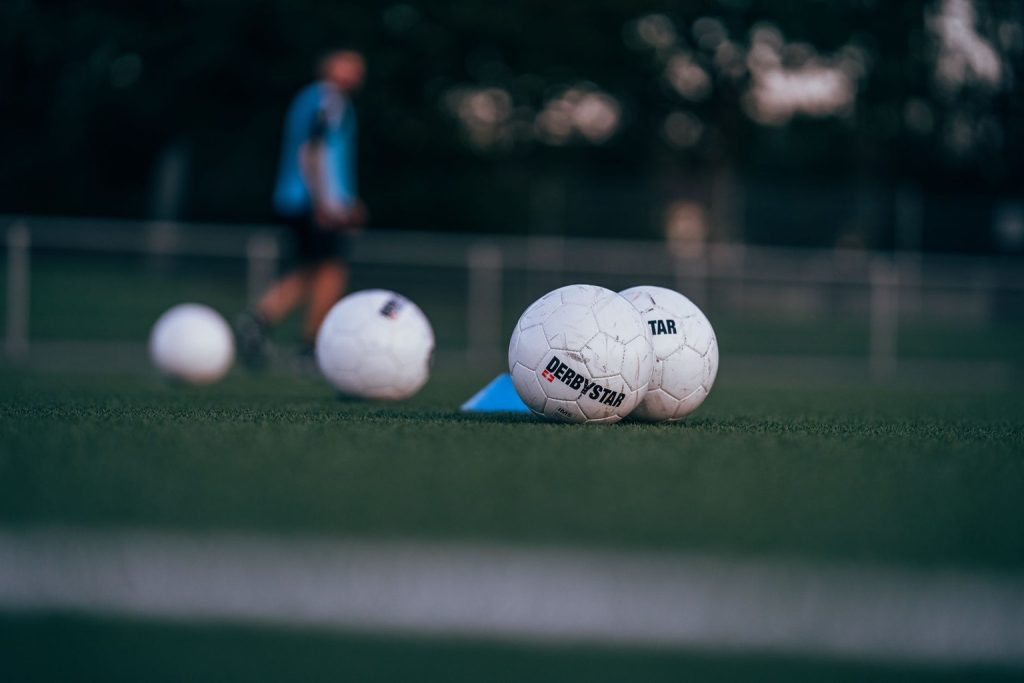

Introducing a three-year-old to the joy of movement on a field is a delicate milestone that requires patience, age-appropriate equipment, and a deep understanding of early childhood development. The primary goal at this stage is not competition or structured skill acquisition but rather fostering a positive emotional connection with physical activity through play. For families in Washington State looking for the right starting point, indoor soccer 3 year olds programs offer a safe, climate-controlled environment where young children can experiment with balance and coordination without the pressure of outdoor weather or large crowds. This approach aligns with the consensus of early childhood sports educators who emphasize that the first few years are about sensory exploration rather than performance metrics. By selecting a program that prioritizes fun over form, parents ensure their daughter builds a foundation of confidence that will serve her throughout her athletic journey.
Verifying Program Safety and Instructor Qualifications
Before enrolling your child in any physical activity, the first step is to thoroughly vet the facility and its staff for adherence to strict safety standards. You should look for coaches who hold current certification in pediatric first aid and CPR, as well as specific training in early childhood motor development. In Washington State, many reputable youth soccer organizations require their youngest group instructors to complete background checks that go beyond standard criminal history, including fingerprinting and reference verification. It is also wise to observe a session from the sidelines or ask for video footage to see how coaches interact with toddlers. A qualified instructor for this age group speaks in a calm, encouraging tone and never uses physical punishment or harsh language to correct behavior.
The physical environment of the facility is just as critical as the staff credentials, so inspect the playing surface and perimeter barriers carefully. The floor should be non-slip and cushioned to absorb impact from falls, which are inevitable when three-year-olds are learning to run and kick. Check that all walls are padded or covered with soft material to prevent head injuries during accidental collisions. Additionally, ensure that the facility has a clear emergency exit plan and that staff members know how to handle minor injuries such as scrapes or bruises without causing distress. If the space feels chaotic or unsafe, trust your instincts and look for another option, as the peace of mind you gain is worth more than any discount offered.
Choosing the Right Gear for Tiny Feet
Equipping a three-year-old for indoor play requires a different mindset than outfitting an older child, as comfort and fit are far more important than brand prestige or price. Look for lightweight soccer shoes with a soft rubber sole that provides grip on indoor surfaces but is flexible enough to allow natural foot movement. The shoes should fit snugly without pinching the toes, and it is helpful to have the child walk around in them at home before the first session to break them in. Avoid heavy booties or cleats designed for outdoor grass, as these can restrict ankle mobility and increase the risk of tripping on smooth indoor floors. A simple pair of brightly colored socks with non-slip grips can also help with traction if the shoes feel loose.
Beyond footwear, the rest of the gear should be minimal and focused on visibility and comfort during play. Choose athletic shorts or leggings made from breathable fabric that allows for a full range of motion without chafing sensitive skin. A fitted t-shirt is ideal because it stays in place and does not get tangled in equipment or caught on other players. Many facilities provide small balls and cones, but having a personal ball for practice at home can reinforce muscle memory and make the child feel prepared. If your daughter has long hair, tying it back securely with soft elastics prevents it from getting into her eyes or interfering with her vision during active play. The goal is to dress her in a way that feels empowering rather than restrictive.
Preparing the Emotional Side of Participation
Emotional readiness is often overlooked, but it plays a significant role in whether a three-year-old enjoys her first experience on the field. Talk to your daughter about what she will see and do before the day arrives, using simple language and positive framing to reduce anxiety. Explain that other children will be there playing too, and that the coaches are friendly helpers who want to have fun with everyone. Role-play a few scenarios at home, such as kicking a ball gently or listening to instructions, to make the new environment feel familiar. If she expresses fear or hesitation, validate those feelings without dismissing them, and reassure her that it is okay to take breaks whenever she needs them.

Managing expectations about separation and social interaction is another crucial aspect of emotional preparation for young children. Some three-year-olds are naturally shy and may cling to a parent during the first few sessions, which is completely normal and should not be forced away. Allow your daughter to observe from the sidelines if she prefers, and let her know that you will be close by and visible at all times. Avoid pressuring her to make friends or participate in every activity, as this can create negative associations with sports. Instead, celebrate small victories, such as showing up on time or trying a new movement, regardless of how well she executes them. This supportive approach helps build intrinsic motivation rather than relying on external approval.
Navigating the First Practice Session
The first practice is a critical moment where both parent and child are adjusting to new routines, so stay present and attentive throughout the entire duration. Arrive fifteen minutes early to allow your daughter to explore the space and get comfortable with the surroundings before other families arrive. Stand near the entrance or in a designated parent area where you can see her clearly but are not distracting the coach or other children. Watch for signs of discomfort, such as crying, withdrawal, or refusal to move, and be ready to offer a brief check-in if needed. Remember that coaches for this age group are trained to handle a range of behaviors, from enthusiastic energy to quiet hesitation, so give them space to work.
After the session ends, avoid immediately asking detailed questions about what she did or how well she performed, as this can put pressure on a young child to recount her day. Instead, ask open-ended, low-stress questions like what was her favorite part or if she had any fun with the balls. Listen actively to her responses and validate her emotions, whether she feels proud, tired, or indifferent. If she seems overwhelmed, keep the debrief short and positive, focusing on the joy of movement rather than specific skills learned. This gentle approach helps preserve her enthusiasm for returning next week and prevents the experience from feeling like a high-stakes evaluation.
Supporting Skill Development at Home
Reinforcing the fun aspects of soccer at home does not require structured drills or intense practice, but rather casual play that mimics the movements seen in class. Set up a small goal in your backyard or living room and spend ten minutes gently kicking a soft ball back and forth with your daughter. Focus on the joy of the game and the physical sensation of movement, rather than correcting her form or technique. You can also incorporate balance exercises, such as walking along a line drawn on the floor or hopping on one foot, to support the motor skills developed in class. Keep these sessions short and frequent, as three-year-olds have limited attention spans and can become bored if the activity drags on.
Incorporating soccer into daily routines helps normalize physical activity and makes it feel like a natural part of life rather than a special event. Play catch during park visits, ride bikes together, or dance to music in the living room to keep her body active and engaged. These varied movements complement the specific skills learned in class and prevent burnout from repetitive practice. If your daughter shows a particular interest in a certain skill, such as kicking or dribbling, spend extra time on that activity while keeping it playful and unstructured. The key is to maintain a balance between structured guidance and free play, allowing her to explore and experiment at her own pace.
Recognizing When to Adjust or Switch Programs
Even the best program may not be the right fit for every child, so it is important to stay observant and responsive to your daughter’s changing needs and interests. Watch for persistent signs of distress, such as fear of the facility, refusal to attend, or frequent meltdowns before and after practice, which may indicate that the environment is too stimulating or the social dynamics are not working for her. Talk to the coach openly about any concerns you have, as they can often provide insights into how your child is progressing and suggest adjustments to make the experience more comfortable. If the program feels rigid or overly competitive, consider looking for a different option that prioritizes play and exploration over structured competition.
Flexibility in scheduling and location can also impact your daughter’s enjoyment and consistency, so factor these practical elements into your decision-making process. A program that is too far away or at an inconvenient time may lead to fatigue and resentment, especially for a young child who is still developing her stamina. If you find that the current schedule is causing stress for your family, explore other local options that offer more flexibility or closer proximity to your home. Remember that switching programs is not a failure but a practical step to ensure that your daughter continues to have positive experiences with sports. The goal is to find a balance between challenge and comfort that supports her long-term engagement in physical activity.
Building a Long-Term Positive Relationship with Sport
The lessons learned during the toddler years extend far beyond the specific skills practiced on the field, shaping how your daughter views physical activity for the rest of her life. By prioritizing enjoyment, safety, and emotional support, you create a foundation that encourages lifelong participation in sports and healthy habits. Avoid comparing your child to peers or focusing on outcomes, as this can undermine her intrinsic motivation and lead to burnout in later years. Instead, celebrate her effort, curiosity, and willingness to try new things, regardless of the result. This approach aligns with the broader goals of youth sports development, which emphasize character building and personal growth over competitive success.
As your daughter grows older, the positive experiences she has now will guide her choices about which activities to pursue and how to approach challenges in other areas of life. Stay involved and supportive without being intrusive, allowing her to take ownership of her athletic journey as she matures. Keep the lines of communication open with coaches and other parents to build a community that supports shared values of inclusivity and fun. By staying present and patient, you help your daughter develop a healthy relationship with movement that will benefit her physically, mentally, and emotionally for years to come.

I’ve been passionate about women’s soccer in Washington ever since I first watched a local match in high school. Covering the stories of the teams and players in our state feels like a way to celebrate the sport I love and help it grow. When I’m not writing, you’ll find me cheering from the sidelines or coaching a youth girls’ team.