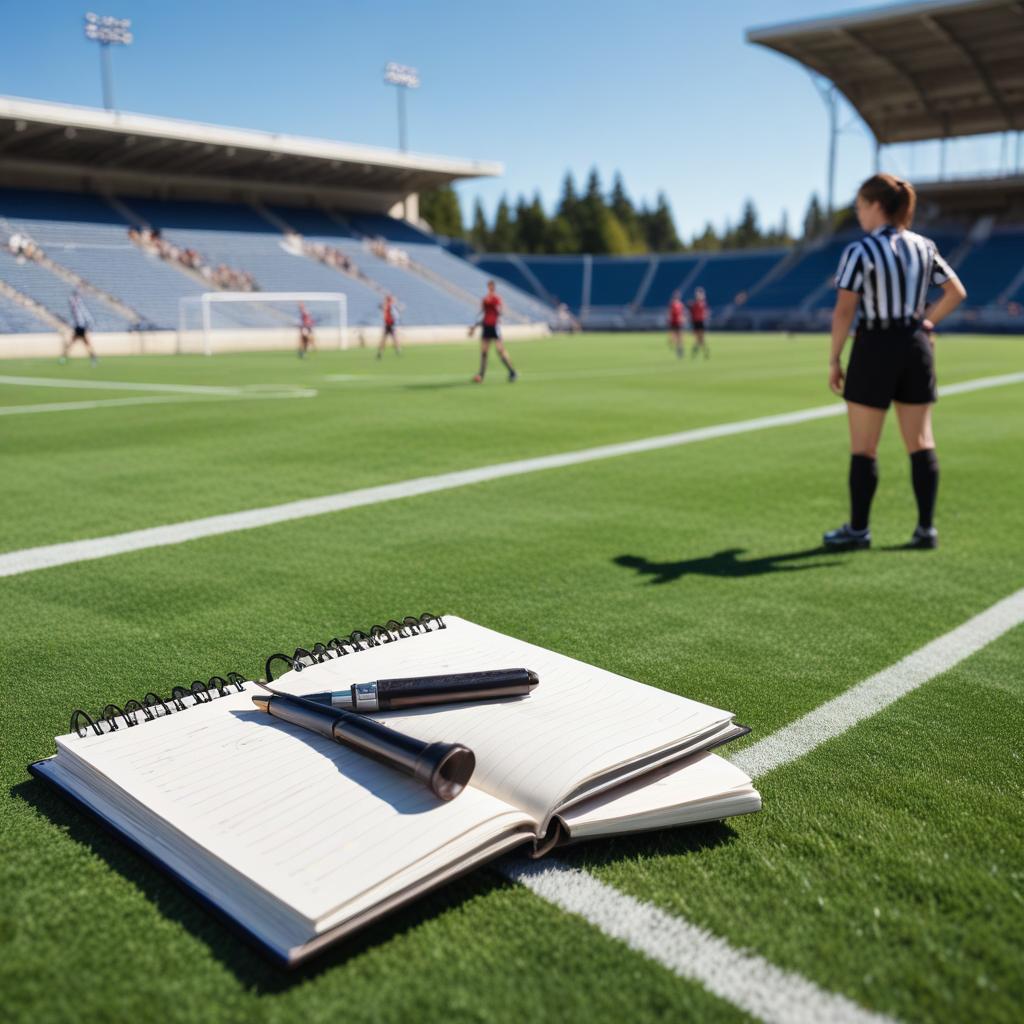
Overview of Referee Development in Washington Women’s Soccer
Referee development holds a critical place in the continued growth and success of Washington women’s soccer. As the sport gains popularity and participation levels rise, the demand for skilled soccer officials who can manage matches fairly and effectively becomes increasingly important. Referee training programs not only enhance the technical abilities and decision-making skills of officials but also contribute to the overall quality and integrity of the game on the women’s soccer stage in Washington.
In Washington, several key organizations spearhead referee development initiatives. The Washington State Women’s Soccer Association (WSWSA) plays a pivotal role by organizing training sessions, workshops, and certification courses designed specifically for referees passionate about women’s soccer. These programs are tailored to address the unique dynamics of the women’s game, ensuring that officials are well-equipped to handle various match situations with confidence and professionalism.
Alongside WSWSA, local soccer leagues and clubs collaborate to nurture referee talent by encouraging participation at grassroots levels and providing pathways for advancement. These organizations emphasize continuous education and mentorship, which are crucial to sustaining high referee standards. By fostering a supportive referee community, Washington women’s soccer aims to retain experienced officials and attract new entrants into the officiating ranks.
The overarching goals of referee development in Washington women’s soccer include enhancing the consistency and accuracy of officiating, promoting fairness and respect on the field, and improving the overall game experience for players, coaches, and fans. By investing in comprehensive referee training and ongoing development, Washington is committed to elevating the standard of soccer officials and supporting the vibrant growth of women’s soccer throughout the state.
Role of Referees in Women’s Soccer
Referees play a fundamental role in women’s soccer matches, ensuring that the game is conducted fairly and smoothly. Their referee responsibilities extend beyond simply calling fouls or administering penalties; they are the primary enforcers of the rules and guardians of sportsmanship throughout the competition. In Washington’s women’s soccer competitions, referees maintain a vital presence on the field, overseeing match officiating with a keen focus on fairness, safety, and respect for all participants.
Effective match officiating requires referees to be highly alert and proactive in their game management. They must quickly assess on-field situations, make decisive calls, and communicate clearly with players and coaches to maintain control and flow of the game. This vigilance helps to prevent unnecessary aggression and disputes, supporting a positive playing environment. By keeping the game moving fluidly, referees contribute to the overall experience for players, coaches, and spectators alike.
Moreover, referees in women’s soccer are instrumental in fostering respect for the rules and between competitors. Their impartial and consistent enforcement promotes fairness, which is crucial for the sport’s integrity and the development of athletes in Washington. Through disciplined game management, referees help to cultivate a culture where skill and teamwork are prioritized over conflict, ultimately advancing the growth and professionalism of women’s soccer at all levels.
Key Organizations Supporting Referee Development
In Washington’s women’s soccer landscape, several key organizations play a crucial role in the development of soccer referees. Among these, Washington Soccer stands out as the primary governing body overseeing the training, certification, and continuous education of referees. This organization ensures that officials are well-prepared to manage games at all levels, from youth leagues to competitive adult matches.
Another influential entity is the local soccer referee associations, which work closely with Washington Soccer to deliver referee training programs. These associations not only facilitate initial certification courses but also organize workshops and mentoring sessions aimed at improving referees’ skills and knowledge. By fostering a community of support and development, they help maintain high standards of officiating within women’s soccer across the state.
Furthermore, these organizations are integral to the broader soccer governance framework in Washington. They collaborate with national bodies to align referee training with recognized standards and incorporate updates on rules and best practices. The combined efforts of Washington Soccer, local referee associations, and soccer governance institutions ensure a robust pipeline of qualified referees who contribute to the fairness and integrity of women’s soccer competitions throughout Washington.
Training Programs and Certification Pathways
Washington women’s soccer offers a comprehensive suite of referee training programs and certification pathways tailored to support referees at all stages of their officiating careers. These programs are designed to ensure referees develop the necessary skills, knowledge, and confidence to officiate games effectively and fairly, from grassroots levels up to advanced competitive play.
For those just beginning their officiating journey, introductory referee training courses are widely available. These basic certification programs cover foundational topics such as the rules of soccer, positioning, signaling, and game management. Designed to be accessible, these courses usually combine classroom instruction with online modules, allowing new referees to gain essential qualifications and start officiating youth and recreational women’s soccer matches in Washington.
Once referees have completed the entry-level certifications, they can advance through a structured pathway of intermediate and advanced certification programs. These officiating courses aim to deepen referees’ understanding of the game and enhance their decision-making and fitness levels. Intermediate courses often focus on mechanizing officiating teams, interpreting complex rules, and managing higher-level matches typically found in competitive youth leagues.
Advanced referee training in Washington is tailored towards officials aiming to work at the highest levels of women’s soccer, including high school championships and regional tournaments. These certification programs emphasize critical skills such as positioning for optimal calls, communicating effectively with players and coaches, and maintaining composure under pressure. Many of these courses also include practical assessments and mentorship from experienced referees.
In addition to formal training programs, referees in Washington are encouraged to participate in ongoing education through workshops, seminars, and fitness training sessions. These opportunities help ensure that referee qualifications remain up to date with evolving soccer rules and best practices in officiating. The commitment to continuous development helps maintain a high standard of refereeing in women’s soccer throughout the state.
Overall, the combination of beginner to advanced referee training programs and certification pathways in Washington creates a robust framework supporting referees in women’s soccer. Whether starting out or seeking to officiate at elite levels, referees have clear pathways to develop their skills, gain essential referee qualifications, and contribute positively to the growth of women’s soccer in the region.
Entry-Level Training and Certification
For new referees stepping into the women’s soccer officiating community in Washington, the journey begins with fundamental beginner referee training designed to build a strong foundation. This training ensures that grassroots soccer officials are equipped with essential knowledge of the game, rules, and officiating responsibilities.
The entry certification process is a crucial step for aspiring referees, requiring completion of approved referee courses. These courses cover the Laws of the Game, positioning, signals, and ethical standards necessary for effective match management. They are tailored to accommodate the needs of newcomers to the sport, making sure that everyone has a clear pathway to becoming certified officials.
- Register for an entry-level referee course through the local governing body or state referee association.
- Complete the online or in-person classroom sessions focused on the Laws of the Game and practical refereeing skills.
- Pass the requisite written exam to demonstrate understanding of the rules and officiating principles.
- Participate in on-field training sessions or mentorship programs to gain real-world experience under supervision.
- Obtain your official referee certification, which validates your eligibility to officiate in youth and grassroots leagues.
- Maintain certification through continuing education and annual re-registration to stay current with rule changes and best practices.
By following these steps, beginner referee training and certification help nurture confident and competent officials ready to support and grow Washington’s women’s soccer at the grassroots level.
Advanced Development Opportunities
For experienced referees seeking to enhance their expertise, a range of advanced development opportunities is available within Washington women’s soccer. These options include participation in advanced referee courses designed to deepen knowledge of the game’s rules and improve decision-making skills under pressure. Such courses often serve as essential steps for those aiming to achieve higher certification levels and expand their career progression in officiating.
In addition to formal coursework, seasoned referees benefit greatly from evaluation and mentoring programs. These initiatives pair referees with veteran officials who provide personalized feedback, helping to refine techniques and boost confidence on the field. Regular mentoring ensures continuous professional growth and a support network within the referee community.
Referee workshops also play a crucial role in development by offering interactive sessions that cover the latest rule changes, fitness standards, and game management strategies. These workshops are valuable forums for collaboration and discussion among officials, encouraging knowledge exchange and problem-solving skills.
Moreover, fitness testing is integral to maintaining high performance in refereeing. Advanced referees undergo physical assessments to meet the demands of fast-paced matches, ensuring they remain capable of positioning themselves effectively to make accurate calls. Combining these fitness requirements with ongoing education and mentoring supports a comprehensive pathway for referees striving for excellence.
Challenges and Future Directions in Referee Development
Referee recruitment challenges remain a significant barrier in the growth and sustainability of women’s soccer officiating in Washington. Many local leagues and associations face difficulties in attracting new referees, often due to a lack of awareness about officiating opportunities and the demanding nature of the role. Additionally, there are limited pathways and incentives for aspiring referees to progress within the sport, which contributes to high turnover rates and difficulties in retaining talent.
Development barriers are also evident in the availability and accessibility of training and mentorship programs. Many referees cite inconsistent training quality and a shortage of experienced mentors as key obstacles to professional growth. These development challenges are compounded by the evolving tactical and technical demands of the game, necessitating ongoing education to keep officials current and confident on the field.
In response to these challenges, several future initiatives are being planned to boost referee recruitment and retention. The Washington State Women’s Soccer Association is working on campaigns to raise awareness about officiating careers and the critical role referees play in the sport’s ecosystem. These efforts include outreach to schools and community programs to attract younger participants and diversify the referee pool.
Another promising direction involves enhancing development opportunities through structured mentorship programs, regular workshops, and certification courses tailored to women’s soccer officiating. These initiatives aim to provide referees with the tools and support necessary to navigate the demands of officiating while fostering a more inclusive and supportive community.
Furthermore, technology integration is being explored as a way to facilitate remote learning and performance feedback, making referee development programs more accessible and efficient. By leveraging these advancements, the association hopes to address development barriers and create a sustainable pipeline of qualified referees dedicated to advancing women’s soccer in Washington.
Overall, while referee recruitment challenges and development barriers persist, the planned future initiatives offer a clear path forward. By focusing on awareness, education, mentorship, and technology, Washington’s women’s soccer community aims to strengthen its officiating standards and ensure a robust future for the sport.
Addressing Recruitment and Retention Issues
The ongoing referee shortage in Washington women’s soccer is a pressing challenge that affects the quality and consistency of officiating. Several factors contribute to recruitment and retention difficulties, including limited awareness of refereeing as a rewarding path, time commitment concerns, and a lack of diversity in officiating ranks. Additionally, many referees face burnout or feel insufficiently supported, leading to early exits from the referee community.
To tackle these issues, organizations are implementing strategic retention strategies aimed at fostering a sustainable referee base. Community engagement plays a crucial role, with programs designed to introduce refereeing opportunities directly to young athletes and diverse communities, thereby enhancing inclusion and representation. Mentorship initiatives pair new referees with experienced officials to offer guidance and build confidence.
Efforts also include flexible scheduling and recognition programs to increase referee satisfaction and loyalty. By creating a more welcoming and supportive environment, these strategies encourage referees to develop long-term careers. Ultimately, addressing recruitment and retention through these comprehensive measures will build a resilient referee pool, strengthen the officiating quality, and support the growth of women’s soccer in Washington.
Innovations and Technological Integration
The integration of technology in refereeing has significantly transformed women’s soccer in Washington, bringing greater accuracy and efficiency to match officiating. One of the most impactful tools adopted is video assistance, which allows referees to review crucial plays in real-time, minimizing human error and ensuring fair outcomes. This technology has become a vital asset during high-stakes matches where precise decision-making is critical.
Beyond in-game tools, the training of referees has also embraced online training platforms. These platforms provide comprehensive modules that referees can access remotely, ensuring continuous development in their understanding of the rules and situational judgments. The convenience of online training helps referees stay updated with the latest interpretations and standards without the constraints of physical attendance.
Additionally, modern referee tools such as digital whistles, wearable communication devices, and instant replay systems have streamlined communication and coordination among officiating crews. These technologies facilitate quicker decisions and improve the overall flow of the game. Embracing such innovations reflects a broader commitment to elevating the quality of officiating and supporting referees in their critical roles within women’s soccer.
By combining video assistance, online training, and advanced referee tools, Washington women’s soccer continues to lead in adopting cutting-edge technological solutions that uphold the integrity and dynamism of the sport.

I’ve been passionate about women’s soccer in Washington ever since I first watched a local match in high school. Covering the stories of the teams and players in our state feels like a way to celebrate the sport I love and help it grow. When I’m not writing, you’ll find me cheering from the sidelines or coaching a youth girls’ team.