Blog » Role of volunteers in women’s soccer organizations Washington

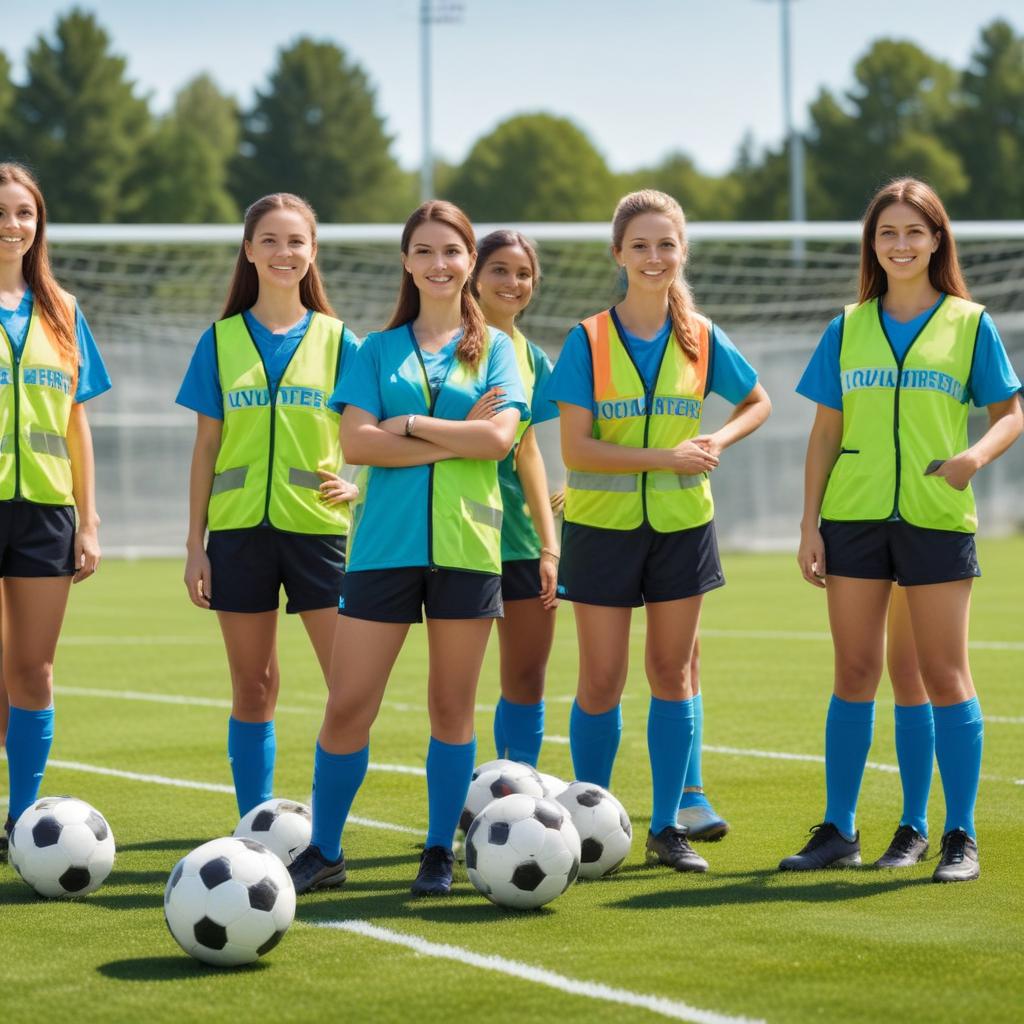
Role of volunteers in women’s soccer organizations Washington

Fundraising efforts also heavily rely on volunteers. They organize campaigns, manage sponsorship opportunities, and engage with supporters to secure necessary funds. These activities are essential for sustaining the financial health of the organizations and ensuring continued opportunities for female athletes.

Administrative support provided by volunteers encompasses a range of duties such as managing membership databases, handling communications, and assisting with compliance and regulatory paperwork. This behind-the-scenes work is critical for maintaining operational efficiency and enabling the organization to focus on its core mission: promoting women’s soccer.

In summary, volunteer roles and responsibilities within women’s soccer organizations cover coaching assistance, event organization, fundraising, and administrative support. Each role is integral to fostering a supportive environment that encourages the growth and success of women’s soccer.

Benefits of Volunteering for the Community

Volunteering within women’s soccer organizations in Washington plays a crucial role in fostering community benefits that extend far beyond the sport itself. By engaging volunteers, these organizations build a strong community spirit that connects people from diverse backgrounds around a common passion. This sense of belonging encourages active participation and shared support, creating a welcoming environment for everyone involved.

Moreover, volunteering impact is evident in promoting inclusivity across all levels of the sport. Volunteers help to break down barriers by ensuring opportunities are accessible, regardless of age, skill level, or socioeconomic status. Their commitment supports outreach programs and initiatives that welcome underrepresented groups, reinforcing the values of equality and diversity central to women’s soccer growth.

At both grassroots and competitive levels, volunteers contribute significantly to the development of women’s soccer in Washington. From coaching youth teams and organizing local leagues to managing events and providing administrative support, their efforts create a solid foundation for nurturing talent and expanding the sport’s reach. This collaborative involvement not only enhances the quality of play but also inspires the next generation of female athletes to pursue soccer with confidence and enthusiasm.

Ultimately, the dedication of volunteers drives a positive cycle of community enrichment, inclusivity, and sustained growth, making women’s soccer organizations in Washington vital to the social and athletic fabric of the region.

Challenges Faced by Volunteers in Women’s Soccer

Volunteers play a crucial role in supporting women’s soccer organizations in Washington, yet they often face a variety of volunteer challenges that can affect their ability to contribute effectively. One of the most significant obstacles is the issue of limited resources. Many women’s soccer organizations operate on tight budgets, which means volunteers frequently have to make do with minimal equipment, facilities, and funding. This scarcity of resources can hinder the planning and execution of training sessions, events, and competitions, placing additional pressure on volunteers to find creative solutions or seek external support.

Another major challenge involves the time commitments required from volunteers. Most volunteers balance their contributions alongside full-time jobs, family responsibilities, and personal commitments, which can lead to burnout and inconsistent availability. The demands of organizing matches, coordinating teams, fundraising, and managing administrative tasks can often exceed what volunteers can realistically offer without support. Consequently, women’s soccer issues in Washington frequently include the struggle to recruit and retain dedicated volunteers who can sustain these organizations over the long term.

Moreover, volunteers must navigate the complex task of balancing the diverse needs within these soccer organizations. Women’s soccer in Washington appeals to a wide range of participants—from youth players to adult amateurs—each with unique requirements and expectations. Volunteers need to ensure inclusivity while managing different skill levels, age groups, and competitive ambitions. This balancing act makes volunteer roles especially challenging, as they must foster a supportive environment that encourages participation and growth for all players, while also handling the logistical demands of diverse programming.

In summary, volunteer challenges in women’s soccer organizations in Washington are multifaceted, involving limited resources, significant time commitments, and the need to address diverse community needs. Addressing these challenges requires ongoing attention and support from the broader community, including local businesses, sports authorities, and soccer fans, to create a sustainable environment where volunteers feel valued and empowered to contribute to the growth of women’s soccer.

Addressing Retention and Motivation

Volunteer retention is critical for the sustained success of women’s soccer organizations in Washington. To keep volunteers motivated and engaged, organizations implement a variety of motivation strategies tailored to their unique needs. One of the most effective approaches is the use of recognition programs, which publicly acknowledge volunteers’ contributions through awards, shout-outs during events, and feature stories on social media or newsletters. Such recognition fosters a sense of value and belonging among volunteers, encouraging them to continue their commitment.

In addition to recognition, providing ongoing training opportunities plays a vital role in maintaining volunteer engagement. These opportunities allow volunteers to enhance their skills, gain new knowledge, and feel more confident in their roles. Workshops, coaching clinics, and leadership development sessions not only improve volunteer performance but also demonstrate that the organization invests in their personal growth.

Creating a supportive environment is another cornerstone of successful volunteer retention. This involves fostering open communication, offering consistent feedback, and ensuring volunteers feel part of a collaborative team. Encouraging social interaction through team-building activities and informal gatherings helps build strong relationships and a positive culture. Together, these strategies enhance volunteer engagement, making them feel valued and motivated to contribute to the organization’s mission over the long term.

Navigating Resource Limitations

Volunteers and women’s soccer organizations in Washington often face significant resource challenges, including funding shortages and limited equipment availability. These constraints require creative thinking and strategic partnerships to ensure the continued growth and success of the teams. Volunteers play a crucial role in bridging these gaps by organizing fundraising events, applying for grants, and rallying community support to generate necessary funds. Their efforts help to secure vital resources that might otherwise be unattainable through traditional funding routes.

Volunteer support extends beyond fundraising, as these dedicated individuals often donate time and skills to repair equipment, coordinate shared use of resources, and implement cost-effective training methods. By nurturing relationships with local businesses, sports retailers, and other community organizations, they establish partnerships that provide access to discounted or donated equipment and facilities. These collaborations are essential in overcoming material limitations and fostering an environment where players have the tools they need to thrive.

Moreover, resource challenges encourage innovation within these organizations. Volunteers spearhead initiatives such as equipment swaps, community drives, and skill-sharing workshops, transforming constraints into opportunities. Their unwavering commitment not only addresses immediate shortages but also builds a stronger, more resilient foundation for women’s soccer in Washington. Through teamwork, adaptability, and the power of partnerships, volunteers ensure that resource limitations do not hinder the development and passion of the sport.

How to Get Involved as a Volunteer in Washington Women’s Soccer

Getting involved in volunteering opportunities within Washington soccer organizations dedicated to women’s sports is both rewarding and impactful. If you are passionate about supporting women’s soccer and want to contribute your time and skills, there are several practical steps you can take to start your journey as a volunteer.

First, it’s important to identify where volunteering opportunities are available. Many local women’s soccer clubs, leagues, and associations in Washington post volunteer openings on their official websites and social media pages. Additionally, platforms like VolunteerMatch and local community centers can help you find current openings related to women’s sports. Exploring websites dedicated to Washington soccer organizations will give a clear picture of available roles, ranging from event assistance and coaching support to administrative duties.

Once you find an opportunity that interests you, the application process typically involves filling out a volunteer form with your contact information, availability, and any relevant experience. Some organizations may request a brief interview or orientation session to ensure you understand the responsibilities and the organization’s values. Being prepared to share why you are motivated to volunteer and how you hope to contribute can make a positive impression.

To make a meaningful impact in women’s soccer organizations, it’s important to approach your role with dedication and enthusiasm. Show reliability by adhering to schedules and communicating clearly with team coordinators. Volunteering is not only about helping out but also about fostering an encouraging environment for female athletes. Attend meetings, participate in planning, and offer ideas whenever possible to enhance the volunteer experience and the organization’s success.

Lastly, continuous learning and engagement can deepen your role. Consider attending coaching workshops, volunteering at tournaments, or joining community outreach programs focused on women’s sports in Washington. These experiences enrich your understanding of the sport and build connections within the community. Volunteering in Washington women’s soccer is a fantastic way to support the growth of women’s sports while gaining personal satisfaction and valuable skills.

Finding Volunteer Opportunities

For those interested in volunteer sign-up and contributing to women’s soccer clubs through Washington volunteering, there are several key organizations and platforms offering open roles. These opportunities allow volunteers to engage with the sport, support athletes, and help grow women’s soccer in the state.

  • Washington State Women’s Soccer Association (WSWSA) – A premier platform for volunteers looking to assist with tournaments, coaching, event planning, and administration within women’s soccer across Washington.
  • Seattle Reign FC Community Programs – Volunteers can help with youth clinics, matchday operations, and community outreach programs promoting women’s soccer.
  • Washington Youth Soccer – Offers a variety of volunteer opportunities focusing on grassroots development, coaching, refereeing, and league organization that benefit female players statewide.
  • Local Soccer Clubs – Many local clubs such as Eastside FC, Pacific Northwest SC, and Crossfire Premier welcome volunteer coaches, team managers, and event coordinators dedicated to women’s teams.
  • VolunteerMatch and AllForGood – These platforms list updated volunteer positions specifically for women’s soccer organizations in Washington, streamlining the volunteer sign-up process.
  • Washington Girls Soccer Foundation – This organization actively seeks volunteers for fundraising events, mentorship programs, and soccer camps aimed at empowering young female athletes.

Engaging with these organizations provides a fulfilling way to contribute your time and skills while making a positive impact on the growth and success of women’s soccer in Washington.

Preparing to Volunteer Effectively

Effective volunteering in women’s soccer organizations requires thorough volunteer preparation. This preparation starts with comprehensive training tailored to the specific roles volunteers will undertake. Training sessions help volunteers understand their responsibilities clearly and equip them with essential skills needed for their tasks. Additionally, understanding the organizational culture plays a crucial role in ensuring smooth integration. Volunteers should familiarize themselves with the organization’s values, mission, and operational style to align their efforts effectively.

Developing strong communication skills is another key aspect of effective volunteering. Clear and open communication fosters teamwork and enhances the collaboration between volunteers, staff, and players. It is important to practice active listening, provide constructive feedback, and express ideas respectfully to maintain a positive environment. This combination of training, cultural understanding, and communication ensures that volunteers can contribute their best and support the organization’s goals meaningfully.

By investing time in volunteer preparation through proper training and cultural immersion while honing communication abilities, volunteers become valuable assets to women’s soccer organizations. This preparation not only boosts individual confidence and competence but also elevates the overall impact and success of the volunteering experience.

Event organization is another crucial responsibility taken on by volunteers. This includes planning and executing game day logistics, coordinating tournaments, and managing community outreach events. These tasks require excellent organizational skills and a strong commitment to supporting the growth of women’s soccer in the area.

Fundraising efforts also heavily rely on volunteers. They organize campaigns, manage sponsorship opportunities, and engage with supporters to secure necessary funds. These activities are essential for sustaining the financial health of the organizations and ensuring continued opportunities for female athletes.

Administrative support provided by volunteers encompasses a range of duties such as managing membership databases, handling communications, and assisting with compliance and regulatory paperwork. This behind-the-scenes work is critical for maintaining operational efficiency and enabling the organization to focus on its core mission: promoting women’s soccer.

In summary, volunteer roles and responsibilities within women’s soccer organizations cover coaching assistance, event organization, fundraising, and administrative support. Each role is integral to fostering a supportive environment that encourages the growth and success of women’s soccer.

Benefits of Volunteering for the Community

Volunteering within women’s soccer organizations in Washington plays a crucial role in fostering community benefits that extend far beyond the sport itself. By engaging volunteers, these organizations build a strong community spirit that connects people from diverse backgrounds around a common passion. This sense of belonging encourages active participation and shared support, creating a welcoming environment for everyone involved.

Moreover, volunteering impact is evident in promoting inclusivity across all levels of the sport. Volunteers help to break down barriers by ensuring opportunities are accessible, regardless of age, skill level, or socioeconomic status. Their commitment supports outreach programs and initiatives that welcome underrepresented groups, reinforcing the values of equality and diversity central to women’s soccer growth.

At both grassroots and competitive levels, volunteers contribute significantly to the development of women’s soccer in Washington. From coaching youth teams and organizing local leagues to managing events and providing administrative support, their efforts create a solid foundation for nurturing talent and expanding the sport’s reach. This collaborative involvement not only enhances the quality of play but also inspires the next generation of female athletes to pursue soccer with confidence and enthusiasm.

Ultimately, the dedication of volunteers drives a positive cycle of community enrichment, inclusivity, and sustained growth, making women’s soccer organizations in Washington vital to the social and athletic fabric of the region.

Challenges Faced by Volunteers in Women’s Soccer

Volunteers play a crucial role in supporting women’s soccer organizations in Washington, yet they often face a variety of volunteer challenges that can affect their ability to contribute effectively. One of the most significant obstacles is the issue of limited resources. Many women’s soccer organizations operate on tight budgets, which means volunteers frequently have to make do with minimal equipment, facilities, and funding. This scarcity of resources can hinder the planning and execution of training sessions, events, and competitions, placing additional pressure on volunteers to find creative solutions or seek external support.

Another major challenge involves the time commitments required from volunteers. Most volunteers balance their contributions alongside full-time jobs, family responsibilities, and personal commitments, which can lead to burnout and inconsistent availability. The demands of organizing matches, coordinating teams, fundraising, and managing administrative tasks can often exceed what volunteers can realistically offer without support. Consequently, women’s soccer issues in Washington frequently include the struggle to recruit and retain dedicated volunteers who can sustain these organizations over the long term.

Moreover, volunteers must navigate the complex task of balancing the diverse needs within these soccer organizations. Women’s soccer in Washington appeals to a wide range of participants—from youth players to adult amateurs—each with unique requirements and expectations. Volunteers need to ensure inclusivity while managing different skill levels, age groups, and competitive ambitions. This balancing act makes volunteer roles especially challenging, as they must foster a supportive environment that encourages participation and growth for all players, while also handling the logistical demands of diverse programming.

In summary, volunteer challenges in women’s soccer organizations in Washington are multifaceted, involving limited resources, significant time commitments, and the need to address diverse community needs. Addressing these challenges requires ongoing attention and support from the broader community, including local businesses, sports authorities, and soccer fans, to create a sustainable environment where volunteers feel valued and empowered to contribute to the growth of women’s soccer.

Addressing Retention and Motivation

Volunteer retention is critical for the sustained success of women’s soccer organizations in Washington. To keep volunteers motivated and engaged, organizations implement a variety of motivation strategies tailored to their unique needs. One of the most effective approaches is the use of recognition programs, which publicly acknowledge volunteers’ contributions through awards, shout-outs during events, and feature stories on social media or newsletters. Such recognition fosters a sense of value and belonging among volunteers, encouraging them to continue their commitment.

In addition to recognition, providing ongoing training opportunities plays a vital role in maintaining volunteer engagement. These opportunities allow volunteers to enhance their skills, gain new knowledge, and feel more confident in their roles. Workshops, coaching clinics, and leadership development sessions not only improve volunteer performance but also demonstrate that the organization invests in their personal growth.

Creating a supportive environment is another cornerstone of successful volunteer retention. This involves fostering open communication, offering consistent feedback, and ensuring volunteers feel part of a collaborative team. Encouraging social interaction through team-building activities and informal gatherings helps build strong relationships and a positive culture. Together, these strategies enhance volunteer engagement, making them feel valued and motivated to contribute to the organization’s mission over the long term.

Navigating Resource Limitations

Volunteers and women’s soccer organizations in Washington often face significant resource challenges, including funding shortages and limited equipment availability. These constraints require creative thinking and strategic partnerships to ensure the continued growth and success of the teams. Volunteers play a crucial role in bridging these gaps by organizing fundraising events, applying for grants, and rallying community support to generate necessary funds. Their efforts help to secure vital resources that might otherwise be unattainable through traditional funding routes.

Volunteer support extends beyond fundraising, as these dedicated individuals often donate time and skills to repair equipment, coordinate shared use of resources, and implement cost-effective training methods. By nurturing relationships with local businesses, sports retailers, and other community organizations, they establish partnerships that provide access to discounted or donated equipment and facilities. These collaborations are essential in overcoming material limitations and fostering an environment where players have the tools they need to thrive.

Moreover, resource challenges encourage innovation within these organizations. Volunteers spearhead initiatives such as equipment swaps, community drives, and skill-sharing workshops, transforming constraints into opportunities. Their unwavering commitment not only addresses immediate shortages but also builds a stronger, more resilient foundation for women’s soccer in Washington. Through teamwork, adaptability, and the power of partnerships, volunteers ensure that resource limitations do not hinder the development and passion of the sport.

How to Get Involved as a Volunteer in Washington Women’s Soccer

Getting involved in volunteering opportunities within Washington soccer organizations dedicated to women’s sports is both rewarding and impactful. If you are passionate about supporting women’s soccer and want to contribute your time and skills, there are several practical steps you can take to start your journey as a volunteer.

First, it’s important to identify where volunteering opportunities are available. Many local women’s soccer clubs, leagues, and associations in Washington post volunteer openings on their official websites and social media pages. Additionally, platforms like VolunteerMatch and local community centers can help you find current openings related to women’s sports. Exploring websites dedicated to Washington soccer organizations will give a clear picture of available roles, ranging from event assistance and coaching support to administrative duties.

Once you find an opportunity that interests you, the application process typically involves filling out a volunteer form with your contact information, availability, and any relevant experience. Some organizations may request a brief interview or orientation session to ensure you understand the responsibilities and the organization’s values. Being prepared to share why you are motivated to volunteer and how you hope to contribute can make a positive impression.

To make a meaningful impact in women’s soccer organizations, it’s important to approach your role with dedication and enthusiasm. Show reliability by adhering to schedules and communicating clearly with team coordinators. Volunteering is not only about helping out but also about fostering an encouraging environment for female athletes. Attend meetings, participate in planning, and offer ideas whenever possible to enhance the volunteer experience and the organization’s success.

Lastly, continuous learning and engagement can deepen your role. Consider attending coaching workshops, volunteering at tournaments, or joining community outreach programs focused on women’s sports in Washington. These experiences enrich your understanding of the sport and build connections within the community. Volunteering in Washington women’s soccer is a fantastic way to support the growth of women’s sports while gaining personal satisfaction and valuable skills.

Finding Volunteer Opportunities

For those interested in volunteer sign-up and contributing to women’s soccer clubs through Washington volunteering, there are several key organizations and platforms offering open roles. These opportunities allow volunteers to engage with the sport, support athletes, and help grow women’s soccer in the state.

  • Washington State Women’s Soccer Association (WSWSA) – A premier platform for volunteers looking to assist with tournaments, coaching, event planning, and administration within women’s soccer across Washington.
  • Seattle Reign FC Community Programs – Volunteers can help with youth clinics, matchday operations, and community outreach programs promoting women’s soccer.
  • Washington Youth Soccer – Offers a variety of volunteer opportunities focusing on grassroots development, coaching, refereeing, and league organization that benefit female players statewide.
  • Local Soccer Clubs – Many local clubs such as Eastside FC, Pacific Northwest SC, and Crossfire Premier welcome volunteer coaches, team managers, and event coordinators dedicated to women’s teams.
  • VolunteerMatch and AllForGood – These platforms list updated volunteer positions specifically for women’s soccer organizations in Washington, streamlining the volunteer sign-up process.
  • Washington Girls Soccer Foundation – This organization actively seeks volunteers for fundraising events, mentorship programs, and soccer camps aimed at empowering young female athletes.

Engaging with these organizations provides a fulfilling way to contribute your time and skills while making a positive impact on the growth and success of women’s soccer in Washington.

Preparing to Volunteer Effectively

Effective volunteering in women’s soccer organizations requires thorough volunteer preparation. This preparation starts with comprehensive training tailored to the specific roles volunteers will undertake. Training sessions help volunteers understand their responsibilities clearly and equip them with essential skills needed for their tasks. Additionally, understanding the organizational culture plays a crucial role in ensuring smooth integration. Volunteers should familiarize themselves with the organization’s values, mission, and operational style to align their efforts effectively.

Developing strong communication skills is another key aspect of effective volunteering. Clear and open communication fosters teamwork and enhances the collaboration between volunteers, staff, and players. It is important to practice active listening, provide constructive feedback, and express ideas respectfully to maintain a positive environment. This combination of training, cultural understanding, and communication ensures that volunteers can contribute their best and support the organization’s goals meaningfully.

By investing time in volunteer preparation through proper training and cultural immersion while honing communication abilities, volunteers become valuable assets to women’s soccer organizations. This preparation not only boosts individual confidence and competence but also elevates the overall impact and success of the volunteering experience.

Event organization is another crucial responsibility taken on by volunteers. This includes planning and executing game day logistics, coordinating tournaments, and managing community outreach events. These tasks require excellent organizational skills and a strong commitment to supporting the growth of women’s soccer in the area.

Fundraising efforts also heavily rely on volunteers. They organize campaigns, manage sponsorship opportunities, and engage with supporters to secure necessary funds. These activities are essential for sustaining the financial health of the organizations and ensuring continued opportunities for female athletes.

Administrative support provided by volunteers encompasses a range of duties such as managing membership databases, handling communications, and assisting with compliance and regulatory paperwork. This behind-the-scenes work is critical for maintaining operational efficiency and enabling the organization to focus on its core mission: promoting women’s soccer.

In summary, volunteer roles and responsibilities within women’s soccer organizations cover coaching assistance, event organization, fundraising, and administrative support. Each role is integral to fostering a supportive environment that encourages the growth and success of women’s soccer.

Benefits of Volunteering for the Community

Volunteering within women’s soccer organizations in Washington plays a crucial role in fostering community benefits that extend far beyond the sport itself. By engaging volunteers, these organizations build a strong community spirit that connects people from diverse backgrounds around a common passion. This sense of belonging encourages active participation and shared support, creating a welcoming environment for everyone involved.

Moreover, volunteering impact is evident in promoting inclusivity across all levels of the sport. Volunteers help to break down barriers by ensuring opportunities are accessible, regardless of age, skill level, or socioeconomic status. Their commitment supports outreach programs and initiatives that welcome underrepresented groups, reinforcing the values of equality and diversity central to women’s soccer growth.

At both grassroots and competitive levels, volunteers contribute significantly to the development of women’s soccer in Washington. From coaching youth teams and organizing local leagues to managing events and providing administrative support, their efforts create a solid foundation for nurturing talent and expanding the sport’s reach. This collaborative involvement not only enhances the quality of play but also inspires the next generation of female athletes to pursue soccer with confidence and enthusiasm.

Ultimately, the dedication of volunteers drives a positive cycle of community enrichment, inclusivity, and sustained growth, making women’s soccer organizations in Washington vital to the social and athletic fabric of the region.

Challenges Faced by Volunteers in Women’s Soccer

Volunteers play a crucial role in supporting women’s soccer organizations in Washington, yet they often face a variety of volunteer challenges that can affect their ability to contribute effectively. One of the most significant obstacles is the issue of limited resources. Many women’s soccer organizations operate on tight budgets, which means volunteers frequently have to make do with minimal equipment, facilities, and funding. This scarcity of resources can hinder the planning and execution of training sessions, events, and competitions, placing additional pressure on volunteers to find creative solutions or seek external support.

Another major challenge involves the time commitments required from volunteers. Most volunteers balance their contributions alongside full-time jobs, family responsibilities, and personal commitments, which can lead to burnout and inconsistent availability. The demands of organizing matches, coordinating teams, fundraising, and managing administrative tasks can often exceed what volunteers can realistically offer without support. Consequently, women’s soccer issues in Washington frequently include the struggle to recruit and retain dedicated volunteers who can sustain these organizations over the long term.

Moreover, volunteers must navigate the complex task of balancing the diverse needs within these soccer organizations. Women’s soccer in Washington appeals to a wide range of participants—from youth players to adult amateurs—each with unique requirements and expectations. Volunteers need to ensure inclusivity while managing different skill levels, age groups, and competitive ambitions. This balancing act makes volunteer roles especially challenging, as they must foster a supportive environment that encourages participation and growth for all players, while also handling the logistical demands of diverse programming.

In summary, volunteer challenges in women’s soccer organizations in Washington are multifaceted, involving limited resources, significant time commitments, and the need to address diverse community needs. Addressing these challenges requires ongoing attention and support from the broader community, including local businesses, sports authorities, and soccer fans, to create a sustainable environment where volunteers feel valued and empowered to contribute to the growth of women’s soccer.

Addressing Retention and Motivation

Volunteer retention is critical for the sustained success of women’s soccer organizations in Washington. To keep volunteers motivated and engaged, organizations implement a variety of motivation strategies tailored to their unique needs. One of the most effective approaches is the use of recognition programs, which publicly acknowledge volunteers’ contributions through awards, shout-outs during events, and feature stories on social media or newsletters. Such recognition fosters a sense of value and belonging among volunteers, encouraging them to continue their commitment.

In addition to recognition, providing ongoing training opportunities plays a vital role in maintaining volunteer engagement. These opportunities allow volunteers to enhance their skills, gain new knowledge, and feel more confident in their roles. Workshops, coaching clinics, and leadership development sessions not only improve volunteer performance but also demonstrate that the organization invests in their personal growth.

Creating a supportive environment is another cornerstone of successful volunteer retention. This involves fostering open communication, offering consistent feedback, and ensuring volunteers feel part of a collaborative team. Encouraging social interaction through team-building activities and informal gatherings helps build strong relationships and a positive culture. Together, these strategies enhance volunteer engagement, making them feel valued and motivated to contribute to the organization’s mission over the long term.

Navigating Resource Limitations

Volunteers and women’s soccer organizations in Washington often face significant resource challenges, including funding shortages and limited equipment availability. These constraints require creative thinking and strategic partnerships to ensure the continued growth and success of the teams. Volunteers play a crucial role in bridging these gaps by organizing fundraising events, applying for grants, and rallying community support to generate necessary funds. Their efforts help to secure vital resources that might otherwise be unattainable through traditional funding routes.

Volunteer support extends beyond fundraising, as these dedicated individuals often donate time and skills to repair equipment, coordinate shared use of resources, and implement cost-effective training methods. By nurturing relationships with local businesses, sports retailers, and other community organizations, they establish partnerships that provide access to discounted or donated equipment and facilities. These collaborations are essential in overcoming material limitations and fostering an environment where players have the tools they need to thrive.

Moreover, resource challenges encourage innovation within these organizations. Volunteers spearhead initiatives such as equipment swaps, community drives, and skill-sharing workshops, transforming constraints into opportunities. Their unwavering commitment not only addresses immediate shortages but also builds a stronger, more resilient foundation for women’s soccer in Washington. Through teamwork, adaptability, and the power of partnerships, volunteers ensure that resource limitations do not hinder the development and passion of the sport.

How to Get Involved as a Volunteer in Washington Women’s Soccer

Getting involved in volunteering opportunities within Washington soccer organizations dedicated to women’s sports is both rewarding and impactful. If you are passionate about supporting women’s soccer and want to contribute your time and skills, there are several practical steps you can take to start your journey as a volunteer.

First, it’s important to identify where volunteering opportunities are available. Many local women’s soccer clubs, leagues, and associations in Washington post volunteer openings on their official websites and social media pages. Additionally, platforms like VolunteerMatch and local community centers can help you find current openings related to women’s sports. Exploring websites dedicated to Washington soccer organizations will give a clear picture of available roles, ranging from event assistance and coaching support to administrative duties.

Once you find an opportunity that interests you, the application process typically involves filling out a volunteer form with your contact information, availability, and any relevant experience. Some organizations may request a brief interview or orientation session to ensure you understand the responsibilities and the organization’s values. Being prepared to share why you are motivated to volunteer and how you hope to contribute can make a positive impression.

To make a meaningful impact in women’s soccer organizations, it’s important to approach your role with dedication and enthusiasm. Show reliability by adhering to schedules and communicating clearly with team coordinators. Volunteering is not only about helping out but also about fostering an encouraging environment for female athletes. Attend meetings, participate in planning, and offer ideas whenever possible to enhance the volunteer experience and the organization’s success.

Lastly, continuous learning and engagement can deepen your role. Consider attending coaching workshops, volunteering at tournaments, or joining community outreach programs focused on women’s sports in Washington. These experiences enrich your understanding of the sport and build connections within the community. Volunteering in Washington women’s soccer is a fantastic way to support the growth of women’s sports while gaining personal satisfaction and valuable skills.

Finding Volunteer Opportunities

For those interested in volunteer sign-up and contributing to women’s soccer clubs through Washington volunteering, there are several key organizations and platforms offering open roles. These opportunities allow volunteers to engage with the sport, support athletes, and help grow women’s soccer in the state.

  • Washington State Women’s Soccer Association (WSWSA) – A premier platform for volunteers looking to assist with tournaments, coaching, event planning, and administration within women’s soccer across Washington.
  • Seattle Reign FC Community Programs – Volunteers can help with youth clinics, matchday operations, and community outreach programs promoting women’s soccer.
  • Washington Youth Soccer – Offers a variety of volunteer opportunities focusing on grassroots development, coaching, refereeing, and league organization that benefit female players statewide.
  • Local Soccer Clubs – Many local clubs such as Eastside FC, Pacific Northwest SC, and Crossfire Premier welcome volunteer coaches, team managers, and event coordinators dedicated to women’s teams.
  • VolunteerMatch and AllForGood – These platforms list updated volunteer positions specifically for women’s soccer organizations in Washington, streamlining the volunteer sign-up process.
  • Washington Girls Soccer Foundation – This organization actively seeks volunteers for fundraising events, mentorship programs, and soccer camps aimed at empowering young female athletes.

Engaging with these organizations provides a fulfilling way to contribute your time and skills while making a positive impact on the growth and success of women’s soccer in Washington.

Preparing to Volunteer Effectively

Effective volunteering in women’s soccer organizations requires thorough volunteer preparation. This preparation starts with comprehensive training tailored to the specific roles volunteers will undertake. Training sessions help volunteers understand their responsibilities clearly and equip them with essential skills needed for their tasks. Additionally, understanding the organizational culture plays a crucial role in ensuring smooth integration. Volunteers should familiarize themselves with the organization’s values, mission, and operational style to align their efforts effectively.

Developing strong communication skills is another key aspect of effective volunteering. Clear and open communication fosters teamwork and enhances the collaboration between volunteers, staff, and players. It is important to practice active listening, provide constructive feedback, and express ideas respectfully to maintain a positive environment. This combination of training, cultural understanding, and communication ensures that volunteers can contribute their best and support the organization’s goals meaningfully.

By investing time in volunteer preparation through proper training and cultural immersion while honing communication abilities, volunteers become valuable assets to women’s soccer organizations. This preparation not only boosts individual confidence and competence but also elevates the overall impact and success of the volunteering experience.

Importance of Volunteers in Women’s Soccer Organizations

Volunteers play an indispensable role in the success and growth of women’s soccer organizations in Washington. Their dedication and passion not only fuel the operations of these organizations but also strengthen the fabric of the community supporting the sport. Without volunteers, many women’s soccer clubs would struggle to manage everything from organizing matches to fundraising and player development. They are the backbone of daily activities and long-term initiatives that drive the development of women’s soccer in the region.

In Washington soccer, volunteers contribute diverse skills ranging from coaching and refereeing to administrative support and event planning. This broad involvement ensures that women’s soccer organizations can operate efficiently with limited budgets, directing resources primarily towards training programs and facilities. Moreover, volunteers foster a family-like atmosphere that creates a welcoming environment for players of all ages and skill levels, encouraging more participation and inclusivity in the sport.

The impact of volunteers goes beyond operational tasks; they are central to community engagement. By participating in outreach programs, promoting events, and collaborating with local schools and businesses, volunteers help to build strong community ties around women’s soccer. This grassroots involvement is essential in raising awareness about the sport, attracting new supporters, and cultivating a loyal fan base. Their efforts help create a sense of belonging and pride within the community, enriching the sport’s culture in Washington.

Organizational sustainability in women’s soccer heavily depends on the continued commitment of volunteers. Their involvement reduces overhead costs and supports fundraising activities that keep programs running year after year. Volunteers often bring innovative ideas and fresh perspectives that help organizations adapt to changing needs and challenges. Their ongoing contribution ensures that women’s soccer organizations in Washington can maintain stable operations, expand outreach, and nurture talent effectively, securing the sport’s future in the community.

In summary, volunteers are the lifeblood of women’s soccer organizations in Washington. Their dedication and multifaceted contributions drive the sport’s growth, enhance community support, and ensure long-term viability. Recognizing and supporting volunteers is essential for strengthening the foundation and expanding the reach of women’s soccer in Washington, ultimately empowering women athletes and celebrating the spirit of the game.

Volunteer Roles and Responsibilities

Volunteers play a vital role in supporting women’s soccer organizations, contributing their time and skills to ensure the smooth operation and success of various activities. One of the primary volunteer roles is coaching assistance. Volunteers often help coaches by organizing training sessions, managing equipment, and providing personalized support to players, enhancing their development and fostering team spirit.

Event organization is another crucial responsibility taken on by volunteers. This includes planning and executing game day logistics, coordinating tournaments, and managing community outreach events. These tasks require excellent organizational skills and a strong commitment to supporting the growth of women’s soccer in the area.

Fundraising efforts also heavily rely on volunteers. They organize campaigns, manage sponsorship opportunities, and engage with supporters to secure necessary funds. These activities are essential for sustaining the financial health of the organizations and ensuring continued opportunities for female athletes.

Administrative support provided by volunteers encompasses a range of duties such as managing membership databases, handling communications, and assisting with compliance and regulatory paperwork. This behind-the-scenes work is critical for maintaining operational efficiency and enabling the organization to focus on its core mission: promoting women’s soccer.

In summary, volunteer roles and responsibilities within women’s soccer organizations cover coaching assistance, event organization, fundraising, and administrative support. Each role is integral to fostering a supportive environment that encourages the growth and success of women’s soccer.

Benefits of Volunteering for the Community

Volunteering within women’s soccer organizations in Washington plays a crucial role in fostering community benefits that extend far beyond the sport itself. By engaging volunteers, these organizations build a strong community spirit that connects people from diverse backgrounds around a common passion. This sense of belonging encourages active participation and shared support, creating a welcoming environment for everyone involved.

Moreover, volunteering impact is evident in promoting inclusivity across all levels of the sport. Volunteers help to break down barriers by ensuring opportunities are accessible, regardless of age, skill level, or socioeconomic status. Their commitment supports outreach programs and initiatives that welcome underrepresented groups, reinforcing the values of equality and diversity central to women’s soccer growth.

At both grassroots and competitive levels, volunteers contribute significantly to the development of women’s soccer in Washington. From coaching youth teams and organizing local leagues to managing events and providing administrative support, their efforts create a solid foundation for nurturing talent and expanding the sport’s reach. This collaborative involvement not only enhances the quality of play but also inspires the next generation of female athletes to pursue soccer with confidence and enthusiasm.

Ultimately, the dedication of volunteers drives a positive cycle of community enrichment, inclusivity, and sustained growth, making women’s soccer organizations in Washington vital to the social and athletic fabric of the region.

Challenges Faced by Volunteers in Women’s Soccer

Volunteers play a crucial role in supporting women’s soccer organizations in Washington, yet they often face a variety of volunteer challenges that can affect their ability to contribute effectively. One of the most significant obstacles is the issue of limited resources. Many women’s soccer organizations operate on tight budgets, which means volunteers frequently have to make do with minimal equipment, facilities, and funding. This scarcity of resources can hinder the planning and execution of training sessions, events, and competitions, placing additional pressure on volunteers to find creative solutions or seek external support.

Another major challenge involves the time commitments required from volunteers. Most volunteers balance their contributions alongside full-time jobs, family responsibilities, and personal commitments, which can lead to burnout and inconsistent availability. The demands of organizing matches, coordinating teams, fundraising, and managing administrative tasks can often exceed what volunteers can realistically offer without support. Consequently, women’s soccer issues in Washington frequently include the struggle to recruit and retain dedicated volunteers who can sustain these organizations over the long term.

Moreover, volunteers must navigate the complex task of balancing the diverse needs within these soccer organizations. Women’s soccer in Washington appeals to a wide range of participants—from youth players to adult amateurs—each with unique requirements and expectations. Volunteers need to ensure inclusivity while managing different skill levels, age groups, and competitive ambitions. This balancing act makes volunteer roles especially challenging, as they must foster a supportive environment that encourages participation and growth for all players, while also handling the logistical demands of diverse programming.

In summary, volunteer challenges in women’s soccer organizations in Washington are multifaceted, involving limited resources, significant time commitments, and the need to address diverse community needs. Addressing these challenges requires ongoing attention and support from the broader community, including local businesses, sports authorities, and soccer fans, to create a sustainable environment where volunteers feel valued and empowered to contribute to the growth of women’s soccer.

Addressing Retention and Motivation

Volunteer retention is critical for the sustained success of women’s soccer organizations in Washington. To keep volunteers motivated and engaged, organizations implement a variety of motivation strategies tailored to their unique needs. One of the most effective approaches is the use of recognition programs, which publicly acknowledge volunteers’ contributions through awards, shout-outs during events, and feature stories on social media or newsletters. Such recognition fosters a sense of value and belonging among volunteers, encouraging them to continue their commitment.

In addition to recognition, providing ongoing training opportunities plays a vital role in maintaining volunteer engagement. These opportunities allow volunteers to enhance their skills, gain new knowledge, and feel more confident in their roles. Workshops, coaching clinics, and leadership development sessions not only improve volunteer performance but also demonstrate that the organization invests in their personal growth.

Creating a supportive environment is another cornerstone of successful volunteer retention. This involves fostering open communication, offering consistent feedback, and ensuring volunteers feel part of a collaborative team. Encouraging social interaction through team-building activities and informal gatherings helps build strong relationships and a positive culture. Together, these strategies enhance volunteer engagement, making them feel valued and motivated to contribute to the organization’s mission over the long term.

Navigating Resource Limitations

Volunteers and women’s soccer organizations in Washington often face significant resource challenges, including funding shortages and limited equipment availability. These constraints require creative thinking and strategic partnerships to ensure the continued growth and success of the teams. Volunteers play a crucial role in bridging these gaps by organizing fundraising events, applying for grants, and rallying community support to generate necessary funds. Their efforts help to secure vital resources that might otherwise be unattainable through traditional funding routes.

Volunteer support extends beyond fundraising, as these dedicated individuals often donate time and skills to repair equipment, coordinate shared use of resources, and implement cost-effective training methods. By nurturing relationships with local businesses, sports retailers, and other community organizations, they establish partnerships that provide access to discounted or donated equipment and facilities. These collaborations are essential in overcoming material limitations and fostering an environment where players have the tools they need to thrive.

Moreover, resource challenges encourage innovation within these organizations. Volunteers spearhead initiatives such as equipment swaps, community drives, and skill-sharing workshops, transforming constraints into opportunities. Their unwavering commitment not only addresses immediate shortages but also builds a stronger, more resilient foundation for women’s soccer in Washington. Through teamwork, adaptability, and the power of partnerships, volunteers ensure that resource limitations do not hinder the development and passion of the sport.

How to Get Involved as a Volunteer in Washington Women’s Soccer

Getting involved in volunteering opportunities within Washington soccer organizations dedicated to women’s sports is both rewarding and impactful. If you are passionate about supporting women’s soccer and want to contribute your time and skills, there are several practical steps you can take to start your journey as a volunteer.

First, it’s important to identify where volunteering opportunities are available. Many local women’s soccer clubs, leagues, and associations in Washington post volunteer openings on their official websites and social media pages. Additionally, platforms like VolunteerMatch and local community centers can help you find current openings related to women’s sports. Exploring websites dedicated to Washington soccer organizations will give a clear picture of available roles, ranging from event assistance and coaching support to administrative duties.

Once you find an opportunity that interests you, the application process typically involves filling out a volunteer form with your contact information, availability, and any relevant experience. Some organizations may request a brief interview or orientation session to ensure you understand the responsibilities and the organization’s values. Being prepared to share why you are motivated to volunteer and how you hope to contribute can make a positive impression.

To make a meaningful impact in women’s soccer organizations, it’s important to approach your role with dedication and enthusiasm. Show reliability by adhering to schedules and communicating clearly with team coordinators. Volunteering is not only about helping out but also about fostering an encouraging environment for female athletes. Attend meetings, participate in planning, and offer ideas whenever possible to enhance the volunteer experience and the organization’s success.

Lastly, continuous learning and engagement can deepen your role. Consider attending coaching workshops, volunteering at tournaments, or joining community outreach programs focused on women’s sports in Washington. These experiences enrich your understanding of the sport and build connections within the community. Volunteering in Washington women’s soccer is a fantastic way to support the growth of women’s sports while gaining personal satisfaction and valuable skills.

Finding Volunteer Opportunities

For those interested in volunteer sign-up and contributing to women’s soccer clubs through Washington volunteering, there are several key organizations and platforms offering open roles. These opportunities allow volunteers to engage with the sport, support athletes, and help grow women’s soccer in the state.

  • Washington State Women’s Soccer Association (WSWSA) – A premier platform for volunteers looking to assist with tournaments, coaching, event planning, and administration within women’s soccer across Washington.
  • Seattle Reign FC Community Programs – Volunteers can help with youth clinics, matchday operations, and community outreach programs promoting women’s soccer.
  • Washington Youth Soccer – Offers a variety of volunteer opportunities focusing on grassroots development, coaching, refereeing, and league organization that benefit female players statewide.
  • Local Soccer Clubs – Many local clubs such as Eastside FC, Pacific Northwest SC, and Crossfire Premier welcome volunteer coaches, team managers, and event coordinators dedicated to women’s teams.
  • VolunteerMatch and AllForGood – These platforms list updated volunteer positions specifically for women’s soccer organizations in Washington, streamlining the volunteer sign-up process.
  • Washington Girls Soccer Foundation – This organization actively seeks volunteers for fundraising events, mentorship programs, and soccer camps aimed at empowering young female athletes.

Engaging with these organizations provides a fulfilling way to contribute your time and skills while making a positive impact on the growth and success of women’s soccer in Washington.

Preparing to Volunteer Effectively

Effective volunteering in women’s soccer organizations requires thorough volunteer preparation. This preparation starts with comprehensive training tailored to the specific roles volunteers will undertake. Training sessions help volunteers understand their responsibilities clearly and equip them with essential skills needed for their tasks. Additionally, understanding the organizational culture plays a crucial role in ensuring smooth integration. Volunteers should familiarize themselves with the organization’s values, mission, and operational style to align their efforts effectively.

Developing strong communication skills is another key aspect of effective volunteering. Clear and open communication fosters teamwork and enhances the collaboration between volunteers, staff, and players. It is important to practice active listening, provide constructive feedback, and express ideas respectfully to maintain a positive environment. This combination of training, cultural understanding, and communication ensures that volunteers can contribute their best and support the organization’s goals meaningfully.

By investing time in volunteer preparation through proper training and cultural immersion while honing communication abilities, volunteers become valuable assets to women’s soccer organizations. This preparation not only boosts individual confidence and competence but also elevates the overall impact and success of the volunteering experience.

Event organization is another crucial responsibility taken on by volunteers. This includes planning and executing game day logistics, coordinating tournaments, and managing community outreach events. These tasks require excellent organizational skills and a strong commitment to supporting the growth of women’s soccer in the area.

Fundraising efforts also heavily rely on volunteers. They organize campaigns, manage sponsorship opportunities, and engage with supporters to secure necessary funds. These activities are essential for sustaining the financial health of the organizations and ensuring continued opportunities for female athletes.

Administrative support provided by volunteers encompasses a range of duties such as managing membership databases, handling communications, and assisting with compliance and regulatory paperwork. This behind-the-scenes work is critical for maintaining operational efficiency and enabling the organization to focus on its core mission: promoting women’s soccer.

In summary, volunteer roles and responsibilities within women’s soccer organizations cover coaching assistance, event organization, fundraising, and administrative support. Each role is integral to fostering a supportive environment that encourages the growth and success of women’s soccer.

Benefits of Volunteering for the Community

Volunteering within women’s soccer organizations in Washington plays a crucial role in fostering community benefits that extend far beyond the sport itself. By engaging volunteers, these organizations build a strong community spirit that connects people from diverse backgrounds around a common passion. This sense of belonging encourages active participation and shared support, creating a welcoming environment for everyone involved.

Moreover, volunteering impact is evident in promoting inclusivity across all levels of the sport. Volunteers help to break down barriers by ensuring opportunities are accessible, regardless of age, skill level, or socioeconomic status. Their commitment supports outreach programs and initiatives that welcome underrepresented groups, reinforcing the values of equality and diversity central to women’s soccer growth.

At both grassroots and competitive levels, volunteers contribute significantly to the development of women’s soccer in Washington. From coaching youth teams and organizing local leagues to managing events and providing administrative support, their efforts create a solid foundation for nurturing talent and expanding the sport’s reach. This collaborative involvement not only enhances the quality of play but also inspires the next generation of female athletes to pursue soccer with confidence and enthusiasm.

Ultimately, the dedication of volunteers drives a positive cycle of community enrichment, inclusivity, and sustained growth, making women’s soccer organizations in Washington vital to the social and athletic fabric of the region.

Challenges Faced by Volunteers in Women’s Soccer

Volunteers play a crucial role in supporting women’s soccer organizations in Washington, yet they often face a variety of volunteer challenges that can affect their ability to contribute effectively. One of the most significant obstacles is the issue of limited resources. Many women’s soccer organizations operate on tight budgets, which means volunteers frequently have to make do with minimal equipment, facilities, and funding. This scarcity of resources can hinder the planning and execution of training sessions, events, and competitions, placing additional pressure on volunteers to find creative solutions or seek external support.

Another major challenge involves the time commitments required from volunteers. Most volunteers balance their contributions alongside full-time jobs, family responsibilities, and personal commitments, which can lead to burnout and inconsistent availability. The demands of organizing matches, coordinating teams, fundraising, and managing administrative tasks can often exceed what volunteers can realistically offer without support. Consequently, women’s soccer issues in Washington frequently include the struggle to recruit and retain dedicated volunteers who can sustain these organizations over the long term.

Moreover, volunteers must navigate the complex task of balancing the diverse needs within these soccer organizations. Women’s soccer in Washington appeals to a wide range of participants—from youth players to adult amateurs—each with unique requirements and expectations. Volunteers need to ensure inclusivity while managing different skill levels, age groups, and competitive ambitions. This balancing act makes volunteer roles especially challenging, as they must foster a supportive environment that encourages participation and growth for all players, while also handling the logistical demands of diverse programming.

In summary, volunteer challenges in women’s soccer organizations in Washington are multifaceted, involving limited resources, significant time commitments, and the need to address diverse community needs. Addressing these challenges requires ongoing attention and support from the broader community, including local businesses, sports authorities, and soccer fans, to create a sustainable environment where volunteers feel valued and empowered to contribute to the growth of women’s soccer.

Addressing Retention and Motivation

Volunteer retention is critical for the sustained success of women’s soccer organizations in Washington. To keep volunteers motivated and engaged, organizations implement a variety of motivation strategies tailored to their unique needs. One of the most effective approaches is the use of recognition programs, which publicly acknowledge volunteers’ contributions through awards, shout-outs during events, and feature stories on social media or newsletters. Such recognition fosters a sense of value and belonging among volunteers, encouraging them to continue their commitment.

In addition to recognition, providing ongoing training opportunities plays a vital role in maintaining volunteer engagement. These opportunities allow volunteers to enhance their skills, gain new knowledge, and feel more confident in their roles. Workshops, coaching clinics, and leadership development sessions not only improve volunteer performance but also demonstrate that the organization invests in their personal growth.

Creating a supportive environment is another cornerstone of successful volunteer retention. This involves fostering open communication, offering consistent feedback, and ensuring volunteers feel part of a collaborative team. Encouraging social interaction through team-building activities and informal gatherings helps build strong relationships and a positive culture. Together, these strategies enhance volunteer engagement, making them feel valued and motivated to contribute to the organization’s mission over the long term.

Navigating Resource Limitations

Volunteers and women’s soccer organizations in Washington often face significant resource challenges, including funding shortages and limited equipment availability. These constraints require creative thinking and strategic partnerships to ensure the continued growth and success of the teams. Volunteers play a crucial role in bridging these gaps by organizing fundraising events, applying for grants, and rallying community support to generate necessary funds. Their efforts help to secure vital resources that might otherwise be unattainable through traditional funding routes.

Volunteer support extends beyond fundraising, as these dedicated individuals often donate time and skills to repair equipment, coordinate shared use of resources, and implement cost-effective training methods. By nurturing relationships with local businesses, sports retailers, and other community organizations, they establish partnerships that provide access to discounted or donated equipment and facilities. These collaborations are essential in overcoming material limitations and fostering an environment where players have the tools they need to thrive.

Moreover, resource challenges encourage innovation within these organizations. Volunteers spearhead initiatives such as equipment swaps, community drives, and skill-sharing workshops, transforming constraints into opportunities. Their unwavering commitment not only addresses immediate shortages but also builds a stronger, more resilient foundation for women’s soccer in Washington. Through teamwork, adaptability, and the power of partnerships, volunteers ensure that resource limitations do not hinder the development and passion of the sport.

How to Get Involved as a Volunteer in Washington Women’s Soccer

Getting involved in volunteering opportunities within Washington soccer organizations dedicated to women’s sports is both rewarding and impactful. If you are passionate about supporting women’s soccer and want to contribute your time and skills, there are several practical steps you can take to start your journey as a volunteer.

First, it’s important to identify where volunteering opportunities are available. Many local women’s soccer clubs, leagues, and associations in Washington post volunteer openings on their official websites and social media pages. Additionally, platforms like VolunteerMatch and local community centers can help you find current openings related to women’s sports. Exploring websites dedicated to Washington soccer organizations will give a clear picture of available roles, ranging from event assistance and coaching support to administrative duties.

Once you find an opportunity that interests you, the application process typically involves filling out a volunteer form with your contact information, availability, and any relevant experience. Some organizations may request a brief interview or orientation session to ensure you understand the responsibilities and the organization’s values. Being prepared to share why you are motivated to volunteer and how you hope to contribute can make a positive impression.

To make a meaningful impact in women’s soccer organizations, it’s important to approach your role with dedication and enthusiasm. Show reliability by adhering to schedules and communicating clearly with team coordinators. Volunteering is not only about helping out but also about fostering an encouraging environment for female athletes. Attend meetings, participate in planning, and offer ideas whenever possible to enhance the volunteer experience and the organization’s success.

Lastly, continuous learning and engagement can deepen your role. Consider attending coaching workshops, volunteering at tournaments, or joining community outreach programs focused on women’s sports in Washington. These experiences enrich your understanding of the sport and build connections within the community. Volunteering in Washington women’s soccer is a fantastic way to support the growth of women’s sports while gaining personal satisfaction and valuable skills.

Finding Volunteer Opportunities

For those interested in volunteer sign-up and contributing to women’s soccer clubs through Washington volunteering, there are several key organizations and platforms offering open roles. These opportunities allow volunteers to engage with the sport, support athletes, and help grow women’s soccer in the state.

  • Washington State Women’s Soccer Association (WSWSA) – A premier platform for volunteers looking to assist with tournaments, coaching, event planning, and administration within women’s soccer across Washington.
  • Seattle Reign FC Community Programs – Volunteers can help with youth clinics, matchday operations, and community outreach programs promoting women’s soccer.
  • Washington Youth Soccer – Offers a variety of volunteer opportunities focusing on grassroots development, coaching, refereeing, and league organization that benefit female players statewide.
  • Local Soccer Clubs – Many local clubs such as Eastside FC, Pacific Northwest SC, and Crossfire Premier welcome volunteer coaches, team managers, and event coordinators dedicated to women’s teams.
  • VolunteerMatch and AllForGood – These platforms list updated volunteer positions specifically for women’s soccer organizations in Washington, streamlining the volunteer sign-up process.
  • Washington Girls Soccer Foundation – This organization actively seeks volunteers for fundraising events, mentorship programs, and soccer camps aimed at empowering young female athletes.

Engaging with these organizations provides a fulfilling way to contribute your time and skills while making a positive impact on the growth and success of women’s soccer in Washington.

Preparing to Volunteer Effectively

Effective volunteering in women’s soccer organizations requires thorough volunteer preparation. This preparation starts with comprehensive training tailored to the specific roles volunteers will undertake. Training sessions help volunteers understand their responsibilities clearly and equip them with essential skills needed for their tasks. Additionally, understanding the organizational culture plays a crucial role in ensuring smooth integration. Volunteers should familiarize themselves with the organization’s values, mission, and operational style to align their efforts effectively.

Developing strong communication skills is another key aspect of effective volunteering. Clear and open communication fosters teamwork and enhances the collaboration between volunteers, staff, and players. It is important to practice active listening, provide constructive feedback, and express ideas respectfully to maintain a positive environment. This combination of training, cultural understanding, and communication ensures that volunteers can contribute their best and support the organization’s goals meaningfully.

By investing time in volunteer preparation through proper training and cultural immersion while honing communication abilities, volunteers become valuable assets to women’s soccer organizations. This preparation not only boosts individual confidence and competence but also elevates the overall impact and success of the volunteering experience.

Importance of Volunteers in Women’s Soccer Organizations

Volunteers play an indispensable role in the success and growth of women’s soccer organizations in Washington. Their dedication and passion not only fuel the operations of these organizations but also strengthen the fabric of the community supporting the sport. Without volunteers, many women’s soccer clubs would struggle to manage everything from organizing matches to fundraising and player development. They are the backbone of daily activities and long-term initiatives that drive the development of women’s soccer in the region.

In Washington soccer, volunteers contribute diverse skills ranging from coaching and refereeing to administrative support and event planning. This broad involvement ensures that women’s soccer organizations can operate efficiently with limited budgets, directing resources primarily towards training programs and facilities. Moreover, volunteers foster a family-like atmosphere that creates a welcoming environment for players of all ages and skill levels, encouraging more participation and inclusivity in the sport.

The impact of volunteers goes beyond operational tasks; they are central to community engagement. By participating in outreach programs, promoting events, and collaborating with local schools and businesses, volunteers help to build strong community ties around women’s soccer. This grassroots involvement is essential in raising awareness about the sport, attracting new supporters, and cultivating a loyal fan base. Their efforts help create a sense of belonging and pride within the community, enriching the sport’s culture in Washington.

Organizational sustainability in women’s soccer heavily depends on the continued commitment of volunteers. Their involvement reduces overhead costs and supports fundraising activities that keep programs running year after year. Volunteers often bring innovative ideas and fresh perspectives that help organizations adapt to changing needs and challenges. Their ongoing contribution ensures that women’s soccer organizations in Washington can maintain stable operations, expand outreach, and nurture talent effectively, securing the sport’s future in the community.

In summary, volunteers are the lifeblood of women’s soccer organizations in Washington. Their dedication and multifaceted contributions drive the sport’s growth, enhance community support, and ensure long-term viability. Recognizing and supporting volunteers is essential for strengthening the foundation and expanding the reach of women’s soccer in Washington, ultimately empowering women athletes and celebrating the spirit of the game.

Volunteer Roles and Responsibilities

Volunteers play a vital role in supporting women’s soccer organizations, contributing their time and skills to ensure the smooth operation and success of various activities. One of the primary volunteer roles is coaching assistance. Volunteers often help coaches by organizing training sessions, managing equipment, and providing personalized support to players, enhancing their development and fostering team spirit.

Event organization is another crucial responsibility taken on by volunteers. This includes planning and executing game day logistics, coordinating tournaments, and managing community outreach events. These tasks require excellent organizational skills and a strong commitment to supporting the growth of women’s soccer in the area.

Fundraising efforts also heavily rely on volunteers. They organize campaigns, manage sponsorship opportunities, and engage with supporters to secure necessary funds. These activities are essential for sustaining the financial health of the organizations and ensuring continued opportunities for female athletes.

Administrative support provided by volunteers encompasses a range of duties such as managing membership databases, handling communications, and assisting with compliance and regulatory paperwork. This behind-the-scenes work is critical for maintaining operational efficiency and enabling the organization to focus on its core mission: promoting women’s soccer.

In summary, volunteer roles and responsibilities within women’s soccer organizations cover coaching assistance, event organization, fundraising, and administrative support. Each role is integral to fostering a supportive environment that encourages the growth and success of women’s soccer.

Benefits of Volunteering for the Community

Volunteering within women’s soccer organizations in Washington plays a crucial role in fostering community benefits that extend far beyond the sport itself. By engaging volunteers, these organizations build a strong community spirit that connects people from diverse backgrounds around a common passion. This sense of belonging encourages active participation and shared support, creating a welcoming environment for everyone involved.

Moreover, volunteering impact is evident in promoting inclusivity across all levels of the sport. Volunteers help to break down barriers by ensuring opportunities are accessible, regardless of age, skill level, or socioeconomic status. Their commitment supports outreach programs and initiatives that welcome underrepresented groups, reinforcing the values of equality and diversity central to women’s soccer growth.

At both grassroots and competitive levels, volunteers contribute significantly to the development of women’s soccer in Washington. From coaching youth teams and organizing local leagues to managing events and providing administrative support, their efforts create a solid foundation for nurturing talent and expanding the sport’s reach. This collaborative involvement not only enhances the quality of play but also inspires the next generation of female athletes to pursue soccer with confidence and enthusiasm.

Ultimately, the dedication of volunteers drives a positive cycle of community enrichment, inclusivity, and sustained growth, making women’s soccer organizations in Washington vital to the social and athletic fabric of the region.

Challenges Faced by Volunteers in Women’s Soccer

Volunteers play a crucial role in supporting women’s soccer organizations in Washington, yet they often face a variety of volunteer challenges that can affect their ability to contribute effectively. One of the most significant obstacles is the issue of limited resources. Many women’s soccer organizations operate on tight budgets, which means volunteers frequently have to make do with minimal equipment, facilities, and funding. This scarcity of resources can hinder the planning and execution of training sessions, events, and competitions, placing additional pressure on volunteers to find creative solutions or seek external support.

Another major challenge involves the time commitments required from volunteers. Most volunteers balance their contributions alongside full-time jobs, family responsibilities, and personal commitments, which can lead to burnout and inconsistent availability. The demands of organizing matches, coordinating teams, fundraising, and managing administrative tasks can often exceed what volunteers can realistically offer without support. Consequently, women’s soccer issues in Washington frequently include the struggle to recruit and retain dedicated volunteers who can sustain these organizations over the long term.

Moreover, volunteers must navigate the complex task of balancing the diverse needs within these soccer organizations. Women’s soccer in Washington appeals to a wide range of participants—from youth players to adult amateurs—each with unique requirements and expectations. Volunteers need to ensure inclusivity while managing different skill levels, age groups, and competitive ambitions. This balancing act makes volunteer roles especially challenging, as they must foster a supportive environment that encourages participation and growth for all players, while also handling the logistical demands of diverse programming.

In summary, volunteer challenges in women’s soccer organizations in Washington are multifaceted, involving limited resources, significant time commitments, and the need to address diverse community needs. Addressing these challenges requires ongoing attention and support from the broader community, including local businesses, sports authorities, and soccer fans, to create a sustainable environment where volunteers feel valued and empowered to contribute to the growth of women’s soccer.

Addressing Retention and Motivation

Volunteer retention is critical for the sustained success of women’s soccer organizations in Washington. To keep volunteers motivated and engaged, organizations implement a variety of motivation strategies tailored to their unique needs. One of the most effective approaches is the use of recognition programs, which publicly acknowledge volunteers’ contributions through awards, shout-outs during events, and feature stories on social media or newsletters. Such recognition fosters a sense of value and belonging among volunteers, encouraging them to continue their commitment.

In addition to recognition, providing ongoing training opportunities plays a vital role in maintaining volunteer engagement. These opportunities allow volunteers to enhance their skills, gain new knowledge, and feel more confident in their roles. Workshops, coaching clinics, and leadership development sessions not only improve volunteer performance but also demonstrate that the organization invests in their personal growth.

Creating a supportive environment is another cornerstone of successful volunteer retention. This involves fostering open communication, offering consistent feedback, and ensuring volunteers feel part of a collaborative team. Encouraging social interaction through team-building activities and informal gatherings helps build strong relationships and a positive culture. Together, these strategies enhance volunteer engagement, making them feel valued and motivated to contribute to the organization’s mission over the long term.

Navigating Resource Limitations

Volunteers and women’s soccer organizations in Washington often face significant resource challenges, including funding shortages and limited equipment availability. These constraints require creative thinking and strategic partnerships to ensure the continued growth and success of the teams. Volunteers play a crucial role in bridging these gaps by organizing fundraising events, applying for grants, and rallying community support to generate necessary funds. Their efforts help to secure vital resources that might otherwise be unattainable through traditional funding routes.

Volunteer support extends beyond fundraising, as these dedicated individuals often donate time and skills to repair equipment, coordinate shared use of resources, and implement cost-effective training methods. By nurturing relationships with local businesses, sports retailers, and other community organizations, they establish partnerships that provide access to discounted or donated equipment and facilities. These collaborations are essential in overcoming material limitations and fostering an environment where players have the tools they need to thrive.

Moreover, resource challenges encourage innovation within these organizations. Volunteers spearhead initiatives such as equipment swaps, community drives, and skill-sharing workshops, transforming constraints into opportunities. Their unwavering commitment not only addresses immediate shortages but also builds a stronger, more resilient foundation for women’s soccer in Washington. Through teamwork, adaptability, and the power of partnerships, volunteers ensure that resource limitations do not hinder the development and passion of the sport.

How to Get Involved as a Volunteer in Washington Women’s Soccer

Getting involved in volunteering opportunities within Washington soccer organizations dedicated to women’s sports is both rewarding and impactful. If you are passionate about supporting women’s soccer and want to contribute your time and skills, there are several practical steps you can take to start your journey as a volunteer.

First, it’s important to identify where volunteering opportunities are available. Many local women’s soccer clubs, leagues, and associations in Washington post volunteer openings on their official websites and social media pages. Additionally, platforms like VolunteerMatch and local community centers can help you find current openings related to women’s sports. Exploring websites dedicated to Washington soccer organizations will give a clear picture of available roles, ranging from event assistance and coaching support to administrative duties.

Once you find an opportunity that interests you, the application process typically involves filling out a volunteer form with your contact information, availability, and any relevant experience. Some organizations may request a brief interview or orientation session to ensure you understand the responsibilities and the organization’s values. Being prepared to share why you are motivated to volunteer and how you hope to contribute can make a positive impression.

To make a meaningful impact in women’s soccer organizations, it’s important to approach your role with dedication and enthusiasm. Show reliability by adhering to schedules and communicating clearly with team coordinators. Volunteering is not only about helping out but also about fostering an encouraging environment for female athletes. Attend meetings, participate in planning, and offer ideas whenever possible to enhance the volunteer experience and the organization’s success.

Lastly, continuous learning and engagement can deepen your role. Consider attending coaching workshops, volunteering at tournaments, or joining community outreach programs focused on women’s sports in Washington. These experiences enrich your understanding of the sport and build connections within the community. Volunteering in Washington women’s soccer is a fantastic way to support the growth of women’s sports while gaining personal satisfaction and valuable skills.

Finding Volunteer Opportunities

For those interested in volunteer sign-up and contributing to women’s soccer clubs through Washington volunteering, there are several key organizations and platforms offering open roles. These opportunities allow volunteers to engage with the sport, support athletes, and help grow women’s soccer in the state.

  • Washington State Women’s Soccer Association (WSWSA) – A premier platform for volunteers looking to assist with tournaments, coaching, event planning, and administration within women’s soccer across Washington.
  • Seattle Reign FC Community Programs – Volunteers can help with youth clinics, matchday operations, and community outreach programs promoting women’s soccer.
  • Washington Youth Soccer – Offers a variety of volunteer opportunities focusing on grassroots development, coaching, refereeing, and league organization that benefit female players statewide.
  • Local Soccer Clubs – Many local clubs such as Eastside FC, Pacific Northwest SC, and Crossfire Premier welcome volunteer coaches, team managers, and event coordinators dedicated to women’s teams.
  • VolunteerMatch and AllForGood – These platforms list updated volunteer positions specifically for women’s soccer organizations in Washington, streamlining the volunteer sign-up process.
  • Washington Girls Soccer Foundation – This organization actively seeks volunteers for fundraising events, mentorship programs, and soccer camps aimed at empowering young female athletes.

Engaging with these organizations provides a fulfilling way to contribute your time and skills while making a positive impact on the growth and success of women’s soccer in Washington.

Preparing to Volunteer Effectively

Effective volunteering in women’s soccer organizations requires thorough volunteer preparation. This preparation starts with comprehensive training tailored to the specific roles volunteers will undertake. Training sessions help volunteers understand their responsibilities clearly and equip them with essential skills needed for their tasks. Additionally, understanding the organizational culture plays a crucial role in ensuring smooth integration. Volunteers should familiarize themselves with the organization’s values, mission, and operational style to align their efforts effectively.

Developing strong communication skills is another key aspect of effective volunteering. Clear and open communication fosters teamwork and enhances the collaboration between volunteers, staff, and players. It is important to practice active listening, provide constructive feedback, and express ideas respectfully to maintain a positive environment. This combination of training, cultural understanding, and communication ensures that volunteers can contribute their best and support the organization’s goals meaningfully.

By investing time in volunteer preparation through proper training and cultural immersion while honing communication abilities, volunteers become valuable assets to women’s soccer organizations. This preparation not only boosts individual confidence and competence but also elevates the overall impact and success of the volunteering experience.

Event organization is another crucial responsibility taken on by volunteers. This includes planning and executing game day logistics, coordinating tournaments, and managing community outreach events. These tasks require excellent organizational skills and a strong commitment to supporting the growth of women’s soccer in the area.

Fundraising efforts also heavily rely on volunteers. They organize campaigns, manage sponsorship opportunities, and engage with supporters to secure necessary funds. These activities are essential for sustaining the financial health of the organizations and ensuring continued opportunities for female athletes.

Administrative support provided by volunteers encompasses a range of duties such as managing membership databases, handling communications, and assisting with compliance and regulatory paperwork. This behind-the-scenes work is critical for maintaining operational efficiency and enabling the organization to focus on its core mission: promoting women’s soccer.

In summary, volunteer roles and responsibilities within women’s soccer organizations cover coaching assistance, event organization, fundraising, and administrative support. Each role is integral to fostering a supportive environment that encourages the growth and success of women’s soccer.

Benefits of Volunteering for the Community

Volunteering within women’s soccer organizations in Washington plays a crucial role in fostering community benefits that extend far beyond the sport itself. By engaging volunteers, these organizations build a strong community spirit that connects people from diverse backgrounds around a common passion. This sense of belonging encourages active participation and shared support, creating a welcoming environment for everyone involved.

Moreover, volunteering impact is evident in promoting inclusivity across all levels of the sport. Volunteers help to break down barriers by ensuring opportunities are accessible, regardless of age, skill level, or socioeconomic status. Their commitment supports outreach programs and initiatives that welcome underrepresented groups, reinforcing the values of equality and diversity central to women’s soccer growth.

At both grassroots and competitive levels, volunteers contribute significantly to the development of women’s soccer in Washington. From coaching youth teams and organizing local leagues to managing events and providing administrative support, their efforts create a solid foundation for nurturing talent and expanding the sport’s reach. This collaborative involvement not only enhances the quality of play but also inspires the next generation of female athletes to pursue soccer with confidence and enthusiasm.

Ultimately, the dedication of volunteers drives a positive cycle of community enrichment, inclusivity, and sustained growth, making women’s soccer organizations in Washington vital to the social and athletic fabric of the region.

Challenges Faced by Volunteers in Women’s Soccer

Volunteers play a crucial role in supporting women’s soccer organizations in Washington, yet they often face a variety of volunteer challenges that can affect their ability to contribute effectively. One of the most significant obstacles is the issue of limited resources. Many women’s soccer organizations operate on tight budgets, which means volunteers frequently have to make do with minimal equipment, facilities, and funding. This scarcity of resources can hinder the planning and execution of training sessions, events, and competitions, placing additional pressure on volunteers to find creative solutions or seek external support.

Another major challenge involves the time commitments required from volunteers. Most volunteers balance their contributions alongside full-time jobs, family responsibilities, and personal commitments, which can lead to burnout and inconsistent availability. The demands of organizing matches, coordinating teams, fundraising, and managing administrative tasks can often exceed what volunteers can realistically offer without support. Consequently, women’s soccer issues in Washington frequently include the struggle to recruit and retain dedicated volunteers who can sustain these organizations over the long term.

Moreover, volunteers must navigate the complex task of balancing the diverse needs within these soccer organizations. Women’s soccer in Washington appeals to a wide range of participants—from youth players to adult amateurs—each with unique requirements and expectations. Volunteers need to ensure inclusivity while managing different skill levels, age groups, and competitive ambitions. This balancing act makes volunteer roles especially challenging, as they must foster a supportive environment that encourages participation and growth for all players, while also handling the logistical demands of diverse programming.

In summary, volunteer challenges in women’s soccer organizations in Washington are multifaceted, involving limited resources, significant time commitments, and the need to address diverse community needs. Addressing these challenges requires ongoing attention and support from the broader community, including local businesses, sports authorities, and soccer fans, to create a sustainable environment where volunteers feel valued and empowered to contribute to the growth of women’s soccer.

Addressing Retention and Motivation

Volunteer retention is critical for the sustained success of women’s soccer organizations in Washington. To keep volunteers motivated and engaged, organizations implement a variety of motivation strategies tailored to their unique needs. One of the most effective approaches is the use of recognition programs, which publicly acknowledge volunteers’ contributions through awards, shout-outs during events, and feature stories on social media or newsletters. Such recognition fosters a sense of value and belonging among volunteers, encouraging them to continue their commitment.

In addition to recognition, providing ongoing training opportunities plays a vital role in maintaining volunteer engagement. These opportunities allow volunteers to enhance their skills, gain new knowledge, and feel more confident in their roles. Workshops, coaching clinics, and leadership development sessions not only improve volunteer performance but also demonstrate that the organization invests in their personal growth.

Creating a supportive environment is another cornerstone of successful volunteer retention. This involves fostering open communication, offering consistent feedback, and ensuring volunteers feel part of a collaborative team. Encouraging social interaction through team-building activities and informal gatherings helps build strong relationships and a positive culture. Together, these strategies enhance volunteer engagement, making them feel valued and motivated to contribute to the organization’s mission over the long term.

Navigating Resource Limitations

Volunteers and women’s soccer organizations in Washington often face significant resource challenges, including funding shortages and limited equipment availability. These constraints require creative thinking and strategic partnerships to ensure the continued growth and success of the teams. Volunteers play a crucial role in bridging these gaps by organizing fundraising events, applying for grants, and rallying community support to generate necessary funds. Their efforts help to secure vital resources that might otherwise be unattainable through traditional funding routes.

Volunteer support extends beyond fundraising, as these dedicated individuals often donate time and skills to repair equipment, coordinate shared use of resources, and implement cost-effective training methods. By nurturing relationships with local businesses, sports retailers, and other community organizations, they establish partnerships that provide access to discounted or donated equipment and facilities. These collaborations are essential in overcoming material limitations and fostering an environment where players have the tools they need to thrive.

Moreover, resource challenges encourage innovation within these organizations. Volunteers spearhead initiatives such as equipment swaps, community drives, and skill-sharing workshops, transforming constraints into opportunities. Their unwavering commitment not only addresses immediate shortages but also builds a stronger, more resilient foundation for women’s soccer in Washington. Through teamwork, adaptability, and the power of partnerships, volunteers ensure that resource limitations do not hinder the development and passion of the sport.

How to Get Involved as a Volunteer in Washington Women’s Soccer

Getting involved in volunteering opportunities within Washington soccer organizations dedicated to women’s sports is both rewarding and impactful. If you are passionate about supporting women’s soccer and want to contribute your time and skills, there are several practical steps you can take to start your journey as a volunteer.

First, it’s important to identify where volunteering opportunities are available. Many local women’s soccer clubs, leagues, and associations in Washington post volunteer openings on their official websites and social media pages. Additionally, platforms like VolunteerMatch and local community centers can help you find current openings related to women’s sports. Exploring websites dedicated to Washington soccer organizations will give a clear picture of available roles, ranging from event assistance and coaching support to administrative duties.

Once you find an opportunity that interests you, the application process typically involves filling out a volunteer form with your contact information, availability, and any relevant experience. Some organizations may request a brief interview or orientation session to ensure you understand the responsibilities and the organization’s values. Being prepared to share why you are motivated to volunteer and how you hope to contribute can make a positive impression.

To make a meaningful impact in women’s soccer organizations, it’s important to approach your role with dedication and enthusiasm. Show reliability by adhering to schedules and communicating clearly with team coordinators. Volunteering is not only about helping out but also about fostering an encouraging environment for female athletes. Attend meetings, participate in planning, and offer ideas whenever possible to enhance the volunteer experience and the organization’s success.

Lastly, continuous learning and engagement can deepen your role. Consider attending coaching workshops, volunteering at tournaments, or joining community outreach programs focused on women’s sports in Washington. These experiences enrich your understanding of the sport and build connections within the community. Volunteering in Washington women’s soccer is a fantastic way to support the growth of women’s sports while gaining personal satisfaction and valuable skills.

Finding Volunteer Opportunities

For those interested in volunteer sign-up and contributing to women’s soccer clubs through Washington volunteering, there are several key organizations and platforms offering open roles. These opportunities allow volunteers to engage with the sport, support athletes, and help grow women’s soccer in the state.

  • Washington State Women’s Soccer Association (WSWSA) – A premier platform for volunteers looking to assist with tournaments, coaching, event planning, and administration within women’s soccer across Washington.
  • Seattle Reign FC Community Programs – Volunteers can help with youth clinics, matchday operations, and community outreach programs promoting women’s soccer.
  • Washington Youth Soccer – Offers a variety of volunteer opportunities focusing on grassroots development, coaching, refereeing, and league organization that benefit female players statewide.
  • Local Soccer Clubs – Many local clubs such as Eastside FC, Pacific Northwest SC, and Crossfire Premier welcome volunteer coaches, team managers, and event coordinators dedicated to women’s teams.
  • VolunteerMatch and AllForGood – These platforms list updated volunteer positions specifically for women’s soccer organizations in Washington, streamlining the volunteer sign-up process.
  • Washington Girls Soccer Foundation – This organization actively seeks volunteers for fundraising events, mentorship programs, and soccer camps aimed at empowering young female athletes.

Engaging with these organizations provides a fulfilling way to contribute your time and skills while making a positive impact on the growth and success of women’s soccer in Washington.

Preparing to Volunteer Effectively

Effective volunteering in women’s soccer organizations requires thorough volunteer preparation. This preparation starts with comprehensive training tailored to the specific roles volunteers will undertake. Training sessions help volunteers understand their responsibilities clearly and equip them with essential skills needed for their tasks. Additionally, understanding the organizational culture plays a crucial role in ensuring smooth integration. Volunteers should familiarize themselves with the organization’s values, mission, and operational style to align their efforts effectively.

Developing strong communication skills is another key aspect of effective volunteering. Clear and open communication fosters teamwork and enhances the collaboration between volunteers, staff, and players. It is important to practice active listening, provide constructive feedback, and express ideas respectfully to maintain a positive environment. This combination of training, cultural understanding, and communication ensures that volunteers can contribute their best and support the organization’s goals meaningfully.

By investing time in volunteer preparation through proper training and cultural immersion while honing communication abilities, volunteers become valuable assets to women’s soccer organizations. This preparation not only boosts individual confidence and competence but also elevates the overall impact and success of the volunteering experience.

Importance of Volunteers in Women’s Soccer Organizations

Volunteers play an indispensable role in the success and growth of women’s soccer organizations in Washington. Their dedication and passion not only fuel the operations of these organizations but also strengthen the fabric of the community supporting the sport. Without volunteers, many women’s soccer clubs would struggle to manage everything from organizing matches to fundraising and player development. They are the backbone of daily activities and long-term initiatives that drive the development of women’s soccer in the region.

In Washington soccer, volunteers contribute diverse skills ranging from coaching and refereeing to administrative support and event planning. This broad involvement ensures that women’s soccer organizations can operate efficiently with limited budgets, directing resources primarily towards training programs and facilities. Moreover, volunteers foster a family-like atmosphere that creates a welcoming environment for players of all ages and skill levels, encouraging more participation and inclusivity in the sport.

The impact of volunteers goes beyond operational tasks; they are central to community engagement. By participating in outreach programs, promoting events, and collaborating with local schools and businesses, volunteers help to build strong community ties around women’s soccer. This grassroots involvement is essential in raising awareness about the sport, attracting new supporters, and cultivating a loyal fan base. Their efforts help create a sense of belonging and pride within the community, enriching the sport’s culture in Washington.

Organizational sustainability in women’s soccer heavily depends on the continued commitment of volunteers. Their involvement reduces overhead costs and supports fundraising activities that keep programs running year after year. Volunteers often bring innovative ideas and fresh perspectives that help organizations adapt to changing needs and challenges. Their ongoing contribution ensures that women’s soccer organizations in Washington can maintain stable operations, expand outreach, and nurture talent effectively, securing the sport’s future in the community.

In summary, volunteers are the lifeblood of women’s soccer organizations in Washington. Their dedication and multifaceted contributions drive the sport’s growth, enhance community support, and ensure long-term viability. Recognizing and supporting volunteers is essential for strengthening the foundation and expanding the reach of women’s soccer in Washington, ultimately empowering women athletes and celebrating the spirit of the game.

Volunteer Roles and Responsibilities

Volunteers play a vital role in supporting women’s soccer organizations, contributing their time and skills to ensure the smooth operation and success of various activities. One of the primary volunteer roles is coaching assistance. Volunteers often help coaches by organizing training sessions, managing equipment, and providing personalized support to players, enhancing their development and fostering team spirit.

Event organization is another crucial responsibility taken on by volunteers. This includes planning and executing game day logistics, coordinating tournaments, and managing community outreach events. These tasks require excellent organizational skills and a strong commitment to supporting the growth of women’s soccer in the area.

Fundraising efforts also heavily rely on volunteers. They organize campaigns, manage sponsorship opportunities, and engage with supporters to secure necessary funds. These activities are essential for sustaining the financial health of the organizations and ensuring continued opportunities for female athletes.

Administrative support provided by volunteers encompasses a range of duties such as managing membership databases, handling communications, and assisting with compliance and regulatory paperwork. This behind-the-scenes work is critical for maintaining operational efficiency and enabling the organization to focus on its core mission: promoting women’s soccer.

In summary, volunteer roles and responsibilities within women’s soccer organizations cover coaching assistance, event organization, fundraising, and administrative support. Each role is integral to fostering a supportive environment that encourages the growth and success of women’s soccer.

Benefits of Volunteering for the Community

Volunteering within women’s soccer organizations in Washington plays a crucial role in fostering community benefits that extend far beyond the sport itself. By engaging volunteers, these organizations build a strong community spirit that connects people from diverse backgrounds around a common passion. This sense of belonging encourages active participation and shared support, creating a welcoming environment for everyone involved.

Moreover, volunteering impact is evident in promoting inclusivity across all levels of the sport. Volunteers help to break down barriers by ensuring opportunities are accessible, regardless of age, skill level, or socioeconomic status. Their commitment supports outreach programs and initiatives that welcome underrepresented groups, reinforcing the values of equality and diversity central to women’s soccer growth.

At both grassroots and competitive levels, volunteers contribute significantly to the development of women’s soccer in Washington. From coaching youth teams and organizing local leagues to managing events and providing administrative support, their efforts create a solid foundation for nurturing talent and expanding the sport’s reach. This collaborative involvement not only enhances the quality of play but also inspires the next generation of female athletes to pursue soccer with confidence and enthusiasm.

Ultimately, the dedication of volunteers drives a positive cycle of community enrichment, inclusivity, and sustained growth, making women’s soccer organizations in Washington vital to the social and athletic fabric of the region.

Challenges Faced by Volunteers in Women’s Soccer

Volunteers play a crucial role in supporting women’s soccer organizations in Washington, yet they often face a variety of volunteer challenges that can affect their ability to contribute effectively. One of the most significant obstacles is the issue of limited resources. Many women’s soccer organizations operate on tight budgets, which means volunteers frequently have to make do with minimal equipment, facilities, and funding. This scarcity of resources can hinder the planning and execution of training sessions, events, and competitions, placing additional pressure on volunteers to find creative solutions or seek external support.

Another major challenge involves the time commitments required from volunteers. Most volunteers balance their contributions alongside full-time jobs, family responsibilities, and personal commitments, which can lead to burnout and inconsistent availability. The demands of organizing matches, coordinating teams, fundraising, and managing administrative tasks can often exceed what volunteers can realistically offer without support. Consequently, women’s soccer issues in Washington frequently include the struggle to recruit and retain dedicated volunteers who can sustain these organizations over the long term.

Moreover, volunteers must navigate the complex task of balancing the diverse needs within these soccer organizations. Women’s soccer in Washington appeals to a wide range of participants—from youth players to adult amateurs—each with unique requirements and expectations. Volunteers need to ensure inclusivity while managing different skill levels, age groups, and competitive ambitions. This balancing act makes volunteer roles especially challenging, as they must foster a supportive environment that encourages participation and growth for all players, while also handling the logistical demands of diverse programming.

In summary, volunteer challenges in women’s soccer organizations in Washington are multifaceted, involving limited resources, significant time commitments, and the need to address diverse community needs. Addressing these challenges requires ongoing attention and support from the broader community, including local businesses, sports authorities, and soccer fans, to create a sustainable environment where volunteers feel valued and empowered to contribute to the growth of women’s soccer.

Addressing Retention and Motivation

Volunteer retention is critical for the sustained success of women’s soccer organizations in Washington. To keep volunteers motivated and engaged, organizations implement a variety of motivation strategies tailored to their unique needs. One of the most effective approaches is the use of recognition programs, which publicly acknowledge volunteers’ contributions through awards, shout-outs during events, and feature stories on social media or newsletters. Such recognition fosters a sense of value and belonging among volunteers, encouraging them to continue their commitment.

In addition to recognition, providing ongoing training opportunities plays a vital role in maintaining volunteer engagement. These opportunities allow volunteers to enhance their skills, gain new knowledge, and feel more confident in their roles. Workshops, coaching clinics, and leadership development sessions not only improve volunteer performance but also demonstrate that the organization invests in their personal growth.

Creating a supportive environment is another cornerstone of successful volunteer retention. This involves fostering open communication, offering consistent feedback, and ensuring volunteers feel part of a collaborative team. Encouraging social interaction through team-building activities and informal gatherings helps build strong relationships and a positive culture. Together, these strategies enhance volunteer engagement, making them feel valued and motivated to contribute to the organization’s mission over the long term.

Navigating Resource Limitations

Volunteers and women’s soccer organizations in Washington often face significant resource challenges, including funding shortages and limited equipment availability. These constraints require creative thinking and strategic partnerships to ensure the continued growth and success of the teams. Volunteers play a crucial role in bridging these gaps by organizing fundraising events, applying for grants, and rallying community support to generate necessary funds. Their efforts help to secure vital resources that might otherwise be unattainable through traditional funding routes.

Volunteer support extends beyond fundraising, as these dedicated individuals often donate time and skills to repair equipment, coordinate shared use of resources, and implement cost-effective training methods. By nurturing relationships with local businesses, sports retailers, and other community organizations, they establish partnerships that provide access to discounted or donated equipment and facilities. These collaborations are essential in overcoming material limitations and fostering an environment where players have the tools they need to thrive.

Moreover, resource challenges encourage innovation within these organizations. Volunteers spearhead initiatives such as equipment swaps, community drives, and skill-sharing workshops, transforming constraints into opportunities. Their unwavering commitment not only addresses immediate shortages but also builds a stronger, more resilient foundation for women’s soccer in Washington. Through teamwork, adaptability, and the power of partnerships, volunteers ensure that resource limitations do not hinder the development and passion of the sport.

How to Get Involved as a Volunteer in Washington Women’s Soccer

Getting involved in volunteering opportunities within Washington soccer organizations dedicated to women’s sports is both rewarding and impactful. If you are passionate about supporting women’s soccer and want to contribute your time and skills, there are several practical steps you can take to start your journey as a volunteer.

First, it’s important to identify where volunteering opportunities are available. Many local women’s soccer clubs, leagues, and associations in Washington post volunteer openings on their official websites and social media pages. Additionally, platforms like VolunteerMatch and local community centers can help you find current openings related to women’s sports. Exploring websites dedicated to Washington soccer organizations will give a clear picture of available roles, ranging from event assistance and coaching support to administrative duties.

Once you find an opportunity that interests you, the application process typically involves filling out a volunteer form with your contact information, availability, and any relevant experience. Some organizations may request a brief interview or orientation session to ensure you understand the responsibilities and the organization’s values. Being prepared to share why you are motivated to volunteer and how you hope to contribute can make a positive impression.

To make a meaningful impact in women’s soccer organizations, it’s important to approach your role with dedication and enthusiasm. Show reliability by adhering to schedules and communicating clearly with team coordinators. Volunteering is not only about helping out but also about fostering an encouraging environment for female athletes. Attend meetings, participate in planning, and offer ideas whenever possible to enhance the volunteer experience and the organization’s success.

Lastly, continuous learning and engagement can deepen your role. Consider attending coaching workshops, volunteering at tournaments, or joining community outreach programs focused on women’s sports in Washington. These experiences enrich your understanding of the sport and build connections within the community. Volunteering in Washington women’s soccer is a fantastic way to support the growth of women’s sports while gaining personal satisfaction and valuable skills.

Finding Volunteer Opportunities

For those interested in volunteer sign-up and contributing to women’s soccer clubs through Washington volunteering, there are several key organizations and platforms offering open roles. These opportunities allow volunteers to engage with the sport, support athletes, and help grow women’s soccer in the state.

  • Washington State Women’s Soccer Association (WSWSA) – A premier platform for volunteers looking to assist with tournaments, coaching, event planning, and administration within women’s soccer across Washington.
  • Seattle Reign FC Community Programs – Volunteers can help with youth clinics, matchday operations, and community outreach programs promoting women’s soccer.
  • Washington Youth Soccer – Offers a variety of volunteer opportunities focusing on grassroots development, coaching, refereeing, and league organization that benefit female players statewide.
  • Local Soccer Clubs – Many local clubs such as Eastside FC, Pacific Northwest SC, and Crossfire Premier welcome volunteer coaches, team managers, and event coordinators dedicated to women’s teams.
  • VolunteerMatch and AllForGood – These platforms list updated volunteer positions specifically for women’s soccer organizations in Washington, streamlining the volunteer sign-up process.
  • Washington Girls Soccer Foundation – This organization actively seeks volunteers for fundraising events, mentorship programs, and soccer camps aimed at empowering young female athletes.

Engaging with these organizations provides a fulfilling way to contribute your time and skills while making a positive impact on the growth and success of women’s soccer in Washington.

Preparing to Volunteer Effectively

Effective volunteering in women’s soccer organizations requires thorough volunteer preparation. This preparation starts with comprehensive training tailored to the specific roles volunteers will undertake. Training sessions help volunteers understand their responsibilities clearly and equip them with essential skills needed for their tasks. Additionally, understanding the organizational culture plays a crucial role in ensuring smooth integration. Volunteers should familiarize themselves with the organization’s values, mission, and operational style to align their efforts effectively.

Developing strong communication skills is another key aspect of effective volunteering. Clear and open communication fosters teamwork and enhances the collaboration between volunteers, staff, and players. It is important to practice active listening, provide constructive feedback, and express ideas respectfully to maintain a positive environment. This combination of training, cultural understanding, and communication ensures that volunteers can contribute their best and support the organization’s goals meaningfully.

By investing time in volunteer preparation through proper training and cultural immersion while honing communication abilities, volunteers become valuable assets to women’s soccer organizations. This preparation not only boosts individual confidence and competence but also elevates the overall impact and success of the volunteering experience.

Event organization is another crucial responsibility taken on by volunteers. This includes planning and executing game day logistics, coordinating tournaments, and managing community outreach events. These tasks require excellent organizational skills and a strong commitment to supporting the growth of women’s soccer in the area.

Fundraising efforts also heavily rely on volunteers. They organize campaigns, manage sponsorship opportunities, and engage with supporters to secure necessary funds. These activities are essential for sustaining the financial health of the organizations and ensuring continued opportunities for female athletes.

Administrative support provided by volunteers encompasses a range of duties such as managing membership databases, handling communications, and assisting with compliance and regulatory paperwork. This behind-the-scenes work is critical for maintaining operational efficiency and enabling the organization to focus on its core mission: promoting women’s soccer.

In summary, volunteer roles and responsibilities within women’s soccer organizations cover coaching assistance, event organization, fundraising, and administrative support. Each role is integral to fostering a supportive environment that encourages the growth and success of women’s soccer.

Benefits of Volunteering for the Community

Volunteering within women’s soccer organizations in Washington plays a crucial role in fostering community benefits that extend far beyond the sport itself. By engaging volunteers, these organizations build a strong community spirit that connects people from diverse backgrounds around a common passion. This sense of belonging encourages active participation and shared support, creating a welcoming environment for everyone involved.

Moreover, volunteering impact is evident in promoting inclusivity across all levels of the sport. Volunteers help to break down barriers by ensuring opportunities are accessible, regardless of age, skill level, or socioeconomic status. Their commitment supports outreach programs and initiatives that welcome underrepresented groups, reinforcing the values of equality and diversity central to women’s soccer growth.

At both grassroots and competitive levels, volunteers contribute significantly to the development of women’s soccer in Washington. From coaching youth teams and organizing local leagues to managing events and providing administrative support, their efforts create a solid foundation for nurturing talent and expanding the sport’s reach. This collaborative involvement not only enhances the quality of play but also inspires the next generation of female athletes to pursue soccer with confidence and enthusiasm.

Ultimately, the dedication of volunteers drives a positive cycle of community enrichment, inclusivity, and sustained growth, making women’s soccer organizations in Washington vital to the social and athletic fabric of the region.

Challenges Faced by Volunteers in Women’s Soccer

Volunteers play a crucial role in supporting women’s soccer organizations in Washington, yet they often face a variety of volunteer challenges that can affect their ability to contribute effectively. One of the most significant obstacles is the issue of limited resources. Many women’s soccer organizations operate on tight budgets, which means volunteers frequently have to make do with minimal equipment, facilities, and funding. This scarcity of resources can hinder the planning and execution of training sessions, events, and competitions, placing additional pressure on volunteers to find creative solutions or seek external support.

Another major challenge involves the time commitments required from volunteers. Most volunteers balance their contributions alongside full-time jobs, family responsibilities, and personal commitments, which can lead to burnout and inconsistent availability. The demands of organizing matches, coordinating teams, fundraising, and managing administrative tasks can often exceed what volunteers can realistically offer without support. Consequently, women’s soccer issues in Washington frequently include the struggle to recruit and retain dedicated volunteers who can sustain these organizations over the long term.

Moreover, volunteers must navigate the complex task of balancing the diverse needs within these soccer organizations. Women’s soccer in Washington appeals to a wide range of participants—from youth players to adult amateurs—each with unique requirements and expectations. Volunteers need to ensure inclusivity while managing different skill levels, age groups, and competitive ambitions. This balancing act makes volunteer roles especially challenging, as they must foster a supportive environment that encourages participation and growth for all players, while also handling the logistical demands of diverse programming.

In summary, volunteer challenges in women’s soccer organizations in Washington are multifaceted, involving limited resources, significant time commitments, and the need to address diverse community needs. Addressing these challenges requires ongoing attention and support from the broader community, including local businesses, sports authorities, and soccer fans, to create a sustainable environment where volunteers feel valued and empowered to contribute to the growth of women’s soccer.

Addressing Retention and Motivation

Volunteer retention is critical for the sustained success of women’s soccer organizations in Washington. To keep volunteers motivated and engaged, organizations implement a variety of motivation strategies tailored to their unique needs. One of the most effective approaches is the use of recognition programs, which publicly acknowledge volunteers’ contributions through awards, shout-outs during events, and feature stories on social media or newsletters. Such recognition fosters a sense of value and belonging among volunteers, encouraging them to continue their commitment.

In addition to recognition, providing ongoing training opportunities plays a vital role in maintaining volunteer engagement. These opportunities allow volunteers to enhance their skills, gain new knowledge, and feel more confident in their roles. Workshops, coaching clinics, and leadership development sessions not only improve volunteer performance but also demonstrate that the organization invests in their personal growth.

Creating a supportive environment is another cornerstone of successful volunteer retention. This involves fostering open communication, offering consistent feedback, and ensuring volunteers feel part of a collaborative team. Encouraging social interaction through team-building activities and informal gatherings helps build strong relationships and a positive culture. Together, these strategies enhance volunteer engagement, making them feel valued and motivated to contribute to the organization’s mission over the long term.

Navigating Resource Limitations

Volunteers and women’s soccer organizations in Washington often face significant resource challenges, including funding shortages and limited equipment availability. These constraints require creative thinking and strategic partnerships to ensure the continued growth and success of the teams. Volunteers play a crucial role in bridging these gaps by organizing fundraising events, applying for grants, and rallying community support to generate necessary funds. Their efforts help to secure vital resources that might otherwise be unattainable through traditional funding routes.

Volunteer support extends beyond fundraising, as these dedicated individuals often donate time and skills to repair equipment, coordinate shared use of resources, and implement cost-effective training methods. By nurturing relationships with local businesses, sports retailers, and other community organizations, they establish partnerships that provide access to discounted or donated equipment and facilities. These collaborations are essential in overcoming material limitations and fostering an environment where players have the tools they need to thrive.

Moreover, resource challenges encourage innovation within these organizations. Volunteers spearhead initiatives such as equipment swaps, community drives, and skill-sharing workshops, transforming constraints into opportunities. Their unwavering commitment not only addresses immediate shortages but also builds a stronger, more resilient foundation for women’s soccer in Washington. Through teamwork, adaptability, and the power of partnerships, volunteers ensure that resource limitations do not hinder the development and passion of the sport.

How to Get Involved as a Volunteer in Washington Women’s Soccer

Getting involved in volunteering opportunities within Washington soccer organizations dedicated to women’s sports is both rewarding and impactful. If you are passionate about supporting women’s soccer and want to contribute your time and skills, there are several practical steps you can take to start your journey as a volunteer.

First, it’s important to identify where volunteering opportunities are available. Many local women’s soccer clubs, leagues, and associations in Washington post volunteer openings on their official websites and social media pages. Additionally, platforms like VolunteerMatch and local community centers can help you find current openings related to women’s sports. Exploring websites dedicated to Washington soccer organizations will give a clear picture of available roles, ranging from event assistance and coaching support to administrative duties.

Once you find an opportunity that interests you, the application process typically involves filling out a volunteer form with your contact information, availability, and any relevant experience. Some organizations may request a brief interview or orientation session to ensure you understand the responsibilities and the organization’s values. Being prepared to share why you are motivated to volunteer and how you hope to contribute can make a positive impression.

To make a meaningful impact in women’s soccer organizations, it’s important to approach your role with dedication and enthusiasm. Show reliability by adhering to schedules and communicating clearly with team coordinators. Volunteering is not only about helping out but also about fostering an encouraging environment for female athletes. Attend meetings, participate in planning, and offer ideas whenever possible to enhance the volunteer experience and the organization’s success.

Lastly, continuous learning and engagement can deepen your role. Consider attending coaching workshops, volunteering at tournaments, or joining community outreach programs focused on women’s sports in Washington. These experiences enrich your understanding of the sport and build connections within the community. Volunteering in Washington women’s soccer is a fantastic way to support the growth of women’s sports while gaining personal satisfaction and valuable skills.

Finding Volunteer Opportunities

For those interested in volunteer sign-up and contributing to women’s soccer clubs through Washington volunteering, there are several key organizations and platforms offering open roles. These opportunities allow volunteers to engage with the sport, support athletes, and help grow women’s soccer in the state.

  • Washington State Women’s Soccer Association (WSWSA) – A premier platform for volunteers looking to assist with tournaments, coaching, event planning, and administration within women’s soccer across Washington.
  • Seattle Reign FC Community Programs – Volunteers can help with youth clinics, matchday operations, and community outreach programs promoting women’s soccer.
  • Washington Youth Soccer – Offers a variety of volunteer opportunities focusing on grassroots development, coaching, refereeing, and league organization that benefit female players statewide.
  • Local Soccer Clubs – Many local clubs such as Eastside FC, Pacific Northwest SC, and Crossfire Premier welcome volunteer coaches, team managers, and event coordinators dedicated to women’s teams.
  • VolunteerMatch and AllForGood – These platforms list updated volunteer positions specifically for women’s soccer organizations in Washington, streamlining the volunteer sign-up process.
  • Washington Girls Soccer Foundation – This organization actively seeks volunteers for fundraising events, mentorship programs, and soccer camps aimed at empowering young female athletes.

Engaging with these organizations provides a fulfilling way to contribute your time and skills while making a positive impact on the growth and success of women’s soccer in Washington.

Preparing to Volunteer Effectively

Effective volunteering in women’s soccer organizations requires thorough volunteer preparation. This preparation starts with comprehensive training tailored to the specific roles volunteers will undertake. Training sessions help volunteers understand their responsibilities clearly and equip them with essential skills needed for their tasks. Additionally, understanding the organizational culture plays a crucial role in ensuring smooth integration. Volunteers should familiarize themselves with the organization’s values, mission, and operational style to align their efforts effectively.

Developing strong communication skills is another key aspect of effective volunteering. Clear and open communication fosters teamwork and enhances the collaboration between volunteers, staff, and players. It is important to practice active listening, provide constructive feedback, and express ideas respectfully to maintain a positive environment. This combination of training, cultural understanding, and communication ensures that volunteers can contribute their best and support the organization’s goals meaningfully.

By investing time in volunteer preparation through proper training and cultural immersion while honing communication abilities, volunteers become valuable assets to women’s soccer organizations. This preparation not only boosts individual confidence and competence but also elevates the overall impact and success of the volunteering experience.

Event organization is another crucial responsibility taken on by volunteers. This includes planning and executing game day logistics, coordinating tournaments, and managing community outreach events. These tasks require excellent organizational skills and a strong commitment to supporting the growth of women’s soccer in the area.

Fundraising efforts also heavily rely on volunteers. They organize campaigns, manage sponsorship opportunities, and engage with supporters to secure necessary funds. These activities are essential for sustaining the financial health of the organizations and ensuring continued opportunities for female athletes.

Administrative support provided by volunteers encompasses a range of duties such as managing membership databases, handling communications, and assisting with compliance and regulatory paperwork. This behind-the-scenes work is critical for maintaining operational efficiency and enabling the organization to focus on its core mission: promoting women’s soccer.

In summary, volunteer roles and responsibilities within women’s soccer organizations cover coaching assistance, event organization, fundraising, and administrative support. Each role is integral to fostering a supportive environment that encourages the growth and success of women’s soccer.

Benefits of Volunteering for the Community

Volunteering within women’s soccer organizations in Washington plays a crucial role in fostering community benefits that extend far beyond the sport itself. By engaging volunteers, these organizations build a strong community spirit that connects people from diverse backgrounds around a common passion. This sense of belonging encourages active participation and shared support, creating a welcoming environment for everyone involved.

Moreover, volunteering impact is evident in promoting inclusivity across all levels of the sport. Volunteers help to break down barriers by ensuring opportunities are accessible, regardless of age, skill level, or socioeconomic status. Their commitment supports outreach programs and initiatives that welcome underrepresented groups, reinforcing the values of equality and diversity central to women’s soccer growth.

At both grassroots and competitive levels, volunteers contribute significantly to the development of women’s soccer in Washington. From coaching youth teams and organizing local leagues to managing events and providing administrative support, their efforts create a solid foundation for nurturing talent and expanding the sport’s reach. This collaborative involvement not only enhances the quality of play but also inspires the next generation of female athletes to pursue soccer with confidence and enthusiasm.

Ultimately, the dedication of volunteers drives a positive cycle of community enrichment, inclusivity, and sustained growth, making women’s soccer organizations in Washington vital to the social and athletic fabric of the region.

Challenges Faced by Volunteers in Women’s Soccer

Volunteers play a crucial role in supporting women’s soccer organizations in Washington, yet they often face a variety of volunteer challenges that can affect their ability to contribute effectively. One of the most significant obstacles is the issue of limited resources. Many women’s soccer organizations operate on tight budgets, which means volunteers frequently have to make do with minimal equipment, facilities, and funding. This scarcity of resources can hinder the planning and execution of training sessions, events, and competitions, placing additional pressure on volunteers to find creative solutions or seek external support.

Another major challenge involves the time commitments required from volunteers. Most volunteers balance their contributions alongside full-time jobs, family responsibilities, and personal commitments, which can lead to burnout and inconsistent availability. The demands of organizing matches, coordinating teams, fundraising, and managing administrative tasks can often exceed what volunteers can realistically offer without support. Consequently, women’s soccer issues in Washington frequently include the struggle to recruit and retain dedicated volunteers who can sustain these organizations over the long term.

Moreover, volunteers must navigate the complex task of balancing the diverse needs within these soccer organizations. Women’s soccer in Washington appeals to a wide range of participants—from youth players to adult amateurs—each with unique requirements and expectations. Volunteers need to ensure inclusivity while managing different skill levels, age groups, and competitive ambitions. This balancing act makes volunteer roles especially challenging, as they must foster a supportive environment that encourages participation and growth for all players, while also handling the logistical demands of diverse programming.

In summary, volunteer challenges in women’s soccer organizations in Washington are multifaceted, involving limited resources, significant time commitments, and the need to address diverse community needs. Addressing these challenges requires ongoing attention and support from the broader community, including local businesses, sports authorities, and soccer fans, to create a sustainable environment where volunteers feel valued and empowered to contribute to the growth of women’s soccer.

Addressing Retention and Motivation

Volunteer retention is critical for the sustained success of women’s soccer organizations in Washington. To keep volunteers motivated and engaged, organizations implement a variety of motivation strategies tailored to their unique needs. One of the most effective approaches is the use of recognition programs, which publicly acknowledge volunteers’ contributions through awards, shout-outs during events, and feature stories on social media or newsletters. Such recognition fosters a sense of value and belonging among volunteers, encouraging them to continue their commitment.

In addition to recognition, providing ongoing training opportunities plays a vital role in maintaining volunteer engagement. These opportunities allow volunteers to enhance their skills, gain new knowledge, and feel more confident in their roles. Workshops, coaching clinics, and leadership development sessions not only improve volunteer performance but also demonstrate that the organization invests in their personal growth.

Creating a supportive environment is another cornerstone of successful volunteer retention. This involves fostering open communication, offering consistent feedback, and ensuring volunteers feel part of a collaborative team. Encouraging social interaction through team-building activities and informal gatherings helps build strong relationships and a positive culture. Together, these strategies enhance volunteer engagement, making them feel valued and motivated to contribute to the organization’s mission over the long term.

Navigating Resource Limitations

Volunteers and women’s soccer organizations in Washington often face significant resource challenges, including funding shortages and limited equipment availability. These constraints require creative thinking and strategic partnerships to ensure the continued growth and success of the teams. Volunteers play a crucial role in bridging these gaps by organizing fundraising events, applying for grants, and rallying community support to generate necessary funds. Their efforts help to secure vital resources that might otherwise be unattainable through traditional funding routes.

Volunteer support extends beyond fundraising, as these dedicated individuals often donate time and skills to repair equipment, coordinate shared use of resources, and implement cost-effective training methods. By nurturing relationships with local businesses, sports retailers, and other community organizations, they establish partnerships that provide access to discounted or donated equipment and facilities. These collaborations are essential in overcoming material limitations and fostering an environment where players have the tools they need to thrive.

Moreover, resource challenges encourage innovation within these organizations. Volunteers spearhead initiatives such as equipment swaps, community drives, and skill-sharing workshops, transforming constraints into opportunities. Their unwavering commitment not only addresses immediate shortages but also builds a stronger, more resilient foundation for women’s soccer in Washington. Through teamwork, adaptability, and the power of partnerships, volunteers ensure that resource limitations do not hinder the development and passion of the sport.

How to Get Involved as a Volunteer in Washington Women’s Soccer

Getting involved in volunteering opportunities within Washington soccer organizations dedicated to women’s sports is both rewarding and impactful. If you are passionate about supporting women’s soccer and want to contribute your time and skills, there are several practical steps you can take to start your journey as a volunteer.

First, it’s important to identify where volunteering opportunities are available. Many local women’s soccer clubs, leagues, and associations in Washington post volunteer openings on their official websites and social media pages. Additionally, platforms like VolunteerMatch and local community centers can help you find current openings related to women’s sports. Exploring websites dedicated to Washington soccer organizations will give a clear picture of available roles, ranging from event assistance and coaching support to administrative duties.

Once you find an opportunity that interests you, the application process typically involves filling out a volunteer form with your contact information, availability, and any relevant experience. Some organizations may request a brief interview or orientation session to ensure you understand the responsibilities and the organization’s values. Being prepared to share why you are motivated to volunteer and how you hope to contribute can make a positive impression.

To make a meaningful impact in women’s soccer organizations, it’s important to approach your role with dedication and enthusiasm. Show reliability by adhering to schedules and communicating clearly with team coordinators. Volunteering is not only about helping out but also about fostering an encouraging environment for female athletes. Attend meetings, participate in planning, and offer ideas whenever possible to enhance the volunteer experience and the organization’s success.

Lastly, continuous learning and engagement can deepen your role. Consider attending coaching workshops, volunteering at tournaments, or joining community outreach programs focused on women’s sports in Washington. These experiences enrich your understanding of the sport and build connections within the community. Volunteering in Washington women’s soccer is a fantastic way to support the growth of women’s sports while gaining personal satisfaction and valuable skills.

Finding Volunteer Opportunities

For those interested in volunteer sign-up and contributing to women’s soccer clubs through Washington volunteering, there are several key organizations and platforms offering open roles. These opportunities allow volunteers to engage with the sport, support athletes, and help grow women’s soccer in the state.

  • Washington State Women’s Soccer Association (WSWSA) – A premier platform for volunteers looking to assist with tournaments, coaching, event planning, and administration within women’s soccer across Washington.
  • Seattle Reign FC Community Programs – Volunteers can help with youth clinics, matchday operations, and community outreach programs promoting women’s soccer.
  • Washington Youth Soccer – Offers a variety of volunteer opportunities focusing on grassroots development, coaching, refereeing, and league organization that benefit female players statewide.
  • Local Soccer Clubs – Many local clubs such as Eastside FC, Pacific Northwest SC, and Crossfire Premier welcome volunteer coaches, team managers, and event coordinators dedicated to women’s teams.
  • VolunteerMatch and AllForGood – These platforms list updated volunteer positions specifically for women’s soccer organizations in Washington, streamlining the volunteer sign-up process.
  • Washington Girls Soccer Foundation – This organization actively seeks volunteers for fundraising events, mentorship programs, and soccer camps aimed at empowering young female athletes.

Engaging with these organizations provides a fulfilling way to contribute your time and skills while making a positive impact on the growth and success of women’s soccer in Washington.

Preparing to Volunteer Effectively

Effective volunteering in women’s soccer organizations requires thorough volunteer preparation. This preparation starts with comprehensive training tailored to the specific roles volunteers will undertake. Training sessions help volunteers understand their responsibilities clearly and equip them with essential skills needed for their tasks. Additionally, understanding the organizational culture plays a crucial role in ensuring smooth integration. Volunteers should familiarize themselves with the organization’s values, mission, and operational style to align their efforts effectively.

Developing strong communication skills is another key aspect of effective volunteering. Clear and open communication fosters teamwork and enhances the collaboration between volunteers, staff, and players. It is important to practice active listening, provide constructive feedback, and express ideas respectfully to maintain a positive environment. This combination of training, cultural understanding, and communication ensures that volunteers can contribute their best and support the organization’s goals meaningfully.

By investing time in volunteer preparation through proper training and cultural immersion while honing communication abilities, volunteers become valuable assets to women’s soccer organizations. This preparation not only boosts individual confidence and competence but also elevates the overall impact and success of the volunteering experience.

Importance of Volunteers in Women’s Soccer Organizations

Volunteers play an indispensable role in the success and growth of women’s soccer organizations in Washington. Their dedication and passion not only fuel the operations of these organizations but also strengthen the fabric of the community supporting the sport. Without volunteers, many women’s soccer clubs would struggle to manage everything from organizing matches to fundraising and player development. They are the backbone of daily activities and long-term initiatives that drive the development of women’s soccer in the region.

In Washington soccer, volunteers contribute diverse skills ranging from coaching and refereeing to administrative support and event planning. This broad involvement ensures that women’s soccer organizations can operate efficiently with limited budgets, directing resources primarily towards training programs and facilities. Moreover, volunteers foster a family-like atmosphere that creates a welcoming environment for players of all ages and skill levels, encouraging more participation and inclusivity in the sport.

The impact of volunteers goes beyond operational tasks; they are central to community engagement. By participating in outreach programs, promoting events, and collaborating with local schools and businesses, volunteers help to build strong community ties around women’s soccer. This grassroots involvement is essential in raising awareness about the sport, attracting new supporters, and cultivating a loyal fan base. Their efforts help create a sense of belonging and pride within the community, enriching the sport’s culture in Washington.

Organizational sustainability in women’s soccer heavily depends on the continued commitment of volunteers. Their involvement reduces overhead costs and supports fundraising activities that keep programs running year after year. Volunteers often bring innovative ideas and fresh perspectives that help organizations adapt to changing needs and challenges. Their ongoing contribution ensures that women’s soccer organizations in Washington can maintain stable operations, expand outreach, and nurture talent effectively, securing the sport’s future in the community.

In summary, volunteers are the lifeblood of women’s soccer organizations in Washington. Their dedication and multifaceted contributions drive the sport’s growth, enhance community support, and ensure long-term viability. Recognizing and supporting volunteers is essential for strengthening the foundation and expanding the reach of women’s soccer in Washington, ultimately empowering women athletes and celebrating the spirit of the game.

Volunteer Roles and Responsibilities

Volunteers play a vital role in supporting women’s soccer organizations, contributing their time and skills to ensure the smooth operation and success of various activities. One of the primary volunteer roles is coaching assistance. Volunteers often help coaches by organizing training sessions, managing equipment, and providing personalized support to players, enhancing their development and fostering team spirit.

Event organization is another crucial responsibility taken on by volunteers. This includes planning and executing game day logistics, coordinating tournaments, and managing community outreach events. These tasks require excellent organizational skills and a strong commitment to supporting the growth of women’s soccer in the area.

Fundraising efforts also heavily rely on volunteers. They organize campaigns, manage sponsorship opportunities, and engage with supporters to secure necessary funds. These activities are essential for sustaining the financial health of the organizations and ensuring continued opportunities for female athletes.

Administrative support provided by volunteers encompasses a range of duties such as managing membership databases, handling communications, and assisting with compliance and regulatory paperwork. This behind-the-scenes work is critical for maintaining operational efficiency and enabling the organization to focus on its core mission: promoting women’s soccer.

In summary, volunteer roles and responsibilities within women’s soccer organizations cover coaching assistance, event organization, fundraising, and administrative support. Each role is integral to fostering a supportive environment that encourages the growth and success of women’s soccer.

Benefits of Volunteering for the Community

Volunteering within women’s soccer organizations in Washington plays a crucial role in fostering community benefits that extend far beyond the sport itself. By engaging volunteers, these organizations build a strong community spirit that connects people from diverse backgrounds around a common passion. This sense of belonging encourages active participation and shared support, creating a welcoming environment for everyone involved.

Moreover, volunteering impact is evident in promoting inclusivity across all levels of the sport. Volunteers help to break down barriers by ensuring opportunities are accessible, regardless of age, skill level, or socioeconomic status. Their commitment supports outreach programs and initiatives that welcome underrepresented groups, reinforcing the values of equality and diversity central to women’s soccer growth.

At both grassroots and competitive levels, volunteers contribute significantly to the development of women’s soccer in Washington. From coaching youth teams and organizing local leagues to managing events and providing administrative support, their efforts create a solid foundation for nurturing talent and expanding the sport’s reach. This collaborative involvement not only enhances the quality of play but also inspires the next generation of female athletes to pursue soccer with confidence and enthusiasm.

Ultimately, the dedication of volunteers drives a positive cycle of community enrichment, inclusivity, and sustained growth, making women’s soccer organizations in Washington vital to the social and athletic fabric of the region.

Challenges Faced by Volunteers in Women’s Soccer

Volunteers play a crucial role in supporting women’s soccer organizations in Washington, yet they often face a variety of volunteer challenges that can affect their ability to contribute effectively. One of the most significant obstacles is the issue of limited resources. Many women’s soccer organizations operate on tight budgets, which means volunteers frequently have to make do with minimal equipment, facilities, and funding. This scarcity of resources can hinder the planning and execution of training sessions, events, and competitions, placing additional pressure on volunteers to find creative solutions or seek external support.

Another major challenge involves the time commitments required from volunteers. Most volunteers balance their contributions alongside full-time jobs, family responsibilities, and personal commitments, which can lead to burnout and inconsistent availability. The demands of organizing matches, coordinating teams, fundraising, and managing administrative tasks can often exceed what volunteers can realistically offer without support. Consequently, women’s soccer issues in Washington frequently include the struggle to recruit and retain dedicated volunteers who can sustain these organizations over the long term.

Moreover, volunteers must navigate the complex task of balancing the diverse needs within these soccer organizations. Women’s soccer in Washington appeals to a wide range of participants—from youth players to adult amateurs—each with unique requirements and expectations. Volunteers need to ensure inclusivity while managing different skill levels, age groups, and competitive ambitions. This balancing act makes volunteer roles especially challenging, as they must foster a supportive environment that encourages participation and growth for all players, while also handling the logistical demands of diverse programming.

In summary, volunteer challenges in women’s soccer organizations in Washington are multifaceted, involving limited resources, significant time commitments, and the need to address diverse community needs. Addressing these challenges requires ongoing attention and support from the broader community, including local businesses, sports authorities, and soccer fans, to create a sustainable environment where volunteers feel valued and empowered to contribute to the growth of women’s soccer.

Addressing Retention and Motivation

Volunteer retention is critical for the sustained success of women’s soccer organizations in Washington. To keep volunteers motivated and engaged, organizations implement a variety of motivation strategies tailored to their unique needs. One of the most effective approaches is the use of recognition programs, which publicly acknowledge volunteers’ contributions through awards, shout-outs during events, and feature stories on social media or newsletters. Such recognition fosters a sense of value and belonging among volunteers, encouraging them to continue their commitment.

In addition to recognition, providing ongoing training opportunities plays a vital role in maintaining volunteer engagement. These opportunities allow volunteers to enhance their skills, gain new knowledge, and feel more confident in their roles. Workshops, coaching clinics, and leadership development sessions not only improve volunteer performance but also demonstrate that the organization invests in their personal growth.

Creating a supportive environment is another cornerstone of successful volunteer retention. This involves fostering open communication, offering consistent feedback, and ensuring volunteers feel part of a collaborative team. Encouraging social interaction through team-building activities and informal gatherings helps build strong relationships and a positive culture. Together, these strategies enhance volunteer engagement, making them feel valued and motivated to contribute to the organization’s mission over the long term.

Navigating Resource Limitations

Volunteers and women’s soccer organizations in Washington often face significant resource challenges, including funding shortages and limited equipment availability. These constraints require creative thinking and strategic partnerships to ensure the continued growth and success of the teams. Volunteers play a crucial role in bridging these gaps by organizing fundraising events, applying for grants, and rallying community support to generate necessary funds. Their efforts help to secure vital resources that might otherwise be unattainable through traditional funding routes.

Volunteer support extends beyond fundraising, as these dedicated individuals often donate time and skills to repair equipment, coordinate shared use of resources, and implement cost-effective training methods. By nurturing relationships with local businesses, sports retailers, and other community organizations, they establish partnerships that provide access to discounted or donated equipment and facilities. These collaborations are essential in overcoming material limitations and fostering an environment where players have the tools they need to thrive.

Moreover, resource challenges encourage innovation within these organizations. Volunteers spearhead initiatives such as equipment swaps, community drives, and skill-sharing workshops, transforming constraints into opportunities. Their unwavering commitment not only addresses immediate shortages but also builds a stronger, more resilient foundation for women’s soccer in Washington. Through teamwork, adaptability, and the power of partnerships, volunteers ensure that resource limitations do not hinder the development and passion of the sport.

How to Get Involved as a Volunteer in Washington Women’s Soccer

Getting involved in volunteering opportunities within Washington soccer organizations dedicated to women’s sports is both rewarding and impactful. If you are passionate about supporting women’s soccer and want to contribute your time and skills, there are several practical steps you can take to start your journey as a volunteer.

First, it’s important to identify where volunteering opportunities are available. Many local women’s soccer clubs, leagues, and associations in Washington post volunteer openings on their official websites and social media pages. Additionally, platforms like VolunteerMatch and local community centers can help you find current openings related to women’s sports. Exploring websites dedicated to Washington soccer organizations will give a clear picture of available roles, ranging from event assistance and coaching support to administrative duties.

Once you find an opportunity that interests you, the application process typically involves filling out a volunteer form with your contact information, availability, and any relevant experience. Some organizations may request a brief interview or orientation session to ensure you understand the responsibilities and the organization’s values. Being prepared to share why you are motivated to volunteer and how you hope to contribute can make a positive impression.

To make a meaningful impact in women’s soccer organizations, it’s important to approach your role with dedication and enthusiasm. Show reliability by adhering to schedules and communicating clearly with team coordinators. Volunteering is not only about helping out but also about fostering an encouraging environment for female athletes. Attend meetings, participate in planning, and offer ideas whenever possible to enhance the volunteer experience and the organization’s success.

Lastly, continuous learning and engagement can deepen your role. Consider attending coaching workshops, volunteering at tournaments, or joining community outreach programs focused on women’s sports in Washington. These experiences enrich your understanding of the sport and build connections within the community. Volunteering in Washington women’s soccer is a fantastic way to support the growth of women’s sports while gaining personal satisfaction and valuable skills.

Finding Volunteer Opportunities

For those interested in volunteer sign-up and contributing to women’s soccer clubs through Washington volunteering, there are several key organizations and platforms offering open roles. These opportunities allow volunteers to engage with the sport, support athletes, and help grow women’s soccer in the state.

  • Washington State Women’s Soccer Association (WSWSA) – A premier platform for volunteers looking to assist with tournaments, coaching, event planning, and administration within women’s soccer across Washington.
  • Seattle Reign FC Community Programs – Volunteers can help with youth clinics, matchday operations, and community outreach programs promoting women’s soccer.
  • Washington Youth Soccer – Offers a variety of volunteer opportunities focusing on grassroots development, coaching, refereeing, and league organization that benefit female players statewide.
  • Local Soccer Clubs – Many local clubs such as Eastside FC, Pacific Northwest SC, and Crossfire Premier welcome volunteer coaches, team managers, and event coordinators dedicated to women’s teams.
  • VolunteerMatch and AllForGood – These platforms list updated volunteer positions specifically for women’s soccer organizations in Washington, streamlining the volunteer sign-up process.
  • Washington Girls Soccer Foundation – This organization actively seeks volunteers for fundraising events, mentorship programs, and soccer camps aimed at empowering young female athletes.

Engaging with these organizations provides a fulfilling way to contribute your time and skills while making a positive impact on the growth and success of women’s soccer in Washington.

Preparing to Volunteer Effectively

Effective volunteering in women’s soccer organizations requires thorough volunteer preparation. This preparation starts with comprehensive training tailored to the specific roles volunteers will undertake. Training sessions help volunteers understand their responsibilities clearly and equip them with essential skills needed for their tasks. Additionally, understanding the organizational culture plays a crucial role in ensuring smooth integration. Volunteers should familiarize themselves with the organization’s values, mission, and operational style to align their efforts effectively.

Developing strong communication skills is another key aspect of effective volunteering. Clear and open communication fosters teamwork and enhances the collaboration between volunteers, staff, and players. It is important to practice active listening, provide constructive feedback, and express ideas respectfully to maintain a positive environment. This combination of training, cultural understanding, and communication ensures that volunteers can contribute their best and support the organization’s goals meaningfully.

By investing time in volunteer preparation through proper training and cultural immersion while honing communication abilities, volunteers become valuable assets to women’s soccer organizations. This preparation not only boosts individual confidence and competence but also elevates the overall impact and success of the volunteering experience.

Categories: