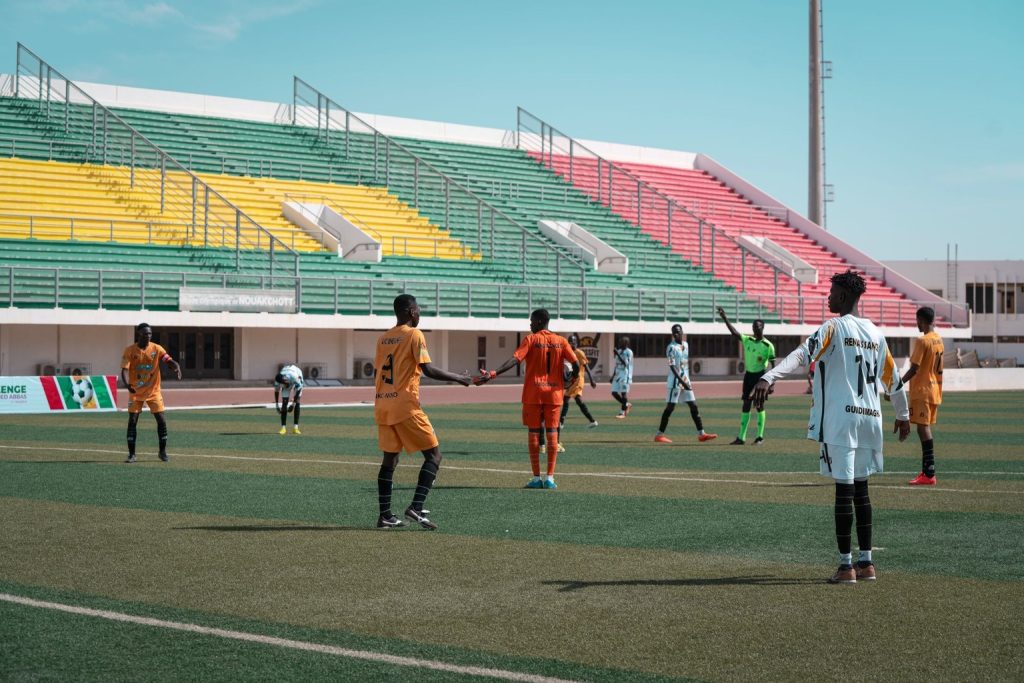
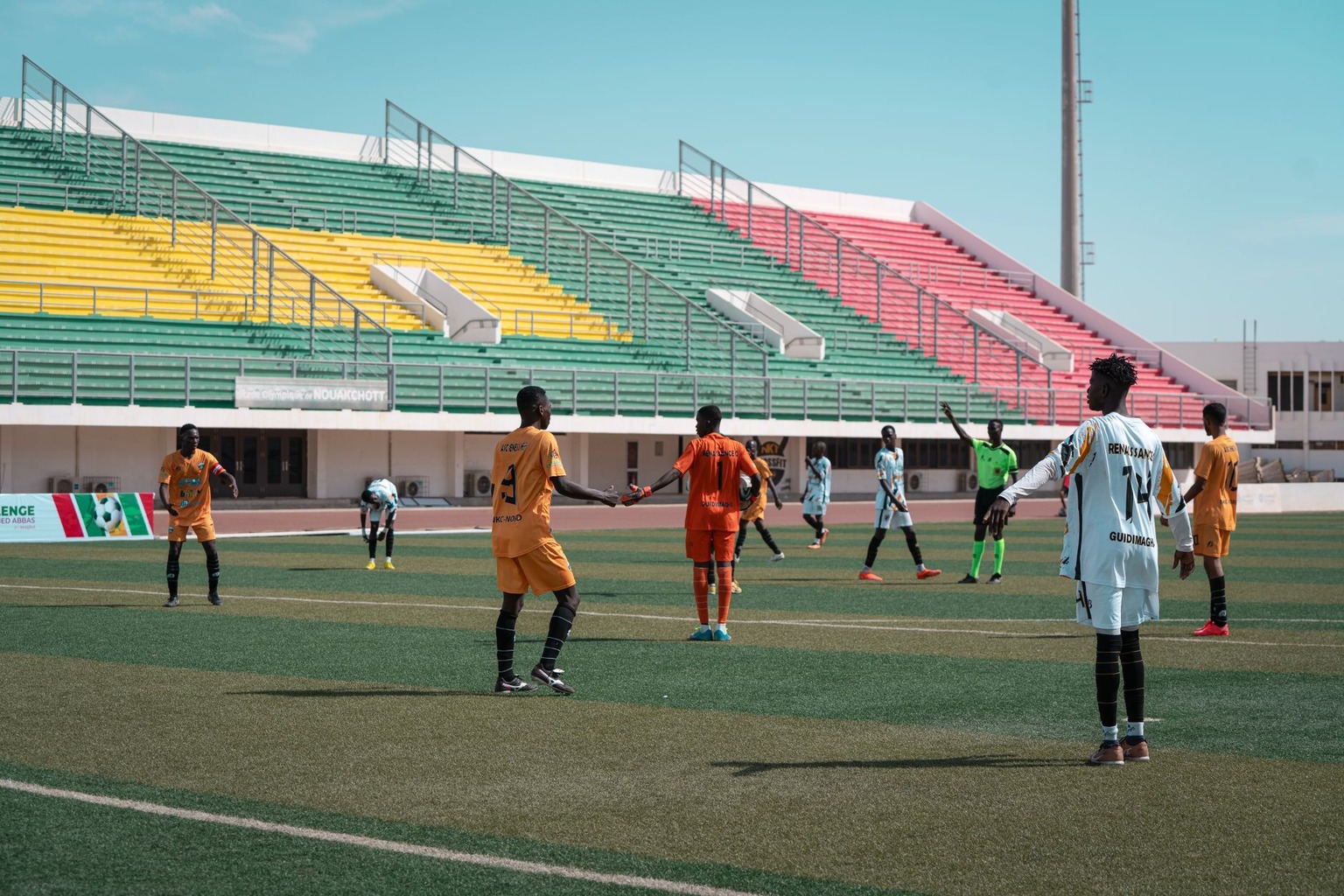
Finding the right soccer environment in the Pacific Northwest can feel overwhelming for families and players alike. With a rich history of competitive play and a growing fanbase, Washington offers a diverse landscape of options. From elite youth development programs to community-driven recreational leagues, the choices vary widely in philosophy, cost, and commitment. Understanding the distinctions between these structures is the first step toward making an informed decision. The region’s proximity to both Seattle and the Olympic Peninsula means access is generally good, but quality and focus differ significantly depending on what a player needs. This breakdown examines the most prominent soccer organizations near you, focusing on how they align with the goals of developing talent and fostering a love for the game.
Program Philosophy and Player Development
The most critical factor when selecting a soccer organization is understanding the underlying philosophy of player development. Some organizations prioritize winning trophies at young ages, while others focus on long-term technical growth and tactical understanding. In Washington, many clubs operate under the umbrella of the Washington State Youth Soccer Association, which sets standards for coaching education and player pathways. However, individual clubs interpret these standards differently. For families seeking a more holistic approach, organizations that emphasize player autonomy and creativity over rigid systems often produce more well-rounded athletes. Conversely, those looking for a clear progression toward collegiate soccer might prefer clubs with established partnerships with local colleges and a track record of player placements. The choice often depends on whether the player’s primary goal is recreation, regional competition, or a future in the sport.
Coaching quality is the engine that drives any successful program. Organizations that invest heavily in continuous coach education tend to see better player outcomes. In the Washington soccer landscape, many top-tier clubs require their coaches to hold licenses from U.S. Soccer or similar governing bodies. This ensures a baseline of knowledge regarding player safety, age-appropriate training methods, and tactical development. Beyond certifications, the best organizations foster a culture where coaches are encouraged to experiment and adapt to their specific group of players. When evaluating options, parents should ask about the coach-to-player ratio and the typical training schedule. A lower ratio generally allows for more individualized feedback, which is essential for skill acquisition, especially for younger age groups navigating the fundamentals of the sport.
Competitive Structure and League Placement
Competitive structure varies dramatically across the state, influencing both the time commitment and the level of travel involved. Washington features a tiered system ranging from regional recreational leagues to state-wide competitive divisions. Organizations often align themselves with specific leagues such as the Washington State Premier League or the Girls Academy, each offering different levels of competition. For instance, some clubs participate in the Girls Academy, which is designed as the premier youth soccer league for female players in the United States, offering a direct pathway to the national team program. Other organizations might focus on the Northwest Premier League, which provides high-level competition within the region. Understanding which league a club plays in helps set expectations for the season’s rigor and the associated travel demands.
Geographic placement within these leagues also impacts the player experience. Clubs based in urban centers like Seattle often have access to more facilities and a larger talent pool, allowing for more selective teams. Meanwhile, clubs in suburban or rural areas might offer a more inclusive environment, focusing on participation and development rather than elite selection. This geographic disparity means that “soccer organizations near me” can yield very different results depending on whether one lives in the city or the outskirts. Prospective players and parents should consider the commute time to training and matches, as excessive travel can lead to burnout, especially when balancing school and other activities. The proximity of quality facilities often dictates the sustainability of a player’s involvement in the sport.
Facility Quality and Resources
The availability and quality of training facilities are a tangible aspect that significantly affects daily practice and player safety. Washington’s rainy climate means that indoor and high-quality outdoor surfaces are essential for year-round development. Top organizations often secure long-term leases on turf fields or maintain their own complexes. Artificial turf is common, but the best organizations invest in infill quality and field maintenance to reduce injury risk. Additionally, access to conditioning equipment, such as strength training areas or recovery pools, differentiates elite programs from standard recreational ones. When touring facilities, it is wise to inspect the condition of the goals, the cleanliness of the changing rooms, and the overall safety perimeter around the field.
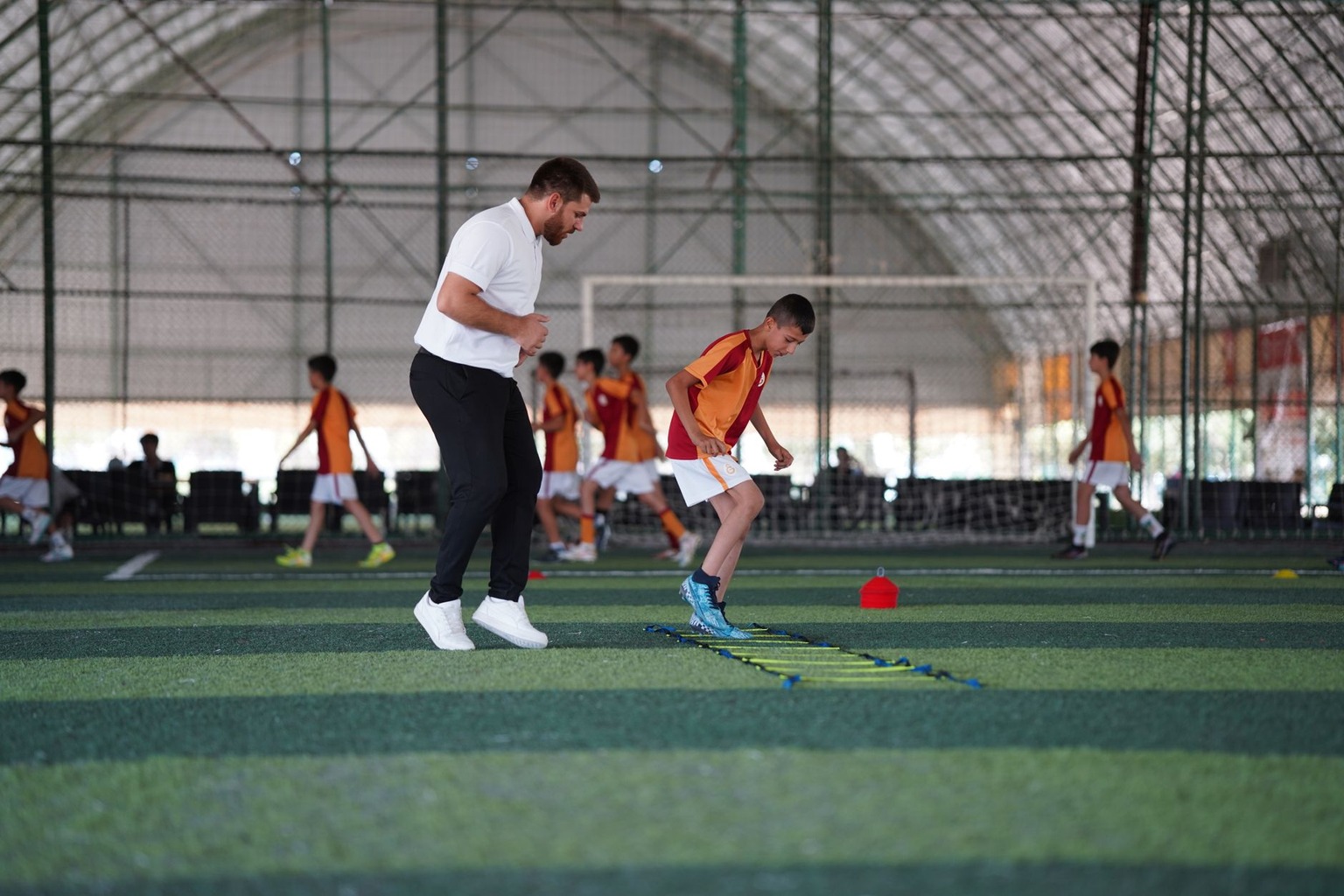
Financial resources also trickle down to the player experience through equipment, uniforms, and travel subsidies. Organizations with larger budgets can often offer more competitive pricing for high-quality kits or assist with travel costs for away games. Some clubs operate on a “pay-to-play” model where fees cover everything from coaching salaries to field rentals, while others rely on fundraising to keep costs down. Transparency about where fees go is a hallmark of well-run organizations. Families should request a breakdown of costs and ask about financial aid options if the standard fees present a barrier. The most reputable clubs are upfront about their financial structure, ensuring that parents can budget accordingly without hidden surprises mid-season.
Community Engagement and Culture
Beyond the technical aspects, the culture and community vibe of an organization play a huge role in player retention and enjoyment. A positive team culture emphasizes respect, sportsmanship, and personal growth over hyper-competitiveness. In Washington, many organizations have adopted codes of conduct for parents and players alike, aiming to sideline the “sideline shouting” culture that can detract from the game. Looking for clubs that host family events, community service opportunities, or end-of-season celebrations can indicate a strong community bond. These elements foster an environment where players feel supported not just by coaches, but by a wider network of families and volunteers.
The demographic makeup of a club can also influence the sense of belonging for a young athlete. Some organizations actively work to diversify their membership and create inclusive spaces for players of all backgrounds. This might include scholarship programs, multilingual communications, or partnerships with local cultural organizations. For families seeking a specific cultural connection or simply a welcoming environment, researching a club’s commitment to diversity and inclusion is a valuable step. A supportive community can make the difference between a player quitting the sport after a bad season and one who continues to thrive and love the game for years to come. The social aspect of youth sports is often overlooked, yet it is frequently the primary reason players stay involved.
Pathways to Higher Levels
For players with aspirations beyond youth soccer, the pathway to collegiate or professional levels is a key consideration. Washington state boasts a strong college soccer presence, with universities like University of Washington and Seattle University attracting local talent. Organizations that have established scouting networks or direct communication channels with college coaches provide a significant advantage. Some clubs even host showcase tournaments specifically designed to get players in front of college recruiters. Additionally, proximity to the NWSL teams, such as the Seattle Reign, offers unique opportunities for young players to attend camps or matches, inspiring goals and providing real-world role models within reach.

However, the path to the top is not linear, and organizations vary in how they manage expectations. Some clubs maintain a “college prep” track from a young age, which can pressure players who develop later physically or tactically. Others take a more relaxed approach, focusing on the love of the game first and allowing collegiate opportunities to emerge naturally. It is important for families to have honest conversations with club directors about the likelihood of scholarships or professional contracts. A good organization will be realistic about the odds and will support the player’s overall development, ensuring they remain educated and well-rounded individuals, not just athletes. The best programs view the soccer journey as a vehicle for personal growth, with higher levels of play as a potential bonus rather than the sole measure of success.
Cost and Value Considerations
Budget is often the deciding factor for families, and soccer in Washington State spans a wide financial spectrum. Recreational leagues might cost a few hundred dollars per season, covering basic field time and referee fees. Competitive travel teams, however, can range from $2,000 to over $5,000 annually, factoring in league fees, tournament entry costs, and travel expenses. When evaluating cost, it is essential to look at what is included. Does the fee cover training gear, insurance, and tournament travel, or are those extras? Some organizations offer payment plans or sibling discounts, which can alleviate the financial strain for families with multiple children involved in the sport. Calculating the cost-per-hour of training can also help compare the value between a high-priced elite program and a more affordable option that still offers quality coaching.
Value, however, is subjective and depends on the player’s goals. A family paying premium prices expects a premium experience, including top-tier facilities, highly licensed coaches, and a clear development pathway. Conversely, a family seeking simple recreation and exercise might find great value in a lower-cost community program. The key is aligning the financial investment with the expected outcomes. Parents are encouraged to ask for references from other families and perhaps sit in on a training session before committing. This due diligence ensures that the money spent translates into meaningful development and enjoyment for the player, rather than just buying into a brand name. Making an informed financial choice helps sustain the player’s involvement in the sport long-term.

I’ve been passionate about women’s soccer in Washington ever since I first watched a local match in high school. Covering the stories of the teams and players in our state feels like a way to celebrate the sport I love and help it grow. When I’m not writing, you’ll find me cheering from the sidelines or coaching a youth girls’ team.