Washington youth soccer has evolved into a structured pipeline that connects grassroots clubs with collegiate pathways, and understanding how programs like i9 sports fit into this ecosystem is essential for any family navigating the state’s competitive landscape. The Washington State Women’s Soccer Association (WSWSA) oversees many of these developmental tracks, ensuring that girls from Seattle to Spokane have access to standardized coaching, fair play protocols, and age-appropriate training environments. When evaluating options, parents often focus on travel fees or tournament schedules, but the real differentiator lies in how a program integrates technical skill development with life lessons in teamwork and resilience. This breakdown examines the specific factors that drive success in youth soccer across the Pacific Northwest, moving beyond surface-level marketing to look at coaching philosophy, facility quality, and long-term athlete development models.
The Role of Structured Developmental Pathways
Many families assume that joining a team is simply about showing up for weekend matches, but successful programs operate on multi-year cycles designed to peak an athlete’s performance at specific ages. In the context of Washington youth soccer, this means understanding how local clubs feed into state-level tournaments and eventually national collegiate drafts. The structure often mirrors professional academy models, where technical proficiency is assessed quarterly through standardized testing rather than just win-loss records. This approach helps identify players who might struggle in high-pressure game situations but excel in controlled training environments, offering a more holistic view of potential.
The transition from recreational to competitive play is where these pathways become most critical, and it requires careful timing to avoid burnout or disinterest. Coaches in the region increasingly emphasize “developmental windows,” suggesting that certain motor skills and tactical concepts are best taught between ages eight and twelve before physical disparities widen. Families who align their child’s participation with these windows often see faster skill acquisition and a deeper love for the game, rather than just a collection of trophies. This strategic alignment is what separates programs that truly develop athletes from those that simply field teams.
Furthermore, the documentation of progress in these pathways has become more transparent, with many clubs using digital platforms to track individual performance metrics over time. Parents can now see how their daughter’s passing accuracy or defensive positioning improves month by month, which provides objective data to support continued participation. This level of visibility is a hallmark of mature programs that take long-term development seriously, and it helps families make informed decisions about when to step up or down in competitive intensity.
Coaching Philosophy and Technical Curriculum
The quality of coaching is arguably the single most important factor in youth soccer, yet it is often the hardest to evaluate before joining a team. In Washington, many top-tier programs have adopted curricula based on the US Soccer long-term athlete development model, which prioritizes ball mastery and decision-making over early tactical rigidity. This means that in the early years, players are encouraged to touch the ball frequently and make independent choices, even if those choices lead to mistakes. The underlying belief is that a player who has made ten errors while learning to dribble will be more effective at age sixteen than one who was coached to pass safely from the start.
When you look at programs like i9 sports, you see this philosophy in action through their emphasis on small-sided games and position-specific training. Rather than running full-field scrimmages every session, coaches break players into groups of four or five to increase involvement and decision-making frequency. This method forces athletes to process information quickly and execute under mild pressure, which translates directly to real game scenarios. Parents should look for clubs that can explain their weekly training structure clearly, as vague promises of “hard work” are not a substitute for a defined technical curriculum.
The coaching staff’s qualifications also matter more than their playing history, as many excellent coaches have modest professional backgrounds but deep pedagogical knowledge. In the Pacific Northwest, there is a strong culture of coaching education, with many instructors pursuing USSF licenses and specialized certifications in sports psychology. These credentials ensure that coaches understand not just how to teach a move, but how to communicate it in a way that resonates with young learners. A well-trained coach can adapt their delivery style to different personalities, which is crucial for keeping players engaged and confident.
Facility Standards and Training Environment
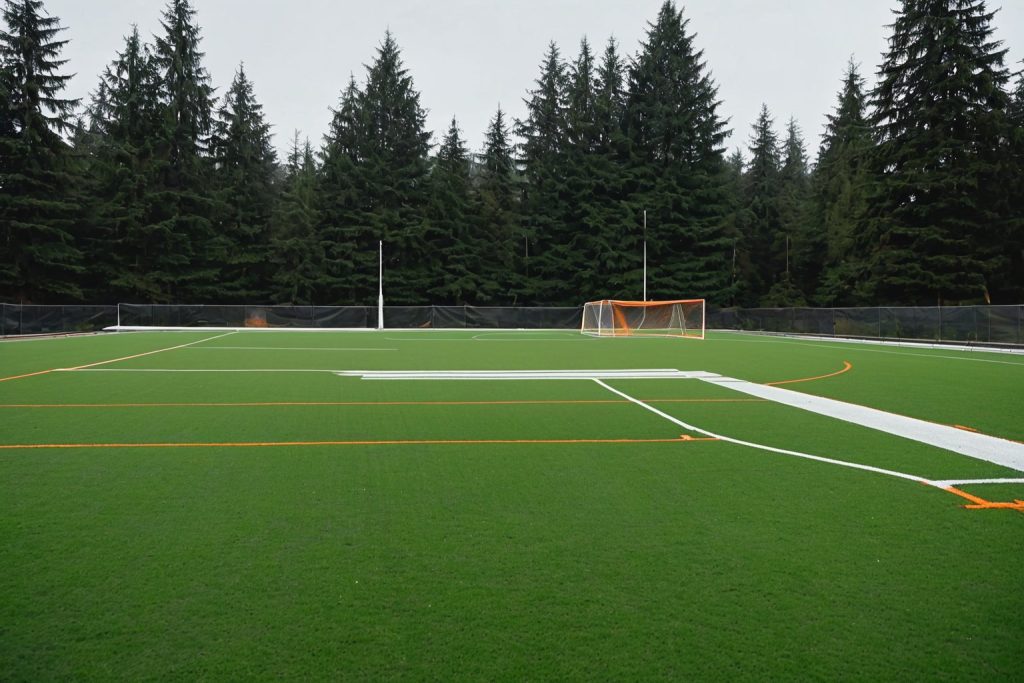
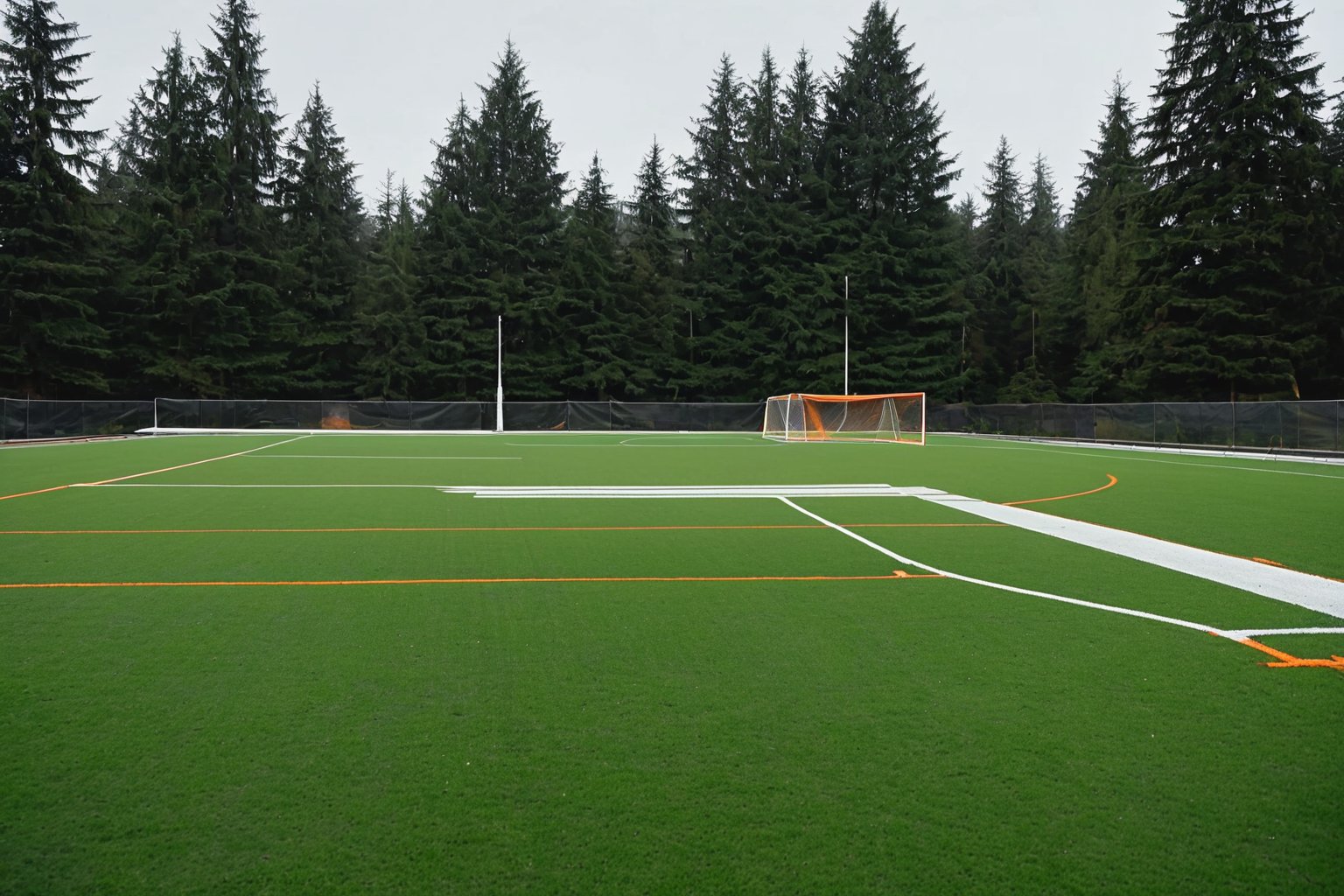
The physical environment where training takes place has a direct impact on player safety and skill acquisition, yet it is often overlooked in favor of team rosters or tournament results. Washington’s climate, with its frequent rain and mud, makes the quality of artificial turf fields a significant consideration for consistent training. High-quality synthetic surfaces maintain playability year-round, allowing clubs to run full sessions without canceling due to weather, which is a major advantage over natural grass fields that become unplayable in November or February. Families should ask about the age and condition of the facilities used, as worn-out turf can increase the risk of joint injuries and reduce ball speed consistency.

Beyond the playing surface, the availability of indoor facilities during the winter months is another key indicator of a program’s commitment to continuous development. Many top clubs in the state have partnerships with indoor centers where players can practice technical skills without interruption from external elements. This consistency allows for more precise feedback from coaches, as variables like wind and rain are removed from the equation. The cost of these facilities is often passed on to families through higher registration fees, but the return on investment in terms of skill retention is substantial.
Safety protocols surrounding these facilities are also a critical component of the overall environment, including proper fencing, lighting, and emergency access routes. Reputable programs ensure that all training areas meet local safety codes and that staff are trained in first aid and concussion recognition. This level of attention to detail reflects a broader culture of care that extends beyond the pitch, giving parents peace of mind while their children train. A facility that looks neglected or poorly maintained is often a sign of larger organizational issues that could affect the quality of coaching and support.
Navigating Costs and Financial Commitments
The financial aspect of youth soccer in Washington can be daunting, with registration fees, equipment costs, travel expenses, and tournament entry charges adding up quickly for families. It is important to distinguish between one-time startup costs and recurring annual expenses, as some clubs require significant upfront investments in gear that may not align with the family’s preferred brands. Understanding the full scope of financial commitments before signing a contract helps avoid surprises later in the season and allows families to budget more effectively for the long term.
Many programs offer payment plans or financial aid options for families who might struggle with the upfront costs, so it is worth asking about these resources during the enrollment process. The Washington State Women’s Soccer Association provides clear guidelines for club registration, helping to create fair and inclusive participation standards. Families should feel comfortable discussing their financial situation with club administrators, as most organizations are willing to work out arrangements that keep players in the game.
Additionally, the value of a program should be assessed against its cost, looking at factors like coaching quality, facility access, and tournament exposure rather than just the price tag. A more expensive team may offer superior training environments and more high-level competition, which can be crucial for players aiming at collegiate scholarships. However, for many families, a mid-tier program with strong coaching and a supportive community can provide an equally valuable experience without the same financial burden.
Competitive Exposure and Tournament Structures
The level of competitive exposure a player receives is a major factor in their development, as playing against diverse opponents helps athletes adapt their skills to different styles and speeds. In Washington, the tournament landscape is vibrant, with events ranging from local weekend showcases to multi-day regional competitions that draw teams from across the state. These tournaments provide valuable experience in managing pressure, travel logistics, and team dynamics, which are all essential components of becoming a well-rounded athlete.
The structure of these tournaments also varies, with some focusing on round-robin formats that guarantee multiple matches while others use elimination brackets that raise the stakes for each game. Parents should understand how their club selects tournaments and what the goals of those events are, as playing in too many high-pressure matches can lead to burnout, while too few can limit growth. A balanced schedule that mixes competitive intensity with developmental rest periods is ideal for maintaining player enthusiasm and physical health.
Furthermore, the quality of opponents in these tournaments matters significantly, as playing against teams with different tactical approaches helps players expand their game knowledge. Clubs that prioritize scheduling matches against strong opponents, even if it means losing, are often making a long-term investment in their players’ development. This mindset shift from winning at all costs to growing through competition is a hallmark of mature soccer programs that understand the nuances of youth athlete development.
Fair Play and Community Culture
The culture surrounding a team is just as important as the technical training they receive, as it shapes how players interact with each other, coaches, and officials on the field. Washington youth soccer places a strong emphasis on fair play, sportsmanship, and respect, with many clubs implementing strict guidelines for parental conduct at games. This focus creates a positive environment where mistakes are treated as learning opportunities rather than sources of frustration, which helps players develop emotional resilience alongside their technical skills.
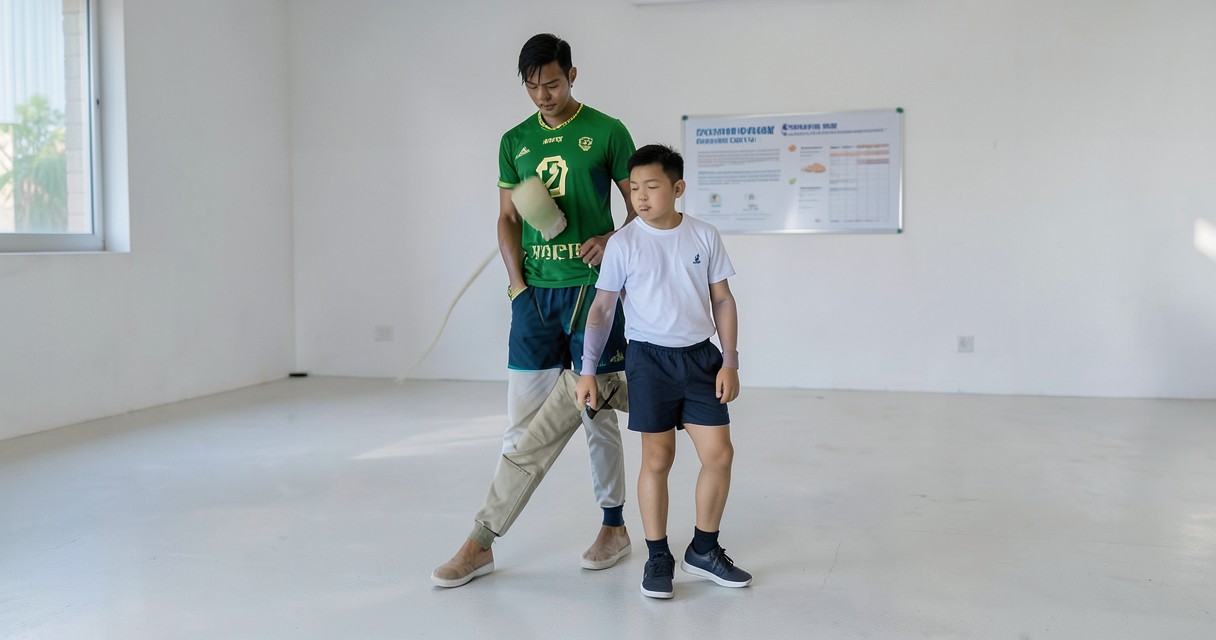
Community engagement is another key aspect of this culture, with many clubs organizing volunteer days, charity matches, and social events that bring families together outside of game day. These interactions build a sense of belonging and support that can enhance the overall experience for both players and parents. A strong community also means that there are more resources available, such as peer coaching, equipment sharing, and collective problem-solving when challenges arise.
Finally, the way a club handles conflict and disagreement is a clear indicator of its maturity and commitment to a healthy environment. Clubs that address issues openly and constructively, involving all parties in finding solutions, tend to have higher retention rates and happier players. Families should observe how coaches communicate with parents and players during difficult moments, as this behavior often reflects the underlying values of the organization.
Selecting the Right Fit for Long-Term Growth
Choosing the right soccer program is a decision that should be made with long-term goals in mind, considering not just immediate needs but also the athlete’s broader educational and personal development. It is helpful to visit training sessions before making a final decision, observing how coaches interact with players and how the team dynamics unfold in real time. This first-hand perspective provides valuable insights that cannot be gleaned from brochures or website descriptions alone, and it helps families gauge whether the program’s values align with their own.
Feedback from current parents is also an invaluable resource, as they can offer candid opinions about the club’s strengths and weaknesses based on their personal experiences. Online forums and local soccer groups often host discussions where families share their thoughts on various programs, providing a balanced view that includes both positive and negative aspects. Listening to these perspectives can help families avoid potential pitfalls and identify clubs that have a track record of supporting player development effectively.
Ultimately, the best program is one that challenges players appropriately while maintaining a fun and supportive atmosphere, where growth is celebrated in all its forms. Whether a family chooses a highly competitive travel team or a local recreational club, the focus should remain on the individual journey of the athlete and the lessons learned along the way. By carefully evaluating the factors discussed here, families can make an informed decision that sets the stage for a positive and enriching soccer experience.

I’ve been passionate about women’s soccer in Washington ever since I first watched a local match in high school. Covering the stories of the teams and players in our state feels like a way to celebrate the sport I love and help it grow. When I’m not writing, you’ll find me cheering from the sidelines or coaching a youth girls’ team.