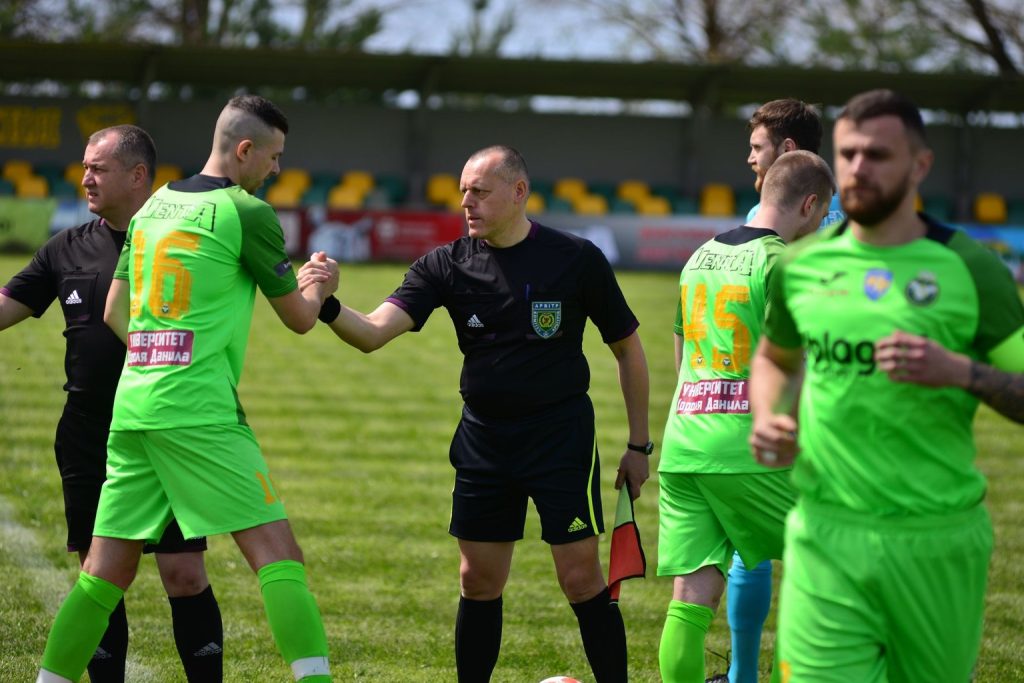
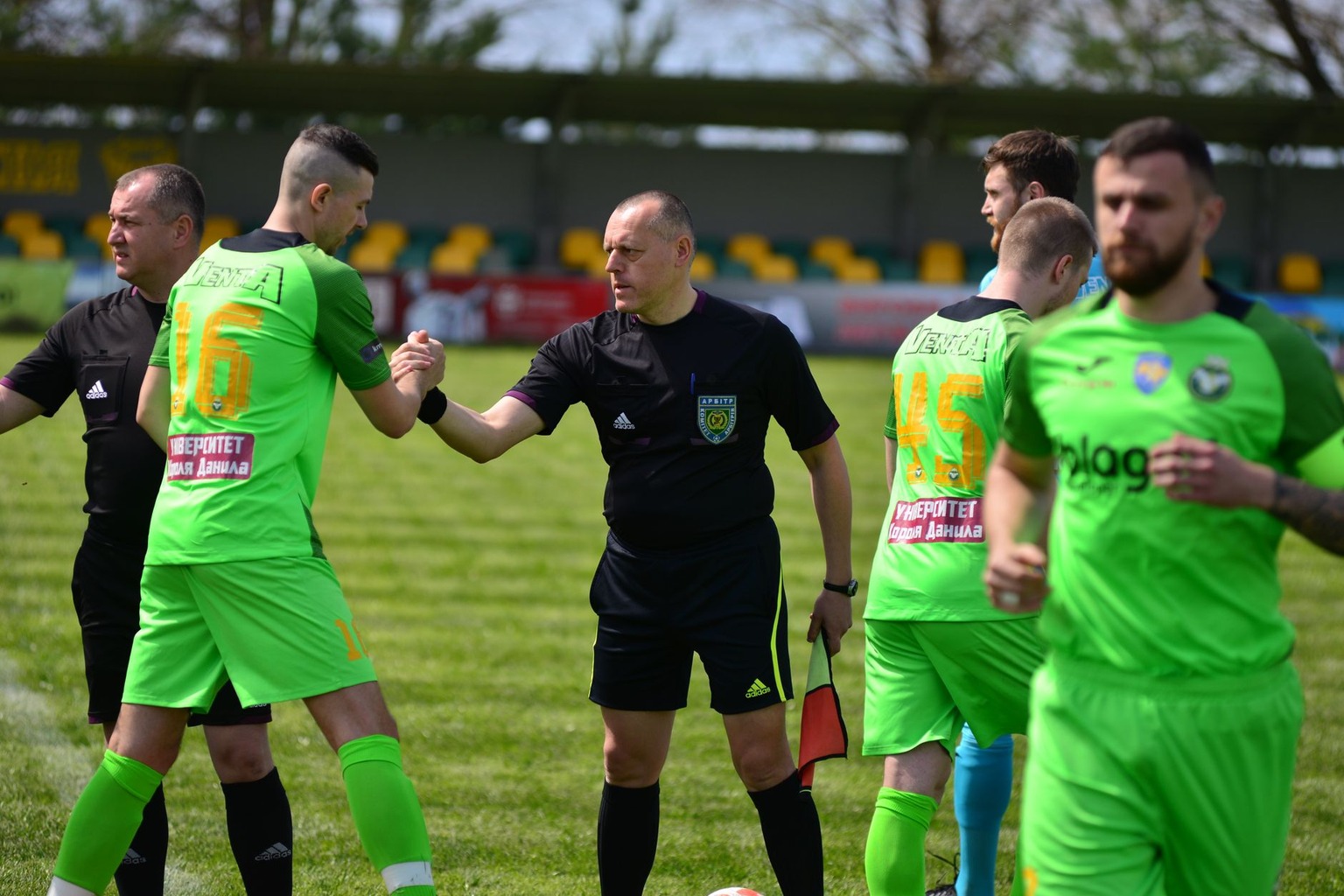
The soccer season in Washington brings excitement to families and players alike, and Washington soccer parents can consult an i9 Sports guide to understand the crucial figure ensuring fair play behind every match. A Washington youth soccer referee is more than an official; they are a vital part of the game’s ecosystem, responsible for upholding rules, managing player conduct, and maintaining safety on the field. For those passionate about the sport and looking to give back, understanding the pathways to officiating is the first step toward stepping onto the pitch with confidence and authority.
Understanding the Role and Responsibilities
Before embarking on the journey to become a match official, it is essential to grasp what the position truly entails. A Washington youth soccer referee is tasked with enforcing the Laws of the Game as defined by the Washington State Youth Soccer Association and U.S. Soccer. This includes managing the flow of the match, making decisions on fouls and misconduct, and ensuring that player safety is prioritized above all else. The role requires a deep understanding of the rules, excellent communication skills, and the ability to remain calm under pressure, especially when dealing with intense youth competition.
Officials must also possess strong interpersonal skills, as they frequently interact with coaches, players, and parents who may have varying levels of soccer knowledge. The ability to explain decisions clearly and respectfully can prevent conflicts from escalating and keep the focus on the players’ development. Furthermore, referees are often the first line of defense in identifying and addressing unsafe play, making their contribution invaluable to the overall integrity of the sport at the youth level.
Initial Steps and Certification Requirements
The pathway to becoming a certified official typically begins with registering for a referee certification course offered by recognized regional bodies. These courses are designed to provide comprehensive training on the Laws of the Game, signal mechanics, and match management techniques. Prospective officials must complete both classroom instruction and on-field training to demonstrate their understanding and practical application of the rules, ensuring they are prepared for the responsibilities that lie ahead.
Upon successful completion of the course, candidates must pass a written examination and a practical assessment. This dual-process ensures that every certified Washington youth soccer referee has the foundational knowledge and the on-field demeanor necessary to officiate matches safely and fairly. The certification is generally valid for a specific period, after which referees are required to complete refresher courses to stay updated on any rule changes and maintain their standing within the association.
Choosing the Right Level and Age Group
One of the first decisions a new official makes is selecting the appropriate level and age group to referee. Washington soccer organizations offer a spectrum of opportunities, ranging from introductory youth matches to more competitive youth leagues. New officials often start with younger age groups or recreational levels, which allow them to build confidence and experience the fundamentals of match management without the added pressure of high-stakes competition.
On the Tony C. channel, they explain how to register for a course so you can watch it right here.
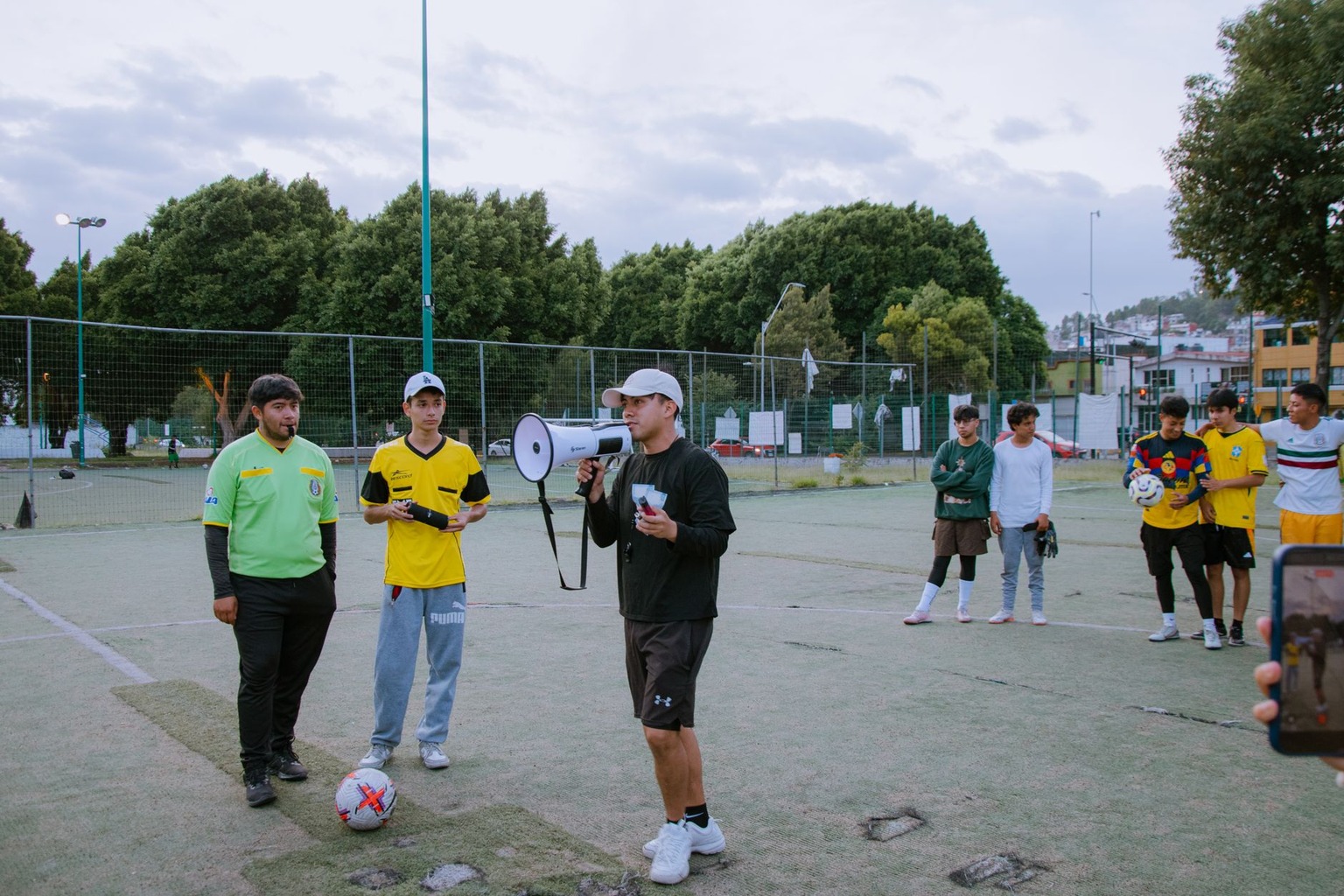
As officials gain experience and complete additional training modules, they can progress to older age groups and more competitive divisions. This progression is often tied to performance evaluations and the completion of continuing education requirements. The ability to choose and transition between different levels allows referees to tailor their officiating journey to their personal growth goals and availability, making the pathway flexible and rewarding for individuals at various stages of their soccer involvement.
Training Resources and Ongoing Development
Continuous learning is a cornerstone of a successful officiating career. Beyond the initial certification, Washington youth soccer referee development expands to women’s soccer officiating education programs, offering video analysis, mentorship, and advanced clinics. These resources help officials refine their signaling techniques, improve their positioning on the field, and learn how to manage complex game scenarios that arise in youth soccer.
Mentorship plays a particularly vital role in the development of new officials. Pairing with an experienced referee provides newcomers with real-time feedback and the opportunity to observe effective decision-making processes. Many associations also offer “observer” programs where seasoned officials watch new referees and provide constructive criticism, fostering a supportive environment that encourages growth and helps mitigate the common anxieties associated with starting a new role in sports officiating.
Compensation and Benefits of Officiating
While the primary motivation for many is a love of the game, officiating also offers tangible benefits, including compensation for time and travel. Washington youth soccer referee pay structures typically vary based on the level of the match, the age group, and the distance traveled to the venue. Understanding the compensation model helps officials view the role as both a service to the community and a viable way to earn income while staying connected to the sport they enjoy.
Beyond financial remuneration, the role provides significant personal development opportunities. Referees often report improved decision-making skills, enhanced emotional regulation, and a deeper tactical understanding of soccer. The experience of managing diverse personalities and high-pressure situations on the field translates well into other areas of life, making the pathway to officiating an investment in personal growth as much as it is a contribution to the youth soccer community.
Navigating Challenges and Maintaining Well-being
Every officiating journey comes with its share of challenges, and learning how to navigate them is essential for longevity in the role. One of the most common difficulties new Washington youth soccer referee officials face is managing negative feedback from spectators or coaches. Developing strategies to detach emotionally from the game and focus on the task at hand is a skill that is honed over time through experience and the support of the officiating community.

Physical well-being is also a consideration, as refereeing requires sustained focus and movement across the pitch. Maintaining fitness, staying hydrated, and ensuring adequate rest between matches are practical steps that contribute to performance and longevity in the role. The soccer community generally recognizes the demanding nature of the job and provides resources and guidelines to help officials maintain their health and effectiveness throughout the season.

I’ve been passionate about women’s soccer in Washington ever since I first watched a local match in high school. Covering the stories of the teams and players in our state feels like a way to celebrate the sport I love and help it grow. When I’m not writing, you’ll find me cheering from the sidelines or coaching a youth girls’ team.