Why Acute Care Protocols Matter for Washington’s Women Soccer Players
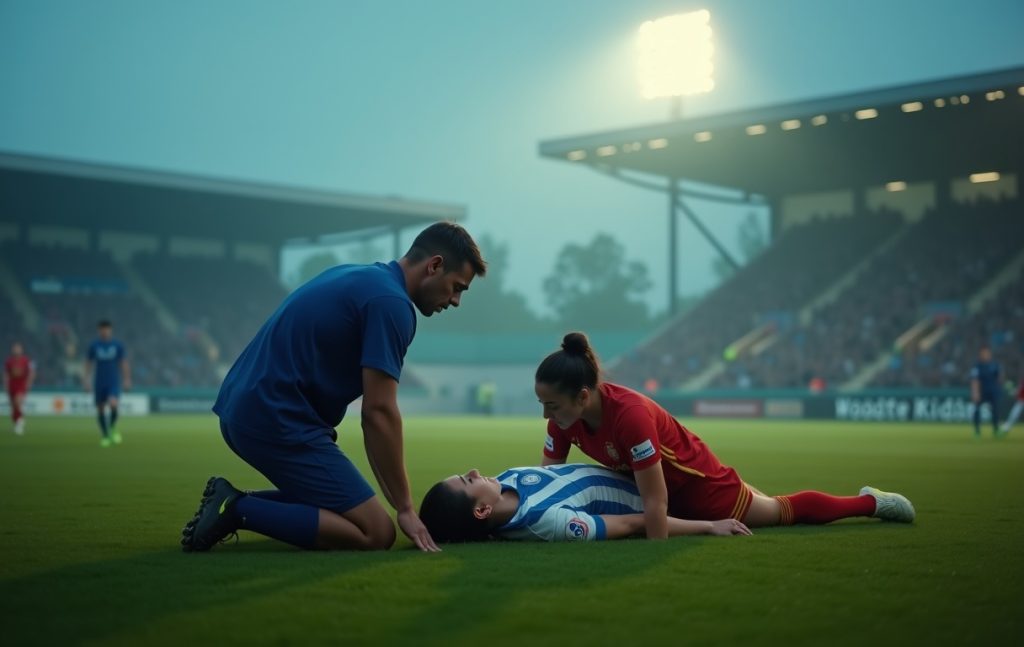
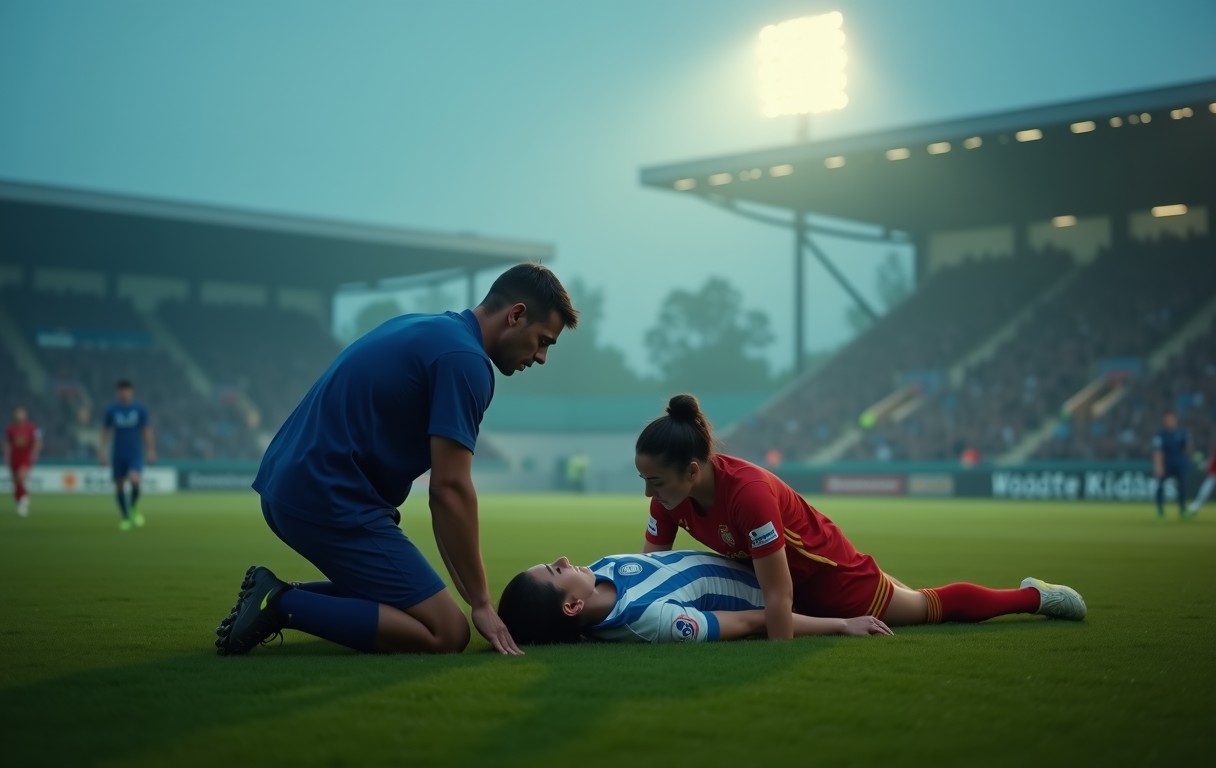
On a damp October evening in Spokane, a U17 midfielder from the Washington Premier FC girls’ academy went down hard after a 50-50 challenge. She stayed motionless for three full seconds before the referee blew the whistle. Within 45 seconds, the team’s athletic trainer was kneeling beside her, clipboard in hand, running through the exact same concussion checklist that every coach in the Washington State Women’s Soccer Association (WSWSA) has memorized. That quick, standardized response didn’t happen by accident—it’s the result of years of refining acute-care protocols tailored specifically for female athletes in the Evergreen State.
Washington’s women’s soccer scene is growing faster than ever. From the elite youth academies in Bellevue to the semi-pro squads in Bellingham, more girls and women are stepping onto the pitch every season. With that growth comes a higher risk of injury—ACL tears, ankle sprains, and head impacts that can sideline players for weeks or even end careers. The difference between a season-ending injury and a two-week recovery often comes down to what happens in those first critical minutes after the whistle blows. That’s where acute care protocols come in: a set of immediate, evidence-based steps that every coach, trainer, and parent in WSWSA-affiliated leagues must follow to protect players and keep them in the game safely.
What Exactly Are Acute Care Protocols in Women’s Soccer?
Acute care protocols are the playbook for the first 10 minutes after an injury. They’re not just guidelines—they’re mandatory procedures that every WSWSA-sanctioned team must have in place. Think of them as the soccer equivalent of a fire drill: everyone knows their role, the steps are practiced regularly, and there’s zero room for improvisation when seconds count.
In Washington, these protocols are built around three core principles: speed, specificity, and safety. Speed means the injured player is assessed within 60 seconds of the incident. Specificity means the response is tailored to the type of injury—what works for a twisted ankle won’t cut it for a suspected concussion. Safety means every decision prioritizes the player’s long-term health over short-term game outcomes. For example, the WSWSA’s concussion protocol requires immediate removal from play if any red-flag symptoms appear, even if the player insists she’s “fine.” No exceptions.
The protocols also account for the unique risks female soccer players face. Research shows women are 2-8 times more likely to suffer ACL injuries than men, and they experience concussions differently, often with delayed symptom onset. That’s why Washington’s protocols include gender-specific modifications, like longer observation periods for head injuries and mandatory neuromuscular training programs to reduce knee injuries.
The WSWSA’s Step-by-Step Injury Response Playbook
Every WSWSA-affiliated team, from the youngest recreational leagues to the top-tier ECNL squads, follows the same five-step acute care framework. Here’s how it breaks down in real time:
1. Scene Safety and Initial Assessment
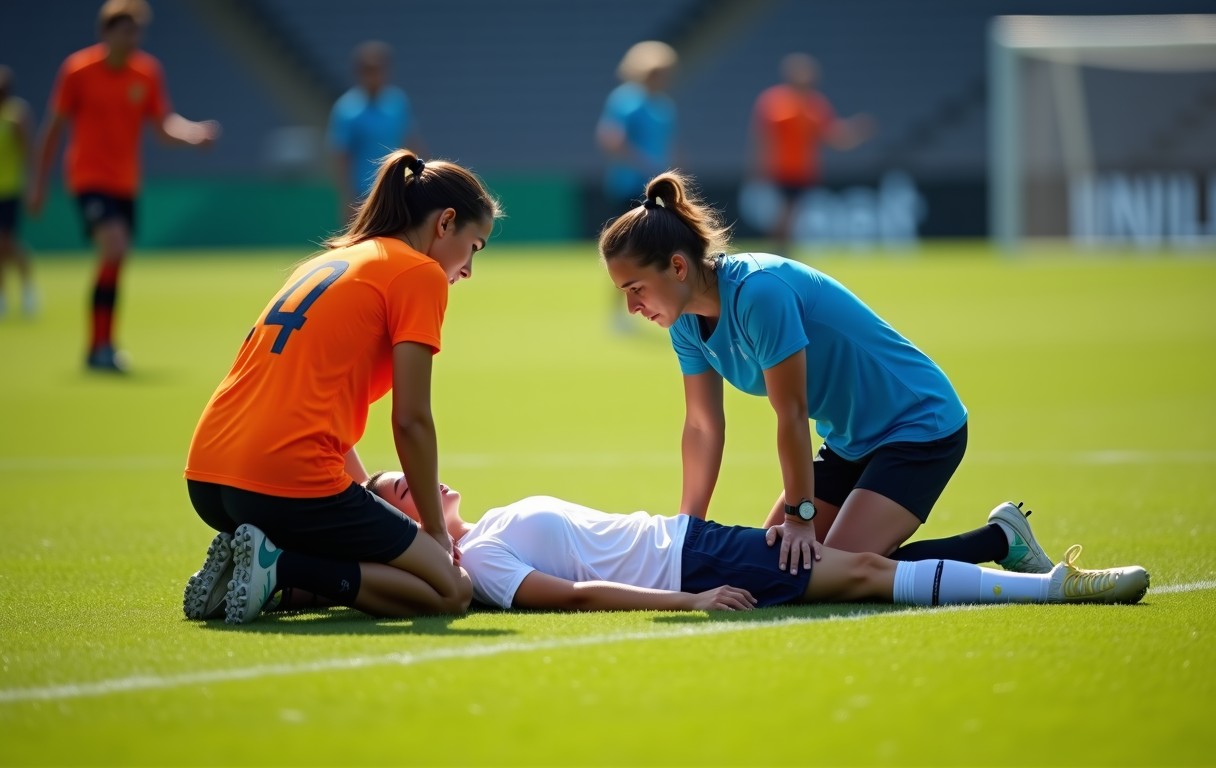
The moment a player goes down, the referee stops play and signals for medical attention. The team’s athletic trainer (or, in youth leagues, the coach with first-aid certification) approaches the player while scanning the scene for hazards—like a loose ball or another player in the way. They kneel at the player’s side and ask two simple questions: “What happened?” and “Where does it hurt?” The answers determine whether they move to step two or call for emergency services immediately.
2. Primary Survey: Rule Out Life-Threatening Conditions
This is where the trainer checks for the “big three” emergencies: airway obstruction, severe bleeding, or spinal injury. If the player is unconscious, unresponsive, or showing signs of a neck injury (like numbness or tingling), the protocol mandates stabilizing the head and neck while waiting for EMS. In Washington, this step is non-negotiable—no coach or parent is allowed to move the player unless there’s an immediate threat (like a fire or lightning).
3. Secondary Survey: Injury-Specific Evaluation
If the primary survey clears the player, the trainer moves to a focused assessment. For a suspected ankle sprain, they’ll check for swelling, range of motion, and weight-bearing ability. For a head injury, they’ll run through the WSWSA’s 12-point concussion checklist, which includes questions like “What’s the score?” and “Who scored last?” to test memory and orientation. This step is where Washington’s protocols stand out: the checklist is based on the latest research from the University of Washington’s Sports Medicine Center, which has studied female soccer injuries for over a decade.
4. On-Field Treatment or Removal from Play
If the injury is minor (like a scraped knee or mild muscle strain), the player might receive first aid on the spot and return to the game after a quick evaluation. But for anything more serious—like a suspected fracture, dislocation, or concussion—the protocol requires immediate removal. In Washington, this decision isn’t left to the coach or the player. The athletic trainer has the final say, and their call is documented in the team’s injury log, which is reviewed by the WSWSA’s medical committee every month.
5. Post-Injury Communication and Follow-Up
After the game, the trainer fills out a standardized injury report and sends it to the WSWSA’s central database. This isn’t just paperwork—it’s how the association tracks injury trends across the state and adjusts protocols as needed. For example, if data shows a spike in ACL injuries among U15 players in the Puget Sound region, the WSWSA might mandate additional strength training for those teams. Parents and players also receive a follow-up email with next steps, whether that’s rest, physical therapy, or a referral to a specialist.
Concussions: Washington’s Zero-Tolerance Approach
Concussions are the most controversial—and most closely monitored—injury in women’s soccer. Washington’s protocols treat them with the same urgency as a cardiac emergency. Here’s why: female soccer players suffer concussions at nearly twice the rate of their male counterparts, and their symptoms often last longer. The WSWSA’s concussion protocol is one of the strictest in the country, with three key components:
1. Immediate Removal, No Questions Asked
If a player shows any sign of a concussion—dizziness, confusion, headache, or even just “not feeling right”—she’s done for the day. No “walk it off” or “play through it.” The WSWSA’s policy is clear: if there’s even a hint of a head injury, the player is pulled. This rule applies to practices, scrimmages, and games, and it’s enforced by referees, who are trained to spot red-flag symptoms.
2. The 24-Hour Rule
Before a player can return to the field, she must be cleared by a healthcare provider—preferably one with experience in sports concussions. Washington’s protocol requires a minimum 24-hour rest period, followed by a gradual return-to-play progression. This isn’t just a suggestion; it’s written into the WSWSA’s bylaws. Teams that violate this rule face fines and suspension from league play.
3. Education and Prevention
The WSWSA doesn’t just react to concussions—it tries to prevent them. Every coach in the association must complete a concussion training course before the season starts, and players receive annual education on proper heading technique and safe play. The association also partners with local hospitals to offer baseline concussion testing for elite teams, giving trainers a pre-injury benchmark to compare against if a player gets hurt.
ACL Injuries: How Washington Is Fighting the Epidemic
ACL tears are the nightmare scenario for women’s soccer players. They’re common, devastating, and often require a year or more of recovery. Washington has been hit hard by the ACL epidemic—last season alone, three players from the same Seattle-area ECNL team tore their ACLs in the span of two months. But the WSWSA is fighting back with a three-pronged approach:
1. Pre-Season Screening
Before the first whistle of the season, every WSWSA-affiliated team must submit a list of players who’ve had previous ACL injuries or are at high risk (like those with a family history of knee problems). These players are flagged for additional screening, which includes a functional movement assessment and a biomechanical analysis. The goal isn’t to exclude them from play—it’s to identify weaknesses and address them before they lead to injury.
2. Mandatory Neuromuscular Training
The WSWSA requires all teams to incorporate a 15-minute neuromuscular warm-up into every practice. This isn’t your typical static stretching routine. It includes exercises like single-leg squats, lateral hops, and plyometric drills designed to improve landing mechanics and reduce knee stress. Studies show these programs can cut ACL injury rates by up to 50% in female athletes. In Washington, they’re non-negotiable—teams that skip them risk losing their league certification.
3. Post-Injury Support
If a player does tear her ACL, the WSWSA’s protocol ensures she gets the best possible care. The association maintains a network of orthopedic surgeons and physical therapists who specialize in female athletes, and it offers financial assistance to families who can’t afford rehab. The goal is to get players back on the field safely—and to make sure they don’t reinjure themselves when they return.
Ankle Sprains: The Most Common Injury—and How Washington Handles Them
Ankle sprains might not be as dramatic as ACL tears or concussions, but they’re the most common injury in women’s soccer. In Washington, they account for nearly 30% of all time-loss injuries in youth leagues. The WSWSA’s protocol for ankle sprains is simple but effective:

1. The RICE Method, Updated
For years, the standard treatment for ankle sprains was RICE: rest, ice, compression, elevation. But Washington’s protocol has evolved. Now, the focus is on PEACE and LOVE—a newer approach that emphasizes early movement and gradual loading. PEACE stands for Protection, Elevation, Avoid anti-inflammatories, Compression, and Education. LOVE stands for Load, Optimism, Vascularization, and Exercise. The idea is to get players moving as soon as possible, rather than keeping them immobile for days.
2. Bracing and Taping
The WSWSA recommends that players with a history of ankle sprains wear a lace-up brace or get their ankles taped before games. This isn’t just a precaution—it’s a proven way to reduce reinjury rates. The association provides free taping clinics for youth teams, and it partners with local sporting goods stores to offer discounts on braces.
3. Return-to-Play Testing
Before a player can return from an ankle sprain, she must pass a series of functional tests. These include single-leg balance drills, lateral hops, and agility exercises. The goal is to make sure the ankle is strong enough to handle the demands of soccer. If she can’t complete the tests without pain or instability, she’s not ready to play.
What Parents and Players Need to Know
Acute care protocols aren’t just for coaches and trainers—they’re for everyone involved in Washington women’s soccer. Here’s what parents and players should keep in mind:
For Parents:
– Know the protocol. Every WSWSA-affiliated team is required to share its acute care plan with parents at the start of the season. Read it. Ask questions. If your child’s team doesn’t have one, report it to the WSWSA immediately.
– Advocate for your child. If your daughter is injured and the coach or trainer isn’t following the protocol, speak up. The WSWSA has a hotline for reporting violations, and they take these reports seriously.
– Have a plan for follow-up care. After an injury, the team’s trainer will give you next steps. Follow them. If the trainer recommends physical therapy or a specialist visit, make the appointment. Don’t wait.
For Players:
– Be honest about your symptoms. If you’re hurt, say something. Playing through pain might seem tough, but it can turn a minor injury into a major one. Washington’s protocols are designed to protect you—use them.
– Do your rehab. If you’re recovering from an injury, follow your trainer’s instructions. Skipping rehab might get you back on the field faster, but it’ll also increase your risk of reinjury.
– Learn the signs of serious injuries. Know the red flags for concussions (dizziness, confusion, headache) and ACL tears (a popping sound, immediate swelling, inability to bear weight). If you experience any of these, tell your trainer right away.
Washington’s acute care protocols aren’t perfect, but they’re a model for how women’s soccer should handle injuries. They’re based on science, they’re enforced consistently, and they prioritize player safety above all else. For the girls and women who lace up their cleats every weekend across the state, that’s a game-changer.

I’ve been passionate about women’s soccer in Washington ever since I first watched a local match in high school. Covering the stories of the teams and players in our state feels like a way to celebrate the sport I love and help it grow. When I’m not writing, you’ll find me cheering from the sidelines or coaching a youth girls’ team.