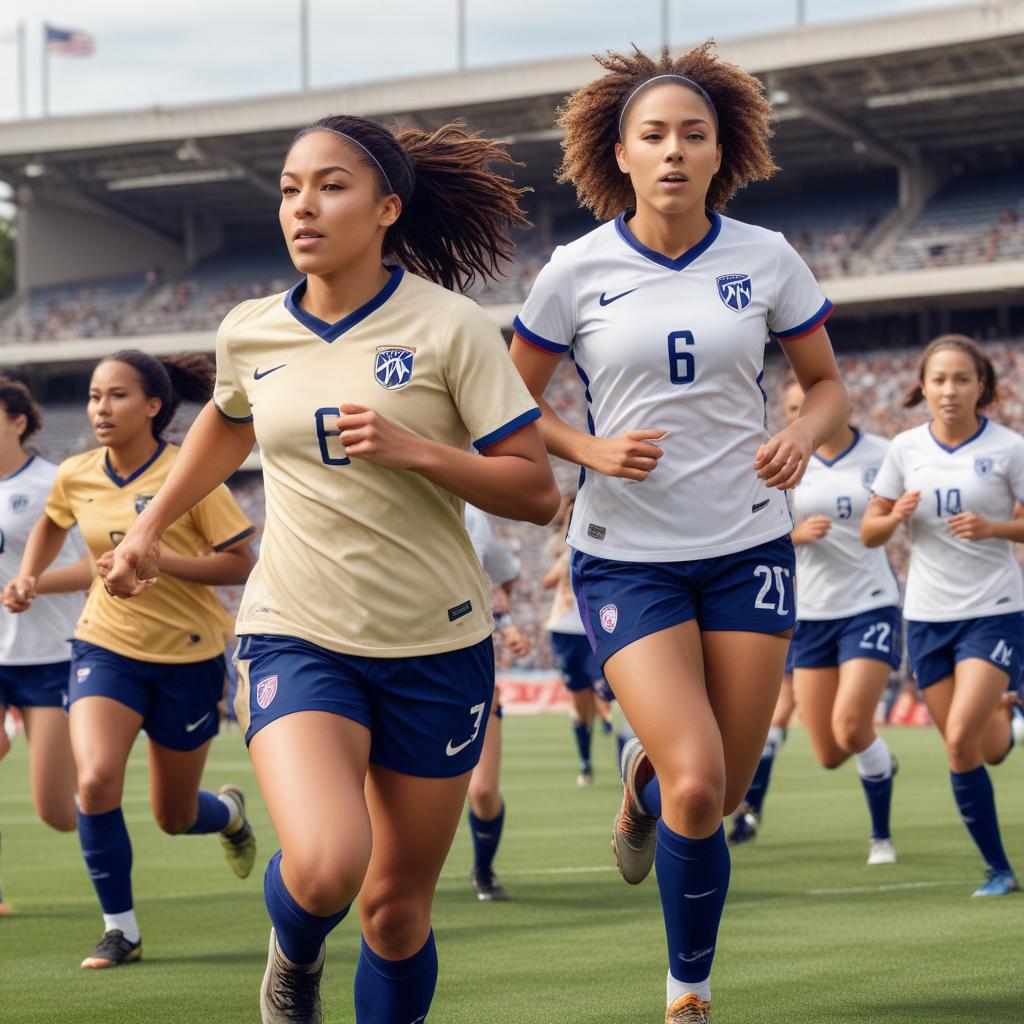
Overview of Diversity and Inclusion in Washington Women’s Soccer
The state of diversity in soccer within Washington women’s soccer has seen significant progress over recent years, reflecting a broader commitment to inclusion and representation at all levels of the sport. Efforts to enhance women’s soccer diversity in Washington focus on creating accessible opportunities and fostering an environment where players from various backgrounds feel welcomed and valued. The cultural importance of these initiatives cannot be overstated, as they not only strengthen the sport but also promote social cohesion and respect within the wider community.
Major initiatives spearheading soccer inclusivity in Washington include grassroots outreach programs targeting underrepresented communities. These programs provide resources such as scholarships, training camps, and mentorship designed to break down barriers that have traditionally limited access to soccer among minority groups. Additionally, local clubs and organizations actively collaborate with schools and community centers to engage girls from diverse racial, economic, and cultural backgrounds, ensuring that more young women can participate and develop their skills in a supportive setting.
Beyond participation, leadership roles within Washington women’s soccer are progressively becoming more representative of the community’s diversity. Women of color, LGBTQ+ individuals, and those from various socio-economic backgrounds are increasingly present in coaching, management, and administrative positions. This shift not only promotes equity but also enriches the sport by incorporating a wide range of perspectives and experiences, contributing to a more inclusive culture on and off the field.
Washington’s women’s soccer community also emphasizes education and awareness programs that address issues such as discrimination, gender inequality, and cultural sensitivity. These initiatives are critical in cultivating an environment where all players, regardless of their background, feel empowered and respected. Through workshops, campaigns, and partnerships with advocacy groups, the importance of diversity and inclusion is continuously reinforced, making Washington a model for soccer inclusivity nationwide.
In summary, the current landscape of diversity and inclusion in Washington women’s soccer is characterized by proactive efforts to increase representation, eliminate barriers, and promote a culture of acceptance and respect. These endeavors not only enrich the sport but also serve as a powerful force for positive social change, reaffirming the vital role of soccer as a unifying and empowering platform for women across the state.
History and Evolution of Inclusivity Efforts
The history of diversity and inclusion in Washington women’s soccer reflects a gradual but impactful evolution. From its early roots in the late 20th century, the soccer inclusion timeline reveals how barriers related to race, ethnicity, and gender began to erode, opening the sport to a broader range of athletes. Initially, women’s soccer in Washington was dominated by limited access and opportunities, often reflecting the broader social challenges of inclusion faced nationwide.
Through the 1990s and 2000s, concerted efforts by local organizations and governing bodies helped push the agenda for inclusivity forward. These efforts included outreach programs targeting underrepresented communities, scholarships for minority players, and policy changes that encouraged diversity at all levels of the sport. This period marks a crucial chapter in the evolution of inclusivity, where tangible steps were taken to diversify teams and coaching staff, fostering a more welcoming environment for all.
Women’s soccer history in Washington also highlights the role of advocacy and community involvement. Former players and activists have worked tirelessly to promote equal opportunities, challenging systemic limitations while celebrating cultural diversity. These efforts have helped build a stronger, more inclusive soccer culture that continues to evolve today, ensuring that the sport reflects and respects the rich diversity of Washington’s population.
Current Demographics and Representation
The current demographics and representation within Washington women’s soccer reveal a gradually evolving landscape shaped by increased awareness and initiatives promoting diversity and inclusion. Player demographics indicate a broad spectrum of ethnic backgrounds and cultural identities actively participating in the sport, reflecting the region’s diverse population. Representation in sports leadership, coaching staff, and administrative roles within Washington women’s soccer organizations has seen a positive trend towards greater inclusion of women and minorities, although there remains room for improvement.
Inclusion statistics demonstrate that organizations are increasingly focused on creating equitable opportunities for players from underrepresented communities. Efforts are often supported by data-driven approaches that leverage women’s soccer diversity data to identify gaps and strategize outreach programs. This includes fostering environments where players of all races, abilities, and socioeconomic backgrounds can thrive on and off the field.
Despite these advances, challenges persist, particularly around achieving proportional representation at elite levels and ensuring sustained support for grassroots initiatives. Continuous monitoring and transparent reporting of inclusion statistics are essential to maintain progress and accountability. Overall, Washington’s women’s soccer scene is progressively becoming a microcosm of broader societal diversity, championing inclusion not just as a goal but as a foundational principle in the sport.
Challenges and Barriers to Inclusion
Diversity challenges in Washington women’s soccer are deeply rooted in systemic issues that create inclusion barriers for underrepresented groups. Despite progress in promoting equality, many women athletes still encounter significant obstacles that hinder their full participation and development in the sport. These challenges range from socio-economic disparities to biases that affect access to resources, recognition, and opportunities within the sport.
One of the primary inclusion barriers is the limited accessibility to quality training facilities and coaching for minority and low-income communities. This lack of access often results in fewer opportunities for talented players from diverse backgrounds to showcase and improve their skills. Consequently, this creates a cycle where women’s soccer in Washington continues to reflect a narrow demographic, restricting the sport’s potential for true diversity and inclusion.
Additionally, women’s soccer obstacles include cultural and social stereotypes that discourage participation from certain ethnic groups and marginalized communities. These stereotypes can manifest in both overt discrimination and subtle biases, affecting team dynamics, player confidence, and community support. Such equality issues in sports challenge organizations and teams to actively foster inclusive environments that respect and celebrate differences rather than perpetuate exclusion.
Institutional policies and resource allocation also play a crucial role in either reinforcing or dismantling these barriers. Many clubs and associations in Washington face challenges in implementing equitable programs due to funding constraints or lack of awareness about diversity challenges. Encouragingly, some local initiatives have started to address these issues by promoting outreach programs and diversity training, but wider structural changes are still needed.
Overcoming these obstacles requires a multi-faceted approach that includes community engagement, education, and policy reform within women’s soccer organizations. Recognizing and confronting the systemic inclusion barriers is essential to creating a level playing field. Only by addressing these equality issues in sports can Washington women’s soccer fully embrace diversity, ensuring every player has the chance to succeed regardless of their background.
Cultural and Socioeconomic Obstacles
Cultural barriers often play a significant role in limiting the participation of women in Washington soccer. Traditional gender roles and expectations within certain communities can discourage girls from pursuing sports, which affects their access and involvement at a young age. These cultural norms sometimes lead to reduced support from families and local communities, making it harder for women to advance in soccer despite their talent and interest.
In addition to cultural challenges, socioeconomic factors are crucial in shaping who has the opportunity to play competitive soccer. Many families face socioeconomic challenges that restrict access to sports programs due to the costs involved in training, equipment, travel, and club fees. This economic barrier often results in diversity inequalities, where only those from more affluent backgrounds can afford consistent participation and development opportunities.
These combined cultural and economic obstacles create significant hurdles for aspiring female soccer players in Washington. Addressing these issues requires targeted initiatives aimed at providing more inclusive access to sports facilities and programs. By reducing financial burdens and fostering culturally sensitive outreach, the soccer community can work towards breaking down these barriers and promoting greater diversity and inclusion within the sport.
Institutional and Structural Hurdles
Institutional barriers present significant challenges to advancing diversity in Washington women’s soccer. These barriers are embedded within the governance of teams, leagues, and broader sports organizations, where long-standing practices and policies often perpetuate structural inequality. Sports governance bodies sometimes lack inclusive frameworks that adequately address the needs of diverse athletes, limiting representation and participation from underrepresented groups.
One of the main structural hurdles is the absence of comprehensive diversity policies or their inconsistent implementation across leagues and teams. Without clear mandates and accountability mechanisms, efforts to foster inclusion remain fragmented and superficial. This can result in overlooked talent and diminished opportunities for women of diverse backgrounds to thrive in competitive soccer environments.
Moreover, organizational cultures within some teams resist change, unintentionally sustaining systemic exclusion through implicit biases and a lack of diversity education. This resistance poses ongoing diversity policy challenges, as well-meaning initiatives struggle against entrenched norms. Addressing these institutional issues requires deliberate reform, including targeted leadership training and the development of inclusive governance frameworks that prioritize equity at all levels.
In summary, tackling institutional and structural hurdles is crucial for meaningful diversity progress in Washington women’s soccer. Overcoming these impediments calls for collaborative efforts among governing bodies, leagues, and teams to reshape policies, promote equity, and create an environment where all athletes can succeed regardless of their background.
Promoting Diversity and Inclusion in Washington Women’s Soccer
Washington women’s soccer has made remarkable strides in fostering an inclusive environment through a series of well-structured diversity initiatives and comprehensive inclusion programs. These efforts are designed not only to promote equal opportunity soccer but also to build a community where every player, regardless of background, feels welcomed and valued.
One key aspect of these diversity initiatives involves targeted outreach programs aimed at engaging underrepresented groups within the community. By collaborating with local schools, community centers, and youth organizations, Washington’s women’s soccer programs have broadened access to the sport, ensuring girls from all walks of life have the chance to participate. This proactive approach helps break down barriers related to race, ethnicity, socioeconomic status, and disability.
Inclusion programs within teams emphasize both education and practice. Coaches and staff receive regular training on cultural competency and unconscious bias, fostering respectful team dynamics and raising awareness of the importance of inclusion. Policies promoting respectful communication, zero tolerance for discrimination, and supportive measures for players with unique needs are integral parts of these programs.
Community-driven efforts also play a vital role in promoting inclusion. Local soccer clubs often host forums and workshops that bring together players, families, and community leaders to discuss challenges and celebrate diversity. These events provide a platform for sharing stories and strategies, strengthening the community’s commitment to equal opportunity soccer.
Washington women’s soccer associations have implemented scholarship programs to reduce financial barriers, enabling talented players from economically disadvantaged backgrounds to access quality coaching and competitive play. These scholarships underscore the commitment to providing every aspiring female soccer player the chance to succeed in a supportive environment.
Overall, the combined efforts of policy makers, coaches, community members, and players themselves have cultivated a culture within Washington women’s soccer that champions diversity and inclusion. These ongoing initiatives and programs ensure the sport continues to be a space where equal opportunity soccer thrives, empowering women and girls to excel and lead both on and off the field.
Grassroots and Community Engagement Initiatives
Grassroots programs play a vital role in fostering soccer diversity and building inclusion community support in Washington’s women’s soccer landscape. These initiatives focus on engaging youth and women from various backgrounds, ensuring that opportunities to participate in soccer are accessible to all. Through targeted community outreach efforts, organizations connect with underrepresented groups to break down barriers to entry and promote the sport as a welcoming environment.
Community soccer diversity projects often involve partnerships with local schools, cultural groups, and nonprofit organizations to reach diverse populations. These projects not only encourage participation but also provide essential resources such as coaching clinics, scholarships, and equipment donations. By empowering community leaders and volunteers, these programs create sustainable support networks that nurture talent and enthusiasm in safe, inclusive spaces.
Moreover, grassroots programs emphasize the importance of role models and mentorship, showcasing the achievements of women soccer players who inspire the next generation. This approach strengthens inclusion community support by fostering a sense of belonging and pride, encouraging continued involvement. Collectively, these grassroots and community engagement initiatives are crucial to expanding diversity and increasing participation rates among youth and women in Washington’s vibrant soccer community.
Role of Organizations and Leadership
Leadership diversity plays a crucial role in shaping the culture and inclusivity of Washington women’s soccer. When organizations prioritize diverse leadership soccer initiatives, they foster environments where different perspectives are valued, ultimately driving more effective and comprehensive inclusion efforts. Sports inclusion leaders who embody varied backgrounds not only serve as role models but also influence organizational policies to be more equitable and responsive to the needs of all participants.
Organizational commitments to inclusion manifest through deliberate policies that promote fairness, access, and representation across all levels of the sport. These policies are essential in dismantling systemic barriers that have historically limited opportunities for marginalized groups within women’s soccer in Washington. Effective leadership that champions diversity ensures these policies are not only implemented but continuously evaluated and improved, creating a sustainable culture of inclusion.
The impact of diverse leadership in Washington women’s soccer extends beyond the pitch. It influences recruitment, coaching practices, community engagement, and the overall strategic vision of soccer organizations. By embedding leadership diversity within their core values, organizations can better reflect the communities they serve, inspire young athletes, and pave the way for a more inclusive and representative future for the sport.

I’ve been passionate about women’s soccer in Washington ever since I first watched a local match in high school. Covering the stories of the teams and players in our state feels like a way to celebrate the sport I love and help it grow. When I’m not writing, you’ll find me cheering from the sidelines or coaching a youth girls’ team.