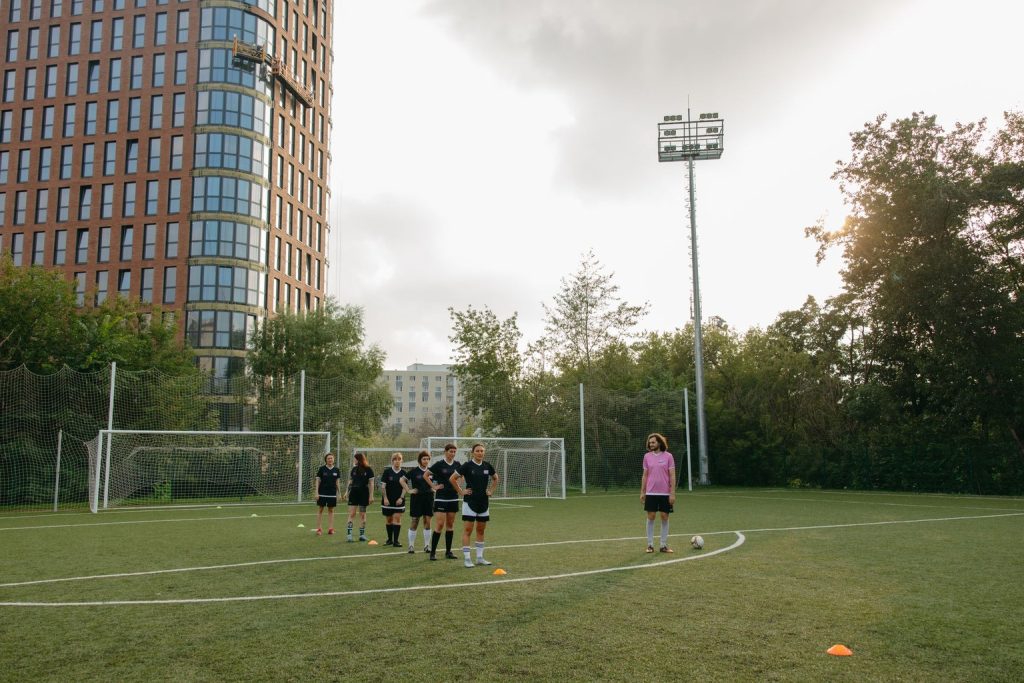
In the demanding world of women’s soccer in Washington state, the physical fitness test serves as a foundational checkpoint for players aiming to compete at various levels. Coaches and administrators within the Washington State Women’s Soccer Association understand that raw skill alone does not guarantee success on the pitch. The physical fitness test evaluates the body’s capacity to sustain high-intensity activity over 90 minutes, focusing on attributes such as aerobic capacity, explosive power, and muscular endurance. For a sport that requires constant movement, rapid direction changes, and physical duels, establishing clear standards ensures that every athlete possesses the baseline capability to perform safely and effectively. This process is not about exclusion but about creating a level playing field where development can thrive. By measuring these capacities early, coaching staff can tailor training programs to address specific gaps, helping players progress from youth leagues to collegiate competition. The goal is to build a culture where physical preparedness is valued as much as technical talent, fostering long-term athletic development across the state.
Components of the Washington Soccer Physical Fitness Test
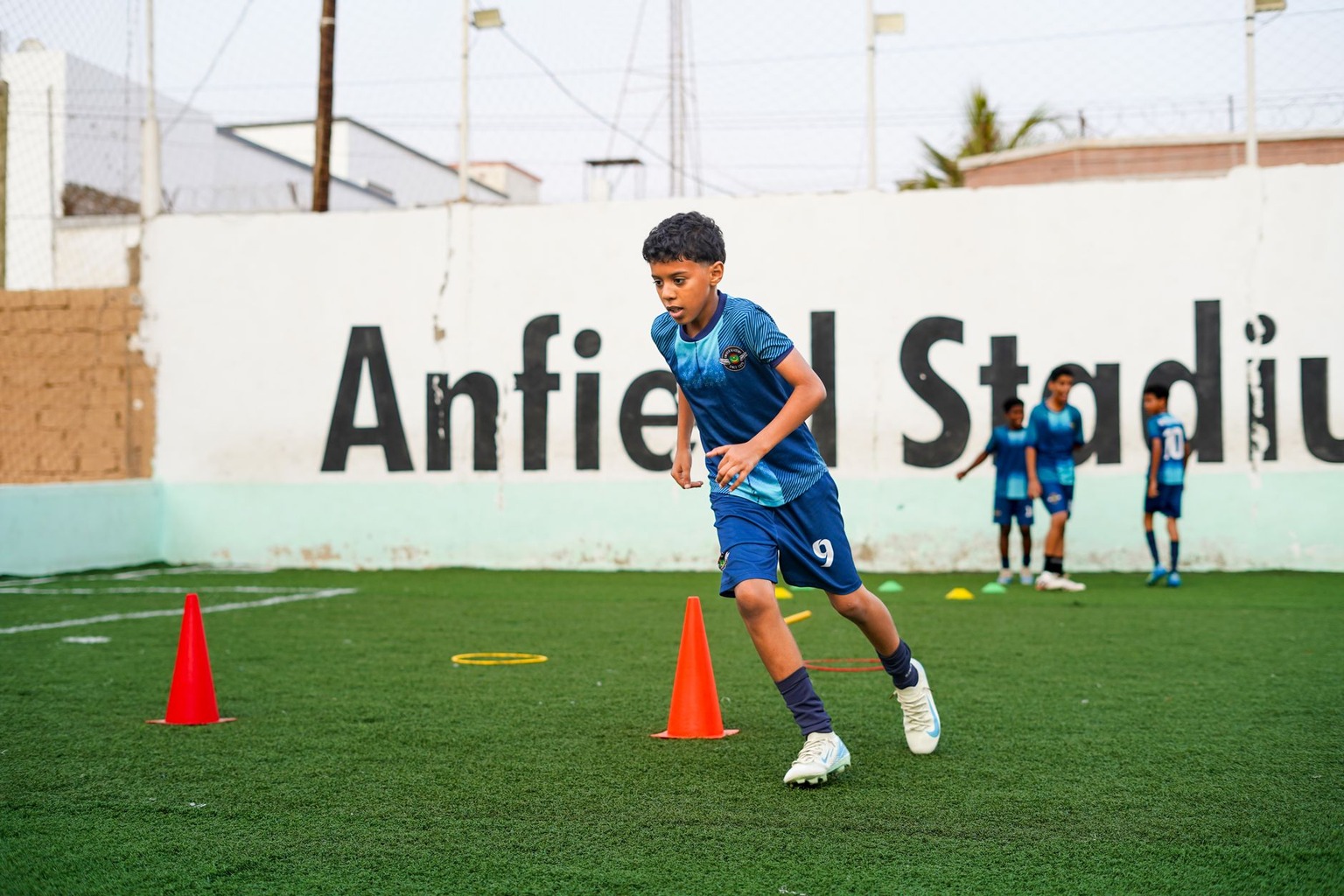
The physical fitness test used across Washington soccer programs typically mirrors the components found in established youth and collegiate athletic assessments, adapted specifically for the demands of the sport. A standard battery often includes a multi-stage shuttle run to measure cardiovascular endurance, commonly known as the beep test, where participants run back and forth between two lines set 20 meters apart in time to audio cues that progressively quicken. This specific measure of aerobic capacity is critical for soccer players who must maintain energy levels throughout a full match. In addition to the endurance component, the test frequently incorporates a sprint test over a short distance, such as 30 meters, to assess acceleration and pure speed. These short bursts of speed are essential for breaking away from defenders or chasing down a loose ball. Flexibility and core strength are often evaluated through standardized movements like the sit-and-reach test or a plank hold, ensuring players have the range of motion necessary to prevent injury and maintain stability during complex technical actions. By combining these diverse elements, the physical fitness test provides a comprehensive snapshot of an athlete’s physiological readiness.
Age-Specific Standards and Progression
One of the most important aspects of implementing a physical fitness test in Washington soccer is recognizing that standards must evolve as players mature. For young athletes in the U-12 and U-14 brackets, the focus is typically on developing fundamental movement patterns and establishing a base level of fitness rather than hitting elite performance metrics. At these ages, the test results are often used as diagnostic tools to identify players who may need additional support with basic coordination or strength, rather than as a cut-off point for team selection. As players progress into the U-16 and U-18 age groups, the benchmarks become more rigorous, reflecting the increased physical demands of competitive youth soccer. By the time a player reaches the collegiate level or senior amateur squads associated with the Washington State Women’s Soccer Association, the expectations for the physical fitness test align with higher performance thresholds. These standards often reference general guidelines used in collegiate athletics, emphasizing the ability to recover quickly between high-intensity efforts. This tiered approach ensures that players are challenged appropriately for their developmental stage, promoting continuous improvement without the risk of burnout or injury associated with unrealistic expectations for younger age groups.
Integration with Technical Training
The most effective soccer programs in Washington State view the physical fitness test not as a standalone event, but as an integral part of the overall training cycle. When the results of the physical fitness test are shared with coaching staff, they can directly influence the design of technical drills and tactical sessions. For instance, if the test data reveals that a particular player struggles with repeated sprint ability, the coach might integrate more high-intensity interval training into that player’s weekly schedule. Conversely, if a team as a whole shows excellent aerobic capacity but lacks lower-body power, training sessions might emphasize plyometric exercises and strength work. This data-driven approach allows for personalized development plans that address the specific needs of each athlete. Furthermore, integrating the physical fitness test results into pre-season planning helps set realistic goals for the upcoming season. It creates a feedback loop where performance on the pitch can be tracked against the baseline established during testing, allowing for adjustments to be made throughout the year to optimize player performance and minimize the risk of overuse injuries.
Prof. Anthony Reid: How to Pass the Beep Test – 20m Shuttle Run Advice and Success Video
The Role of Recovery and Injury Prevention
Physical fitness in soccer is not solely about how fast a player can run or how many sit-ups they can complete; it is equally about how the body handles stress and recovers. The physical fitness test standards for Washington soccer often place significant emphasis on recovery metrics, acknowledging that the ability to bounce back from exertion is what separates good players from great ones. Components such as flexibility, measured through range-of-motion tests, play a vital role in injury prevention. Soccer involves extreme ranges of motion, particularly in the hips and ankles, and limited flexibility can lead to common ailments like hamstring strains or ankle sprains. Additionally, the test may include assessments of core stability, which is essential for maintaining balance during physical contact and for executing powerful shots without compromising spinal health. By incorporating these elements, the testing protocol encourages a holistic view of athleticism. It reminds players and coaches that building a resilient body through proper stretching, nutrition, and rest is just as important as the active work done on the field. This focus on longevity ensures that players can sustain their participation in the sport they love for many years.
Testing Protocols and Administration
Administering a physical fitness test for a soccer team requires careful planning and standardized procedures to ensure the data collected is valid and useful. In Washington state, certified coaches or athletic trainers typically oversee the testing process, using calibrated equipment such as timing gates for sprint tests or marked cones for the shuttle run. The environment must be safe and consistent, with proper footwear and surface conditions considered to avoid skewed results. Before the test begins, a thorough warm-up is mandatory to prepare the muscles and reduce the risk of injury during the assessment itself. Players are usually instructed on the specific protocols for each component, ensuring everyone understands the expectations and techniques required to achieve their best result. The timing and recording of results are done meticulously, often using digital spreadsheets or specialized software to track individual and team progress over time. This professional approach to administration lends credibility to the results, making them a reliable basis for coaching decisions and player development plans.
Benchmarking Against Regional and National Standards
While local Washington soccer associations establish their own specific criteria, there is often a desire to benchmark these results against broader regional or national standards to provide context. The physical fitness test protocols used in Washington are frequently influenced by guidelines from national governing bodies for soccer, as well as general youth sports fitness assessments. This ensures that a player’s performance can be compared not just to their teammates, but to peers across the country who are playing the same position or in the same age group. Such benchmarking is valuable for identifying talent and setting goals, but it must be applied with caution. Experts recommend using these comparisons as motivational tools rather than strict pass/fail metrics, recognizing that physical development is highly individual. For the Washington State Women’s Soccer Association, aligning with these broader standards helps maintain the quality and competitiveness of the sport within the state, ensuring that local players are prepared for the challenges of higher levels of competition, whether that be collegiate soccer or professional pathways.

I’ve been passionate about women’s soccer in Washington ever since I first watched a local match in high school. Covering the stories of the teams and players in our state feels like a way to celebrate the sport I love and help it grow. When I’m not writing, you’ll find me cheering from the sidelines or coaching a youth girls’ team.