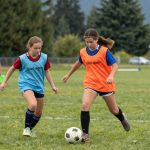

Despite these obstacles, several crucial milestones marked the progress of women’s soccer development in the region. The creation of dedicated association bodies provided a formal structure for organizing leagues and tournaments, fostering inclusivity and competitive opportunities for women. Community engagement and advocacy led to increased media coverage and sponsorships, which helped improve financial stability. Moreover, successful outreach programs encouraged youth participation, building a strong pipeline of talent.
These achievements not only validated the efforts of early advocates but also laid a solid foundation for continuous growth. Today, women’s soccer associations in Washington stand as a testament to resilience and determination, having transformed challenges into stepping stones for the sport’s evolution and recognition. The milestones reached have been pivotal in shaping a more equitable and vibrant soccer culture for women across the state.
Impact and Growth of Women’s Soccer Associations in Washington

The formation of women’s soccer associations in Washington has played a crucial role in the growth and development of the sport across the state. These associations have significantly contributed to the increased popularity and support for women’s soccer, providing much-needed structure and resources to young athletes interested in the game. By establishing organized leagues, training programs, and competitive opportunities, they have created an environment that fosters skill development and passion for soccer among women and girls.
One of the most notable impacts of these associations is their ability to elevate the visibility of women’s soccer. Through coordinated events, tournaments, and media outreach, they have succeeded in attracting attention not only from local communities but also from sponsors and national governing bodies. This heightened exposure has helped change perceptions about women’s sports, encouraging broader societal support and recognition for female athletes. As a result, more girls are motivated to participate in soccer, contributing to the sport’s overall growth in Washington.
Women’s soccer associations have also expanded opportunities by advocating for equitable access to facilities, funding, and coaching expertise. Their efforts have ensured that female players at all levels receive quality training and competition that rivals their male counterparts. These associations often collaborate with schools, clubs, and regional organizations to create pathways for players to advance to collegiate and professional levels. This commitment to advancement strengthens the entire soccer ecosystem in Washington and highlights the vital role associations play in women’s sports advancement.
Moreover, the association impact goes beyond just athletic progress; it fosters community development and empowerment. Many organizations focus on inclusivity and outreach, encouraging participation from diverse backgrounds and promoting teamwork, leadership, and confidence among players. This holistic approach has not only boosted the numbers in women’s soccer but also helped build lifelong skills that benefit participants both on and off the field. The continued growth of these associations promises a brighter future for women’s soccer in Washington, with expanding opportunities and growing appreciation for the sport.
Development Programs and Competitions
Under the women’s soccer associations in Washington, a variety of development programs have been established to nurture female soccer talent from an early age. These initiatives focus on skill-building, tactical understanding, and fostering a love for the game among young players. Specialized training camps and clinics are regularly organized, providing access to experienced coaches and professional training methods that aid in player growth and confidence.
Complementing these development efforts are structured women’s soccer competitions that offer opportunities for teams to engage in competitive play throughout the year. These competitions range from local tournaments to statewide championships, creating a vibrant competitive environment that challenges players to improve and excel. The associations also emphasize fair play and sportsmanship, ensuring a positive experience for all participants.
Youth leagues form a crucial part of this framework, providing regular league play for girls of different age groups and skill levels. These youth leagues are designed to be inclusive and accessible, encouraging maximum participation and helping to identify promising talent early on. By combining these development programs with competitive opportunities, the associations aim to create a sustainable pipeline for female soccer talent in Washington.
Community Engagement and Future Prospects
Women’s soccer associations in Washington have actively embraced community engagement as a cornerstone of their outreach efforts. Through regular soccer outreach programs, workshops, and local tournaments, these associations strive to connect with fans, players, and aspiring young athletes. Initiatives often include school visits, soccer clinics, and partnerships with local organizations to foster a love for the sport and encourage widespread participation. These programs not only build a supportive network around women’s soccer but also raise awareness of its value within the community.
Looking to the future, the associations are focused on expanding their reach and strengthening the infrastructure for women’s soccer across the state. Critical goals include enhancing youth development pathways, increasing media coverage, and securing sponsorships to ensure sustainable growth. Challenges remain, such as overcoming limited funding and addressing gaps in access for underrepresented groups. Despite these hurdles, the collective vision is to create an inclusive and thriving environment where women’s soccer can flourish at all levels, from grassroots to professional.
By maintaining a strong commitment to community engagement and continuing innovative soccer outreach, the future of women’s soccer in Washington looks promising. These associations are dedicated to empowering female athletes and building lasting support to ensure the sport’s development for generations to come.
Another key organization is the Seattle Women’s Soccer League (SWSL), initiated by a coalition of former players and coaches dedicated to creating competitive platforms for women of all ages. Founding members like Carla Thompson and Denise Lee were vital in structuring the league and ensuring it provided a supportive and inclusive environment. Their commitment inspired many young women to pursue soccer seriously.
These organizations flourished under the guidance of their leaders, blending volunteerism with professional management. Their efforts set the foundation for numerous tournaments, outreach programs, and development camps that continue to fuel the growth of women’s soccer in Washington. The collective work of these founding members has not only strengthened the local soccer community but also inspired future generations of players and leaders.
Challenges and Milestones in Establishment
The formation challenges faced during the establishment of women’s soccer associations in Washington were numerous and often daunting. Initially, social attitudes and limited funding posed significant barriers, as women’s sports were not widely recognized or supported. Many pioneers struggled to secure fields, equipment, and coaching resources, which hindered early development efforts. Additionally, there was resistance from established male-dominated soccer organizations, making it difficult to gain official recognition and legitimacy.
Despite these obstacles, several crucial milestones marked the progress of women’s soccer development in the region. The creation of dedicated association bodies provided a formal structure for organizing leagues and tournaments, fostering inclusivity and competitive opportunities for women. Community engagement and advocacy led to increased media coverage and sponsorships, which helped improve financial stability. Moreover, successful outreach programs encouraged youth participation, building a strong pipeline of talent.
These achievements not only validated the efforts of early advocates but also laid a solid foundation for continuous growth. Today, women’s soccer associations in Washington stand as a testament to resilience and determination, having transformed challenges into stepping stones for the sport’s evolution and recognition. The milestones reached have been pivotal in shaping a more equitable and vibrant soccer culture for women across the state.
Impact and Growth of Women’s Soccer Associations in Washington
The formation of women’s soccer associations in Washington has played a crucial role in the growth and development of the sport across the state. These associations have significantly contributed to the increased popularity and support for women’s soccer, providing much-needed structure and resources to young athletes interested in the game. By establishing organized leagues, training programs, and competitive opportunities, they have created an environment that fosters skill development and passion for soccer among women and girls.
One of the most notable impacts of these associations is their ability to elevate the visibility of women’s soccer. Through coordinated events, tournaments, and media outreach, they have succeeded in attracting attention not only from local communities but also from sponsors and national governing bodies. This heightened exposure has helped change perceptions about women’s sports, encouraging broader societal support and recognition for female athletes. As a result, more girls are motivated to participate in soccer, contributing to the sport’s overall growth in Washington.
Women’s soccer associations have also expanded opportunities by advocating for equitable access to facilities, funding, and coaching expertise. Their efforts have ensured that female players at all levels receive quality training and competition that rivals their male counterparts. These associations often collaborate with schools, clubs, and regional organizations to create pathways for players to advance to collegiate and professional levels. This commitment to advancement strengthens the entire soccer ecosystem in Washington and highlights the vital role associations play in women’s sports advancement.
Moreover, the association impact goes beyond just athletic progress; it fosters community development and empowerment. Many organizations focus on inclusivity and outreach, encouraging participation from diverse backgrounds and promoting teamwork, leadership, and confidence among players. This holistic approach has not only boosted the numbers in women’s soccer but also helped build lifelong skills that benefit participants both on and off the field. The continued growth of these associations promises a brighter future for women’s soccer in Washington, with expanding opportunities and growing appreciation for the sport.
Development Programs and Competitions
Under the women’s soccer associations in Washington, a variety of development programs have been established to nurture female soccer talent from an early age. These initiatives focus on skill-building, tactical understanding, and fostering a love for the game among young players. Specialized training camps and clinics are regularly organized, providing access to experienced coaches and professional training methods that aid in player growth and confidence.
Complementing these development efforts are structured women’s soccer competitions that offer opportunities for teams to engage in competitive play throughout the year. These competitions range from local tournaments to statewide championships, creating a vibrant competitive environment that challenges players to improve and excel. The associations also emphasize fair play and sportsmanship, ensuring a positive experience for all participants.
Youth leagues form a crucial part of this framework, providing regular league play for girls of different age groups and skill levels. These youth leagues are designed to be inclusive and accessible, encouraging maximum participation and helping to identify promising talent early on. By combining these development programs with competitive opportunities, the associations aim to create a sustainable pipeline for female soccer talent in Washington.
Community Engagement and Future Prospects
Women’s soccer associations in Washington have actively embraced community engagement as a cornerstone of their outreach efforts. Through regular soccer outreach programs, workshops, and local tournaments, these associations strive to connect with fans, players, and aspiring young athletes. Initiatives often include school visits, soccer clinics, and partnerships with local organizations to foster a love for the sport and encourage widespread participation. These programs not only build a supportive network around women’s soccer but also raise awareness of its value within the community.
Looking to the future, the associations are focused on expanding their reach and strengthening the infrastructure for women’s soccer across the state. Critical goals include enhancing youth development pathways, increasing media coverage, and securing sponsorships to ensure sustainable growth. Challenges remain, such as overcoming limited funding and addressing gaps in access for underrepresented groups. Despite these hurdles, the collective vision is to create an inclusive and thriving environment where women’s soccer can flourish at all levels, from grassroots to professional.
By maintaining a strong commitment to community engagement and continuing innovative soccer outreach, the future of women’s soccer in Washington looks promising. These associations are dedicated to empowering female athletes and building lasting support to ensure the sport’s development for generations to come.
Another key organization is the Seattle Women’s Soccer League (SWSL), initiated by a coalition of former players and coaches dedicated to creating competitive platforms for women of all ages. Founding members like Carla Thompson and Denise Lee were vital in structuring the league and ensuring it provided a supportive and inclusive environment. Their commitment inspired many young women to pursue soccer seriously.
These organizations flourished under the guidance of their leaders, blending volunteerism with professional management. Their efforts set the foundation for numerous tournaments, outreach programs, and development camps that continue to fuel the growth of women’s soccer in Washington. The collective work of these founding members has not only strengthened the local soccer community but also inspired future generations of players and leaders.
Challenges and Milestones in Establishment
The formation challenges faced during the establishment of women’s soccer associations in Washington were numerous and often daunting. Initially, social attitudes and limited funding posed significant barriers, as women’s sports were not widely recognized or supported. Many pioneers struggled to secure fields, equipment, and coaching resources, which hindered early development efforts. Additionally, there was resistance from established male-dominated soccer organizations, making it difficult to gain official recognition and legitimacy.
Despite these obstacles, several crucial milestones marked the progress of women’s soccer development in the region. The creation of dedicated association bodies provided a formal structure for organizing leagues and tournaments, fostering inclusivity and competitive opportunities for women. Community engagement and advocacy led to increased media coverage and sponsorships, which helped improve financial stability. Moreover, successful outreach programs encouraged youth participation, building a strong pipeline of talent.
These achievements not only validated the efforts of early advocates but also laid a solid foundation for continuous growth. Today, women’s soccer associations in Washington stand as a testament to resilience and determination, having transformed challenges into stepping stones for the sport’s evolution and recognition. The milestones reached have been pivotal in shaping a more equitable and vibrant soccer culture for women across the state.
Impact and Growth of Women’s Soccer Associations in Washington
The formation of women’s soccer associations in Washington has played a crucial role in the growth and development of the sport across the state. These associations have significantly contributed to the increased popularity and support for women’s soccer, providing much-needed structure and resources to young athletes interested in the game. By establishing organized leagues, training programs, and competitive opportunities, they have created an environment that fosters skill development and passion for soccer among women and girls.
One of the most notable impacts of these associations is their ability to elevate the visibility of women’s soccer. Through coordinated events, tournaments, and media outreach, they have succeeded in attracting attention not only from local communities but also from sponsors and national governing bodies. This heightened exposure has helped change perceptions about women’s sports, encouraging broader societal support and recognition for female athletes. As a result, more girls are motivated to participate in soccer, contributing to the sport’s overall growth in Washington.
Women’s soccer associations have also expanded opportunities by advocating for equitable access to facilities, funding, and coaching expertise. Their efforts have ensured that female players at all levels receive quality training and competition that rivals their male counterparts. These associations often collaborate with schools, clubs, and regional organizations to create pathways for players to advance to collegiate and professional levels. This commitment to advancement strengthens the entire soccer ecosystem in Washington and highlights the vital role associations play in women’s sports advancement.
Moreover, the association impact goes beyond just athletic progress; it fosters community development and empowerment. Many organizations focus on inclusivity and outreach, encouraging participation from diverse backgrounds and promoting teamwork, leadership, and confidence among players. This holistic approach has not only boosted the numbers in women’s soccer but also helped build lifelong skills that benefit participants both on and off the field. The continued growth of these associations promises a brighter future for women’s soccer in Washington, with expanding opportunities and growing appreciation for the sport.
Development Programs and Competitions
Under the women’s soccer associations in Washington, a variety of development programs have been established to nurture female soccer talent from an early age. These initiatives focus on skill-building, tactical understanding, and fostering a love for the game among young players. Specialized training camps and clinics are regularly organized, providing access to experienced coaches and professional training methods that aid in player growth and confidence.
Complementing these development efforts are structured women’s soccer competitions that offer opportunities for teams to engage in competitive play throughout the year. These competitions range from local tournaments to statewide championships, creating a vibrant competitive environment that challenges players to improve and excel. The associations also emphasize fair play and sportsmanship, ensuring a positive experience for all participants.
Youth leagues form a crucial part of this framework, providing regular league play for girls of different age groups and skill levels. These youth leagues are designed to be inclusive and accessible, encouraging maximum participation and helping to identify promising talent early on. By combining these development programs with competitive opportunities, the associations aim to create a sustainable pipeline for female soccer talent in Washington.
Community Engagement and Future Prospects
Women’s soccer associations in Washington have actively embraced community engagement as a cornerstone of their outreach efforts. Through regular soccer outreach programs, workshops, and local tournaments, these associations strive to connect with fans, players, and aspiring young athletes. Initiatives often include school visits, soccer clinics, and partnerships with local organizations to foster a love for the sport and encourage widespread participation. These programs not only build a supportive network around women’s soccer but also raise awareness of its value within the community.
Looking to the future, the associations are focused on expanding their reach and strengthening the infrastructure for women’s soccer across the state. Critical goals include enhancing youth development pathways, increasing media coverage, and securing sponsorships to ensure sustainable growth. Challenges remain, such as overcoming limited funding and addressing gaps in access for underrepresented groups. Despite these hurdles, the collective vision is to create an inclusive and thriving environment where women’s soccer can flourish at all levels, from grassroots to professional.
By maintaining a strong commitment to community engagement and continuing innovative soccer outreach, the future of women’s soccer in Washington looks promising. These associations are dedicated to empowering female athletes and building lasting support to ensure the sport’s development for generations to come.
Historical Background of Women’s Soccer in Washington
The history of women’s soccer in Washington traces back to the early 20th century, long before the establishment of formal associations. During this period, the sport began to gain traction as women in various communities expressed their growing interest and enthusiasm for soccer. The origins of women’s soccer in Washington state are deeply linked to grassroots movements where informal teams and clubs were formed, often for recreation and social gathering rather than competition.
In these early days, opportunities for women to play soccer were sporadic and largely unsupported by formal sports organizations. However, persistent interest and passion for the game paved the way for more structured forms of participation. Women’s soccer history in Washington is marked by a gradual but steady rise in visibility and engagement, with matches often organized in local parks, schools, and community centers. Despite facing societal constraints and limited resources, these pioneers laid the foundation for the sport’s growth.
Washington’s soccer origins in the women’s game involved a mixture of informal leagues and friendly matches. These gatherings helped build a sense of community around the sport and created a network of players committed to its advancement. Local newspapers occasionally highlighted games and events, which helped spur more interest and encourage younger generations of female athletes to take up soccer. This period is crucial for understanding the cultural and social dynamics that influenced the eventual formalization of women’s soccer organizations.
By the mid-20th century, early women’s soccer teams in Washington began to attract attention beyond just local participants, setting the stage for organized competition. These developments were key milestones in women’s soccer history as they demonstrated the viability and appeal of the sport for women at a time when other athletic opportunities were limited. The early women’s soccer movement in Washington set a precedent for future generations and contributed to the broader national movement advocating for women’s sports equity and organization.
In summary, the early development of women’s soccer in Washington was characterized by a grassroots spirit and gradual institutional interest. These origins highlight the resilience and dedication of female soccer players who, despite challenges, fostered a growing soccer culture that would eventually lead to the creation of formal women’s soccer associations in the state.
Early Influences and Pioneers
The foundation of women’s soccer associations in Washington was significantly shaped by key soccer pioneers and early players whose passion and dedication laid the groundwork for what would become a thriving sports community. These pioneering women not only competed on the field but also challenged societal norms, helping to open doors for future generations in women’s sports history. Their efforts were instrumental in fostering a spirit of camaraderie and competitive excellence within the region.
Social influences during the early days of women’s soccer in Washington included broader movements advocating for gender equality and increased opportunities for women in athletics. Schools and local communities began to recognize the value of organized women’s sports, inspiring more young women to participate in soccer. This evolving cultural landscape helped transform perceptions of women athletes, paving the way for more formalized soccer associations to emerge.
Notable individuals, including coaches, organizers, and standout players, played crucial roles by mentoring younger athletes and advocating for resources and recognition. Their leadership helped build organized leagues, promote skills development, and foster an inclusive environment. Collectively, these early contributors created a legacy that has continued to support and grow women’s soccer throughout Washington, marking important milestones in the history of women’s sports.
Soccer Culture and Community Prior to Associations
Before formal women’s soccer associations were established in Washington, the soccer culture was deeply rooted in grassroots and community-driven efforts. Community soccer served as the backbone of these early initiatives, providing women and girls with opportunities to engage in the sport despite limited resources and infrastructure. Local neighborhoods and schools often organized informal matches and practices, creating a strong sense of camaraderie and shared passion for soccer.
Women’s soccer clubs began to emerge organically within these communities, driven by volunteers and enthusiasts who believed in promoting the game at the local level. These clubs were more than just teams; they were support networks that fostered skill development and encouraged participation from diverse backgrounds. Through community soccer events and grassroots soccer programs, players honed their abilities and developed a competitive spirit that laid the foundation for more structured and recognized organizations.
The collective efforts of these grassroots initiatives demonstrated the widespread interest and potential for women’s soccer in Washington, highlighting the need for formal associations to provide official platforms and resources. This strong community involvement was crucial in transforming women’s soccer from casual recreational play into organized, competitive leagues that could sustain and grow the sport across the state.
Formation of Women’s Soccer Associations in Washington

The formation of women’s soccer associations in Washington is a story marked by dedication, community spirit, and the drive to create equitable opportunities for female athletes. This process formally began in the late 20th century, with the increasing popularity of soccer among women and girls in the region sparking the need for organized structures to support their burgeoning passion for the sport.
The timeline of the formation process includes several key milestones. Initial informal gatherings and local club teams paved the way during the 1970s and 1980s, setting the grassroots foundation. The first official women’s soccer associations in Washington were established in the early 1990s, a period which saw the consolidation of numerous local teams under more structured organizations. These associations aimed to regulate competitions, train coaches, and provide opportunities for development at all levels.
Key figures in the formation of women’s soccer associations were often community leaders, passionate coaches, and former players who recognized the importance of formal support systems. Notable individuals such as Nancy Wilson and Diane Roberts were instrumental in advocating for the creation of statewide organizations. Their efforts involved coordinating with schools, local governments, and national soccer federations to set standards and gain recognition for women’s soccer in Washington.
The motivations behind establishing these associations were multifaceted. At their core was the desire to promote gender equality in sports at a time when women’s athletics were significantly underrepresented. Organizers sought to create safe, competitive environments where female players could gain skills, receive mentorship, and participate in tournaments that were previously unavailable to them. Additionally, these associations aimed to foster community engagement and develop talent that could ascend to collegiate and national levels.
Washington soccer organizations dedicated to women’s soccer have since grown exponentially, bolstered by these early efforts. The structured governance provided by the women’s soccer associations has played a critical role in increasing participation rates, improving the quality of coaching, and promoting awareness of women’s sports across the state.
In summary, the formation process of women’s soccer associations in Washington highlights a timeline of steady progress, driven by influential leaders and fueled by a commitment to empowering female athletes. These organizations remain vital today as champions of women’s soccer and continue to build on the legacy established during their inception.
Key Organizations and Their Founding Members
Washington has been home to several pivotal women’s soccer organizations that have played critical roles in advancing the sport. One of the most influential is the Washington State Women’s Soccer Association (WSWSA), founded by a passionate group of association leaders committed to promoting women’s soccer across the state. These founding members included trailblazers such as Mary Fleming, who championed equal opportunities for female athletes, and Linda Garcia, whose leadership helped establish statewide youth soccer leagues specifically for girls.
Another key organization is the Seattle Women’s Soccer League (SWSL), initiated by a coalition of former players and coaches dedicated to creating competitive platforms for women of all ages. Founding members like Carla Thompson and Denise Lee were vital in structuring the league and ensuring it provided a supportive and inclusive environment. Their commitment inspired many young women to pursue soccer seriously.
These organizations flourished under the guidance of their leaders, blending volunteerism with professional management. Their efforts set the foundation for numerous tournaments, outreach programs, and development camps that continue to fuel the growth of women’s soccer in Washington. The collective work of these founding members has not only strengthened the local soccer community but also inspired future generations of players and leaders.
Challenges and Milestones in Establishment
The formation challenges faced during the establishment of women’s soccer associations in Washington were numerous and often daunting. Initially, social attitudes and limited funding posed significant barriers, as women’s sports were not widely recognized or supported. Many pioneers struggled to secure fields, equipment, and coaching resources, which hindered early development efforts. Additionally, there was resistance from established male-dominated soccer organizations, making it difficult to gain official recognition and legitimacy.
Despite these obstacles, several crucial milestones marked the progress of women’s soccer development in the region. The creation of dedicated association bodies provided a formal structure for organizing leagues and tournaments, fostering inclusivity and competitive opportunities for women. Community engagement and advocacy led to increased media coverage and sponsorships, which helped improve financial stability. Moreover, successful outreach programs encouraged youth participation, building a strong pipeline of talent.
These achievements not only validated the efforts of early advocates but also laid a solid foundation for continuous growth. Today, women’s soccer associations in Washington stand as a testament to resilience and determination, having transformed challenges into stepping stones for the sport’s evolution and recognition. The milestones reached have been pivotal in shaping a more equitable and vibrant soccer culture for women across the state.
Impact and Growth of Women’s Soccer Associations in Washington
The formation of women’s soccer associations in Washington has played a crucial role in the growth and development of the sport across the state. These associations have significantly contributed to the increased popularity and support for women’s soccer, providing much-needed structure and resources to young athletes interested in the game. By establishing organized leagues, training programs, and competitive opportunities, they have created an environment that fosters skill development and passion for soccer among women and girls.
One of the most notable impacts of these associations is their ability to elevate the visibility of women’s soccer. Through coordinated events, tournaments, and media outreach, they have succeeded in attracting attention not only from local communities but also from sponsors and national governing bodies. This heightened exposure has helped change perceptions about women’s sports, encouraging broader societal support and recognition for female athletes. As a result, more girls are motivated to participate in soccer, contributing to the sport’s overall growth in Washington.
Women’s soccer associations have also expanded opportunities by advocating for equitable access to facilities, funding, and coaching expertise. Their efforts have ensured that female players at all levels receive quality training and competition that rivals their male counterparts. These associations often collaborate with schools, clubs, and regional organizations to create pathways for players to advance to collegiate and professional levels. This commitment to advancement strengthens the entire soccer ecosystem in Washington and highlights the vital role associations play in women’s sports advancement.
Moreover, the association impact goes beyond just athletic progress; it fosters community development and empowerment. Many organizations focus on inclusivity and outreach, encouraging participation from diverse backgrounds and promoting teamwork, leadership, and confidence among players. This holistic approach has not only boosted the numbers in women’s soccer but also helped build lifelong skills that benefit participants both on and off the field. The continued growth of these associations promises a brighter future for women’s soccer in Washington, with expanding opportunities and growing appreciation for the sport.
Development Programs and Competitions
Under the women’s soccer associations in Washington, a variety of development programs have been established to nurture female soccer talent from an early age. These initiatives focus on skill-building, tactical understanding, and fostering a love for the game among young players. Specialized training camps and clinics are regularly organized, providing access to experienced coaches and professional training methods that aid in player growth and confidence.
Complementing these development efforts are structured women’s soccer competitions that offer opportunities for teams to engage in competitive play throughout the year. These competitions range from local tournaments to statewide championships, creating a vibrant competitive environment that challenges players to improve and excel. The associations also emphasize fair play and sportsmanship, ensuring a positive experience for all participants.
Youth leagues form a crucial part of this framework, providing regular league play for girls of different age groups and skill levels. These youth leagues are designed to be inclusive and accessible, encouraging maximum participation and helping to identify promising talent early on. By combining these development programs with competitive opportunities, the associations aim to create a sustainable pipeline for female soccer talent in Washington.
Community Engagement and Future Prospects
Women’s soccer associations in Washington have actively embraced community engagement as a cornerstone of their outreach efforts. Through regular soccer outreach programs, workshops, and local tournaments, these associations strive to connect with fans, players, and aspiring young athletes. Initiatives often include school visits, soccer clinics, and partnerships with local organizations to foster a love for the sport and encourage widespread participation. These programs not only build a supportive network around women’s soccer but also raise awareness of its value within the community.
Looking to the future, the associations are focused on expanding their reach and strengthening the infrastructure for women’s soccer across the state. Critical goals include enhancing youth development pathways, increasing media coverage, and securing sponsorships to ensure sustainable growth. Challenges remain, such as overcoming limited funding and addressing gaps in access for underrepresented groups. Despite these hurdles, the collective vision is to create an inclusive and thriving environment where women’s soccer can flourish at all levels, from grassroots to professional.
By maintaining a strong commitment to community engagement and continuing innovative soccer outreach, the future of women’s soccer in Washington looks promising. These associations are dedicated to empowering female athletes and building lasting support to ensure the sport’s development for generations to come.
Another key organization is the Seattle Women’s Soccer League (SWSL), initiated by a coalition of former players and coaches dedicated to creating competitive platforms for women of all ages. Founding members like Carla Thompson and Denise Lee were vital in structuring the league and ensuring it provided a supportive and inclusive environment. Their commitment inspired many young women to pursue soccer seriously.
These organizations flourished under the guidance of their leaders, blending volunteerism with professional management. Their efforts set the foundation for numerous tournaments, outreach programs, and development camps that continue to fuel the growth of women’s soccer in Washington. The collective work of these founding members has not only strengthened the local soccer community but also inspired future generations of players and leaders.
Challenges and Milestones in Establishment
The formation challenges faced during the establishment of women’s soccer associations in Washington were numerous and often daunting. Initially, social attitudes and limited funding posed significant barriers, as women’s sports were not widely recognized or supported. Many pioneers struggled to secure fields, equipment, and coaching resources, which hindered early development efforts. Additionally, there was resistance from established male-dominated soccer organizations, making it difficult to gain official recognition and legitimacy.
Despite these obstacles, several crucial milestones marked the progress of women’s soccer development in the region. The creation of dedicated association bodies provided a formal structure for organizing leagues and tournaments, fostering inclusivity and competitive opportunities for women. Community engagement and advocacy led to increased media coverage and sponsorships, which helped improve financial stability. Moreover, successful outreach programs encouraged youth participation, building a strong pipeline of talent.
These achievements not only validated the efforts of early advocates but also laid a solid foundation for continuous growth. Today, women’s soccer associations in Washington stand as a testament to resilience and determination, having transformed challenges into stepping stones for the sport’s evolution and recognition. The milestones reached have been pivotal in shaping a more equitable and vibrant soccer culture for women across the state.
Impact and Growth of Women’s Soccer Associations in Washington
The formation of women’s soccer associations in Washington has played a crucial role in the growth and development of the sport across the state. These associations have significantly contributed to the increased popularity and support for women’s soccer, providing much-needed structure and resources to young athletes interested in the game. By establishing organized leagues, training programs, and competitive opportunities, they have created an environment that fosters skill development and passion for soccer among women and girls.
One of the most notable impacts of these associations is their ability to elevate the visibility of women’s soccer. Through coordinated events, tournaments, and media outreach, they have succeeded in attracting attention not only from local communities but also from sponsors and national governing bodies. This heightened exposure has helped change perceptions about women’s sports, encouraging broader societal support and recognition for female athletes. As a result, more girls are motivated to participate in soccer, contributing to the sport’s overall growth in Washington.
Women’s soccer associations have also expanded opportunities by advocating for equitable access to facilities, funding, and coaching expertise. Their efforts have ensured that female players at all levels receive quality training and competition that rivals their male counterparts. These associations often collaborate with schools, clubs, and regional organizations to create pathways for players to advance to collegiate and professional levels. This commitment to advancement strengthens the entire soccer ecosystem in Washington and highlights the vital role associations play in women’s sports advancement.
Moreover, the association impact goes beyond just athletic progress; it fosters community development and empowerment. Many organizations focus on inclusivity and outreach, encouraging participation from diverse backgrounds and promoting teamwork, leadership, and confidence among players. This holistic approach has not only boosted the numbers in women’s soccer but also helped build lifelong skills that benefit participants both on and off the field. The continued growth of these associations promises a brighter future for women’s soccer in Washington, with expanding opportunities and growing appreciation for the sport.
Development Programs and Competitions
Under the women’s soccer associations in Washington, a variety of development programs have been established to nurture female soccer talent from an early age. These initiatives focus on skill-building, tactical understanding, and fostering a love for the game among young players. Specialized training camps and clinics are regularly organized, providing access to experienced coaches and professional training methods that aid in player growth and confidence.
Complementing these development efforts are structured women’s soccer competitions that offer opportunities for teams to engage in competitive play throughout the year. These competitions range from local tournaments to statewide championships, creating a vibrant competitive environment that challenges players to improve and excel. The associations also emphasize fair play and sportsmanship, ensuring a positive experience for all participants.
Youth leagues form a crucial part of this framework, providing regular league play for girls of different age groups and skill levels. These youth leagues are designed to be inclusive and accessible, encouraging maximum participation and helping to identify promising talent early on. By combining these development programs with competitive opportunities, the associations aim to create a sustainable pipeline for female soccer talent in Washington.
Community Engagement and Future Prospects
Women’s soccer associations in Washington have actively embraced community engagement as a cornerstone of their outreach efforts. Through regular soccer outreach programs, workshops, and local tournaments, these associations strive to connect with fans, players, and aspiring young athletes. Initiatives often include school visits, soccer clinics, and partnerships with local organizations to foster a love for the sport and encourage widespread participation. These programs not only build a supportive network around women’s soccer but also raise awareness of its value within the community.
Looking to the future, the associations are focused on expanding their reach and strengthening the infrastructure for women’s soccer across the state. Critical goals include enhancing youth development pathways, increasing media coverage, and securing sponsorships to ensure sustainable growth. Challenges remain, such as overcoming limited funding and addressing gaps in access for underrepresented groups. Despite these hurdles, the collective vision is to create an inclusive and thriving environment where women’s soccer can flourish at all levels, from grassroots to professional.
By maintaining a strong commitment to community engagement and continuing innovative soccer outreach, the future of women’s soccer in Washington looks promising. These associations are dedicated to empowering female athletes and building lasting support to ensure the sport’s development for generations to come.
Historical Background of Women’s Soccer in Washington
The history of women’s soccer in Washington traces back to the early 20th century, long before the establishment of formal associations. During this period, the sport began to gain traction as women in various communities expressed their growing interest and enthusiasm for soccer. The origins of women’s soccer in Washington state are deeply linked to grassroots movements where informal teams and clubs were formed, often for recreation and social gathering rather than competition.
In these early days, opportunities for women to play soccer were sporadic and largely unsupported by formal sports organizations. However, persistent interest and passion for the game paved the way for more structured forms of participation. Women’s soccer history in Washington is marked by a gradual but steady rise in visibility and engagement, with matches often organized in local parks, schools, and community centers. Despite facing societal constraints and limited resources, these pioneers laid the foundation for the sport’s growth.
Washington’s soccer origins in the women’s game involved a mixture of informal leagues and friendly matches. These gatherings helped build a sense of community around the sport and created a network of players committed to its advancement. Local newspapers occasionally highlighted games and events, which helped spur more interest and encourage younger generations of female athletes to take up soccer. This period is crucial for understanding the cultural and social dynamics that influenced the eventual formalization of women’s soccer organizations.
By the mid-20th century, early women’s soccer teams in Washington began to attract attention beyond just local participants, setting the stage for organized competition. These developments were key milestones in women’s soccer history as they demonstrated the viability and appeal of the sport for women at a time when other athletic opportunities were limited. The early women’s soccer movement in Washington set a precedent for future generations and contributed to the broader national movement advocating for women’s sports equity and organization.
In summary, the early development of women’s soccer in Washington was characterized by a grassroots spirit and gradual institutional interest. These origins highlight the resilience and dedication of female soccer players who, despite challenges, fostered a growing soccer culture that would eventually lead to the creation of formal women’s soccer associations in the state.
Early Influences and Pioneers
The foundation of women’s soccer associations in Washington was significantly shaped by key soccer pioneers and early players whose passion and dedication laid the groundwork for what would become a thriving sports community. These pioneering women not only competed on the field but also challenged societal norms, helping to open doors for future generations in women’s sports history. Their efforts were instrumental in fostering a spirit of camaraderie and competitive excellence within the region.
Social influences during the early days of women’s soccer in Washington included broader movements advocating for gender equality and increased opportunities for women in athletics. Schools and local communities began to recognize the value of organized women’s sports, inspiring more young women to participate in soccer. This evolving cultural landscape helped transform perceptions of women athletes, paving the way for more formalized soccer associations to emerge.
Notable individuals, including coaches, organizers, and standout players, played crucial roles by mentoring younger athletes and advocating for resources and recognition. Their leadership helped build organized leagues, promote skills development, and foster an inclusive environment. Collectively, these early contributors created a legacy that has continued to support and grow women’s soccer throughout Washington, marking important milestones in the history of women’s sports.
Soccer Culture and Community Prior to Associations
Before formal women’s soccer associations were established in Washington, the soccer culture was deeply rooted in grassroots and community-driven efforts. Community soccer served as the backbone of these early initiatives, providing women and girls with opportunities to engage in the sport despite limited resources and infrastructure. Local neighborhoods and schools often organized informal matches and practices, creating a strong sense of camaraderie and shared passion for soccer.
Women’s soccer clubs began to emerge organically within these communities, driven by volunteers and enthusiasts who believed in promoting the game at the local level. These clubs were more than just teams; they were support networks that fostered skill development and encouraged participation from diverse backgrounds. Through community soccer events and grassroots soccer programs, players honed their abilities and developed a competitive spirit that laid the foundation for more structured and recognized organizations.
The collective efforts of these grassroots initiatives demonstrated the widespread interest and potential for women’s soccer in Washington, highlighting the need for formal associations to provide official platforms and resources. This strong community involvement was crucial in transforming women’s soccer from casual recreational play into organized, competitive leagues that could sustain and grow the sport across the state.
Formation of Women’s Soccer Associations in Washington
The formation of women’s soccer associations in Washington is a story marked by dedication, community spirit, and the drive to create equitable opportunities for female athletes. This process formally began in the late 20th century, with the increasing popularity of soccer among women and girls in the region sparking the need for organized structures to support their burgeoning passion for the sport.
The timeline of the formation process includes several key milestones. Initial informal gatherings and local club teams paved the way during the 1970s and 1980s, setting the grassroots foundation. The first official women’s soccer associations in Washington were established in the early 1990s, a period which saw the consolidation of numerous local teams under more structured organizations. These associations aimed to regulate competitions, train coaches, and provide opportunities for development at all levels.
Key figures in the formation of women’s soccer associations were often community leaders, passionate coaches, and former players who recognized the importance of formal support systems. Notable individuals such as Nancy Wilson and Diane Roberts were instrumental in advocating for the creation of statewide organizations. Their efforts involved coordinating with schools, local governments, and national soccer federations to set standards and gain recognition for women’s soccer in Washington.
The motivations behind establishing these associations were multifaceted. At their core was the desire to promote gender equality in sports at a time when women’s athletics were significantly underrepresented. Organizers sought to create safe, competitive environments where female players could gain skills, receive mentorship, and participate in tournaments that were previously unavailable to them. Additionally, these associations aimed to foster community engagement and develop talent that could ascend to collegiate and national levels.
Washington soccer organizations dedicated to women’s soccer have since grown exponentially, bolstered by these early efforts. The structured governance provided by the women’s soccer associations has played a critical role in increasing participation rates, improving the quality of coaching, and promoting awareness of women’s sports across the state.
In summary, the formation process of women’s soccer associations in Washington highlights a timeline of steady progress, driven by influential leaders and fueled by a commitment to empowering female athletes. These organizations remain vital today as champions of women’s soccer and continue to build on the legacy established during their inception.
Key Organizations and Their Founding Members
Washington has been home to several pivotal women’s soccer organizations that have played critical roles in advancing the sport. One of the most influential is the Washington State Women’s Soccer Association (WSWSA), founded by a passionate group of association leaders committed to promoting women’s soccer across the state. These founding members included trailblazers such as Mary Fleming, who championed equal opportunities for female athletes, and Linda Garcia, whose leadership helped establish statewide youth soccer leagues specifically for girls.
Another key organization is the Seattle Women’s Soccer League (SWSL), initiated by a coalition of former players and coaches dedicated to creating competitive platforms for women of all ages. Founding members like Carla Thompson and Denise Lee were vital in structuring the league and ensuring it provided a supportive and inclusive environment. Their commitment inspired many young women to pursue soccer seriously.
These organizations flourished under the guidance of their leaders, blending volunteerism with professional management. Their efforts set the foundation for numerous tournaments, outreach programs, and development camps that continue to fuel the growth of women’s soccer in Washington. The collective work of these founding members has not only strengthened the local soccer community but also inspired future generations of players and leaders.
Challenges and Milestones in Establishment
The formation challenges faced during the establishment of women’s soccer associations in Washington were numerous and often daunting. Initially, social attitudes and limited funding posed significant barriers, as women’s sports were not widely recognized or supported. Many pioneers struggled to secure fields, equipment, and coaching resources, which hindered early development efforts. Additionally, there was resistance from established male-dominated soccer organizations, making it difficult to gain official recognition and legitimacy.
Despite these obstacles, several crucial milestones marked the progress of women’s soccer development in the region. The creation of dedicated association bodies provided a formal structure for organizing leagues and tournaments, fostering inclusivity and competitive opportunities for women. Community engagement and advocacy led to increased media coverage and sponsorships, which helped improve financial stability. Moreover, successful outreach programs encouraged youth participation, building a strong pipeline of talent.
These achievements not only validated the efforts of early advocates but also laid a solid foundation for continuous growth. Today, women’s soccer associations in Washington stand as a testament to resilience and determination, having transformed challenges into stepping stones for the sport’s evolution and recognition. The milestones reached have been pivotal in shaping a more equitable and vibrant soccer culture for women across the state.
Impact and Growth of Women’s Soccer Associations in Washington
The formation of women’s soccer associations in Washington has played a crucial role in the growth and development of the sport across the state. These associations have significantly contributed to the increased popularity and support for women’s soccer, providing much-needed structure and resources to young athletes interested in the game. By establishing organized leagues, training programs, and competitive opportunities, they have created an environment that fosters skill development and passion for soccer among women and girls.
One of the most notable impacts of these associations is their ability to elevate the visibility of women’s soccer. Through coordinated events, tournaments, and media outreach, they have succeeded in attracting attention not only from local communities but also from sponsors and national governing bodies. This heightened exposure has helped change perceptions about women’s sports, encouraging broader societal support and recognition for female athletes. As a result, more girls are motivated to participate in soccer, contributing to the sport’s overall growth in Washington.
Women’s soccer associations have also expanded opportunities by advocating for equitable access to facilities, funding, and coaching expertise. Their efforts have ensured that female players at all levels receive quality training and competition that rivals their male counterparts. These associations often collaborate with schools, clubs, and regional organizations to create pathways for players to advance to collegiate and professional levels. This commitment to advancement strengthens the entire soccer ecosystem in Washington and highlights the vital role associations play in women’s sports advancement.
Moreover, the association impact goes beyond just athletic progress; it fosters community development and empowerment. Many organizations focus on inclusivity and outreach, encouraging participation from diverse backgrounds and promoting teamwork, leadership, and confidence among players. This holistic approach has not only boosted the numbers in women’s soccer but also helped build lifelong skills that benefit participants both on and off the field. The continued growth of these associations promises a brighter future for women’s soccer in Washington, with expanding opportunities and growing appreciation for the sport.
Development Programs and Competitions
Under the women’s soccer associations in Washington, a variety of development programs have been established to nurture female soccer talent from an early age. These initiatives focus on skill-building, tactical understanding, and fostering a love for the game among young players. Specialized training camps and clinics are regularly organized, providing access to experienced coaches and professional training methods that aid in player growth and confidence.
Complementing these development efforts are structured women’s soccer competitions that offer opportunities for teams to engage in competitive play throughout the year. These competitions range from local tournaments to statewide championships, creating a vibrant competitive environment that challenges players to improve and excel. The associations also emphasize fair play and sportsmanship, ensuring a positive experience for all participants.
Youth leagues form a crucial part of this framework, providing regular league play for girls of different age groups and skill levels. These youth leagues are designed to be inclusive and accessible, encouraging maximum participation and helping to identify promising talent early on. By combining these development programs with competitive opportunities, the associations aim to create a sustainable pipeline for female soccer talent in Washington.
Community Engagement and Future Prospects
Women’s soccer associations in Washington have actively embraced community engagement as a cornerstone of their outreach efforts. Through regular soccer outreach programs, workshops, and local tournaments, these associations strive to connect with fans, players, and aspiring young athletes. Initiatives often include school visits, soccer clinics, and partnerships with local organizations to foster a love for the sport and encourage widespread participation. These programs not only build a supportive network around women’s soccer but also raise awareness of its value within the community.
Looking to the future, the associations are focused on expanding their reach and strengthening the infrastructure for women’s soccer across the state. Critical goals include enhancing youth development pathways, increasing media coverage, and securing sponsorships to ensure sustainable growth. Challenges remain, such as overcoming limited funding and addressing gaps in access for underrepresented groups. Despite these hurdles, the collective vision is to create an inclusive and thriving environment where women’s soccer can flourish at all levels, from grassroots to professional.
By maintaining a strong commitment to community engagement and continuing innovative soccer outreach, the future of women’s soccer in Washington looks promising. These associations are dedicated to empowering female athletes and building lasting support to ensure the sport’s development for generations to come.
Another key organization is the Seattle Women’s Soccer League (SWSL), initiated by a coalition of former players and coaches dedicated to creating competitive platforms for women of all ages. Founding members like Carla Thompson and Denise Lee were vital in structuring the league and ensuring it provided a supportive and inclusive environment. Their commitment inspired many young women to pursue soccer seriously.
These organizations flourished under the guidance of their leaders, blending volunteerism with professional management. Their efforts set the foundation for numerous tournaments, outreach programs, and development camps that continue to fuel the growth of women’s soccer in Washington. The collective work of these founding members has not only strengthened the local soccer community but also inspired future generations of players and leaders.
Challenges and Milestones in Establishment
The formation challenges faced during the establishment of women’s soccer associations in Washington were numerous and often daunting. Initially, social attitudes and limited funding posed significant barriers, as women’s sports were not widely recognized or supported. Many pioneers struggled to secure fields, equipment, and coaching resources, which hindered early development efforts. Additionally, there was resistance from established male-dominated soccer organizations, making it difficult to gain official recognition and legitimacy.
Despite these obstacles, several crucial milestones marked the progress of women’s soccer development in the region. The creation of dedicated association bodies provided a formal structure for organizing leagues and tournaments, fostering inclusivity and competitive opportunities for women. Community engagement and advocacy led to increased media coverage and sponsorships, which helped improve financial stability. Moreover, successful outreach programs encouraged youth participation, building a strong pipeline of talent.
These achievements not only validated the efforts of early advocates but also laid a solid foundation for continuous growth. Today, women’s soccer associations in Washington stand as a testament to resilience and determination, having transformed challenges into stepping stones for the sport’s evolution and recognition. The milestones reached have been pivotal in shaping a more equitable and vibrant soccer culture for women across the state.
Impact and Growth of Women’s Soccer Associations in Washington
The formation of women’s soccer associations in Washington has played a crucial role in the growth and development of the sport across the state. These associations have significantly contributed to the increased popularity and support for women’s soccer, providing much-needed structure and resources to young athletes interested in the game. By establishing organized leagues, training programs, and competitive opportunities, they have created an environment that fosters skill development and passion for soccer among women and girls.
One of the most notable impacts of these associations is their ability to elevate the visibility of women’s soccer. Through coordinated events, tournaments, and media outreach, they have succeeded in attracting attention not only from local communities but also from sponsors and national governing bodies. This heightened exposure has helped change perceptions about women’s sports, encouraging broader societal support and recognition for female athletes. As a result, more girls are motivated to participate in soccer, contributing to the sport’s overall growth in Washington.
Women’s soccer associations have also expanded opportunities by advocating for equitable access to facilities, funding, and coaching expertise. Their efforts have ensured that female players at all levels receive quality training and competition that rivals their male counterparts. These associations often collaborate with schools, clubs, and regional organizations to create pathways for players to advance to collegiate and professional levels. This commitment to advancement strengthens the entire soccer ecosystem in Washington and highlights the vital role associations play in women’s sports advancement.
Moreover, the association impact goes beyond just athletic progress; it fosters community development and empowerment. Many organizations focus on inclusivity and outreach, encouraging participation from diverse backgrounds and promoting teamwork, leadership, and confidence among players. This holistic approach has not only boosted the numbers in women’s soccer but also helped build lifelong skills that benefit participants both on and off the field. The continued growth of these associations promises a brighter future for women’s soccer in Washington, with expanding opportunities and growing appreciation for the sport.
Development Programs and Competitions
Under the women’s soccer associations in Washington, a variety of development programs have been established to nurture female soccer talent from an early age. These initiatives focus on skill-building, tactical understanding, and fostering a love for the game among young players. Specialized training camps and clinics are regularly organized, providing access to experienced coaches and professional training methods that aid in player growth and confidence.
Complementing these development efforts are structured women’s soccer competitions that offer opportunities for teams to engage in competitive play throughout the year. These competitions range from local tournaments to statewide championships, creating a vibrant competitive environment that challenges players to improve and excel. The associations also emphasize fair play and sportsmanship, ensuring a positive experience for all participants.
Youth leagues form a crucial part of this framework, providing regular league play for girls of different age groups and skill levels. These youth leagues are designed to be inclusive and accessible, encouraging maximum participation and helping to identify promising talent early on. By combining these development programs with competitive opportunities, the associations aim to create a sustainable pipeline for female soccer talent in Washington.
Community Engagement and Future Prospects
Women’s soccer associations in Washington have actively embraced community engagement as a cornerstone of their outreach efforts. Through regular soccer outreach programs, workshops, and local tournaments, these associations strive to connect with fans, players, and aspiring young athletes. Initiatives often include school visits, soccer clinics, and partnerships with local organizations to foster a love for the sport and encourage widespread participation. These programs not only build a supportive network around women’s soccer but also raise awareness of its value within the community.
Looking to the future, the associations are focused on expanding their reach and strengthening the infrastructure for women’s soccer across the state. Critical goals include enhancing youth development pathways, increasing media coverage, and securing sponsorships to ensure sustainable growth. Challenges remain, such as overcoming limited funding and addressing gaps in access for underrepresented groups. Despite these hurdles, the collective vision is to create an inclusive and thriving environment where women’s soccer can flourish at all levels, from grassroots to professional.
By maintaining a strong commitment to community engagement and continuing innovative soccer outreach, the future of women’s soccer in Washington looks promising. These associations are dedicated to empowering female athletes and building lasting support to ensure the sport’s development for generations to come.
Historical Background of Women’s Soccer in Washington
The history of women’s soccer in Washington traces back to the early 20th century, long before the establishment of formal associations. During this period, the sport began to gain traction as women in various communities expressed their growing interest and enthusiasm for soccer. The origins of women’s soccer in Washington state are deeply linked to grassroots movements where informal teams and clubs were formed, often for recreation and social gathering rather than competition.
In these early days, opportunities for women to play soccer were sporadic and largely unsupported by formal sports organizations. However, persistent interest and passion for the game paved the way for more structured forms of participation. Women’s soccer history in Washington is marked by a gradual but steady rise in visibility and engagement, with matches often organized in local parks, schools, and community centers. Despite facing societal constraints and limited resources, these pioneers laid the foundation for the sport’s growth.
Washington’s soccer origins in the women’s game involved a mixture of informal leagues and friendly matches. These gatherings helped build a sense of community around the sport and created a network of players committed to its advancement. Local newspapers occasionally highlighted games and events, which helped spur more interest and encourage younger generations of female athletes to take up soccer. This period is crucial for understanding the cultural and social dynamics that influenced the eventual formalization of women’s soccer organizations.
By the mid-20th century, early women’s soccer teams in Washington began to attract attention beyond just local participants, setting the stage for organized competition. These developments were key milestones in women’s soccer history as they demonstrated the viability and appeal of the sport for women at a time when other athletic opportunities were limited. The early women’s soccer movement in Washington set a precedent for future generations and contributed to the broader national movement advocating for women’s sports equity and organization.
In summary, the early development of women’s soccer in Washington was characterized by a grassroots spirit and gradual institutional interest. These origins highlight the resilience and dedication of female soccer players who, despite challenges, fostered a growing soccer culture that would eventually lead to the creation of formal women’s soccer associations in the state.
Early Influences and Pioneers
The foundation of women’s soccer associations in Washington was significantly shaped by key soccer pioneers and early players whose passion and dedication laid the groundwork for what would become a thriving sports community. These pioneering women not only competed on the field but also challenged societal norms, helping to open doors for future generations in women’s sports history. Their efforts were instrumental in fostering a spirit of camaraderie and competitive excellence within the region.
Social influences during the early days of women’s soccer in Washington included broader movements advocating for gender equality and increased opportunities for women in athletics. Schools and local communities began to recognize the value of organized women’s sports, inspiring more young women to participate in soccer. This evolving cultural landscape helped transform perceptions of women athletes, paving the way for more formalized soccer associations to emerge.
Notable individuals, including coaches, organizers, and standout players, played crucial roles by mentoring younger athletes and advocating for resources and recognition. Their leadership helped build organized leagues, promote skills development, and foster an inclusive environment. Collectively, these early contributors created a legacy that has continued to support and grow women’s soccer throughout Washington, marking important milestones in the history of women’s sports.
Soccer Culture and Community Prior to Associations
Before formal women’s soccer associations were established in Washington, the soccer culture was deeply rooted in grassroots and community-driven efforts. Community soccer served as the backbone of these early initiatives, providing women and girls with opportunities to engage in the sport despite limited resources and infrastructure. Local neighborhoods and schools often organized informal matches and practices, creating a strong sense of camaraderie and shared passion for soccer.
Women’s soccer clubs began to emerge organically within these communities, driven by volunteers and enthusiasts who believed in promoting the game at the local level. These clubs were more than just teams; they were support networks that fostered skill development and encouraged participation from diverse backgrounds. Through community soccer events and grassroots soccer programs, players honed their abilities and developed a competitive spirit that laid the foundation for more structured and recognized organizations.
The collective efforts of these grassroots initiatives demonstrated the widespread interest and potential for women’s soccer in Washington, highlighting the need for formal associations to provide official platforms and resources. This strong community involvement was crucial in transforming women’s soccer from casual recreational play into organized, competitive leagues that could sustain and grow the sport across the state.
Formation of Women’s Soccer Associations in Washington
The formation of women’s soccer associations in Washington is a story marked by dedication, community spirit, and the drive to create equitable opportunities for female athletes. This process formally began in the late 20th century, with the increasing popularity of soccer among women and girls in the region sparking the need for organized structures to support their burgeoning passion for the sport.
The timeline of the formation process includes several key milestones. Initial informal gatherings and local club teams paved the way during the 1970s and 1980s, setting the grassroots foundation. The first official women’s soccer associations in Washington were established in the early 1990s, a period which saw the consolidation of numerous local teams under more structured organizations. These associations aimed to regulate competitions, train coaches, and provide opportunities for development at all levels.
Key figures in the formation of women’s soccer associations were often community leaders, passionate coaches, and former players who recognized the importance of formal support systems. Notable individuals such as Nancy Wilson and Diane Roberts were instrumental in advocating for the creation of statewide organizations. Their efforts involved coordinating with schools, local governments, and national soccer federations to set standards and gain recognition for women’s soccer in Washington.
The motivations behind establishing these associations were multifaceted. At their core was the desire to promote gender equality in sports at a time when women’s athletics were significantly underrepresented. Organizers sought to create safe, competitive environments where female players could gain skills, receive mentorship, and participate in tournaments that were previously unavailable to them. Additionally, these associations aimed to foster community engagement and develop talent that could ascend to collegiate and national levels.
Washington soccer organizations dedicated to women’s soccer have since grown exponentially, bolstered by these early efforts. The structured governance provided by the women’s soccer associations has played a critical role in increasing participation rates, improving the quality of coaching, and promoting awareness of women’s sports across the state.
In summary, the formation process of women’s soccer associations in Washington highlights a timeline of steady progress, driven by influential leaders and fueled by a commitment to empowering female athletes. These organizations remain vital today as champions of women’s soccer and continue to build on the legacy established during their inception.
Key Organizations and Their Founding Members
Washington has been home to several pivotal women’s soccer organizations that have played critical roles in advancing the sport. One of the most influential is the Washington State Women’s Soccer Association (WSWSA), founded by a passionate group of association leaders committed to promoting women’s soccer across the state. These founding members included trailblazers such as Mary Fleming, who championed equal opportunities for female athletes, and Linda Garcia, whose leadership helped establish statewide youth soccer leagues specifically for girls.
Another key organization is the Seattle Women’s Soccer League (SWSL), initiated by a coalition of former players and coaches dedicated to creating competitive platforms for women of all ages. Founding members like Carla Thompson and Denise Lee were vital in structuring the league and ensuring it provided a supportive and inclusive environment. Their commitment inspired many young women to pursue soccer seriously.
These organizations flourished under the guidance of their leaders, blending volunteerism with professional management. Their efforts set the foundation for numerous tournaments, outreach programs, and development camps that continue to fuel the growth of women’s soccer in Washington. The collective work of these founding members has not only strengthened the local soccer community but also inspired future generations of players and leaders.
Challenges and Milestones in Establishment
The formation challenges faced during the establishment of women’s soccer associations in Washington were numerous and often daunting. Initially, social attitudes and limited funding posed significant barriers, as women’s sports were not widely recognized or supported. Many pioneers struggled to secure fields, equipment, and coaching resources, which hindered early development efforts. Additionally, there was resistance from established male-dominated soccer organizations, making it difficult to gain official recognition and legitimacy.
Despite these obstacles, several crucial milestones marked the progress of women’s soccer development in the region. The creation of dedicated association bodies provided a formal structure for organizing leagues and tournaments, fostering inclusivity and competitive opportunities for women. Community engagement and advocacy led to increased media coverage and sponsorships, which helped improve financial stability. Moreover, successful outreach programs encouraged youth participation, building a strong pipeline of talent.
These achievements not only validated the efforts of early advocates but also laid a solid foundation for continuous growth. Today, women’s soccer associations in Washington stand as a testament to resilience and determination, having transformed challenges into stepping stones for the sport’s evolution and recognition. The milestones reached have been pivotal in shaping a more equitable and vibrant soccer culture for women across the state.
Impact and Growth of Women’s Soccer Associations in Washington
The formation of women’s soccer associations in Washington has played a crucial role in the growth and development of the sport across the state. These associations have significantly contributed to the increased popularity and support for women’s soccer, providing much-needed structure and resources to young athletes interested in the game. By establishing organized leagues, training programs, and competitive opportunities, they have created an environment that fosters skill development and passion for soccer among women and girls.
One of the most notable impacts of these associations is their ability to elevate the visibility of women’s soccer. Through coordinated events, tournaments, and media outreach, they have succeeded in attracting attention not only from local communities but also from sponsors and national governing bodies. This heightened exposure has helped change perceptions about women’s sports, encouraging broader societal support and recognition for female athletes. As a result, more girls are motivated to participate in soccer, contributing to the sport’s overall growth in Washington.
Women’s soccer associations have also expanded opportunities by advocating for equitable access to facilities, funding, and coaching expertise. Their efforts have ensured that female players at all levels receive quality training and competition that rivals their male counterparts. These associations often collaborate with schools, clubs, and regional organizations to create pathways for players to advance to collegiate and professional levels. This commitment to advancement strengthens the entire soccer ecosystem in Washington and highlights the vital role associations play in women’s sports advancement.
Moreover, the association impact goes beyond just athletic progress; it fosters community development and empowerment. Many organizations focus on inclusivity and outreach, encouraging participation from diverse backgrounds and promoting teamwork, leadership, and confidence among players. This holistic approach has not only boosted the numbers in women’s soccer but also helped build lifelong skills that benefit participants both on and off the field. The continued growth of these associations promises a brighter future for women’s soccer in Washington, with expanding opportunities and growing appreciation for the sport.
Development Programs and Competitions
Under the women’s soccer associations in Washington, a variety of development programs have been established to nurture female soccer talent from an early age. These initiatives focus on skill-building, tactical understanding, and fostering a love for the game among young players. Specialized training camps and clinics are regularly organized, providing access to experienced coaches and professional training methods that aid in player growth and confidence.
Complementing these development efforts are structured women’s soccer competitions that offer opportunities for teams to engage in competitive play throughout the year. These competitions range from local tournaments to statewide championships, creating a vibrant competitive environment that challenges players to improve and excel. The associations also emphasize fair play and sportsmanship, ensuring a positive experience for all participants.
Youth leagues form a crucial part of this framework, providing regular league play for girls of different age groups and skill levels. These youth leagues are designed to be inclusive and accessible, encouraging maximum participation and helping to identify promising talent early on. By combining these development programs with competitive opportunities, the associations aim to create a sustainable pipeline for female soccer talent in Washington.
Community Engagement and Future Prospects
Women’s soccer associations in Washington have actively embraced community engagement as a cornerstone of their outreach efforts. Through regular soccer outreach programs, workshops, and local tournaments, these associations strive to connect with fans, players, and aspiring young athletes. Initiatives often include school visits, soccer clinics, and partnerships with local organizations to foster a love for the sport and encourage widespread participation. These programs not only build a supportive network around women’s soccer but also raise awareness of its value within the community.
Looking to the future, the associations are focused on expanding their reach and strengthening the infrastructure for women’s soccer across the state. Critical goals include enhancing youth development pathways, increasing media coverage, and securing sponsorships to ensure sustainable growth. Challenges remain, such as overcoming limited funding and addressing gaps in access for underrepresented groups. Despite these hurdles, the collective vision is to create an inclusive and thriving environment where women’s soccer can flourish at all levels, from grassroots to professional.
By maintaining a strong commitment to community engagement and continuing innovative soccer outreach, the future of women’s soccer in Washington looks promising. These associations are dedicated to empowering female athletes and building lasting support to ensure the sport’s development for generations to come.
Another key organization is the Seattle Women’s Soccer League (SWSL), initiated by a coalition of former players and coaches dedicated to creating competitive platforms for women of all ages. Founding members like Carla Thompson and Denise Lee were vital in structuring the league and ensuring it provided a supportive and inclusive environment. Their commitment inspired many young women to pursue soccer seriously.
These organizations flourished under the guidance of their leaders, blending volunteerism with professional management. Their efforts set the foundation for numerous tournaments, outreach programs, and development camps that continue to fuel the growth of women’s soccer in Washington. The collective work of these founding members has not only strengthened the local soccer community but also inspired future generations of players and leaders.
Challenges and Milestones in Establishment
The formation challenges faced during the establishment of women’s soccer associations in Washington were numerous and often daunting. Initially, social attitudes and limited funding posed significant barriers, as women’s sports were not widely recognized or supported. Many pioneers struggled to secure fields, equipment, and coaching resources, which hindered early development efforts. Additionally, there was resistance from established male-dominated soccer organizations, making it difficult to gain official recognition and legitimacy.
Despite these obstacles, several crucial milestones marked the progress of women’s soccer development in the region. The creation of dedicated association bodies provided a formal structure for organizing leagues and tournaments, fostering inclusivity and competitive opportunities for women. Community engagement and advocacy led to increased media coverage and sponsorships, which helped improve financial stability. Moreover, successful outreach programs encouraged youth participation, building a strong pipeline of talent.
These achievements not only validated the efforts of early advocates but also laid a solid foundation for continuous growth. Today, women’s soccer associations in Washington stand as a testament to resilience and determination, having transformed challenges into stepping stones for the sport’s evolution and recognition. The milestones reached have been pivotal in shaping a more equitable and vibrant soccer culture for women across the state.
Impact and Growth of Women’s Soccer Associations in Washington
The formation of women’s soccer associations in Washington has played a crucial role in the growth and development of the sport across the state. These associations have significantly contributed to the increased popularity and support for women’s soccer, providing much-needed structure and resources to young athletes interested in the game. By establishing organized leagues, training programs, and competitive opportunities, they have created an environment that fosters skill development and passion for soccer among women and girls.
One of the most notable impacts of these associations is their ability to elevate the visibility of women’s soccer. Through coordinated events, tournaments, and media outreach, they have succeeded in attracting attention not only from local communities but also from sponsors and national governing bodies. This heightened exposure has helped change perceptions about women’s sports, encouraging broader societal support and recognition for female athletes. As a result, more girls are motivated to participate in soccer, contributing to the sport’s overall growth in Washington.
Women’s soccer associations have also expanded opportunities by advocating for equitable access to facilities, funding, and coaching expertise. Their efforts have ensured that female players at all levels receive quality training and competition that rivals their male counterparts. These associations often collaborate with schools, clubs, and regional organizations to create pathways for players to advance to collegiate and professional levels. This commitment to advancement strengthens the entire soccer ecosystem in Washington and highlights the vital role associations play in women’s sports advancement.
Moreover, the association impact goes beyond just athletic progress; it fosters community development and empowerment. Many organizations focus on inclusivity and outreach, encouraging participation from diverse backgrounds and promoting teamwork, leadership, and confidence among players. This holistic approach has not only boosted the numbers in women’s soccer but also helped build lifelong skills that benefit participants both on and off the field. The continued growth of these associations promises a brighter future for women’s soccer in Washington, with expanding opportunities and growing appreciation for the sport.
Development Programs and Competitions
Under the women’s soccer associations in Washington, a variety of development programs have been established to nurture female soccer talent from an early age. These initiatives focus on skill-building, tactical understanding, and fostering a love for the game among young players. Specialized training camps and clinics are regularly organized, providing access to experienced coaches and professional training methods that aid in player growth and confidence.
Complementing these development efforts are structured women’s soccer competitions that offer opportunities for teams to engage in competitive play throughout the year. These competitions range from local tournaments to statewide championships, creating a vibrant competitive environment that challenges players to improve and excel. The associations also emphasize fair play and sportsmanship, ensuring a positive experience for all participants.
Youth leagues form a crucial part of this framework, providing regular league play for girls of different age groups and skill levels. These youth leagues are designed to be inclusive and accessible, encouraging maximum participation and helping to identify promising talent early on. By combining these development programs with competitive opportunities, the associations aim to create a sustainable pipeline for female soccer talent in Washington.
Community Engagement and Future Prospects
Women’s soccer associations in Washington have actively embraced community engagement as a cornerstone of their outreach efforts. Through regular soccer outreach programs, workshops, and local tournaments, these associations strive to connect with fans, players, and aspiring young athletes. Initiatives often include school visits, soccer clinics, and partnerships with local organizations to foster a love for the sport and encourage widespread participation. These programs not only build a supportive network around women’s soccer but also raise awareness of its value within the community.
Looking to the future, the associations are focused on expanding their reach and strengthening the infrastructure for women’s soccer across the state. Critical goals include enhancing youth development pathways, increasing media coverage, and securing sponsorships to ensure sustainable growth. Challenges remain, such as overcoming limited funding and addressing gaps in access for underrepresented groups. Despite these hurdles, the collective vision is to create an inclusive and thriving environment where women’s soccer can flourish at all levels, from grassroots to professional.
By maintaining a strong commitment to community engagement and continuing innovative soccer outreach, the future of women’s soccer in Washington looks promising. These associations are dedicated to empowering female athletes and building lasting support to ensure the sport’s development for generations to come.
Another key organization is the Seattle Women’s Soccer League (SWSL), initiated by a coalition of former players and coaches dedicated to creating competitive platforms for women of all ages. Founding members like Carla Thompson and Denise Lee were vital in structuring the league and ensuring it provided a supportive and inclusive environment. Their commitment inspired many young women to pursue soccer seriously.
These organizations flourished under the guidance of their leaders, blending volunteerism with professional management. Their efforts set the foundation for numerous tournaments, outreach programs, and development camps that continue to fuel the growth of women’s soccer in Washington. The collective work of these founding members has not only strengthened the local soccer community but also inspired future generations of players and leaders.
Challenges and Milestones in Establishment
The formation challenges faced during the establishment of women’s soccer associations in Washington were numerous and often daunting. Initially, social attitudes and limited funding posed significant barriers, as women’s sports were not widely recognized or supported. Many pioneers struggled to secure fields, equipment, and coaching resources, which hindered early development efforts. Additionally, there was resistance from established male-dominated soccer organizations, making it difficult to gain official recognition and legitimacy.
Despite these obstacles, several crucial milestones marked the progress of women’s soccer development in the region. The creation of dedicated association bodies provided a formal structure for organizing leagues and tournaments, fostering inclusivity and competitive opportunities for women. Community engagement and advocacy led to increased media coverage and sponsorships, which helped improve financial stability. Moreover, successful outreach programs encouraged youth participation, building a strong pipeline of talent.
These achievements not only validated the efforts of early advocates but also laid a solid foundation for continuous growth. Today, women’s soccer associations in Washington stand as a testament to resilience and determination, having transformed challenges into stepping stones for the sport’s evolution and recognition. The milestones reached have been pivotal in shaping a more equitable and vibrant soccer culture for women across the state.
Impact and Growth of Women’s Soccer Associations in Washington
The formation of women’s soccer associations in Washington has played a crucial role in the growth and development of the sport across the state. These associations have significantly contributed to the increased popularity and support for women’s soccer, providing much-needed structure and resources to young athletes interested in the game. By establishing organized leagues, training programs, and competitive opportunities, they have created an environment that fosters skill development and passion for soccer among women and girls.
One of the most notable impacts of these associations is their ability to elevate the visibility of women’s soccer. Through coordinated events, tournaments, and media outreach, they have succeeded in attracting attention not only from local communities but also from sponsors and national governing bodies. This heightened exposure has helped change perceptions about women’s sports, encouraging broader societal support and recognition for female athletes. As a result, more girls are motivated to participate in soccer, contributing to the sport’s overall growth in Washington.
Women’s soccer associations have also expanded opportunities by advocating for equitable access to facilities, funding, and coaching expertise. Their efforts have ensured that female players at all levels receive quality training and competition that rivals their male counterparts. These associations often collaborate with schools, clubs, and regional organizations to create pathways for players to advance to collegiate and professional levels. This commitment to advancement strengthens the entire soccer ecosystem in Washington and highlights the vital role associations play in women’s sports advancement.
Moreover, the association impact goes beyond just athletic progress; it fosters community development and empowerment. Many organizations focus on inclusivity and outreach, encouraging participation from diverse backgrounds and promoting teamwork, leadership, and confidence among players. This holistic approach has not only boosted the numbers in women’s soccer but also helped build lifelong skills that benefit participants both on and off the field. The continued growth of these associations promises a brighter future for women’s soccer in Washington, with expanding opportunities and growing appreciation for the sport.
Development Programs and Competitions
Under the women’s soccer associations in Washington, a variety of development programs have been established to nurture female soccer talent from an early age. These initiatives focus on skill-building, tactical understanding, and fostering a love for the game among young players. Specialized training camps and clinics are regularly organized, providing access to experienced coaches and professional training methods that aid in player growth and confidence.
Complementing these development efforts are structured women’s soccer competitions that offer opportunities for teams to engage in competitive play throughout the year. These competitions range from local tournaments to statewide championships, creating a vibrant competitive environment that challenges players to improve and excel. The associations also emphasize fair play and sportsmanship, ensuring a positive experience for all participants.
Youth leagues form a crucial part of this framework, providing regular league play for girls of different age groups and skill levels. These youth leagues are designed to be inclusive and accessible, encouraging maximum participation and helping to identify promising talent early on. By combining these development programs with competitive opportunities, the associations aim to create a sustainable pipeline for female soccer talent in Washington.
Community Engagement and Future Prospects
Women’s soccer associations in Washington have actively embraced community engagement as a cornerstone of their outreach efforts. Through regular soccer outreach programs, workshops, and local tournaments, these associations strive to connect with fans, players, and aspiring young athletes. Initiatives often include school visits, soccer clinics, and partnerships with local organizations to foster a love for the sport and encourage widespread participation. These programs not only build a supportive network around women’s soccer but also raise awareness of its value within the community.
Looking to the future, the associations are focused on expanding their reach and strengthening the infrastructure for women’s soccer across the state. Critical goals include enhancing youth development pathways, increasing media coverage, and securing sponsorships to ensure sustainable growth. Challenges remain, such as overcoming limited funding and addressing gaps in access for underrepresented groups. Despite these hurdles, the collective vision is to create an inclusive and thriving environment where women’s soccer can flourish at all levels, from grassroots to professional.
By maintaining a strong commitment to community engagement and continuing innovative soccer outreach, the future of women’s soccer in Washington looks promising. These associations are dedicated to empowering female athletes and building lasting support to ensure the sport’s development for generations to come.
Historical Background of Women’s Soccer in Washington
The history of women’s soccer in Washington traces back to the early 20th century, long before the establishment of formal associations. During this period, the sport began to gain traction as women in various communities expressed their growing interest and enthusiasm for soccer. The origins of women’s soccer in Washington state are deeply linked to grassroots movements where informal teams and clubs were formed, often for recreation and social gathering rather than competition.
In these early days, opportunities for women to play soccer were sporadic and largely unsupported by formal sports organizations. However, persistent interest and passion for the game paved the way for more structured forms of participation. Women’s soccer history in Washington is marked by a gradual but steady rise in visibility and engagement, with matches often organized in local parks, schools, and community centers. Despite facing societal constraints and limited resources, these pioneers laid the foundation for the sport’s growth.
Washington’s soccer origins in the women’s game involved a mixture of informal leagues and friendly matches. These gatherings helped build a sense of community around the sport and created a network of players committed to its advancement. Local newspapers occasionally highlighted games and events, which helped spur more interest and encourage younger generations of female athletes to take up soccer. This period is crucial for understanding the cultural and social dynamics that influenced the eventual formalization of women’s soccer organizations.
By the mid-20th century, early women’s soccer teams in Washington began to attract attention beyond just local participants, setting the stage for organized competition. These developments were key milestones in women’s soccer history as they demonstrated the viability and appeal of the sport for women at a time when other athletic opportunities were limited. The early women’s soccer movement in Washington set a precedent for future generations and contributed to the broader national movement advocating for women’s sports equity and organization.
In summary, the early development of women’s soccer in Washington was characterized by a grassroots spirit and gradual institutional interest. These origins highlight the resilience and dedication of female soccer players who, despite challenges, fostered a growing soccer culture that would eventually lead to the creation of formal women’s soccer associations in the state.
Early Influences and Pioneers
The foundation of women’s soccer associations in Washington was significantly shaped by key soccer pioneers and early players whose passion and dedication laid the groundwork for what would become a thriving sports community. These pioneering women not only competed on the field but also challenged societal norms, helping to open doors for future generations in women’s sports history. Their efforts were instrumental in fostering a spirit of camaraderie and competitive excellence within the region.
Social influences during the early days of women’s soccer in Washington included broader movements advocating for gender equality and increased opportunities for women in athletics. Schools and local communities began to recognize the value of organized women’s sports, inspiring more young women to participate in soccer. This evolving cultural landscape helped transform perceptions of women athletes, paving the way for more formalized soccer associations to emerge.
Notable individuals, including coaches, organizers, and standout players, played crucial roles by mentoring younger athletes and advocating for resources and recognition. Their leadership helped build organized leagues, promote skills development, and foster an inclusive environment. Collectively, these early contributors created a legacy that has continued to support and grow women’s soccer throughout Washington, marking important milestones in the history of women’s sports.
Soccer Culture and Community Prior to Associations
Before formal women’s soccer associations were established in Washington, the soccer culture was deeply rooted in grassroots and community-driven efforts. Community soccer served as the backbone of these early initiatives, providing women and girls with opportunities to engage in the sport despite limited resources and infrastructure. Local neighborhoods and schools often organized informal matches and practices, creating a strong sense of camaraderie and shared passion for soccer.
Women’s soccer clubs began to emerge organically within these communities, driven by volunteers and enthusiasts who believed in promoting the game at the local level. These clubs were more than just teams; they were support networks that fostered skill development and encouraged participation from diverse backgrounds. Through community soccer events and grassroots soccer programs, players honed their abilities and developed a competitive spirit that laid the foundation for more structured and recognized organizations.
The collective efforts of these grassroots initiatives demonstrated the widespread interest and potential for women’s soccer in Washington, highlighting the need for formal associations to provide official platforms and resources. This strong community involvement was crucial in transforming women’s soccer from casual recreational play into organized, competitive leagues that could sustain and grow the sport across the state.
Formation of Women’s Soccer Associations in Washington
The formation of women’s soccer associations in Washington is a story marked by dedication, community spirit, and the drive to create equitable opportunities for female athletes. This process formally began in the late 20th century, with the increasing popularity of soccer among women and girls in the region sparking the need for organized structures to support their burgeoning passion for the sport.
The timeline of the formation process includes several key milestones. Initial informal gatherings and local club teams paved the way during the 1970s and 1980s, setting the grassroots foundation. The first official women’s soccer associations in Washington were established in the early 1990s, a period which saw the consolidation of numerous local teams under more structured organizations. These associations aimed to regulate competitions, train coaches, and provide opportunities for development at all levels.
Key figures in the formation of women’s soccer associations were often community leaders, passionate coaches, and former players who recognized the importance of formal support systems. Notable individuals such as Nancy Wilson and Diane Roberts were instrumental in advocating for the creation of statewide organizations. Their efforts involved coordinating with schools, local governments, and national soccer federations to set standards and gain recognition for women’s soccer in Washington.
The motivations behind establishing these associations were multifaceted. At their core was the desire to promote gender equality in sports at a time when women’s athletics were significantly underrepresented. Organizers sought to create safe, competitive environments where female players could gain skills, receive mentorship, and participate in tournaments that were previously unavailable to them. Additionally, these associations aimed to foster community engagement and develop talent that could ascend to collegiate and national levels.
Washington soccer organizations dedicated to women’s soccer have since grown exponentially, bolstered by these early efforts. The structured governance provided by the women’s soccer associations has played a critical role in increasing participation rates, improving the quality of coaching, and promoting awareness of women’s sports across the state.
In summary, the formation process of women’s soccer associations in Washington highlights a timeline of steady progress, driven by influential leaders and fueled by a commitment to empowering female athletes. These organizations remain vital today as champions of women’s soccer and continue to build on the legacy established during their inception.
Key Organizations and Their Founding Members
Washington has been home to several pivotal women’s soccer organizations that have played critical roles in advancing the sport. One of the most influential is the Washington State Women’s Soccer Association (WSWSA), founded by a passionate group of association leaders committed to promoting women’s soccer across the state. These founding members included trailblazers such as Mary Fleming, who championed equal opportunities for female athletes, and Linda Garcia, whose leadership helped establish statewide youth soccer leagues specifically for girls.
Another key organization is the Seattle Women’s Soccer League (SWSL), initiated by a coalition of former players and coaches dedicated to creating competitive platforms for women of all ages. Founding members like Carla Thompson and Denise Lee were vital in structuring the league and ensuring it provided a supportive and inclusive environment. Their commitment inspired many young women to pursue soccer seriously.
These organizations flourished under the guidance of their leaders, blending volunteerism with professional management. Their efforts set the foundation for numerous tournaments, outreach programs, and development camps that continue to fuel the growth of women’s soccer in Washington. The collective work of these founding members has not only strengthened the local soccer community but also inspired future generations of players and leaders.
Challenges and Milestones in Establishment
The formation challenges faced during the establishment of women’s soccer associations in Washington were numerous and often daunting. Initially, social attitudes and limited funding posed significant barriers, as women’s sports were not widely recognized or supported. Many pioneers struggled to secure fields, equipment, and coaching resources, which hindered early development efforts. Additionally, there was resistance from established male-dominated soccer organizations, making it difficult to gain official recognition and legitimacy.
Despite these obstacles, several crucial milestones marked the progress of women’s soccer development in the region. The creation of dedicated association bodies provided a formal structure for organizing leagues and tournaments, fostering inclusivity and competitive opportunities for women. Community engagement and advocacy led to increased media coverage and sponsorships, which helped improve financial stability. Moreover, successful outreach programs encouraged youth participation, building a strong pipeline of talent.
These achievements not only validated the efforts of early advocates but also laid a solid foundation for continuous growth. Today, women’s soccer associations in Washington stand as a testament to resilience and determination, having transformed challenges into stepping stones for the sport’s evolution and recognition. The milestones reached have been pivotal in shaping a more equitable and vibrant soccer culture for women across the state.
Impact and Growth of Women’s Soccer Associations in Washington
The formation of women’s soccer associations in Washington has played a crucial role in the growth and development of the sport across the state. These associations have significantly contributed to the increased popularity and support for women’s soccer, providing much-needed structure and resources to young athletes interested in the game. By establishing organized leagues, training programs, and competitive opportunities, they have created an environment that fosters skill development and passion for soccer among women and girls.
One of the most notable impacts of these associations is their ability to elevate the visibility of women’s soccer. Through coordinated events, tournaments, and media outreach, they have succeeded in attracting attention not only from local communities but also from sponsors and national governing bodies. This heightened exposure has helped change perceptions about women’s sports, encouraging broader societal support and recognition for female athletes. As a result, more girls are motivated to participate in soccer, contributing to the sport’s overall growth in Washington.
Women’s soccer associations have also expanded opportunities by advocating for equitable access to facilities, funding, and coaching expertise. Their efforts have ensured that female players at all levels receive quality training and competition that rivals their male counterparts. These associations often collaborate with schools, clubs, and regional organizations to create pathways for players to advance to collegiate and professional levels. This commitment to advancement strengthens the entire soccer ecosystem in Washington and highlights the vital role associations play in women’s sports advancement.
Moreover, the association impact goes beyond just athletic progress; it fosters community development and empowerment. Many organizations focus on inclusivity and outreach, encouraging participation from diverse backgrounds and promoting teamwork, leadership, and confidence among players. This holistic approach has not only boosted the numbers in women’s soccer but also helped build lifelong skills that benefit participants both on and off the field. The continued growth of these associations promises a brighter future for women’s soccer in Washington, with expanding opportunities and growing appreciation for the sport.
Development Programs and Competitions
Under the women’s soccer associations in Washington, a variety of development programs have been established to nurture female soccer talent from an early age. These initiatives focus on skill-building, tactical understanding, and fostering a love for the game among young players. Specialized training camps and clinics are regularly organized, providing access to experienced coaches and professional training methods that aid in player growth and confidence.
Complementing these development efforts are structured women’s soccer competitions that offer opportunities for teams to engage in competitive play throughout the year. These competitions range from local tournaments to statewide championships, creating a vibrant competitive environment that challenges players to improve and excel. The associations also emphasize fair play and sportsmanship, ensuring a positive experience for all participants.
Youth leagues form a crucial part of this framework, providing regular league play for girls of different age groups and skill levels. These youth leagues are designed to be inclusive and accessible, encouraging maximum participation and helping to identify promising talent early on. By combining these development programs with competitive opportunities, the associations aim to create a sustainable pipeline for female soccer talent in Washington.
Community Engagement and Future Prospects
Women’s soccer associations in Washington have actively embraced community engagement as a cornerstone of their outreach efforts. Through regular soccer outreach programs, workshops, and local tournaments, these associations strive to connect with fans, players, and aspiring young athletes. Initiatives often include school visits, soccer clinics, and partnerships with local organizations to foster a love for the sport and encourage widespread participation. These programs not only build a supportive network around women’s soccer but also raise awareness of its value within the community.
Looking to the future, the associations are focused on expanding their reach and strengthening the infrastructure for women’s soccer across the state. Critical goals include enhancing youth development pathways, increasing media coverage, and securing sponsorships to ensure sustainable growth. Challenges remain, such as overcoming limited funding and addressing gaps in access for underrepresented groups. Despite these hurdles, the collective vision is to create an inclusive and thriving environment where women’s soccer can flourish at all levels, from grassroots to professional.
By maintaining a strong commitment to community engagement and continuing innovative soccer outreach, the future of women’s soccer in Washington looks promising. These associations are dedicated to empowering female athletes and building lasting support to ensure the sport’s development for generations to come.

I’ve been passionate about women’s soccer in Washington ever since I first watched a local match in high school. Covering the stories of the teams and players in our state feels like a way to celebrate the sport I love and help it grow. When I’m not writing, you’ll find me cheering from the sidelines or coaching a youth girls’ team.