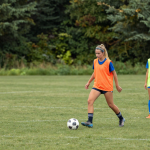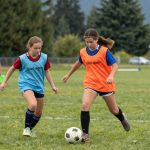

Among the pioneers were influential figures who championed women’s participation in soccer during a time when opportunities were limited. They worked within local communities and collaborated with schools and organizations to establish formal leagues and training programs. Their leadership helped break down barriers, encouraged young girls to play, and created a supportive environment for women’s soccer to flourish.
These early advocates also played crucial roles in founding clubs and securing resources necessary for growth, such as fields, coaching, and funding. Their efforts extended beyond the pitch as they engaged in outreach and education to change perceptions about women’s athletics. The legacy of these women soccer leaders continues to inspire new generations, ensuring the vitality and success of Washington’s women’s soccer associations.
Formation of Women’s Soccer Associations in Washington
The formation of associations dedicated to women’s soccer in Washington state represents a significant chapter in the development of the sport. The process began in the late 20th century when the increasing popularity of women’s soccer demanded a more organized and official structure. Prior to this, women’s soccer activities were largely informal and scattered, lacking a unified body to oversee the sport’s growth and regulation.
The first major step in the formation of women’s soccer associations occurred in the early 1980s. Local groups of players and coaches rallied together, recognizing the need for formal support and representation. This led to the establishment of the Washington State Women’s Soccer Association (WSWSA), an organization dedicated to promoting and managing women’s soccer activities throughout the state. The association focused on creating standardized rules, organizing leagues, and advocating for women’s soccer at both grassroots and competitive levels.
Throughout the decade, the WSWSA worked diligently to expand membership and influence. By the late 1980s and early 1990s, the association’s efforts culminated with the affiliation to national soccer organizations, which helped integrate Washington’s women’s soccer scene into the broader framework of U.S. soccer governance. This affiliation was crucial for securing funding, access to training resources, and official recognition of athletes and teams.
The formation of other soccer organizations followed, as communities across Washington recognized the benefits of local governance. Regional women’s soccer associations sprang up in various counties, operating under the WSWSA umbrella but allowing for more localized administration and support. These organizations played essential roles in managing youth development programs, mentoring coaches, and increasing opportunities for female players of all ages.
Key milestones in this timeline also include the formalization of competitive leagues and state championships for women, which provided clear pathways for athlete progression from recreational to elite levels. Soccer organizations in Washington worked closely with schools and universities, facilitating the rise of women’s collegiate soccer programs that further strengthened the sport’s foundation.
In summary, the formation of women’s soccer associations in Washington was a multi-decade process marked by community initiative, strategic organization, and increasing integration with national sports bodies. These soccer organizations have undoubtedly shaped the landscape of women’s soccer in Washington, fostering growth, elevating the sport’s profile, and ensuring sustainable development for future generations of female athletes.
Key Associations and Their Founding Dates
Washington has been home to several key associations pivotal to the development of women’s soccer in the region. These organizations were established to provide structure, promote the sport, and support female athletes through organized competitions and training programs.
- Washington State Women’s Soccer Association (WSWSA) – Founded in 1982, this pioneering association played a crucial role in organizing clubs across the state. It was established by a coalition of passionate players and coaches dedicated to fostering women’s soccer opportunities in Washington.
- Greater Seattle Women’s Soccer League – Established in 1990, this league brought together local clubs from the Seattle metropolitan area. Founders aimed to create competitive but inclusive environments for women of various skill levels.
- Puget Sound Women’s Soccer Alliance – Formed in 1995 by a group of community leaders and sports advocates, this alliance focused on broadening outreach to youth and amateur women’s teams throughout the Puget Sound region.
- Washington Youth Soccer Girls’ Division – Launched in 2000 under the larger Washington Youth Soccer umbrella, this division specifically addressed the needs of young female athletes, promoting their development through age-appropriate programming and statewide tournaments.
Each of these key associations contributed significantly to the growth of women’s soccer clubs across Washington, marking important founding dates that highlight their enduring impact on the sport’s local history.
Objectives and Mission of the Associations
The early women’s soccer associations in Washington were founded with clear missions and objectives that aimed to break new ground for female athletes and promote the sport across the region. The primary goals centered on creating inclusive opportunities for women to engage in competitive soccer, fostering skill development, and cultivating a supportive community that celebrated women’s athletic achievements.
These associations set out to challenge traditional gender norms in sports by encouraging women to participate actively in soccer, a field traditionally dominated by men. Their missions often included educating the public and local communities about the value of women’s soccer and advocating for equal access to resources such as fields, coaching, and funding.
By prioritizing teamwork, sportsmanship, and personal growth, the objectives of these early associations extended beyond the pitch. They aimed to empower women, promote physical fitness, and inspire younger generations to pursue soccer with passion and dedication. These foundational goals laid the groundwork for the widespread acceptance and growth of women’s soccer in Washington.
Overall, the missions and objectives guiding these associations aligned closely with the broader women soccer goals of visibility, equality, and excellence, ensuring that women’s soccer would continue to thrive and evolve sustainably within the state.
Impact and Legacy of Women’s Soccer Associations in Washington

The formation of women’s soccer associations in Washington has had a profound impact on the growth and development of the sport across the state. These organizations have been instrumental in increasing participation by providing structured opportunities for women and girls of all ages to engage in soccer, fostering a more inclusive and welcoming environment that encourages athletic involvement. Their efforts have led to a noticeable rise in youth enrollment in soccer programs, which has fueled a pipeline of talent and enthusiasm for the sport at both amateur and competitive levels.
Beyond just increasing participation, these associations have contributed significantly to the professional development of players, coaches, and administrators. Through workshops, clinics, and certification programs, they have elevated the quality of training and competition. This focus on skill development has allowed Washington to emerge as a hub for women’s soccer talent, producing athletes who compete at collegiate, national, and even international levels. It is not uncommon now to find players from Washington’s women’s soccer associations in top-tier leagues and national teams, underscoring the legacy of these organizations in nurturing excellence.
Community engagement also stands out as a critical element of the legacy of these associations. By organizing leagues, tournaments, and outreach events, they have built a strong sense of community among players, families, and fans. This has helped break down traditional barriers, bringing more visibility and support to women’s soccer. Furthermore, many associations have championed social causes such as gender equality and empowerment through sport, solidifying their role not just as sports entities but as important community advocates.
Overall, the impact and legacy of women’s soccer associations in Washington are evident in the sport’s steady growth, the improved structure and competitiveness of women’s soccer programs, and the vibrant communities that continue to support and celebrate women’s contributions to the game. Their influence has created a lasting foundation that will continue to inspire future generations of women soccer players throughout the state and beyond.
Growth in Player Participation and Competitions
The formation of women’s soccer associations in Washington has sparked significant growth in player participation across the state. These organizations have played a pivotal role in attracting more female athletes to the sport, creating an environment that supports and encourages involvement from grassroots levels to more advanced stages of play. As a result, there has been a steady increase in the number of registered female soccer players, illustrating a growing interest and commitment to the sport.
Alongside player growth, the establishment of competitive women’s leagues has been a major milestone. These leagues provide structured, high-level competition that fosters skill development, teamwork, and sportsmanship among participants. The associations have facilitated the creation of local and regional tournaments, enabling players to showcase their talents and compete regularly. This increased level of competition has not only heightened the visibility of women’s soccer but also raised the standards of play within the community.
Participation rates in these leagues and tournaments continue to climb, reflecting the success of the associations’ efforts to promote the sport. Through outreach programs, youth camps, and collaboration with schools, they have cultivated a supportive network that nurtures aspiring female athletes. This dynamic growth in both player numbers and competitions underscores the vital role these associations play in advancing women’s soccer in Washington, ensuring the sport’s vibrant future in the region.
Long-Term Contributions to Women’s Sports Equality
The formation of women’s soccer associations in Washington has been instrumental in advancing sports equality and women’s rights over the long term. These organizations started as platforms to provide opportunities for women to engage in soccer, a sport traditionally dominated by men. By advocating for equal access to resources, training, and competitive play, these associations created a foundation where women’s sports could thrive locally and serve as a model for other regions.
Beyond just facilitating participation, the associations played a critical role in challenging societal norms that restricted women’s athletic involvement. Their efforts raised awareness about the importance of sports equality in the broader fight for women’s rights, inspiring legislative and policy changes that promoted fairness in sports funding and media attention. This advocacy helped dismantle barriers that had long prevented women from having equal opportunities in athletic programs.
The ripple effects of these associations extended beyond Washington, influencing national conversations around gender equity in sports. They contributed to the growing momentum for initiatives like Title IX enforcement and equal pay for female athletes. Ultimately, the long-term effects of these associations are seen in the increased visibility, support, and respect for women’s sports today, proving that grassroots efforts can drive substantial progress in sports equality and women’s rights.
Historical Background of Women’s Soccer in Washington
The early development of women’s soccer in Washington state is a fascinating story of passion and perseverance, laying the groundwork for the formal women’s soccer associations that would later emerge. Long before official organizations were established, there was a growing interest in the sport among women, driven by a desire to create opportunities for competitive play and community involvement. This interest took hold in the early 20th century, sparked by informal gatherings, school teams, and local clubs that began to organize soccer matches and tournaments.
Women’s soccer history in Washington reveals a grassroots movement fueled by female athletes eager to take part in a sport traditionally dominated by men. These early pioneers faced numerous challenges, including societal attitudes that questioned women’s participation in such physically demanding activities. Despite this, enthusiasm for soccer steadily increased, especially in urban centers where access to playing fields and organized sports programs was more readily available. Women’s teams started to form within schools, universities, and community groups, creating a network of players who championed the sport and encouraged others to join.
During this formative period, Washington soccer communities experimented with various formats and league styles, demonstrating significant creativity and commitment. These activities helped to foster a sense of camaraderie and collective identity among female soccer players, which was crucial in gaining wider acceptance and recognition. Informal competitions between teams from neighboring towns and cities gradually became more structured, showcasing the growing talent and competitive spirit among women in the state.
The early soccer associations for women, while not yet officially recognized, served as important incubators for the sport’s expansion. These proto-associations organized their own events and outreach efforts, helping to spread awareness and nurture young talent. Over time, these efforts culminated in the establishment of formal women’s soccer associations in Washington, built on the solid foundation laid during these pioneering years. Understanding this historical background is essential for appreciating the vibrant and dynamic women’s soccer culture that now thrives in Washington, supported by well-established organizations dedicated to the sport’s growth and success.
Societal Influences on Women’s Soccer Growth
The growth of women’s soccer in Washington has been profoundly shaped by various societal and cultural factors. One significant influence is the broader movement towards gender equality, which has encouraged increased participation of women in sports traditionally dominated by men. This societal impact has helped break down stereotypes and opened doors for women athletes by promoting inclusivity and support for women sports in Washington.
Community support and grassroots activism have also played crucial roles as growth factors. Local leaders, parents, and sports enthusiasts advocated for organized opportunities, which led to the establishment of formal women’s soccer groups and clubs. This cultural shift towards valuing women’s sports created a nurturing environment that empowered girls and women to engage actively in soccer.
Furthermore, the influence of educational institutions and public policies promoting women’s athletics contributed significantly. Schools and universities in Washington implemented programs encouraging female students to participate in soccer, which fostered talent development and strengthened the network of women’s soccer associations. These combined societal forces have collectively facilitated the expansion and sustainability of women’s soccer across the state, illuminating the powerful societal impact and growth factors inherent in this development.
Pioneers and Early Advocates
The formation of women’s soccer associations in Washington was driven by a remarkable group of pioneers and early advocates who envisioned a thriving soccer community for women. These women soccer leaders were not only passionate players but also tireless organizers and community builders. Their dedication laid the groundwork for the associations that would evolve to promote and develop the sport at all levels.
Among the pioneers were influential figures who championed women’s participation in soccer during a time when opportunities were limited. They worked within local communities and collaborated with schools and organizations to establish formal leagues and training programs. Their leadership helped break down barriers, encouraged young girls to play, and created a supportive environment for women’s soccer to flourish.
These early advocates also played crucial roles in founding clubs and securing resources necessary for growth, such as fields, coaching, and funding. Their efforts extended beyond the pitch as they engaged in outreach and education to change perceptions about women’s athletics. The legacy of these women soccer leaders continues to inspire new generations, ensuring the vitality and success of Washington’s women’s soccer associations.
Formation of Women’s Soccer Associations in Washington
The formation of associations dedicated to women’s soccer in Washington state represents a significant chapter in the development of the sport. The process began in the late 20th century when the increasing popularity of women’s soccer demanded a more organized and official structure. Prior to this, women’s soccer activities were largely informal and scattered, lacking a unified body to oversee the sport’s growth and regulation.
The first major step in the formation of women’s soccer associations occurred in the early 1980s. Local groups of players and coaches rallied together, recognizing the need for formal support and representation. This led to the establishment of the Washington State Women’s Soccer Association (WSWSA), an organization dedicated to promoting and managing women’s soccer activities throughout the state. The association focused on creating standardized rules, organizing leagues, and advocating for women’s soccer at both grassroots and competitive levels.
Throughout the decade, the WSWSA worked diligently to expand membership and influence. By the late 1980s and early 1990s, the association’s efforts culminated with the affiliation to national soccer organizations, which helped integrate Washington’s women’s soccer scene into the broader framework of U.S. soccer governance. This affiliation was crucial for securing funding, access to training resources, and official recognition of athletes and teams.
The formation of other soccer organizations followed, as communities across Washington recognized the benefits of local governance. Regional women’s soccer associations sprang up in various counties, operating under the WSWSA umbrella but allowing for more localized administration and support. These organizations played essential roles in managing youth development programs, mentoring coaches, and increasing opportunities for female players of all ages.
Key milestones in this timeline also include the formalization of competitive leagues and state championships for women, which provided clear pathways for athlete progression from recreational to elite levels. Soccer organizations in Washington worked closely with schools and universities, facilitating the rise of women’s collegiate soccer programs that further strengthened the sport’s foundation.
In summary, the formation of women’s soccer associations in Washington was a multi-decade process marked by community initiative, strategic organization, and increasing integration with national sports bodies. These soccer organizations have undoubtedly shaped the landscape of women’s soccer in Washington, fostering growth, elevating the sport’s profile, and ensuring sustainable development for future generations of female athletes.
Key Associations and Their Founding Dates
Washington has been home to several key associations pivotal to the development of women’s soccer in the region. These organizations were established to provide structure, promote the sport, and support female athletes through organized competitions and training programs.
- Washington State Women’s Soccer Association (WSWSA) – Founded in 1982, this pioneering association played a crucial role in organizing clubs across the state. It was established by a coalition of passionate players and coaches dedicated to fostering women’s soccer opportunities in Washington.
- Greater Seattle Women’s Soccer League – Established in 1990, this league brought together local clubs from the Seattle metropolitan area. Founders aimed to create competitive but inclusive environments for women of various skill levels.
- Puget Sound Women’s Soccer Alliance – Formed in 1995 by a group of community leaders and sports advocates, this alliance focused on broadening outreach to youth and amateur women’s teams throughout the Puget Sound region.
- Washington Youth Soccer Girls’ Division – Launched in 2000 under the larger Washington Youth Soccer umbrella, this division specifically addressed the needs of young female athletes, promoting their development through age-appropriate programming and statewide tournaments.
Each of these key associations contributed significantly to the growth of women’s soccer clubs across Washington, marking important founding dates that highlight their enduring impact on the sport’s local history.
Objectives and Mission of the Associations
The early women’s soccer associations in Washington were founded with clear missions and objectives that aimed to break new ground for female athletes and promote the sport across the region. The primary goals centered on creating inclusive opportunities for women to engage in competitive soccer, fostering skill development, and cultivating a supportive community that celebrated women’s athletic achievements.
These associations set out to challenge traditional gender norms in sports by encouraging women to participate actively in soccer, a field traditionally dominated by men. Their missions often included educating the public and local communities about the value of women’s soccer and advocating for equal access to resources such as fields, coaching, and funding.
By prioritizing teamwork, sportsmanship, and personal growth, the objectives of these early associations extended beyond the pitch. They aimed to empower women, promote physical fitness, and inspire younger generations to pursue soccer with passion and dedication. These foundational goals laid the groundwork for the widespread acceptance and growth of women’s soccer in Washington.
Overall, the missions and objectives guiding these associations aligned closely with the broader women soccer goals of visibility, equality, and excellence, ensuring that women’s soccer would continue to thrive and evolve sustainably within the state.
Impact and Legacy of Women’s Soccer Associations in Washington
The formation of women’s soccer associations in Washington has had a profound impact on the growth and development of the sport across the state. These organizations have been instrumental in increasing participation by providing structured opportunities for women and girls of all ages to engage in soccer, fostering a more inclusive and welcoming environment that encourages athletic involvement. Their efforts have led to a noticeable rise in youth enrollment in soccer programs, which has fueled a pipeline of talent and enthusiasm for the sport at both amateur and competitive levels.
Beyond just increasing participation, these associations have contributed significantly to the professional development of players, coaches, and administrators. Through workshops, clinics, and certification programs, they have elevated the quality of training and competition. This focus on skill development has allowed Washington to emerge as a hub for women’s soccer talent, producing athletes who compete at collegiate, national, and even international levels. It is not uncommon now to find players from Washington’s women’s soccer associations in top-tier leagues and national teams, underscoring the legacy of these organizations in nurturing excellence.
Community engagement also stands out as a critical element of the legacy of these associations. By organizing leagues, tournaments, and outreach events, they have built a strong sense of community among players, families, and fans. This has helped break down traditional barriers, bringing more visibility and support to women’s soccer. Furthermore, many associations have championed social causes such as gender equality and empowerment through sport, solidifying their role not just as sports entities but as important community advocates.
Overall, the impact and legacy of women’s soccer associations in Washington are evident in the sport’s steady growth, the improved structure and competitiveness of women’s soccer programs, and the vibrant communities that continue to support and celebrate women’s contributions to the game. Their influence has created a lasting foundation that will continue to inspire future generations of women soccer players throughout the state and beyond.
Growth in Player Participation and Competitions
The formation of women’s soccer associations in Washington has sparked significant growth in player participation across the state. These organizations have played a pivotal role in attracting more female athletes to the sport, creating an environment that supports and encourages involvement from grassroots levels to more advanced stages of play. As a result, there has been a steady increase in the number of registered female soccer players, illustrating a growing interest and commitment to the sport.
Alongside player growth, the establishment of competitive women’s leagues has been a major milestone. These leagues provide structured, high-level competition that fosters skill development, teamwork, and sportsmanship among participants. The associations have facilitated the creation of local and regional tournaments, enabling players to showcase their talents and compete regularly. This increased level of competition has not only heightened the visibility of women’s soccer but also raised the standards of play within the community.
Participation rates in these leagues and tournaments continue to climb, reflecting the success of the associations’ efforts to promote the sport. Through outreach programs, youth camps, and collaboration with schools, they have cultivated a supportive network that nurtures aspiring female athletes. This dynamic growth in both player numbers and competitions underscores the vital role these associations play in advancing women’s soccer in Washington, ensuring the sport’s vibrant future in the region.
Long-Term Contributions to Women’s Sports Equality
The formation of women’s soccer associations in Washington has been instrumental in advancing sports equality and women’s rights over the long term. These organizations started as platforms to provide opportunities for women to engage in soccer, a sport traditionally dominated by men. By advocating for equal access to resources, training, and competitive play, these associations created a foundation where women’s sports could thrive locally and serve as a model for other regions.
Beyond just facilitating participation, the associations played a critical role in challenging societal norms that restricted women’s athletic involvement. Their efforts raised awareness about the importance of sports equality in the broader fight for women’s rights, inspiring legislative and policy changes that promoted fairness in sports funding and media attention. This advocacy helped dismantle barriers that had long prevented women from having equal opportunities in athletic programs.
The ripple effects of these associations extended beyond Washington, influencing national conversations around gender equity in sports. They contributed to the growing momentum for initiatives like Title IX enforcement and equal pay for female athletes. Ultimately, the long-term effects of these associations are seen in the increased visibility, support, and respect for women’s sports today, proving that grassroots efforts can drive substantial progress in sports equality and women’s rights.

I’ve been passionate about women’s soccer in Washington ever since I first watched a local match in high school. Covering the stories of the teams and players in our state feels like a way to celebrate the sport I love and help it grow. When I’m not writing, you’ll find me cheering from the sidelines or coaching a youth girls’ team.