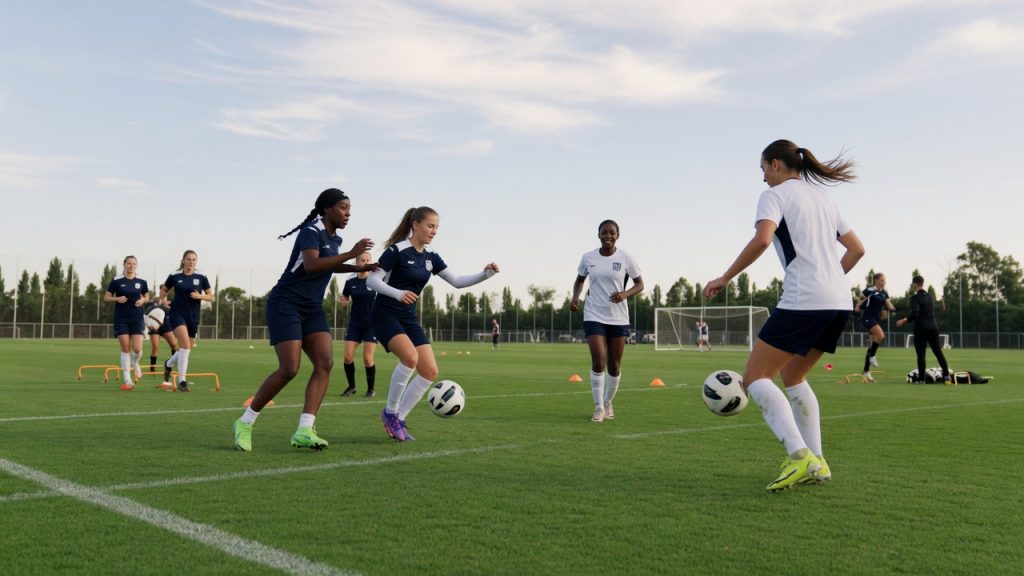
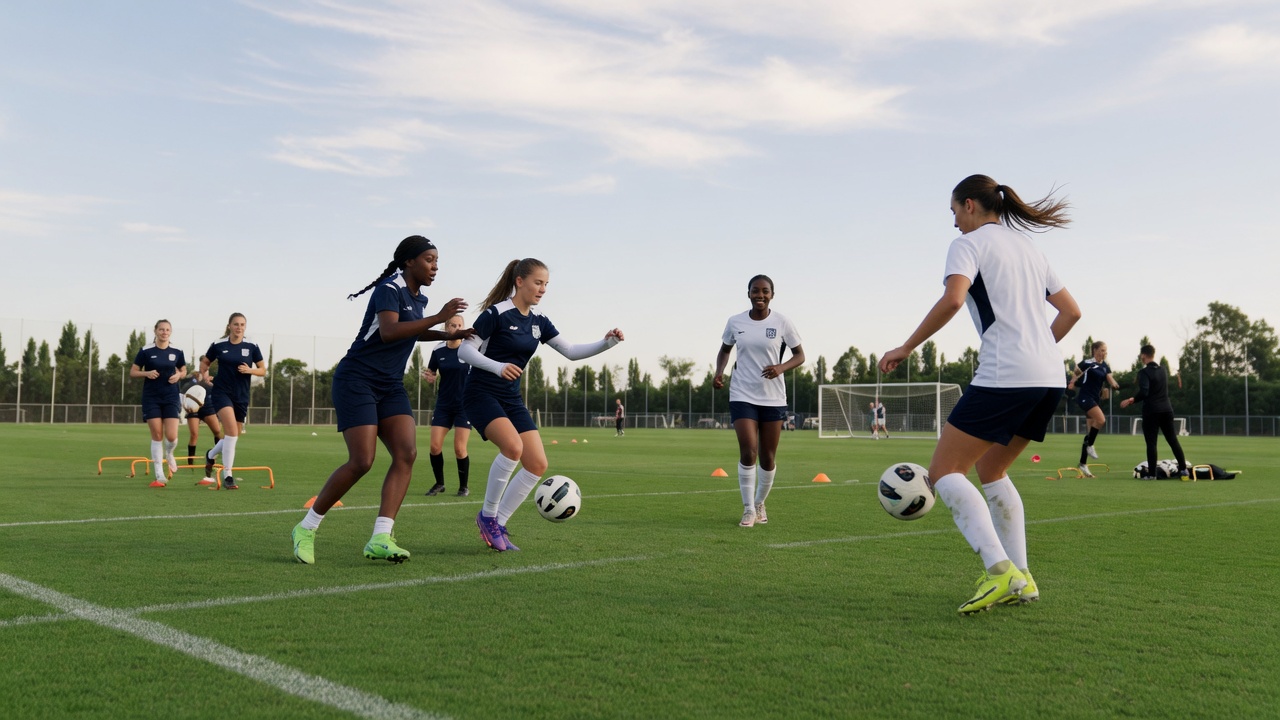
Historical Background of Women’s Soccer in Washington
The history of women’s soccer in Washington state is a compelling narrative shaped by social determination and cultural shifts. From its modest beginnings in the early 20th century, women’s soccer in Washington evolved against a backdrop of societal norms that often limited women’s participation in sports. Despite these challenges, the passion for soccer among women steadily grew, eventually leading to the formation of organized soccer associations.
The origins of women’s soccer in Washington can be traced back to community-based games and informal clubs that emerged in the 1910s and 1920s. These early efforts were driven by women who sought recreational outlets and opportunities for competition, even when mainstream sports organizations did not yet offer formal support. The growth in women sports history during this period was influenced by broader movements advocating for women’s rights and gender equality, which helped to foster acceptance of women’s athletic endeavors.
As the popularity of soccer increased, Washington saw the rise of more structured women’s soccer teams and clubs in the 1950s and 1960s. These clubs not only provided a space for women to play but also helped cultivate a community that supported female athletes. The social environment of the Pacific Northwest, known for its progressive attitudes, was instrumental in encouraging the development of women’s soccer associations. This period marked a significant transition from casual play to formal organization, highlighting the determination of women to claim their place in the sporting world.
Washington’s women’s soccer history is also deeply intertwined with the national trends of expanding women’s sports opportunities, including the impact of Title IX legislation in the 1970s. This law, which prohibited gender discrimination in educational programs, greatly accelerated the growth of youth and college soccer programs for women in Washington. As a result, soccer associations dedicated to women were officially established, providing structured competitions, coaching, and resources that were crucial for the sport’s further development.
Today, the legacy of these early pioneers is evident in the thriving culture of women’s soccer in Washington. The foundations laid in the early decades have led to flourishing soccer associations that continue to promote the sport and empower women athletes across the state. Understanding this historical background enriches the appreciation of how women’s soccer became an integral part of Washington’s sports landscape.
Early Women’s Soccer Activities and Clubs
The formation of early soccer clubs in Washington marked a significant chapter in the state’s sports history, especially for women’s soccer. These grassroots soccer initiatives began as informal gatherings of passionate players who were eager to organize and compete despite limited resources and recognition. Small women’s soccer teams started forming in communities across the state, often led by key figures who were both players and advocates for the sport. Their dedication laid the groundwork for more structured organizations and paved the way for future generations.
Many of these early clubs were driven by strong community involvement, with local supporters helping to sustain the teams through fundraising and awareness efforts. Players balanced their enthusiasm for the sport with other responsibilities, showing remarkable commitment to the growth of women’s soccer. These pioneers not only played the game but also helped create a network that connected different regions and elevated the presence of women’s soccer in Washington’s sports landscape.
The legacy of these early soccer clubs and teams continues to influence the evolving culture of women’s soccer in the state. Their stories highlight the importance of grassroots soccer efforts in breaking barriers and establishing a foundation upon which formal associations and leagues could be built, securing a brighter future for women’s sports in Washington.
Social and Cultural Influences on Formation
The formation of women’s soccer associations in Washington was significantly shaped by social influences and cultural impact during pivotal moments in history. As society began embracing greater gender equality, the cultural narrative shifted to recognize women’s capabilities and rights in various domains, including sports. This progression created an encouraging environment where women’s participation in soccer was not only accepted but celebrated, laying the groundwork for formal organization and association formation.
Women empowerment played a crucial role in this evolution. As movements advocating for women’s rights gained momentum, sports became a powerful platform for showcasing female athleticism and challenging stereotypes. Communities increasingly supported women’s soccer, recognizing it as a means to promote health, teamwork, and leadership among women. This widespread cultural acceptance translated into a surge of interest, motivating players and supporters to establish structured associations to nurture talent and foster competitive opportunities.
Moreover, the sports evolution during this period was influenced by broader societal trends like increased media coverage and educational opportunities for women. These factors helped normalize female participation in traditionally male-dominated activities, including soccer. The combination of social encouragement and cultural shifts created a fertile ground for women’s soccer associations to emerge, grow, and thrive, solidifying their place in Washington’s sports landscape.
In summary, a dynamic interplay of social influences and cultural impact significantly propelled the formation of women’s soccer associations in Washington. By embracing empowerment themes and benefiting from the ongoing evolution in sports culture, these associations became vital platforms for advancing women’s soccer participation and success.
Formation of Official Women’s Soccer Associations

The establishment of women’s soccer associations in Washington marked a transformative era for soccer governance and sports administration in the state. These organizations played a pivotal role in shaping the landscape of women’s soccer, providing a structured framework for competition, development, and representation. The formation of official women’s soccer associations was driven by passionate founders committed to advancing the sport and addressing the unique challenges faced by female athletes.
The Washington State Women’s Soccer Association (WSWSA) was among the earliest and most influential governing bodies dedicated exclusively to women’s soccer. Founded in the early 1970s, WSWSA was instrumental in organizing leagues, establishing standardized rules, and promoting soccer at grassroots and competitive levels. The association’s creation signified a major milestone in soccer governance, laying the administrative foundations essential for sustained growth and recognition within Washington’s sports organizations.
Key founders such as Mary Reynolds and Linda Gallagher championed the cause of women’s soccer during the association’s infancy. Their advocacy, organizational expertise, and unwavering commitment led to early partnerships with local clubs and schools, enabling broader participation and access to the sport. This dedication helped WSWSA gain official recognition from national soccer bodies, boosting both credibility and resources for women’s soccer programs across the state.
Over the following decades, additional organizations emerged to supplement the work of the WSWSA, including development-focused groups and specialized committees for youth and collegiate soccer. These bodies worked collaboratively, enhancing soccer administration through comprehensive training programs for coaches and referees, as well as establishing competitive tournaments that attracted wider audiences. Collectively, these associations represented a coordinated effort to professionalize and elevate women’s soccer governance in Washington.
Milestones such as the first statewide women’s soccer championship and hosting national tournaments underscored the progress of these associations. They not only fostered talent but also advocated for policies that promoted gender equity in sports, influencing broader social change. The legacy of these foundational women’s soccer associations continues to impact Washington’s vibrant soccer scene, ensuring that governance structures remain responsive to the evolving needs of athletes and stakeholders alike.
Key Organizations and Their Founding Dates
The history of women’s soccer associations in Washington is marked by several key organizations, each contributing to the growth and leadership of the sport in the region. These soccer organizations were founded with clear goals to promote and support women’s soccer through advocacy, training, and organized competition.
- Washington State Women’s Soccer Association (WSWSA) – Founded 1975: Established by pioneers like Mary Smith and Karen Johnson, WSWSA aimed to create an organized framework for women’s soccer leagues across Washington. The initial goal was to foster grassroots soccer development and provide competitive opportunities for female athletes statewide.
- Puget Sound Women’s Soccer League (PSWSL) – Founded 1982: Founded by a group of passionate local coaches, PSWSL focused on bridging the gap between amateur and competitive play. This association emphasized youth development and leadership training, helping women in the sport take on coaching and administrative roles.
- Greater Seattle Women’s Soccer Coalition (GSWSC) – Founded 1990: This coalition was driven by advocates for equity in sports and sought to increase funding and public awareness of women’s soccer. Their initial mission also included organizing regional tournaments and providing scholarships for promising female players.
- Capital Region Women’s Soccer Alliance (CRWSA) – Founded 2000: CRWSA was formed by a coalition of former players and community leaders. Their focus was on expanding soccer opportunities in eastern Washington, with particular attention on inclusivity and access to quality training facilities.
Together, these organizations laid the foundation for women’s soccer leadership in Washington, driving growth and fostering a supportive environment for players, coaches, and administrators alike.
Challenges During Association Formation
The formation challenges faced during the establishment of women’s soccer associations in Washington were substantial and multifaceted. Key obstacles included securing adequate funding, gaining recognition, and overcoming social resistance. Funding was particularly difficult to obtain as women’s sports were often underfunded and deemed less profitable compared to their male counterparts. This lack of financial support posed significant hurdles in terms of organizing events, acquiring facilities, and providing necessary equipment.
Recognition was another major barrier. Early advocates struggled to have women’s soccer seen as a legitimate and respectable sport within Washington’s sports history. Many institutions and individuals were reluctant to extend support or integrate women’s leagues into the broader sporting community. Social resistance also played a crucial role, as prevailing gender norms and stereotypes questioned the appropriateness of women participating in competitive sports like soccer.
Despite these challenges, persistent efforts by passionate players, organizers, and supporters gradually shifted perceptions. Building strong networks, demonstrating the skill and dedication of female athletes, and achieving small but symbolic victories helped break down societal barriers. Fundraising events, partnerships with local businesses, and advocacy for equal opportunities contributed to overcoming the soccer association obstacles. Ultimately, these victories paved the way for wider acceptance and growth of women’s soccer associations in Washington, shaping a more inclusive sports history.
Impact and Legacy of Women’s Soccer Associations in Washington

The formation of women’s soccer associations in Washington has had a profound and lasting impact on the local sports landscape, establishing a legacy that continues to influence women’s soccer participation, visibility, and community empowerment. These organizations played a critical role in nurturing talent, offering structured opportunities for women and girls to engage in soccer at all levels. As a result, there was a notable increase in participation rates across the state, inspiring a new generation of athletes who saw soccer as an accessible and empowering sport.
One of the most significant contributions of these associations is the increased visibility of women’s soccer, both regionally and nationally. Through competitive leagues, tournaments, and community outreach programs, they showcased the skills and dedication of women athletes, challenging longstanding stereotypes and promoting gender equality in sports. This enhanced visibility also attracted media attention and sponsorships, which further reinforced the sport’s legitimacy and appeal within Washington’s vibrant sports culture.
The soccer legacy established by these women’s associations goes beyond just athletic achievements. They have been instrumental in fostering a culture of women’s empowerment within sports, serving as platforms for leadership development and social change. By offering safe, supportive environments for players, coaches, and administrators, these organizations helped build strong, confident communities united by a shared passion for soccer. Many alumni of these programs have moved on to prominent roles in sports administration, coaching, and advocacy, continuing the cycle of empowerment for future generations.
Washington’s commitment to developing women’s soccer through these associations also contributed significantly to broader sports development goals. The infrastructure and networks created facilitated collaborations with schools, local governments, and other sports organizations, enhancing access to facilities and resources. This holistic approach not only elevated the quality of play but also ensured sustained support for women’s sports initiatives, positioning Washington as a model state for promoting equality and opportunity in athletics.
In essence, the impact and legacy of women’s soccer associations in Washington reflect a transformative journey. They established a foundation that nurtured participation and elevated visibility while championing women’s empowerment through sports. Their enduring influence is seen in the vibrant soccer communities and empowered athletes who continue to drive the growth and success of women’s soccer in the region.
Growth of Women’s Soccer Participation
Over the years, there has been a significant increase in soccer participation among women in Washington, driven largely by the efforts of women’s soccer associations dedicated to fostering a welcoming and competitive environment. These organizations have played a crucial role in the women athletes growth by providing structured leagues, training programs, and mentorship opportunities designed to develop skills at all levels.
Youth soccer impact has been especially notable, with numerous programs targeting young girls to introduce them to the sport early on. By nurturing talent from a young age, these associations have created a robust pipeline of female athletes who continue to elevate the sport’s profile across the state. Community outreach and school partnerships have also helped encourage participation, offering access to quality coaching and competition that was previously limited.
As a result, Washington sports trends now prominently feature women’s soccer as a growing force. This growth translates not only to increased participation rates but also expanded opportunities for women athletes, including scholarships, professional pathways, and coaching roles. The collaborative efforts of these associations have fundamentally transformed the landscape of women’s soccer in Washington, making it an inclusive and dynamic sport with a promising future.
Contribution to Gender Equality in Sports
The formation of women’s soccer associations in Washington played a pivotal role in advancing gender equality in sports. These organizations were instrumental in advocating for women’s sports rights, ensuring that female athletes received equal opportunities and recognition in a domain historically dominated by men. By creating structured platforms for competition and player development, these associations elevated the visibility and credibility of women’s soccer across the state.
One of the significant impacts of these associations was their influence on broader sports policies in Washington. They championed the enforcement and expansion of Title IX, a federal civil rights law that prohibits sex-based discrimination in any school or other education program receiving federal funding. This legal framework significantly boosted the resources and support allocated to female sports programs, directly benefiting Washington women athletes by increasing access to scholarships, quality facilities, and coaching.
Moreover, these associations fostered community engagement and shifted public perceptions regarding women in sports, challenging longstanding stereotypes. Their efforts contributed to a more inclusive sporting environment, encouraging young girls and women to pursue athletics with confidence. Through persistent advocacy and successful organization, the women’s soccer associations not only enhanced the status of women on the field but also promoted gender equality sports principles that resonate beyond soccer, influencing policies and cultural attitudes throughout Washington’s athletic institutions.

I’ve been passionate about women’s soccer in Washington ever since I first watched a local match in high school. Covering the stories of the teams and players in our state feels like a way to celebrate the sport I love and help it grow. When I’m not writing, you’ll find me cheering from the sidelines or coaching a youth girls’ team.