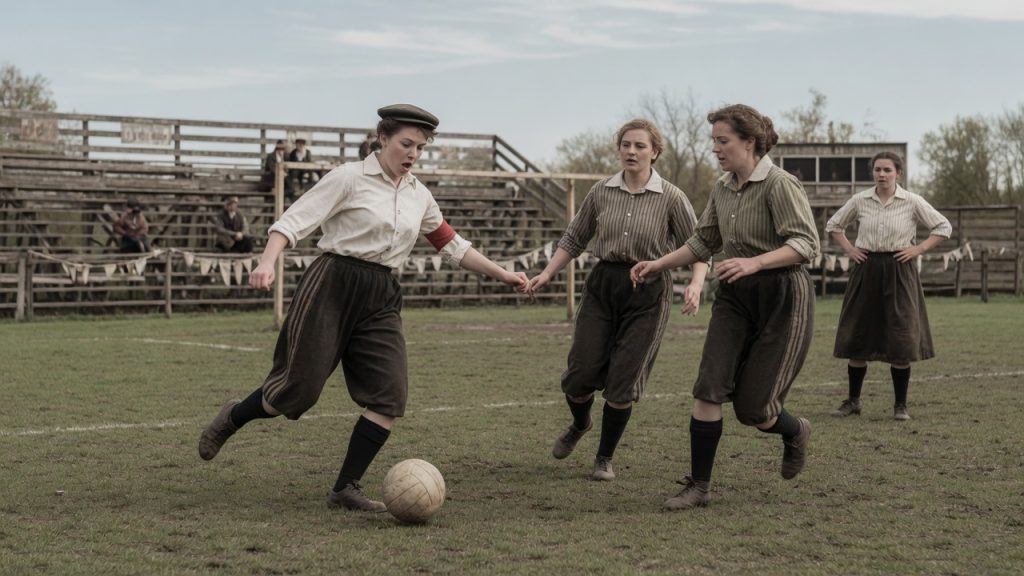
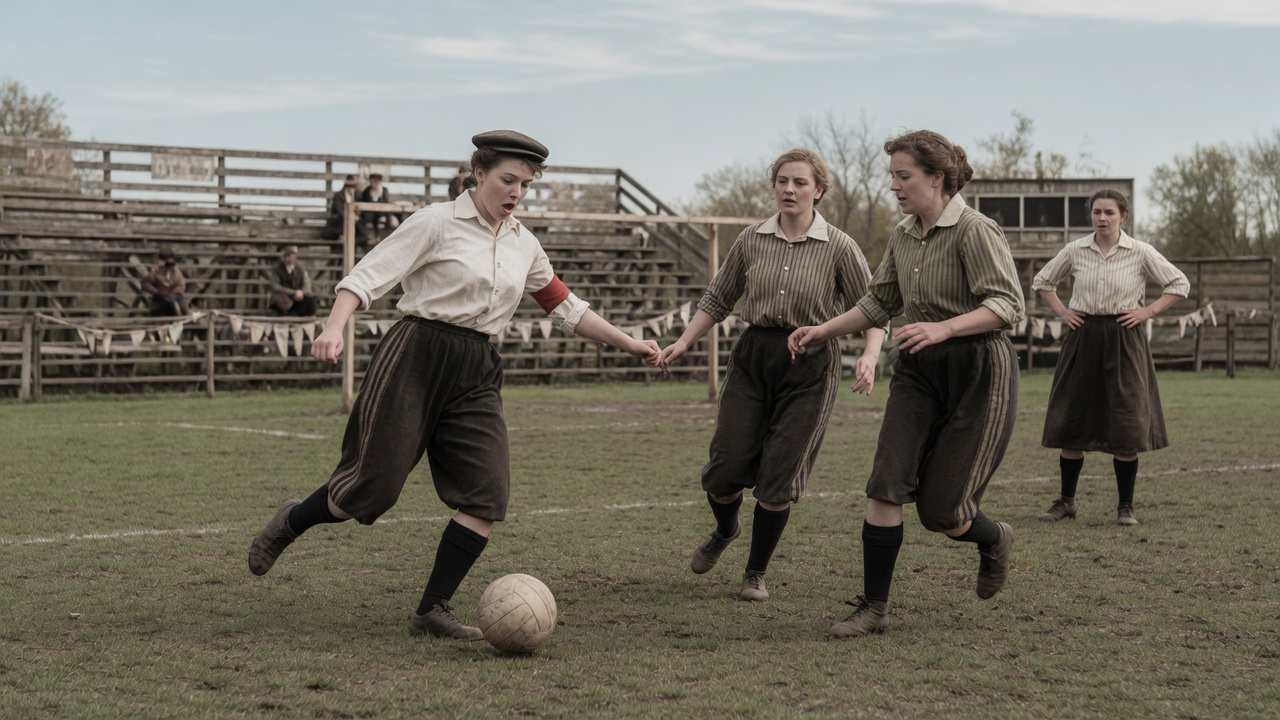
Key soccer leaders emerged alongside these organizations, bringing vision and dedication to the cause of women’s soccer. Influential figures such as Mary McLeod and Karen Carlson were among the notable association founders who advocated tirelessly for recognition, resources, and equal opportunities in the sport. Their leadership helped to galvanize community support and secure sponsorships that were critical for sustaining the organization’s activities.
The collaboration between these founding organizations and passionate soccer leaders created a strong foundation that allowed women’s soccer in Washington to thrive. Their combined efforts not only advanced the sport but also empowered generations of female athletes to pursue their ambitions on and off the field. Together, these founding organizations and association founders played a vital role in the ongoing success and visibility of women’s soccer across the state.
Challenges and Milestones in Association Development
The development of women’s soccer associations in Washington faced numerous challenges that tested the resilience and commitment of all involved. One of the primary development challenges was overcoming societal stereotypes and limited support for women’s sports. Early organizers struggled with securing funding, access to quality playing facilities, and attracting media attention to promote the sport. Additionally, there was a persistent need to build a robust organizational structure that could support the growing number of players and teams, while also ensuring inclusivity and equality.
Despite these obstacles, the associations marked several significant milestones that demonstrated tangible progress. The establishment of official leagues and tournaments provided formal competition and recognition for women’s soccer in the region. Key partnership agreements with local schools and community organizations played a vital role in expanding the sport’s reach and improving player development programs. Another milestone was the successful hosting of state and regional championships, which elevated the visibility and credibility of women’s soccer.
Overall, the journey of these associations reflects a story of determination and steady advancement. Each step forward in overcoming development challenges represents a crucial association milestone, contributing to the broader progress of women’s soccer in Washington. These achievements have not only fostered a passionate soccer community but also paved the way for future generations of female athletes to thrive and succeed.
Impact and Legacy of Women’s Soccer Associations in Washington

The formation of women’s soccer associations in Washington has had a profound and lasting impact on the development of the sport throughout the state. These soccer associations have played a crucial role in fostering youth development, championing professional growth, and initiating extensive community outreach programs, all of which contribute significantly to the vibrant soccer culture in Washington.
Youth development stands as one of the most notable legacies of these associations. By creating structured leagues and training programs, they have provided young female athletes with the opportunities and resources to hone their skills from an early age. Scholarships, clinics, and mentorship have become standard offerings, facilitating a seamless pathway from grassroots participation to elite competition. This emphasis on youth not only nurtures talent but also promotes discipline, teamwork, and confidence among young players, planting the seeds for future success both on and off the field.
Furthermore, the professional growth of women’s soccer in Washington has been markedly influenced by these associations. They have advocated for better visibility, support, and professional opportunities for female soccer players, helping to bridge gaps in funding and media attention. Through partnerships with clubs and sponsorship initiatives, these organizations have elevated the status of women’s soccer, attracting higher caliber coaches and fostering competitive environments where players can excel. This professionalization strengthens the overall soccer ecosystem and inspires a new generation of athletes to pursue the sport seriously.
Community outreach efforts are another critical aspect of the soccer associations’ enduring legacy. Their programs extend beyond the pitch, focusing on inclusivity and accessibility to ensure that soccer is a sport for all young women, regardless of background. Initiatives often include local school engagement, health and wellness education, and volunteer-driven events that build strong communal ties. These efforts not only enhance social cohesion but also promote physical activity and empowerment among women across Washington.
In summary, the soccer associations impact on women’s soccer legacy in Washington is multifaceted and enduring. By prioritizing soccer development Washington-wide, these associations have cultivated a thriving environment where young athletes can grow, professionals can advance, and communities can connect. Their contributions continue to shape the future of women’s soccer, making it a vital and cherished part of Washington’s sporting landscape.
Youth and Community Development Programs
Women’s soccer associations in Washington have played a pivotal role in fostering youth participation and engaging local communities through a range of youth programs. By establishing organized leagues, training camps, and outreach initiatives, these associations have made the sport accessible to young girls across diverse neighborhoods. These grassroots development efforts not only nurture athletic skills but also emphasize teamwork, leadership, and personal growth.
Community soccer events organized by associations serve as crucial platforms for bringing together families, schools, and local organizations. These events create inclusive environments where girls from various backgrounds can explore their passion for soccer while building strong social connections. Additionally, the associations collaborate with schools and community centers to integrate soccer programs that encourage consistent participation and foster a sense of belonging among youth players.
Through sustained investment in these youth programs, women’s soccer associations in Washington have established a solid foundation for the sport’s future. Their focus on grassroots development ensures that young athletes have access to quality coaching, resources, and competition, which in turn cultivates a thriving soccer culture. Ultimately, these programs empower young girls and strengthen community ties, driving the continued growth and success of women’s soccer at all levels.
Influence on Professional and Collegiate Soccer
The formation of women’s soccer associations in Washington has played a pivotal role in shaping professional women’s soccer and collegiate soccer influence within the state. These organizations have established structured programs and competitive leagues that serve as vital platforms for nurturing young talent. By providing access to high-quality coaching, resources, and exposure, these associations have created clear pathways for female athletes aspiring to pursue careers in soccer.
At the collegiate level, the influence of these associations is evident through the steady increase in recruitment from local programs to university teams. Many collegiate programs now actively scout players from these associations, recognizing the rigorous development and competitive experience they offer. This connection has not only elevated the level of play in college soccer but also broadened opportunities for women to earn scholarships and academic support through sports.
Furthermore, professional women’s soccer in Washington has benefited greatly from this foundation. The associations act as talent pipelines, funneling skilled players into semi-professional and professional clubs. The career paths forged by these organizations have helped more women advance from youth soccer to professional ranks, fostering growth and sustainability in the women’s soccer ecosystem across the state.
Ultimately, the concerted efforts of these associations in promoting, organizing, and supporting women’s soccer have solidified Washington as a hub for developing top-tier female athletes and expanding opportunities in both collegiate and professional soccer.
Historical Background of Women’s Soccer in Washington
The early development of women’s soccer in Washington reflects a rich tapestry of social and cultural influences that shaped the sport’s emergence in the region. Washington’s women’s soccer history stretches back several decades, during a time when traditional gender roles were being increasingly challenged, allowing women more opportunities to participate in organized sports. This shift in societal attitudes played a fundamental role in the origins of women’s soccer, paving the way for teams and associations to take root within the state.
In the mid-20th century, Washington saw a surge of interest in soccer, influenced by immigration and the popularity of the sport worldwide. Women began to form informal clubs and teams, often through community centers, schools, and local social organizations. These grassroots efforts were crucial in the Washington soccer origins story, as they provided a foundation upon which more structured women’s soccer associations would later be built.
Socially, the rise of the women’s rights movement in the 1960s and 1970s greatly influenced the growth of early women’s soccer in Washington. As norms around women’s participation in physical activities evolved, more support and acceptance encouraged female athletes to pursue the sport with increased passion and seriousness. This cultural shift helped dismantle barriers that had previously limited women’s involvement in competitive sports, leading to the establishment of formal leagues and statewide associations.
Additionally, the support from local communities and educational institutions in Washington was instrumental in promoting women’s soccer history. Schools began to include soccer in their athletics programs for girls, which fostered talent development and expanded the sport’s reach. Through various events and tournaments, early women’s soccer teams gained exposure and recognition, further fueling the momentum behind the sport.
Overall, the historical background of women’s soccer in Washington is marked by a blend of cultural change, community effort, and an evolving sporting landscape. These early developments in Washington soccer origins laid a solid groundwork that continues to influence the growth and success of women’s soccer associations in the state today.
Early Soccer Clubs and Interest Groups
The formation of the first women’s soccer clubs and soccer interest groups in Washington marked a pivotal moment in the history of women’s sports organizations in the state. In the early 1970s, as the national momentum for women’s sports gained traction, passionate pioneers emerged in Washington who were determined to establish platforms for women to play soccer competitively. These early clubs served as foundational pillars not only for fostering athletic skills but also for creating a community of female athletes who supported one another’s ambitions.
One of the key figures in this movement was Mary Thompson, a former collegiate athlete who championed the formation of the Washington Women’s Soccer Club in 1974. Her relentless advocacy helped lay the groundwork for structured leagues and regular regional competitions. Alongside her, coaches like Janet Evans played crucial roles in mentoring young players and organizing training camps that attracted widespread interest. These early soccer interest groups were vital in demonstrating the viability and enthusiasm for women’s soccer, even before it gained widespread popularity nationwide.
The establishment of these groups and clubs led to several milestones, including the first statewide women’s soccer tournament held in Seattle in 1976, which featured teams from across Washington. This event was a cornerstone that showcased the talent and dedication of women athletes, validating the necessity of formal women’s sports organizations. Over time, these early endeavors evolved into more established associations, setting the stage for the growth and recognition of women’s soccer in Washington and beyond.
Social and Cultural Influences
During the early years of women’s soccer in Washington, social influence played a crucial role in shaping the sport’s trajectory. Society’s traditional attitudes toward gender roles often placed constraints on women’s participation in sports, leading to limited opportunities and recognition for female athletes. These cultural norms questioned the appropriateness of women engaging in competitive physical activities, which impeded the growth of women’s soccer despite increasing interest.
However, as broader cultural shifts began to embrace gender equality and women’s rights, the acceptance of women’s sports—including soccer—started to gain momentum. The cultural impact of the women’s liberation movement and changing perceptions of female athleticism encouraged community support and the establishment of soccer associations dedicated to promoting the sport among women. This gradual change in societal attitudes helped challenge stereotypes and foster an environment where women’s soccer could flourish.
The rising media coverage and local advocacy also contributed to the normalization and popularization of women’s soccer, helping to secure funding and organizational backing. These cultural influences combined with social encouragement ultimately facilitated increased participation and legitimized women’s soccer as a respected sport. The early challenges imposed by social resistance eventually paved the way for a growing acceptance of women’s sports, marking significant progress in Washington’s soccer community.
Formation and Growth of Women’s Soccer Associations

The formal organization of women’s soccer associations in Washington marked a significant milestone in the development of the sport throughout the state. The formation process began in the early 1980s, a time when women’s soccer was gaining momentum across the United States but still faced numerous challenges related to recognition, funding, and governance.
The Washington State Women’s Soccer Association (WSWSA) was officially established in 1983 as one of the pioneering organizations dedicated to advancing women’s soccer within the region. The founding members included passionate advocates for the sport such as local coaches, former players, and community leaders who recognized the need for organized governance and support systems tailored specifically for female athletes.
Among the founding figures were Jane Henderson, a former collegiate player who became a key promoter of youth soccer programs; Linda Martinez, an influential coach with experience in both high school and club levels; and Robert Kim, who provided crucial administrative and organizational expertise. Their combined efforts helped lay the foundation for a governance structure that facilitated the fair regulation of the sport, standardization of rules, and promotion of competitive opportunities for women players of all ages.
The early years, however, were not without their difficulties. One of the major challenges faced by the association was securing financial support, as sponsorship and funding opportunities for women’s sports were limited at the time. Additionally, there was a need to build widespread awareness and acceptance of women’s soccer in communities where male sports traditionally dominated the athletic landscape.
Despite these obstacles, the organization’s commitment to structured development led to rapid growth in membership and participation. The WSWSA also played a critical role in advocating for better resources and facilities dedicated to women’s soccer. By establishing clear governance practices and fostering collaboration among clubs and schools, the association contributed significantly to the sport’s legitimacy and expansion.
Through continued efforts in education, outreach, and competition organization, women’s soccer associations in Washington have evolved into vital institutions that support athletes at all levels. Their formation and persistence have not only enhanced the sport’s accessibility but also helped empower women through soccer, contributing to the broader national movement for gender equity in athletics.
Founding Organizations and Key Figures
The formation of women’s soccer associations in Washington was driven by several founding organizations that played pivotal roles in shaping the sport’s landscape. Among the primary organizations was the Washington State Women’s Soccer Association (WSWSA), which served as a cornerstone in the establishment of structured opportunities for female athletes. These early associations were instrumental in fostering growth at both grassroots and competitive levels, providing essential frameworks for leagues, tournaments, and development programs.
Key soccer leaders emerged alongside these organizations, bringing vision and dedication to the cause of women’s soccer. Influential figures such as Mary McLeod and Karen Carlson were among the notable association founders who advocated tirelessly for recognition, resources, and equal opportunities in the sport. Their leadership helped to galvanize community support and secure sponsorships that were critical for sustaining the organization’s activities.
The collaboration between these founding organizations and passionate soccer leaders created a strong foundation that allowed women’s soccer in Washington to thrive. Their combined efforts not only advanced the sport but also empowered generations of female athletes to pursue their ambitions on and off the field. Together, these founding organizations and association founders played a vital role in the ongoing success and visibility of women’s soccer across the state.
Challenges and Milestones in Association Development
The development of women’s soccer associations in Washington faced numerous challenges that tested the resilience and commitment of all involved. One of the primary development challenges was overcoming societal stereotypes and limited support for women’s sports. Early organizers struggled with securing funding, access to quality playing facilities, and attracting media attention to promote the sport. Additionally, there was a persistent need to build a robust organizational structure that could support the growing number of players and teams, while also ensuring inclusivity and equality.
Despite these obstacles, the associations marked several significant milestones that demonstrated tangible progress. The establishment of official leagues and tournaments provided formal competition and recognition for women’s soccer in the region. Key partnership agreements with local schools and community organizations played a vital role in expanding the sport’s reach and improving player development programs. Another milestone was the successful hosting of state and regional championships, which elevated the visibility and credibility of women’s soccer.
Overall, the journey of these associations reflects a story of determination and steady advancement. Each step forward in overcoming development challenges represents a crucial association milestone, contributing to the broader progress of women’s soccer in Washington. These achievements have not only fostered a passionate soccer community but also paved the way for future generations of female athletes to thrive and succeed.
Impact and Legacy of Women’s Soccer Associations in Washington
The formation of women’s soccer associations in Washington has had a profound and lasting impact on the development of the sport throughout the state. These soccer associations have played a crucial role in fostering youth development, championing professional growth, and initiating extensive community outreach programs, all of which contribute significantly to the vibrant soccer culture in Washington.
Youth development stands as one of the most notable legacies of these associations. By creating structured leagues and training programs, they have provided young female athletes with the opportunities and resources to hone their skills from an early age. Scholarships, clinics, and mentorship have become standard offerings, facilitating a seamless pathway from grassroots participation to elite competition. This emphasis on youth not only nurtures talent but also promotes discipline, teamwork, and confidence among young players, planting the seeds for future success both on and off the field.
Furthermore, the professional growth of women’s soccer in Washington has been markedly influenced by these associations. They have advocated for better visibility, support, and professional opportunities for female soccer players, helping to bridge gaps in funding and media attention. Through partnerships with clubs and sponsorship initiatives, these organizations have elevated the status of women’s soccer, attracting higher caliber coaches and fostering competitive environments where players can excel. This professionalization strengthens the overall soccer ecosystem and inspires a new generation of athletes to pursue the sport seriously.
Community outreach efforts are another critical aspect of the soccer associations’ enduring legacy. Their programs extend beyond the pitch, focusing on inclusivity and accessibility to ensure that soccer is a sport for all young women, regardless of background. Initiatives often include local school engagement, health and wellness education, and volunteer-driven events that build strong communal ties. These efforts not only enhance social cohesion but also promote physical activity and empowerment among women across Washington.
In summary, the soccer associations impact on women’s soccer legacy in Washington is multifaceted and enduring. By prioritizing soccer development Washington-wide, these associations have cultivated a thriving environment where young athletes can grow, professionals can advance, and communities can connect. Their contributions continue to shape the future of women’s soccer, making it a vital and cherished part of Washington’s sporting landscape.
Youth and Community Development Programs
Women’s soccer associations in Washington have played a pivotal role in fostering youth participation and engaging local communities through a range of youth programs. By establishing organized leagues, training camps, and outreach initiatives, these associations have made the sport accessible to young girls across diverse neighborhoods. These grassroots development efforts not only nurture athletic skills but also emphasize teamwork, leadership, and personal growth.
Community soccer events organized by associations serve as crucial platforms for bringing together families, schools, and local organizations. These events create inclusive environments where girls from various backgrounds can explore their passion for soccer while building strong social connections. Additionally, the associations collaborate with schools and community centers to integrate soccer programs that encourage consistent participation and foster a sense of belonging among youth players.
Through sustained investment in these youth programs, women’s soccer associations in Washington have established a solid foundation for the sport’s future. Their focus on grassroots development ensures that young athletes have access to quality coaching, resources, and competition, which in turn cultivates a thriving soccer culture. Ultimately, these programs empower young girls and strengthen community ties, driving the continued growth and success of women’s soccer at all levels.
Influence on Professional and Collegiate Soccer
The formation of women’s soccer associations in Washington has played a pivotal role in shaping professional women’s soccer and collegiate soccer influence within the state. These organizations have established structured programs and competitive leagues that serve as vital platforms for nurturing young talent. By providing access to high-quality coaching, resources, and exposure, these associations have created clear pathways for female athletes aspiring to pursue careers in soccer.
At the collegiate level, the influence of these associations is evident through the steady increase in recruitment from local programs to university teams. Many collegiate programs now actively scout players from these associations, recognizing the rigorous development and competitive experience they offer. This connection has not only elevated the level of play in college soccer but also broadened opportunities for women to earn scholarships and academic support through sports.
Furthermore, professional women’s soccer in Washington has benefited greatly from this foundation. The associations act as talent pipelines, funneling skilled players into semi-professional and professional clubs. The career paths forged by these organizations have helped more women advance from youth soccer to professional ranks, fostering growth and sustainability in the women’s soccer ecosystem across the state.
Ultimately, the concerted efforts of these associations in promoting, organizing, and supporting women’s soccer have solidified Washington as a hub for developing top-tier female athletes and expanding opportunities in both collegiate and professional soccer.

I’ve been passionate about women’s soccer in Washington ever since I first watched a local match in high school. Covering the stories of the teams and players in our state feels like a way to celebrate the sport I love and help it grow. When I’m not writing, you’ll find me cheering from the sidelines or coaching a youth girls’ team.