Historical Context of Women’s Soccer in Washington
The history of women’s soccer in Washington is a rich tapestry woven with determination, cultural shifts, and the passion of pioneering athletes. Long before formal associations were established, women in Washington found themselves drawn to soccer as a means of community, exercise, and empowerment. Understanding this history women’s soccer journey reveals the social conditions and sporting environments that fueled the rise of dedicated organizations across the state.
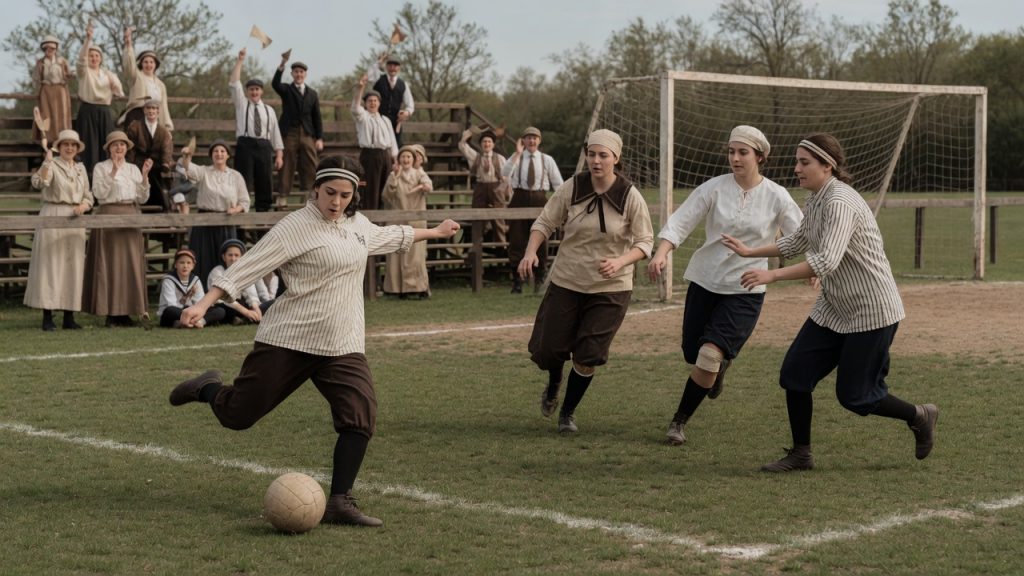
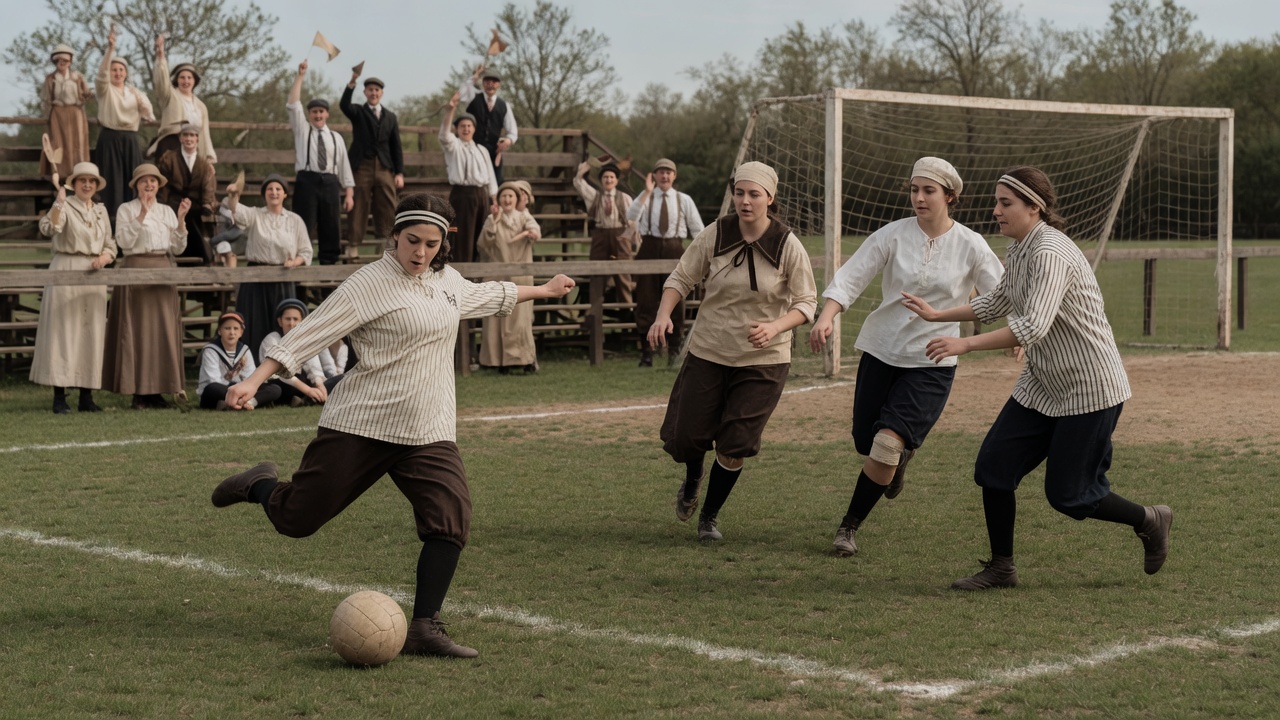
Washington’s soccer origins date back to the early 20th century when informal groups of women began playing the sport in local parks and schools. Despite societal norms that often limited women’s participation in sports, these early players cultivated a growing interest in soccer as a viable and exciting athletic option. The encouragement of physical education programs, particularly in the 1920s and 1930s, provided one of the first institutional supports for women’s athletic pursuits, which laid the groundwork for organized competitions and later, associations.
Throughout the mid-1900s, the social climate was characterized by gradual shifts toward greater gender equality and increased opportunities for women in public life and sports. This change was influenced by broader cultural movements advocating for women’s rights, which inspired local communities in Washington to promote women’s participation in traditionally male-dominated sports such as soccer. Early women’s soccer clubs began to form, primarily in urban centers, creating networks of players and enthusiasts committed to advancing the sport.
One of the defining aspects of early women’s soccer in Washington was its community-driven nature. Grassroots efforts, often led by dedicated coaches, parents, and former players, emphasized inclusion and team spirit. These pioneers faced challenges such as limited funding, minimal media coverage, and sometimes opposition based on outdated gender roles. Yet, their passion for the game ensured that soccer opportunities steadily increased, culminating in the establishment of formal associations to organize leagues, tournaments, and training programs.
In summary, the early development and social climate surrounding women’s soccer in Washington shaped the sport’s trajectory and led to the formation of strong, enduring associations. These organizations not only provided competitive platforms but also fostered empowerment and camaraderie among women athletes, preserving and promoting the legacy of women’s soccer across the state.
Early Women’s Soccer Clubs and Teams
Before formal organizations were established, the formation of women’s soccer clubs in Washington marked a crucial phase in the sport’s development. These early teams emerged from grassroots initiatives, driven by passionate pioneers of women’s soccer who saw the potential for the game to grow beyond informal play. The first women’s soccer clubs in Washington were often community-based, bringing together women from diverse backgrounds who shared a common love for soccer and a desire to compete.
These early teams in Washington laid the groundwork for future organized leagues. Despite limited resources and societal challenges, they organized matches, practiced regularly, and fostered a camaraderie that greatly contributed to the sport’s local popularity. Many of these clubs operated independently, scheduling friendly matches against neighboring communities and gradually increasing public interest in women’s soccer.
The pioneers of women’s soccer in Washington not only played the game but also took on leadership roles to sustain these early clubs. Their dedication helped promote the idea that women’s soccer could thrive competitively and socially. Their efforts were foundational, eventually paving the way for the establishment of official associations committed to supporting and expanding the women’s soccer movement in Washington State.
Social and Cultural Challenges
In the early years of women’s soccer in Washington, social barriers women’s sports encountered were significant and deeply entrenched. Many people held traditional views that deemed sports like soccer unsuitable or even inappropriate for women. These cultural attitudes women athletes faced were rooted in long-standing gender norms that emphasized domestic roles over athletic pursuits. As a result, women who showed interest in playing soccer often met with resistance from family members, community leaders, and sometimes even local institutions.
Organizing women’s soccer associations was equally challenging. The women’s sports challenges included securing venues for games and practices, obtaining funding, and gaining visibility in a male-dominated sports environment. These obstacles were compounded by societal skepticism about women’s physical capabilities and the belief that women’s sports lacked the excitement or competitiveness of men’s sports. Many early pioneers had to work tirelessly not only to promote soccer but also to change public perception.
Despite these hurdles, the determination of women soccer players and organizers gradually broke down these social and cultural barriers. Their efforts laid the groundwork for greater acceptance and paved the way for more formal and widespread women’s soccer associations to form in Washington. The persistence in overcoming social and cultural opposition highlighted the transformative power of sport in challenging prevailing stereotypes and expanding opportunities for women athletes.
Formation and Growth of Women’s Soccer Associations

The establishment of official women’s soccer associations in Washington marks a significant milestone in the history and development of the sport within the state. Women’s soccer associations have played a crucial role in providing structure, support, and organized opportunities for female athletes passionate about soccer. The formation of soccer groups dedicated to women began earnestly in the late 20th century, driven by the efforts of visionary founders who recognized the potential and importance of fostering the women’s game at both grassroots and competitive levels.
One of the key founders in Washington’s women’s soccer movement was Jane Mitchell, a pioneer who tirelessly advocated for the inclusion and recognition of women in the sport. Alongside several other committed enthusiasts, Jane helped lay the foundation for what would eventually become the Washington State Women’s Soccer Association (WSWSA). This organization was officially formed to oversee the growth, development, and regulation of women’s soccer activities across the state—uniting various local clubs and teams under one umbrella.
The formation of these soccer groups was driven by a broader cultural push towards gender equality in sports and the clear demand from women who sought competitive play. The WSWSA began as a modest initiative but rapidly expanded as its efforts attracted more participants, volunteers, and supporters. This growth trajectory mirrored the rising popularity of women’s soccer nationwide, amplified by landmark events such as the U.S. Women’s National Team’s successes on the international stage.
As organizational structure solidified, women’s soccer associations in Washington focused on creating leagues, tournaments, and development programs. Their strategies included outreach to schools and communities to encourage young girls to participate in soccer, promoting inclusiveness and skill development from an early age. Over time, these associations became instrumental in identifying and nurturing local talent that would go on to compete at collegiate and professional levels.
Overall, the growth of women’s soccer associations in Washington reflects a dynamic and ongoing journey. These organizations have transformed the landscape of the sport by establishing a sustainable framework for women’s soccer activities in the state. Their formation not only empowered female athletes but also contributed to the broader sporting culture, inspiring future generations to embrace soccer and pursue their athletic ambitions without barriers.
Key Founders and Influential Leaders
The formation of women’s soccer associations in Washington was driven by a group of passionate women’s soccer founders and visionary sports leaders Washington relied upon to bring the sport to new heights. These pioneers were not only dedicated athletes but also relentless advocates who laid the groundwork for organized women’s soccer across the state.
Among the most notable soccer association pioneers was Linda Carlson, whose leadership and organizational skills helped establish the first formal women’s soccer league in Washington in the early 1980s. Her work in advocating for equal opportunities and resources was instrumental in setting up the structural foundation for women’s soccer organizations statewide.
Another influential leader was Marcus Johnson, a longtime sports advocate and coach who played a key role in mentoring female athletes and facilitating community outreach programs. His dedication to fostering talent and building strong networks among clubs significantly contributed to the growth and sustainability of women’s soccer in Washington.
Additionally, leaders like Susan Patel championed the cause through policy-making and securing sponsorships, ensuring that these sports leaders Washington recognized the potential of women’s soccer as both a competitive and community sport. Their combined efforts continue to inspire new generations of players and organizers, maintaining a legacy of empowerment and achievement in the sport.
Milestones in Organizational Development
The formation and growth of women’s soccer associations in Washington have been marked by several key milestones that highlight their organizational growth and increasing recognition. One of the earliest significant events was the official establishment of the Washington State Women’s Soccer Association in the late 1970s, which brought formal structure and governance to women’s soccer activities across the state. This foundational moment enabled a unified approach to organizing leagues, tournaments, and training programs.
Throughout the 1980s and 1990s, the associations hosted landmark women’s soccer events that solidified their status and expanded their reach. Notable among these were statewide championships and regional tournaments that attracted growing participation from teams and players. These events not only fostered competitive play but also brought attention to the talents and potential of women athletes in soccer.
Another major milestone was the association’s successful affiliation with national soccer bodies, which provided access to greater resources, coaching expertise, and funding opportunities. This affiliation was a turning point in the organizational growth of women’s soccer, enabling the implementation of comprehensive youth programs and adult leagues that continue to thrive today.
In recent years, increased media coverage and community support have further elevated the profile of women’s soccer in Washington. Achievements such as championship titles, player recognitions, and successful hosting of inter-state events stand as testament to the persistent development and success of the women’s soccer associations in the region. These milestones underscore a vibrant history of growth and promise for the future of women’s soccer.
Impact and Legacy of Women’s Soccer Associations in Washington

The formation of women’s soccer associations in Washington has had a profound impact both regionally and nationally, shaping the landscape of the sport in enduring ways. These legacy sports organizations have not only fostered competitive excellence but have also played a pivotal role in championing gender equality and empowerment through soccer. Their influence extends beyond the pitch, contributing significantly to the growth and cohesion of the soccer community in Washington and setting a benchmark for similar initiatives across the country.
Regionally, women’s soccer associations in Washington have cultivated an inclusive environment that encourages participation at all levels. This grassroots approach has energized local clubs and leagues, providing ample opportunities for young girls and women to engage in the sport. By promoting accessibility and quality training, these associations have helped raise the standard of women’s soccer within the state, creating pathways for athletes to advance to collegiate and professional levels. Moreover, their commitment to community involvement has strengthened connections among players, coaches, families, and supporters, reinforcing a shared passion for the game.
On a national scale, the pioneering efforts of Washington’s women’s soccer associations have contributed to broader conversations about the value and visibility of women’s sports. Their advocacy work and successful programs have inspired other regions to establish similar organizations, amplifying the reach and impact of women’s soccer throughout the United States. This ripple effect has enhanced opportunities for youth involvement nationwide, encouraging equitable resource allocation and media attention.
The lasting legacy of these associations is most visible in their dedication to youth development. By prioritizing education, mentorship, and skill-building, they have nurtured generations of players who carry forward the sport’s spirit and values. Their work has embedded soccer more deeply into the cultural fabric of Washington’s communities, making it a unifying force that transcends demographic and socio-economic boundaries. Ultimately, the women’s soccer impact in Washington represents a vital chapter in the story of American soccer, illustrating how committed organizations can drive positive change at multiple levels.
Community Engagement and Youth Development
Women’s soccer associations across Washington have played a pivotal role in fostering community engagement and promoting youth development soccer. By spearheading numerous community soccer programs, these associations have created inclusive environments where young players, especially girls, can access the sport regardless of their background or experience level. Their outreach initiatives extend beyond just gameplay, focusing on education, mentorship, and providing safe spaces for youth to thrive both on and off the field.
One of the key contributions of women’s soccer associations is the establishment of grassroots programs designed to introduce soccer to children at a young age. These programs emphasize skill building, teamwork, and confidence, ensuring that youth development soccer is not only competitive but also supportive and nurturing. Through collaborations with schools, community centers, and local organizations, these associations have broadened the reach of their programs, touching diverse communities across the state.
Moreover, the outreach efforts by women’s soccer associations have significantly increased visibility and support for women’s soccer in Washington. By organizing clinics, tournaments, and community events, they connect players with role models and create pathways for aspiring athletes to progress to higher levels of competition. This sustained commitment to community soccer programs has been essential in developing a strong, vibrant soccer culture that uplifts youth and empowers the next generation of women athletes throughout Washington.
Influence on National and International Women’s Soccer
The formation of women’s soccer associations in Washington has played a pivotal role in shaping national women’s soccer leagues and bolstering the international impact of women’s sports. Washington’s proactive approach in establishing structured leagues and training programs has created a strong foundation that has influenced the growth and professionalism of women’s soccer across the United States. Through the development of competitive local clubs, the state has consistently produced talented athletes who have gone on to excel in national teams and leagues, further solidifying Washington soccer influence on a broader scale.
Beyond national borders, Washington’s women’s soccer associations have contributed significantly to international movements advocating for women’s sports. Their efforts in promoting equity, skill development, and visibility have resonated globally, inspiring other regions to establish similar associations and programs. The state’s engagement in international tournaments and collaboration with overseas organizations have amplified its impact, fostering a network of support and knowledge exchange that advances women’s soccer worldwide. This dynamic influence not only strengthens competitive standards but also champions the cultural importance of women’s sports internationally.
In summary, the Washington soccer influence extends far beyond the local fields, shaping national women’s soccer frameworks and energizing international initiatives that support and elevate women’s participation in sports. The associations’ commitment to nurturing talent and advocating for equality continues to be a crucial force in the ongoing evolution and recognition of women’s soccer at every level.

I’ve been passionate about women’s soccer in Washington ever since I first watched a local match in high school. Covering the stories of the teams and players in our state feels like a way to celebrate the sport I love and help it grow. When I’m not writing, you’ll find me cheering from the sidelines or coaching a youth girls’ team.