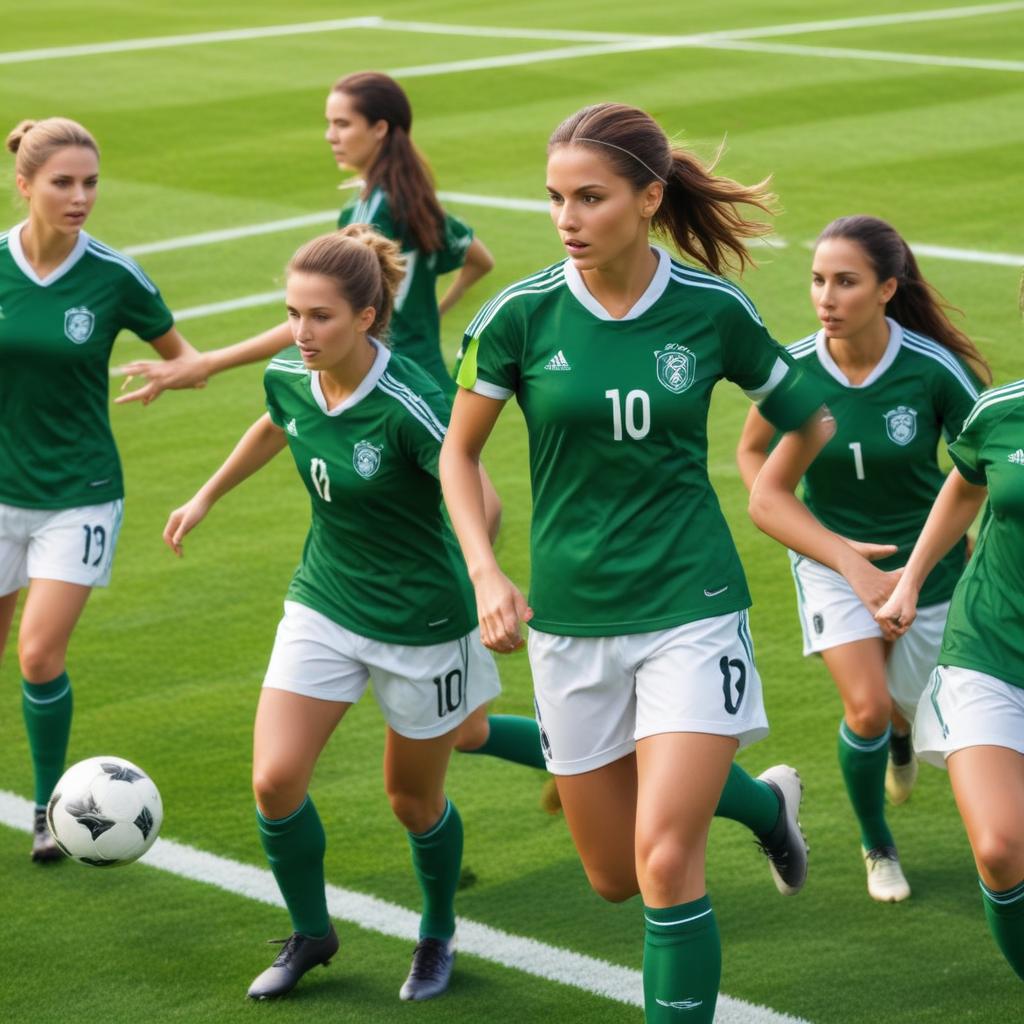
Another effective coaching method is focusing on player engagement through consistent feedback and encouragement. When players feel involved and valued, they are more likely to cooperate and contribute positively to the team dynamic. Coaches often use video analysis sessions to highlight examples of great collaboration, motivating players to replicate such behaviors during training and matches.
Overall, these coaching methods and teamwork drills are fundamental in nurturing a cohesive team where collaboration thrives. By emphasizing communication, trust, and active player engagement, coaches help build a strong foundation for success both on and off the pitch.
Encouraging Leadership and Communication on the Field
Fostering leadership and communication skills within a women’s soccer team plays a crucial role in enhancing overall teamwork and performance. When players, especially the team captain, take on leadership roles, they set a positive example for their peers, promoting responsibility, motivation, and unity. A strong leader on the field actively encourages communication among teammates, creating an environment where players feel empowered to share strategies, provide feedback, and support each other during the game.
Effective communication skills are essential for synchronizing team movements and making real-time decisions during matches. Leaders who communicate clearly and confidently help maintain focus and keep the team organized, reducing misunderstandings and errors. Moreover, fostering these skills builds trust among players, allowing for seamless collaboration and boosting morale. As the team captain models these behaviors, peers are inspired to develop their own communication styles, resulting in a cohesive unit that works together towards common goals.
Ultimately, encouraging leadership and open lines of communication creates a positive atmosphere where every player feels valued and heard. This leads to increased engagement, resilience during challenging moments, and a stronger collective effort. By prioritizing leadership and communication on the field, women’s soccer teams in Washington not only improve their gameplay but also build lifelong skills that extend beyond the sport.

Trust is another foundational element strengthened through women’s soccer. Each player depends on her teammates to fulfill their roles and support one another under pressure. The shared experiences in training and competing create strong bonds, allowing players to rely confidently on each other’s abilities and decisions. Trust enhances team morale and resilience, especially during challenging moments in a match.
Coordination is the third key teamwork skill honed through the sport. Players coordinate their movements, passes, and positioning to maintain fluid gameplay and seize opportunities. This synchronized effort requires acute awareness of teammates’ locations and actions, promoting a seamless interplay that is crucial for a successful team. Together, communication, trust, and coordination form the backbone of effective teamwork skills that women’s soccer uniquely fosters, preparing players for collaborative success both on and off the field.
Benefits of Teamwork Beyond the Field
Teamwork learned through women’s soccer goes far beyond the boundaries of the soccer field, offering valuable life skills that contribute to personal growth and improved social interactions. Players develop a strong sense of collaboration and trust, essential teamwork benefits that translate directly into everyday life situations. These skills foster the ability to work effectively with others, communicate clearly, and solve problems collectively.
Participation in women’s soccer nurtures resilience and adaptability, qualities that empower individuals to navigate challenges both personally and professionally. Through team experiences, players gain confidence in their capabilities and learn how to balance individual strengths with group objectives, enhancing their overall social skills and emotional intelligence. These are crucial attributes for building meaningful relationships and succeeding in diverse social environments.
Moreover, the discipline and commitment required in team sports promote a strong work ethic and accountability, teaching players to manage responsibilities and support peers consistently. As a result, many find that the teamwork benefits extend to improved leadership skills and a greater sense of community awareness, fostering personal growth well beyond the athletic arena.
Women’s Soccer in Washington: A Community Perspective
Women’s soccer in Washington has seen remarkable growth over the past decade, becoming a vital part of the local community sports scene. This surge in popularity is not only about the game itself but also about the profound impact it has on team spirit and community building. As more women and girls participate, soccer clubs and leagues across the region have established a strong foundation for fostering camaraderie and collaboration among players of all ages.
The essence of women’s soccer in Washington lies in its ability to bring people together, transcending mere competition. Community sports like these serve as platforms where teamwork is not just practiced but celebrated. Players learn the value of mutual support, resilience, and collective effort, which helps them grow both on and off the field. In this way, soccer is more than a sport; it is a mechanism for creating lasting bonds within the community.
At the grassroots level, many local clubs have embraced programs that encourage inclusivity and personal development. These initiatives are designed to nurture young athletes by fostering a team-oriented mindset. The growth of women’s soccer in Washington reflects a broader societal shift toward empowering women through sports, promoting equality, and breaking down barriers. The positive influence of these programs extends beyond the players, inspiring families, coaches, and fans to contribute to a supportive environment.
Moreover, the community spirit inherent in Washington’s women’s soccer scene helps build networks of mentorship and leadership. Experienced players become role models, guiding newcomers and reinforcing the importance of unity and shared goals. These relationships strengthen the community fabric, encouraging a culture where teamwork drives not only athletic success but also social cohesion and personal well-being.
In conclusion, women’s soccer in Washington plays a pivotal role in shaping team spirit and fostering community sports culture. As the sport continues to flourish, it serves as a powerful catalyst for building stronger connections among individuals and empowering women through teamwork. The impact of this growth resonates throughout the region, highlighting the critical relationship between sports and community development.
Local Teams and Organizations Promoting Teamwork
Washington is home to several notable women’s soccer clubs and organizations that play a vital role in promoting teamwork and leadership among players. These local teams not only focus on developing soccer skills but also emphasize the importance of collaboration, communication, and mutual support on and off the field. One such prominent organization is the Washington State Women’s Soccer Association (WSWSA), which actively encourages young women to engage in team building through competitive play and community involvement.
Soccer clubs across Washington prioritize creating an environment where athletes learn to work together to achieve common goals, reinforcing the core values of team building. These clubs organize regular practices, tournaments, and leadership workshops designed to foster strong interpersonal connections and cultivate future leaders. By participating in these programs, players not only enhance their athletic abilities but also develop valuable life skills that extend beyond sports.
Washington sports culture supports this collaborative approach, with many teams partnering with schools and community groups to promote inclusivity and respect among players of all backgrounds. Through these concerted efforts, local soccer clubs contribute significantly to shaping well-rounded individuals who understand the power of teamwork and collective achievement in both sports and life.
Youth Programs Fostering Teamwork Skills
Washington offers a variety of youth soccer programs designed to nurture teamwork and essential skills development from an early age. These programs emphasize the importance of collaboration, communication, and mutual support among young athletes, making them ideal environments for fostering strong teamwork skills. Through engaging drills and team-based activities, kids learn how to work together effectively on and off the field.
Many youth soccer leagues across Washington incorporate specialized teamwork programs that go beyond basic soccer techniques. These initiatives focus on building social skills, leadership qualities, and conflict resolution, which are critical for personal growth. Coaches encourage players to support each other, celebrate collective successes, and handle challenges as a team, reinforcing the spirit of unity and cooperation.
Washington youth participating in these programs benefit from a supportive community that values both individual improvement and team success. Parents and local organizations often collaborate to create safe, inclusive spaces where kids can thrive and enjoy the sport while developing lifelong interpersonal skills. Overall, youth soccer in Washington is a powerful platform for teaching teamwork and preparing young players for future challenges both in sports and life.
Strategies to Enhance Teamwork Through Women’s Soccer
Effective teamwork strategies are essential for women’s soccer teams aiming to achieve success on and off the field. One of the primary approaches to fostering strong team dynamics is through well-structured soccer training sessions that emphasize communication and collaboration among players. Incorporating drills that require passing accuracy, coordinated movements, and situational awareness helps players learn to anticipate each other’s actions, creating a seamless flow during matches.
Coaching plays a pivotal role in enhancing teamwork effectiveness. Coaches should focus on developing individual skills while consistently reinforcing the importance of collective effort. By establishing clear roles and responsibilities for each player, the team can build trust and accountability, ensuring that every member understands how their contributions fit into the larger strategy. Additionally, coaches can implement team-building activities off the pitch to strengthen interpersonal bonds and improve overall cohesion.
Another critical teamwork strategy is promoting open and transparent communication among teammates. Encourage players to share feedback constructively during training and games, allowing them to address challenges promptly and adapt to changing situations. Teams benefit when players feel comfortable expressing their ideas and supporting one another, which leads to enhanced morale and resilience under pressure.
Regular video analysis of games and training sessions can also enhance teamwork by providing visual feedback on team dynamics. Reviewing strengths and identifying areas for improvement together fosters a collaborative learning environment. This approach enables players and coaches to co-create solutions and implement tactical adjustments that elevate team performance.
Finally, developing a shared team vision and setting collective goals help align individual efforts towards common objectives. When players are united by a sense of purpose, it fuels motivation and encourages them to support one another through successes and setbacks. Incorporating these teamwork strategies into soccer training and coaching cultivates a resilient, synchronized team ready to excel in competitive environments.
Coaching Methods That Promote Collaboration
Effective coaching methods are essential to fostering collaboration and strengthening teamwork among women’s soccer players. Coaches focus on creating an environment where open communication and mutual support are prioritized. One key approach involves incorporating teamwork drills specifically designed to enhance players’ ability to work together seamlessly on the field.
Teamwork drills are structured exercises that encourage players to develop trust and understanding of each other’s playing styles. These drills often include small-sided games, passing sequences, and coordinated movement patterns that require players to anticipate and support one another. This not only improves technical skills but also builds strong bonds that translate into better in-game collaboration.
Another effective coaching method is focusing on player engagement through consistent feedback and encouragement. When players feel involved and valued, they are more likely to cooperate and contribute positively to the team dynamic. Coaches often use video analysis sessions to highlight examples of great collaboration, motivating players to replicate such behaviors during training and matches.
Overall, these coaching methods and teamwork drills are fundamental in nurturing a cohesive team where collaboration thrives. By emphasizing communication, trust, and active player engagement, coaches help build a strong foundation for success both on and off the pitch.
Encouraging Leadership and Communication on the Field
Fostering leadership and communication skills within a women’s soccer team plays a crucial role in enhancing overall teamwork and performance. When players, especially the team captain, take on leadership roles, they set a positive example for their peers, promoting responsibility, motivation, and unity. A strong leader on the field actively encourages communication among teammates, creating an environment where players feel empowered to share strategies, provide feedback, and support each other during the game.
Effective communication skills are essential for synchronizing team movements and making real-time decisions during matches. Leaders who communicate clearly and confidently help maintain focus and keep the team organized, reducing misunderstandings and errors. Moreover, fostering these skills builds trust among players, allowing for seamless collaboration and boosting morale. As the team captain models these behaviors, peers are inspired to develop their own communication styles, resulting in a cohesive unit that works together towards common goals.
Ultimately, encouraging leadership and open lines of communication creates a positive atmosphere where every player feels valued and heard. This leads to increased engagement, resilience during challenging moments, and a stronger collective effort. By prioritizing leadership and communication on the field, women’s soccer teams in Washington not only improve their gameplay but also build lifelong skills that extend beyond the sport.
Trust is another foundational element strengthened through women’s soccer. Each player depends on her teammates to fulfill their roles and support one another under pressure. The shared experiences in training and competing create strong bonds, allowing players to rely confidently on each other’s abilities and decisions. Trust enhances team morale and resilience, especially during challenging moments in a match.
Coordination is the third key teamwork skill honed through the sport. Players coordinate their movements, passes, and positioning to maintain fluid gameplay and seize opportunities. This synchronized effort requires acute awareness of teammates’ locations and actions, promoting a seamless interplay that is crucial for a successful team. Together, communication, trust, and coordination form the backbone of effective teamwork skills that women’s soccer uniquely fosters, preparing players for collaborative success both on and off the field.
Benefits of Teamwork Beyond the Field
Teamwork learned through women’s soccer goes far beyond the boundaries of the soccer field, offering valuable life skills that contribute to personal growth and improved social interactions. Players develop a strong sense of collaboration and trust, essential teamwork benefits that translate directly into everyday life situations. These skills foster the ability to work effectively with others, communicate clearly, and solve problems collectively.
Participation in women’s soccer nurtures resilience and adaptability, qualities that empower individuals to navigate challenges both personally and professionally. Through team experiences, players gain confidence in their capabilities and learn how to balance individual strengths with group objectives, enhancing their overall social skills and emotional intelligence. These are crucial attributes for building meaningful relationships and succeeding in diverse social environments.
Moreover, the discipline and commitment required in team sports promote a strong work ethic and accountability, teaching players to manage responsibilities and support peers consistently. As a result, many find that the teamwork benefits extend to improved leadership skills and a greater sense of community awareness, fostering personal growth well beyond the athletic arena.
Women’s Soccer in Washington: A Community Perspective
Women’s soccer in Washington has seen remarkable growth over the past decade, becoming a vital part of the local community sports scene. This surge in popularity is not only about the game itself but also about the profound impact it has on team spirit and community building. As more women and girls participate, soccer clubs and leagues across the region have established a strong foundation for fostering camaraderie and collaboration among players of all ages.
The essence of women’s soccer in Washington lies in its ability to bring people together, transcending mere competition. Community sports like these serve as platforms where teamwork is not just practiced but celebrated. Players learn the value of mutual support, resilience, and collective effort, which helps them grow both on and off the field. In this way, soccer is more than a sport; it is a mechanism for creating lasting bonds within the community.
At the grassroots level, many local clubs have embraced programs that encourage inclusivity and personal development. These initiatives are designed to nurture young athletes by fostering a team-oriented mindset. The growth of women’s soccer in Washington reflects a broader societal shift toward empowering women through sports, promoting equality, and breaking down barriers. The positive influence of these programs extends beyond the players, inspiring families, coaches, and fans to contribute to a supportive environment.
Moreover, the community spirit inherent in Washington’s women’s soccer scene helps build networks of mentorship and leadership. Experienced players become role models, guiding newcomers and reinforcing the importance of unity and shared goals. These relationships strengthen the community fabric, encouraging a culture where teamwork drives not only athletic success but also social cohesion and personal well-being.
In conclusion, women’s soccer in Washington plays a pivotal role in shaping team spirit and fostering community sports culture. As the sport continues to flourish, it serves as a powerful catalyst for building stronger connections among individuals and empowering women through teamwork. The impact of this growth resonates throughout the region, highlighting the critical relationship between sports and community development.
Local Teams and Organizations Promoting Teamwork
Washington is home to several notable women’s soccer clubs and organizations that play a vital role in promoting teamwork and leadership among players. These local teams not only focus on developing soccer skills but also emphasize the importance of collaboration, communication, and mutual support on and off the field. One such prominent organization is the Washington State Women’s Soccer Association (WSWSA), which actively encourages young women to engage in team building through competitive play and community involvement.
Soccer clubs across Washington prioritize creating an environment where athletes learn to work together to achieve common goals, reinforcing the core values of team building. These clubs organize regular practices, tournaments, and leadership workshops designed to foster strong interpersonal connections and cultivate future leaders. By participating in these programs, players not only enhance their athletic abilities but also develop valuable life skills that extend beyond sports.
Washington sports culture supports this collaborative approach, with many teams partnering with schools and community groups to promote inclusivity and respect among players of all backgrounds. Through these concerted efforts, local soccer clubs contribute significantly to shaping well-rounded individuals who understand the power of teamwork and collective achievement in both sports and life.
Youth Programs Fostering Teamwork Skills
Washington offers a variety of youth soccer programs designed to nurture teamwork and essential skills development from an early age. These programs emphasize the importance of collaboration, communication, and mutual support among young athletes, making them ideal environments for fostering strong teamwork skills. Through engaging drills and team-based activities, kids learn how to work together effectively on and off the field.
Many youth soccer leagues across Washington incorporate specialized teamwork programs that go beyond basic soccer techniques. These initiatives focus on building social skills, leadership qualities, and conflict resolution, which are critical for personal growth. Coaches encourage players to support each other, celebrate collective successes, and handle challenges as a team, reinforcing the spirit of unity and cooperation.
Washington youth participating in these programs benefit from a supportive community that values both individual improvement and team success. Parents and local organizations often collaborate to create safe, inclusive spaces where kids can thrive and enjoy the sport while developing lifelong interpersonal skills. Overall, youth soccer in Washington is a powerful platform for teaching teamwork and preparing young players for future challenges both in sports and life.
Strategies to Enhance Teamwork Through Women’s Soccer
Effective teamwork strategies are essential for women’s soccer teams aiming to achieve success on and off the field. One of the primary approaches to fostering strong team dynamics is through well-structured soccer training sessions that emphasize communication and collaboration among players. Incorporating drills that require passing accuracy, coordinated movements, and situational awareness helps players learn to anticipate each other’s actions, creating a seamless flow during matches.
Coaching plays a pivotal role in enhancing teamwork effectiveness. Coaches should focus on developing individual skills while consistently reinforcing the importance of collective effort. By establishing clear roles and responsibilities for each player, the team can build trust and accountability, ensuring that every member understands how their contributions fit into the larger strategy. Additionally, coaches can implement team-building activities off the pitch to strengthen interpersonal bonds and improve overall cohesion.
Another critical teamwork strategy is promoting open and transparent communication among teammates. Encourage players to share feedback constructively during training and games, allowing them to address challenges promptly and adapt to changing situations. Teams benefit when players feel comfortable expressing their ideas and supporting one another, which leads to enhanced morale and resilience under pressure.
Regular video analysis of games and training sessions can also enhance teamwork by providing visual feedback on team dynamics. Reviewing strengths and identifying areas for improvement together fosters a collaborative learning environment. This approach enables players and coaches to co-create solutions and implement tactical adjustments that elevate team performance.
Finally, developing a shared team vision and setting collective goals help align individual efforts towards common objectives. When players are united by a sense of purpose, it fuels motivation and encourages them to support one another through successes and setbacks. Incorporating these teamwork strategies into soccer training and coaching cultivates a resilient, synchronized team ready to excel in competitive environments.
Coaching Methods That Promote Collaboration
Effective coaching methods are essential to fostering collaboration and strengthening teamwork among women’s soccer players. Coaches focus on creating an environment where open communication and mutual support are prioritized. One key approach involves incorporating teamwork drills specifically designed to enhance players’ ability to work together seamlessly on the field.
Teamwork drills are structured exercises that encourage players to develop trust and understanding of each other’s playing styles. These drills often include small-sided games, passing sequences, and coordinated movement patterns that require players to anticipate and support one another. This not only improves technical skills but also builds strong bonds that translate into better in-game collaboration.
Another effective coaching method is focusing on player engagement through consistent feedback and encouragement. When players feel involved and valued, they are more likely to cooperate and contribute positively to the team dynamic. Coaches often use video analysis sessions to highlight examples of great collaboration, motivating players to replicate such behaviors during training and matches.
Overall, these coaching methods and teamwork drills are fundamental in nurturing a cohesive team where collaboration thrives. By emphasizing communication, trust, and active player engagement, coaches help build a strong foundation for success both on and off the pitch.
Encouraging Leadership and Communication on the Field
Fostering leadership and communication skills within a women’s soccer team plays a crucial role in enhancing overall teamwork and performance. When players, especially the team captain, take on leadership roles, they set a positive example for their peers, promoting responsibility, motivation, and unity. A strong leader on the field actively encourages communication among teammates, creating an environment where players feel empowered to share strategies, provide feedback, and support each other during the game.
Effective communication skills are essential for synchronizing team movements and making real-time decisions during matches. Leaders who communicate clearly and confidently help maintain focus and keep the team organized, reducing misunderstandings and errors. Moreover, fostering these skills builds trust among players, allowing for seamless collaboration and boosting morale. As the team captain models these behaviors, peers are inspired to develop their own communication styles, resulting in a cohesive unit that works together towards common goals.
Ultimately, encouraging leadership and open lines of communication creates a positive atmosphere where every player feels valued and heard. This leads to increased engagement, resilience during challenging moments, and a stronger collective effort. By prioritizing leadership and communication on the field, women’s soccer teams in Washington not only improve their gameplay but also build lifelong skills that extend beyond the sport.
The sport’s structure inherently motivates players to focus on shared objectives rather than individual achievements. Whether it is scoring goals, defending, or transitioning the ball, all actions are aligned with common strategic goals set by the team. This collective pursuit drives players to be selfless and to put the team’s needs above personal glory, reinforcing valuable life skills such as empathy, patience, and perseverance.
Moreover, women’s soccer offers a supportive environment that nurtures leadership and decision-making within a team context. Players are often tasked with making quick decisions that affect the whole team during the fast-paced nature of the game. This experience enhances their ability to think critically and act decisively while maintaining cohesion with their teammates. The shared victories and defeats experienced together further solidify the spirit of collaboration and reinforce the importance of teamwork.
Ultimately, women’s soccer is more than just a sport; it is a dynamic learning arena where participants cultivate teamwork skills vital for both sports and everyday life. By engaging in this highly collaborative sport, players develop not only athletic abilities but also the interpersonal skills necessary to thrive in group settings, demonstrating the significant role women’s soccer plays in building teamwork.
Fundamental Teamwork Skills Developed in Soccer
Participating in women’s soccer cultivates essential teamwork skills that extend beyond the field. One of the most critical skills developed is communication. Players learn to effectively exchange information, signals, and encouragement in real-time, ensuring that every team member is aligned with the game’s strategy and flow. This open and clear communication fosters a cohesive unit where misunderstandings are minimized and collaboration is maximized.
Trust is another foundational element strengthened through women’s soccer. Each player depends on her teammates to fulfill their roles and support one another under pressure. The shared experiences in training and competing create strong bonds, allowing players to rely confidently on each other’s abilities and decisions. Trust enhances team morale and resilience, especially during challenging moments in a match.
Coordination is the third key teamwork skill honed through the sport. Players coordinate their movements, passes, and positioning to maintain fluid gameplay and seize opportunities. This synchronized effort requires acute awareness of teammates’ locations and actions, promoting a seamless interplay that is crucial for a successful team. Together, communication, trust, and coordination form the backbone of effective teamwork skills that women’s soccer uniquely fosters, preparing players for collaborative success both on and off the field.
Benefits of Teamwork Beyond the Field
Teamwork learned through women’s soccer goes far beyond the boundaries of the soccer field, offering valuable life skills that contribute to personal growth and improved social interactions. Players develop a strong sense of collaboration and trust, essential teamwork benefits that translate directly into everyday life situations. These skills foster the ability to work effectively with others, communicate clearly, and solve problems collectively.
Participation in women’s soccer nurtures resilience and adaptability, qualities that empower individuals to navigate challenges both personally and professionally. Through team experiences, players gain confidence in their capabilities and learn how to balance individual strengths with group objectives, enhancing their overall social skills and emotional intelligence. These are crucial attributes for building meaningful relationships and succeeding in diverse social environments.
Moreover, the discipline and commitment required in team sports promote a strong work ethic and accountability, teaching players to manage responsibilities and support peers consistently. As a result, many find that the teamwork benefits extend to improved leadership skills and a greater sense of community awareness, fostering personal growth well beyond the athletic arena.
Women’s Soccer in Washington: A Community Perspective
Women’s soccer in Washington has seen remarkable growth over the past decade, becoming a vital part of the local community sports scene. This surge in popularity is not only about the game itself but also about the profound impact it has on team spirit and community building. As more women and girls participate, soccer clubs and leagues across the region have established a strong foundation for fostering camaraderie and collaboration among players of all ages.
The essence of women’s soccer in Washington lies in its ability to bring people together, transcending mere competition. Community sports like these serve as platforms where teamwork is not just practiced but celebrated. Players learn the value of mutual support, resilience, and collective effort, which helps them grow both on and off the field. In this way, soccer is more than a sport; it is a mechanism for creating lasting bonds within the community.
At the grassroots level, many local clubs have embraced programs that encourage inclusivity and personal development. These initiatives are designed to nurture young athletes by fostering a team-oriented mindset. The growth of women’s soccer in Washington reflects a broader societal shift toward empowering women through sports, promoting equality, and breaking down barriers. The positive influence of these programs extends beyond the players, inspiring families, coaches, and fans to contribute to a supportive environment.
Moreover, the community spirit inherent in Washington’s women’s soccer scene helps build networks of mentorship and leadership. Experienced players become role models, guiding newcomers and reinforcing the importance of unity and shared goals. These relationships strengthen the community fabric, encouraging a culture where teamwork drives not only athletic success but also social cohesion and personal well-being.
In conclusion, women’s soccer in Washington plays a pivotal role in shaping team spirit and fostering community sports culture. As the sport continues to flourish, it serves as a powerful catalyst for building stronger connections among individuals and empowering women through teamwork. The impact of this growth resonates throughout the region, highlighting the critical relationship between sports and community development.
Local Teams and Organizations Promoting Teamwork
Washington is home to several notable women’s soccer clubs and organizations that play a vital role in promoting teamwork and leadership among players. These local teams not only focus on developing soccer skills but also emphasize the importance of collaboration, communication, and mutual support on and off the field. One such prominent organization is the Washington State Women’s Soccer Association (WSWSA), which actively encourages young women to engage in team building through competitive play and community involvement.
Soccer clubs across Washington prioritize creating an environment where athletes learn to work together to achieve common goals, reinforcing the core values of team building. These clubs organize regular practices, tournaments, and leadership workshops designed to foster strong interpersonal connections and cultivate future leaders. By participating in these programs, players not only enhance their athletic abilities but also develop valuable life skills that extend beyond sports.
Washington sports culture supports this collaborative approach, with many teams partnering with schools and community groups to promote inclusivity and respect among players of all backgrounds. Through these concerted efforts, local soccer clubs contribute significantly to shaping well-rounded individuals who understand the power of teamwork and collective achievement in both sports and life.
Youth Programs Fostering Teamwork Skills
Washington offers a variety of youth soccer programs designed to nurture teamwork and essential skills development from an early age. These programs emphasize the importance of collaboration, communication, and mutual support among young athletes, making them ideal environments for fostering strong teamwork skills. Through engaging drills and team-based activities, kids learn how to work together effectively on and off the field.
Many youth soccer leagues across Washington incorporate specialized teamwork programs that go beyond basic soccer techniques. These initiatives focus on building social skills, leadership qualities, and conflict resolution, which are critical for personal growth. Coaches encourage players to support each other, celebrate collective successes, and handle challenges as a team, reinforcing the spirit of unity and cooperation.
Washington youth participating in these programs benefit from a supportive community that values both individual improvement and team success. Parents and local organizations often collaborate to create safe, inclusive spaces where kids can thrive and enjoy the sport while developing lifelong interpersonal skills. Overall, youth soccer in Washington is a powerful platform for teaching teamwork and preparing young players for future challenges both in sports and life.
Strategies to Enhance Teamwork Through Women’s Soccer
Effective teamwork strategies are essential for women’s soccer teams aiming to achieve success on and off the field. One of the primary approaches to fostering strong team dynamics is through well-structured soccer training sessions that emphasize communication and collaboration among players. Incorporating drills that require passing accuracy, coordinated movements, and situational awareness helps players learn to anticipate each other’s actions, creating a seamless flow during matches.
Coaching plays a pivotal role in enhancing teamwork effectiveness. Coaches should focus on developing individual skills while consistently reinforcing the importance of collective effort. By establishing clear roles and responsibilities for each player, the team can build trust and accountability, ensuring that every member understands how their contributions fit into the larger strategy. Additionally, coaches can implement team-building activities off the pitch to strengthen interpersonal bonds and improve overall cohesion.
Another critical teamwork strategy is promoting open and transparent communication among teammates. Encourage players to share feedback constructively during training and games, allowing them to address challenges promptly and adapt to changing situations. Teams benefit when players feel comfortable expressing their ideas and supporting one another, which leads to enhanced morale and resilience under pressure.
Regular video analysis of games and training sessions can also enhance teamwork by providing visual feedback on team dynamics. Reviewing strengths and identifying areas for improvement together fosters a collaborative learning environment. This approach enables players and coaches to co-create solutions and implement tactical adjustments that elevate team performance.
Finally, developing a shared team vision and setting collective goals help align individual efforts towards common objectives. When players are united by a sense of purpose, it fuels motivation and encourages them to support one another through successes and setbacks. Incorporating these teamwork strategies into soccer training and coaching cultivates a resilient, synchronized team ready to excel in competitive environments.
Coaching Methods That Promote Collaboration
Effective coaching methods are essential to fostering collaboration and strengthening teamwork among women’s soccer players. Coaches focus on creating an environment where open communication and mutual support are prioritized. One key approach involves incorporating teamwork drills specifically designed to enhance players’ ability to work together seamlessly on the field.
Teamwork drills are structured exercises that encourage players to develop trust and understanding of each other’s playing styles. These drills often include small-sided games, passing sequences, and coordinated movement patterns that require players to anticipate and support one another. This not only improves technical skills but also builds strong bonds that translate into better in-game collaboration.
Another effective coaching method is focusing on player engagement through consistent feedback and encouragement. When players feel involved and valued, they are more likely to cooperate and contribute positively to the team dynamic. Coaches often use video analysis sessions to highlight examples of great collaboration, motivating players to replicate such behaviors during training and matches.
Overall, these coaching methods and teamwork drills are fundamental in nurturing a cohesive team where collaboration thrives. By emphasizing communication, trust, and active player engagement, coaches help build a strong foundation for success both on and off the pitch.
Encouraging Leadership and Communication on the Field
Fostering leadership and communication skills within a women’s soccer team plays a crucial role in enhancing overall teamwork and performance. When players, especially the team captain, take on leadership roles, they set a positive example for their peers, promoting responsibility, motivation, and unity. A strong leader on the field actively encourages communication among teammates, creating an environment where players feel empowered to share strategies, provide feedback, and support each other during the game.
Effective communication skills are essential for synchronizing team movements and making real-time decisions during matches. Leaders who communicate clearly and confidently help maintain focus and keep the team organized, reducing misunderstandings and errors. Moreover, fostering these skills builds trust among players, allowing for seamless collaboration and boosting morale. As the team captain models these behaviors, peers are inspired to develop their own communication styles, resulting in a cohesive unit that works together towards common goals.
Ultimately, encouraging leadership and open lines of communication creates a positive atmosphere where every player feels valued and heard. This leads to increased engagement, resilience during challenging moments, and a stronger collective effort. By prioritizing leadership and communication on the field, women’s soccer teams in Washington not only improve their gameplay but also build lifelong skills that extend beyond the sport.
The sport’s structure inherently motivates players to focus on shared objectives rather than individual achievements. Whether it is scoring goals, defending, or transitioning the ball, all actions are aligned with common strategic goals set by the team. This collective pursuit drives players to be selfless and to put the team’s needs above personal glory, reinforcing valuable life skills such as empathy, patience, and perseverance.
Moreover, women’s soccer offers a supportive environment that nurtures leadership and decision-making within a team context. Players are often tasked with making quick decisions that affect the whole team during the fast-paced nature of the game. This experience enhances their ability to think critically and act decisively while maintaining cohesion with their teammates. The shared victories and defeats experienced together further solidify the spirit of collaboration and reinforce the importance of teamwork.
Ultimately, women’s soccer is more than just a sport; it is a dynamic learning arena where participants cultivate teamwork skills vital for both sports and everyday life. By engaging in this highly collaborative sport, players develop not only athletic abilities but also the interpersonal skills necessary to thrive in group settings, demonstrating the significant role women’s soccer plays in building teamwork.
Fundamental Teamwork Skills Developed in Soccer
Participating in women’s soccer cultivates essential teamwork skills that extend beyond the field. One of the most critical skills developed is communication. Players learn to effectively exchange information, signals, and encouragement in real-time, ensuring that every team member is aligned with the game’s strategy and flow. This open and clear communication fosters a cohesive unit where misunderstandings are minimized and collaboration is maximized.
Trust is another foundational element strengthened through women’s soccer. Each player depends on her teammates to fulfill their roles and support one another under pressure. The shared experiences in training and competing create strong bonds, allowing players to rely confidently on each other’s abilities and decisions. Trust enhances team morale and resilience, especially during challenging moments in a match.
Coordination is the third key teamwork skill honed through the sport. Players coordinate their movements, passes, and positioning to maintain fluid gameplay and seize opportunities. This synchronized effort requires acute awareness of teammates’ locations and actions, promoting a seamless interplay that is crucial for a successful team. Together, communication, trust, and coordination form the backbone of effective teamwork skills that women’s soccer uniquely fosters, preparing players for collaborative success both on and off the field.
Benefits of Teamwork Beyond the Field
Teamwork learned through women’s soccer goes far beyond the boundaries of the soccer field, offering valuable life skills that contribute to personal growth and improved social interactions. Players develop a strong sense of collaboration and trust, essential teamwork benefits that translate directly into everyday life situations. These skills foster the ability to work effectively with others, communicate clearly, and solve problems collectively.
Participation in women’s soccer nurtures resilience and adaptability, qualities that empower individuals to navigate challenges both personally and professionally. Through team experiences, players gain confidence in their capabilities and learn how to balance individual strengths with group objectives, enhancing their overall social skills and emotional intelligence. These are crucial attributes for building meaningful relationships and succeeding in diverse social environments.
Moreover, the discipline and commitment required in team sports promote a strong work ethic and accountability, teaching players to manage responsibilities and support peers consistently. As a result, many find that the teamwork benefits extend to improved leadership skills and a greater sense of community awareness, fostering personal growth well beyond the athletic arena.
Women’s Soccer in Washington: A Community Perspective
Women’s soccer in Washington has seen remarkable growth over the past decade, becoming a vital part of the local community sports scene. This surge in popularity is not only about the game itself but also about the profound impact it has on team spirit and community building. As more women and girls participate, soccer clubs and leagues across the region have established a strong foundation for fostering camaraderie and collaboration among players of all ages.
The essence of women’s soccer in Washington lies in its ability to bring people together, transcending mere competition. Community sports like these serve as platforms where teamwork is not just practiced but celebrated. Players learn the value of mutual support, resilience, and collective effort, which helps them grow both on and off the field. In this way, soccer is more than a sport; it is a mechanism for creating lasting bonds within the community.
At the grassroots level, many local clubs have embraced programs that encourage inclusivity and personal development. These initiatives are designed to nurture young athletes by fostering a team-oriented mindset. The growth of women’s soccer in Washington reflects a broader societal shift toward empowering women through sports, promoting equality, and breaking down barriers. The positive influence of these programs extends beyond the players, inspiring families, coaches, and fans to contribute to a supportive environment.
Moreover, the community spirit inherent in Washington’s women’s soccer scene helps build networks of mentorship and leadership. Experienced players become role models, guiding newcomers and reinforcing the importance of unity and shared goals. These relationships strengthen the community fabric, encouraging a culture where teamwork drives not only athletic success but also social cohesion and personal well-being.
In conclusion, women’s soccer in Washington plays a pivotal role in shaping team spirit and fostering community sports culture. As the sport continues to flourish, it serves as a powerful catalyst for building stronger connections among individuals and empowering women through teamwork. The impact of this growth resonates throughout the region, highlighting the critical relationship between sports and community development.
Local Teams and Organizations Promoting Teamwork
Washington is home to several notable women’s soccer clubs and organizations that play a vital role in promoting teamwork and leadership among players. These local teams not only focus on developing soccer skills but also emphasize the importance of collaboration, communication, and mutual support on and off the field. One such prominent organization is the Washington State Women’s Soccer Association (WSWSA), which actively encourages young women to engage in team building through competitive play and community involvement.
Soccer clubs across Washington prioritize creating an environment where athletes learn to work together to achieve common goals, reinforcing the core values of team building. These clubs organize regular practices, tournaments, and leadership workshops designed to foster strong interpersonal connections and cultivate future leaders. By participating in these programs, players not only enhance their athletic abilities but also develop valuable life skills that extend beyond sports.
Washington sports culture supports this collaborative approach, with many teams partnering with schools and community groups to promote inclusivity and respect among players of all backgrounds. Through these concerted efforts, local soccer clubs contribute significantly to shaping well-rounded individuals who understand the power of teamwork and collective achievement in both sports and life.
Youth Programs Fostering Teamwork Skills
Washington offers a variety of youth soccer programs designed to nurture teamwork and essential skills development from an early age. These programs emphasize the importance of collaboration, communication, and mutual support among young athletes, making them ideal environments for fostering strong teamwork skills. Through engaging drills and team-based activities, kids learn how to work together effectively on and off the field.
Many youth soccer leagues across Washington incorporate specialized teamwork programs that go beyond basic soccer techniques. These initiatives focus on building social skills, leadership qualities, and conflict resolution, which are critical for personal growth. Coaches encourage players to support each other, celebrate collective successes, and handle challenges as a team, reinforcing the spirit of unity and cooperation.
Washington youth participating in these programs benefit from a supportive community that values both individual improvement and team success. Parents and local organizations often collaborate to create safe, inclusive spaces where kids can thrive and enjoy the sport while developing lifelong interpersonal skills. Overall, youth soccer in Washington is a powerful platform for teaching teamwork and preparing young players for future challenges both in sports and life.
Strategies to Enhance Teamwork Through Women’s Soccer
Effective teamwork strategies are essential for women’s soccer teams aiming to achieve success on and off the field. One of the primary approaches to fostering strong team dynamics is through well-structured soccer training sessions that emphasize communication and collaboration among players. Incorporating drills that require passing accuracy, coordinated movements, and situational awareness helps players learn to anticipate each other’s actions, creating a seamless flow during matches.
Coaching plays a pivotal role in enhancing teamwork effectiveness. Coaches should focus on developing individual skills while consistently reinforcing the importance of collective effort. By establishing clear roles and responsibilities for each player, the team can build trust and accountability, ensuring that every member understands how their contributions fit into the larger strategy. Additionally, coaches can implement team-building activities off the pitch to strengthen interpersonal bonds and improve overall cohesion.
Another critical teamwork strategy is promoting open and transparent communication among teammates. Encourage players to share feedback constructively during training and games, allowing them to address challenges promptly and adapt to changing situations. Teams benefit when players feel comfortable expressing their ideas and supporting one another, which leads to enhanced morale and resilience under pressure.
Regular video analysis of games and training sessions can also enhance teamwork by providing visual feedback on team dynamics. Reviewing strengths and identifying areas for improvement together fosters a collaborative learning environment. This approach enables players and coaches to co-create solutions and implement tactical adjustments that elevate team performance.
Finally, developing a shared team vision and setting collective goals help align individual efforts towards common objectives. When players are united by a sense of purpose, it fuels motivation and encourages them to support one another through successes and setbacks. Incorporating these teamwork strategies into soccer training and coaching cultivates a resilient, synchronized team ready to excel in competitive environments.
Coaching Methods That Promote Collaboration
Effective coaching methods are essential to fostering collaboration and strengthening teamwork among women’s soccer players. Coaches focus on creating an environment where open communication and mutual support are prioritized. One key approach involves incorporating teamwork drills specifically designed to enhance players’ ability to work together seamlessly on the field.
Teamwork drills are structured exercises that encourage players to develop trust and understanding of each other’s playing styles. These drills often include small-sided games, passing sequences, and coordinated movement patterns that require players to anticipate and support one another. This not only improves technical skills but also builds strong bonds that translate into better in-game collaboration.
Another effective coaching method is focusing on player engagement through consistent feedback and encouragement. When players feel involved and valued, they are more likely to cooperate and contribute positively to the team dynamic. Coaches often use video analysis sessions to highlight examples of great collaboration, motivating players to replicate such behaviors during training and matches.
Overall, these coaching methods and teamwork drills are fundamental in nurturing a cohesive team where collaboration thrives. By emphasizing communication, trust, and active player engagement, coaches help build a strong foundation for success both on and off the pitch.
Encouraging Leadership and Communication on the Field
Fostering leadership and communication skills within a women’s soccer team plays a crucial role in enhancing overall teamwork and performance. When players, especially the team captain, take on leadership roles, they set a positive example for their peers, promoting responsibility, motivation, and unity. A strong leader on the field actively encourages communication among teammates, creating an environment where players feel empowered to share strategies, provide feedback, and support each other during the game.
Effective communication skills are essential for synchronizing team movements and making real-time decisions during matches. Leaders who communicate clearly and confidently help maintain focus and keep the team organized, reducing misunderstandings and errors. Moreover, fostering these skills builds trust among players, allowing for seamless collaboration and boosting morale. As the team captain models these behaviors, peers are inspired to develop their own communication styles, resulting in a cohesive unit that works together towards common goals.
Ultimately, encouraging leadership and open lines of communication creates a positive atmosphere where every player feels valued and heard. This leads to increased engagement, resilience during challenging moments, and a stronger collective effort. By prioritizing leadership and communication on the field, women’s soccer teams in Washington not only improve their gameplay but also build lifelong skills that extend beyond the sport.
The Role of Women’s Soccer in Building Teamwork
Women’s soccer is a powerful platform for fostering teamwork skills among players by emphasizing collaboration and shared goals. Unlike many individual sports, women’s soccer requires each player to work cohesively within a unit where success depends on collective effort. This sport naturally encourages players to communicate effectively on the field, anticipate each other’s movements, and support one another, all of which are crucial teamwork components.
In women’s soccer, teamwork extends beyond just passing the ball or coordinating plays. It is about building trust and understanding among teammates, which creates a strong bond and a sense of unity. This collaboration helps players develop an acute awareness of their roles and how each contributes to the overall success of the team. Through regular training sessions and competitive matches, players learn to rely on each other’s skills and strengths, building a solid foundation of mutual respect and cooperation.
The sport’s structure inherently motivates players to focus on shared objectives rather than individual achievements. Whether it is scoring goals, defending, or transitioning the ball, all actions are aligned with common strategic goals set by the team. This collective pursuit drives players to be selfless and to put the team’s needs above personal glory, reinforcing valuable life skills such as empathy, patience, and perseverance.
Moreover, women’s soccer offers a supportive environment that nurtures leadership and decision-making within a team context. Players are often tasked with making quick decisions that affect the whole team during the fast-paced nature of the game. This experience enhances their ability to think critically and act decisively while maintaining cohesion with their teammates. The shared victories and defeats experienced together further solidify the spirit of collaboration and reinforce the importance of teamwork.
Ultimately, women’s soccer is more than just a sport; it is a dynamic learning arena where participants cultivate teamwork skills vital for both sports and everyday life. By engaging in this highly collaborative sport, players develop not only athletic abilities but also the interpersonal skills necessary to thrive in group settings, demonstrating the significant role women’s soccer plays in building teamwork.
Fundamental Teamwork Skills Developed in Soccer
Participating in women’s soccer cultivates essential teamwork skills that extend beyond the field. One of the most critical skills developed is communication. Players learn to effectively exchange information, signals, and encouragement in real-time, ensuring that every team member is aligned with the game’s strategy and flow. This open and clear communication fosters a cohesive unit where misunderstandings are minimized and collaboration is maximized.
Trust is another foundational element strengthened through women’s soccer. Each player depends on her teammates to fulfill their roles and support one another under pressure. The shared experiences in training and competing create strong bonds, allowing players to rely confidently on each other’s abilities and decisions. Trust enhances team morale and resilience, especially during challenging moments in a match.
Coordination is the third key teamwork skill honed through the sport. Players coordinate their movements, passes, and positioning to maintain fluid gameplay and seize opportunities. This synchronized effort requires acute awareness of teammates’ locations and actions, promoting a seamless interplay that is crucial for a successful team. Together, communication, trust, and coordination form the backbone of effective teamwork skills that women’s soccer uniquely fosters, preparing players for collaborative success both on and off the field.
Benefits of Teamwork Beyond the Field
Teamwork learned through women’s soccer goes far beyond the boundaries of the soccer field, offering valuable life skills that contribute to personal growth and improved social interactions. Players develop a strong sense of collaboration and trust, essential teamwork benefits that translate directly into everyday life situations. These skills foster the ability to work effectively with others, communicate clearly, and solve problems collectively.
Participation in women’s soccer nurtures resilience and adaptability, qualities that empower individuals to navigate challenges both personally and professionally. Through team experiences, players gain confidence in their capabilities and learn how to balance individual strengths with group objectives, enhancing their overall social skills and emotional intelligence. These are crucial attributes for building meaningful relationships and succeeding in diverse social environments.
Moreover, the discipline and commitment required in team sports promote a strong work ethic and accountability, teaching players to manage responsibilities and support peers consistently. As a result, many find that the teamwork benefits extend to improved leadership skills and a greater sense of community awareness, fostering personal growth well beyond the athletic arena.
Women’s Soccer in Washington: A Community Perspective
Women’s soccer in Washington has seen remarkable growth over the past decade, becoming a vital part of the local community sports scene. This surge in popularity is not only about the game itself but also about the profound impact it has on team spirit and community building. As more women and girls participate, soccer clubs and leagues across the region have established a strong foundation for fostering camaraderie and collaboration among players of all ages.
The essence of women’s soccer in Washington lies in its ability to bring people together, transcending mere competition. Community sports like these serve as platforms where teamwork is not just practiced but celebrated. Players learn the value of mutual support, resilience, and collective effort, which helps them grow both on and off the field. In this way, soccer is more than a sport; it is a mechanism for creating lasting bonds within the community.
At the grassroots level, many local clubs have embraced programs that encourage inclusivity and personal development. These initiatives are designed to nurture young athletes by fostering a team-oriented mindset. The growth of women’s soccer in Washington reflects a broader societal shift toward empowering women through sports, promoting equality, and breaking down barriers. The positive influence of these programs extends beyond the players, inspiring families, coaches, and fans to contribute to a supportive environment.
Moreover, the community spirit inherent in Washington’s women’s soccer scene helps build networks of mentorship and leadership. Experienced players become role models, guiding newcomers and reinforcing the importance of unity and shared goals. These relationships strengthen the community fabric, encouraging a culture where teamwork drives not only athletic success but also social cohesion and personal well-being.
In conclusion, women’s soccer in Washington plays a pivotal role in shaping team spirit and fostering community sports culture. As the sport continues to flourish, it serves as a powerful catalyst for building stronger connections among individuals and empowering women through teamwork. The impact of this growth resonates throughout the region, highlighting the critical relationship between sports and community development.
Local Teams and Organizations Promoting Teamwork
Washington is home to several notable women’s soccer clubs and organizations that play a vital role in promoting teamwork and leadership among players. These local teams not only focus on developing soccer skills but also emphasize the importance of collaboration, communication, and mutual support on and off the field. One such prominent organization is the Washington State Women’s Soccer Association (WSWSA), which actively encourages young women to engage in team building through competitive play and community involvement.
Soccer clubs across Washington prioritize creating an environment where athletes learn to work together to achieve common goals, reinforcing the core values of team building. These clubs organize regular practices, tournaments, and leadership workshops designed to foster strong interpersonal connections and cultivate future leaders. By participating in these programs, players not only enhance their athletic abilities but also develop valuable life skills that extend beyond sports.
Washington sports culture supports this collaborative approach, with many teams partnering with schools and community groups to promote inclusivity and respect among players of all backgrounds. Through these concerted efforts, local soccer clubs contribute significantly to shaping well-rounded individuals who understand the power of teamwork and collective achievement in both sports and life.
Youth Programs Fostering Teamwork Skills
Washington offers a variety of youth soccer programs designed to nurture teamwork and essential skills development from an early age. These programs emphasize the importance of collaboration, communication, and mutual support among young athletes, making them ideal environments for fostering strong teamwork skills. Through engaging drills and team-based activities, kids learn how to work together effectively on and off the field.
Many youth soccer leagues across Washington incorporate specialized teamwork programs that go beyond basic soccer techniques. These initiatives focus on building social skills, leadership qualities, and conflict resolution, which are critical for personal growth. Coaches encourage players to support each other, celebrate collective successes, and handle challenges as a team, reinforcing the spirit of unity and cooperation.
Washington youth participating in these programs benefit from a supportive community that values both individual improvement and team success. Parents and local organizations often collaborate to create safe, inclusive spaces where kids can thrive and enjoy the sport while developing lifelong interpersonal skills. Overall, youth soccer in Washington is a powerful platform for teaching teamwork and preparing young players for future challenges both in sports and life.
Strategies to Enhance Teamwork Through Women’s Soccer
Effective teamwork strategies are essential for women’s soccer teams aiming to achieve success on and off the field. One of the primary approaches to fostering strong team dynamics is through well-structured soccer training sessions that emphasize communication and collaboration among players. Incorporating drills that require passing accuracy, coordinated movements, and situational awareness helps players learn to anticipate each other’s actions, creating a seamless flow during matches.
Coaching plays a pivotal role in enhancing teamwork effectiveness. Coaches should focus on developing individual skills while consistently reinforcing the importance of collective effort. By establishing clear roles and responsibilities for each player, the team can build trust and accountability, ensuring that every member understands how their contributions fit into the larger strategy. Additionally, coaches can implement team-building activities off the pitch to strengthen interpersonal bonds and improve overall cohesion.
Another critical teamwork strategy is promoting open and transparent communication among teammates. Encourage players to share feedback constructively during training and games, allowing them to address challenges promptly and adapt to changing situations. Teams benefit when players feel comfortable expressing their ideas and supporting one another, which leads to enhanced morale and resilience under pressure.
Regular video analysis of games and training sessions can also enhance teamwork by providing visual feedback on team dynamics. Reviewing strengths and identifying areas for improvement together fosters a collaborative learning environment. This approach enables players and coaches to co-create solutions and implement tactical adjustments that elevate team performance.
Finally, developing a shared team vision and setting collective goals help align individual efforts towards common objectives. When players are united by a sense of purpose, it fuels motivation and encourages them to support one another through successes and setbacks. Incorporating these teamwork strategies into soccer training and coaching cultivates a resilient, synchronized team ready to excel in competitive environments.
Coaching Methods That Promote Collaboration
Effective coaching methods are essential to fostering collaboration and strengthening teamwork among women’s soccer players. Coaches focus on creating an environment where open communication and mutual support are prioritized. One key approach involves incorporating teamwork drills specifically designed to enhance players’ ability to work together seamlessly on the field.
Teamwork drills are structured exercises that encourage players to develop trust and understanding of each other’s playing styles. These drills often include small-sided games, passing sequences, and coordinated movement patterns that require players to anticipate and support one another. This not only improves technical skills but also builds strong bonds that translate into better in-game collaboration.
Another effective coaching method is focusing on player engagement through consistent feedback and encouragement. When players feel involved and valued, they are more likely to cooperate and contribute positively to the team dynamic. Coaches often use video analysis sessions to highlight examples of great collaboration, motivating players to replicate such behaviors during training and matches.
Overall, these coaching methods and teamwork drills are fundamental in nurturing a cohesive team where collaboration thrives. By emphasizing communication, trust, and active player engagement, coaches help build a strong foundation for success both on and off the pitch.
Encouraging Leadership and Communication on the Field
Fostering leadership and communication skills within a women’s soccer team plays a crucial role in enhancing overall teamwork and performance. When players, especially the team captain, take on leadership roles, they set a positive example for their peers, promoting responsibility, motivation, and unity. A strong leader on the field actively encourages communication among teammates, creating an environment where players feel empowered to share strategies, provide feedback, and support each other during the game.
Effective communication skills are essential for synchronizing team movements and making real-time decisions during matches. Leaders who communicate clearly and confidently help maintain focus and keep the team organized, reducing misunderstandings and errors. Moreover, fostering these skills builds trust among players, allowing for seamless collaboration and boosting morale. As the team captain models these behaviors, peers are inspired to develop their own communication styles, resulting in a cohesive unit that works together towards common goals.
Ultimately, encouraging leadership and open lines of communication creates a positive atmosphere where every player feels valued and heard. This leads to increased engagement, resilience during challenging moments, and a stronger collective effort. By prioritizing leadership and communication on the field, women’s soccer teams in Washington not only improve their gameplay but also build lifelong skills that extend beyond the sport.
Trust is another foundational element strengthened through women’s soccer. Each player depends on her teammates to fulfill their roles and support one another under pressure. The shared experiences in training and competing create strong bonds, allowing players to rely confidently on each other’s abilities and decisions. Trust enhances team morale and resilience, especially during challenging moments in a match.
Coordination is the third key teamwork skill honed through the sport. Players coordinate their movements, passes, and positioning to maintain fluid gameplay and seize opportunities. This synchronized effort requires acute awareness of teammates’ locations and actions, promoting a seamless interplay that is crucial for a successful team. Together, communication, trust, and coordination form the backbone of effective teamwork skills that women’s soccer uniquely fosters, preparing players for collaborative success both on and off the field.
Benefits of Teamwork Beyond the Field
Teamwork learned through women’s soccer goes far beyond the boundaries of the soccer field, offering valuable life skills that contribute to personal growth and improved social interactions. Players develop a strong sense of collaboration and trust, essential teamwork benefits that translate directly into everyday life situations. These skills foster the ability to work effectively with others, communicate clearly, and solve problems collectively.
Participation in women’s soccer nurtures resilience and adaptability, qualities that empower individuals to navigate challenges both personally and professionally. Through team experiences, players gain confidence in their capabilities and learn how to balance individual strengths with group objectives, enhancing their overall social skills and emotional intelligence. These are crucial attributes for building meaningful relationships and succeeding in diverse social environments.
Moreover, the discipline and commitment required in team sports promote a strong work ethic and accountability, teaching players to manage responsibilities and support peers consistently. As a result, many find that the teamwork benefits extend to improved leadership skills and a greater sense of community awareness, fostering personal growth well beyond the athletic arena.
Women’s Soccer in Washington: A Community Perspective
Women’s soccer in Washington has seen remarkable growth over the past decade, becoming a vital part of the local community sports scene. This surge in popularity is not only about the game itself but also about the profound impact it has on team spirit and community building. As more women and girls participate, soccer clubs and leagues across the region have established a strong foundation for fostering camaraderie and collaboration among players of all ages.
The essence of women’s soccer in Washington lies in its ability to bring people together, transcending mere competition. Community sports like these serve as platforms where teamwork is not just practiced but celebrated. Players learn the value of mutual support, resilience, and collective effort, which helps them grow both on and off the field. In this way, soccer is more than a sport; it is a mechanism for creating lasting bonds within the community.
At the grassroots level, many local clubs have embraced programs that encourage inclusivity and personal development. These initiatives are designed to nurture young athletes by fostering a team-oriented mindset. The growth of women’s soccer in Washington reflects a broader societal shift toward empowering women through sports, promoting equality, and breaking down barriers. The positive influence of these programs extends beyond the players, inspiring families, coaches, and fans to contribute to a supportive environment.
Moreover, the community spirit inherent in Washington’s women’s soccer scene helps build networks of mentorship and leadership. Experienced players become role models, guiding newcomers and reinforcing the importance of unity and shared goals. These relationships strengthen the community fabric, encouraging a culture where teamwork drives not only athletic success but also social cohesion and personal well-being.
In conclusion, women’s soccer in Washington plays a pivotal role in shaping team spirit and fostering community sports culture. As the sport continues to flourish, it serves as a powerful catalyst for building stronger connections among individuals and empowering women through teamwork. The impact of this growth resonates throughout the region, highlighting the critical relationship between sports and community development.
Local Teams and Organizations Promoting Teamwork
Washington is home to several notable women’s soccer clubs and organizations that play a vital role in promoting teamwork and leadership among players. These local teams not only focus on developing soccer skills but also emphasize the importance of collaboration, communication, and mutual support on and off the field. One such prominent organization is the Washington State Women’s Soccer Association (WSWSA), which actively encourages young women to engage in team building through competitive play and community involvement.
Soccer clubs across Washington prioritize creating an environment where athletes learn to work together to achieve common goals, reinforcing the core values of team building. These clubs organize regular practices, tournaments, and leadership workshops designed to foster strong interpersonal connections and cultivate future leaders. By participating in these programs, players not only enhance their athletic abilities but also develop valuable life skills that extend beyond sports.
Washington sports culture supports this collaborative approach, with many teams partnering with schools and community groups to promote inclusivity and respect among players of all backgrounds. Through these concerted efforts, local soccer clubs contribute significantly to shaping well-rounded individuals who understand the power of teamwork and collective achievement in both sports and life.
Youth Programs Fostering Teamwork Skills
Washington offers a variety of youth soccer programs designed to nurture teamwork and essential skills development from an early age. These programs emphasize the importance of collaboration, communication, and mutual support among young athletes, making them ideal environments for fostering strong teamwork skills. Through engaging drills and team-based activities, kids learn how to work together effectively on and off the field.
Many youth soccer leagues across Washington incorporate specialized teamwork programs that go beyond basic soccer techniques. These initiatives focus on building social skills, leadership qualities, and conflict resolution, which are critical for personal growth. Coaches encourage players to support each other, celebrate collective successes, and handle challenges as a team, reinforcing the spirit of unity and cooperation.
Washington youth participating in these programs benefit from a supportive community that values both individual improvement and team success. Parents and local organizations often collaborate to create safe, inclusive spaces where kids can thrive and enjoy the sport while developing lifelong interpersonal skills. Overall, youth soccer in Washington is a powerful platform for teaching teamwork and preparing young players for future challenges both in sports and life.
Strategies to Enhance Teamwork Through Women’s Soccer
Effective teamwork strategies are essential for women’s soccer teams aiming to achieve success on and off the field. One of the primary approaches to fostering strong team dynamics is through well-structured soccer training sessions that emphasize communication and collaboration among players. Incorporating drills that require passing accuracy, coordinated movements, and situational awareness helps players learn to anticipate each other’s actions, creating a seamless flow during matches.
Coaching plays a pivotal role in enhancing teamwork effectiveness. Coaches should focus on developing individual skills while consistently reinforcing the importance of collective effort. By establishing clear roles and responsibilities for each player, the team can build trust and accountability, ensuring that every member understands how their contributions fit into the larger strategy. Additionally, coaches can implement team-building activities off the pitch to strengthen interpersonal bonds and improve overall cohesion.
Another critical teamwork strategy is promoting open and transparent communication among teammates. Encourage players to share feedback constructively during training and games, allowing them to address challenges promptly and adapt to changing situations. Teams benefit when players feel comfortable expressing their ideas and supporting one another, which leads to enhanced morale and resilience under pressure.
Regular video analysis of games and training sessions can also enhance teamwork by providing visual feedback on team dynamics. Reviewing strengths and identifying areas for improvement together fosters a collaborative learning environment. This approach enables players and coaches to co-create solutions and implement tactical adjustments that elevate team performance.
Finally, developing a shared team vision and setting collective goals help align individual efforts towards common objectives. When players are united by a sense of purpose, it fuels motivation and encourages them to support one another through successes and setbacks. Incorporating these teamwork strategies into soccer training and coaching cultivates a resilient, synchronized team ready to excel in competitive environments.
Coaching Methods That Promote Collaboration
Effective coaching methods are essential to fostering collaboration and strengthening teamwork among women’s soccer players. Coaches focus on creating an environment where open communication and mutual support are prioritized. One key approach involves incorporating teamwork drills specifically designed to enhance players’ ability to work together seamlessly on the field.
Teamwork drills are structured exercises that encourage players to develop trust and understanding of each other’s playing styles. These drills often include small-sided games, passing sequences, and coordinated movement patterns that require players to anticipate and support one another. This not only improves technical skills but also builds strong bonds that translate into better in-game collaboration.
Another effective coaching method is focusing on player engagement through consistent feedback and encouragement. When players feel involved and valued, they are more likely to cooperate and contribute positively to the team dynamic. Coaches often use video analysis sessions to highlight examples of great collaboration, motivating players to replicate such behaviors during training and matches.
Overall, these coaching methods and teamwork drills are fundamental in nurturing a cohesive team where collaboration thrives. By emphasizing communication, trust, and active player engagement, coaches help build a strong foundation for success both on and off the pitch.
Encouraging Leadership and Communication on the Field
Fostering leadership and communication skills within a women’s soccer team plays a crucial role in enhancing overall teamwork and performance. When players, especially the team captain, take on leadership roles, they set a positive example for their peers, promoting responsibility, motivation, and unity. A strong leader on the field actively encourages communication among teammates, creating an environment where players feel empowered to share strategies, provide feedback, and support each other during the game.
Effective communication skills are essential for synchronizing team movements and making real-time decisions during matches. Leaders who communicate clearly and confidently help maintain focus and keep the team organized, reducing misunderstandings and errors. Moreover, fostering these skills builds trust among players, allowing for seamless collaboration and boosting morale. As the team captain models these behaviors, peers are inspired to develop their own communication styles, resulting in a cohesive unit that works together towards common goals.
Ultimately, encouraging leadership and open lines of communication creates a positive atmosphere where every player feels valued and heard. This leads to increased engagement, resilience during challenging moments, and a stronger collective effort. By prioritizing leadership and communication on the field, women’s soccer teams in Washington not only improve their gameplay but also build lifelong skills that extend beyond the sport.
The Role of Women’s Soccer in Building Teamwork
Women’s soccer is a powerful platform for fostering teamwork skills among players by emphasizing collaboration and shared goals. Unlike many individual sports, women’s soccer requires each player to work cohesively within a unit where success depends on collective effort. This sport naturally encourages players to communicate effectively on the field, anticipate each other’s movements, and support one another, all of which are crucial teamwork components.
In women’s soccer, teamwork extends beyond just passing the ball or coordinating plays. It is about building trust and understanding among teammates, which creates a strong bond and a sense of unity. This collaboration helps players develop an acute awareness of their roles and how each contributes to the overall success of the team. Through regular training sessions and competitive matches, players learn to rely on each other’s skills and strengths, building a solid foundation of mutual respect and cooperation.
The sport’s structure inherently motivates players to focus on shared objectives rather than individual achievements. Whether it is scoring goals, defending, or transitioning the ball, all actions are aligned with common strategic goals set by the team. This collective pursuit drives players to be selfless and to put the team’s needs above personal glory, reinforcing valuable life skills such as empathy, patience, and perseverance.
Moreover, women’s soccer offers a supportive environment that nurtures leadership and decision-making within a team context. Players are often tasked with making quick decisions that affect the whole team during the fast-paced nature of the game. This experience enhances their ability to think critically and act decisively while maintaining cohesion with their teammates. The shared victories and defeats experienced together further solidify the spirit of collaboration and reinforce the importance of teamwork.
Ultimately, women’s soccer is more than just a sport; it is a dynamic learning arena where participants cultivate teamwork skills vital for both sports and everyday life. By engaging in this highly collaborative sport, players develop not only athletic abilities but also the interpersonal skills necessary to thrive in group settings, demonstrating the significant role women’s soccer plays in building teamwork.
Fundamental Teamwork Skills Developed in Soccer
Participating in women’s soccer cultivates essential teamwork skills that extend beyond the field. One of the most critical skills developed is communication. Players learn to effectively exchange information, signals, and encouragement in real-time, ensuring that every team member is aligned with the game’s strategy and flow. This open and clear communication fosters a cohesive unit where misunderstandings are minimized and collaboration is maximized.
Trust is another foundational element strengthened through women’s soccer. Each player depends on her teammates to fulfill their roles and support one another under pressure. The shared experiences in training and competing create strong bonds, allowing players to rely confidently on each other’s abilities and decisions. Trust enhances team morale and resilience, especially during challenging moments in a match.
Coordination is the third key teamwork skill honed through the sport. Players coordinate their movements, passes, and positioning to maintain fluid gameplay and seize opportunities. This synchronized effort requires acute awareness of teammates’ locations and actions, promoting a seamless interplay that is crucial for a successful team. Together, communication, trust, and coordination form the backbone of effective teamwork skills that women’s soccer uniquely fosters, preparing players for collaborative success both on and off the field.
Benefits of Teamwork Beyond the Field
Teamwork learned through women’s soccer goes far beyond the boundaries of the soccer field, offering valuable life skills that contribute to personal growth and improved social interactions. Players develop a strong sense of collaboration and trust, essential teamwork benefits that translate directly into everyday life situations. These skills foster the ability to work effectively with others, communicate clearly, and solve problems collectively.
Participation in women’s soccer nurtures resilience and adaptability, qualities that empower individuals to navigate challenges both personally and professionally. Through team experiences, players gain confidence in their capabilities and learn how to balance individual strengths with group objectives, enhancing their overall social skills and emotional intelligence. These are crucial attributes for building meaningful relationships and succeeding in diverse social environments.
Moreover, the discipline and commitment required in team sports promote a strong work ethic and accountability, teaching players to manage responsibilities and support peers consistently. As a result, many find that the teamwork benefits extend to improved leadership skills and a greater sense of community awareness, fostering personal growth well beyond the athletic arena.
Women’s Soccer in Washington: A Community Perspective
Women’s soccer in Washington has seen remarkable growth over the past decade, becoming a vital part of the local community sports scene. This surge in popularity is not only about the game itself but also about the profound impact it has on team spirit and community building. As more women and girls participate, soccer clubs and leagues across the region have established a strong foundation for fostering camaraderie and collaboration among players of all ages.
The essence of women’s soccer in Washington lies in its ability to bring people together, transcending mere competition. Community sports like these serve as platforms where teamwork is not just practiced but celebrated. Players learn the value of mutual support, resilience, and collective effort, which helps them grow both on and off the field. In this way, soccer is more than a sport; it is a mechanism for creating lasting bonds within the community.
At the grassroots level, many local clubs have embraced programs that encourage inclusivity and personal development. These initiatives are designed to nurture young athletes by fostering a team-oriented mindset. The growth of women’s soccer in Washington reflects a broader societal shift toward empowering women through sports, promoting equality, and breaking down barriers. The positive influence of these programs extends beyond the players, inspiring families, coaches, and fans to contribute to a supportive environment.
Moreover, the community spirit inherent in Washington’s women’s soccer scene helps build networks of mentorship and leadership. Experienced players become role models, guiding newcomers and reinforcing the importance of unity and shared goals. These relationships strengthen the community fabric, encouraging a culture where teamwork drives not only athletic success but also social cohesion and personal well-being.
In conclusion, women’s soccer in Washington plays a pivotal role in shaping team spirit and fostering community sports culture. As the sport continues to flourish, it serves as a powerful catalyst for building stronger connections among individuals and empowering women through teamwork. The impact of this growth resonates throughout the region, highlighting the critical relationship between sports and community development.
Local Teams and Organizations Promoting Teamwork
Washington is home to several notable women’s soccer clubs and organizations that play a vital role in promoting teamwork and leadership among players. These local teams not only focus on developing soccer skills but also emphasize the importance of collaboration, communication, and mutual support on and off the field. One such prominent organization is the Washington State Women’s Soccer Association (WSWSA), which actively encourages young women to engage in team building through competitive play and community involvement.
Soccer clubs across Washington prioritize creating an environment where athletes learn to work together to achieve common goals, reinforcing the core values of team building. These clubs organize regular practices, tournaments, and leadership workshops designed to foster strong interpersonal connections and cultivate future leaders. By participating in these programs, players not only enhance their athletic abilities but also develop valuable life skills that extend beyond sports.
Washington sports culture supports this collaborative approach, with many teams partnering with schools and community groups to promote inclusivity and respect among players of all backgrounds. Through these concerted efforts, local soccer clubs contribute significantly to shaping well-rounded individuals who understand the power of teamwork and collective achievement in both sports and life.
Youth Programs Fostering Teamwork Skills
Washington offers a variety of youth soccer programs designed to nurture teamwork and essential skills development from an early age. These programs emphasize the importance of collaboration, communication, and mutual support among young athletes, making them ideal environments for fostering strong teamwork skills. Through engaging drills and team-based activities, kids learn how to work together effectively on and off the field.
Many youth soccer leagues across Washington incorporate specialized teamwork programs that go beyond basic soccer techniques. These initiatives focus on building social skills, leadership qualities, and conflict resolution, which are critical for personal growth. Coaches encourage players to support each other, celebrate collective successes, and handle challenges as a team, reinforcing the spirit of unity and cooperation.
Washington youth participating in these programs benefit from a supportive community that values both individual improvement and team success. Parents and local organizations often collaborate to create safe, inclusive spaces where kids can thrive and enjoy the sport while developing lifelong interpersonal skills. Overall, youth soccer in Washington is a powerful platform for teaching teamwork and preparing young players for future challenges both in sports and life.
Strategies to Enhance Teamwork Through Women’s Soccer
Effective teamwork strategies are essential for women’s soccer teams aiming to achieve success on and off the field. One of the primary approaches to fostering strong team dynamics is through well-structured soccer training sessions that emphasize communication and collaboration among players. Incorporating drills that require passing accuracy, coordinated movements, and situational awareness helps players learn to anticipate each other’s actions, creating a seamless flow during matches.
Coaching plays a pivotal role in enhancing teamwork effectiveness. Coaches should focus on developing individual skills while consistently reinforcing the importance of collective effort. By establishing clear roles and responsibilities for each player, the team can build trust and accountability, ensuring that every member understands how their contributions fit into the larger strategy. Additionally, coaches can implement team-building activities off the pitch to strengthen interpersonal bonds and improve overall cohesion.
Another critical teamwork strategy is promoting open and transparent communication among teammates. Encourage players to share feedback constructively during training and games, allowing them to address challenges promptly and adapt to changing situations. Teams benefit when players feel comfortable expressing their ideas and supporting one another, which leads to enhanced morale and resilience under pressure.
Regular video analysis of games and training sessions can also enhance teamwork by providing visual feedback on team dynamics. Reviewing strengths and identifying areas for improvement together fosters a collaborative learning environment. This approach enables players and coaches to co-create solutions and implement tactical adjustments that elevate team performance.
Finally, developing a shared team vision and setting collective goals help align individual efforts towards common objectives. When players are united by a sense of purpose, it fuels motivation and encourages them to support one another through successes and setbacks. Incorporating these teamwork strategies into soccer training and coaching cultivates a resilient, synchronized team ready to excel in competitive environments.
Coaching Methods That Promote Collaboration
Effective coaching methods are essential to fostering collaboration and strengthening teamwork among women’s soccer players. Coaches focus on creating an environment where open communication and mutual support are prioritized. One key approach involves incorporating teamwork drills specifically designed to enhance players’ ability to work together seamlessly on the field.
Teamwork drills are structured exercises that encourage players to develop trust and understanding of each other’s playing styles. These drills often include small-sided games, passing sequences, and coordinated movement patterns that require players to anticipate and support one another. This not only improves technical skills but also builds strong bonds that translate into better in-game collaboration.
Another effective coaching method is focusing on player engagement through consistent feedback and encouragement. When players feel involved and valued, they are more likely to cooperate and contribute positively to the team dynamic. Coaches often use video analysis sessions to highlight examples of great collaboration, motivating players to replicate such behaviors during training and matches.
Overall, these coaching methods and teamwork drills are fundamental in nurturing a cohesive team where collaboration thrives. By emphasizing communication, trust, and active player engagement, coaches help build a strong foundation for success both on and off the pitch.
Encouraging Leadership and Communication on the Field
Fostering leadership and communication skills within a women’s soccer team plays a crucial role in enhancing overall teamwork and performance. When players, especially the team captain, take on leadership roles, they set a positive example for their peers, promoting responsibility, motivation, and unity. A strong leader on the field actively encourages communication among teammates, creating an environment where players feel empowered to share strategies, provide feedback, and support each other during the game.
Effective communication skills are essential for synchronizing team movements and making real-time decisions during matches. Leaders who communicate clearly and confidently help maintain focus and keep the team organized, reducing misunderstandings and errors. Moreover, fostering these skills builds trust among players, allowing for seamless collaboration and boosting morale. As the team captain models these behaviors, peers are inspired to develop their own communication styles, resulting in a cohesive unit that works together towards common goals.
Ultimately, encouraging leadership and open lines of communication creates a positive atmosphere where every player feels valued and heard. This leads to increased engagement, resilience during challenging moments, and a stronger collective effort. By prioritizing leadership and communication on the field, women’s soccer teams in Washington not only improve their gameplay but also build lifelong skills that extend beyond the sport.
Trust is another foundational element strengthened through women’s soccer. Each player depends on her teammates to fulfill their roles and support one another under pressure. The shared experiences in training and competing create strong bonds, allowing players to rely confidently on each other’s abilities and decisions. Trust enhances team morale and resilience, especially during challenging moments in a match.
Coordination is the third key teamwork skill honed through the sport. Players coordinate their movements, passes, and positioning to maintain fluid gameplay and seize opportunities. This synchronized effort requires acute awareness of teammates’ locations and actions, promoting a seamless interplay that is crucial for a successful team. Together, communication, trust, and coordination form the backbone of effective teamwork skills that women’s soccer uniquely fosters, preparing players for collaborative success both on and off the field.
Benefits of Teamwork Beyond the Field
Teamwork learned through women’s soccer goes far beyond the boundaries of the soccer field, offering valuable life skills that contribute to personal growth and improved social interactions. Players develop a strong sense of collaboration and trust, essential teamwork benefits that translate directly into everyday life situations. These skills foster the ability to work effectively with others, communicate clearly, and solve problems collectively.
Participation in women’s soccer nurtures resilience and adaptability, qualities that empower individuals to navigate challenges both personally and professionally. Through team experiences, players gain confidence in their capabilities and learn how to balance individual strengths with group objectives, enhancing their overall social skills and emotional intelligence. These are crucial attributes for building meaningful relationships and succeeding in diverse social environments.
Moreover, the discipline and commitment required in team sports promote a strong work ethic and accountability, teaching players to manage responsibilities and support peers consistently. As a result, many find that the teamwork benefits extend to improved leadership skills and a greater sense of community awareness, fostering personal growth well beyond the athletic arena.
Women’s Soccer in Washington: A Community Perspective
Women’s soccer in Washington has seen remarkable growth over the past decade, becoming a vital part of the local community sports scene. This surge in popularity is not only about the game itself but also about the profound impact it has on team spirit and community building. As more women and girls participate, soccer clubs and leagues across the region have established a strong foundation for fostering camaraderie and collaboration among players of all ages.
The essence of women’s soccer in Washington lies in its ability to bring people together, transcending mere competition. Community sports like these serve as platforms where teamwork is not just practiced but celebrated. Players learn the value of mutual support, resilience, and collective effort, which helps them grow both on and off the field. In this way, soccer is more than a sport; it is a mechanism for creating lasting bonds within the community.
At the grassroots level, many local clubs have embraced programs that encourage inclusivity and personal development. These initiatives are designed to nurture young athletes by fostering a team-oriented mindset. The growth of women’s soccer in Washington reflects a broader societal shift toward empowering women through sports, promoting equality, and breaking down barriers. The positive influence of these programs extends beyond the players, inspiring families, coaches, and fans to contribute to a supportive environment.
Moreover, the community spirit inherent in Washington’s women’s soccer scene helps build networks of mentorship and leadership. Experienced players become role models, guiding newcomers and reinforcing the importance of unity and shared goals. These relationships strengthen the community fabric, encouraging a culture where teamwork drives not only athletic success but also social cohesion and personal well-being.
In conclusion, women’s soccer in Washington plays a pivotal role in shaping team spirit and fostering community sports culture. As the sport continues to flourish, it serves as a powerful catalyst for building stronger connections among individuals and empowering women through teamwork. The impact of this growth resonates throughout the region, highlighting the critical relationship between sports and community development.
Local Teams and Organizations Promoting Teamwork
Washington is home to several notable women’s soccer clubs and organizations that play a vital role in promoting teamwork and leadership among players. These local teams not only focus on developing soccer skills but also emphasize the importance of collaboration, communication, and mutual support on and off the field. One such prominent organization is the Washington State Women’s Soccer Association (WSWSA), which actively encourages young women to engage in team building through competitive play and community involvement.
Soccer clubs across Washington prioritize creating an environment where athletes learn to work together to achieve common goals, reinforcing the core values of team building. These clubs organize regular practices, tournaments, and leadership workshops designed to foster strong interpersonal connections and cultivate future leaders. By participating in these programs, players not only enhance their athletic abilities but also develop valuable life skills that extend beyond sports.
Washington sports culture supports this collaborative approach, with many teams partnering with schools and community groups to promote inclusivity and respect among players of all backgrounds. Through these concerted efforts, local soccer clubs contribute significantly to shaping well-rounded individuals who understand the power of teamwork and collective achievement in both sports and life.
Youth Programs Fostering Teamwork Skills
Washington offers a variety of youth soccer programs designed to nurture teamwork and essential skills development from an early age. These programs emphasize the importance of collaboration, communication, and mutual support among young athletes, making them ideal environments for fostering strong teamwork skills. Through engaging drills and team-based activities, kids learn how to work together effectively on and off the field.
Many youth soccer leagues across Washington incorporate specialized teamwork programs that go beyond basic soccer techniques. These initiatives focus on building social skills, leadership qualities, and conflict resolution, which are critical for personal growth. Coaches encourage players to support each other, celebrate collective successes, and handle challenges as a team, reinforcing the spirit of unity and cooperation.
Washington youth participating in these programs benefit from a supportive community that values both individual improvement and team success. Parents and local organizations often collaborate to create safe, inclusive spaces where kids can thrive and enjoy the sport while developing lifelong interpersonal skills. Overall, youth soccer in Washington is a powerful platform for teaching teamwork and preparing young players for future challenges both in sports and life.
Strategies to Enhance Teamwork Through Women’s Soccer
Effective teamwork strategies are essential for women’s soccer teams aiming to achieve success on and off the field. One of the primary approaches to fostering strong team dynamics is through well-structured soccer training sessions that emphasize communication and collaboration among players. Incorporating drills that require passing accuracy, coordinated movements, and situational awareness helps players learn to anticipate each other’s actions, creating a seamless flow during matches.
Coaching plays a pivotal role in enhancing teamwork effectiveness. Coaches should focus on developing individual skills while consistently reinforcing the importance of collective effort. By establishing clear roles and responsibilities for each player, the team can build trust and accountability, ensuring that every member understands how their contributions fit into the larger strategy. Additionally, coaches can implement team-building activities off the pitch to strengthen interpersonal bonds and improve overall cohesion.
Another critical teamwork strategy is promoting open and transparent communication among teammates. Encourage players to share feedback constructively during training and games, allowing them to address challenges promptly and adapt to changing situations. Teams benefit when players feel comfortable expressing their ideas and supporting one another, which leads to enhanced morale and resilience under pressure.
Regular video analysis of games and training sessions can also enhance teamwork by providing visual feedback on team dynamics. Reviewing strengths and identifying areas for improvement together fosters a collaborative learning environment. This approach enables players and coaches to co-create solutions and implement tactical adjustments that elevate team performance.
Finally, developing a shared team vision and setting collective goals help align individual efforts towards common objectives. When players are united by a sense of purpose, it fuels motivation and encourages them to support one another through successes and setbacks. Incorporating these teamwork strategies into soccer training and coaching cultivates a resilient, synchronized team ready to excel in competitive environments.
Coaching Methods That Promote Collaboration
Effective coaching methods are essential to fostering collaboration and strengthening teamwork among women’s soccer players. Coaches focus on creating an environment where open communication and mutual support are prioritized. One key approach involves incorporating teamwork drills specifically designed to enhance players’ ability to work together seamlessly on the field.
Teamwork drills are structured exercises that encourage players to develop trust and understanding of each other’s playing styles. These drills often include small-sided games, passing sequences, and coordinated movement patterns that require players to anticipate and support one another. This not only improves technical skills but also builds strong bonds that translate into better in-game collaboration.
Another effective coaching method is focusing on player engagement through consistent feedback and encouragement. When players feel involved and valued, they are more likely to cooperate and contribute positively to the team dynamic. Coaches often use video analysis sessions to highlight examples of great collaboration, motivating players to replicate such behaviors during training and matches.
Overall, these coaching methods and teamwork drills are fundamental in nurturing a cohesive team where collaboration thrives. By emphasizing communication, trust, and active player engagement, coaches help build a strong foundation for success both on and off the pitch.
Encouraging Leadership and Communication on the Field
Fostering leadership and communication skills within a women’s soccer team plays a crucial role in enhancing overall teamwork and performance. When players, especially the team captain, take on leadership roles, they set a positive example for their peers, promoting responsibility, motivation, and unity. A strong leader on the field actively encourages communication among teammates, creating an environment where players feel empowered to share strategies, provide feedback, and support each other during the game.
Effective communication skills are essential for synchronizing team movements and making real-time decisions during matches. Leaders who communicate clearly and confidently help maintain focus and keep the team organized, reducing misunderstandings and errors. Moreover, fostering these skills builds trust among players, allowing for seamless collaboration and boosting morale. As the team captain models these behaviors, peers are inspired to develop their own communication styles, resulting in a cohesive unit that works together towards common goals.
Ultimately, encouraging leadership and open lines of communication creates a positive atmosphere where every player feels valued and heard. This leads to increased engagement, resilience during challenging moments, and a stronger collective effort. By prioritizing leadership and communication on the field, women’s soccer teams in Washington not only improve their gameplay but also build lifelong skills that extend beyond the sport.
The Role of Women’s Soccer in Building Teamwork
Women’s soccer is a powerful platform for fostering teamwork skills among players by emphasizing collaboration and shared goals. Unlike many individual sports, women’s soccer requires each player to work cohesively within a unit where success depends on collective effort. This sport naturally encourages players to communicate effectively on the field, anticipate each other’s movements, and support one another, all of which are crucial teamwork components.
In women’s soccer, teamwork extends beyond just passing the ball or coordinating plays. It is about building trust and understanding among teammates, which creates a strong bond and a sense of unity. This collaboration helps players develop an acute awareness of their roles and how each contributes to the overall success of the team. Through regular training sessions and competitive matches, players learn to rely on each other’s skills and strengths, building a solid foundation of mutual respect and cooperation.
The sport’s structure inherently motivates players to focus on shared objectives rather than individual achievements. Whether it is scoring goals, defending, or transitioning the ball, all actions are aligned with common strategic goals set by the team. This collective pursuit drives players to be selfless and to put the team’s needs above personal glory, reinforcing valuable life skills such as empathy, patience, and perseverance.
Moreover, women’s soccer offers a supportive environment that nurtures leadership and decision-making within a team context. Players are often tasked with making quick decisions that affect the whole team during the fast-paced nature of the game. This experience enhances their ability to think critically and act decisively while maintaining cohesion with their teammates. The shared victories and defeats experienced together further solidify the spirit of collaboration and reinforce the importance of teamwork.
Ultimately, women’s soccer is more than just a sport; it is a dynamic learning arena where participants cultivate teamwork skills vital for both sports and everyday life. By engaging in this highly collaborative sport, players develop not only athletic abilities but also the interpersonal skills necessary to thrive in group settings, demonstrating the significant role women’s soccer plays in building teamwork.
Fundamental Teamwork Skills Developed in Soccer
Participating in women’s soccer cultivates essential teamwork skills that extend beyond the field. One of the most critical skills developed is communication. Players learn to effectively exchange information, signals, and encouragement in real-time, ensuring that every team member is aligned with the game’s strategy and flow. This open and clear communication fosters a cohesive unit where misunderstandings are minimized and collaboration is maximized.
Trust is another foundational element strengthened through women’s soccer. Each player depends on her teammates to fulfill their roles and support one another under pressure. The shared experiences in training and competing create strong bonds, allowing players to rely confidently on each other’s abilities and decisions. Trust enhances team morale and resilience, especially during challenging moments in a match.
Coordination is the third key teamwork skill honed through the sport. Players coordinate their movements, passes, and positioning to maintain fluid gameplay and seize opportunities. This synchronized effort requires acute awareness of teammates’ locations and actions, promoting a seamless interplay that is crucial for a successful team. Together, communication, trust, and coordination form the backbone of effective teamwork skills that women’s soccer uniquely fosters, preparing players for collaborative success both on and off the field.
Benefits of Teamwork Beyond the Field
Teamwork learned through women’s soccer goes far beyond the boundaries of the soccer field, offering valuable life skills that contribute to personal growth and improved social interactions. Players develop a strong sense of collaboration and trust, essential teamwork benefits that translate directly into everyday life situations. These skills foster the ability to work effectively with others, communicate clearly, and solve problems collectively.
Participation in women’s soccer nurtures resilience and adaptability, qualities that empower individuals to navigate challenges both personally and professionally. Through team experiences, players gain confidence in their capabilities and learn how to balance individual strengths with group objectives, enhancing their overall social skills and emotional intelligence. These are crucial attributes for building meaningful relationships and succeeding in diverse social environments.
Moreover, the discipline and commitment required in team sports promote a strong work ethic and accountability, teaching players to manage responsibilities and support peers consistently. As a result, many find that the teamwork benefits extend to improved leadership skills and a greater sense of community awareness, fostering personal growth well beyond the athletic arena.
Women’s Soccer in Washington: A Community Perspective
Women’s soccer in Washington has seen remarkable growth over the past decade, becoming a vital part of the local community sports scene. This surge in popularity is not only about the game itself but also about the profound impact it has on team spirit and community building. As more women and girls participate, soccer clubs and leagues across the region have established a strong foundation for fostering camaraderie and collaboration among players of all ages.
The essence of women’s soccer in Washington lies in its ability to bring people together, transcending mere competition. Community sports like these serve as platforms where teamwork is not just practiced but celebrated. Players learn the value of mutual support, resilience, and collective effort, which helps them grow both on and off the field. In this way, soccer is more than a sport; it is a mechanism for creating lasting bonds within the community.
At the grassroots level, many local clubs have embraced programs that encourage inclusivity and personal development. These initiatives are designed to nurture young athletes by fostering a team-oriented mindset. The growth of women’s soccer in Washington reflects a broader societal shift toward empowering women through sports, promoting equality, and breaking down barriers. The positive influence of these programs extends beyond the players, inspiring families, coaches, and fans to contribute to a supportive environment.
Moreover, the community spirit inherent in Washington’s women’s soccer scene helps build networks of mentorship and leadership. Experienced players become role models, guiding newcomers and reinforcing the importance of unity and shared goals. These relationships strengthen the community fabric, encouraging a culture where teamwork drives not only athletic success but also social cohesion and personal well-being.
In conclusion, women’s soccer in Washington plays a pivotal role in shaping team spirit and fostering community sports culture. As the sport continues to flourish, it serves as a powerful catalyst for building stronger connections among individuals and empowering women through teamwork. The impact of this growth resonates throughout the region, highlighting the critical relationship between sports and community development.
Local Teams and Organizations Promoting Teamwork
Washington is home to several notable women’s soccer clubs and organizations that play a vital role in promoting teamwork and leadership among players. These local teams not only focus on developing soccer skills but also emphasize the importance of collaboration, communication, and mutual support on and off the field. One such prominent organization is the Washington State Women’s Soccer Association (WSWSA), which actively encourages young women to engage in team building through competitive play and community involvement.
Soccer clubs across Washington prioritize creating an environment where athletes learn to work together to achieve common goals, reinforcing the core values of team building. These clubs organize regular practices, tournaments, and leadership workshops designed to foster strong interpersonal connections and cultivate future leaders. By participating in these programs, players not only enhance their athletic abilities but also develop valuable life skills that extend beyond sports.
Washington sports culture supports this collaborative approach, with many teams partnering with schools and community groups to promote inclusivity and respect among players of all backgrounds. Through these concerted efforts, local soccer clubs contribute significantly to shaping well-rounded individuals who understand the power of teamwork and collective achievement in both sports and life.
Youth Programs Fostering Teamwork Skills
Washington offers a variety of youth soccer programs designed to nurture teamwork and essential skills development from an early age. These programs emphasize the importance of collaboration, communication, and mutual support among young athletes, making them ideal environments for fostering strong teamwork skills. Through engaging drills and team-based activities, kids learn how to work together effectively on and off the field.
Many youth soccer leagues across Washington incorporate specialized teamwork programs that go beyond basic soccer techniques. These initiatives focus on building social skills, leadership qualities, and conflict resolution, which are critical for personal growth. Coaches encourage players to support each other, celebrate collective successes, and handle challenges as a team, reinforcing the spirit of unity and cooperation.
Washington youth participating in these programs benefit from a supportive community that values both individual improvement and team success. Parents and local organizations often collaborate to create safe, inclusive spaces where kids can thrive and enjoy the sport while developing lifelong interpersonal skills. Overall, youth soccer in Washington is a powerful platform for teaching teamwork and preparing young players for future challenges both in sports and life.
Strategies to Enhance Teamwork Through Women’s Soccer
Effective teamwork strategies are essential for women’s soccer teams aiming to achieve success on and off the field. One of the primary approaches to fostering strong team dynamics is through well-structured soccer training sessions that emphasize communication and collaboration among players. Incorporating drills that require passing accuracy, coordinated movements, and situational awareness helps players learn to anticipate each other’s actions, creating a seamless flow during matches.
Coaching plays a pivotal role in enhancing teamwork effectiveness. Coaches should focus on developing individual skills while consistently reinforcing the importance of collective effort. By establishing clear roles and responsibilities for each player, the team can build trust and accountability, ensuring that every member understands how their contributions fit into the larger strategy. Additionally, coaches can implement team-building activities off the pitch to strengthen interpersonal bonds and improve overall cohesion.
Another critical teamwork strategy is promoting open and transparent communication among teammates. Encourage players to share feedback constructively during training and games, allowing them to address challenges promptly and adapt to changing situations. Teams benefit when players feel comfortable expressing their ideas and supporting one another, which leads to enhanced morale and resilience under pressure.
Regular video analysis of games and training sessions can also enhance teamwork by providing visual feedback on team dynamics. Reviewing strengths and identifying areas for improvement together fosters a collaborative learning environment. This approach enables players and coaches to co-create solutions and implement tactical adjustments that elevate team performance.
Finally, developing a shared team vision and setting collective goals help align individual efforts towards common objectives. When players are united by a sense of purpose, it fuels motivation and encourages them to support one another through successes and setbacks. Incorporating these teamwork strategies into soccer training and coaching cultivates a resilient, synchronized team ready to excel in competitive environments.
Coaching Methods That Promote Collaboration
Effective coaching methods are essential to fostering collaboration and strengthening teamwork among women’s soccer players. Coaches focus on creating an environment where open communication and mutual support are prioritized. One key approach involves incorporating teamwork drills specifically designed to enhance players’ ability to work together seamlessly on the field.
Teamwork drills are structured exercises that encourage players to develop trust and understanding of each other’s playing styles. These drills often include small-sided games, passing sequences, and coordinated movement patterns that require players to anticipate and support one another. This not only improves technical skills but also builds strong bonds that translate into better in-game collaboration.
Another effective coaching method is focusing on player engagement through consistent feedback and encouragement. When players feel involved and valued, they are more likely to cooperate and contribute positively to the team dynamic. Coaches often use video analysis sessions to highlight examples of great collaboration, motivating players to replicate such behaviors during training and matches.
Overall, these coaching methods and teamwork drills are fundamental in nurturing a cohesive team where collaboration thrives. By emphasizing communication, trust, and active player engagement, coaches help build a strong foundation for success both on and off the pitch.
Encouraging Leadership and Communication on the Field
Fostering leadership and communication skills within a women’s soccer team plays a crucial role in enhancing overall teamwork and performance. When players, especially the team captain, take on leadership roles, they set a positive example for their peers, promoting responsibility, motivation, and unity. A strong leader on the field actively encourages communication among teammates, creating an environment where players feel empowered to share strategies, provide feedback, and support each other during the game.
Effective communication skills are essential for synchronizing team movements and making real-time decisions during matches. Leaders who communicate clearly and confidently help maintain focus and keep the team organized, reducing misunderstandings and errors. Moreover, fostering these skills builds trust among players, allowing for seamless collaboration and boosting morale. As the team captain models these behaviors, peers are inspired to develop their own communication styles, resulting in a cohesive unit that works together towards common goals.
Ultimately, encouraging leadership and open lines of communication creates a positive atmosphere where every player feels valued and heard. This leads to increased engagement, resilience during challenging moments, and a stronger collective effort. By prioritizing leadership and communication on the field, women’s soccer teams in Washington not only improve their gameplay but also build lifelong skills that extend beyond the sport.
The sport’s structure inherently motivates players to focus on shared objectives rather than individual achievements. Whether it is scoring goals, defending, or transitioning the ball, all actions are aligned with common strategic goals set by the team. This collective pursuit drives players to be selfless and to put the team’s needs above personal glory, reinforcing valuable life skills such as empathy, patience, and perseverance.
Moreover, women’s soccer offers a supportive environment that nurtures leadership and decision-making within a team context. Players are often tasked with making quick decisions that affect the whole team during the fast-paced nature of the game. This experience enhances their ability to think critically and act decisively while maintaining cohesion with their teammates. The shared victories and defeats experienced together further solidify the spirit of collaboration and reinforce the importance of teamwork.
Ultimately, women’s soccer is more than just a sport; it is a dynamic learning arena where participants cultivate teamwork skills vital for both sports and everyday life. By engaging in this highly collaborative sport, players develop not only athletic abilities but also the interpersonal skills necessary to thrive in group settings, demonstrating the significant role women’s soccer plays in building teamwork.
Fundamental Teamwork Skills Developed in Soccer
Participating in women’s soccer cultivates essential teamwork skills that extend beyond the field. One of the most critical skills developed is communication. Players learn to effectively exchange information, signals, and encouragement in real-time, ensuring that every team member is aligned with the game’s strategy and flow. This open and clear communication fosters a cohesive unit where misunderstandings are minimized and collaboration is maximized.
Trust is another foundational element strengthened through women’s soccer. Each player depends on her teammates to fulfill their roles and support one another under pressure. The shared experiences in training and competing create strong bonds, allowing players to rely confidently on each other’s abilities and decisions. Trust enhances team morale and resilience, especially during challenging moments in a match.
Coordination is the third key teamwork skill honed through the sport. Players coordinate their movements, passes, and positioning to maintain fluid gameplay and seize opportunities. This synchronized effort requires acute awareness of teammates’ locations and actions, promoting a seamless interplay that is crucial for a successful team. Together, communication, trust, and coordination form the backbone of effective teamwork skills that women’s soccer uniquely fosters, preparing players for collaborative success both on and off the field.
Benefits of Teamwork Beyond the Field
Teamwork learned through women’s soccer goes far beyond the boundaries of the soccer field, offering valuable life skills that contribute to personal growth and improved social interactions. Players develop a strong sense of collaboration and trust, essential teamwork benefits that translate directly into everyday life situations. These skills foster the ability to work effectively with others, communicate clearly, and solve problems collectively.
Participation in women’s soccer nurtures resilience and adaptability, qualities that empower individuals to navigate challenges both personally and professionally. Through team experiences, players gain confidence in their capabilities and learn how to balance individual strengths with group objectives, enhancing their overall social skills and emotional intelligence. These are crucial attributes for building meaningful relationships and succeeding in diverse social environments.
Moreover, the discipline and commitment required in team sports promote a strong work ethic and accountability, teaching players to manage responsibilities and support peers consistently. As a result, many find that the teamwork benefits extend to improved leadership skills and a greater sense of community awareness, fostering personal growth well beyond the athletic arena.
Women’s Soccer in Washington: A Community Perspective
Women’s soccer in Washington has seen remarkable growth over the past decade, becoming a vital part of the local community sports scene. This surge in popularity is not only about the game itself but also about the profound impact it has on team spirit and community building. As more women and girls participate, soccer clubs and leagues across the region have established a strong foundation for fostering camaraderie and collaboration among players of all ages.
The essence of women’s soccer in Washington lies in its ability to bring people together, transcending mere competition. Community sports like these serve as platforms where teamwork is not just practiced but celebrated. Players learn the value of mutual support, resilience, and collective effort, which helps them grow both on and off the field. In this way, soccer is more than a sport; it is a mechanism for creating lasting bonds within the community.
At the grassroots level, many local clubs have embraced programs that encourage inclusivity and personal development. These initiatives are designed to nurture young athletes by fostering a team-oriented mindset. The growth of women’s soccer in Washington reflects a broader societal shift toward empowering women through sports, promoting equality, and breaking down barriers. The positive influence of these programs extends beyond the players, inspiring families, coaches, and fans to contribute to a supportive environment.
Moreover, the community spirit inherent in Washington’s women’s soccer scene helps build networks of mentorship and leadership. Experienced players become role models, guiding newcomers and reinforcing the importance of unity and shared goals. These relationships strengthen the community fabric, encouraging a culture where teamwork drives not only athletic success but also social cohesion and personal well-being.
In conclusion, women’s soccer in Washington plays a pivotal role in shaping team spirit and fostering community sports culture. As the sport continues to flourish, it serves as a powerful catalyst for building stronger connections among individuals and empowering women through teamwork. The impact of this growth resonates throughout the region, highlighting the critical relationship between sports and community development.
Local Teams and Organizations Promoting Teamwork
Washington is home to several notable women’s soccer clubs and organizations that play a vital role in promoting teamwork and leadership among players. These local teams not only focus on developing soccer skills but also emphasize the importance of collaboration, communication, and mutual support on and off the field. One such prominent organization is the Washington State Women’s Soccer Association (WSWSA), which actively encourages young women to engage in team building through competitive play and community involvement.
Soccer clubs across Washington prioritize creating an environment where athletes learn to work together to achieve common goals, reinforcing the core values of team building. These clubs organize regular practices, tournaments, and leadership workshops designed to foster strong interpersonal connections and cultivate future leaders. By participating in these programs, players not only enhance their athletic abilities but also develop valuable life skills that extend beyond sports.
Washington sports culture supports this collaborative approach, with many teams partnering with schools and community groups to promote inclusivity and respect among players of all backgrounds. Through these concerted efforts, local soccer clubs contribute significantly to shaping well-rounded individuals who understand the power of teamwork and collective achievement in both sports and life.
Youth Programs Fostering Teamwork Skills
Washington offers a variety of youth soccer programs designed to nurture teamwork and essential skills development from an early age. These programs emphasize the importance of collaboration, communication, and mutual support among young athletes, making them ideal environments for fostering strong teamwork skills. Through engaging drills and team-based activities, kids learn how to work together effectively on and off the field.
Many youth soccer leagues across Washington incorporate specialized teamwork programs that go beyond basic soccer techniques. These initiatives focus on building social skills, leadership qualities, and conflict resolution, which are critical for personal growth. Coaches encourage players to support each other, celebrate collective successes, and handle challenges as a team, reinforcing the spirit of unity and cooperation.
Washington youth participating in these programs benefit from a supportive community that values both individual improvement and team success. Parents and local organizations often collaborate to create safe, inclusive spaces where kids can thrive and enjoy the sport while developing lifelong interpersonal skills. Overall, youth soccer in Washington is a powerful platform for teaching teamwork and preparing young players for future challenges both in sports and life.
Strategies to Enhance Teamwork Through Women’s Soccer
Effective teamwork strategies are essential for women’s soccer teams aiming to achieve success on and off the field. One of the primary approaches to fostering strong team dynamics is through well-structured soccer training sessions that emphasize communication and collaboration among players. Incorporating drills that require passing accuracy, coordinated movements, and situational awareness helps players learn to anticipate each other’s actions, creating a seamless flow during matches.
Coaching plays a pivotal role in enhancing teamwork effectiveness. Coaches should focus on developing individual skills while consistently reinforcing the importance of collective effort. By establishing clear roles and responsibilities for each player, the team can build trust and accountability, ensuring that every member understands how their contributions fit into the larger strategy. Additionally, coaches can implement team-building activities off the pitch to strengthen interpersonal bonds and improve overall cohesion.
Another critical teamwork strategy is promoting open and transparent communication among teammates. Encourage players to share feedback constructively during training and games, allowing them to address challenges promptly and adapt to changing situations. Teams benefit when players feel comfortable expressing their ideas and supporting one another, which leads to enhanced morale and resilience under pressure.
Regular video analysis of games and training sessions can also enhance teamwork by providing visual feedback on team dynamics. Reviewing strengths and identifying areas for improvement together fosters a collaborative learning environment. This approach enables players and coaches to co-create solutions and implement tactical adjustments that elevate team performance.
Finally, developing a shared team vision and setting collective goals help align individual efforts towards common objectives. When players are united by a sense of purpose, it fuels motivation and encourages them to support one another through successes and setbacks. Incorporating these teamwork strategies into soccer training and coaching cultivates a resilient, synchronized team ready to excel in competitive environments.
Coaching Methods That Promote Collaboration
Effective coaching methods are essential to fostering collaboration and strengthening teamwork among women’s soccer players. Coaches focus on creating an environment where open communication and mutual support are prioritized. One key approach involves incorporating teamwork drills specifically designed to enhance players’ ability to work together seamlessly on the field.
Teamwork drills are structured exercises that encourage players to develop trust and understanding of each other’s playing styles. These drills often include small-sided games, passing sequences, and coordinated movement patterns that require players to anticipate and support one another. This not only improves technical skills but also builds strong bonds that translate into better in-game collaboration.
Another effective coaching method is focusing on player engagement through consistent feedback and encouragement. When players feel involved and valued, they are more likely to cooperate and contribute positively to the team dynamic. Coaches often use video analysis sessions to highlight examples of great collaboration, motivating players to replicate such behaviors during training and matches.
Overall, these coaching methods and teamwork drills are fundamental in nurturing a cohesive team where collaboration thrives. By emphasizing communication, trust, and active player engagement, coaches help build a strong foundation for success both on and off the pitch.
Encouraging Leadership and Communication on the Field
Fostering leadership and communication skills within a women’s soccer team plays a crucial role in enhancing overall teamwork and performance. When players, especially the team captain, take on leadership roles, they set a positive example for their peers, promoting responsibility, motivation, and unity. A strong leader on the field actively encourages communication among teammates, creating an environment where players feel empowered to share strategies, provide feedback, and support each other during the game.
Effective communication skills are essential for synchronizing team movements and making real-time decisions during matches. Leaders who communicate clearly and confidently help maintain focus and keep the team organized, reducing misunderstandings and errors. Moreover, fostering these skills builds trust among players, allowing for seamless collaboration and boosting morale. As the team captain models these behaviors, peers are inspired to develop their own communication styles, resulting in a cohesive unit that works together towards common goals.
Ultimately, encouraging leadership and open lines of communication creates a positive atmosphere where every player feels valued and heard. This leads to increased engagement, resilience during challenging moments, and a stronger collective effort. By prioritizing leadership and communication on the field, women’s soccer teams in Washington not only improve their gameplay but also build lifelong skills that extend beyond the sport.
The Role of Women’s Soccer in Building Teamwork
Women’s soccer is a powerful platform for fostering teamwork skills among players by emphasizing collaboration and shared goals. Unlike many individual sports, women’s soccer requires each player to work cohesively within a unit where success depends on collective effort. This sport naturally encourages players to communicate effectively on the field, anticipate each other’s movements, and support one another, all of which are crucial teamwork components.
In women’s soccer, teamwork extends beyond just passing the ball or coordinating plays. It is about building trust and understanding among teammates, which creates a strong bond and a sense of unity. This collaboration helps players develop an acute awareness of their roles and how each contributes to the overall success of the team. Through regular training sessions and competitive matches, players learn to rely on each other’s skills and strengths, building a solid foundation of mutual respect and cooperation.
The sport’s structure inherently motivates players to focus on shared objectives rather than individual achievements. Whether it is scoring goals, defending, or transitioning the ball, all actions are aligned with common strategic goals set by the team. This collective pursuit drives players to be selfless and to put the team’s needs above personal glory, reinforcing valuable life skills such as empathy, patience, and perseverance.
Moreover, women’s soccer offers a supportive environment that nurtures leadership and decision-making within a team context. Players are often tasked with making quick decisions that affect the whole team during the fast-paced nature of the game. This experience enhances their ability to think critically and act decisively while maintaining cohesion with their teammates. The shared victories and defeats experienced together further solidify the spirit of collaboration and reinforce the importance of teamwork.
Ultimately, women’s soccer is more than just a sport; it is a dynamic learning arena where participants cultivate teamwork skills vital for both sports and everyday life. By engaging in this highly collaborative sport, players develop not only athletic abilities but also the interpersonal skills necessary to thrive in group settings, demonstrating the significant role women’s soccer plays in building teamwork.
Fundamental Teamwork Skills Developed in Soccer
Participating in women’s soccer cultivates essential teamwork skills that extend beyond the field. One of the most critical skills developed is communication. Players learn to effectively exchange information, signals, and encouragement in real-time, ensuring that every team member is aligned with the game’s strategy and flow. This open and clear communication fosters a cohesive unit where misunderstandings are minimized and collaboration is maximized.
Trust is another foundational element strengthened through women’s soccer. Each player depends on her teammates to fulfill their roles and support one another under pressure. The shared experiences in training and competing create strong bonds, allowing players to rely confidently on each other’s abilities and decisions. Trust enhances team morale and resilience, especially during challenging moments in a match.
Coordination is the third key teamwork skill honed through the sport. Players coordinate their movements, passes, and positioning to maintain fluid gameplay and seize opportunities. This synchronized effort requires acute awareness of teammates’ locations and actions, promoting a seamless interplay that is crucial for a successful team. Together, communication, trust, and coordination form the backbone of effective teamwork skills that women’s soccer uniquely fosters, preparing players for collaborative success both on and off the field.
Benefits of Teamwork Beyond the Field
Teamwork learned through women’s soccer goes far beyond the boundaries of the soccer field, offering valuable life skills that contribute to personal growth and improved social interactions. Players develop a strong sense of collaboration and trust, essential teamwork benefits that translate directly into everyday life situations. These skills foster the ability to work effectively with others, communicate clearly, and solve problems collectively.
Participation in women’s soccer nurtures resilience and adaptability, qualities that empower individuals to navigate challenges both personally and professionally. Through team experiences, players gain confidence in their capabilities and learn how to balance individual strengths with group objectives, enhancing their overall social skills and emotional intelligence. These are crucial attributes for building meaningful relationships and succeeding in diverse social environments.
Moreover, the discipline and commitment required in team sports promote a strong work ethic and accountability, teaching players to manage responsibilities and support peers consistently. As a result, many find that the teamwork benefits extend to improved leadership skills and a greater sense of community awareness, fostering personal growth well beyond the athletic arena.
Women’s Soccer in Washington: A Community Perspective
Women’s soccer in Washington has seen remarkable growth over the past decade, becoming a vital part of the local community sports scene. This surge in popularity is not only about the game itself but also about the profound impact it has on team spirit and community building. As more women and girls participate, soccer clubs and leagues across the region have established a strong foundation for fostering camaraderie and collaboration among players of all ages.
The essence of women’s soccer in Washington lies in its ability to bring people together, transcending mere competition. Community sports like these serve as platforms where teamwork is not just practiced but celebrated. Players learn the value of mutual support, resilience, and collective effort, which helps them grow both on and off the field. In this way, soccer is more than a sport; it is a mechanism for creating lasting bonds within the community.
At the grassroots level, many local clubs have embraced programs that encourage inclusivity and personal development. These initiatives are designed to nurture young athletes by fostering a team-oriented mindset. The growth of women’s soccer in Washington reflects a broader societal shift toward empowering women through sports, promoting equality, and breaking down barriers. The positive influence of these programs extends beyond the players, inspiring families, coaches, and fans to contribute to a supportive environment.
Moreover, the community spirit inherent in Washington’s women’s soccer scene helps build networks of mentorship and leadership. Experienced players become role models, guiding newcomers and reinforcing the importance of unity and shared goals. These relationships strengthen the community fabric, encouraging a culture where teamwork drives not only athletic success but also social cohesion and personal well-being.
In conclusion, women’s soccer in Washington plays a pivotal role in shaping team spirit and fostering community sports culture. As the sport continues to flourish, it serves as a powerful catalyst for building stronger connections among individuals and empowering women through teamwork. The impact of this growth resonates throughout the region, highlighting the critical relationship between sports and community development.
Local Teams and Organizations Promoting Teamwork
Washington is home to several notable women’s soccer clubs and organizations that play a vital role in promoting teamwork and leadership among players. These local teams not only focus on developing soccer skills but also emphasize the importance of collaboration, communication, and mutual support on and off the field. One such prominent organization is the Washington State Women’s Soccer Association (WSWSA), which actively encourages young women to engage in team building through competitive play and community involvement.
Soccer clubs across Washington prioritize creating an environment where athletes learn to work together to achieve common goals, reinforcing the core values of team building. These clubs organize regular practices, tournaments, and leadership workshops designed to foster strong interpersonal connections and cultivate future leaders. By participating in these programs, players not only enhance their athletic abilities but also develop valuable life skills that extend beyond sports.
Washington sports culture supports this collaborative approach, with many teams partnering with schools and community groups to promote inclusivity and respect among players of all backgrounds. Through these concerted efforts, local soccer clubs contribute significantly to shaping well-rounded individuals who understand the power of teamwork and collective achievement in both sports and life.
Youth Programs Fostering Teamwork Skills
Washington offers a variety of youth soccer programs designed to nurture teamwork and essential skills development from an early age. These programs emphasize the importance of collaboration, communication, and mutual support among young athletes, making them ideal environments for fostering strong teamwork skills. Through engaging drills and team-based activities, kids learn how to work together effectively on and off the field.
Many youth soccer leagues across Washington incorporate specialized teamwork programs that go beyond basic soccer techniques. These initiatives focus on building social skills, leadership qualities, and conflict resolution, which are critical for personal growth. Coaches encourage players to support each other, celebrate collective successes, and handle challenges as a team, reinforcing the spirit of unity and cooperation.
Washington youth participating in these programs benefit from a supportive community that values both individual improvement and team success. Parents and local organizations often collaborate to create safe, inclusive spaces where kids can thrive and enjoy the sport while developing lifelong interpersonal skills. Overall, youth soccer in Washington is a powerful platform for teaching teamwork and preparing young players for future challenges both in sports and life.
Strategies to Enhance Teamwork Through Women’s Soccer
Effective teamwork strategies are essential for women’s soccer teams aiming to achieve success on and off the field. One of the primary approaches to fostering strong team dynamics is through well-structured soccer training sessions that emphasize communication and collaboration among players. Incorporating drills that require passing accuracy, coordinated movements, and situational awareness helps players learn to anticipate each other’s actions, creating a seamless flow during matches.
Coaching plays a pivotal role in enhancing teamwork effectiveness. Coaches should focus on developing individual skills while consistently reinforcing the importance of collective effort. By establishing clear roles and responsibilities for each player, the team can build trust and accountability, ensuring that every member understands how their contributions fit into the larger strategy. Additionally, coaches can implement team-building activities off the pitch to strengthen interpersonal bonds and improve overall cohesion.
Another critical teamwork strategy is promoting open and transparent communication among teammates. Encourage players to share feedback constructively during training and games, allowing them to address challenges promptly and adapt to changing situations. Teams benefit when players feel comfortable expressing their ideas and supporting one another, which leads to enhanced morale and resilience under pressure.
Regular video analysis of games and training sessions can also enhance teamwork by providing visual feedback on team dynamics. Reviewing strengths and identifying areas for improvement together fosters a collaborative learning environment. This approach enables players and coaches to co-create solutions and implement tactical adjustments that elevate team performance.
Finally, developing a shared team vision and setting collective goals help align individual efforts towards common objectives. When players are united by a sense of purpose, it fuels motivation and encourages them to support one another through successes and setbacks. Incorporating these teamwork strategies into soccer training and coaching cultivates a resilient, synchronized team ready to excel in competitive environments.
Coaching Methods That Promote Collaboration
Effective coaching methods are essential to fostering collaboration and strengthening teamwork among women’s soccer players. Coaches focus on creating an environment where open communication and mutual support are prioritized. One key approach involves incorporating teamwork drills specifically designed to enhance players’ ability to work together seamlessly on the field.
Teamwork drills are structured exercises that encourage players to develop trust and understanding of each other’s playing styles. These drills often include small-sided games, passing sequences, and coordinated movement patterns that require players to anticipate and support one another. This not only improves technical skills but also builds strong bonds that translate into better in-game collaboration.
Another effective coaching method is focusing on player engagement through consistent feedback and encouragement. When players feel involved and valued, they are more likely to cooperate and contribute positively to the team dynamic. Coaches often use video analysis sessions to highlight examples of great collaboration, motivating players to replicate such behaviors during training and matches.
Overall, these coaching methods and teamwork drills are fundamental in nurturing a cohesive team where collaboration thrives. By emphasizing communication, trust, and active player engagement, coaches help build a strong foundation for success both on and off the pitch.
Encouraging Leadership and Communication on the Field
Fostering leadership and communication skills within a women’s soccer team plays a crucial role in enhancing overall teamwork and performance. When players, especially the team captain, take on leadership roles, they set a positive example for their peers, promoting responsibility, motivation, and unity. A strong leader on the field actively encourages communication among teammates, creating an environment where players feel empowered to share strategies, provide feedback, and support each other during the game.
Effective communication skills are essential for synchronizing team movements and making real-time decisions during matches. Leaders who communicate clearly and confidently help maintain focus and keep the team organized, reducing misunderstandings and errors. Moreover, fostering these skills builds trust among players, allowing for seamless collaboration and boosting morale. As the team captain models these behaviors, peers are inspired to develop their own communication styles, resulting in a cohesive unit that works together towards common goals.
Ultimately, encouraging leadership and open lines of communication creates a positive atmosphere where every player feels valued and heard. This leads to increased engagement, resilience during challenging moments, and a stronger collective effort. By prioritizing leadership and communication on the field, women’s soccer teams in Washington not only improve their gameplay but also build lifelong skills that extend beyond the sport.
The sport’s structure inherently motivates players to focus on shared objectives rather than individual achievements. Whether it is scoring goals, defending, or transitioning the ball, all actions are aligned with common strategic goals set by the team. This collective pursuit drives players to be selfless and to put the team’s needs above personal glory, reinforcing valuable life skills such as empathy, patience, and perseverance.
Moreover, women’s soccer offers a supportive environment that nurtures leadership and decision-making within a team context. Players are often tasked with making quick decisions that affect the whole team during the fast-paced nature of the game. This experience enhances their ability to think critically and act decisively while maintaining cohesion with their teammates. The shared victories and defeats experienced together further solidify the spirit of collaboration and reinforce the importance of teamwork.
Ultimately, women’s soccer is more than just a sport; it is a dynamic learning arena where participants cultivate teamwork skills vital for both sports and everyday life. By engaging in this highly collaborative sport, players develop not only athletic abilities but also the interpersonal skills necessary to thrive in group settings, demonstrating the significant role women’s soccer plays in building teamwork.
Fundamental Teamwork Skills Developed in Soccer
Participating in women’s soccer cultivates essential teamwork skills that extend beyond the field. One of the most critical skills developed is communication. Players learn to effectively exchange information, signals, and encouragement in real-time, ensuring that every team member is aligned with the game’s strategy and flow. This open and clear communication fosters a cohesive unit where misunderstandings are minimized and collaboration is maximized.
Trust is another foundational element strengthened through women’s soccer. Each player depends on her teammates to fulfill their roles and support one another under pressure. The shared experiences in training and competing create strong bonds, allowing players to rely confidently on each other’s abilities and decisions. Trust enhances team morale and resilience, especially during challenging moments in a match.
Coordination is the third key teamwork skill honed through the sport. Players coordinate their movements, passes, and positioning to maintain fluid gameplay and seize opportunities. This synchronized effort requires acute awareness of teammates’ locations and actions, promoting a seamless interplay that is crucial for a successful team. Together, communication, trust, and coordination form the backbone of effective teamwork skills that women’s soccer uniquely fosters, preparing players for collaborative success both on and off the field.
Benefits of Teamwork Beyond the Field
Teamwork learned through women’s soccer goes far beyond the boundaries of the soccer field, offering valuable life skills that contribute to personal growth and improved social interactions. Players develop a strong sense of collaboration and trust, essential teamwork benefits that translate directly into everyday life situations. These skills foster the ability to work effectively with others, communicate clearly, and solve problems collectively.
Participation in women’s soccer nurtures resilience and adaptability, qualities that empower individuals to navigate challenges both personally and professionally. Through team experiences, players gain confidence in their capabilities and learn how to balance individual strengths with group objectives, enhancing their overall social skills and emotional intelligence. These are crucial attributes for building meaningful relationships and succeeding in diverse social environments.
Moreover, the discipline and commitment required in team sports promote a strong work ethic and accountability, teaching players to manage responsibilities and support peers consistently. As a result, many find that the teamwork benefits extend to improved leadership skills and a greater sense of community awareness, fostering personal growth well beyond the athletic arena.
Women’s Soccer in Washington: A Community Perspective
Women’s soccer in Washington has seen remarkable growth over the past decade, becoming a vital part of the local community sports scene. This surge in popularity is not only about the game itself but also about the profound impact it has on team spirit and community building. As more women and girls participate, soccer clubs and leagues across the region have established a strong foundation for fostering camaraderie and collaboration among players of all ages.
The essence of women’s soccer in Washington lies in its ability to bring people together, transcending mere competition. Community sports like these serve as platforms where teamwork is not just practiced but celebrated. Players learn the value of mutual support, resilience, and collective effort, which helps them grow both on and off the field. In this way, soccer is more than a sport; it is a mechanism for creating lasting bonds within the community.
At the grassroots level, many local clubs have embraced programs that encourage inclusivity and personal development. These initiatives are designed to nurture young athletes by fostering a team-oriented mindset. The growth of women’s soccer in Washington reflects a broader societal shift toward empowering women through sports, promoting equality, and breaking down barriers. The positive influence of these programs extends beyond the players, inspiring families, coaches, and fans to contribute to a supportive environment.
Moreover, the community spirit inherent in Washington’s women’s soccer scene helps build networks of mentorship and leadership. Experienced players become role models, guiding newcomers and reinforcing the importance of unity and shared goals. These relationships strengthen the community fabric, encouraging a culture where teamwork drives not only athletic success but also social cohesion and personal well-being.
In conclusion, women’s soccer in Washington plays a pivotal role in shaping team spirit and fostering community sports culture. As the sport continues to flourish, it serves as a powerful catalyst for building stronger connections among individuals and empowering women through teamwork. The impact of this growth resonates throughout the region, highlighting the critical relationship between sports and community development.
Local Teams and Organizations Promoting Teamwork
Washington is home to several notable women’s soccer clubs and organizations that play a vital role in promoting teamwork and leadership among players. These local teams not only focus on developing soccer skills but also emphasize the importance of collaboration, communication, and mutual support on and off the field. One such prominent organization is the Washington State Women’s Soccer Association (WSWSA), which actively encourages young women to engage in team building through competitive play and community involvement.
Soccer clubs across Washington prioritize creating an environment where athletes learn to work together to achieve common goals, reinforcing the core values of team building. These clubs organize regular practices, tournaments, and leadership workshops designed to foster strong interpersonal connections and cultivate future leaders. By participating in these programs, players not only enhance their athletic abilities but also develop valuable life skills that extend beyond sports.
Washington sports culture supports this collaborative approach, with many teams partnering with schools and community groups to promote inclusivity and respect among players of all backgrounds. Through these concerted efforts, local soccer clubs contribute significantly to shaping well-rounded individuals who understand the power of teamwork and collective achievement in both sports and life.
Youth Programs Fostering Teamwork Skills
Washington offers a variety of youth soccer programs designed to nurture teamwork and essential skills development from an early age. These programs emphasize the importance of collaboration, communication, and mutual support among young athletes, making them ideal environments for fostering strong teamwork skills. Through engaging drills and team-based activities, kids learn how to work together effectively on and off the field.
Many youth soccer leagues across Washington incorporate specialized teamwork programs that go beyond basic soccer techniques. These initiatives focus on building social skills, leadership qualities, and conflict resolution, which are critical for personal growth. Coaches encourage players to support each other, celebrate collective successes, and handle challenges as a team, reinforcing the spirit of unity and cooperation.
Washington youth participating in these programs benefit from a supportive community that values both individual improvement and team success. Parents and local organizations often collaborate to create safe, inclusive spaces where kids can thrive and enjoy the sport while developing lifelong interpersonal skills. Overall, youth soccer in Washington is a powerful platform for teaching teamwork and preparing young players for future challenges both in sports and life.
Strategies to Enhance Teamwork Through Women’s Soccer
Effective teamwork strategies are essential for women’s soccer teams aiming to achieve success on and off the field. One of the primary approaches to fostering strong team dynamics is through well-structured soccer training sessions that emphasize communication and collaboration among players. Incorporating drills that require passing accuracy, coordinated movements, and situational awareness helps players learn to anticipate each other’s actions, creating a seamless flow during matches.
Coaching plays a pivotal role in enhancing teamwork effectiveness. Coaches should focus on developing individual skills while consistently reinforcing the importance of collective effort. By establishing clear roles and responsibilities for each player, the team can build trust and accountability, ensuring that every member understands how their contributions fit into the larger strategy. Additionally, coaches can implement team-building activities off the pitch to strengthen interpersonal bonds and improve overall cohesion.
Another critical teamwork strategy is promoting open and transparent communication among teammates. Encourage players to share feedback constructively during training and games, allowing them to address challenges promptly and adapt to changing situations. Teams benefit when players feel comfortable expressing their ideas and supporting one another, which leads to enhanced morale and resilience under pressure.
Regular video analysis of games and training sessions can also enhance teamwork by providing visual feedback on team dynamics. Reviewing strengths and identifying areas for improvement together fosters a collaborative learning environment. This approach enables players and coaches to co-create solutions and implement tactical adjustments that elevate team performance.
Finally, developing a shared team vision and setting collective goals help align individual efforts towards common objectives. When players are united by a sense of purpose, it fuels motivation and encourages them to support one another through successes and setbacks. Incorporating these teamwork strategies into soccer training and coaching cultivates a resilient, synchronized team ready to excel in competitive environments.
Coaching Methods That Promote Collaboration
Effective coaching methods are essential to fostering collaboration and strengthening teamwork among women’s soccer players. Coaches focus on creating an environment where open communication and mutual support are prioritized. One key approach involves incorporating teamwork drills specifically designed to enhance players’ ability to work together seamlessly on the field.
Teamwork drills are structured exercises that encourage players to develop trust and understanding of each other’s playing styles. These drills often include small-sided games, passing sequences, and coordinated movement patterns that require players to anticipate and support one another. This not only improves technical skills but also builds strong bonds that translate into better in-game collaboration.
Another effective coaching method is focusing on player engagement through consistent feedback and encouragement. When players feel involved and valued, they are more likely to cooperate and contribute positively to the team dynamic. Coaches often use video analysis sessions to highlight examples of great collaboration, motivating players to replicate such behaviors during training and matches.
Overall, these coaching methods and teamwork drills are fundamental in nurturing a cohesive team where collaboration thrives. By emphasizing communication, trust, and active player engagement, coaches help build a strong foundation for success both on and off the pitch.
Encouraging Leadership and Communication on the Field
Fostering leadership and communication skills within a women’s soccer team plays a crucial role in enhancing overall teamwork and performance. When players, especially the team captain, take on leadership roles, they set a positive example for their peers, promoting responsibility, motivation, and unity. A strong leader on the field actively encourages communication among teammates, creating an environment where players feel empowered to share strategies, provide feedback, and support each other during the game.
Effective communication skills are essential for synchronizing team movements and making real-time decisions during matches. Leaders who communicate clearly and confidently help maintain focus and keep the team organized, reducing misunderstandings and errors. Moreover, fostering these skills builds trust among players, allowing for seamless collaboration and boosting morale. As the team captain models these behaviors, peers are inspired to develop their own communication styles, resulting in a cohesive unit that works together towards common goals.
Ultimately, encouraging leadership and open lines of communication creates a positive atmosphere where every player feels valued and heard. This leads to increased engagement, resilience during challenging moments, and a stronger collective effort. By prioritizing leadership and communication on the field, women’s soccer teams in Washington not only improve their gameplay but also build lifelong skills that extend beyond the sport.
The Role of Women’s Soccer in Building Teamwork
Women’s soccer is a powerful platform for fostering teamwork skills among players by emphasizing collaboration and shared goals. Unlike many individual sports, women’s soccer requires each player to work cohesively within a unit where success depends on collective effort. This sport naturally encourages players to communicate effectively on the field, anticipate each other’s movements, and support one another, all of which are crucial teamwork components.
In women’s soccer, teamwork extends beyond just passing the ball or coordinating plays. It is about building trust and understanding among teammates, which creates a strong bond and a sense of unity. This collaboration helps players develop an acute awareness of their roles and how each contributes to the overall success of the team. Through regular training sessions and competitive matches, players learn to rely on each other’s skills and strengths, building a solid foundation of mutual respect and cooperation.
The sport’s structure inherently motivates players to focus on shared objectives rather than individual achievements. Whether it is scoring goals, defending, or transitioning the ball, all actions are aligned with common strategic goals set by the team. This collective pursuit drives players to be selfless and to put the team’s needs above personal glory, reinforcing valuable life skills such as empathy, patience, and perseverance.
Moreover, women’s soccer offers a supportive environment that nurtures leadership and decision-making within a team context. Players are often tasked with making quick decisions that affect the whole team during the fast-paced nature of the game. This experience enhances their ability to think critically and act decisively while maintaining cohesion with their teammates. The shared victories and defeats experienced together further solidify the spirit of collaboration and reinforce the importance of teamwork.
Ultimately, women’s soccer is more than just a sport; it is a dynamic learning arena where participants cultivate teamwork skills vital for both sports and everyday life. By engaging in this highly collaborative sport, players develop not only athletic abilities but also the interpersonal skills necessary to thrive in group settings, demonstrating the significant role women’s soccer plays in building teamwork.
Fundamental Teamwork Skills Developed in Soccer
Participating in women’s soccer cultivates essential teamwork skills that extend beyond the field. One of the most critical skills developed is communication. Players learn to effectively exchange information, signals, and encouragement in real-time, ensuring that every team member is aligned with the game’s strategy and flow. This open and clear communication fosters a cohesive unit where misunderstandings are minimized and collaboration is maximized.
Trust is another foundational element strengthened through women’s soccer. Each player depends on her teammates to fulfill their roles and support one another under pressure. The shared experiences in training and competing create strong bonds, allowing players to rely confidently on each other’s abilities and decisions. Trust enhances team morale and resilience, especially during challenging moments in a match.
Coordination is the third key teamwork skill honed through the sport. Players coordinate their movements, passes, and positioning to maintain fluid gameplay and seize opportunities. This synchronized effort requires acute awareness of teammates’ locations and actions, promoting a seamless interplay that is crucial for a successful team. Together, communication, trust, and coordination form the backbone of effective teamwork skills that women’s soccer uniquely fosters, preparing players for collaborative success both on and off the field.
Benefits of Teamwork Beyond the Field
Teamwork learned through women’s soccer goes far beyond the boundaries of the soccer field, offering valuable life skills that contribute to personal growth and improved social interactions. Players develop a strong sense of collaboration and trust, essential teamwork benefits that translate directly into everyday life situations. These skills foster the ability to work effectively with others, communicate clearly, and solve problems collectively.
Participation in women’s soccer nurtures resilience and adaptability, qualities that empower individuals to navigate challenges both personally and professionally. Through team experiences, players gain confidence in their capabilities and learn how to balance individual strengths with group objectives, enhancing their overall social skills and emotional intelligence. These are crucial attributes for building meaningful relationships and succeeding in diverse social environments.
Moreover, the discipline and commitment required in team sports promote a strong work ethic and accountability, teaching players to manage responsibilities and support peers consistently. As a result, many find that the teamwork benefits extend to improved leadership skills and a greater sense of community awareness, fostering personal growth well beyond the athletic arena.
Women’s Soccer in Washington: A Community Perspective
Women’s soccer in Washington has seen remarkable growth over the past decade, becoming a vital part of the local community sports scene. This surge in popularity is not only about the game itself but also about the profound impact it has on team spirit and community building. As more women and girls participate, soccer clubs and leagues across the region have established a strong foundation for fostering camaraderie and collaboration among players of all ages.
The essence of women’s soccer in Washington lies in its ability to bring people together, transcending mere competition. Community sports like these serve as platforms where teamwork is not just practiced but celebrated. Players learn the value of mutual support, resilience, and collective effort, which helps them grow both on and off the field. In this way, soccer is more than a sport; it is a mechanism for creating lasting bonds within the community.
At the grassroots level, many local clubs have embraced programs that encourage inclusivity and personal development. These initiatives are designed to nurture young athletes by fostering a team-oriented mindset. The growth of women’s soccer in Washington reflects a broader societal shift toward empowering women through sports, promoting equality, and breaking down barriers. The positive influence of these programs extends beyond the players, inspiring families, coaches, and fans to contribute to a supportive environment.
Moreover, the community spirit inherent in Washington’s women’s soccer scene helps build networks of mentorship and leadership. Experienced players become role models, guiding newcomers and reinforcing the importance of unity and shared goals. These relationships strengthen the community fabric, encouraging a culture where teamwork drives not only athletic success but also social cohesion and personal well-being.
In conclusion, women’s soccer in Washington plays a pivotal role in shaping team spirit and fostering community sports culture. As the sport continues to flourish, it serves as a powerful catalyst for building stronger connections among individuals and empowering women through teamwork. The impact of this growth resonates throughout the region, highlighting the critical relationship between sports and community development.
Local Teams and Organizations Promoting Teamwork
Washington is home to several notable women’s soccer clubs and organizations that play a vital role in promoting teamwork and leadership among players. These local teams not only focus on developing soccer skills but also emphasize the importance of collaboration, communication, and mutual support on and off the field. One such prominent organization is the Washington State Women’s Soccer Association (WSWSA), which actively encourages young women to engage in team building through competitive play and community involvement.
Soccer clubs across Washington prioritize creating an environment where athletes learn to work together to achieve common goals, reinforcing the core values of team building. These clubs organize regular practices, tournaments, and leadership workshops designed to foster strong interpersonal connections and cultivate future leaders. By participating in these programs, players not only enhance their athletic abilities but also develop valuable life skills that extend beyond sports.
Washington sports culture supports this collaborative approach, with many teams partnering with schools and community groups to promote inclusivity and respect among players of all backgrounds. Through these concerted efforts, local soccer clubs contribute significantly to shaping well-rounded individuals who understand the power of teamwork and collective achievement in both sports and life.
Youth Programs Fostering Teamwork Skills
Washington offers a variety of youth soccer programs designed to nurture teamwork and essential skills development from an early age. These programs emphasize the importance of collaboration, communication, and mutual support among young athletes, making them ideal environments for fostering strong teamwork skills. Through engaging drills and team-based activities, kids learn how to work together effectively on and off the field.
Many youth soccer leagues across Washington incorporate specialized teamwork programs that go beyond basic soccer techniques. These initiatives focus on building social skills, leadership qualities, and conflict resolution, which are critical for personal growth. Coaches encourage players to support each other, celebrate collective successes, and handle challenges as a team, reinforcing the spirit of unity and cooperation.
Washington youth participating in these programs benefit from a supportive community that values both individual improvement and team success. Parents and local organizations often collaborate to create safe, inclusive spaces where kids can thrive and enjoy the sport while developing lifelong interpersonal skills. Overall, youth soccer in Washington is a powerful platform for teaching teamwork and preparing young players for future challenges both in sports and life.
Strategies to Enhance Teamwork Through Women’s Soccer
Effective teamwork strategies are essential for women’s soccer teams aiming to achieve success on and off the field. One of the primary approaches to fostering strong team dynamics is through well-structured soccer training sessions that emphasize communication and collaboration among players. Incorporating drills that require passing accuracy, coordinated movements, and situational awareness helps players learn to anticipate each other’s actions, creating a seamless flow during matches.
Coaching plays a pivotal role in enhancing teamwork effectiveness. Coaches should focus on developing individual skills while consistently reinforcing the importance of collective effort. By establishing clear roles and responsibilities for each player, the team can build trust and accountability, ensuring that every member understands how their contributions fit into the larger strategy. Additionally, coaches can implement team-building activities off the pitch to strengthen interpersonal bonds and improve overall cohesion.
Another critical teamwork strategy is promoting open and transparent communication among teammates. Encourage players to share feedback constructively during training and games, allowing them to address challenges promptly and adapt to changing situations. Teams benefit when players feel comfortable expressing their ideas and supporting one another, which leads to enhanced morale and resilience under pressure.
Regular video analysis of games and training sessions can also enhance teamwork by providing visual feedback on team dynamics. Reviewing strengths and identifying areas for improvement together fosters a collaborative learning environment. This approach enables players and coaches to co-create solutions and implement tactical adjustments that elevate team performance.
Finally, developing a shared team vision and setting collective goals help align individual efforts towards common objectives. When players are united by a sense of purpose, it fuels motivation and encourages them to support one another through successes and setbacks. Incorporating these teamwork strategies into soccer training and coaching cultivates a resilient, synchronized team ready to excel in competitive environments.
Coaching Methods That Promote Collaboration
Effective coaching methods are essential to fostering collaboration and strengthening teamwork among women’s soccer players. Coaches focus on creating an environment where open communication and mutual support are prioritized. One key approach involves incorporating teamwork drills specifically designed to enhance players’ ability to work together seamlessly on the field.
Teamwork drills are structured exercises that encourage players to develop trust and understanding of each other’s playing styles. These drills often include small-sided games, passing sequences, and coordinated movement patterns that require players to anticipate and support one another. This not only improves technical skills but also builds strong bonds that translate into better in-game collaboration.
Another effective coaching method is focusing on player engagement through consistent feedback and encouragement. When players feel involved and valued, they are more likely to cooperate and contribute positively to the team dynamic. Coaches often use video analysis sessions to highlight examples of great collaboration, motivating players to replicate such behaviors during training and matches.
Overall, these coaching methods and teamwork drills are fundamental in nurturing a cohesive team where collaboration thrives. By emphasizing communication, trust, and active player engagement, coaches help build a strong foundation for success both on and off the pitch.
Encouraging Leadership and Communication on the Field
Fostering leadership and communication skills within a women’s soccer team plays a crucial role in enhancing overall teamwork and performance. When players, especially the team captain, take on leadership roles, they set a positive example for their peers, promoting responsibility, motivation, and unity. A strong leader on the field actively encourages communication among teammates, creating an environment where players feel empowered to share strategies, provide feedback, and support each other during the game.
Effective communication skills are essential for synchronizing team movements and making real-time decisions during matches. Leaders who communicate clearly and confidently help maintain focus and keep the team organized, reducing misunderstandings and errors. Moreover, fostering these skills builds trust among players, allowing for seamless collaboration and boosting morale. As the team captain models these behaviors, peers are inspired to develop their own communication styles, resulting in a cohesive unit that works together towards common goals.
Ultimately, encouraging leadership and open lines of communication creates a positive atmosphere where every player feels valued and heard. This leads to increased engagement, resilience during challenging moments, and a stronger collective effort. By prioritizing leadership and communication on the field, women’s soccer teams in Washington not only improve their gameplay but also build lifelong skills that extend beyond the sport.
Trust is another foundational element strengthened through women’s soccer. Each player depends on her teammates to fulfill their roles and support one another under pressure. The shared experiences in training and competing create strong bonds, allowing players to rely confidently on each other’s abilities and decisions. Trust enhances team morale and resilience, especially during challenging moments in a match.
Coordination is the third key teamwork skill honed through the sport. Players coordinate their movements, passes, and positioning to maintain fluid gameplay and seize opportunities. This synchronized effort requires acute awareness of teammates’ locations and actions, promoting a seamless interplay that is crucial for a successful team. Together, communication, trust, and coordination form the backbone of effective teamwork skills that women’s soccer uniquely fosters, preparing players for collaborative success both on and off the field.
Benefits of Teamwork Beyond the Field
Teamwork learned through women’s soccer goes far beyond the boundaries of the soccer field, offering valuable life skills that contribute to personal growth and improved social interactions. Players develop a strong sense of collaboration and trust, essential teamwork benefits that translate directly into everyday life situations. These skills foster the ability to work effectively with others, communicate clearly, and solve problems collectively.
Participation in women’s soccer nurtures resilience and adaptability, qualities that empower individuals to navigate challenges both personally and professionally. Through team experiences, players gain confidence in their capabilities and learn how to balance individual strengths with group objectives, enhancing their overall social skills and emotional intelligence. These are crucial attributes for building meaningful relationships and succeeding in diverse social environments.
Moreover, the discipline and commitment required in team sports promote a strong work ethic and accountability, teaching players to manage responsibilities and support peers consistently. As a result, many find that the teamwork benefits extend to improved leadership skills and a greater sense of community awareness, fostering personal growth well beyond the athletic arena.
Women’s Soccer in Washington: A Community Perspective
Women’s soccer in Washington has seen remarkable growth over the past decade, becoming a vital part of the local community sports scene. This surge in popularity is not only about the game itself but also about the profound impact it has on team spirit and community building. As more women and girls participate, soccer clubs and leagues across the region have established a strong foundation for fostering camaraderie and collaboration among players of all ages.
The essence of women’s soccer in Washington lies in its ability to bring people together, transcending mere competition. Community sports like these serve as platforms where teamwork is not just practiced but celebrated. Players learn the value of mutual support, resilience, and collective effort, which helps them grow both on and off the field. In this way, soccer is more than a sport; it is a mechanism for creating lasting bonds within the community.
At the grassroots level, many local clubs have embraced programs that encourage inclusivity and personal development. These initiatives are designed to nurture young athletes by fostering a team-oriented mindset. The growth of women’s soccer in Washington reflects a broader societal shift toward empowering women through sports, promoting equality, and breaking down barriers. The positive influence of these programs extends beyond the players, inspiring families, coaches, and fans to contribute to a supportive environment.
Moreover, the community spirit inherent in Washington’s women’s soccer scene helps build networks of mentorship and leadership. Experienced players become role models, guiding newcomers and reinforcing the importance of unity and shared goals. These relationships strengthen the community fabric, encouraging a culture where teamwork drives not only athletic success but also social cohesion and personal well-being.
In conclusion, women’s soccer in Washington plays a pivotal role in shaping team spirit and fostering community sports culture. As the sport continues to flourish, it serves as a powerful catalyst for building stronger connections among individuals and empowering women through teamwork. The impact of this growth resonates throughout the region, highlighting the critical relationship between sports and community development.
Local Teams and Organizations Promoting Teamwork
Washington is home to several notable women’s soccer clubs and organizations that play a vital role in promoting teamwork and leadership among players. These local teams not only focus on developing soccer skills but also emphasize the importance of collaboration, communication, and mutual support on and off the field. One such prominent organization is the Washington State Women’s Soccer Association (WSWSA), which actively encourages young women to engage in team building through competitive play and community involvement.
Soccer clubs across Washington prioritize creating an environment where athletes learn to work together to achieve common goals, reinforcing the core values of team building. These clubs organize regular practices, tournaments, and leadership workshops designed to foster strong interpersonal connections and cultivate future leaders. By participating in these programs, players not only enhance their athletic abilities but also develop valuable life skills that extend beyond sports.
Washington sports culture supports this collaborative approach, with many teams partnering with schools and community groups to promote inclusivity and respect among players of all backgrounds. Through these concerted efforts, local soccer clubs contribute significantly to shaping well-rounded individuals who understand the power of teamwork and collective achievement in both sports and life.
Youth Programs Fostering Teamwork Skills
Washington offers a variety of youth soccer programs designed to nurture teamwork and essential skills development from an early age. These programs emphasize the importance of collaboration, communication, and mutual support among young athletes, making them ideal environments for fostering strong teamwork skills. Through engaging drills and team-based activities, kids learn how to work together effectively on and off the field.
Many youth soccer leagues across Washington incorporate specialized teamwork programs that go beyond basic soccer techniques. These initiatives focus on building social skills, leadership qualities, and conflict resolution, which are critical for personal growth. Coaches encourage players to support each other, celebrate collective successes, and handle challenges as a team, reinforcing the spirit of unity and cooperation.
Washington youth participating in these programs benefit from a supportive community that values both individual improvement and team success. Parents and local organizations often collaborate to create safe, inclusive spaces where kids can thrive and enjoy the sport while developing lifelong interpersonal skills. Overall, youth soccer in Washington is a powerful platform for teaching teamwork and preparing young players for future challenges both in sports and life.
Strategies to Enhance Teamwork Through Women’s Soccer
Effective teamwork strategies are essential for women’s soccer teams aiming to achieve success on and off the field. One of the primary approaches to fostering strong team dynamics is through well-structured soccer training sessions that emphasize communication and collaboration among players. Incorporating drills that require passing accuracy, coordinated movements, and situational awareness helps players learn to anticipate each other’s actions, creating a seamless flow during matches.
Coaching plays a pivotal role in enhancing teamwork effectiveness. Coaches should focus on developing individual skills while consistently reinforcing the importance of collective effort. By establishing clear roles and responsibilities for each player, the team can build trust and accountability, ensuring that every member understands how their contributions fit into the larger strategy. Additionally, coaches can implement team-building activities off the pitch to strengthen interpersonal bonds and improve overall cohesion.
Another critical teamwork strategy is promoting open and transparent communication among teammates. Encourage players to share feedback constructively during training and games, allowing them to address challenges promptly and adapt to changing situations. Teams benefit when players feel comfortable expressing their ideas and supporting one another, which leads to enhanced morale and resilience under pressure.
Regular video analysis of games and training sessions can also enhance teamwork by providing visual feedback on team dynamics. Reviewing strengths and identifying areas for improvement together fosters a collaborative learning environment. This approach enables players and coaches to co-create solutions and implement tactical adjustments that elevate team performance.
Finally, developing a shared team vision and setting collective goals help align individual efforts towards common objectives. When players are united by a sense of purpose, it fuels motivation and encourages them to support one another through successes and setbacks. Incorporating these teamwork strategies into soccer training and coaching cultivates a resilient, synchronized team ready to excel in competitive environments.
Coaching Methods That Promote Collaboration
Effective coaching methods are essential to fostering collaboration and strengthening teamwork among women’s soccer players. Coaches focus on creating an environment where open communication and mutual support are prioritized. One key approach involves incorporating teamwork drills specifically designed to enhance players’ ability to work together seamlessly on the field.
Teamwork drills are structured exercises that encourage players to develop trust and understanding of each other’s playing styles. These drills often include small-sided games, passing sequences, and coordinated movement patterns that require players to anticipate and support one another. This not only improves technical skills but also builds strong bonds that translate into better in-game collaboration.
Another effective coaching method is focusing on player engagement through consistent feedback and encouragement. When players feel involved and valued, they are more likely to cooperate and contribute positively to the team dynamic. Coaches often use video analysis sessions to highlight examples of great collaboration, motivating players to replicate such behaviors during training and matches.
Overall, these coaching methods and teamwork drills are fundamental in nurturing a cohesive team where collaboration thrives. By emphasizing communication, trust, and active player engagement, coaches help build a strong foundation for success both on and off the pitch.
Encouraging Leadership and Communication on the Field
Fostering leadership and communication skills within a women’s soccer team plays a crucial role in enhancing overall teamwork and performance. When players, especially the team captain, take on leadership roles, they set a positive example for their peers, promoting responsibility, motivation, and unity. A strong leader on the field actively encourages communication among teammates, creating an environment where players feel empowered to share strategies, provide feedback, and support each other during the game.
Effective communication skills are essential for synchronizing team movements and making real-time decisions during matches. Leaders who communicate clearly and confidently help maintain focus and keep the team organized, reducing misunderstandings and errors. Moreover, fostering these skills builds trust among players, allowing for seamless collaboration and boosting morale. As the team captain models these behaviors, peers are inspired to develop their own communication styles, resulting in a cohesive unit that works together towards common goals.
Ultimately, encouraging leadership and open lines of communication creates a positive atmosphere where every player feels valued and heard. This leads to increased engagement, resilience during challenging moments, and a stronger collective effort. By prioritizing leadership and communication on the field, women’s soccer teams in Washington not only improve their gameplay but also build lifelong skills that extend beyond the sport.
The sport’s structure inherently motivates players to focus on shared objectives rather than individual achievements. Whether it is scoring goals, defending, or transitioning the ball, all actions are aligned with common strategic goals set by the team. This collective pursuit drives players to be selfless and to put the team’s needs above personal glory, reinforcing valuable life skills such as empathy, patience, and perseverance.
Moreover, women’s soccer offers a supportive environment that nurtures leadership and decision-making within a team context. Players are often tasked with making quick decisions that affect the whole team during the fast-paced nature of the game. This experience enhances their ability to think critically and act decisively while maintaining cohesion with their teammates. The shared victories and defeats experienced together further solidify the spirit of collaboration and reinforce the importance of teamwork.
Ultimately, women’s soccer is more than just a sport; it is a dynamic learning arena where participants cultivate teamwork skills vital for both sports and everyday life. By engaging in this highly collaborative sport, players develop not only athletic abilities but also the interpersonal skills necessary to thrive in group settings, demonstrating the significant role women’s soccer plays in building teamwork.
Fundamental Teamwork Skills Developed in Soccer
Participating in women’s soccer cultivates essential teamwork skills that extend beyond the field. One of the most critical skills developed is communication. Players learn to effectively exchange information, signals, and encouragement in real-time, ensuring that every team member is aligned with the game’s strategy and flow. This open and clear communication fosters a cohesive unit where misunderstandings are minimized and collaboration is maximized.
Trust is another foundational element strengthened through women’s soccer. Each player depends on her teammates to fulfill their roles and support one another under pressure. The shared experiences in training and competing create strong bonds, allowing players to rely confidently on each other’s abilities and decisions. Trust enhances team morale and resilience, especially during challenging moments in a match.
Coordination is the third key teamwork skill honed through the sport. Players coordinate their movements, passes, and positioning to maintain fluid gameplay and seize opportunities. This synchronized effort requires acute awareness of teammates’ locations and actions, promoting a seamless interplay that is crucial for a successful team. Together, communication, trust, and coordination form the backbone of effective teamwork skills that women’s soccer uniquely fosters, preparing players for collaborative success both on and off the field.
Benefits of Teamwork Beyond the Field
Teamwork learned through women’s soccer goes far beyond the boundaries of the soccer field, offering valuable life skills that contribute to personal growth and improved social interactions. Players develop a strong sense of collaboration and trust, essential teamwork benefits that translate directly into everyday life situations. These skills foster the ability to work effectively with others, communicate clearly, and solve problems collectively.
Participation in women’s soccer nurtures resilience and adaptability, qualities that empower individuals to navigate challenges both personally and professionally. Through team experiences, players gain confidence in their capabilities and learn how to balance individual strengths with group objectives, enhancing their overall social skills and emotional intelligence. These are crucial attributes for building meaningful relationships and succeeding in diverse social environments.
Moreover, the discipline and commitment required in team sports promote a strong work ethic and accountability, teaching players to manage responsibilities and support peers consistently. As a result, many find that the teamwork benefits extend to improved leadership skills and a greater sense of community awareness, fostering personal growth well beyond the athletic arena.
Women’s Soccer in Washington: A Community Perspective
Women’s soccer in Washington has seen remarkable growth over the past decade, becoming a vital part of the local community sports scene. This surge in popularity is not only about the game itself but also about the profound impact it has on team spirit and community building. As more women and girls participate, soccer clubs and leagues across the region have established a strong foundation for fostering camaraderie and collaboration among players of all ages.
The essence of women’s soccer in Washington lies in its ability to bring people together, transcending mere competition. Community sports like these serve as platforms where teamwork is not just practiced but celebrated. Players learn the value of mutual support, resilience, and collective effort, which helps them grow both on and off the field. In this way, soccer is more than a sport; it is a mechanism for creating lasting bonds within the community.
At the grassroots level, many local clubs have embraced programs that encourage inclusivity and personal development. These initiatives are designed to nurture young athletes by fostering a team-oriented mindset. The growth of women’s soccer in Washington reflects a broader societal shift toward empowering women through sports, promoting equality, and breaking down barriers. The positive influence of these programs extends beyond the players, inspiring families, coaches, and fans to contribute to a supportive environment.
Moreover, the community spirit inherent in Washington’s women’s soccer scene helps build networks of mentorship and leadership. Experienced players become role models, guiding newcomers and reinforcing the importance of unity and shared goals. These relationships strengthen the community fabric, encouraging a culture where teamwork drives not only athletic success but also social cohesion and personal well-being.
In conclusion, women’s soccer in Washington plays a pivotal role in shaping team spirit and fostering community sports culture. As the sport continues to flourish, it serves as a powerful catalyst for building stronger connections among individuals and empowering women through teamwork. The impact of this growth resonates throughout the region, highlighting the critical relationship between sports and community development.
Local Teams and Organizations Promoting Teamwork
Washington is home to several notable women’s soccer clubs and organizations that play a vital role in promoting teamwork and leadership among players. These local teams not only focus on developing soccer skills but also emphasize the importance of collaboration, communication, and mutual support on and off the field. One such prominent organization is the Washington State Women’s Soccer Association (WSWSA), which actively encourages young women to engage in team building through competitive play and community involvement.
Soccer clubs across Washington prioritize creating an environment where athletes learn to work together to achieve common goals, reinforcing the core values of team building. These clubs organize regular practices, tournaments, and leadership workshops designed to foster strong interpersonal connections and cultivate future leaders. By participating in these programs, players not only enhance their athletic abilities but also develop valuable life skills that extend beyond sports.
Washington sports culture supports this collaborative approach, with many teams partnering with schools and community groups to promote inclusivity and respect among players of all backgrounds. Through these concerted efforts, local soccer clubs contribute significantly to shaping well-rounded individuals who understand the power of teamwork and collective achievement in both sports and life.
Youth Programs Fostering Teamwork Skills
Washington offers a variety of youth soccer programs designed to nurture teamwork and essential skills development from an early age. These programs emphasize the importance of collaboration, communication, and mutual support among young athletes, making them ideal environments for fostering strong teamwork skills. Through engaging drills and team-based activities, kids learn how to work together effectively on and off the field.
Many youth soccer leagues across Washington incorporate specialized teamwork programs that go beyond basic soccer techniques. These initiatives focus on building social skills, leadership qualities, and conflict resolution, which are critical for personal growth. Coaches encourage players to support each other, celebrate collective successes, and handle challenges as a team, reinforcing the spirit of unity and cooperation.
Washington youth participating in these programs benefit from a supportive community that values both individual improvement and team success. Parents and local organizations often collaborate to create safe, inclusive spaces where kids can thrive and enjoy the sport while developing lifelong interpersonal skills. Overall, youth soccer in Washington is a powerful platform for teaching teamwork and preparing young players for future challenges both in sports and life.
Strategies to Enhance Teamwork Through Women’s Soccer
Effective teamwork strategies are essential for women’s soccer teams aiming to achieve success on and off the field. One of the primary approaches to fostering strong team dynamics is through well-structured soccer training sessions that emphasize communication and collaboration among players. Incorporating drills that require passing accuracy, coordinated movements, and situational awareness helps players learn to anticipate each other’s actions, creating a seamless flow during matches.
Coaching plays a pivotal role in enhancing teamwork effectiveness. Coaches should focus on developing individual skills while consistently reinforcing the importance of collective effort. By establishing clear roles and responsibilities for each player, the team can build trust and accountability, ensuring that every member understands how their contributions fit into the larger strategy. Additionally, coaches can implement team-building activities off the pitch to strengthen interpersonal bonds and improve overall cohesion.
Another critical teamwork strategy is promoting open and transparent communication among teammates. Encourage players to share feedback constructively during training and games, allowing them to address challenges promptly and adapt to changing situations. Teams benefit when players feel comfortable expressing their ideas and supporting one another, which leads to enhanced morale and resilience under pressure.
Regular video analysis of games and training sessions can also enhance teamwork by providing visual feedback on team dynamics. Reviewing strengths and identifying areas for improvement together fosters a collaborative learning environment. This approach enables players and coaches to co-create solutions and implement tactical adjustments that elevate team performance.
Finally, developing a shared team vision and setting collective goals help align individual efforts towards common objectives. When players are united by a sense of purpose, it fuels motivation and encourages them to support one another through successes and setbacks. Incorporating these teamwork strategies into soccer training and coaching cultivates a resilient, synchronized team ready to excel in competitive environments.
Coaching Methods That Promote Collaboration
Effective coaching methods are essential to fostering collaboration and strengthening teamwork among women’s soccer players. Coaches focus on creating an environment where open communication and mutual support are prioritized. One key approach involves incorporating teamwork drills specifically designed to enhance players’ ability to work together seamlessly on the field.
Teamwork drills are structured exercises that encourage players to develop trust and understanding of each other’s playing styles. These drills often include small-sided games, passing sequences, and coordinated movement patterns that require players to anticipate and support one another. This not only improves technical skills but also builds strong bonds that translate into better in-game collaboration.
Another effective coaching method is focusing on player engagement through consistent feedback and encouragement. When players feel involved and valued, they are more likely to cooperate and contribute positively to the team dynamic. Coaches often use video analysis sessions to highlight examples of great collaboration, motivating players to replicate such behaviors during training and matches.
Overall, these coaching methods and teamwork drills are fundamental in nurturing a cohesive team where collaboration thrives. By emphasizing communication, trust, and active player engagement, coaches help build a strong foundation for success both on and off the pitch.
Encouraging Leadership and Communication on the Field
Fostering leadership and communication skills within a women’s soccer team plays a crucial role in enhancing overall teamwork and performance. When players, especially the team captain, take on leadership roles, they set a positive example for their peers, promoting responsibility, motivation, and unity. A strong leader on the field actively encourages communication among teammates, creating an environment where players feel empowered to share strategies, provide feedback, and support each other during the game.
Effective communication skills are essential for synchronizing team movements and making real-time decisions during matches. Leaders who communicate clearly and confidently help maintain focus and keep the team organized, reducing misunderstandings and errors. Moreover, fostering these skills builds trust among players, allowing for seamless collaboration and boosting morale. As the team captain models these behaviors, peers are inspired to develop their own communication styles, resulting in a cohesive unit that works together towards common goals.
Ultimately, encouraging leadership and open lines of communication creates a positive atmosphere where every player feels valued and heard. This leads to increased engagement, resilience during challenging moments, and a stronger collective effort. By prioritizing leadership and communication on the field, women’s soccer teams in Washington not only improve their gameplay but also build lifelong skills that extend beyond the sport.
The Role of Women’s Soccer in Building Teamwork
Women’s soccer is a powerful platform for fostering teamwork skills among players by emphasizing collaboration and shared goals. Unlike many individual sports, women’s soccer requires each player to work cohesively within a unit where success depends on collective effort. This sport naturally encourages players to communicate effectively on the field, anticipate each other’s movements, and support one another, all of which are crucial teamwork components.
In women’s soccer, teamwork extends beyond just passing the ball or coordinating plays. It is about building trust and understanding among teammates, which creates a strong bond and a sense of unity. This collaboration helps players develop an acute awareness of their roles and how each contributes to the overall success of the team. Through regular training sessions and competitive matches, players learn to rely on each other’s skills and strengths, building a solid foundation of mutual respect and cooperation.
The sport’s structure inherently motivates players to focus on shared objectives rather than individual achievements. Whether it is scoring goals, defending, or transitioning the ball, all actions are aligned with common strategic goals set by the team. This collective pursuit drives players to be selfless and to put the team’s needs above personal glory, reinforcing valuable life skills such as empathy, patience, and perseverance.
Moreover, women’s soccer offers a supportive environment that nurtures leadership and decision-making within a team context. Players are often tasked with making quick decisions that affect the whole team during the fast-paced nature of the game. This experience enhances their ability to think critically and act decisively while maintaining cohesion with their teammates. The shared victories and defeats experienced together further solidify the spirit of collaboration and reinforce the importance of teamwork.
Ultimately, women’s soccer is more than just a sport; it is a dynamic learning arena where participants cultivate teamwork skills vital for both sports and everyday life. By engaging in this highly collaborative sport, players develop not only athletic abilities but also the interpersonal skills necessary to thrive in group settings, demonstrating the significant role women’s soccer plays in building teamwork.
Fundamental Teamwork Skills Developed in Soccer
Participating in women’s soccer cultivates essential teamwork skills that extend beyond the field. One of the most critical skills developed is communication. Players learn to effectively exchange information, signals, and encouragement in real-time, ensuring that every team member is aligned with the game’s strategy and flow. This open and clear communication fosters a cohesive unit where misunderstandings are minimized and collaboration is maximized.
Trust is another foundational element strengthened through women’s soccer. Each player depends on her teammates to fulfill their roles and support one another under pressure. The shared experiences in training and competing create strong bonds, allowing players to rely confidently on each other’s abilities and decisions. Trust enhances team morale and resilience, especially during challenging moments in a match.
Coordination is the third key teamwork skill honed through the sport. Players coordinate their movements, passes, and positioning to maintain fluid gameplay and seize opportunities. This synchronized effort requires acute awareness of teammates’ locations and actions, promoting a seamless interplay that is crucial for a successful team. Together, communication, trust, and coordination form the backbone of effective teamwork skills that women’s soccer uniquely fosters, preparing players for collaborative success both on and off the field.
Benefits of Teamwork Beyond the Field
Teamwork learned through women’s soccer goes far beyond the boundaries of the soccer field, offering valuable life skills that contribute to personal growth and improved social interactions. Players develop a strong sense of collaboration and trust, essential teamwork benefits that translate directly into everyday life situations. These skills foster the ability to work effectively with others, communicate clearly, and solve problems collectively.
Participation in women’s soccer nurtures resilience and adaptability, qualities that empower individuals to navigate challenges both personally and professionally. Through team experiences, players gain confidence in their capabilities and learn how to balance individual strengths with group objectives, enhancing their overall social skills and emotional intelligence. These are crucial attributes for building meaningful relationships and succeeding in diverse social environments.
Moreover, the discipline and commitment required in team sports promote a strong work ethic and accountability, teaching players to manage responsibilities and support peers consistently. As a result, many find that the teamwork benefits extend to improved leadership skills and a greater sense of community awareness, fostering personal growth well beyond the athletic arena.
Women’s Soccer in Washington: A Community Perspective
Women’s soccer in Washington has seen remarkable growth over the past decade, becoming a vital part of the local community sports scene. This surge in popularity is not only about the game itself but also about the profound impact it has on team spirit and community building. As more women and girls participate, soccer clubs and leagues across the region have established a strong foundation for fostering camaraderie and collaboration among players of all ages.
The essence of women’s soccer in Washington lies in its ability to bring people together, transcending mere competition. Community sports like these serve as platforms where teamwork is not just practiced but celebrated. Players learn the value of mutual support, resilience, and collective effort, which helps them grow both on and off the field. In this way, soccer is more than a sport; it is a mechanism for creating lasting bonds within the community.
At the grassroots level, many local clubs have embraced programs that encourage inclusivity and personal development. These initiatives are designed to nurture young athletes by fostering a team-oriented mindset. The growth of women’s soccer in Washington reflects a broader societal shift toward empowering women through sports, promoting equality, and breaking down barriers. The positive influence of these programs extends beyond the players, inspiring families, coaches, and fans to contribute to a supportive environment.
Moreover, the community spirit inherent in Washington’s women’s soccer scene helps build networks of mentorship and leadership. Experienced players become role models, guiding newcomers and reinforcing the importance of unity and shared goals. These relationships strengthen the community fabric, encouraging a culture where teamwork drives not only athletic success but also social cohesion and personal well-being.
In conclusion, women’s soccer in Washington plays a pivotal role in shaping team spirit and fostering community sports culture. As the sport continues to flourish, it serves as a powerful catalyst for building stronger connections among individuals and empowering women through teamwork. The impact of this growth resonates throughout the region, highlighting the critical relationship between sports and community development.
Local Teams and Organizations Promoting Teamwork
Washington is home to several notable women’s soccer clubs and organizations that play a vital role in promoting teamwork and leadership among players. These local teams not only focus on developing soccer skills but also emphasize the importance of collaboration, communication, and mutual support on and off the field. One such prominent organization is the Washington State Women’s Soccer Association (WSWSA), which actively encourages young women to engage in team building through competitive play and community involvement.
Soccer clubs across Washington prioritize creating an environment where athletes learn to work together to achieve common goals, reinforcing the core values of team building. These clubs organize regular practices, tournaments, and leadership workshops designed to foster strong interpersonal connections and cultivate future leaders. By participating in these programs, players not only enhance their athletic abilities but also develop valuable life skills that extend beyond sports.
Washington sports culture supports this collaborative approach, with many teams partnering with schools and community groups to promote inclusivity and respect among players of all backgrounds. Through these concerted efforts, local soccer clubs contribute significantly to shaping well-rounded individuals who understand the power of teamwork and collective achievement in both sports and life.
Youth Programs Fostering Teamwork Skills
Washington offers a variety of youth soccer programs designed to nurture teamwork and essential skills development from an early age. These programs emphasize the importance of collaboration, communication, and mutual support among young athletes, making them ideal environments for fostering strong teamwork skills. Through engaging drills and team-based activities, kids learn how to work together effectively on and off the field.
Many youth soccer leagues across Washington incorporate specialized teamwork programs that go beyond basic soccer techniques. These initiatives focus on building social skills, leadership qualities, and conflict resolution, which are critical for personal growth. Coaches encourage players to support each other, celebrate collective successes, and handle challenges as a team, reinforcing the spirit of unity and cooperation.
Washington youth participating in these programs benefit from a supportive community that values both individual improvement and team success. Parents and local organizations often collaborate to create safe, inclusive spaces where kids can thrive and enjoy the sport while developing lifelong interpersonal skills. Overall, youth soccer in Washington is a powerful platform for teaching teamwork and preparing young players for future challenges both in sports and life.
Strategies to Enhance Teamwork Through Women’s Soccer
Effective teamwork strategies are essential for women’s soccer teams aiming to achieve success on and off the field. One of the primary approaches to fostering strong team dynamics is through well-structured soccer training sessions that emphasize communication and collaboration among players. Incorporating drills that require passing accuracy, coordinated movements, and situational awareness helps players learn to anticipate each other’s actions, creating a seamless flow during matches.
Coaching plays a pivotal role in enhancing teamwork effectiveness. Coaches should focus on developing individual skills while consistently reinforcing the importance of collective effort. By establishing clear roles and responsibilities for each player, the team can build trust and accountability, ensuring that every member understands how their contributions fit into the larger strategy. Additionally, coaches can implement team-building activities off the pitch to strengthen interpersonal bonds and improve overall cohesion.
Another critical teamwork strategy is promoting open and transparent communication among teammates. Encourage players to share feedback constructively during training and games, allowing them to address challenges promptly and adapt to changing situations. Teams benefit when players feel comfortable expressing their ideas and supporting one another, which leads to enhanced morale and resilience under pressure.
Regular video analysis of games and training sessions can also enhance teamwork by providing visual feedback on team dynamics. Reviewing strengths and identifying areas for improvement together fosters a collaborative learning environment. This approach enables players and coaches to co-create solutions and implement tactical adjustments that elevate team performance.
Finally, developing a shared team vision and setting collective goals help align individual efforts towards common objectives. When players are united by a sense of purpose, it fuels motivation and encourages them to support one another through successes and setbacks. Incorporating these teamwork strategies into soccer training and coaching cultivates a resilient, synchronized team ready to excel in competitive environments.
Coaching Methods That Promote Collaboration
Effective coaching methods are essential to fostering collaboration and strengthening teamwork among women’s soccer players. Coaches focus on creating an environment where open communication and mutual support are prioritized. One key approach involves incorporating teamwork drills specifically designed to enhance players’ ability to work together seamlessly on the field.
Teamwork drills are structured exercises that encourage players to develop trust and understanding of each other’s playing styles. These drills often include small-sided games, passing sequences, and coordinated movement patterns that require players to anticipate and support one another. This not only improves technical skills but also builds strong bonds that translate into better in-game collaboration.
Another effective coaching method is focusing on player engagement through consistent feedback and encouragement. When players feel involved and valued, they are more likely to cooperate and contribute positively to the team dynamic. Coaches often use video analysis sessions to highlight examples of great collaboration, motivating players to replicate such behaviors during training and matches.
Overall, these coaching methods and teamwork drills are fundamental in nurturing a cohesive team where collaboration thrives. By emphasizing communication, trust, and active player engagement, coaches help build a strong foundation for success both on and off the pitch.
Encouraging Leadership and Communication on the Field
Fostering leadership and communication skills within a women’s soccer team plays a crucial role in enhancing overall teamwork and performance. When players, especially the team captain, take on leadership roles, they set a positive example for their peers, promoting responsibility, motivation, and unity. A strong leader on the field actively encourages communication among teammates, creating an environment where players feel empowered to share strategies, provide feedback, and support each other during the game.
Effective communication skills are essential for synchronizing team movements and making real-time decisions during matches. Leaders who communicate clearly and confidently help maintain focus and keep the team organized, reducing misunderstandings and errors. Moreover, fostering these skills builds trust among players, allowing for seamless collaboration and boosting morale. As the team captain models these behaviors, peers are inspired to develop their own communication styles, resulting in a cohesive unit that works together towards common goals.
Ultimately, encouraging leadership and open lines of communication creates a positive atmosphere where every player feels valued and heard. This leads to increased engagement, resilience during challenging moments, and a stronger collective effort. By prioritizing leadership and communication on the field, women’s soccer teams in Washington not only improve their gameplay but also build lifelong skills that extend beyond the sport.
Trust is another foundational element strengthened through women’s soccer. Each player depends on her teammates to fulfill their roles and support one another under pressure. The shared experiences in training and competing create strong bonds, allowing players to rely confidently on each other’s abilities and decisions. Trust enhances team morale and resilience, especially during challenging moments in a match.
Coordination is the third key teamwork skill honed through the sport. Players coordinate their movements, passes, and positioning to maintain fluid gameplay and seize opportunities. This synchronized effort requires acute awareness of teammates’ locations and actions, promoting a seamless interplay that is crucial for a successful team. Together, communication, trust, and coordination form the backbone of effective teamwork skills that women’s soccer uniquely fosters, preparing players for collaborative success both on and off the field.
Benefits of Teamwork Beyond the Field
Teamwork learned through women’s soccer goes far beyond the boundaries of the soccer field, offering valuable life skills that contribute to personal growth and improved social interactions. Players develop a strong sense of collaboration and trust, essential teamwork benefits that translate directly into everyday life situations. These skills foster the ability to work effectively with others, communicate clearly, and solve problems collectively.
Participation in women’s soccer nurtures resilience and adaptability, qualities that empower individuals to navigate challenges both personally and professionally. Through team experiences, players gain confidence in their capabilities and learn how to balance individual strengths with group objectives, enhancing their overall social skills and emotional intelligence. These are crucial attributes for building meaningful relationships and succeeding in diverse social environments.
Moreover, the discipline and commitment required in team sports promote a strong work ethic and accountability, teaching players to manage responsibilities and support peers consistently. As a result, many find that the teamwork benefits extend to improved leadership skills and a greater sense of community awareness, fostering personal growth well beyond the athletic arena.
Women’s Soccer in Washington: A Community Perspective
Women’s soccer in Washington has seen remarkable growth over the past decade, becoming a vital part of the local community sports scene. This surge in popularity is not only about the game itself but also about the profound impact it has on team spirit and community building. As more women and girls participate, soccer clubs and leagues across the region have established a strong foundation for fostering camaraderie and collaboration among players of all ages.
The essence of women’s soccer in Washington lies in its ability to bring people together, transcending mere competition. Community sports like these serve as platforms where teamwork is not just practiced but celebrated. Players learn the value of mutual support, resilience, and collective effort, which helps them grow both on and off the field. In this way, soccer is more than a sport; it is a mechanism for creating lasting bonds within the community.
At the grassroots level, many local clubs have embraced programs that encourage inclusivity and personal development. These initiatives are designed to nurture young athletes by fostering a team-oriented mindset. The growth of women’s soccer in Washington reflects a broader societal shift toward empowering women through sports, promoting equality, and breaking down barriers. The positive influence of these programs extends beyond the players, inspiring families, coaches, and fans to contribute to a supportive environment.
Moreover, the community spirit inherent in Washington’s women’s soccer scene helps build networks of mentorship and leadership. Experienced players become role models, guiding newcomers and reinforcing the importance of unity and shared goals. These relationships strengthen the community fabric, encouraging a culture where teamwork drives not only athletic success but also social cohesion and personal well-being.
In conclusion, women’s soccer in Washington plays a pivotal role in shaping team spirit and fostering community sports culture. As the sport continues to flourish, it serves as a powerful catalyst for building stronger connections among individuals and empowering women through teamwork. The impact of this growth resonates throughout the region, highlighting the critical relationship between sports and community development.
Local Teams and Organizations Promoting Teamwork
Washington is home to several notable women’s soccer clubs and organizations that play a vital role in promoting teamwork and leadership among players. These local teams not only focus on developing soccer skills but also emphasize the importance of collaboration, communication, and mutual support on and off the field. One such prominent organization is the Washington State Women’s Soccer Association (WSWSA), which actively encourages young women to engage in team building through competitive play and community involvement.
Soccer clubs across Washington prioritize creating an environment where athletes learn to work together to achieve common goals, reinforcing the core values of team building. These clubs organize regular practices, tournaments, and leadership workshops designed to foster strong interpersonal connections and cultivate future leaders. By participating in these programs, players not only enhance their athletic abilities but also develop valuable life skills that extend beyond sports.
Washington sports culture supports this collaborative approach, with many teams partnering with schools and community groups to promote inclusivity and respect among players of all backgrounds. Through these concerted efforts, local soccer clubs contribute significantly to shaping well-rounded individuals who understand the power of teamwork and collective achievement in both sports and life.
Youth Programs Fostering Teamwork Skills
Washington offers a variety of youth soccer programs designed to nurture teamwork and essential skills development from an early age. These programs emphasize the importance of collaboration, communication, and mutual support among young athletes, making them ideal environments for fostering strong teamwork skills. Through engaging drills and team-based activities, kids learn how to work together effectively on and off the field.
Many youth soccer leagues across Washington incorporate specialized teamwork programs that go beyond basic soccer techniques. These initiatives focus on building social skills, leadership qualities, and conflict resolution, which are critical for personal growth. Coaches encourage players to support each other, celebrate collective successes, and handle challenges as a team, reinforcing the spirit of unity and cooperation.
Washington youth participating in these programs benefit from a supportive community that values both individual improvement and team success. Parents and local organizations often collaborate to create safe, inclusive spaces where kids can thrive and enjoy the sport while developing lifelong interpersonal skills. Overall, youth soccer in Washington is a powerful platform for teaching teamwork and preparing young players for future challenges both in sports and life.
Strategies to Enhance Teamwork Through Women’s Soccer
Effective teamwork strategies are essential for women’s soccer teams aiming to achieve success on and off the field. One of the primary approaches to fostering strong team dynamics is through well-structured soccer training sessions that emphasize communication and collaboration among players. Incorporating drills that require passing accuracy, coordinated movements, and situational awareness helps players learn to anticipate each other’s actions, creating a seamless flow during matches.
Coaching plays a pivotal role in enhancing teamwork effectiveness. Coaches should focus on developing individual skills while consistently reinforcing the importance of collective effort. By establishing clear roles and responsibilities for each player, the team can build trust and accountability, ensuring that every member understands how their contributions fit into the larger strategy. Additionally, coaches can implement team-building activities off the pitch to strengthen interpersonal bonds and improve overall cohesion.
Another critical teamwork strategy is promoting open and transparent communication among teammates. Encourage players to share feedback constructively during training and games, allowing them to address challenges promptly and adapt to changing situations. Teams benefit when players feel comfortable expressing their ideas and supporting one another, which leads to enhanced morale and resilience under pressure.
Regular video analysis of games and training sessions can also enhance teamwork by providing visual feedback on team dynamics. Reviewing strengths and identifying areas for improvement together fosters a collaborative learning environment. This approach enables players and coaches to co-create solutions and implement tactical adjustments that elevate team performance.
Finally, developing a shared team vision and setting collective goals help align individual efforts towards common objectives. When players are united by a sense of purpose, it fuels motivation and encourages them to support one another through successes and setbacks. Incorporating these teamwork strategies into soccer training and coaching cultivates a resilient, synchronized team ready to excel in competitive environments.
Coaching Methods That Promote Collaboration
Effective coaching methods are essential to fostering collaboration and strengthening teamwork among women’s soccer players. Coaches focus on creating an environment where open communication and mutual support are prioritized. One key approach involves incorporating teamwork drills specifically designed to enhance players’ ability to work together seamlessly on the field.
Teamwork drills are structured exercises that encourage players to develop trust and understanding of each other’s playing styles. These drills often include small-sided games, passing sequences, and coordinated movement patterns that require players to anticipate and support one another. This not only improves technical skills but also builds strong bonds that translate into better in-game collaboration.
Another effective coaching method is focusing on player engagement through consistent feedback and encouragement. When players feel involved and valued, they are more likely to cooperate and contribute positively to the team dynamic. Coaches often use video analysis sessions to highlight examples of great collaboration, motivating players to replicate such behaviors during training and matches.
Overall, these coaching methods and teamwork drills are fundamental in nurturing a cohesive team where collaboration thrives. By emphasizing communication, trust, and active player engagement, coaches help build a strong foundation for success both on and off the pitch.
Encouraging Leadership and Communication on the Field
Fostering leadership and communication skills within a women’s soccer team plays a crucial role in enhancing overall teamwork and performance. When players, especially the team captain, take on leadership roles, they set a positive example for their peers, promoting responsibility, motivation, and unity. A strong leader on the field actively encourages communication among teammates, creating an environment where players feel empowered to share strategies, provide feedback, and support each other during the game.
Effective communication skills are essential for synchronizing team movements and making real-time decisions during matches. Leaders who communicate clearly and confidently help maintain focus and keep the team organized, reducing misunderstandings and errors. Moreover, fostering these skills builds trust among players, allowing for seamless collaboration and boosting morale. As the team captain models these behaviors, peers are inspired to develop their own communication styles, resulting in a cohesive unit that works together towards common goals.
Ultimately, encouraging leadership and open lines of communication creates a positive atmosphere where every player feels valued and heard. This leads to increased engagement, resilience during challenging moments, and a stronger collective effort. By prioritizing leadership and communication on the field, women’s soccer teams in Washington not only improve their gameplay but also build lifelong skills that extend beyond the sport.
The sport’s structure inherently motivates players to focus on shared objectives rather than individual achievements. Whether it is scoring goals, defending, or transitioning the ball, all actions are aligned with common strategic goals set by the team. This collective pursuit drives players to be selfless and to put the team’s needs above personal glory, reinforcing valuable life skills such as empathy, patience, and perseverance.
Moreover, women’s soccer offers a supportive environment that nurtures leadership and decision-making within a team context. Players are often tasked with making quick decisions that affect the whole team during the fast-paced nature of the game. This experience enhances their ability to think critically and act decisively while maintaining cohesion with their teammates. The shared victories and defeats experienced together further solidify the spirit of collaboration and reinforce the importance of teamwork.
Ultimately, women’s soccer is more than just a sport; it is a dynamic learning arena where participants cultivate teamwork skills vital for both sports and everyday life. By engaging in this highly collaborative sport, players develop not only athletic abilities but also the interpersonal skills necessary to thrive in group settings, demonstrating the significant role women’s soccer plays in building teamwork.
Fundamental Teamwork Skills Developed in Soccer
Participating in women’s soccer cultivates essential teamwork skills that extend beyond the field. One of the most critical skills developed is communication. Players learn to effectively exchange information, signals, and encouragement in real-time, ensuring that every team member is aligned with the game’s strategy and flow. This open and clear communication fosters a cohesive unit where misunderstandings are minimized and collaboration is maximized.
Trust is another foundational element strengthened through women’s soccer. Each player depends on her teammates to fulfill their roles and support one another under pressure. The shared experiences in training and competing create strong bonds, allowing players to rely confidently on each other’s abilities and decisions. Trust enhances team morale and resilience, especially during challenging moments in a match.
Coordination is the third key teamwork skill honed through the sport. Players coordinate their movements, passes, and positioning to maintain fluid gameplay and seize opportunities. This synchronized effort requires acute awareness of teammates’ locations and actions, promoting a seamless interplay that is crucial for a successful team. Together, communication, trust, and coordination form the backbone of effective teamwork skills that women’s soccer uniquely fosters, preparing players for collaborative success both on and off the field.
Benefits of Teamwork Beyond the Field
Teamwork learned through women’s soccer goes far beyond the boundaries of the soccer field, offering valuable life skills that contribute to personal growth and improved social interactions. Players develop a strong sense of collaboration and trust, essential teamwork benefits that translate directly into everyday life situations. These skills foster the ability to work effectively with others, communicate clearly, and solve problems collectively.
Participation in women’s soccer nurtures resilience and adaptability, qualities that empower individuals to navigate challenges both personally and professionally. Through team experiences, players gain confidence in their capabilities and learn how to balance individual strengths with group objectives, enhancing their overall social skills and emotional intelligence. These are crucial attributes for building meaningful relationships and succeeding in diverse social environments.
Moreover, the discipline and commitment required in team sports promote a strong work ethic and accountability, teaching players to manage responsibilities and support peers consistently. As a result, many find that the teamwork benefits extend to improved leadership skills and a greater sense of community awareness, fostering personal growth well beyond the athletic arena.
Women’s Soccer in Washington: A Community Perspective
Women’s soccer in Washington has seen remarkable growth over the past decade, becoming a vital part of the local community sports scene. This surge in popularity is not only about the game itself but also about the profound impact it has on team spirit and community building. As more women and girls participate, soccer clubs and leagues across the region have established a strong foundation for fostering camaraderie and collaboration among players of all ages.
The essence of women’s soccer in Washington lies in its ability to bring people together, transcending mere competition. Community sports like these serve as platforms where teamwork is not just practiced but celebrated. Players learn the value of mutual support, resilience, and collective effort, which helps them grow both on and off the field. In this way, soccer is more than a sport; it is a mechanism for creating lasting bonds within the community.
At the grassroots level, many local clubs have embraced programs that encourage inclusivity and personal development. These initiatives are designed to nurture young athletes by fostering a team-oriented mindset. The growth of women’s soccer in Washington reflects a broader societal shift toward empowering women through sports, promoting equality, and breaking down barriers. The positive influence of these programs extends beyond the players, inspiring families, coaches, and fans to contribute to a supportive environment.
Moreover, the community spirit inherent in Washington’s women’s soccer scene helps build networks of mentorship and leadership. Experienced players become role models, guiding newcomers and reinforcing the importance of unity and shared goals. These relationships strengthen the community fabric, encouraging a culture where teamwork drives not only athletic success but also social cohesion and personal well-being.
In conclusion, women’s soccer in Washington plays a pivotal role in shaping team spirit and fostering community sports culture. As the sport continues to flourish, it serves as a powerful catalyst for building stronger connections among individuals and empowering women through teamwork. The impact of this growth resonates throughout the region, highlighting the critical relationship between sports and community development.
Local Teams and Organizations Promoting Teamwork
Washington is home to several notable women’s soccer clubs and organizations that play a vital role in promoting teamwork and leadership among players. These local teams not only focus on developing soccer skills but also emphasize the importance of collaboration, communication, and mutual support on and off the field. One such prominent organization is the Washington State Women’s Soccer Association (WSWSA), which actively encourages young women to engage in team building through competitive play and community involvement.
Soccer clubs across Washington prioritize creating an environment where athletes learn to work together to achieve common goals, reinforcing the core values of team building. These clubs organize regular practices, tournaments, and leadership workshops designed to foster strong interpersonal connections and cultivate future leaders. By participating in these programs, players not only enhance their athletic abilities but also develop valuable life skills that extend beyond sports.
Washington sports culture supports this collaborative approach, with many teams partnering with schools and community groups to promote inclusivity and respect among players of all backgrounds. Through these concerted efforts, local soccer clubs contribute significantly to shaping well-rounded individuals who understand the power of teamwork and collective achievement in both sports and life.
Youth Programs Fostering Teamwork Skills
Washington offers a variety of youth soccer programs designed to nurture teamwork and essential skills development from an early age. These programs emphasize the importance of collaboration, communication, and mutual support among young athletes, making them ideal environments for fostering strong teamwork skills. Through engaging drills and team-based activities, kids learn how to work together effectively on and off the field.
Many youth soccer leagues across Washington incorporate specialized teamwork programs that go beyond basic soccer techniques. These initiatives focus on building social skills, leadership qualities, and conflict resolution, which are critical for personal growth. Coaches encourage players to support each other, celebrate collective successes, and handle challenges as a team, reinforcing the spirit of unity and cooperation.
Washington youth participating in these programs benefit from a supportive community that values both individual improvement and team success. Parents and local organizations often collaborate to create safe, inclusive spaces where kids can thrive and enjoy the sport while developing lifelong interpersonal skills. Overall, youth soccer in Washington is a powerful platform for teaching teamwork and preparing young players for future challenges both in sports and life.
Strategies to Enhance Teamwork Through Women’s Soccer
Effective teamwork strategies are essential for women’s soccer teams aiming to achieve success on and off the field. One of the primary approaches to fostering strong team dynamics is through well-structured soccer training sessions that emphasize communication and collaboration among players. Incorporating drills that require passing accuracy, coordinated movements, and situational awareness helps players learn to anticipate each other’s actions, creating a seamless flow during matches.
Coaching plays a pivotal role in enhancing teamwork effectiveness. Coaches should focus on developing individual skills while consistently reinforcing the importance of collective effort. By establishing clear roles and responsibilities for each player, the team can build trust and accountability, ensuring that every member understands how their contributions fit into the larger strategy. Additionally, coaches can implement team-building activities off the pitch to strengthen interpersonal bonds and improve overall cohesion.
Another critical teamwork strategy is promoting open and transparent communication among teammates. Encourage players to share feedback constructively during training and games, allowing them to address challenges promptly and adapt to changing situations. Teams benefit when players feel comfortable expressing their ideas and supporting one another, which leads to enhanced morale and resilience under pressure.
Regular video analysis of games and training sessions can also enhance teamwork by providing visual feedback on team dynamics. Reviewing strengths and identifying areas for improvement together fosters a collaborative learning environment. This approach enables players and coaches to co-create solutions and implement tactical adjustments that elevate team performance.
Finally, developing a shared team vision and setting collective goals help align individual efforts towards common objectives. When players are united by a sense of purpose, it fuels motivation and encourages them to support one another through successes and setbacks. Incorporating these teamwork strategies into soccer training and coaching cultivates a resilient, synchronized team ready to excel in competitive environments.
Coaching Methods That Promote Collaboration
Effective coaching methods are essential to fostering collaboration and strengthening teamwork among women’s soccer players. Coaches focus on creating an environment where open communication and mutual support are prioritized. One key approach involves incorporating teamwork drills specifically designed to enhance players’ ability to work together seamlessly on the field.
Teamwork drills are structured exercises that encourage players to develop trust and understanding of each other’s playing styles. These drills often include small-sided games, passing sequences, and coordinated movement patterns that require players to anticipate and support one another. This not only improves technical skills but also builds strong bonds that translate into better in-game collaboration.
Another effective coaching method is focusing on player engagement through consistent feedback and encouragement. When players feel involved and valued, they are more likely to cooperate and contribute positively to the team dynamic. Coaches often use video analysis sessions to highlight examples of great collaboration, motivating players to replicate such behaviors during training and matches.
Overall, these coaching methods and teamwork drills are fundamental in nurturing a cohesive team where collaboration thrives. By emphasizing communication, trust, and active player engagement, coaches help build a strong foundation for success both on and off the pitch.
Encouraging Leadership and Communication on the Field
Fostering leadership and communication skills within a women’s soccer team plays a crucial role in enhancing overall teamwork and performance. When players, especially the team captain, take on leadership roles, they set a positive example for their peers, promoting responsibility, motivation, and unity. A strong leader on the field actively encourages communication among teammates, creating an environment where players feel empowered to share strategies, provide feedback, and support each other during the game.
Effective communication skills are essential for synchronizing team movements and making real-time decisions during matches. Leaders who communicate clearly and confidently help maintain focus and keep the team organized, reducing misunderstandings and errors. Moreover, fostering these skills builds trust among players, allowing for seamless collaboration and boosting morale. As the team captain models these behaviors, peers are inspired to develop their own communication styles, resulting in a cohesive unit that works together towards common goals.
Ultimately, encouraging leadership and open lines of communication creates a positive atmosphere where every player feels valued and heard. This leads to increased engagement, resilience during challenging moments, and a stronger collective effort. By prioritizing leadership and communication on the field, women’s soccer teams in Washington not only improve their gameplay but also build lifelong skills that extend beyond the sport.
The Role of Women’s Soccer in Building Teamwork
Women’s soccer is a powerful platform for fostering teamwork skills among players by emphasizing collaboration and shared goals. Unlike many individual sports, women’s soccer requires each player to work cohesively within a unit where success depends on collective effort. This sport naturally encourages players to communicate effectively on the field, anticipate each other’s movements, and support one another, all of which are crucial teamwork components.
In women’s soccer, teamwork extends beyond just passing the ball or coordinating plays. It is about building trust and understanding among teammates, which creates a strong bond and a sense of unity. This collaboration helps players develop an acute awareness of their roles and how each contributes to the overall success of the team. Through regular training sessions and competitive matches, players learn to rely on each other’s skills and strengths, building a solid foundation of mutual respect and cooperation.
The sport’s structure inherently motivates players to focus on shared objectives rather than individual achievements. Whether it is scoring goals, defending, or transitioning the ball, all actions are aligned with common strategic goals set by the team. This collective pursuit drives players to be selfless and to put the team’s needs above personal glory, reinforcing valuable life skills such as empathy, patience, and perseverance.
Moreover, women’s soccer offers a supportive environment that nurtures leadership and decision-making within a team context. Players are often tasked with making quick decisions that affect the whole team during the fast-paced nature of the game. This experience enhances their ability to think critically and act decisively while maintaining cohesion with their teammates. The shared victories and defeats experienced together further solidify the spirit of collaboration and reinforce the importance of teamwork.
Ultimately, women’s soccer is more than just a sport; it is a dynamic learning arena where participants cultivate teamwork skills vital for both sports and everyday life. By engaging in this highly collaborative sport, players develop not only athletic abilities but also the interpersonal skills necessary to thrive in group settings, demonstrating the significant role women’s soccer plays in building teamwork.
Fundamental Teamwork Skills Developed in Soccer
Participating in women’s soccer cultivates essential teamwork skills that extend beyond the field. One of the most critical skills developed is communication. Players learn to effectively exchange information, signals, and encouragement in real-time, ensuring that every team member is aligned with the game’s strategy and flow. This open and clear communication fosters a cohesive unit where misunderstandings are minimized and collaboration is maximized.
Trust is another foundational element strengthened through women’s soccer. Each player depends on her teammates to fulfill their roles and support one another under pressure. The shared experiences in training and competing create strong bonds, allowing players to rely confidently on each other’s abilities and decisions. Trust enhances team morale and resilience, especially during challenging moments in a match.
Coordination is the third key teamwork skill honed through the sport. Players coordinate their movements, passes, and positioning to maintain fluid gameplay and seize opportunities. This synchronized effort requires acute awareness of teammates’ locations and actions, promoting a seamless interplay that is crucial for a successful team. Together, communication, trust, and coordination form the backbone of effective teamwork skills that women’s soccer uniquely fosters, preparing players for collaborative success both on and off the field.
Benefits of Teamwork Beyond the Field
Teamwork learned through women’s soccer goes far beyond the boundaries of the soccer field, offering valuable life skills that contribute to personal growth and improved social interactions. Players develop a strong sense of collaboration and trust, essential teamwork benefits that translate directly into everyday life situations. These skills foster the ability to work effectively with others, communicate clearly, and solve problems collectively.
Participation in women’s soccer nurtures resilience and adaptability, qualities that empower individuals to navigate challenges both personally and professionally. Through team experiences, players gain confidence in their capabilities and learn how to balance individual strengths with group objectives, enhancing their overall social skills and emotional intelligence. These are crucial attributes for building meaningful relationships and succeeding in diverse social environments.
Moreover, the discipline and commitment required in team sports promote a strong work ethic and accountability, teaching players to manage responsibilities and support peers consistently. As a result, many find that the teamwork benefits extend to improved leadership skills and a greater sense of community awareness, fostering personal growth well beyond the athletic arena.
Women’s Soccer in Washington: A Community Perspective
Women’s soccer in Washington has seen remarkable growth over the past decade, becoming a vital part of the local community sports scene. This surge in popularity is not only about the game itself but also about the profound impact it has on team spirit and community building. As more women and girls participate, soccer clubs and leagues across the region have established a strong foundation for fostering camaraderie and collaboration among players of all ages.
The essence of women’s soccer in Washington lies in its ability to bring people together, transcending mere competition. Community sports like these serve as platforms where teamwork is not just practiced but celebrated. Players learn the value of mutual support, resilience, and collective effort, which helps them grow both on and off the field. In this way, soccer is more than a sport; it is a mechanism for creating lasting bonds within the community.
At the grassroots level, many local clubs have embraced programs that encourage inclusivity and personal development. These initiatives are designed to nurture young athletes by fostering a team-oriented mindset. The growth of women’s soccer in Washington reflects a broader societal shift toward empowering women through sports, promoting equality, and breaking down barriers. The positive influence of these programs extends beyond the players, inspiring families, coaches, and fans to contribute to a supportive environment.
Moreover, the community spirit inherent in Washington’s women’s soccer scene helps build networks of mentorship and leadership. Experienced players become role models, guiding newcomers and reinforcing the importance of unity and shared goals. These relationships strengthen the community fabric, encouraging a culture where teamwork drives not only athletic success but also social cohesion and personal well-being.
In conclusion, women’s soccer in Washington plays a pivotal role in shaping team spirit and fostering community sports culture. As the sport continues to flourish, it serves as a powerful catalyst for building stronger connections among individuals and empowering women through teamwork. The impact of this growth resonates throughout the region, highlighting the critical relationship between sports and community development.
Local Teams and Organizations Promoting Teamwork
Washington is home to several notable women’s soccer clubs and organizations that play a vital role in promoting teamwork and leadership among players. These local teams not only focus on developing soccer skills but also emphasize the importance of collaboration, communication, and mutual support on and off the field. One such prominent organization is the Washington State Women’s Soccer Association (WSWSA), which actively encourages young women to engage in team building through competitive play and community involvement.
Soccer clubs across Washington prioritize creating an environment where athletes learn to work together to achieve common goals, reinforcing the core values of team building. These clubs organize regular practices, tournaments, and leadership workshops designed to foster strong interpersonal connections and cultivate future leaders. By participating in these programs, players not only enhance their athletic abilities but also develop valuable life skills that extend beyond sports.
Washington sports culture supports this collaborative approach, with many teams partnering with schools and community groups to promote inclusivity and respect among players of all backgrounds. Through these concerted efforts, local soccer clubs contribute significantly to shaping well-rounded individuals who understand the power of teamwork and collective achievement in both sports and life.
Youth Programs Fostering Teamwork Skills
Washington offers a variety of youth soccer programs designed to nurture teamwork and essential skills development from an early age. These programs emphasize the importance of collaboration, communication, and mutual support among young athletes, making them ideal environments for fostering strong teamwork skills. Through engaging drills and team-based activities, kids learn how to work together effectively on and off the field.
Many youth soccer leagues across Washington incorporate specialized teamwork programs that go beyond basic soccer techniques. These initiatives focus on building social skills, leadership qualities, and conflict resolution, which are critical for personal growth. Coaches encourage players to support each other, celebrate collective successes, and handle challenges as a team, reinforcing the spirit of unity and cooperation.
Washington youth participating in these programs benefit from a supportive community that values both individual improvement and team success. Parents and local organizations often collaborate to create safe, inclusive spaces where kids can thrive and enjoy the sport while developing lifelong interpersonal skills. Overall, youth soccer in Washington is a powerful platform for teaching teamwork and preparing young players for future challenges both in sports and life.
Strategies to Enhance Teamwork Through Women’s Soccer
Effective teamwork strategies are essential for women’s soccer teams aiming to achieve success on and off the field. One of the primary approaches to fostering strong team dynamics is through well-structured soccer training sessions that emphasize communication and collaboration among players. Incorporating drills that require passing accuracy, coordinated movements, and situational awareness helps players learn to anticipate each other’s actions, creating a seamless flow during matches.
Coaching plays a pivotal role in enhancing teamwork effectiveness. Coaches should focus on developing individual skills while consistently reinforcing the importance of collective effort. By establishing clear roles and responsibilities for each player, the team can build trust and accountability, ensuring that every member understands how their contributions fit into the larger strategy. Additionally, coaches can implement team-building activities off the pitch to strengthen interpersonal bonds and improve overall cohesion.
Another critical teamwork strategy is promoting open and transparent communication among teammates. Encourage players to share feedback constructively during training and games, allowing them to address challenges promptly and adapt to changing situations. Teams benefit when players feel comfortable expressing their ideas and supporting one another, which leads to enhanced morale and resilience under pressure.
Regular video analysis of games and training sessions can also enhance teamwork by providing visual feedback on team dynamics. Reviewing strengths and identifying areas for improvement together fosters a collaborative learning environment. This approach enables players and coaches to co-create solutions and implement tactical adjustments that elevate team performance.
Finally, developing a shared team vision and setting collective goals help align individual efforts towards common objectives. When players are united by a sense of purpose, it fuels motivation and encourages them to support one another through successes and setbacks. Incorporating these teamwork strategies into soccer training and coaching cultivates a resilient, synchronized team ready to excel in competitive environments.
Coaching Methods That Promote Collaboration
Effective coaching methods are essential to fostering collaboration and strengthening teamwork among women’s soccer players. Coaches focus on creating an environment where open communication and mutual support are prioritized. One key approach involves incorporating teamwork drills specifically designed to enhance players’ ability to work together seamlessly on the field.
Teamwork drills are structured exercises that encourage players to develop trust and understanding of each other’s playing styles. These drills often include small-sided games, passing sequences, and coordinated movement patterns that require players to anticipate and support one another. This not only improves technical skills but also builds strong bonds that translate into better in-game collaboration.
Another effective coaching method is focusing on player engagement through consistent feedback and encouragement. When players feel involved and valued, they are more likely to cooperate and contribute positively to the team dynamic. Coaches often use video analysis sessions to highlight examples of great collaboration, motivating players to replicate such behaviors during training and matches.
Overall, these coaching methods and teamwork drills are fundamental in nurturing a cohesive team where collaboration thrives. By emphasizing communication, trust, and active player engagement, coaches help build a strong foundation for success both on and off the pitch.
Encouraging Leadership and Communication on the Field
Fostering leadership and communication skills within a women’s soccer team plays a crucial role in enhancing overall teamwork and performance. When players, especially the team captain, take on leadership roles, they set a positive example for their peers, promoting responsibility, motivation, and unity. A strong leader on the field actively encourages communication among teammates, creating an environment where players feel empowered to share strategies, provide feedback, and support each other during the game.
Effective communication skills are essential for synchronizing team movements and making real-time decisions during matches. Leaders who communicate clearly and confidently help maintain focus and keep the team organized, reducing misunderstandings and errors. Moreover, fostering these skills builds trust among players, allowing for seamless collaboration and boosting morale. As the team captain models these behaviors, peers are inspired to develop their own communication styles, resulting in a cohesive unit that works together towards common goals.
Ultimately, encouraging leadership and open lines of communication creates a positive atmosphere where every player feels valued and heard. This leads to increased engagement, resilience during challenging moments, and a stronger collective effort. By prioritizing leadership and communication on the field, women’s soccer teams in Washington not only improve their gameplay but also build lifelong skills that extend beyond the sport.
The sport’s structure inherently motivates players to focus on shared objectives rather than individual achievements. Whether it is scoring goals, defending, or transitioning the ball, all actions are aligned with common strategic goals set by the team. This collective pursuit drives players to be selfless and to put the team’s needs above personal glory, reinforcing valuable life skills such as empathy, patience, and perseverance.
Moreover, women’s soccer offers a supportive environment that nurtures leadership and decision-making within a team context. Players are often tasked with making quick decisions that affect the whole team during the fast-paced nature of the game. This experience enhances their ability to think critically and act decisively while maintaining cohesion with their teammates. The shared victories and defeats experienced together further solidify the spirit of collaboration and reinforce the importance of teamwork.
Ultimately, women’s soccer is more than just a sport; it is a dynamic learning arena where participants cultivate teamwork skills vital for both sports and everyday life. By engaging in this highly collaborative sport, players develop not only athletic abilities but also the interpersonal skills necessary to thrive in group settings, demonstrating the significant role women’s soccer plays in building teamwork.
Fundamental Teamwork Skills Developed in Soccer
Participating in women’s soccer cultivates essential teamwork skills that extend beyond the field. One of the most critical skills developed is communication. Players learn to effectively exchange information, signals, and encouragement in real-time, ensuring that every team member is aligned with the game’s strategy and flow. This open and clear communication fosters a cohesive unit where misunderstandings are minimized and collaboration is maximized.
Trust is another foundational element strengthened through women’s soccer. Each player depends on her teammates to fulfill their roles and support one another under pressure. The shared experiences in training and competing create strong bonds, allowing players to rely confidently on each other’s abilities and decisions. Trust enhances team morale and resilience, especially during challenging moments in a match.
Coordination is the third key teamwork skill honed through the sport. Players coordinate their movements, passes, and positioning to maintain fluid gameplay and seize opportunities. This synchronized effort requires acute awareness of teammates’ locations and actions, promoting a seamless interplay that is crucial for a successful team. Together, communication, trust, and coordination form the backbone of effective teamwork skills that women’s soccer uniquely fosters, preparing players for collaborative success both on and off the field.
Benefits of Teamwork Beyond the Field
Teamwork learned through women’s soccer goes far beyond the boundaries of the soccer field, offering valuable life skills that contribute to personal growth and improved social interactions. Players develop a strong sense of collaboration and trust, essential teamwork benefits that translate directly into everyday life situations. These skills foster the ability to work effectively with others, communicate clearly, and solve problems collectively.
Participation in women’s soccer nurtures resilience and adaptability, qualities that empower individuals to navigate challenges both personally and professionally. Through team experiences, players gain confidence in their capabilities and learn how to balance individual strengths with group objectives, enhancing their overall social skills and emotional intelligence. These are crucial attributes for building meaningful relationships and succeeding in diverse social environments.
Moreover, the discipline and commitment required in team sports promote a strong work ethic and accountability, teaching players to manage responsibilities and support peers consistently. As a result, many find that the teamwork benefits extend to improved leadership skills and a greater sense of community awareness, fostering personal growth well beyond the athletic arena.
Women’s Soccer in Washington: A Community Perspective
Women’s soccer in Washington has seen remarkable growth over the past decade, becoming a vital part of the local community sports scene. This surge in popularity is not only about the game itself but also about the profound impact it has on team spirit and community building. As more women and girls participate, soccer clubs and leagues across the region have established a strong foundation for fostering camaraderie and collaboration among players of all ages.
The essence of women’s soccer in Washington lies in its ability to bring people together, transcending mere competition. Community sports like these serve as platforms where teamwork is not just practiced but celebrated. Players learn the value of mutual support, resilience, and collective effort, which helps them grow both on and off the field. In this way, soccer is more than a sport; it is a mechanism for creating lasting bonds within the community.
At the grassroots level, many local clubs have embraced programs that encourage inclusivity and personal development. These initiatives are designed to nurture young athletes by fostering a team-oriented mindset. The growth of women’s soccer in Washington reflects a broader societal shift toward empowering women through sports, promoting equality, and breaking down barriers. The positive influence of these programs extends beyond the players, inspiring families, coaches, and fans to contribute to a supportive environment.
Moreover, the community spirit inherent in Washington’s women’s soccer scene helps build networks of mentorship and leadership. Experienced players become role models, guiding newcomers and reinforcing the importance of unity and shared goals. These relationships strengthen the community fabric, encouraging a culture where teamwork drives not only athletic success but also social cohesion and personal well-being.
In conclusion, women’s soccer in Washington plays a pivotal role in shaping team spirit and fostering community sports culture. As the sport continues to flourish, it serves as a powerful catalyst for building stronger connections among individuals and empowering women through teamwork. The impact of this growth resonates throughout the region, highlighting the critical relationship between sports and community development.
Local Teams and Organizations Promoting Teamwork
Washington is home to several notable women’s soccer clubs and organizations that play a vital role in promoting teamwork and leadership among players. These local teams not only focus on developing soccer skills but also emphasize the importance of collaboration, communication, and mutual support on and off the field. One such prominent organization is the Washington State Women’s Soccer Association (WSWSA), which actively encourages young women to engage in team building through competitive play and community involvement.
Soccer clubs across Washington prioritize creating an environment where athletes learn to work together to achieve common goals, reinforcing the core values of team building. These clubs organize regular practices, tournaments, and leadership workshops designed to foster strong interpersonal connections and cultivate future leaders. By participating in these programs, players not only enhance their athletic abilities but also develop valuable life skills that extend beyond sports.
Washington sports culture supports this collaborative approach, with many teams partnering with schools and community groups to promote inclusivity and respect among players of all backgrounds. Through these concerted efforts, local soccer clubs contribute significantly to shaping well-rounded individuals who understand the power of teamwork and collective achievement in both sports and life.
Youth Programs Fostering Teamwork Skills
Washington offers a variety of youth soccer programs designed to nurture teamwork and essential skills development from an early age. These programs emphasize the importance of collaboration, communication, and mutual support among young athletes, making them ideal environments for fostering strong teamwork skills. Through engaging drills and team-based activities, kids learn how to work together effectively on and off the field.
Many youth soccer leagues across Washington incorporate specialized teamwork programs that go beyond basic soccer techniques. These initiatives focus on building social skills, leadership qualities, and conflict resolution, which are critical for personal growth. Coaches encourage players to support each other, celebrate collective successes, and handle challenges as a team, reinforcing the spirit of unity and cooperation.
Washington youth participating in these programs benefit from a supportive community that values both individual improvement and team success. Parents and local organizations often collaborate to create safe, inclusive spaces where kids can thrive and enjoy the sport while developing lifelong interpersonal skills. Overall, youth soccer in Washington is a powerful platform for teaching teamwork and preparing young players for future challenges both in sports and life.
Strategies to Enhance Teamwork Through Women’s Soccer
Effective teamwork strategies are essential for women’s soccer teams aiming to achieve success on and off the field. One of the primary approaches to fostering strong team dynamics is through well-structured soccer training sessions that emphasize communication and collaboration among players. Incorporating drills that require passing accuracy, coordinated movements, and situational awareness helps players learn to anticipate each other’s actions, creating a seamless flow during matches.
Coaching plays a pivotal role in enhancing teamwork effectiveness. Coaches should focus on developing individual skills while consistently reinforcing the importance of collective effort. By establishing clear roles and responsibilities for each player, the team can build trust and accountability, ensuring that every member understands how their contributions fit into the larger strategy. Additionally, coaches can implement team-building activities off the pitch to strengthen interpersonal bonds and improve overall cohesion.
Another critical teamwork strategy is promoting open and transparent communication among teammates. Encourage players to share feedback constructively during training and games, allowing them to address challenges promptly and adapt to changing situations. Teams benefit when players feel comfortable expressing their ideas and supporting one another, which leads to enhanced morale and resilience under pressure.
Regular video analysis of games and training sessions can also enhance teamwork by providing visual feedback on team dynamics. Reviewing strengths and identifying areas for improvement together fosters a collaborative learning environment. This approach enables players and coaches to co-create solutions and implement tactical adjustments that elevate team performance.
Finally, developing a shared team vision and setting collective goals help align individual efforts towards common objectives. When players are united by a sense of purpose, it fuels motivation and encourages them to support one another through successes and setbacks. Incorporating these teamwork strategies into soccer training and coaching cultivates a resilient, synchronized team ready to excel in competitive environments.
Coaching Methods That Promote Collaboration
Effective coaching methods are essential to fostering collaboration and strengthening teamwork among women’s soccer players. Coaches focus on creating an environment where open communication and mutual support are prioritized. One key approach involves incorporating teamwork drills specifically designed to enhance players’ ability to work together seamlessly on the field.
Teamwork drills are structured exercises that encourage players to develop trust and understanding of each other’s playing styles. These drills often include small-sided games, passing sequences, and coordinated movement patterns that require players to anticipate and support one another. This not only improves technical skills but also builds strong bonds that translate into better in-game collaboration.
Another effective coaching method is focusing on player engagement through consistent feedback and encouragement. When players feel involved and valued, they are more likely to cooperate and contribute positively to the team dynamic. Coaches often use video analysis sessions to highlight examples of great collaboration, motivating players to replicate such behaviors during training and matches.
Overall, these coaching methods and teamwork drills are fundamental in nurturing a cohesive team where collaboration thrives. By emphasizing communication, trust, and active player engagement, coaches help build a strong foundation for success both on and off the pitch.
Encouraging Leadership and Communication on the Field
Fostering leadership and communication skills within a women’s soccer team plays a crucial role in enhancing overall teamwork and performance. When players, especially the team captain, take on leadership roles, they set a positive example for their peers, promoting responsibility, motivation, and unity. A strong leader on the field actively encourages communication among teammates, creating an environment where players feel empowered to share strategies, provide feedback, and support each other during the game.
Effective communication skills are essential for synchronizing team movements and making real-time decisions during matches. Leaders who communicate clearly and confidently help maintain focus and keep the team organized, reducing misunderstandings and errors. Moreover, fostering these skills builds trust among players, allowing for seamless collaboration and boosting morale. As the team captain models these behaviors, peers are inspired to develop their own communication styles, resulting in a cohesive unit that works together towards common goals.
Ultimately, encouraging leadership and open lines of communication creates a positive atmosphere where every player feels valued and heard. This leads to increased engagement, resilience during challenging moments, and a stronger collective effort. By prioritizing leadership and communication on the field, women’s soccer teams in Washington not only improve their gameplay but also build lifelong skills that extend beyond the sport.
The sport’s structure inherently motivates players to focus on shared objectives rather than individual achievements. Whether it is scoring goals, defending, or transitioning the ball, all actions are aligned with common strategic goals set by the team. This collective pursuit drives players to be selfless and to put the team’s needs above personal glory, reinforcing valuable life skills such as empathy, patience, and perseverance.
Moreover, women’s soccer offers a supportive environment that nurtures leadership and decision-making within a team context. Players are often tasked with making quick decisions that affect the whole team during the fast-paced nature of the game. This experience enhances their ability to think critically and act decisively while maintaining cohesion with their teammates. The shared victories and defeats experienced together further solidify the spirit of collaboration and reinforce the importance of teamwork.
Ultimately, women’s soccer is more than just a sport; it is a dynamic learning arena where participants cultivate teamwork skills vital for both sports and everyday life. By engaging in this highly collaborative sport, players develop not only athletic abilities but also the interpersonal skills necessary to thrive in group settings, demonstrating the significant role women’s soccer plays in building teamwork.
Fundamental Teamwork Skills Developed in Soccer
Participating in women’s soccer cultivates essential teamwork skills that extend beyond the field. One of the most critical skills developed is communication. Players learn to effectively exchange information, signals, and encouragement in real-time, ensuring that every team member is aligned with the game’s strategy and flow. This open and clear communication fosters a cohesive unit where misunderstandings are minimized and collaboration is maximized.
Trust is another foundational element strengthened through women’s soccer. Each player depends on her teammates to fulfill their roles and support one another under pressure. The shared experiences in training and competing create strong bonds, allowing players to rely confidently on each other’s abilities and decisions. Trust enhances team morale and resilience, especially during challenging moments in a match.
Coordination is the third key teamwork skill honed through the sport. Players coordinate their movements, passes, and positioning to maintain fluid gameplay and seize opportunities. This synchronized effort requires acute awareness of teammates’ locations and actions, promoting a seamless interplay that is crucial for a successful team. Together, communication, trust, and coordination form the backbone of effective teamwork skills that women’s soccer uniquely fosters, preparing players for collaborative success both on and off the field.
Benefits of Teamwork Beyond the Field
Teamwork learned through women’s soccer goes far beyond the boundaries of the soccer field, offering valuable life skills that contribute to personal growth and improved social interactions. Players develop a strong sense of collaboration and trust, essential teamwork benefits that translate directly into everyday life situations. These skills foster the ability to work effectively with others, communicate clearly, and solve problems collectively.
Participation in women’s soccer nurtures resilience and adaptability, qualities that empower individuals to navigate challenges both personally and professionally. Through team experiences, players gain confidence in their capabilities and learn how to balance individual strengths with group objectives, enhancing their overall social skills and emotional intelligence. These are crucial attributes for building meaningful relationships and succeeding in diverse social environments.
Moreover, the discipline and commitment required in team sports promote a strong work ethic and accountability, teaching players to manage responsibilities and support peers consistently. As a result, many find that the teamwork benefits extend to improved leadership skills and a greater sense of community awareness, fostering personal growth well beyond the athletic arena.
Women’s Soccer in Washington: A Community Perspective
Women’s soccer in Washington has seen remarkable growth over the past decade, becoming a vital part of the local community sports scene. This surge in popularity is not only about the game itself but also about the profound impact it has on team spirit and community building. As more women and girls participate, soccer clubs and leagues across the region have established a strong foundation for fostering camaraderie and collaboration among players of all ages.
The essence of women’s soccer in Washington lies in its ability to bring people together, transcending mere competition. Community sports like these serve as platforms where teamwork is not just practiced but celebrated. Players learn the value of mutual support, resilience, and collective effort, which helps them grow both on and off the field. In this way, soccer is more than a sport; it is a mechanism for creating lasting bonds within the community.
At the grassroots level, many local clubs have embraced programs that encourage inclusivity and personal development. These initiatives are designed to nurture young athletes by fostering a team-oriented mindset. The growth of women’s soccer in Washington reflects a broader societal shift toward empowering women through sports, promoting equality, and breaking down barriers. The positive influence of these programs extends beyond the players, inspiring families, coaches, and fans to contribute to a supportive environment.
Moreover, the community spirit inherent in Washington’s women’s soccer scene helps build networks of mentorship and leadership. Experienced players become role models, guiding newcomers and reinforcing the importance of unity and shared goals. These relationships strengthen the community fabric, encouraging a culture where teamwork drives not only athletic success but also social cohesion and personal well-being.
In conclusion, women’s soccer in Washington plays a pivotal role in shaping team spirit and fostering community sports culture. As the sport continues to flourish, it serves as a powerful catalyst for building stronger connections among individuals and empowering women through teamwork. The impact of this growth resonates throughout the region, highlighting the critical relationship between sports and community development.
Local Teams and Organizations Promoting Teamwork
Washington is home to several notable women’s soccer clubs and organizations that play a vital role in promoting teamwork and leadership among players. These local teams not only focus on developing soccer skills but also emphasize the importance of collaboration, communication, and mutual support on and off the field. One such prominent organization is the Washington State Women’s Soccer Association (WSWSA), which actively encourages young women to engage in team building through competitive play and community involvement.
Soccer clubs across Washington prioritize creating an environment where athletes learn to work together to achieve common goals, reinforcing the core values of team building. These clubs organize regular practices, tournaments, and leadership workshops designed to foster strong interpersonal connections and cultivate future leaders. By participating in these programs, players not only enhance their athletic abilities but also develop valuable life skills that extend beyond sports.
Washington sports culture supports this collaborative approach, with many teams partnering with schools and community groups to promote inclusivity and respect among players of all backgrounds. Through these concerted efforts, local soccer clubs contribute significantly to shaping well-rounded individuals who understand the power of teamwork and collective achievement in both sports and life.
Youth Programs Fostering Teamwork Skills
Washington offers a variety of youth soccer programs designed to nurture teamwork and essential skills development from an early age. These programs emphasize the importance of collaboration, communication, and mutual support among young athletes, making them ideal environments for fostering strong teamwork skills. Through engaging drills and team-based activities, kids learn how to work together effectively on and off the field.
Many youth soccer leagues across Washington incorporate specialized teamwork programs that go beyond basic soccer techniques. These initiatives focus on building social skills, leadership qualities, and conflict resolution, which are critical for personal growth. Coaches encourage players to support each other, celebrate collective successes, and handle challenges as a team, reinforcing the spirit of unity and cooperation.
Washington youth participating in these programs benefit from a supportive community that values both individual improvement and team success. Parents and local organizations often collaborate to create safe, inclusive spaces where kids can thrive and enjoy the sport while developing lifelong interpersonal skills. Overall, youth soccer in Washington is a powerful platform for teaching teamwork and preparing young players for future challenges both in sports and life.
Strategies to Enhance Teamwork Through Women’s Soccer
Effective teamwork strategies are essential for women’s soccer teams aiming to achieve success on and off the field. One of the primary approaches to fostering strong team dynamics is through well-structured soccer training sessions that emphasize communication and collaboration among players. Incorporating drills that require passing accuracy, coordinated movements, and situational awareness helps players learn to anticipate each other’s actions, creating a seamless flow during matches.
Coaching plays a pivotal role in enhancing teamwork effectiveness. Coaches should focus on developing individual skills while consistently reinforcing the importance of collective effort. By establishing clear roles and responsibilities for each player, the team can build trust and accountability, ensuring that every member understands how their contributions fit into the larger strategy. Additionally, coaches can implement team-building activities off the pitch to strengthen interpersonal bonds and improve overall cohesion.
Another critical teamwork strategy is promoting open and transparent communication among teammates. Encourage players to share feedback constructively during training and games, allowing them to address challenges promptly and adapt to changing situations. Teams benefit when players feel comfortable expressing their ideas and supporting one another, which leads to enhanced morale and resilience under pressure.
Regular video analysis of games and training sessions can also enhance teamwork by providing visual feedback on team dynamics. Reviewing strengths and identifying areas for improvement together fosters a collaborative learning environment. This approach enables players and coaches to co-create solutions and implement tactical adjustments that elevate team performance.
Finally, developing a shared team vision and setting collective goals help align individual efforts towards common objectives. When players are united by a sense of purpose, it fuels motivation and encourages them to support one another through successes and setbacks. Incorporating these teamwork strategies into soccer training and coaching cultivates a resilient, synchronized team ready to excel in competitive environments.
Coaching Methods That Promote Collaboration
Effective coaching methods are essential to fostering collaboration and strengthening teamwork among women’s soccer players. Coaches focus on creating an environment where open communication and mutual support are prioritized. One key approach involves incorporating teamwork drills specifically designed to enhance players’ ability to work together seamlessly on the field.
Teamwork drills are structured exercises that encourage players to develop trust and understanding of each other’s playing styles. These drills often include small-sided games, passing sequences, and coordinated movement patterns that require players to anticipate and support one another. This not only improves technical skills but also builds strong bonds that translate into better in-game collaboration.
Another effective coaching method is focusing on player engagement through consistent feedback and encouragement. When players feel involved and valued, they are more likely to cooperate and contribute positively to the team dynamic. Coaches often use video analysis sessions to highlight examples of great collaboration, motivating players to replicate such behaviors during training and matches.
Overall, these coaching methods and teamwork drills are fundamental in nurturing a cohesive team where collaboration thrives. By emphasizing communication, trust, and active player engagement, coaches help build a strong foundation for success both on and off the pitch.
Encouraging Leadership and Communication on the Field
Fostering leadership and communication skills within a women’s soccer team plays a crucial role in enhancing overall teamwork and performance. When players, especially the team captain, take on leadership roles, they set a positive example for their peers, promoting responsibility, motivation, and unity. A strong leader on the field actively encourages communication among teammates, creating an environment where players feel empowered to share strategies, provide feedback, and support each other during the game.
Effective communication skills are essential for synchronizing team movements and making real-time decisions during matches. Leaders who communicate clearly and confidently help maintain focus and keep the team organized, reducing misunderstandings and errors. Moreover, fostering these skills builds trust among players, allowing for seamless collaboration and boosting morale. As the team captain models these behaviors, peers are inspired to develop their own communication styles, resulting in a cohesive unit that works together towards common goals.
Ultimately, encouraging leadership and open lines of communication creates a positive atmosphere where every player feels valued and heard. This leads to increased engagement, resilience during challenging moments, and a stronger collective effort. By prioritizing leadership and communication on the field, women’s soccer teams in Washington not only improve their gameplay but also build lifelong skills that extend beyond the sport.
The Role of Women’s Soccer in Building Teamwork
Women’s soccer is a powerful platform for fostering teamwork skills among players by emphasizing collaboration and shared goals. Unlike many individual sports, women’s soccer requires each player to work cohesively within a unit where success depends on collective effort. This sport naturally encourages players to communicate effectively on the field, anticipate each other’s movements, and support one another, all of which are crucial teamwork components.
In women’s soccer, teamwork extends beyond just passing the ball or coordinating plays. It is about building trust and understanding among teammates, which creates a strong bond and a sense of unity. This collaboration helps players develop an acute awareness of their roles and how each contributes to the overall success of the team. Through regular training sessions and competitive matches, players learn to rely on each other’s skills and strengths, building a solid foundation of mutual respect and cooperation.
The sport’s structure inherently motivates players to focus on shared objectives rather than individual achievements. Whether it is scoring goals, defending, or transitioning the ball, all actions are aligned with common strategic goals set by the team. This collective pursuit drives players to be selfless and to put the team’s needs above personal glory, reinforcing valuable life skills such as empathy, patience, and perseverance.
Moreover, women’s soccer offers a supportive environment that nurtures leadership and decision-making within a team context. Players are often tasked with making quick decisions that affect the whole team during the fast-paced nature of the game. This experience enhances their ability to think critically and act decisively while maintaining cohesion with their teammates. The shared victories and defeats experienced together further solidify the spirit of collaboration and reinforce the importance of teamwork.
Ultimately, women’s soccer is more than just a sport; it is a dynamic learning arena where participants cultivate teamwork skills vital for both sports and everyday life. By engaging in this highly collaborative sport, players develop not only athletic abilities but also the interpersonal skills necessary to thrive in group settings, demonstrating the significant role women’s soccer plays in building teamwork.
Fundamental Teamwork Skills Developed in Soccer
Participating in women’s soccer cultivates essential teamwork skills that extend beyond the field. One of the most critical skills developed is communication. Players learn to effectively exchange information, signals, and encouragement in real-time, ensuring that every team member is aligned with the game’s strategy and flow. This open and clear communication fosters a cohesive unit where misunderstandings are minimized and collaboration is maximized.
Trust is another foundational element strengthened through women’s soccer. Each player depends on her teammates to fulfill their roles and support one another under pressure. The shared experiences in training and competing create strong bonds, allowing players to rely confidently on each other’s abilities and decisions. Trust enhances team morale and resilience, especially during challenging moments in a match.
Coordination is the third key teamwork skill honed through the sport. Players coordinate their movements, passes, and positioning to maintain fluid gameplay and seize opportunities. This synchronized effort requires acute awareness of teammates’ locations and actions, promoting a seamless interplay that is crucial for a successful team. Together, communication, trust, and coordination form the backbone of effective teamwork skills that women’s soccer uniquely fosters, preparing players for collaborative success both on and off the field.
Benefits of Teamwork Beyond the Field
Teamwork learned through women’s soccer goes far beyond the boundaries of the soccer field, offering valuable life skills that contribute to personal growth and improved social interactions. Players develop a strong sense of collaboration and trust, essential teamwork benefits that translate directly into everyday life situations. These skills foster the ability to work effectively with others, communicate clearly, and solve problems collectively.
Participation in women’s soccer nurtures resilience and adaptability, qualities that empower individuals to navigate challenges both personally and professionally. Through team experiences, players gain confidence in their capabilities and learn how to balance individual strengths with group objectives, enhancing their overall social skills and emotional intelligence. These are crucial attributes for building meaningful relationships and succeeding in diverse social environments.
Moreover, the discipline and commitment required in team sports promote a strong work ethic and accountability, teaching players to manage responsibilities and support peers consistently. As a result, many find that the teamwork benefits extend to improved leadership skills and a greater sense of community awareness, fostering personal growth well beyond the athletic arena.
Women’s Soccer in Washington: A Community Perspective
Women’s soccer in Washington has seen remarkable growth over the past decade, becoming a vital part of the local community sports scene. This surge in popularity is not only about the game itself but also about the profound impact it has on team spirit and community building. As more women and girls participate, soccer clubs and leagues across the region have established a strong foundation for fostering camaraderie and collaboration among players of all ages.
The essence of women’s soccer in Washington lies in its ability to bring people together, transcending mere competition. Community sports like these serve as platforms where teamwork is not just practiced but celebrated. Players learn the value of mutual support, resilience, and collective effort, which helps them grow both on and off the field. In this way, soccer is more than a sport; it is a mechanism for creating lasting bonds within the community.
At the grassroots level, many local clubs have embraced programs that encourage inclusivity and personal development. These initiatives are designed to nurture young athletes by fostering a team-oriented mindset. The growth of women’s soccer in Washington reflects a broader societal shift toward empowering women through sports, promoting equality, and breaking down barriers. The positive influence of these programs extends beyond the players, inspiring families, coaches, and fans to contribute to a supportive environment.
Moreover, the community spirit inherent in Washington’s women’s soccer scene helps build networks of mentorship and leadership. Experienced players become role models, guiding newcomers and reinforcing the importance of unity and shared goals. These relationships strengthen the community fabric, encouraging a culture where teamwork drives not only athletic success but also social cohesion and personal well-being.
In conclusion, women’s soccer in Washington plays a pivotal role in shaping team spirit and fostering community sports culture. As the sport continues to flourish, it serves as a powerful catalyst for building stronger connections among individuals and empowering women through teamwork. The impact of this growth resonates throughout the region, highlighting the critical relationship between sports and community development.
Local Teams and Organizations Promoting Teamwork
Washington is home to several notable women’s soccer clubs and organizations that play a vital role in promoting teamwork and leadership among players. These local teams not only focus on developing soccer skills but also emphasize the importance of collaboration, communication, and mutual support on and off the field. One such prominent organization is the Washington State Women’s Soccer Association (WSWSA), which actively encourages young women to engage in team building through competitive play and community involvement.
Soccer clubs across Washington prioritize creating an environment where athletes learn to work together to achieve common goals, reinforcing the core values of team building. These clubs organize regular practices, tournaments, and leadership workshops designed to foster strong interpersonal connections and cultivate future leaders. By participating in these programs, players not only enhance their athletic abilities but also develop valuable life skills that extend beyond sports.
Washington sports culture supports this collaborative approach, with many teams partnering with schools and community groups to promote inclusivity and respect among players of all backgrounds. Through these concerted efforts, local soccer clubs contribute significantly to shaping well-rounded individuals who understand the power of teamwork and collective achievement in both sports and life.
Youth Programs Fostering Teamwork Skills
Washington offers a variety of youth soccer programs designed to nurture teamwork and essential skills development from an early age. These programs emphasize the importance of collaboration, communication, and mutual support among young athletes, making them ideal environments for fostering strong teamwork skills. Through engaging drills and team-based activities, kids learn how to work together effectively on and off the field.
Many youth soccer leagues across Washington incorporate specialized teamwork programs that go beyond basic soccer techniques. These initiatives focus on building social skills, leadership qualities, and conflict resolution, which are critical for personal growth. Coaches encourage players to support each other, celebrate collective successes, and handle challenges as a team, reinforcing the spirit of unity and cooperation.
Washington youth participating in these programs benefit from a supportive community that values both individual improvement and team success. Parents and local organizations often collaborate to create safe, inclusive spaces where kids can thrive and enjoy the sport while developing lifelong interpersonal skills. Overall, youth soccer in Washington is a powerful platform for teaching teamwork and preparing young players for future challenges both in sports and life.
Strategies to Enhance Teamwork Through Women’s Soccer
Effective teamwork strategies are essential for women’s soccer teams aiming to achieve success on and off the field. One of the primary approaches to fostering strong team dynamics is through well-structured soccer training sessions that emphasize communication and collaboration among players. Incorporating drills that require passing accuracy, coordinated movements, and situational awareness helps players learn to anticipate each other’s actions, creating a seamless flow during matches.
Coaching plays a pivotal role in enhancing teamwork effectiveness. Coaches should focus on developing individual skills while consistently reinforcing the importance of collective effort. By establishing clear roles and responsibilities for each player, the team can build trust and accountability, ensuring that every member understands how their contributions fit into the larger strategy. Additionally, coaches can implement team-building activities off the pitch to strengthen interpersonal bonds and improve overall cohesion.
Another critical teamwork strategy is promoting open and transparent communication among teammates. Encourage players to share feedback constructively during training and games, allowing them to address challenges promptly and adapt to changing situations. Teams benefit when players feel comfortable expressing their ideas and supporting one another, which leads to enhanced morale and resilience under pressure.
Regular video analysis of games and training sessions can also enhance teamwork by providing visual feedback on team dynamics. Reviewing strengths and identifying areas for improvement together fosters a collaborative learning environment. This approach enables players and coaches to co-create solutions and implement tactical adjustments that elevate team performance.
Finally, developing a shared team vision and setting collective goals help align individual efforts towards common objectives. When players are united by a sense of purpose, it fuels motivation and encourages them to support one another through successes and setbacks. Incorporating these teamwork strategies into soccer training and coaching cultivates a resilient, synchronized team ready to excel in competitive environments.
Coaching Methods That Promote Collaboration
Effective coaching methods are essential to fostering collaboration and strengthening teamwork among women’s soccer players. Coaches focus on creating an environment where open communication and mutual support are prioritized. One key approach involves incorporating teamwork drills specifically designed to enhance players’ ability to work together seamlessly on the field.
Teamwork drills are structured exercises that encourage players to develop trust and understanding of each other’s playing styles. These drills often include small-sided games, passing sequences, and coordinated movement patterns that require players to anticipate and support one another. This not only improves technical skills but also builds strong bonds that translate into better in-game collaboration.
Another effective coaching method is focusing on player engagement through consistent feedback and encouragement. When players feel involved and valued, they are more likely to cooperate and contribute positively to the team dynamic. Coaches often use video analysis sessions to highlight examples of great collaboration, motivating players to replicate such behaviors during training and matches.
Overall, these coaching methods and teamwork drills are fundamental in nurturing a cohesive team where collaboration thrives. By emphasizing communication, trust, and active player engagement, coaches help build a strong foundation for success both on and off the pitch.
Encouraging Leadership and Communication on the Field
Fostering leadership and communication skills within a women’s soccer team plays a crucial role in enhancing overall teamwork and performance. When players, especially the team captain, take on leadership roles, they set a positive example for their peers, promoting responsibility, motivation, and unity. A strong leader on the field actively encourages communication among teammates, creating an environment where players feel empowered to share strategies, provide feedback, and support each other during the game.
Effective communication skills are essential for synchronizing team movements and making real-time decisions during matches. Leaders who communicate clearly and confidently help maintain focus and keep the team organized, reducing misunderstandings and errors. Moreover, fostering these skills builds trust among players, allowing for seamless collaboration and boosting morale. As the team captain models these behaviors, peers are inspired to develop their own communication styles, resulting in a cohesive unit that works together towards common goals.
Ultimately, encouraging leadership and open lines of communication creates a positive atmosphere where every player feels valued and heard. This leads to increased engagement, resilience during challenging moments, and a stronger collective effort. By prioritizing leadership and communication on the field, women’s soccer teams in Washington not only improve their gameplay but also build lifelong skills that extend beyond the sport.
Trust is another foundational element strengthened through women’s soccer. Each player depends on her teammates to fulfill their roles and support one another under pressure. The shared experiences in training and competing create strong bonds, allowing players to rely confidently on each other’s abilities and decisions. Trust enhances team morale and resilience, especially during challenging moments in a match.
Coordination is the third key teamwork skill honed through the sport. Players coordinate their movements, passes, and positioning to maintain fluid gameplay and seize opportunities. This synchronized effort requires acute awareness of teammates’ locations and actions, promoting a seamless interplay that is crucial for a successful team. Together, communication, trust, and coordination form the backbone of effective teamwork skills that women’s soccer uniquely fosters, preparing players for collaborative success both on and off the field.
Benefits of Teamwork Beyond the Field
Teamwork learned through women’s soccer goes far beyond the boundaries of the soccer field, offering valuable life skills that contribute to personal growth and improved social interactions. Players develop a strong sense of collaboration and trust, essential teamwork benefits that translate directly into everyday life situations. These skills foster the ability to work effectively with others, communicate clearly, and solve problems collectively.
Participation in women’s soccer nurtures resilience and adaptability, qualities that empower individuals to navigate challenges both personally and professionally. Through team experiences, players gain confidence in their capabilities and learn how to balance individual strengths with group objectives, enhancing their overall social skills and emotional intelligence. These are crucial attributes for building meaningful relationships and succeeding in diverse social environments.
Moreover, the discipline and commitment required in team sports promote a strong work ethic and accountability, teaching players to manage responsibilities and support peers consistently. As a result, many find that the teamwork benefits extend to improved leadership skills and a greater sense of community awareness, fostering personal growth well beyond the athletic arena.
Women’s Soccer in Washington: A Community Perspective
Women’s soccer in Washington has seen remarkable growth over the past decade, becoming a vital part of the local community sports scene. This surge in popularity is not only about the game itself but also about the profound impact it has on team spirit and community building. As more women and girls participate, soccer clubs and leagues across the region have established a strong foundation for fostering camaraderie and collaboration among players of all ages.
The essence of women’s soccer in Washington lies in its ability to bring people together, transcending mere competition. Community sports like these serve as platforms where teamwork is not just practiced but celebrated. Players learn the value of mutual support, resilience, and collective effort, which helps them grow both on and off the field. In this way, soccer is more than a sport; it is a mechanism for creating lasting bonds within the community.
At the grassroots level, many local clubs have embraced programs that encourage inclusivity and personal development. These initiatives are designed to nurture young athletes by fostering a team-oriented mindset. The growth of women’s soccer in Washington reflects a broader societal shift toward empowering women through sports, promoting equality, and breaking down barriers. The positive influence of these programs extends beyond the players, inspiring families, coaches, and fans to contribute to a supportive environment.
Moreover, the community spirit inherent in Washington’s women’s soccer scene helps build networks of mentorship and leadership. Experienced players become role models, guiding newcomers and reinforcing the importance of unity and shared goals. These relationships strengthen the community fabric, encouraging a culture where teamwork drives not only athletic success but also social cohesion and personal well-being.
In conclusion, women’s soccer in Washington plays a pivotal role in shaping team spirit and fostering community sports culture. As the sport continues to flourish, it serves as a powerful catalyst for building stronger connections among individuals and empowering women through teamwork. The impact of this growth resonates throughout the region, highlighting the critical relationship between sports and community development.
Local Teams and Organizations Promoting Teamwork
Washington is home to several notable women’s soccer clubs and organizations that play a vital role in promoting teamwork and leadership among players. These local teams not only focus on developing soccer skills but also emphasize the importance of collaboration, communication, and mutual support on and off the field. One such prominent organization is the Washington State Women’s Soccer Association (WSWSA), which actively encourages young women to engage in team building through competitive play and community involvement.
Soccer clubs across Washington prioritize creating an environment where athletes learn to work together to achieve common goals, reinforcing the core values of team building. These clubs organize regular practices, tournaments, and leadership workshops designed to foster strong interpersonal connections and cultivate future leaders. By participating in these programs, players not only enhance their athletic abilities but also develop valuable life skills that extend beyond sports.
Washington sports culture supports this collaborative approach, with many teams partnering with schools and community groups to promote inclusivity and respect among players of all backgrounds. Through these concerted efforts, local soccer clubs contribute significantly to shaping well-rounded individuals who understand the power of teamwork and collective achievement in both sports and life.
Youth Programs Fostering Teamwork Skills
Washington offers a variety of youth soccer programs designed to nurture teamwork and essential skills development from an early age. These programs emphasize the importance of collaboration, communication, and mutual support among young athletes, making them ideal environments for fostering strong teamwork skills. Through engaging drills and team-based activities, kids learn how to work together effectively on and off the field.
Many youth soccer leagues across Washington incorporate specialized teamwork programs that go beyond basic soccer techniques. These initiatives focus on building social skills, leadership qualities, and conflict resolution, which are critical for personal growth. Coaches encourage players to support each other, celebrate collective successes, and handle challenges as a team, reinforcing the spirit of unity and cooperation.
Washington youth participating in these programs benefit from a supportive community that values both individual improvement and team success. Parents and local organizations often collaborate to create safe, inclusive spaces where kids can thrive and enjoy the sport while developing lifelong interpersonal skills. Overall, youth soccer in Washington is a powerful platform for teaching teamwork and preparing young players for future challenges both in sports and life.
Strategies to Enhance Teamwork Through Women’s Soccer
Effective teamwork strategies are essential for women’s soccer teams aiming to achieve success on and off the field. One of the primary approaches to fostering strong team dynamics is through well-structured soccer training sessions that emphasize communication and collaboration among players. Incorporating drills that require passing accuracy, coordinated movements, and situational awareness helps players learn to anticipate each other’s actions, creating a seamless flow during matches.
Coaching plays a pivotal role in enhancing teamwork effectiveness. Coaches should focus on developing individual skills while consistently reinforcing the importance of collective effort. By establishing clear roles and responsibilities for each player, the team can build trust and accountability, ensuring that every member understands how their contributions fit into the larger strategy. Additionally, coaches can implement team-building activities off the pitch to strengthen interpersonal bonds and improve overall cohesion.
Another critical teamwork strategy is promoting open and transparent communication among teammates. Encourage players to share feedback constructively during training and games, allowing them to address challenges promptly and adapt to changing situations. Teams benefit when players feel comfortable expressing their ideas and supporting one another, which leads to enhanced morale and resilience under pressure.
Regular video analysis of games and training sessions can also enhance teamwork by providing visual feedback on team dynamics. Reviewing strengths and identifying areas for improvement together fosters a collaborative learning environment. This approach enables players and coaches to co-create solutions and implement tactical adjustments that elevate team performance.
Finally, developing a shared team vision and setting collective goals help align individual efforts towards common objectives. When players are united by a sense of purpose, it fuels motivation and encourages them to support one another through successes and setbacks. Incorporating these teamwork strategies into soccer training and coaching cultivates a resilient, synchronized team ready to excel in competitive environments.
Coaching Methods That Promote Collaboration
Effective coaching methods are essential to fostering collaboration and strengthening teamwork among women’s soccer players. Coaches focus on creating an environment where open communication and mutual support are prioritized. One key approach involves incorporating teamwork drills specifically designed to enhance players’ ability to work together seamlessly on the field.
Teamwork drills are structured exercises that encourage players to develop trust and understanding of each other’s playing styles. These drills often include small-sided games, passing sequences, and coordinated movement patterns that require players to anticipate and support one another. This not only improves technical skills but also builds strong bonds that translate into better in-game collaboration.
Another effective coaching method is focusing on player engagement through consistent feedback and encouragement. When players feel involved and valued, they are more likely to cooperate and contribute positively to the team dynamic. Coaches often use video analysis sessions to highlight examples of great collaboration, motivating players to replicate such behaviors during training and matches.
Overall, these coaching methods and teamwork drills are fundamental in nurturing a cohesive team where collaboration thrives. By emphasizing communication, trust, and active player engagement, coaches help build a strong foundation for success both on and off the pitch.
Encouraging Leadership and Communication on the Field
Fostering leadership and communication skills within a women’s soccer team plays a crucial role in enhancing overall teamwork and performance. When players, especially the team captain, take on leadership roles, they set a positive example for their peers, promoting responsibility, motivation, and unity. A strong leader on the field actively encourages communication among teammates, creating an environment where players feel empowered to share strategies, provide feedback, and support each other during the game.
Effective communication skills are essential for synchronizing team movements and making real-time decisions during matches. Leaders who communicate clearly and confidently help maintain focus and keep the team organized, reducing misunderstandings and errors. Moreover, fostering these skills builds trust among players, allowing for seamless collaboration and boosting morale. As the team captain models these behaviors, peers are inspired to develop their own communication styles, resulting in a cohesive unit that works together towards common goals.
Ultimately, encouraging leadership and open lines of communication creates a positive atmosphere where every player feels valued and heard. This leads to increased engagement, resilience during challenging moments, and a stronger collective effort. By prioritizing leadership and communication on the field, women’s soccer teams in Washington not only improve their gameplay but also build lifelong skills that extend beyond the sport.
The sport’s structure inherently motivates players to focus on shared objectives rather than individual achievements. Whether it is scoring goals, defending, or transitioning the ball, all actions are aligned with common strategic goals set by the team. This collective pursuit drives players to be selfless and to put the team’s needs above personal glory, reinforcing valuable life skills such as empathy, patience, and perseverance.
Moreover, women’s soccer offers a supportive environment that nurtures leadership and decision-making within a team context. Players are often tasked with making quick decisions that affect the whole team during the fast-paced nature of the game. This experience enhances their ability to think critically and act decisively while maintaining cohesion with their teammates. The shared victories and defeats experienced together further solidify the spirit of collaboration and reinforce the importance of teamwork.
Ultimately, women’s soccer is more than just a sport; it is a dynamic learning arena where participants cultivate teamwork skills vital for both sports and everyday life. By engaging in this highly collaborative sport, players develop not only athletic abilities but also the interpersonal skills necessary to thrive in group settings, demonstrating the significant role women’s soccer plays in building teamwork.
Fundamental Teamwork Skills Developed in Soccer
Participating in women’s soccer cultivates essential teamwork skills that extend beyond the field. One of the most critical skills developed is communication. Players learn to effectively exchange information, signals, and encouragement in real-time, ensuring that every team member is aligned with the game’s strategy and flow. This open and clear communication fosters a cohesive unit where misunderstandings are minimized and collaboration is maximized.
Trust is another foundational element strengthened through women’s soccer. Each player depends on her teammates to fulfill their roles and support one another under pressure. The shared experiences in training and competing create strong bonds, allowing players to rely confidently on each other’s abilities and decisions. Trust enhances team morale and resilience, especially during challenging moments in a match.
Coordination is the third key teamwork skill honed through the sport. Players coordinate their movements, passes, and positioning to maintain fluid gameplay and seize opportunities. This synchronized effort requires acute awareness of teammates’ locations and actions, promoting a seamless interplay that is crucial for a successful team. Together, communication, trust, and coordination form the backbone of effective teamwork skills that women’s soccer uniquely fosters, preparing players for collaborative success both on and off the field.
Benefits of Teamwork Beyond the Field
Teamwork learned through women’s soccer goes far beyond the boundaries of the soccer field, offering valuable life skills that contribute to personal growth and improved social interactions. Players develop a strong sense of collaboration and trust, essential teamwork benefits that translate directly into everyday life situations. These skills foster the ability to work effectively with others, communicate clearly, and solve problems collectively.
Participation in women’s soccer nurtures resilience and adaptability, qualities that empower individuals to navigate challenges both personally and professionally. Through team experiences, players gain confidence in their capabilities and learn how to balance individual strengths with group objectives, enhancing their overall social skills and emotional intelligence. These are crucial attributes for building meaningful relationships and succeeding in diverse social environments.
Moreover, the discipline and commitment required in team sports promote a strong work ethic and accountability, teaching players to manage responsibilities and support peers consistently. As a result, many find that the teamwork benefits extend to improved leadership skills and a greater sense of community awareness, fostering personal growth well beyond the athletic arena.
Women’s Soccer in Washington: A Community Perspective
Women’s soccer in Washington has seen remarkable growth over the past decade, becoming a vital part of the local community sports scene. This surge in popularity is not only about the game itself but also about the profound impact it has on team spirit and community building. As more women and girls participate, soccer clubs and leagues across the region have established a strong foundation for fostering camaraderie and collaboration among players of all ages.
The essence of women’s soccer in Washington lies in its ability to bring people together, transcending mere competition. Community sports like these serve as platforms where teamwork is not just practiced but celebrated. Players learn the value of mutual support, resilience, and collective effort, which helps them grow both on and off the field. In this way, soccer is more than a sport; it is a mechanism for creating lasting bonds within the community.
At the grassroots level, many local clubs have embraced programs that encourage inclusivity and personal development. These initiatives are designed to nurture young athletes by fostering a team-oriented mindset. The growth of women’s soccer in Washington reflects a broader societal shift toward empowering women through sports, promoting equality, and breaking down barriers. The positive influence of these programs extends beyond the players, inspiring families, coaches, and fans to contribute to a supportive environment.
Moreover, the community spirit inherent in Washington’s women’s soccer scene helps build networks of mentorship and leadership. Experienced players become role models, guiding newcomers and reinforcing the importance of unity and shared goals. These relationships strengthen the community fabric, encouraging a culture where teamwork drives not only athletic success but also social cohesion and personal well-being.
In conclusion, women’s soccer in Washington plays a pivotal role in shaping team spirit and fostering community sports culture. As the sport continues to flourish, it serves as a powerful catalyst for building stronger connections among individuals and empowering women through teamwork. The impact of this growth resonates throughout the region, highlighting the critical relationship between sports and community development.
Local Teams and Organizations Promoting Teamwork
Washington is home to several notable women’s soccer clubs and organizations that play a vital role in promoting teamwork and leadership among players. These local teams not only focus on developing soccer skills but also emphasize the importance of collaboration, communication, and mutual support on and off the field. One such prominent organization is the Washington State Women’s Soccer Association (WSWSA), which actively encourages young women to engage in team building through competitive play and community involvement.
Soccer clubs across Washington prioritize creating an environment where athletes learn to work together to achieve common goals, reinforcing the core values of team building. These clubs organize regular practices, tournaments, and leadership workshops designed to foster strong interpersonal connections and cultivate future leaders. By participating in these programs, players not only enhance their athletic abilities but also develop valuable life skills that extend beyond sports.
Washington sports culture supports this collaborative approach, with many teams partnering with schools and community groups to promote inclusivity and respect among players of all backgrounds. Through these concerted efforts, local soccer clubs contribute significantly to shaping well-rounded individuals who understand the power of teamwork and collective achievement in both sports and life.
Youth Programs Fostering Teamwork Skills
Washington offers a variety of youth soccer programs designed to nurture teamwork and essential skills development from an early age. These programs emphasize the importance of collaboration, communication, and mutual support among young athletes, making them ideal environments for fostering strong teamwork skills. Through engaging drills and team-based activities, kids learn how to work together effectively on and off the field.
Many youth soccer leagues across Washington incorporate specialized teamwork programs that go beyond basic soccer techniques. These initiatives focus on building social skills, leadership qualities, and conflict resolution, which are critical for personal growth. Coaches encourage players to support each other, celebrate collective successes, and handle challenges as a team, reinforcing the spirit of unity and cooperation.
Washington youth participating in these programs benefit from a supportive community that values both individual improvement and team success. Parents and local organizations often collaborate to create safe, inclusive spaces where kids can thrive and enjoy the sport while developing lifelong interpersonal skills. Overall, youth soccer in Washington is a powerful platform for teaching teamwork and preparing young players for future challenges both in sports and life.
Strategies to Enhance Teamwork Through Women’s Soccer
Effective teamwork strategies are essential for women’s soccer teams aiming to achieve success on and off the field. One of the primary approaches to fostering strong team dynamics is through well-structured soccer training sessions that emphasize communication and collaboration among players. Incorporating drills that require passing accuracy, coordinated movements, and situational awareness helps players learn to anticipate each other’s actions, creating a seamless flow during matches.
Coaching plays a pivotal role in enhancing teamwork effectiveness. Coaches should focus on developing individual skills while consistently reinforcing the importance of collective effort. By establishing clear roles and responsibilities for each player, the team can build trust and accountability, ensuring that every member understands how their contributions fit into the larger strategy. Additionally, coaches can implement team-building activities off the pitch to strengthen interpersonal bonds and improve overall cohesion.
Another critical teamwork strategy is promoting open and transparent communication among teammates. Encourage players to share feedback constructively during training and games, allowing them to address challenges promptly and adapt to changing situations. Teams benefit when players feel comfortable expressing their ideas and supporting one another, which leads to enhanced morale and resilience under pressure.
Regular video analysis of games and training sessions can also enhance teamwork by providing visual feedback on team dynamics. Reviewing strengths and identifying areas for improvement together fosters a collaborative learning environment. This approach enables players and coaches to co-create solutions and implement tactical adjustments that elevate team performance.
Finally, developing a shared team vision and setting collective goals help align individual efforts towards common objectives. When players are united by a sense of purpose, it fuels motivation and encourages them to support one another through successes and setbacks. Incorporating these teamwork strategies into soccer training and coaching cultivates a resilient, synchronized team ready to excel in competitive environments.
Coaching Methods That Promote Collaboration
Effective coaching methods are essential to fostering collaboration and strengthening teamwork among women’s soccer players. Coaches focus on creating an environment where open communication and mutual support are prioritized. One key approach involves incorporating teamwork drills specifically designed to enhance players’ ability to work together seamlessly on the field.
Teamwork drills are structured exercises that encourage players to develop trust and understanding of each other’s playing styles. These drills often include small-sided games, passing sequences, and coordinated movement patterns that require players to anticipate and support one another. This not only improves technical skills but also builds strong bonds that translate into better in-game collaboration.
Another effective coaching method is focusing on player engagement through consistent feedback and encouragement. When players feel involved and valued, they are more likely to cooperate and contribute positively to the team dynamic. Coaches often use video analysis sessions to highlight examples of great collaboration, motivating players to replicate such behaviors during training and matches.
Overall, these coaching methods and teamwork drills are fundamental in nurturing a cohesive team where collaboration thrives. By emphasizing communication, trust, and active player engagement, coaches help build a strong foundation for success both on and off the pitch.
Encouraging Leadership and Communication on the Field
Fostering leadership and communication skills within a women’s soccer team plays a crucial role in enhancing overall teamwork and performance. When players, especially the team captain, take on leadership roles, they set a positive example for their peers, promoting responsibility, motivation, and unity. A strong leader on the field actively encourages communication among teammates, creating an environment where players feel empowered to share strategies, provide feedback, and support each other during the game.
Effective communication skills are essential for synchronizing team movements and making real-time decisions during matches. Leaders who communicate clearly and confidently help maintain focus and keep the team organized, reducing misunderstandings and errors. Moreover, fostering these skills builds trust among players, allowing for seamless collaboration and boosting morale. As the team captain models these behaviors, peers are inspired to develop their own communication styles, resulting in a cohesive unit that works together towards common goals.
Ultimately, encouraging leadership and open lines of communication creates a positive atmosphere where every player feels valued and heard. This leads to increased engagement, resilience during challenging moments, and a stronger collective effort. By prioritizing leadership and communication on the field, women’s soccer teams in Washington not only improve their gameplay but also build lifelong skills that extend beyond the sport.
The sport’s structure inherently motivates players to focus on shared objectives rather than individual achievements. Whether it is scoring goals, defending, or transitioning the ball, all actions are aligned with common strategic goals set by the team. This collective pursuit drives players to be selfless and to put the team’s needs above personal glory, reinforcing valuable life skills such as empathy, patience, and perseverance.
Moreover, women’s soccer offers a supportive environment that nurtures leadership and decision-making within a team context. Players are often tasked with making quick decisions that affect the whole team during the fast-paced nature of the game. This experience enhances their ability to think critically and act decisively while maintaining cohesion with their teammates. The shared victories and defeats experienced together further solidify the spirit of collaboration and reinforce the importance of teamwork.
Ultimately, women’s soccer is more than just a sport; it is a dynamic learning arena where participants cultivate teamwork skills vital for both sports and everyday life. By engaging in this highly collaborative sport, players develop not only athletic abilities but also the interpersonal skills necessary to thrive in group settings, demonstrating the significant role women’s soccer plays in building teamwork.
Fundamental Teamwork Skills Developed in Soccer
Participating in women’s soccer cultivates essential teamwork skills that extend beyond the field. One of the most critical skills developed is communication. Players learn to effectively exchange information, signals, and encouragement in real-time, ensuring that every team member is aligned with the game’s strategy and flow. This open and clear communication fosters a cohesive unit where misunderstandings are minimized and collaboration is maximized.
Trust is another foundational element strengthened through women’s soccer. Each player depends on her teammates to fulfill their roles and support one another under pressure. The shared experiences in training and competing create strong bonds, allowing players to rely confidently on each other’s abilities and decisions. Trust enhances team morale and resilience, especially during challenging moments in a match.
Coordination is the third key teamwork skill honed through the sport. Players coordinate their movements, passes, and positioning to maintain fluid gameplay and seize opportunities. This synchronized effort requires acute awareness of teammates’ locations and actions, promoting a seamless interplay that is crucial for a successful team. Together, communication, trust, and coordination form the backbone of effective teamwork skills that women’s soccer uniquely fosters, preparing players for collaborative success both on and off the field.
Benefits of Teamwork Beyond the Field
Teamwork learned through women’s soccer goes far beyond the boundaries of the soccer field, offering valuable life skills that contribute to personal growth and improved social interactions. Players develop a strong sense of collaboration and trust, essential teamwork benefits that translate directly into everyday life situations. These skills foster the ability to work effectively with others, communicate clearly, and solve problems collectively.
Participation in women’s soccer nurtures resilience and adaptability, qualities that empower individuals to navigate challenges both personally and professionally. Through team experiences, players gain confidence in their capabilities and learn how to balance individual strengths with group objectives, enhancing their overall social skills and emotional intelligence. These are crucial attributes for building meaningful relationships and succeeding in diverse social environments.
Moreover, the discipline and commitment required in team sports promote a strong work ethic and accountability, teaching players to manage responsibilities and support peers consistently. As a result, many find that the teamwork benefits extend to improved leadership skills and a greater sense of community awareness, fostering personal growth well beyond the athletic arena.
Women’s Soccer in Washington: A Community Perspective
Women’s soccer in Washington has seen remarkable growth over the past decade, becoming a vital part of the local community sports scene. This surge in popularity is not only about the game itself but also about the profound impact it has on team spirit and community building. As more women and girls participate, soccer clubs and leagues across the region have established a strong foundation for fostering camaraderie and collaboration among players of all ages.
The essence of women’s soccer in Washington lies in its ability to bring people together, transcending mere competition. Community sports like these serve as platforms where teamwork is not just practiced but celebrated. Players learn the value of mutual support, resilience, and collective effort, which helps them grow both on and off the field. In this way, soccer is more than a sport; it is a mechanism for creating lasting bonds within the community.
At the grassroots level, many local clubs have embraced programs that encourage inclusivity and personal development. These initiatives are designed to nurture young athletes by fostering a team-oriented mindset. The growth of women’s soccer in Washington reflects a broader societal shift toward empowering women through sports, promoting equality, and breaking down barriers. The positive influence of these programs extends beyond the players, inspiring families, coaches, and fans to contribute to a supportive environment.
Moreover, the community spirit inherent in Washington’s women’s soccer scene helps build networks of mentorship and leadership. Experienced players become role models, guiding newcomers and reinforcing the importance of unity and shared goals. These relationships strengthen the community fabric, encouraging a culture where teamwork drives not only athletic success but also social cohesion and personal well-being.
In conclusion, women’s soccer in Washington plays a pivotal role in shaping team spirit and fostering community sports culture. As the sport continues to flourish, it serves as a powerful catalyst for building stronger connections among individuals and empowering women through teamwork. The impact of this growth resonates throughout the region, highlighting the critical relationship between sports and community development.
Local Teams and Organizations Promoting Teamwork
Washington is home to several notable women’s soccer clubs and organizations that play a vital role in promoting teamwork and leadership among players. These local teams not only focus on developing soccer skills but also emphasize the importance of collaboration, communication, and mutual support on and off the field. One such prominent organization is the Washington State Women’s Soccer Association (WSWSA), which actively encourages young women to engage in team building through competitive play and community involvement.
Soccer clubs across Washington prioritize creating an environment where athletes learn to work together to achieve common goals, reinforcing the core values of team building. These clubs organize regular practices, tournaments, and leadership workshops designed to foster strong interpersonal connections and cultivate future leaders. By participating in these programs, players not only enhance their athletic abilities but also develop valuable life skills that extend beyond sports.
Washington sports culture supports this collaborative approach, with many teams partnering with schools and community groups to promote inclusivity and respect among players of all backgrounds. Through these concerted efforts, local soccer clubs contribute significantly to shaping well-rounded individuals who understand the power of teamwork and collective achievement in both sports and life.
Youth Programs Fostering Teamwork Skills
Washington offers a variety of youth soccer programs designed to nurture teamwork and essential skills development from an early age. These programs emphasize the importance of collaboration, communication, and mutual support among young athletes, making them ideal environments for fostering strong teamwork skills. Through engaging drills and team-based activities, kids learn how to work together effectively on and off the field.
Many youth soccer leagues across Washington incorporate specialized teamwork programs that go beyond basic soccer techniques. These initiatives focus on building social skills, leadership qualities, and conflict resolution, which are critical for personal growth. Coaches encourage players to support each other, celebrate collective successes, and handle challenges as a team, reinforcing the spirit of unity and cooperation.
Washington youth participating in these programs benefit from a supportive community that values both individual improvement and team success. Parents and local organizations often collaborate to create safe, inclusive spaces where kids can thrive and enjoy the sport while developing lifelong interpersonal skills. Overall, youth soccer in Washington is a powerful platform for teaching teamwork and preparing young players for future challenges both in sports and life.
Strategies to Enhance Teamwork Through Women’s Soccer
Effective teamwork strategies are essential for women’s soccer teams aiming to achieve success on and off the field. One of the primary approaches to fostering strong team dynamics is through well-structured soccer training sessions that emphasize communication and collaboration among players. Incorporating drills that require passing accuracy, coordinated movements, and situational awareness helps players learn to anticipate each other’s actions, creating a seamless flow during matches.
Coaching plays a pivotal role in enhancing teamwork effectiveness. Coaches should focus on developing individual skills while consistently reinforcing the importance of collective effort. By establishing clear roles and responsibilities for each player, the team can build trust and accountability, ensuring that every member understands how their contributions fit into the larger strategy. Additionally, coaches can implement team-building activities off the pitch to strengthen interpersonal bonds and improve overall cohesion.
Another critical teamwork strategy is promoting open and transparent communication among teammates. Encourage players to share feedback constructively during training and games, allowing them to address challenges promptly and adapt to changing situations. Teams benefit when players feel comfortable expressing their ideas and supporting one another, which leads to enhanced morale and resilience under pressure.
Regular video analysis of games and training sessions can also enhance teamwork by providing visual feedback on team dynamics. Reviewing strengths and identifying areas for improvement together fosters a collaborative learning environment. This approach enables players and coaches to co-create solutions and implement tactical adjustments that elevate team performance.
Finally, developing a shared team vision and setting collective goals help align individual efforts towards common objectives. When players are united by a sense of purpose, it fuels motivation and encourages them to support one another through successes and setbacks. Incorporating these teamwork strategies into soccer training and coaching cultivates a resilient, synchronized team ready to excel in competitive environments.
Coaching Methods That Promote Collaboration
Effective coaching methods are essential to fostering collaboration and strengthening teamwork among women’s soccer players. Coaches focus on creating an environment where open communication and mutual support are prioritized. One key approach involves incorporating teamwork drills specifically designed to enhance players’ ability to work together seamlessly on the field.
Teamwork drills are structured exercises that encourage players to develop trust and understanding of each other’s playing styles. These drills often include small-sided games, passing sequences, and coordinated movement patterns that require players to anticipate and support one another. This not only improves technical skills but also builds strong bonds that translate into better in-game collaboration.
Another effective coaching method is focusing on player engagement through consistent feedback and encouragement. When players feel involved and valued, they are more likely to cooperate and contribute positively to the team dynamic. Coaches often use video analysis sessions to highlight examples of great collaboration, motivating players to replicate such behaviors during training and matches.
Overall, these coaching methods and teamwork drills are fundamental in nurturing a cohesive team where collaboration thrives. By emphasizing communication, trust, and active player engagement, coaches help build a strong foundation for success both on and off the pitch.
Encouraging Leadership and Communication on the Field
Fostering leadership and communication skills within a women’s soccer team plays a crucial role in enhancing overall teamwork and performance. When players, especially the team captain, take on leadership roles, they set a positive example for their peers, promoting responsibility, motivation, and unity. A strong leader on the field actively encourages communication among teammates, creating an environment where players feel empowered to share strategies, provide feedback, and support each other during the game.
Effective communication skills are essential for synchronizing team movements and making real-time decisions during matches. Leaders who communicate clearly and confidently help maintain focus and keep the team organized, reducing misunderstandings and errors. Moreover, fostering these skills builds trust among players, allowing for seamless collaboration and boosting morale. As the team captain models these behaviors, peers are inspired to develop their own communication styles, resulting in a cohesive unit that works together towards common goals.
Ultimately, encouraging leadership and open lines of communication creates a positive atmosphere where every player feels valued and heard. This leads to increased engagement, resilience during challenging moments, and a stronger collective effort. By prioritizing leadership and communication on the field, women’s soccer teams in Washington not only improve their gameplay but also build lifelong skills that extend beyond the sport.
The Role of Women’s Soccer in Building Teamwork
Women’s soccer is a powerful platform for fostering teamwork skills among players by emphasizing collaboration and shared goals. Unlike many individual sports, women’s soccer requires each player to work cohesively within a unit where success depends on collective effort. This sport naturally encourages players to communicate effectively on the field, anticipate each other’s movements, and support one another, all of which are crucial teamwork components.
In women’s soccer, teamwork extends beyond just passing the ball or coordinating plays. It is about building trust and understanding among teammates, which creates a strong bond and a sense of unity. This collaboration helps players develop an acute awareness of their roles and how each contributes to the overall success of the team. Through regular training sessions and competitive matches, players learn to rely on each other’s skills and strengths, building a solid foundation of mutual respect and cooperation.
The sport’s structure inherently motivates players to focus on shared objectives rather than individual achievements. Whether it is scoring goals, defending, or transitioning the ball, all actions are aligned with common strategic goals set by the team. This collective pursuit drives players to be selfless and to put the team’s needs above personal glory, reinforcing valuable life skills such as empathy, patience, and perseverance.
Moreover, women’s soccer offers a supportive environment that nurtures leadership and decision-making within a team context. Players are often tasked with making quick decisions that affect the whole team during the fast-paced nature of the game. This experience enhances their ability to think critically and act decisively while maintaining cohesion with their teammates. The shared victories and defeats experienced together further solidify the spirit of collaboration and reinforce the importance of teamwork.
Ultimately, women’s soccer is more than just a sport; it is a dynamic learning arena where participants cultivate teamwork skills vital for both sports and everyday life. By engaging in this highly collaborative sport, players develop not only athletic abilities but also the interpersonal skills necessary to thrive in group settings, demonstrating the significant role women’s soccer plays in building teamwork.
Fundamental Teamwork Skills Developed in Soccer
Participating in women’s soccer cultivates essential teamwork skills that extend beyond the field. One of the most critical skills developed is communication. Players learn to effectively exchange information, signals, and encouragement in real-time, ensuring that every team member is aligned with the game’s strategy and flow. This open and clear communication fosters a cohesive unit where misunderstandings are minimized and collaboration is maximized.
Trust is another foundational element strengthened through women’s soccer. Each player depends on her teammates to fulfill their roles and support one another under pressure. The shared experiences in training and competing create strong bonds, allowing players to rely confidently on each other’s abilities and decisions. Trust enhances team morale and resilience, especially during challenging moments in a match.
Coordination is the third key teamwork skill honed through the sport. Players coordinate their movements, passes, and positioning to maintain fluid gameplay and seize opportunities. This synchronized effort requires acute awareness of teammates’ locations and actions, promoting a seamless interplay that is crucial for a successful team. Together, communication, trust, and coordination form the backbone of effective teamwork skills that women’s soccer uniquely fosters, preparing players for collaborative success both on and off the field.
Benefits of Teamwork Beyond the Field
Teamwork learned through women’s soccer goes far beyond the boundaries of the soccer field, offering valuable life skills that contribute to personal growth and improved social interactions. Players develop a strong sense of collaboration and trust, essential teamwork benefits that translate directly into everyday life situations. These skills foster the ability to work effectively with others, communicate clearly, and solve problems collectively.
Participation in women’s soccer nurtures resilience and adaptability, qualities that empower individuals to navigate challenges both personally and professionally. Through team experiences, players gain confidence in their capabilities and learn how to balance individual strengths with group objectives, enhancing their overall social skills and emotional intelligence. These are crucial attributes for building meaningful relationships and succeeding in diverse social environments.
Moreover, the discipline and commitment required in team sports promote a strong work ethic and accountability, teaching players to manage responsibilities and support peers consistently. As a result, many find that the teamwork benefits extend to improved leadership skills and a greater sense of community awareness, fostering personal growth well beyond the athletic arena.
Women’s Soccer in Washington: A Community Perspective
Women’s soccer in Washington has seen remarkable growth over the past decade, becoming a vital part of the local community sports scene. This surge in popularity is not only about the game itself but also about the profound impact it has on team spirit and community building. As more women and girls participate, soccer clubs and leagues across the region have established a strong foundation for fostering camaraderie and collaboration among players of all ages.
The essence of women’s soccer in Washington lies in its ability to bring people together, transcending mere competition. Community sports like these serve as platforms where teamwork is not just practiced but celebrated. Players learn the value of mutual support, resilience, and collective effort, which helps them grow both on and off the field. In this way, soccer is more than a sport; it is a mechanism for creating lasting bonds within the community.
At the grassroots level, many local clubs have embraced programs that encourage inclusivity and personal development. These initiatives are designed to nurture young athletes by fostering a team-oriented mindset. The growth of women’s soccer in Washington reflects a broader societal shift toward empowering women through sports, promoting equality, and breaking down barriers. The positive influence of these programs extends beyond the players, inspiring families, coaches, and fans to contribute to a supportive environment.
Moreover, the community spirit inherent in Washington’s women’s soccer scene helps build networks of mentorship and leadership. Experienced players become role models, guiding newcomers and reinforcing the importance of unity and shared goals. These relationships strengthen the community fabric, encouraging a culture where teamwork drives not only athletic success but also social cohesion and personal well-being.
In conclusion, women’s soccer in Washington plays a pivotal role in shaping team spirit and fostering community sports culture. As the sport continues to flourish, it serves as a powerful catalyst for building stronger connections among individuals and empowering women through teamwork. The impact of this growth resonates throughout the region, highlighting the critical relationship between sports and community development.
Local Teams and Organizations Promoting Teamwork
Washington is home to several notable women’s soccer clubs and organizations that play a vital role in promoting teamwork and leadership among players. These local teams not only focus on developing soccer skills but also emphasize the importance of collaboration, communication, and mutual support on and off the field. One such prominent organization is the Washington State Women’s Soccer Association (WSWSA), which actively encourages young women to engage in team building through competitive play and community involvement.
Soccer clubs across Washington prioritize creating an environment where athletes learn to work together to achieve common goals, reinforcing the core values of team building. These clubs organize regular practices, tournaments, and leadership workshops designed to foster strong interpersonal connections and cultivate future leaders. By participating in these programs, players not only enhance their athletic abilities but also develop valuable life skills that extend beyond sports.
Washington sports culture supports this collaborative approach, with many teams partnering with schools and community groups to promote inclusivity and respect among players of all backgrounds. Through these concerted efforts, local soccer clubs contribute significantly to shaping well-rounded individuals who understand the power of teamwork and collective achievement in both sports and life.
Youth Programs Fostering Teamwork Skills
Washington offers a variety of youth soccer programs designed to nurture teamwork and essential skills development from an early age. These programs emphasize the importance of collaboration, communication, and mutual support among young athletes, making them ideal environments for fostering strong teamwork skills. Through engaging drills and team-based activities, kids learn how to work together effectively on and off the field.
Many youth soccer leagues across Washington incorporate specialized teamwork programs that go beyond basic soccer techniques. These initiatives focus on building social skills, leadership qualities, and conflict resolution, which are critical for personal growth. Coaches encourage players to support each other, celebrate collective successes, and handle challenges as a team, reinforcing the spirit of unity and cooperation.
Washington youth participating in these programs benefit from a supportive community that values both individual improvement and team success. Parents and local organizations often collaborate to create safe, inclusive spaces where kids can thrive and enjoy the sport while developing lifelong interpersonal skills. Overall, youth soccer in Washington is a powerful platform for teaching teamwork and preparing young players for future challenges both in sports and life.
Strategies to Enhance Teamwork Through Women’s Soccer
Effective teamwork strategies are essential for women’s soccer teams aiming to achieve success on and off the field. One of the primary approaches to fostering strong team dynamics is through well-structured soccer training sessions that emphasize communication and collaboration among players. Incorporating drills that require passing accuracy, coordinated movements, and situational awareness helps players learn to anticipate each other’s actions, creating a seamless flow during matches.
Coaching plays a pivotal role in enhancing teamwork effectiveness. Coaches should focus on developing individual skills while consistently reinforcing the importance of collective effort. By establishing clear roles and responsibilities for each player, the team can build trust and accountability, ensuring that every member understands how their contributions fit into the larger strategy. Additionally, coaches can implement team-building activities off the pitch to strengthen interpersonal bonds and improve overall cohesion.
Another critical teamwork strategy is promoting open and transparent communication among teammates. Encourage players to share feedback constructively during training and games, allowing them to address challenges promptly and adapt to changing situations. Teams benefit when players feel comfortable expressing their ideas and supporting one another, which leads to enhanced morale and resilience under pressure.
Regular video analysis of games and training sessions can also enhance teamwork by providing visual feedback on team dynamics. Reviewing strengths and identifying areas for improvement together fosters a collaborative learning environment. This approach enables players and coaches to co-create solutions and implement tactical adjustments that elevate team performance.
Finally, developing a shared team vision and setting collective goals help align individual efforts towards common objectives. When players are united by a sense of purpose, it fuels motivation and encourages them to support one another through successes and setbacks. Incorporating these teamwork strategies into soccer training and coaching cultivates a resilient, synchronized team ready to excel in competitive environments.
Coaching Methods That Promote Collaboration
Effective coaching methods are essential to fostering collaboration and strengthening teamwork among women’s soccer players. Coaches focus on creating an environment where open communication and mutual support are prioritized. One key approach involves incorporating teamwork drills specifically designed to enhance players’ ability to work together seamlessly on the field.
Teamwork drills are structured exercises that encourage players to develop trust and understanding of each other’s playing styles. These drills often include small-sided games, passing sequences, and coordinated movement patterns that require players to anticipate and support one another. This not only improves technical skills but also builds strong bonds that translate into better in-game collaboration.
Another effective coaching method is focusing on player engagement through consistent feedback and encouragement. When players feel involved and valued, they are more likely to cooperate and contribute positively to the team dynamic. Coaches often use video analysis sessions to highlight examples of great collaboration, motivating players to replicate such behaviors during training and matches.
Overall, these coaching methods and teamwork drills are fundamental in nurturing a cohesive team where collaboration thrives. By emphasizing communication, trust, and active player engagement, coaches help build a strong foundation for success both on and off the pitch.
Encouraging Leadership and Communication on the Field
Fostering leadership and communication skills within a women’s soccer team plays a crucial role in enhancing overall teamwork and performance. When players, especially the team captain, take on leadership roles, they set a positive example for their peers, promoting responsibility, motivation, and unity. A strong leader on the field actively encourages communication among teammates, creating an environment where players feel empowered to share strategies, provide feedback, and support each other during the game.
Effective communication skills are essential for synchronizing team movements and making real-time decisions during matches. Leaders who communicate clearly and confidently help maintain focus and keep the team organized, reducing misunderstandings and errors. Moreover, fostering these skills builds trust among players, allowing for seamless collaboration and boosting morale. As the team captain models these behaviors, peers are inspired to develop their own communication styles, resulting in a cohesive unit that works together towards common goals.
Ultimately, encouraging leadership and open lines of communication creates a positive atmosphere where every player feels valued and heard. This leads to increased engagement, resilience during challenging moments, and a stronger collective effort. By prioritizing leadership and communication on the field, women’s soccer teams in Washington not only improve their gameplay but also build lifelong skills that extend beyond the sport.
Trust is another foundational element strengthened through women’s soccer. Each player depends on her teammates to fulfill their roles and support one another under pressure. The shared experiences in training and competing create strong bonds, allowing players to rely confidently on each other’s abilities and decisions. Trust enhances team morale and resilience, especially during challenging moments in a match.
Coordination is the third key teamwork skill honed through the sport. Players coordinate their movements, passes, and positioning to maintain fluid gameplay and seize opportunities. This synchronized effort requires acute awareness of teammates’ locations and actions, promoting a seamless interplay that is crucial for a successful team. Together, communication, trust, and coordination form the backbone of effective teamwork skills that women’s soccer uniquely fosters, preparing players for collaborative success both on and off the field.
Benefits of Teamwork Beyond the Field
Teamwork learned through women’s soccer goes far beyond the boundaries of the soccer field, offering valuable life skills that contribute to personal growth and improved social interactions. Players develop a strong sense of collaboration and trust, essential teamwork benefits that translate directly into everyday life situations. These skills foster the ability to work effectively with others, communicate clearly, and solve problems collectively.
Participation in women’s soccer nurtures resilience and adaptability, qualities that empower individuals to navigate challenges both personally and professionally. Through team experiences, players gain confidence in their capabilities and learn how to balance individual strengths with group objectives, enhancing their overall social skills and emotional intelligence. These are crucial attributes for building meaningful relationships and succeeding in diverse social environments.
Moreover, the discipline and commitment required in team sports promote a strong work ethic and accountability, teaching players to manage responsibilities and support peers consistently. As a result, many find that the teamwork benefits extend to improved leadership skills and a greater sense of community awareness, fostering personal growth well beyond the athletic arena.
Women’s Soccer in Washington: A Community Perspective
Women’s soccer in Washington has seen remarkable growth over the past decade, becoming a vital part of the local community sports scene. This surge in popularity is not only about the game itself but also about the profound impact it has on team spirit and community building. As more women and girls participate, soccer clubs and leagues across the region have established a strong foundation for fostering camaraderie and collaboration among players of all ages.
The essence of women’s soccer in Washington lies in its ability to bring people together, transcending mere competition. Community sports like these serve as platforms where teamwork is not just practiced but celebrated. Players learn the value of mutual support, resilience, and collective effort, which helps them grow both on and off the field. In this way, soccer is more than a sport; it is a mechanism for creating lasting bonds within the community.
At the grassroots level, many local clubs have embraced programs that encourage inclusivity and personal development. These initiatives are designed to nurture young athletes by fostering a team-oriented mindset. The growth of women’s soccer in Washington reflects a broader societal shift toward empowering women through sports, promoting equality, and breaking down barriers. The positive influence of these programs extends beyond the players, inspiring families, coaches, and fans to contribute to a supportive environment.
Moreover, the community spirit inherent in Washington’s women’s soccer scene helps build networks of mentorship and leadership. Experienced players become role models, guiding newcomers and reinforcing the importance of unity and shared goals. These relationships strengthen the community fabric, encouraging a culture where teamwork drives not only athletic success but also social cohesion and personal well-being.
In conclusion, women’s soccer in Washington plays a pivotal role in shaping team spirit and fostering community sports culture. As the sport continues to flourish, it serves as a powerful catalyst for building stronger connections among individuals and empowering women through teamwork. The impact of this growth resonates throughout the region, highlighting the critical relationship between sports and community development.
Local Teams and Organizations Promoting Teamwork
Washington is home to several notable women’s soccer clubs and organizations that play a vital role in promoting teamwork and leadership among players. These local teams not only focus on developing soccer skills but also emphasize the importance of collaboration, communication, and mutual support on and off the field. One such prominent organization is the Washington State Women’s Soccer Association (WSWSA), which actively encourages young women to engage in team building through competitive play and community involvement.
Soccer clubs across Washington prioritize creating an environment where athletes learn to work together to achieve common goals, reinforcing the core values of team building. These clubs organize regular practices, tournaments, and leadership workshops designed to foster strong interpersonal connections and cultivate future leaders. By participating in these programs, players not only enhance their athletic abilities but also develop valuable life skills that extend beyond sports.
Washington sports culture supports this collaborative approach, with many teams partnering with schools and community groups to promote inclusivity and respect among players of all backgrounds. Through these concerted efforts, local soccer clubs contribute significantly to shaping well-rounded individuals who understand the power of teamwork and collective achievement in both sports and life.
Youth Programs Fostering Teamwork Skills
Washington offers a variety of youth soccer programs designed to nurture teamwork and essential skills development from an early age. These programs emphasize the importance of collaboration, communication, and mutual support among young athletes, making them ideal environments for fostering strong teamwork skills. Through engaging drills and team-based activities, kids learn how to work together effectively on and off the field.
Many youth soccer leagues across Washington incorporate specialized teamwork programs that go beyond basic soccer techniques. These initiatives focus on building social skills, leadership qualities, and conflict resolution, which are critical for personal growth. Coaches encourage players to support each other, celebrate collective successes, and handle challenges as a team, reinforcing the spirit of unity and cooperation.
Washington youth participating in these programs benefit from a supportive community that values both individual improvement and team success. Parents and local organizations often collaborate to create safe, inclusive spaces where kids can thrive and enjoy the sport while developing lifelong interpersonal skills. Overall, youth soccer in Washington is a powerful platform for teaching teamwork and preparing young players for future challenges both in sports and life.
Strategies to Enhance Teamwork Through Women’s Soccer
Effective teamwork strategies are essential for women’s soccer teams aiming to achieve success on and off the field. One of the primary approaches to fostering strong team dynamics is through well-structured soccer training sessions that emphasize communication and collaboration among players. Incorporating drills that require passing accuracy, coordinated movements, and situational awareness helps players learn to anticipate each other’s actions, creating a seamless flow during matches.
Coaching plays a pivotal role in enhancing teamwork effectiveness. Coaches should focus on developing individual skills while consistently reinforcing the importance of collective effort. By establishing clear roles and responsibilities for each player, the team can build trust and accountability, ensuring that every member understands how their contributions fit into the larger strategy. Additionally, coaches can implement team-building activities off the pitch to strengthen interpersonal bonds and improve overall cohesion.
Another critical teamwork strategy is promoting open and transparent communication among teammates. Encourage players to share feedback constructively during training and games, allowing them to address challenges promptly and adapt to changing situations. Teams benefit when players feel comfortable expressing their ideas and supporting one another, which leads to enhanced morale and resilience under pressure.
Regular video analysis of games and training sessions can also enhance teamwork by providing visual feedback on team dynamics. Reviewing strengths and identifying areas for improvement together fosters a collaborative learning environment. This approach enables players and coaches to co-create solutions and implement tactical adjustments that elevate team performance.
Finally, developing a shared team vision and setting collective goals help align individual efforts towards common objectives. When players are united by a sense of purpose, it fuels motivation and encourages them to support one another through successes and setbacks. Incorporating these teamwork strategies into soccer training and coaching cultivates a resilient, synchronized team ready to excel in competitive environments.
Coaching Methods That Promote Collaboration
Effective coaching methods are essential to fostering collaboration and strengthening teamwork among women’s soccer players. Coaches focus on creating an environment where open communication and mutual support are prioritized. One key approach involves incorporating teamwork drills specifically designed to enhance players’ ability to work together seamlessly on the field.
Teamwork drills are structured exercises that encourage players to develop trust and understanding of each other’s playing styles. These drills often include small-sided games, passing sequences, and coordinated movement patterns that require players to anticipate and support one another. This not only improves technical skills but also builds strong bonds that translate into better in-game collaboration.
Another effective coaching method is focusing on player engagement through consistent feedback and encouragement. When players feel involved and valued, they are more likely to cooperate and contribute positively to the team dynamic. Coaches often use video analysis sessions to highlight examples of great collaboration, motivating players to replicate such behaviors during training and matches.
Overall, these coaching methods and teamwork drills are fundamental in nurturing a cohesive team where collaboration thrives. By emphasizing communication, trust, and active player engagement, coaches help build a strong foundation for success both on and off the pitch.
Encouraging Leadership and Communication on the Field
Fostering leadership and communication skills within a women’s soccer team plays a crucial role in enhancing overall teamwork and performance. When players, especially the team captain, take on leadership roles, they set a positive example for their peers, promoting responsibility, motivation, and unity. A strong leader on the field actively encourages communication among teammates, creating an environment where players feel empowered to share strategies, provide feedback, and support each other during the game.
Effective communication skills are essential for synchronizing team movements and making real-time decisions during matches. Leaders who communicate clearly and confidently help maintain focus and keep the team organized, reducing misunderstandings and errors. Moreover, fostering these skills builds trust among players, allowing for seamless collaboration and boosting morale. As the team captain models these behaviors, peers are inspired to develop their own communication styles, resulting in a cohesive unit that works together towards common goals.
Ultimately, encouraging leadership and open lines of communication creates a positive atmosphere where every player feels valued and heard. This leads to increased engagement, resilience during challenging moments, and a stronger collective effort. By prioritizing leadership and communication on the field, women’s soccer teams in Washington not only improve their gameplay but also build lifelong skills that extend beyond the sport.
The sport’s structure inherently motivates players to focus on shared objectives rather than individual achievements. Whether it is scoring goals, defending, or transitioning the ball, all actions are aligned with common strategic goals set by the team. This collective pursuit drives players to be selfless and to put the team’s needs above personal glory, reinforcing valuable life skills such as empathy, patience, and perseverance.
Moreover, women’s soccer offers a supportive environment that nurtures leadership and decision-making within a team context. Players are often tasked with making quick decisions that affect the whole team during the fast-paced nature of the game. This experience enhances their ability to think critically and act decisively while maintaining cohesion with their teammates. The shared victories and defeats experienced together further solidify the spirit of collaboration and reinforce the importance of teamwork.
Ultimately, women’s soccer is more than just a sport; it is a dynamic learning arena where participants cultivate teamwork skills vital for both sports and everyday life. By engaging in this highly collaborative sport, players develop not only athletic abilities but also the interpersonal skills necessary to thrive in group settings, demonstrating the significant role women’s soccer plays in building teamwork.
Fundamental Teamwork Skills Developed in Soccer
Participating in women’s soccer cultivates essential teamwork skills that extend beyond the field. One of the most critical skills developed is communication. Players learn to effectively exchange information, signals, and encouragement in real-time, ensuring that every team member is aligned with the game’s strategy and flow. This open and clear communication fosters a cohesive unit where misunderstandings are minimized and collaboration is maximized.
Trust is another foundational element strengthened through women’s soccer. Each player depends on her teammates to fulfill their roles and support one another under pressure. The shared experiences in training and competing create strong bonds, allowing players to rely confidently on each other’s abilities and decisions. Trust enhances team morale and resilience, especially during challenging moments in a match.
Coordination is the third key teamwork skill honed through the sport. Players coordinate their movements, passes, and positioning to maintain fluid gameplay and seize opportunities. This synchronized effort requires acute awareness of teammates’ locations and actions, promoting a seamless interplay that is crucial for a successful team. Together, communication, trust, and coordination form the backbone of effective teamwork skills that women’s soccer uniquely fosters, preparing players for collaborative success both on and off the field.
Benefits of Teamwork Beyond the Field
Teamwork learned through women’s soccer goes far beyond the boundaries of the soccer field, offering valuable life skills that contribute to personal growth and improved social interactions. Players develop a strong sense of collaboration and trust, essential teamwork benefits that translate directly into everyday life situations. These skills foster the ability to work effectively with others, communicate clearly, and solve problems collectively.
Participation in women’s soccer nurtures resilience and adaptability, qualities that empower individuals to navigate challenges both personally and professionally. Through team experiences, players gain confidence in their capabilities and learn how to balance individual strengths with group objectives, enhancing their overall social skills and emotional intelligence. These are crucial attributes for building meaningful relationships and succeeding in diverse social environments.
Moreover, the discipline and commitment required in team sports promote a strong work ethic and accountability, teaching players to manage responsibilities and support peers consistently. As a result, many find that the teamwork benefits extend to improved leadership skills and a greater sense of community awareness, fostering personal growth well beyond the athletic arena.
Women’s Soccer in Washington: A Community Perspective
Women’s soccer in Washington has seen remarkable growth over the past decade, becoming a vital part of the local community sports scene. This surge in popularity is not only about the game itself but also about the profound impact it has on team spirit and community building. As more women and girls participate, soccer clubs and leagues across the region have established a strong foundation for fostering camaraderie and collaboration among players of all ages.
The essence of women’s soccer in Washington lies in its ability to bring people together, transcending mere competition. Community sports like these serve as platforms where teamwork is not just practiced but celebrated. Players learn the value of mutual support, resilience, and collective effort, which helps them grow both on and off the field. In this way, soccer is more than a sport; it is a mechanism for creating lasting bonds within the community.
At the grassroots level, many local clubs have embraced programs that encourage inclusivity and personal development. These initiatives are designed to nurture young athletes by fostering a team-oriented mindset. The growth of women’s soccer in Washington reflects a broader societal shift toward empowering women through sports, promoting equality, and breaking down barriers. The positive influence of these programs extends beyond the players, inspiring families, coaches, and fans to contribute to a supportive environment.
Moreover, the community spirit inherent in Washington’s women’s soccer scene helps build networks of mentorship and leadership. Experienced players become role models, guiding newcomers and reinforcing the importance of unity and shared goals. These relationships strengthen the community fabric, encouraging a culture where teamwork drives not only athletic success but also social cohesion and personal well-being.
In conclusion, women’s soccer in Washington plays a pivotal role in shaping team spirit and fostering community sports culture. As the sport continues to flourish, it serves as a powerful catalyst for building stronger connections among individuals and empowering women through teamwork. The impact of this growth resonates throughout the region, highlighting the critical relationship between sports and community development.
Local Teams and Organizations Promoting Teamwork
Washington is home to several notable women’s soccer clubs and organizations that play a vital role in promoting teamwork and leadership among players. These local teams not only focus on developing soccer skills but also emphasize the importance of collaboration, communication, and mutual support on and off the field. One such prominent organization is the Washington State Women’s Soccer Association (WSWSA), which actively encourages young women to engage in team building through competitive play and community involvement.
Soccer clubs across Washington prioritize creating an environment where athletes learn to work together to achieve common goals, reinforcing the core values of team building. These clubs organize regular practices, tournaments, and leadership workshops designed to foster strong interpersonal connections and cultivate future leaders. By participating in these programs, players not only enhance their athletic abilities but also develop valuable life skills that extend beyond sports.
Washington sports culture supports this collaborative approach, with many teams partnering with schools and community groups to promote inclusivity and respect among players of all backgrounds. Through these concerted efforts, local soccer clubs contribute significantly to shaping well-rounded individuals who understand the power of teamwork and collective achievement in both sports and life.
Youth Programs Fostering Teamwork Skills
Washington offers a variety of youth soccer programs designed to nurture teamwork and essential skills development from an early age. These programs emphasize the importance of collaboration, communication, and mutual support among young athletes, making them ideal environments for fostering strong teamwork skills. Through engaging drills and team-based activities, kids learn how to work together effectively on and off the field.
Many youth soccer leagues across Washington incorporate specialized teamwork programs that go beyond basic soccer techniques. These initiatives focus on building social skills, leadership qualities, and conflict resolution, which are critical for personal growth. Coaches encourage players to support each other, celebrate collective successes, and handle challenges as a team, reinforcing the spirit of unity and cooperation.
Washington youth participating in these programs benefit from a supportive community that values both individual improvement and team success. Parents and local organizations often collaborate to create safe, inclusive spaces where kids can thrive and enjoy the sport while developing lifelong interpersonal skills. Overall, youth soccer in Washington is a powerful platform for teaching teamwork and preparing young players for future challenges both in sports and life.
Strategies to Enhance Teamwork Through Women’s Soccer
Effective teamwork strategies are essential for women’s soccer teams aiming to achieve success on and off the field. One of the primary approaches to fostering strong team dynamics is through well-structured soccer training sessions that emphasize communication and collaboration among players. Incorporating drills that require passing accuracy, coordinated movements, and situational awareness helps players learn to anticipate each other’s actions, creating a seamless flow during matches.
Coaching plays a pivotal role in enhancing teamwork effectiveness. Coaches should focus on developing individual skills while consistently reinforcing the importance of collective effort. By establishing clear roles and responsibilities for each player, the team can build trust and accountability, ensuring that every member understands how their contributions fit into the larger strategy. Additionally, coaches can implement team-building activities off the pitch to strengthen interpersonal bonds and improve overall cohesion.
Another critical teamwork strategy is promoting open and transparent communication among teammates. Encourage players to share feedback constructively during training and games, allowing them to address challenges promptly and adapt to changing situations. Teams benefit when players feel comfortable expressing their ideas and supporting one another, which leads to enhanced morale and resilience under pressure.
Regular video analysis of games and training sessions can also enhance teamwork by providing visual feedback on team dynamics. Reviewing strengths and identifying areas for improvement together fosters a collaborative learning environment. This approach enables players and coaches to co-create solutions and implement tactical adjustments that elevate team performance.
Finally, developing a shared team vision and setting collective goals help align individual efforts towards common objectives. When players are united by a sense of purpose, it fuels motivation and encourages them to support one another through successes and setbacks. Incorporating these teamwork strategies into soccer training and coaching cultivates a resilient, synchronized team ready to excel in competitive environments.
Coaching Methods That Promote Collaboration
Effective coaching methods are essential to fostering collaboration and strengthening teamwork among women’s soccer players. Coaches focus on creating an environment where open communication and mutual support are prioritized. One key approach involves incorporating teamwork drills specifically designed to enhance players’ ability to work together seamlessly on the field.
Teamwork drills are structured exercises that encourage players to develop trust and understanding of each other’s playing styles. These drills often include small-sided games, passing sequences, and coordinated movement patterns that require players to anticipate and support one another. This not only improves technical skills but also builds strong bonds that translate into better in-game collaboration.
Another effective coaching method is focusing on player engagement through consistent feedback and encouragement. When players feel involved and valued, they are more likely to cooperate and contribute positively to the team dynamic. Coaches often use video analysis sessions to highlight examples of great collaboration, motivating players to replicate such behaviors during training and matches.
Overall, these coaching methods and teamwork drills are fundamental in nurturing a cohesive team where collaboration thrives. By emphasizing communication, trust, and active player engagement, coaches help build a strong foundation for success both on and off the pitch.
Encouraging Leadership and Communication on the Field
Fostering leadership and communication skills within a women’s soccer team plays a crucial role in enhancing overall teamwork and performance. When players, especially the team captain, take on leadership roles, they set a positive example for their peers, promoting responsibility, motivation, and unity. A strong leader on the field actively encourages communication among teammates, creating an environment where players feel empowered to share strategies, provide feedback, and support each other during the game.
Effective communication skills are essential for synchronizing team movements and making real-time decisions during matches. Leaders who communicate clearly and confidently help maintain focus and keep the team organized, reducing misunderstandings and errors. Moreover, fostering these skills builds trust among players, allowing for seamless collaboration and boosting morale. As the team captain models these behaviors, peers are inspired to develop their own communication styles, resulting in a cohesive unit that works together towards common goals.
Ultimately, encouraging leadership and open lines of communication creates a positive atmosphere where every player feels valued and heard. This leads to increased engagement, resilience during challenging moments, and a stronger collective effort. By prioritizing leadership and communication on the field, women’s soccer teams in Washington not only improve their gameplay but also build lifelong skills that extend beyond the sport.
The sport’s structure inherently motivates players to focus on shared objectives rather than individual achievements. Whether it is scoring goals, defending, or transitioning the ball, all actions are aligned with common strategic goals set by the team. This collective pursuit drives players to be selfless and to put the team’s needs above personal glory, reinforcing valuable life skills such as empathy, patience, and perseverance.
Moreover, women’s soccer offers a supportive environment that nurtures leadership and decision-making within a team context. Players are often tasked with making quick decisions that affect the whole team during the fast-paced nature of the game. This experience enhances their ability to think critically and act decisively while maintaining cohesion with their teammates. The shared victories and defeats experienced together further solidify the spirit of collaboration and reinforce the importance of teamwork.
Ultimately, women’s soccer is more than just a sport; it is a dynamic learning arena where participants cultivate teamwork skills vital for both sports and everyday life. By engaging in this highly collaborative sport, players develop not only athletic abilities but also the interpersonal skills necessary to thrive in group settings, demonstrating the significant role women’s soccer plays in building teamwork.
Fundamental Teamwork Skills Developed in Soccer
Participating in women’s soccer cultivates essential teamwork skills that extend beyond the field. One of the most critical skills developed is communication. Players learn to effectively exchange information, signals, and encouragement in real-time, ensuring that every team member is aligned with the game’s strategy and flow. This open and clear communication fosters a cohesive unit where misunderstandings are minimized and collaboration is maximized.
Trust is another foundational element strengthened through women’s soccer. Each player depends on her teammates to fulfill their roles and support one another under pressure. The shared experiences in training and competing create strong bonds, allowing players to rely confidently on each other’s abilities and decisions. Trust enhances team morale and resilience, especially during challenging moments in a match.
Coordination is the third key teamwork skill honed through the sport. Players coordinate their movements, passes, and positioning to maintain fluid gameplay and seize opportunities. This synchronized effort requires acute awareness of teammates’ locations and actions, promoting a seamless interplay that is crucial for a successful team. Together, communication, trust, and coordination form the backbone of effective teamwork skills that women’s soccer uniquely fosters, preparing players for collaborative success both on and off the field.
Benefits of Teamwork Beyond the Field
Teamwork learned through women’s soccer goes far beyond the boundaries of the soccer field, offering valuable life skills that contribute to personal growth and improved social interactions. Players develop a strong sense of collaboration and trust, essential teamwork benefits that translate directly into everyday life situations. These skills foster the ability to work effectively with others, communicate clearly, and solve problems collectively.
Participation in women’s soccer nurtures resilience and adaptability, qualities that empower individuals to navigate challenges both personally and professionally. Through team experiences, players gain confidence in their capabilities and learn how to balance individual strengths with group objectives, enhancing their overall social skills and emotional intelligence. These are crucial attributes for building meaningful relationships and succeeding in diverse social environments.
Moreover, the discipline and commitment required in team sports promote a strong work ethic and accountability, teaching players to manage responsibilities and support peers consistently. As a result, many find that the teamwork benefits extend to improved leadership skills and a greater sense of community awareness, fostering personal growth well beyond the athletic arena.
Women’s Soccer in Washington: A Community Perspective
Women’s soccer in Washington has seen remarkable growth over the past decade, becoming a vital part of the local community sports scene. This surge in popularity is not only about the game itself but also about the profound impact it has on team spirit and community building. As more women and girls participate, soccer clubs and leagues across the region have established a strong foundation for fostering camaraderie and collaboration among players of all ages.
The essence of women’s soccer in Washington lies in its ability to bring people together, transcending mere competition. Community sports like these serve as platforms where teamwork is not just practiced but celebrated. Players learn the value of mutual support, resilience, and collective effort, which helps them grow both on and off the field. In this way, soccer is more than a sport; it is a mechanism for creating lasting bonds within the community.
At the grassroots level, many local clubs have embraced programs that encourage inclusivity and personal development. These initiatives are designed to nurture young athletes by fostering a team-oriented mindset. The growth of women’s soccer in Washington reflects a broader societal shift toward empowering women through sports, promoting equality, and breaking down barriers. The positive influence of these programs extends beyond the players, inspiring families, coaches, and fans to contribute to a supportive environment.
Moreover, the community spirit inherent in Washington’s women’s soccer scene helps build networks of mentorship and leadership. Experienced players become role models, guiding newcomers and reinforcing the importance of unity and shared goals. These relationships strengthen the community fabric, encouraging a culture where teamwork drives not only athletic success but also social cohesion and personal well-being.
In conclusion, women’s soccer in Washington plays a pivotal role in shaping team spirit and fostering community sports culture. As the sport continues to flourish, it serves as a powerful catalyst for building stronger connections among individuals and empowering women through teamwork. The impact of this growth resonates throughout the region, highlighting the critical relationship between sports and community development.
Local Teams and Organizations Promoting Teamwork
Washington is home to several notable women’s soccer clubs and organizations that play a vital role in promoting teamwork and leadership among players. These local teams not only focus on developing soccer skills but also emphasize the importance of collaboration, communication, and mutual support on and off the field. One such prominent organization is the Washington State Women’s Soccer Association (WSWSA), which actively encourages young women to engage in team building through competitive play and community involvement.
Soccer clubs across Washington prioritize creating an environment where athletes learn to work together to achieve common goals, reinforcing the core values of team building. These clubs organize regular practices, tournaments, and leadership workshops designed to foster strong interpersonal connections and cultivate future leaders. By participating in these programs, players not only enhance their athletic abilities but also develop valuable life skills that extend beyond sports.
Washington sports culture supports this collaborative approach, with many teams partnering with schools and community groups to promote inclusivity and respect among players of all backgrounds. Through these concerted efforts, local soccer clubs contribute significantly to shaping well-rounded individuals who understand the power of teamwork and collective achievement in both sports and life.
Youth Programs Fostering Teamwork Skills
Washington offers a variety of youth soccer programs designed to nurture teamwork and essential skills development from an early age. These programs emphasize the importance of collaboration, communication, and mutual support among young athletes, making them ideal environments for fostering strong teamwork skills. Through engaging drills and team-based activities, kids learn how to work together effectively on and off the field.
Many youth soccer leagues across Washington incorporate specialized teamwork programs that go beyond basic soccer techniques. These initiatives focus on building social skills, leadership qualities, and conflict resolution, which are critical for personal growth. Coaches encourage players to support each other, celebrate collective successes, and handle challenges as a team, reinforcing the spirit of unity and cooperation.
Washington youth participating in these programs benefit from a supportive community that values both individual improvement and team success. Parents and local organizations often collaborate to create safe, inclusive spaces where kids can thrive and enjoy the sport while developing lifelong interpersonal skills. Overall, youth soccer in Washington is a powerful platform for teaching teamwork and preparing young players for future challenges both in sports and life.
Strategies to Enhance Teamwork Through Women’s Soccer
Effective teamwork strategies are essential for women’s soccer teams aiming to achieve success on and off the field. One of the primary approaches to fostering strong team dynamics is through well-structured soccer training sessions that emphasize communication and collaboration among players. Incorporating drills that require passing accuracy, coordinated movements, and situational awareness helps players learn to anticipate each other’s actions, creating a seamless flow during matches.
Coaching plays a pivotal role in enhancing teamwork effectiveness. Coaches should focus on developing individual skills while consistently reinforcing the importance of collective effort. By establishing clear roles and responsibilities for each player, the team can build trust and accountability, ensuring that every member understands how their contributions fit into the larger strategy. Additionally, coaches can implement team-building activities off the pitch to strengthen interpersonal bonds and improve overall cohesion.
Another critical teamwork strategy is promoting open and transparent communication among teammates. Encourage players to share feedback constructively during training and games, allowing them to address challenges promptly and adapt to changing situations. Teams benefit when players feel comfortable expressing their ideas and supporting one another, which leads to enhanced morale and resilience under pressure.
Regular video analysis of games and training sessions can also enhance teamwork by providing visual feedback on team dynamics. Reviewing strengths and identifying areas for improvement together fosters a collaborative learning environment. This approach enables players and coaches to co-create solutions and implement tactical adjustments that elevate team performance.
Finally, developing a shared team vision and setting collective goals help align individual efforts towards common objectives. When players are united by a sense of purpose, it fuels motivation and encourages them to support one another through successes and setbacks. Incorporating these teamwork strategies into soccer training and coaching cultivates a resilient, synchronized team ready to excel in competitive environments.
Coaching Methods That Promote Collaboration
Effective coaching methods are essential to fostering collaboration and strengthening teamwork among women’s soccer players. Coaches focus on creating an environment where open communication and mutual support are prioritized. One key approach involves incorporating teamwork drills specifically designed to enhance players’ ability to work together seamlessly on the field.
Teamwork drills are structured exercises that encourage players to develop trust and understanding of each other’s playing styles. These drills often include small-sided games, passing sequences, and coordinated movement patterns that require players to anticipate and support one another. This not only improves technical skills but also builds strong bonds that translate into better in-game collaboration.
Another effective coaching method is focusing on player engagement through consistent feedback and encouragement. When players feel involved and valued, they are more likely to cooperate and contribute positively to the team dynamic. Coaches often use video analysis sessions to highlight examples of great collaboration, motivating players to replicate such behaviors during training and matches.
Overall, these coaching methods and teamwork drills are fundamental in nurturing a cohesive team where collaboration thrives. By emphasizing communication, trust, and active player engagement, coaches help build a strong foundation for success both on and off the pitch.
Encouraging Leadership and Communication on the Field
Fostering leadership and communication skills within a women’s soccer team plays a crucial role in enhancing overall teamwork and performance. When players, especially the team captain, take on leadership roles, they set a positive example for their peers, promoting responsibility, motivation, and unity. A strong leader on the field actively encourages communication among teammates, creating an environment where players feel empowered to share strategies, provide feedback, and support each other during the game.
Effective communication skills are essential for synchronizing team movements and making real-time decisions during matches. Leaders who communicate clearly and confidently help maintain focus and keep the team organized, reducing misunderstandings and errors. Moreover, fostering these skills builds trust among players, allowing for seamless collaboration and boosting morale. As the team captain models these behaviors, peers are inspired to develop their own communication styles, resulting in a cohesive unit that works together towards common goals.
Ultimately, encouraging leadership and open lines of communication creates a positive atmosphere where every player feels valued and heard. This leads to increased engagement, resilience during challenging moments, and a stronger collective effort. By prioritizing leadership and communication on the field, women’s soccer teams in Washington not only improve their gameplay but also build lifelong skills that extend beyond the sport.
The Role of Women’s Soccer in Building Teamwork
Women’s soccer is a powerful platform for fostering teamwork skills among players by emphasizing collaboration and shared goals. Unlike many individual sports, women’s soccer requires each player to work cohesively within a unit where success depends on collective effort. This sport naturally encourages players to communicate effectively on the field, anticipate each other’s movements, and support one another, all of which are crucial teamwork components.
In women’s soccer, teamwork extends beyond just passing the ball or coordinating plays. It is about building trust and understanding among teammates, which creates a strong bond and a sense of unity. This collaboration helps players develop an acute awareness of their roles and how each contributes to the overall success of the team. Through regular training sessions and competitive matches, players learn to rely on each other’s skills and strengths, building a solid foundation of mutual respect and cooperation.
The sport’s structure inherently motivates players to focus on shared objectives rather than individual achievements. Whether it is scoring goals, defending, or transitioning the ball, all actions are aligned with common strategic goals set by the team. This collective pursuit drives players to be selfless and to put the team’s needs above personal glory, reinforcing valuable life skills such as empathy, patience, and perseverance.
Moreover, women’s soccer offers a supportive environment that nurtures leadership and decision-making within a team context. Players are often tasked with making quick decisions that affect the whole team during the fast-paced nature of the game. This experience enhances their ability to think critically and act decisively while maintaining cohesion with their teammates. The shared victories and defeats experienced together further solidify the spirit of collaboration and reinforce the importance of teamwork.
Ultimately, women’s soccer is more than just a sport; it is a dynamic learning arena where participants cultivate teamwork skills vital for both sports and everyday life. By engaging in this highly collaborative sport, players develop not only athletic abilities but also the interpersonal skills necessary to thrive in group settings, demonstrating the significant role women’s soccer plays in building teamwork.
Fundamental Teamwork Skills Developed in Soccer
Participating in women’s soccer cultivates essential teamwork skills that extend beyond the field. One of the most critical skills developed is communication. Players learn to effectively exchange information, signals, and encouragement in real-time, ensuring that every team member is aligned with the game’s strategy and flow. This open and clear communication fosters a cohesive unit where misunderstandings are minimized and collaboration is maximized.
Trust is another foundational element strengthened through women’s soccer. Each player depends on her teammates to fulfill their roles and support one another under pressure. The shared experiences in training and competing create strong bonds, allowing players to rely confidently on each other’s abilities and decisions. Trust enhances team morale and resilience, especially during challenging moments in a match.
Coordination is the third key teamwork skill honed through the sport. Players coordinate their movements, passes, and positioning to maintain fluid gameplay and seize opportunities. This synchronized effort requires acute awareness of teammates’ locations and actions, promoting a seamless interplay that is crucial for a successful team. Together, communication, trust, and coordination form the backbone of effective teamwork skills that women’s soccer uniquely fosters, preparing players for collaborative success both on and off the field.
Benefits of Teamwork Beyond the Field
Teamwork learned through women’s soccer goes far beyond the boundaries of the soccer field, offering valuable life skills that contribute to personal growth and improved social interactions. Players develop a strong sense of collaboration and trust, essential teamwork benefits that translate directly into everyday life situations. These skills foster the ability to work effectively with others, communicate clearly, and solve problems collectively.
Participation in women’s soccer nurtures resilience and adaptability, qualities that empower individuals to navigate challenges both personally and professionally. Through team experiences, players gain confidence in their capabilities and learn how to balance individual strengths with group objectives, enhancing their overall social skills and emotional intelligence. These are crucial attributes for building meaningful relationships and succeeding in diverse social environments.
Moreover, the discipline and commitment required in team sports promote a strong work ethic and accountability, teaching players to manage responsibilities and support peers consistently. As a result, many find that the teamwork benefits extend to improved leadership skills and a greater sense of community awareness, fostering personal growth well beyond the athletic arena.
Women’s Soccer in Washington: A Community Perspective
Women’s soccer in Washington has seen remarkable growth over the past decade, becoming a vital part of the local community sports scene. This surge in popularity is not only about the game itself but also about the profound impact it has on team spirit and community building. As more women and girls participate, soccer clubs and leagues across the region have established a strong foundation for fostering camaraderie and collaboration among players of all ages.
The essence of women’s soccer in Washington lies in its ability to bring people together, transcending mere competition. Community sports like these serve as platforms where teamwork is not just practiced but celebrated. Players learn the value of mutual support, resilience, and collective effort, which helps them grow both on and off the field. In this way, soccer is more than a sport; it is a mechanism for creating lasting bonds within the community.
At the grassroots level, many local clubs have embraced programs that encourage inclusivity and personal development. These initiatives are designed to nurture young athletes by fostering a team-oriented mindset. The growth of women’s soccer in Washington reflects a broader societal shift toward empowering women through sports, promoting equality, and breaking down barriers. The positive influence of these programs extends beyond the players, inspiring families, coaches, and fans to contribute to a supportive environment.
Moreover, the community spirit inherent in Washington’s women’s soccer scene helps build networks of mentorship and leadership. Experienced players become role models, guiding newcomers and reinforcing the importance of unity and shared goals. These relationships strengthen the community fabric, encouraging a culture where teamwork drives not only athletic success but also social cohesion and personal well-being.
In conclusion, women’s soccer in Washington plays a pivotal role in shaping team spirit and fostering community sports culture. As the sport continues to flourish, it serves as a powerful catalyst for building stronger connections among individuals and empowering women through teamwork. The impact of this growth resonates throughout the region, highlighting the critical relationship between sports and community development.
Local Teams and Organizations Promoting Teamwork
Washington is home to several notable women’s soccer clubs and organizations that play a vital role in promoting teamwork and leadership among players. These local teams not only focus on developing soccer skills but also emphasize the importance of collaboration, communication, and mutual support on and off the field. One such prominent organization is the Washington State Women’s Soccer Association (WSWSA), which actively encourages young women to engage in team building through competitive play and community involvement.
Soccer clubs across Washington prioritize creating an environment where athletes learn to work together to achieve common goals, reinforcing the core values of team building. These clubs organize regular practices, tournaments, and leadership workshops designed to foster strong interpersonal connections and cultivate future leaders. By participating in these programs, players not only enhance their athletic abilities but also develop valuable life skills that extend beyond sports.
Washington sports culture supports this collaborative approach, with many teams partnering with schools and community groups to promote inclusivity and respect among players of all backgrounds. Through these concerted efforts, local soccer clubs contribute significantly to shaping well-rounded individuals who understand the power of teamwork and collective achievement in both sports and life.
Youth Programs Fostering Teamwork Skills
Washington offers a variety of youth soccer programs designed to nurture teamwork and essential skills development from an early age. These programs emphasize the importance of collaboration, communication, and mutual support among young athletes, making them ideal environments for fostering strong teamwork skills. Through engaging drills and team-based activities, kids learn how to work together effectively on and off the field.
Many youth soccer leagues across Washington incorporate specialized teamwork programs that go beyond basic soccer techniques. These initiatives focus on building social skills, leadership qualities, and conflict resolution, which are critical for personal growth. Coaches encourage players to support each other, celebrate collective successes, and handle challenges as a team, reinforcing the spirit of unity and cooperation.
Washington youth participating in these programs benefit from a supportive community that values both individual improvement and team success. Parents and local organizations often collaborate to create safe, inclusive spaces where kids can thrive and enjoy the sport while developing lifelong interpersonal skills. Overall, youth soccer in Washington is a powerful platform for teaching teamwork and preparing young players for future challenges both in sports and life.
Strategies to Enhance Teamwork Through Women’s Soccer
Effective teamwork strategies are essential for women’s soccer teams aiming to achieve success on and off the field. One of the primary approaches to fostering strong team dynamics is through well-structured soccer training sessions that emphasize communication and collaboration among players. Incorporating drills that require passing accuracy, coordinated movements, and situational awareness helps players learn to anticipate each other’s actions, creating a seamless flow during matches.
Coaching plays a pivotal role in enhancing teamwork effectiveness. Coaches should focus on developing individual skills while consistently reinforcing the importance of collective effort. By establishing clear roles and responsibilities for each player, the team can build trust and accountability, ensuring that every member understands how their contributions fit into the larger strategy. Additionally, coaches can implement team-building activities off the pitch to strengthen interpersonal bonds and improve overall cohesion.
Another critical teamwork strategy is promoting open and transparent communication among teammates. Encourage players to share feedback constructively during training and games, allowing them to address challenges promptly and adapt to changing situations. Teams benefit when players feel comfortable expressing their ideas and supporting one another, which leads to enhanced morale and resilience under pressure.
Regular video analysis of games and training sessions can also enhance teamwork by providing visual feedback on team dynamics. Reviewing strengths and identifying areas for improvement together fosters a collaborative learning environment. This approach enables players and coaches to co-create solutions and implement tactical adjustments that elevate team performance.
Finally, developing a shared team vision and setting collective goals help align individual efforts towards common objectives. When players are united by a sense of purpose, it fuels motivation and encourages them to support one another through successes and setbacks. Incorporating these teamwork strategies into soccer training and coaching cultivates a resilient, synchronized team ready to excel in competitive environments.
Coaching Methods That Promote Collaboration
Effective coaching methods are essential to fostering collaboration and strengthening teamwork among women’s soccer players. Coaches focus on creating an environment where open communication and mutual support are prioritized. One key approach involves incorporating teamwork drills specifically designed to enhance players’ ability to work together seamlessly on the field.
Teamwork drills are structured exercises that encourage players to develop trust and understanding of each other’s playing styles. These drills often include small-sided games, passing sequences, and coordinated movement patterns that require players to anticipate and support one another. This not only improves technical skills but also builds strong bonds that translate into better in-game collaboration.
Another effective coaching method is focusing on player engagement through consistent feedback and encouragement. When players feel involved and valued, they are more likely to cooperate and contribute positively to the team dynamic. Coaches often use video analysis sessions to highlight examples of great collaboration, motivating players to replicate such behaviors during training and matches.
Overall, these coaching methods and teamwork drills are fundamental in nurturing a cohesive team where collaboration thrives. By emphasizing communication, trust, and active player engagement, coaches help build a strong foundation for success both on and off the pitch.
Encouraging Leadership and Communication on the Field
Fostering leadership and communication skills within a women’s soccer team plays a crucial role in enhancing overall teamwork and performance. When players, especially the team captain, take on leadership roles, they set a positive example for their peers, promoting responsibility, motivation, and unity. A strong leader on the field actively encourages communication among teammates, creating an environment where players feel empowered to share strategies, provide feedback, and support each other during the game.
Effective communication skills are essential for synchronizing team movements and making real-time decisions during matches. Leaders who communicate clearly and confidently help maintain focus and keep the team organized, reducing misunderstandings and errors. Moreover, fostering these skills builds trust among players, allowing for seamless collaboration and boosting morale. As the team captain models these behaviors, peers are inspired to develop their own communication styles, resulting in a cohesive unit that works together towards common goals.
Ultimately, encouraging leadership and open lines of communication creates a positive atmosphere where every player feels valued and heard. This leads to increased engagement, resilience during challenging moments, and a stronger collective effort. By prioritizing leadership and communication on the field, women’s soccer teams in Washington not only improve their gameplay but also build lifelong skills that extend beyond the sport.
Trust is another foundational element strengthened through women’s soccer. Each player depends on her teammates to fulfill their roles and support one another under pressure. The shared experiences in training and competing create strong bonds, allowing players to rely confidently on each other’s abilities and decisions. Trust enhances team morale and resilience, especially during challenging moments in a match.
Coordination is the third key teamwork skill honed through the sport. Players coordinate their movements, passes, and positioning to maintain fluid gameplay and seize opportunities. This synchronized effort requires acute awareness of teammates’ locations and actions, promoting a seamless interplay that is crucial for a successful team. Together, communication, trust, and coordination form the backbone of effective teamwork skills that women’s soccer uniquely fosters, preparing players for collaborative success both on and off the field.
Benefits of Teamwork Beyond the Field
Teamwork learned through women’s soccer goes far beyond the boundaries of the soccer field, offering valuable life skills that contribute to personal growth and improved social interactions. Players develop a strong sense of collaboration and trust, essential teamwork benefits that translate directly into everyday life situations. These skills foster the ability to work effectively with others, communicate clearly, and solve problems collectively.
Participation in women’s soccer nurtures resilience and adaptability, qualities that empower individuals to navigate challenges both personally and professionally. Through team experiences, players gain confidence in their capabilities and learn how to balance individual strengths with group objectives, enhancing their overall social skills and emotional intelligence. These are crucial attributes for building meaningful relationships and succeeding in diverse social environments.
Moreover, the discipline and commitment required in team sports promote a strong work ethic and accountability, teaching players to manage responsibilities and support peers consistently. As a result, many find that the teamwork benefits extend to improved leadership skills and a greater sense of community awareness, fostering personal growth well beyond the athletic arena.
Women’s Soccer in Washington: A Community Perspective
Women’s soccer in Washington has seen remarkable growth over the past decade, becoming a vital part of the local community sports scene. This surge in popularity is not only about the game itself but also about the profound impact it has on team spirit and community building. As more women and girls participate, soccer clubs and leagues across the region have established a strong foundation for fostering camaraderie and collaboration among players of all ages.
The essence of women’s soccer in Washington lies in its ability to bring people together, transcending mere competition. Community sports like these serve as platforms where teamwork is not just practiced but celebrated. Players learn the value of mutual support, resilience, and collective effort, which helps them grow both on and off the field. In this way, soccer is more than a sport; it is a mechanism for creating lasting bonds within the community.
At the grassroots level, many local clubs have embraced programs that encourage inclusivity and personal development. These initiatives are designed to nurture young athletes by fostering a team-oriented mindset. The growth of women’s soccer in Washington reflects a broader societal shift toward empowering women through sports, promoting equality, and breaking down barriers. The positive influence of these programs extends beyond the players, inspiring families, coaches, and fans to contribute to a supportive environment.
Moreover, the community spirit inherent in Washington’s women’s soccer scene helps build networks of mentorship and leadership. Experienced players become role models, guiding newcomers and reinforcing the importance of unity and shared goals. These relationships strengthen the community fabric, encouraging a culture where teamwork drives not only athletic success but also social cohesion and personal well-being.
In conclusion, women’s soccer in Washington plays a pivotal role in shaping team spirit and fostering community sports culture. As the sport continues to flourish, it serves as a powerful catalyst for building stronger connections among individuals and empowering women through teamwork. The impact of this growth resonates throughout the region, highlighting the critical relationship between sports and community development.
Local Teams and Organizations Promoting Teamwork
Washington is home to several notable women’s soccer clubs and organizations that play a vital role in promoting teamwork and leadership among players. These local teams not only focus on developing soccer skills but also emphasize the importance of collaboration, communication, and mutual support on and off the field. One such prominent organization is the Washington State Women’s Soccer Association (WSWSA), which actively encourages young women to engage in team building through competitive play and community involvement.
Soccer clubs across Washington prioritize creating an environment where athletes learn to work together to achieve common goals, reinforcing the core values of team building. These clubs organize regular practices, tournaments, and leadership workshops designed to foster strong interpersonal connections and cultivate future leaders. By participating in these programs, players not only enhance their athletic abilities but also develop valuable life skills that extend beyond sports.
Washington sports culture supports this collaborative approach, with many teams partnering with schools and community groups to promote inclusivity and respect among players of all backgrounds. Through these concerted efforts, local soccer clubs contribute significantly to shaping well-rounded individuals who understand the power of teamwork and collective achievement in both sports and life.
Youth Programs Fostering Teamwork Skills
Washington offers a variety of youth soccer programs designed to nurture teamwork and essential skills development from an early age. These programs emphasize the importance of collaboration, communication, and mutual support among young athletes, making them ideal environments for fostering strong teamwork skills. Through engaging drills and team-based activities, kids learn how to work together effectively on and off the field.
Many youth soccer leagues across Washington incorporate specialized teamwork programs that go beyond basic soccer techniques. These initiatives focus on building social skills, leadership qualities, and conflict resolution, which are critical for personal growth. Coaches encourage players to support each other, celebrate collective successes, and handle challenges as a team, reinforcing the spirit of unity and cooperation.
Washington youth participating in these programs benefit from a supportive community that values both individual improvement and team success. Parents and local organizations often collaborate to create safe, inclusive spaces where kids can thrive and enjoy the sport while developing lifelong interpersonal skills. Overall, youth soccer in Washington is a powerful platform for teaching teamwork and preparing young players for future challenges both in sports and life.
Strategies to Enhance Teamwork Through Women’s Soccer
Effective teamwork strategies are essential for women’s soccer teams aiming to achieve success on and off the field. One of the primary approaches to fostering strong team dynamics is through well-structured soccer training sessions that emphasize communication and collaboration among players. Incorporating drills that require passing accuracy, coordinated movements, and situational awareness helps players learn to anticipate each other’s actions, creating a seamless flow during matches.
Coaching plays a pivotal role in enhancing teamwork effectiveness. Coaches should focus on developing individual skills while consistently reinforcing the importance of collective effort. By establishing clear roles and responsibilities for each player, the team can build trust and accountability, ensuring that every member understands how their contributions fit into the larger strategy. Additionally, coaches can implement team-building activities off the pitch to strengthen interpersonal bonds and improve overall cohesion.
Another critical teamwork strategy is promoting open and transparent communication among teammates. Encourage players to share feedback constructively during training and games, allowing them to address challenges promptly and adapt to changing situations. Teams benefit when players feel comfortable expressing their ideas and supporting one another, which leads to enhanced morale and resilience under pressure.
Regular video analysis of games and training sessions can also enhance teamwork by providing visual feedback on team dynamics. Reviewing strengths and identifying areas for improvement together fosters a collaborative learning environment. This approach enables players and coaches to co-create solutions and implement tactical adjustments that elevate team performance.
Finally, developing a shared team vision and setting collective goals help align individual efforts towards common objectives. When players are united by a sense of purpose, it fuels motivation and encourages them to support one another through successes and setbacks. Incorporating these teamwork strategies into soccer training and coaching cultivates a resilient, synchronized team ready to excel in competitive environments.
Coaching Methods That Promote Collaboration
Effective coaching methods are essential to fostering collaboration and strengthening teamwork among women’s soccer players. Coaches focus on creating an environment where open communication and mutual support are prioritized. One key approach involves incorporating teamwork drills specifically designed to enhance players’ ability to work together seamlessly on the field.
Teamwork drills are structured exercises that encourage players to develop trust and understanding of each other’s playing styles. These drills often include small-sided games, passing sequences, and coordinated movement patterns that require players to anticipate and support one another. This not only improves technical skills but also builds strong bonds that translate into better in-game collaboration.
Another effective coaching method is focusing on player engagement through consistent feedback and encouragement. When players feel involved and valued, they are more likely to cooperate and contribute positively to the team dynamic. Coaches often use video analysis sessions to highlight examples of great collaboration, motivating players to replicate such behaviors during training and matches.
Overall, these coaching methods and teamwork drills are fundamental in nurturing a cohesive team where collaboration thrives. By emphasizing communication, trust, and active player engagement, coaches help build a strong foundation for success both on and off the pitch.
Encouraging Leadership and Communication on the Field
Fostering leadership and communication skills within a women’s soccer team plays a crucial role in enhancing overall teamwork and performance. When players, especially the team captain, take on leadership roles, they set a positive example for their peers, promoting responsibility, motivation, and unity. A strong leader on the field actively encourages communication among teammates, creating an environment where players feel empowered to share strategies, provide feedback, and support each other during the game.
Effective communication skills are essential for synchronizing team movements and making real-time decisions during matches. Leaders who communicate clearly and confidently help maintain focus and keep the team organized, reducing misunderstandings and errors. Moreover, fostering these skills builds trust among players, allowing for seamless collaboration and boosting morale. As the team captain models these behaviors, peers are inspired to develop their own communication styles, resulting in a cohesive unit that works together towards common goals.
Ultimately, encouraging leadership and open lines of communication creates a positive atmosphere where every player feels valued and heard. This leads to increased engagement, resilience during challenging moments, and a stronger collective effort. By prioritizing leadership and communication on the field, women’s soccer teams in Washington not only improve their gameplay but also build lifelong skills that extend beyond the sport.
Trust is another foundational element strengthened through women’s soccer. Each player depends on her teammates to fulfill their roles and support one another under pressure. The shared experiences in training and competing create strong bonds, allowing players to rely confidently on each other’s abilities and decisions. Trust enhances team morale and resilience, especially during challenging moments in a match.
Coordination is the third key teamwork skill honed through the sport. Players coordinate their movements, passes, and positioning to maintain fluid gameplay and seize opportunities. This synchronized effort requires acute awareness of teammates’ locations and actions, promoting a seamless interplay that is crucial for a successful team. Together, communication, trust, and coordination form the backbone of effective teamwork skills that women’s soccer uniquely fosters, preparing players for collaborative success both on and off the field.
Benefits of Teamwork Beyond the Field
Teamwork learned through women’s soccer goes far beyond the boundaries of the soccer field, offering valuable life skills that contribute to personal growth and improved social interactions. Players develop a strong sense of collaboration and trust, essential teamwork benefits that translate directly into everyday life situations. These skills foster the ability to work effectively with others, communicate clearly, and solve problems collectively.
Participation in women’s soccer nurtures resilience and adaptability, qualities that empower individuals to navigate challenges both personally and professionally. Through team experiences, players gain confidence in their capabilities and learn how to balance individual strengths with group objectives, enhancing their overall social skills and emotional intelligence. These are crucial attributes for building meaningful relationships and succeeding in diverse social environments.
Moreover, the discipline and commitment required in team sports promote a strong work ethic and accountability, teaching players to manage responsibilities and support peers consistently. As a result, many find that the teamwork benefits extend to improved leadership skills and a greater sense of community awareness, fostering personal growth well beyond the athletic arena.
Women’s Soccer in Washington: A Community Perspective
Women’s soccer in Washington has seen remarkable growth over the past decade, becoming a vital part of the local community sports scene. This surge in popularity is not only about the game itself but also about the profound impact it has on team spirit and community building. As more women and girls participate, soccer clubs and leagues across the region have established a strong foundation for fostering camaraderie and collaboration among players of all ages.
The essence of women’s soccer in Washington lies in its ability to bring people together, transcending mere competition. Community sports like these serve as platforms where teamwork is not just practiced but celebrated. Players learn the value of mutual support, resilience, and collective effort, which helps them grow both on and off the field. In this way, soccer is more than a sport; it is a mechanism for creating lasting bonds within the community.
At the grassroots level, many local clubs have embraced programs that encourage inclusivity and personal development. These initiatives are designed to nurture young athletes by fostering a team-oriented mindset. The growth of women’s soccer in Washington reflects a broader societal shift toward empowering women through sports, promoting equality, and breaking down barriers. The positive influence of these programs extends beyond the players, inspiring families, coaches, and fans to contribute to a supportive environment.
Moreover, the community spirit inherent in Washington’s women’s soccer scene helps build networks of mentorship and leadership. Experienced players become role models, guiding newcomers and reinforcing the importance of unity and shared goals. These relationships strengthen the community fabric, encouraging a culture where teamwork drives not only athletic success but also social cohesion and personal well-being.
In conclusion, women’s soccer in Washington plays a pivotal role in shaping team spirit and fostering community sports culture. As the sport continues to flourish, it serves as a powerful catalyst for building stronger connections among individuals and empowering women through teamwork. The impact of this growth resonates throughout the region, highlighting the critical relationship between sports and community development.
Local Teams and Organizations Promoting Teamwork
Washington is home to several notable women’s soccer clubs and organizations that play a vital role in promoting teamwork and leadership among players. These local teams not only focus on developing soccer skills but also emphasize the importance of collaboration, communication, and mutual support on and off the field. One such prominent organization is the Washington State Women’s Soccer Association (WSWSA), which actively encourages young women to engage in team building through competitive play and community involvement.
Soccer clubs across Washington prioritize creating an environment where athletes learn to work together to achieve common goals, reinforcing the core values of team building. These clubs organize regular practices, tournaments, and leadership workshops designed to foster strong interpersonal connections and cultivate future leaders. By participating in these programs, players not only enhance their athletic abilities but also develop valuable life skills that extend beyond sports.
Washington sports culture supports this collaborative approach, with many teams partnering with schools and community groups to promote inclusivity and respect among players of all backgrounds. Through these concerted efforts, local soccer clubs contribute significantly to shaping well-rounded individuals who understand the power of teamwork and collective achievement in both sports and life.
Youth Programs Fostering Teamwork Skills
Washington offers a variety of youth soccer programs designed to nurture teamwork and essential skills development from an early age. These programs emphasize the importance of collaboration, communication, and mutual support among young athletes, making them ideal environments for fostering strong teamwork skills. Through engaging drills and team-based activities, kids learn how to work together effectively on and off the field.
Many youth soccer leagues across Washington incorporate specialized teamwork programs that go beyond basic soccer techniques. These initiatives focus on building social skills, leadership qualities, and conflict resolution, which are critical for personal growth. Coaches encourage players to support each other, celebrate collective successes, and handle challenges as a team, reinforcing the spirit of unity and cooperation.
Washington youth participating in these programs benefit from a supportive community that values both individual improvement and team success. Parents and local organizations often collaborate to create safe, inclusive spaces where kids can thrive and enjoy the sport while developing lifelong interpersonal skills. Overall, youth soccer in Washington is a powerful platform for teaching teamwork and preparing young players for future challenges both in sports and life.
Strategies to Enhance Teamwork Through Women’s Soccer
Effective teamwork strategies are essential for women’s soccer teams aiming to achieve success on and off the field. One of the primary approaches to fostering strong team dynamics is through well-structured soccer training sessions that emphasize communication and collaboration among players. Incorporating drills that require passing accuracy, coordinated movements, and situational awareness helps players learn to anticipate each other’s actions, creating a seamless flow during matches.
Coaching plays a pivotal role in enhancing teamwork effectiveness. Coaches should focus on developing individual skills while consistently reinforcing the importance of collective effort. By establishing clear roles and responsibilities for each player, the team can build trust and accountability, ensuring that every member understands how their contributions fit into the larger strategy. Additionally, coaches can implement team-building activities off the pitch to strengthen interpersonal bonds and improve overall cohesion.
Another critical teamwork strategy is promoting open and transparent communication among teammates. Encourage players to share feedback constructively during training and games, allowing them to address challenges promptly and adapt to changing situations. Teams benefit when players feel comfortable expressing their ideas and supporting one another, which leads to enhanced morale and resilience under pressure.
Regular video analysis of games and training sessions can also enhance teamwork by providing visual feedback on team dynamics. Reviewing strengths and identifying areas for improvement together fosters a collaborative learning environment. This approach enables players and coaches to co-create solutions and implement tactical adjustments that elevate team performance.
Finally, developing a shared team vision and setting collective goals help align individual efforts towards common objectives. When players are united by a sense of purpose, it fuels motivation and encourages them to support one another through successes and setbacks. Incorporating these teamwork strategies into soccer training and coaching cultivates a resilient, synchronized team ready to excel in competitive environments.
Coaching Methods That Promote Collaboration
Effective coaching methods are essential to fostering collaboration and strengthening teamwork among women’s soccer players. Coaches focus on creating an environment where open communication and mutual support are prioritized. One key approach involves incorporating teamwork drills specifically designed to enhance players’ ability to work together seamlessly on the field.
Teamwork drills are structured exercises that encourage players to develop trust and understanding of each other’s playing styles. These drills often include small-sided games, passing sequences, and coordinated movement patterns that require players to anticipate and support one another. This not only improves technical skills but also builds strong bonds that translate into better in-game collaboration.
Another effective coaching method is focusing on player engagement through consistent feedback and encouragement. When players feel involved and valued, they are more likely to cooperate and contribute positively to the team dynamic. Coaches often use video analysis sessions to highlight examples of great collaboration, motivating players to replicate such behaviors during training and matches.
Overall, these coaching methods and teamwork drills are fundamental in nurturing a cohesive team where collaboration thrives. By emphasizing communication, trust, and active player engagement, coaches help build a strong foundation for success both on and off the pitch.
Encouraging Leadership and Communication on the Field
Fostering leadership and communication skills within a women’s soccer team plays a crucial role in enhancing overall teamwork and performance. When players, especially the team captain, take on leadership roles, they set a positive example for their peers, promoting responsibility, motivation, and unity. A strong leader on the field actively encourages communication among teammates, creating an environment where players feel empowered to share strategies, provide feedback, and support each other during the game.
Effective communication skills are essential for synchronizing team movements and making real-time decisions during matches. Leaders who communicate clearly and confidently help maintain focus and keep the team organized, reducing misunderstandings and errors. Moreover, fostering these skills builds trust among players, allowing for seamless collaboration and boosting morale. As the team captain models these behaviors, peers are inspired to develop their own communication styles, resulting in a cohesive unit that works together towards common goals.
Ultimately, encouraging leadership and open lines of communication creates a positive atmosphere where every player feels valued and heard. This leads to increased engagement, resilience during challenging moments, and a stronger collective effort. By prioritizing leadership and communication on the field, women’s soccer teams in Washington not only improve their gameplay but also build lifelong skills that extend beyond the sport.
The sport’s structure inherently motivates players to focus on shared objectives rather than individual achievements. Whether it is scoring goals, defending, or transitioning the ball, all actions are aligned with common strategic goals set by the team. This collective pursuit drives players to be selfless and to put the team’s needs above personal glory, reinforcing valuable life skills such as empathy, patience, and perseverance.
Moreover, women’s soccer offers a supportive environment that nurtures leadership and decision-making within a team context. Players are often tasked with making quick decisions that affect the whole team during the fast-paced nature of the game. This experience enhances their ability to think critically and act decisively while maintaining cohesion with their teammates. The shared victories and defeats experienced together further solidify the spirit of collaboration and reinforce the importance of teamwork.
Ultimately, women’s soccer is more than just a sport; it is a dynamic learning arena where participants cultivate teamwork skills vital for both sports and everyday life. By engaging in this highly collaborative sport, players develop not only athletic abilities but also the interpersonal skills necessary to thrive in group settings, demonstrating the significant role women’s soccer plays in building teamwork.
Fundamental Teamwork Skills Developed in Soccer
Participating in women’s soccer cultivates essential teamwork skills that extend beyond the field. One of the most critical skills developed is communication. Players learn to effectively exchange information, signals, and encouragement in real-time, ensuring that every team member is aligned with the game’s strategy and flow. This open and clear communication fosters a cohesive unit where misunderstandings are minimized and collaboration is maximized.
Trust is another foundational element strengthened through women’s soccer. Each player depends on her teammates to fulfill their roles and support one another under pressure. The shared experiences in training and competing create strong bonds, allowing players to rely confidently on each other’s abilities and decisions. Trust enhances team morale and resilience, especially during challenging moments in a match.
Coordination is the third key teamwork skill honed through the sport. Players coordinate their movements, passes, and positioning to maintain fluid gameplay and seize opportunities. This synchronized effort requires acute awareness of teammates’ locations and actions, promoting a seamless interplay that is crucial for a successful team. Together, communication, trust, and coordination form the backbone of effective teamwork skills that women’s soccer uniquely fosters, preparing players for collaborative success both on and off the field.
Benefits of Teamwork Beyond the Field
Teamwork learned through women’s soccer goes far beyond the boundaries of the soccer field, offering valuable life skills that contribute to personal growth and improved social interactions. Players develop a strong sense of collaboration and trust, essential teamwork benefits that translate directly into everyday life situations. These skills foster the ability to work effectively with others, communicate clearly, and solve problems collectively.
Participation in women’s soccer nurtures resilience and adaptability, qualities that empower individuals to navigate challenges both personally and professionally. Through team experiences, players gain confidence in their capabilities and learn how to balance individual strengths with group objectives, enhancing their overall social skills and emotional intelligence. These are crucial attributes for building meaningful relationships and succeeding in diverse social environments.
Moreover, the discipline and commitment required in team sports promote a strong work ethic and accountability, teaching players to manage responsibilities and support peers consistently. As a result, many find that the teamwork benefits extend to improved leadership skills and a greater sense of community awareness, fostering personal growth well beyond the athletic arena.
Women’s Soccer in Washington: A Community Perspective
Women’s soccer in Washington has seen remarkable growth over the past decade, becoming a vital part of the local community sports scene. This surge in popularity is not only about the game itself but also about the profound impact it has on team spirit and community building. As more women and girls participate, soccer clubs and leagues across the region have established a strong foundation for fostering camaraderie and collaboration among players of all ages.
The essence of women’s soccer in Washington lies in its ability to bring people together, transcending mere competition. Community sports like these serve as platforms where teamwork is not just practiced but celebrated. Players learn the value of mutual support, resilience, and collective effort, which helps them grow both on and off the field. In this way, soccer is more than a sport; it is a mechanism for creating lasting bonds within the community.
At the grassroots level, many local clubs have embraced programs that encourage inclusivity and personal development. These initiatives are designed to nurture young athletes by fostering a team-oriented mindset. The growth of women’s soccer in Washington reflects a broader societal shift toward empowering women through sports, promoting equality, and breaking down barriers. The positive influence of these programs extends beyond the players, inspiring families, coaches, and fans to contribute to a supportive environment.
Moreover, the community spirit inherent in Washington’s women’s soccer scene helps build networks of mentorship and leadership. Experienced players become role models, guiding newcomers and reinforcing the importance of unity and shared goals. These relationships strengthen the community fabric, encouraging a culture where teamwork drives not only athletic success but also social cohesion and personal well-being.
In conclusion, women’s soccer in Washington plays a pivotal role in shaping team spirit and fostering community sports culture. As the sport continues to flourish, it serves as a powerful catalyst for building stronger connections among individuals and empowering women through teamwork. The impact of this growth resonates throughout the region, highlighting the critical relationship between sports and community development.
Local Teams and Organizations Promoting Teamwork
Washington is home to several notable women’s soccer clubs and organizations that play a vital role in promoting teamwork and leadership among players. These local teams not only focus on developing soccer skills but also emphasize the importance of collaboration, communication, and mutual support on and off the field. One such prominent organization is the Washington State Women’s Soccer Association (WSWSA), which actively encourages young women to engage in team building through competitive play and community involvement.
Soccer clubs across Washington prioritize creating an environment where athletes learn to work together to achieve common goals, reinforcing the core values of team building. These clubs organize regular practices, tournaments, and leadership workshops designed to foster strong interpersonal connections and cultivate future leaders. By participating in these programs, players not only enhance their athletic abilities but also develop valuable life skills that extend beyond sports.
Washington sports culture supports this collaborative approach, with many teams partnering with schools and community groups to promote inclusivity and respect among players of all backgrounds. Through these concerted efforts, local soccer clubs contribute significantly to shaping well-rounded individuals who understand the power of teamwork and collective achievement in both sports and life.
Youth Programs Fostering Teamwork Skills
Washington offers a variety of youth soccer programs designed to nurture teamwork and essential skills development from an early age. These programs emphasize the importance of collaboration, communication, and mutual support among young athletes, making them ideal environments for fostering strong teamwork skills. Through engaging drills and team-based activities, kids learn how to work together effectively on and off the field.
Many youth soccer leagues across Washington incorporate specialized teamwork programs that go beyond basic soccer techniques. These initiatives focus on building social skills, leadership qualities, and conflict resolution, which are critical for personal growth. Coaches encourage players to support each other, celebrate collective successes, and handle challenges as a team, reinforcing the spirit of unity and cooperation.
Washington youth participating in these programs benefit from a supportive community that values both individual improvement and team success. Parents and local organizations often collaborate to create safe, inclusive spaces where kids can thrive and enjoy the sport while developing lifelong interpersonal skills. Overall, youth soccer in Washington is a powerful platform for teaching teamwork and preparing young players for future challenges both in sports and life.
Strategies to Enhance Teamwork Through Women’s Soccer
Effective teamwork strategies are essential for women’s soccer teams aiming to achieve success on and off the field. One of the primary approaches to fostering strong team dynamics is through well-structured soccer training sessions that emphasize communication and collaboration among players. Incorporating drills that require passing accuracy, coordinated movements, and situational awareness helps players learn to anticipate each other’s actions, creating a seamless flow during matches.
Coaching plays a pivotal role in enhancing teamwork effectiveness. Coaches should focus on developing individual skills while consistently reinforcing the importance of collective effort. By establishing clear roles and responsibilities for each player, the team can build trust and accountability, ensuring that every member understands how their contributions fit into the larger strategy. Additionally, coaches can implement team-building activities off the pitch to strengthen interpersonal bonds and improve overall cohesion.
Another critical teamwork strategy is promoting open and transparent communication among teammates. Encourage players to share feedback constructively during training and games, allowing them to address challenges promptly and adapt to changing situations. Teams benefit when players feel comfortable expressing their ideas and supporting one another, which leads to enhanced morale and resilience under pressure.
Regular video analysis of games and training sessions can also enhance teamwork by providing visual feedback on team dynamics. Reviewing strengths and identifying areas for improvement together fosters a collaborative learning environment. This approach enables players and coaches to co-create solutions and implement tactical adjustments that elevate team performance.
Finally, developing a shared team vision and setting collective goals help align individual efforts towards common objectives. When players are united by a sense of purpose, it fuels motivation and encourages them to support one another through successes and setbacks. Incorporating these teamwork strategies into soccer training and coaching cultivates a resilient, synchronized team ready to excel in competitive environments.
Coaching Methods That Promote Collaboration
Effective coaching methods are essential to fostering collaboration and strengthening teamwork among women’s soccer players. Coaches focus on creating an environment where open communication and mutual support are prioritized. One key approach involves incorporating teamwork drills specifically designed to enhance players’ ability to work together seamlessly on the field.
Teamwork drills are structured exercises that encourage players to develop trust and understanding of each other’s playing styles. These drills often include small-sided games, passing sequences, and coordinated movement patterns that require players to anticipate and support one another. This not only improves technical skills but also builds strong bonds that translate into better in-game collaboration.
Another effective coaching method is focusing on player engagement through consistent feedback and encouragement. When players feel involved and valued, they are more likely to cooperate and contribute positively to the team dynamic. Coaches often use video analysis sessions to highlight examples of great collaboration, motivating players to replicate such behaviors during training and matches.
Overall, these coaching methods and teamwork drills are fundamental in nurturing a cohesive team where collaboration thrives. By emphasizing communication, trust, and active player engagement, coaches help build a strong foundation for success both on and off the pitch.
Encouraging Leadership and Communication on the Field
Fostering leadership and communication skills within a women’s soccer team plays a crucial role in enhancing overall teamwork and performance. When players, especially the team captain, take on leadership roles, they set a positive example for their peers, promoting responsibility, motivation, and unity. A strong leader on the field actively encourages communication among teammates, creating an environment where players feel empowered to share strategies, provide feedback, and support each other during the game.
Effective communication skills are essential for synchronizing team movements and making real-time decisions during matches. Leaders who communicate clearly and confidently help maintain focus and keep the team organized, reducing misunderstandings and errors. Moreover, fostering these skills builds trust among players, allowing for seamless collaboration and boosting morale. As the team captain models these behaviors, peers are inspired to develop their own communication styles, resulting in a cohesive unit that works together towards common goals.
Ultimately, encouraging leadership and open lines of communication creates a positive atmosphere where every player feels valued and heard. This leads to increased engagement, resilience during challenging moments, and a stronger collective effort. By prioritizing leadership and communication on the field, women’s soccer teams in Washington not only improve their gameplay but also build lifelong skills that extend beyond the sport.
The sport’s structure inherently motivates players to focus on shared objectives rather than individual achievements. Whether it is scoring goals, defending, or transitioning the ball, all actions are aligned with common strategic goals set by the team. This collective pursuit drives players to be selfless and to put the team’s needs above personal glory, reinforcing valuable life skills such as empathy, patience, and perseverance.
Moreover, women’s soccer offers a supportive environment that nurtures leadership and decision-making within a team context. Players are often tasked with making quick decisions that affect the whole team during the fast-paced nature of the game. This experience enhances their ability to think critically and act decisively while maintaining cohesion with their teammates. The shared victories and defeats experienced together further solidify the spirit of collaboration and reinforce the importance of teamwork.
Ultimately, women’s soccer is more than just a sport; it is a dynamic learning arena where participants cultivate teamwork skills vital for both sports and everyday life. By engaging in this highly collaborative sport, players develop not only athletic abilities but also the interpersonal skills necessary to thrive in group settings, demonstrating the significant role women’s soccer plays in building teamwork.
Fundamental Teamwork Skills Developed in Soccer
Participating in women’s soccer cultivates essential teamwork skills that extend beyond the field. One of the most critical skills developed is communication. Players learn to effectively exchange information, signals, and encouragement in real-time, ensuring that every team member is aligned with the game’s strategy and flow. This open and clear communication fosters a cohesive unit where misunderstandings are minimized and collaboration is maximized.
Trust is another foundational element strengthened through women’s soccer. Each player depends on her teammates to fulfill their roles and support one another under pressure. The shared experiences in training and competing create strong bonds, allowing players to rely confidently on each other’s abilities and decisions. Trust enhances team morale and resilience, especially during challenging moments in a match.
Coordination is the third key teamwork skill honed through the sport. Players coordinate their movements, passes, and positioning to maintain fluid gameplay and seize opportunities. This synchronized effort requires acute awareness of teammates’ locations and actions, promoting a seamless interplay that is crucial for a successful team. Together, communication, trust, and coordination form the backbone of effective teamwork skills that women’s soccer uniquely fosters, preparing players for collaborative success both on and off the field.
Benefits of Teamwork Beyond the Field
Teamwork learned through women’s soccer goes far beyond the boundaries of the soccer field, offering valuable life skills that contribute to personal growth and improved social interactions. Players develop a strong sense of collaboration and trust, essential teamwork benefits that translate directly into everyday life situations. These skills foster the ability to work effectively with others, communicate clearly, and solve problems collectively.
Participation in women’s soccer nurtures resilience and adaptability, qualities that empower individuals to navigate challenges both personally and professionally. Through team experiences, players gain confidence in their capabilities and learn how to balance individual strengths with group objectives, enhancing their overall social skills and emotional intelligence. These are crucial attributes for building meaningful relationships and succeeding in diverse social environments.
Moreover, the discipline and commitment required in team sports promote a strong work ethic and accountability, teaching players to manage responsibilities and support peers consistently. As a result, many find that the teamwork benefits extend to improved leadership skills and a greater sense of community awareness, fostering personal growth well beyond the athletic arena.
Women’s Soccer in Washington: A Community Perspective
Women’s soccer in Washington has seen remarkable growth over the past decade, becoming a vital part of the local community sports scene. This surge in popularity is not only about the game itself but also about the profound impact it has on team spirit and community building. As more women and girls participate, soccer clubs and leagues across the region have established a strong foundation for fostering camaraderie and collaboration among players of all ages.
The essence of women’s soccer in Washington lies in its ability to bring people together, transcending mere competition. Community sports like these serve as platforms where teamwork is not just practiced but celebrated. Players learn the value of mutual support, resilience, and collective effort, which helps them grow both on and off the field. In this way, soccer is more than a sport; it is a mechanism for creating lasting bonds within the community.
At the grassroots level, many local clubs have embraced programs that encourage inclusivity and personal development. These initiatives are designed to nurture young athletes by fostering a team-oriented mindset. The growth of women’s soccer in Washington reflects a broader societal shift toward empowering women through sports, promoting equality, and breaking down barriers. The positive influence of these programs extends beyond the players, inspiring families, coaches, and fans to contribute to a supportive environment.
Moreover, the community spirit inherent in Washington’s women’s soccer scene helps build networks of mentorship and leadership. Experienced players become role models, guiding newcomers and reinforcing the importance of unity and shared goals. These relationships strengthen the community fabric, encouraging a culture where teamwork drives not only athletic success but also social cohesion and personal well-being.
In conclusion, women’s soccer in Washington plays a pivotal role in shaping team spirit and fostering community sports culture. As the sport continues to flourish, it serves as a powerful catalyst for building stronger connections among individuals and empowering women through teamwork. The impact of this growth resonates throughout the region, highlighting the critical relationship between sports and community development.
Local Teams and Organizations Promoting Teamwork
Washington is home to several notable women’s soccer clubs and organizations that play a vital role in promoting teamwork and leadership among players. These local teams not only focus on developing soccer skills but also emphasize the importance of collaboration, communication, and mutual support on and off the field. One such prominent organization is the Washington State Women’s Soccer Association (WSWSA), which actively encourages young women to engage in team building through competitive play and community involvement.
Soccer clubs across Washington prioritize creating an environment where athletes learn to work together to achieve common goals, reinforcing the core values of team building. These clubs organize regular practices, tournaments, and leadership workshops designed to foster strong interpersonal connections and cultivate future leaders. By participating in these programs, players not only enhance their athletic abilities but also develop valuable life skills that extend beyond sports.
Washington sports culture supports this collaborative approach, with many teams partnering with schools and community groups to promote inclusivity and respect among players of all backgrounds. Through these concerted efforts, local soccer clubs contribute significantly to shaping well-rounded individuals who understand the power of teamwork and collective achievement in both sports and life.
Youth Programs Fostering Teamwork Skills
Washington offers a variety of youth soccer programs designed to nurture teamwork and essential skills development from an early age. These programs emphasize the importance of collaboration, communication, and mutual support among young athletes, making them ideal environments for fostering strong teamwork skills. Through engaging drills and team-based activities, kids learn how to work together effectively on and off the field.
Many youth soccer leagues across Washington incorporate specialized teamwork programs that go beyond basic soccer techniques. These initiatives focus on building social skills, leadership qualities, and conflict resolution, which are critical for personal growth. Coaches encourage players to support each other, celebrate collective successes, and handle challenges as a team, reinforcing the spirit of unity and cooperation.
Washington youth participating in these programs benefit from a supportive community that values both individual improvement and team success. Parents and local organizations often collaborate to create safe, inclusive spaces where kids can thrive and enjoy the sport while developing lifelong interpersonal skills. Overall, youth soccer in Washington is a powerful platform for teaching teamwork and preparing young players for future challenges both in sports and life.
Strategies to Enhance Teamwork Through Women’s Soccer
Effective teamwork strategies are essential for women’s soccer teams aiming to achieve success on and off the field. One of the primary approaches to fostering strong team dynamics is through well-structured soccer training sessions that emphasize communication and collaboration among players. Incorporating drills that require passing accuracy, coordinated movements, and situational awareness helps players learn to anticipate each other’s actions, creating a seamless flow during matches.
Coaching plays a pivotal role in enhancing teamwork effectiveness. Coaches should focus on developing individual skills while consistently reinforcing the importance of collective effort. By establishing clear roles and responsibilities for each player, the team can build trust and accountability, ensuring that every member understands how their contributions fit into the larger strategy. Additionally, coaches can implement team-building activities off the pitch to strengthen interpersonal bonds and improve overall cohesion.
Another critical teamwork strategy is promoting open and transparent communication among teammates. Encourage players to share feedback constructively during training and games, allowing them to address challenges promptly and adapt to changing situations. Teams benefit when players feel comfortable expressing their ideas and supporting one another, which leads to enhanced morale and resilience under pressure.
Regular video analysis of games and training sessions can also enhance teamwork by providing visual feedback on team dynamics. Reviewing strengths and identifying areas for improvement together fosters a collaborative learning environment. This approach enables players and coaches to co-create solutions and implement tactical adjustments that elevate team performance.
Finally, developing a shared team vision and setting collective goals help align individual efforts towards common objectives. When players are united by a sense of purpose, it fuels motivation and encourages them to support one another through successes and setbacks. Incorporating these teamwork strategies into soccer training and coaching cultivates a resilient, synchronized team ready to excel in competitive environments.
Coaching Methods That Promote Collaboration
Effective coaching methods are essential to fostering collaboration and strengthening teamwork among women’s soccer players. Coaches focus on creating an environment where open communication and mutual support are prioritized. One key approach involves incorporating teamwork drills specifically designed to enhance players’ ability to work together seamlessly on the field.
Teamwork drills are structured exercises that encourage players to develop trust and understanding of each other’s playing styles. These drills often include small-sided games, passing sequences, and coordinated movement patterns that require players to anticipate and support one another. This not only improves technical skills but also builds strong bonds that translate into better in-game collaboration.
Another effective coaching method is focusing on player engagement through consistent feedback and encouragement. When players feel involved and valued, they are more likely to cooperate and contribute positively to the team dynamic. Coaches often use video analysis sessions to highlight examples of great collaboration, motivating players to replicate such behaviors during training and matches.
Overall, these coaching methods and teamwork drills are fundamental in nurturing a cohesive team where collaboration thrives. By emphasizing communication, trust, and active player engagement, coaches help build a strong foundation for success both on and off the pitch.
Encouraging Leadership and Communication on the Field
Fostering leadership and communication skills within a women’s soccer team plays a crucial role in enhancing overall teamwork and performance. When players, especially the team captain, take on leadership roles, they set a positive example for their peers, promoting responsibility, motivation, and unity. A strong leader on the field actively encourages communication among teammates, creating an environment where players feel empowered to share strategies, provide feedback, and support each other during the game.
Effective communication skills are essential for synchronizing team movements and making real-time decisions during matches. Leaders who communicate clearly and confidently help maintain focus and keep the team organized, reducing misunderstandings and errors. Moreover, fostering these skills builds trust among players, allowing for seamless collaboration and boosting morale. As the team captain models these behaviors, peers are inspired to develop their own communication styles, resulting in a cohesive unit that works together towards common goals.
Ultimately, encouraging leadership and open lines of communication creates a positive atmosphere where every player feels valued and heard. This leads to increased engagement, resilience during challenging moments, and a stronger collective effort. By prioritizing leadership and communication on the field, women’s soccer teams in Washington not only improve their gameplay but also build lifelong skills that extend beyond the sport.
The Role of Women’s Soccer in Building Teamwork
Women’s soccer is a powerful platform for fostering teamwork skills among players by emphasizing collaboration and shared goals. Unlike many individual sports, women’s soccer requires each player to work cohesively within a unit where success depends on collective effort. This sport naturally encourages players to communicate effectively on the field, anticipate each other’s movements, and support one another, all of which are crucial teamwork components.
In women’s soccer, teamwork extends beyond just passing the ball or coordinating plays. It is about building trust and understanding among teammates, which creates a strong bond and a sense of unity. This collaboration helps players develop an acute awareness of their roles and how each contributes to the overall success of the team. Through regular training sessions and competitive matches, players learn to rely on each other’s skills and strengths, building a solid foundation of mutual respect and cooperation.
The sport’s structure inherently motivates players to focus on shared objectives rather than individual achievements. Whether it is scoring goals, defending, or transitioning the ball, all actions are aligned with common strategic goals set by the team. This collective pursuit drives players to be selfless and to put the team’s needs above personal glory, reinforcing valuable life skills such as empathy, patience, and perseverance.
Moreover, women’s soccer offers a supportive environment that nurtures leadership and decision-making within a team context. Players are often tasked with making quick decisions that affect the whole team during the fast-paced nature of the game. This experience enhances their ability to think critically and act decisively while maintaining cohesion with their teammates. The shared victories and defeats experienced together further solidify the spirit of collaboration and reinforce the importance of teamwork.
Ultimately, women’s soccer is more than just a sport; it is a dynamic learning arena where participants cultivate teamwork skills vital for both sports and everyday life. By engaging in this highly collaborative sport, players develop not only athletic abilities but also the interpersonal skills necessary to thrive in group settings, demonstrating the significant role women’s soccer plays in building teamwork.
Fundamental Teamwork Skills Developed in Soccer
Participating in women’s soccer cultivates essential teamwork skills that extend beyond the field. One of the most critical skills developed is communication. Players learn to effectively exchange information, signals, and encouragement in real-time, ensuring that every team member is aligned with the game’s strategy and flow. This open and clear communication fosters a cohesive unit where misunderstandings are minimized and collaboration is maximized.
Trust is another foundational element strengthened through women’s soccer. Each player depends on her teammates to fulfill their roles and support one another under pressure. The shared experiences in training and competing create strong bonds, allowing players to rely confidently on each other’s abilities and decisions. Trust enhances team morale and resilience, especially during challenging moments in a match.
Coordination is the third key teamwork skill honed through the sport. Players coordinate their movements, passes, and positioning to maintain fluid gameplay and seize opportunities. This synchronized effort requires acute awareness of teammates’ locations and actions, promoting a seamless interplay that is crucial for a successful team. Together, communication, trust, and coordination form the backbone of effective teamwork skills that women’s soccer uniquely fosters, preparing players for collaborative success both on and off the field.
Benefits of Teamwork Beyond the Field
Teamwork learned through women’s soccer goes far beyond the boundaries of the soccer field, offering valuable life skills that contribute to personal growth and improved social interactions. Players develop a strong sense of collaboration and trust, essential teamwork benefits that translate directly into everyday life situations. These skills foster the ability to work effectively with others, communicate clearly, and solve problems collectively.
Participation in women’s soccer nurtures resilience and adaptability, qualities that empower individuals to navigate challenges both personally and professionally. Through team experiences, players gain confidence in their capabilities and learn how to balance individual strengths with group objectives, enhancing their overall social skills and emotional intelligence. These are crucial attributes for building meaningful relationships and succeeding in diverse social environments.
Moreover, the discipline and commitment required in team sports promote a strong work ethic and accountability, teaching players to manage responsibilities and support peers consistently. As a result, many find that the teamwork benefits extend to improved leadership skills and a greater sense of community awareness, fostering personal growth well beyond the athletic arena.
Women’s Soccer in Washington: A Community Perspective
Women’s soccer in Washington has seen remarkable growth over the past decade, becoming a vital part of the local community sports scene. This surge in popularity is not only about the game itself but also about the profound impact it has on team spirit and community building. As more women and girls participate, soccer clubs and leagues across the region have established a strong foundation for fostering camaraderie and collaboration among players of all ages.
The essence of women’s soccer in Washington lies in its ability to bring people together, transcending mere competition. Community sports like these serve as platforms where teamwork is not just practiced but celebrated. Players learn the value of mutual support, resilience, and collective effort, which helps them grow both on and off the field. In this way, soccer is more than a sport; it is a mechanism for creating lasting bonds within the community.
At the grassroots level, many local clubs have embraced programs that encourage inclusivity and personal development. These initiatives are designed to nurture young athletes by fostering a team-oriented mindset. The growth of women’s soccer in Washington reflects a broader societal shift toward empowering women through sports, promoting equality, and breaking down barriers. The positive influence of these programs extends beyond the players, inspiring families, coaches, and fans to contribute to a supportive environment.
Moreover, the community spirit inherent in Washington’s women’s soccer scene helps build networks of mentorship and leadership. Experienced players become role models, guiding newcomers and reinforcing the importance of unity and shared goals. These relationships strengthen the community fabric, encouraging a culture where teamwork drives not only athletic success but also social cohesion and personal well-being.
In conclusion, women’s soccer in Washington plays a pivotal role in shaping team spirit and fostering community sports culture. As the sport continues to flourish, it serves as a powerful catalyst for building stronger connections among individuals and empowering women through teamwork. The impact of this growth resonates throughout the region, highlighting the critical relationship between sports and community development.
Local Teams and Organizations Promoting Teamwork
Washington is home to several notable women’s soccer clubs and organizations that play a vital role in promoting teamwork and leadership among players. These local teams not only focus on developing soccer skills but also emphasize the importance of collaboration, communication, and mutual support on and off the field. One such prominent organization is the Washington State Women’s Soccer Association (WSWSA), which actively encourages young women to engage in team building through competitive play and community involvement.
Soccer clubs across Washington prioritize creating an environment where athletes learn to work together to achieve common goals, reinforcing the core values of team building. These clubs organize regular practices, tournaments, and leadership workshops designed to foster strong interpersonal connections and cultivate future leaders. By participating in these programs, players not only enhance their athletic abilities but also develop valuable life skills that extend beyond sports.
Washington sports culture supports this collaborative approach, with many teams partnering with schools and community groups to promote inclusivity and respect among players of all backgrounds. Through these concerted efforts, local soccer clubs contribute significantly to shaping well-rounded individuals who understand the power of teamwork and collective achievement in both sports and life.
Youth Programs Fostering Teamwork Skills
Washington offers a variety of youth soccer programs designed to nurture teamwork and essential skills development from an early age. These programs emphasize the importance of collaboration, communication, and mutual support among young athletes, making them ideal environments for fostering strong teamwork skills. Through engaging drills and team-based activities, kids learn how to work together effectively on and off the field.
Many youth soccer leagues across Washington incorporate specialized teamwork programs that go beyond basic soccer techniques. These initiatives focus on building social skills, leadership qualities, and conflict resolution, which are critical for personal growth. Coaches encourage players to support each other, celebrate collective successes, and handle challenges as a team, reinforcing the spirit of unity and cooperation.
Washington youth participating in these programs benefit from a supportive community that values both individual improvement and team success. Parents and local organizations often collaborate to create safe, inclusive spaces where kids can thrive and enjoy the sport while developing lifelong interpersonal skills. Overall, youth soccer in Washington is a powerful platform for teaching teamwork and preparing young players for future challenges both in sports and life.
Strategies to Enhance Teamwork Through Women’s Soccer
Effective teamwork strategies are essential for women’s soccer teams aiming to achieve success on and off the field. One of the primary approaches to fostering strong team dynamics is through well-structured soccer training sessions that emphasize communication and collaboration among players. Incorporating drills that require passing accuracy, coordinated movements, and situational awareness helps players learn to anticipate each other’s actions, creating a seamless flow during matches.
Coaching plays a pivotal role in enhancing teamwork effectiveness. Coaches should focus on developing individual skills while consistently reinforcing the importance of collective effort. By establishing clear roles and responsibilities for each player, the team can build trust and accountability, ensuring that every member understands how their contributions fit into the larger strategy. Additionally, coaches can implement team-building activities off the pitch to strengthen interpersonal bonds and improve overall cohesion.
Another critical teamwork strategy is promoting open and transparent communication among teammates. Encourage players to share feedback constructively during training and games, allowing them to address challenges promptly and adapt to changing situations. Teams benefit when players feel comfortable expressing their ideas and supporting one another, which leads to enhanced morale and resilience under pressure.
Regular video analysis of games and training sessions can also enhance teamwork by providing visual feedback on team dynamics. Reviewing strengths and identifying areas for improvement together fosters a collaborative learning environment. This approach enables players and coaches to co-create solutions and implement tactical adjustments that elevate team performance.
Finally, developing a shared team vision and setting collective goals help align individual efforts towards common objectives. When players are united by a sense of purpose, it fuels motivation and encourages them to support one another through successes and setbacks. Incorporating these teamwork strategies into soccer training and coaching cultivates a resilient, synchronized team ready to excel in competitive environments.
Coaching Methods That Promote Collaboration
Effective coaching methods are essential to fostering collaboration and strengthening teamwork among women’s soccer players. Coaches focus on creating an environment where open communication and mutual support are prioritized. One key approach involves incorporating teamwork drills specifically designed to enhance players’ ability to work together seamlessly on the field.
Teamwork drills are structured exercises that encourage players to develop trust and understanding of each other’s playing styles. These drills often include small-sided games, passing sequences, and coordinated movement patterns that require players to anticipate and support one another. This not only improves technical skills but also builds strong bonds that translate into better in-game collaboration.
Another effective coaching method is focusing on player engagement through consistent feedback and encouragement. When players feel involved and valued, they are more likely to cooperate and contribute positively to the team dynamic. Coaches often use video analysis sessions to highlight examples of great collaboration, motivating players to replicate such behaviors during training and matches.
Overall, these coaching methods and teamwork drills are fundamental in nurturing a cohesive team where collaboration thrives. By emphasizing communication, trust, and active player engagement, coaches help build a strong foundation for success both on and off the pitch.
Encouraging Leadership and Communication on the Field
Fostering leadership and communication skills within a women’s soccer team plays a crucial role in enhancing overall teamwork and performance. When players, especially the team captain, take on leadership roles, they set a positive example for their peers, promoting responsibility, motivation, and unity. A strong leader on the field actively encourages communication among teammates, creating an environment where players feel empowered to share strategies, provide feedback, and support each other during the game.
Effective communication skills are essential for synchronizing team movements and making real-time decisions during matches. Leaders who communicate clearly and confidently help maintain focus and keep the team organized, reducing misunderstandings and errors. Moreover, fostering these skills builds trust among players, allowing for seamless collaboration and boosting morale. As the team captain models these behaviors, peers are inspired to develop their own communication styles, resulting in a cohesive unit that works together towards common goals.
Ultimately, encouraging leadership and open lines of communication creates a positive atmosphere where every player feels valued and heard. This leads to increased engagement, resilience during challenging moments, and a stronger collective effort. By prioritizing leadership and communication on the field, women’s soccer teams in Washington not only improve their gameplay but also build lifelong skills that extend beyond the sport.