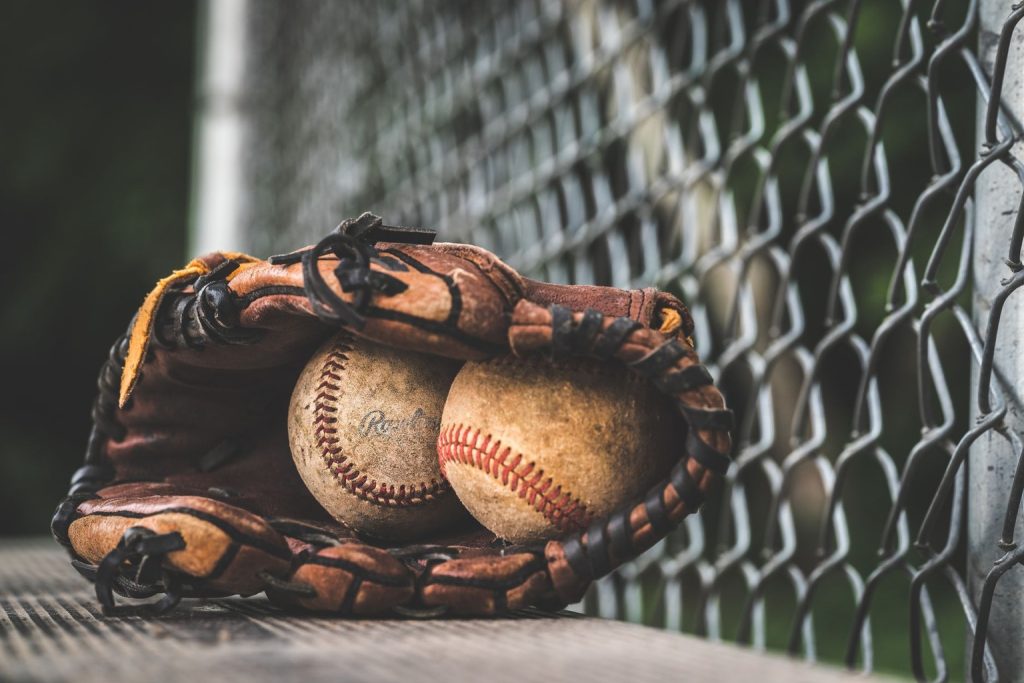
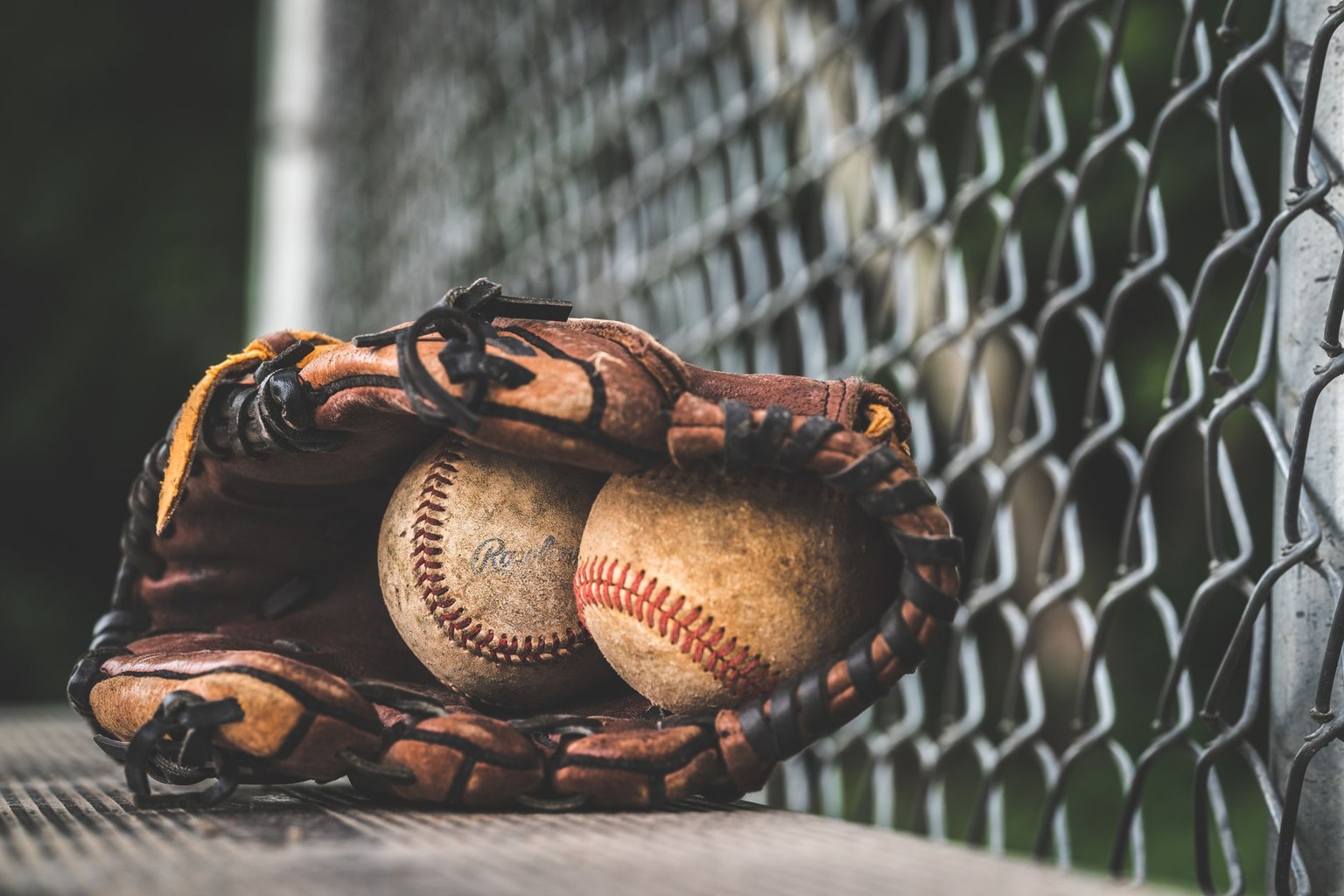
The story of Washington women’s soccer is often told through the lens of modern stadiums, high-profile tournaments, and international rivalries. Yet beneath the surface, the roots of the sport’s identity and community spirit trace back to an unexpected corner of the region’s athletic history: the legacy of old baseball teams. These teams didn’t just occupy the same fields or share the same fans, they shaped the very culture that would later embrace women’s soccer as its own. The influence isn’t about direct lineage but about the shared DNA of teamwork, local pride, and the way sports traditions evolve over time. Understanding this connection reveals how Washington’s soccer culture was built on the same foundations that once supported the crack of a bat and the roar of a crowd.
The Shared Fields and the Birth of Community Spirit
Washington’s old baseball teams didn’t just play on the same grassy expanses where women’s soccer teams now dominate; they helped carve out the very idea of a neighborhood team. Before soccer fields became the heart of local gatherings, baseball diamonds were the place where families, neighbors, and young athletes bonded over shared experiences. The same parks that hosted Little League games later became the training grounds for youth soccer clubs, and the same bleachers where parents cheered for baseball players now echo with the applause for under-12 girls’ matches. This physical overlap isn’t coincidental, it’s a testament to how sports in Washington have always thrived on shared spaces, where one generation’s legacy becomes the next’s playground. The transition from baseball to soccer wasn’t a replacement but a natural progression, as the same communities adapted their enthusiasm to a new sport that demanded different skills but the same devotion.
The way old baseball teams fostered a sense of belonging also set the stage for women’s soccer’s inclusive culture. Baseball, like soccer, has always been a team sport that rewards collaboration, and the same values of teamwork and mutual support that built baseball’s fanbase became the cornerstone of soccer’s growth. When soccer arrived, it didn’t have to convince communities of the need for teamwork, those principles were already ingrained. The shift from cheering for a batter to cheering for a striker might seem subtle, but it reflects a deeper continuity in how Washington’s sports culture values collective effort over individual glory. This shared mindset is why soccer clubs today often draw from the same pools of volunteers, coaches, and players who once supported baseball teams, creating a seamless transition of passion from one sport to another.
Even the language of sports fandom carries traces of this baseball influence. Terms like “home run” and “grand slam” might seem like soccer’s own metaphors, but they’re echoes of a baseball lexicon that has seeped into everyday conversation. When a soccer player scores a decisive goal, the crowd might instinctively shout “home run!”, a habit born from decades of baseball culture. These linguistic ties reinforce the idea that Washington’s sports traditions are interconnected, with each sport borrowing from the others’ emotional vocabulary. The result is a community where the excitement of a game isn’t tied to a single sport but to the collective energy of the region itself, a legacy that old baseball teams helped cultivate long before soccer became the dominant narrative.
How Baseball’s Rituals Shaped Soccer’s Culture
The rituals that defined old baseball teams, pre-game traditions, post-match celebrations, and the way fans engaged with the sport, left an indelible mark on how Washington women’s soccer is experienced today. Baseball’s emphasis on pre-game ceremonies, from singing the national anthem to the ceremonial first pitch, introduced a sense of ceremony and respect that soccer later adopted. Today, women’s soccer matches in Washington often begin with similar rituals: team introductions, flag ceremonies, or even moments of silence, all designed to honor the sport’s history and the community it serves. These traditions aren’t just window dressing; they create a sense of occasion, turning what could be seen as a routine match into a special event. The fact that soccer has embraced these rituals speaks to how deeply baseball’s cultural influence runs, even in sports that operate under different rules.
The way baseball teams engaged with their fans, through tailgating, community events, and player interactions, also set a precedent for how soccer clubs would later build their own fan bases. Old baseball teams understood that sports are more than just competition; they’re about connection. This philosophy is evident in how Washington’s soccer clubs now prioritize community engagement, whether through open training sessions, fan meet-and-greets, or partnerships with local schools. The idea that a team should be accessible and inclusive isn’t unique to soccer, but it was honed in the world of baseball, where fans weren’t just spectators but active participants in the team’s story. Soccer in Washington has inherited this ethos, making it a sport that feels personal and communal rather than distant or elite.
Even the way players are celebrated reflects baseball’s influence. In baseball, the home run is a moment of individual achievement that still feels part of a team’s collective success. Soccer, too, has moments where a single player’s brilliance elevates the entire team, and the way these moments are celebrated, with confetti, player interviews, or fan chants, mirrors the baseball tradition of honoring standout performances. The difference is that soccer’s celebrations are more fluid, adapting to the sport’s faster pace and team-oriented scoring. Yet the core idea remains: great sports culture recognizes and rewards excellence while keeping the focus on the team’s shared victory. This balance is a direct descendant of baseball’s legacy, proving that some values transcend the sport itself.
The Role of Old Ballparks in Modern Soccer Development
The stadiums and ballparks that once hosted old baseball teams now serve as the training grounds and practice fields for Washington’s women’s soccer programs. Many of these venues, originally built for baseball, were repurposed or expanded to accommodate soccer’s growing presence, creating a physical link between the two sports. Fields like those in Hagerstown or Frederick, which once echoed with the crack of a bat, now resound with the thud of cleats on turf. This repurposing isn’t just practical; it’s symbolic, representing how Washington’s sports culture has evolved while retaining its connection to the past. The same infrastructure that once supported baseball now supports soccer, proving that the region’s investment in sports isn’t fleeting but enduring. This continuity ensures that the energy and history of old baseball teams live on, even as the sport itself changes.
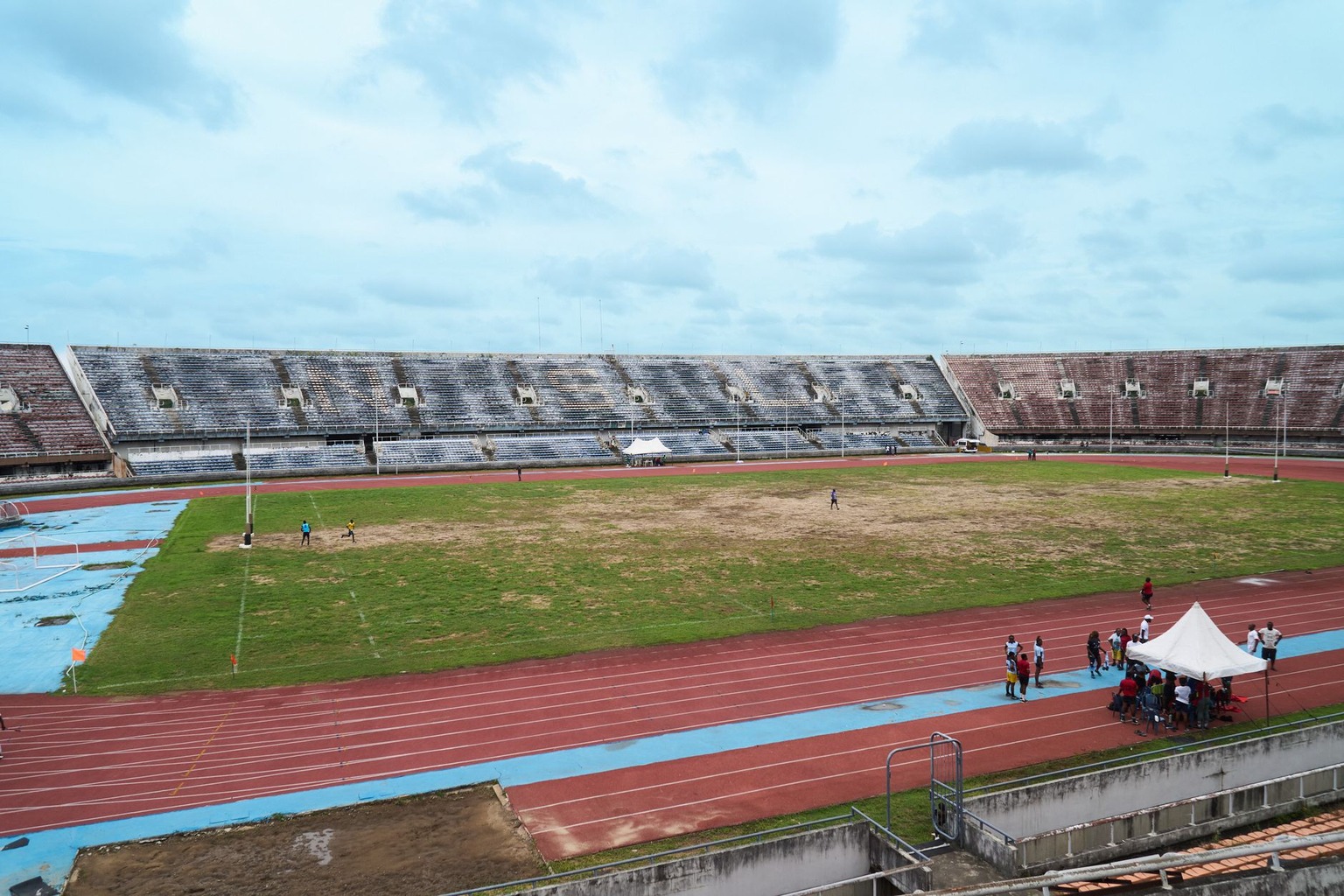
The design of these fields also reflects the influence of baseball’s spatial logic on soccer’s development. Baseball parks are built around a central diamond, with seating arranged to maximize visibility of the action. Soccer fields, by contrast, are more open and expansive, but the idea of a central playing area with spectators positioned to watch the game closely remains. The transition from baseball’s enclosed diamond to soccer’s open pitch reflects how Washington’s sports culture has adapted its physical spaces to new needs while keeping the core idea of a shared, communal experience. Even the way fans are seated, whether in bleachers or stadiums, echoes the baseball tradition of being close to the action, a principle that soccer has embraced to create a more immersive viewing experience. This spatial continuity ensures that the fan experience remains intimate and engaging, regardless of the sport.
Beyond just the fields themselves, old ballparks often hosted community events and youth leagues that later became the feeder system for soccer. Many of these venues were hubs for local recreation, offering programs for kids of all ages. When soccer began to take root, it found an existing infrastructure of clubs, coaches, and volunteers who were already familiar with the idea of organized youth sports. The same parks that once hosted Little League games now host youth soccer tournaments, creating a natural progression from one sport to another. This shared infrastructure is why Washington’s soccer programs today have such strong grassroots support, they’re built on the same foundations that once supported baseball, ensuring a steady pipeline of talent and enthusiasm from the ground up.
From Cheering for Bats to Cheering for Cleats
The shift from cheering for baseball players to cheering for soccer players isn’t just about the sport itself; it’s about the emotional connection fans have with their teams. Old baseball teams cultivated a culture where fans identified deeply with their local clubs, from the minor league teams that played in small-town ballparks to the big-league franchises that drew crowds from across the region. This same level of loyalty has now transferred to women’s soccer, where fans don’t just support a team, they become part of its story. The way a baseball fan might wear a team’s colors every day or attend every home game mirrors how soccer fans in Washington now rally behind their local clubs, whether it’s the Washington Spirit or a regional youth team. This continuity in fandom shows how sports culture in Washington is built on shared values of loyalty and pride, regardless of the sport.
The language of support also carries over from baseball to soccer. Terms like “rooting for the home team” or “pulling for a win” are universal, but in Washington, they’re often infused with the same regional pride that once fueled baseball fandom. When a soccer team plays a regional rival, the crowd’s energy isn’t just about the match, it’s about representing their community, much like it was in baseball. This shared sense of regional identity ensures that soccer isn’t seen as an outsider’s sport but as a natural extension of Washington’s athletic heritage. The fact that fans can easily transition from cheering for a baseball team to cheering for a soccer team speaks to how deeply sports are woven into the fabric of the region’s identity.
The transition from baseball to soccer also reflects how Washington’s sports culture has embraced change while retaining its core values. Baseball’s emphasis on tradition and ritual has given soccer in Washington a sense of continuity, ensuring that the sport doesn’t feel like a disruption but a natural evolution. Fans who grew up cheering for baseball teams now find themselves cheering for soccer teams, not because they’ve forgotten their roots but because they’ve carried those same values into a new sport. This seamless transition is why soccer in Washington feels so deeply connected to the region’s history, it’s not just a new sport; it’s the next chapter in an ongoing story.
The Legacy of Teamwork in Washington’s Soccer Culture
The collaborative spirit that defined old baseball teams is one of the most enduring legacies they’ve left on Washington’s women’s soccer culture. Baseball, like soccer, is a team sport that rewards coordination, communication, and mutual respect. The same principles that made baseball teams successful, players trusting each other, coaches fostering a positive environment, and fans supporting their team, have become the foundation of soccer’s success in the region. When soccer arrived, it didn’t have to convince communities of the need for teamwork; those principles were already ingrained. This shared mindset is why Washington’s soccer clubs today place such a strong emphasis on teamwork, whether through group training sessions, peer mentoring, or collective goal-setting. The legacy of baseball ensures that soccer in Washington isn’t just about individual skill but about how well a team functions as a unit.

This emphasis on teamwork also extends to how soccer clubs are structured and managed. Old baseball teams often relied on a mix of professional players and local talent, creating a culture where everyone had a role to play. Soccer in Washington has adopted a similar approach, with clubs that include elite players alongside community athletes, ensuring that the sport remains accessible and inclusive. The idea that success isn’t reserved for the most talented individuals but for the team that works best together is a direct reflection of baseball’s influence. This philosophy has helped soccer grow in Washington by making it feel like a sport for everyone, not just the elite. The result is a culture where players and fans alike understand that victory comes from collective effort, not individual brilliance.
The way old baseball teams handled setbacks and challenges also shapes how soccer teams in Washington approach adversity. Baseball is a sport where losses are common, and the ability to bounce back is often what separates good teams from great ones. Soccer in Washington has inherited this resilience, with teams that understand the importance of learning from mistakes and moving forward. The same mental toughness that helped baseball players recover from losses is now seen in soccer players who push through tough matches and come back stronger. This shared approach to resilience ensures that soccer in Washington isn’t just about winning but about developing players who are mentally and emotionally prepared for the challenges of the game. The legacy of baseball has given soccer a toolkit for handling pressure, making it a sport that’s as much about character as it is about skill.
The Unseen Influence of Old Baseball Teams on Modern Recruitment
The way old baseball teams built their rosters, through scouting, community outreach, and youth development, has left a lasting impact on how Washington’s women’s soccer programs recruit players today. Baseball teams often relied on local talent, identifying young players in schools and youth leagues before developing them into full-fledged athletes. Soccer in Washington has followed a similar path, with clubs that actively scout local youth programs, attend school soccer games, and build relationships with coaches to identify promising talent. This community-focused approach to recruitment ensures that soccer teams are always drawing from a pool of familiar faces, creating a sense of continuity and trust between clubs and players. The legacy of baseball’s recruitment strategies has given soccer in Washington a sustainable pipeline of talent, ensuring that the sport doesn’t rely on outside influences but grows organically from within the community.
The emphasis on youth development is another area where old baseball teams have shaped soccer’s approach. Baseball’s minor league system was built on the idea that young players needed time to grow and refine their skills before reaching the big leagues. Soccer in Washington has adopted a similar philosophy, with youth academies and development programs that focus on long-term growth rather than immediate results. The same patience and investment in young athletes that defined baseball’s success are now seen in soccer, where clubs understand that building a strong team takes time. This shared commitment to development ensures that Washington’s soccer programs are producing not just good players but well-rounded athletes who are prepared for the challenges of the sport at every level. The legacy of baseball’s youth development model has given soccer in Washington a blueprint for success that extends far beyond the field.
The way old baseball teams engaged with schools and local organizations also influences how soccer clubs in Washington build their programs. Baseball teams often partnered with schools to offer clinics, camps, and after-school programs, creating a direct link between the sport and the community. Soccer has followed this lead, with clubs that work closely with schools to offer soccer programs, after-school training, and even classroom education on the sport. This integration ensures that soccer isn’t seen as an extracurricular activity but as a natural part of the educational experience. The legacy of baseball’s community engagement has given soccer in Washington a model for how to make the sport accessible and appealing to young athletes, ensuring that it grows from the ground up rather than being imposed from above.

I’ve been passionate about women’s soccer in Washington ever since I first watched a local match in high school. Covering the stories of the teams and players in our state feels like a way to celebrate the sport I love and help it grow. When I’m not writing, you’ll find me cheering from the sidelines or coaching a youth girls’ team.