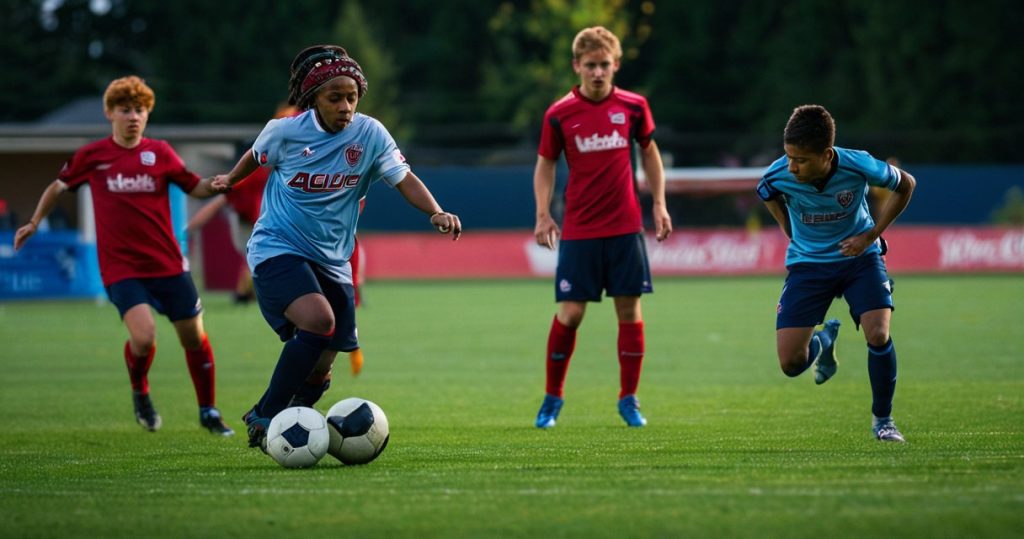
The soccer culture across Washington State, from the competitive leagues of the Puget Sound to the recreational pitches of Spokane, thrives on grit, resilience and an unshakeable team spirit. Female athletes here are often celebrated for their ability to play through pain, battle the elements and maintain high energy levels both on and off the field. However, this very culture of toughness can sometimes conceal a silent and dangerous psychological reality known as smiling depression. This condition allows individuals to appear happy, high functioning and successful to the outside world while internally battling severe feelings of hopelessness and disconnection. For the women within the Washington State Women’s Soccer Association, recognizing the subtle signs of this hidden mental health struggle is essential for fostering a truly supportive and safe sporting environment.
The Hidden Mask of the High-Functioning Athlete
Smiling depression presents a unique challenge in the soccer community because it defies the stereotypical image of someone who is too depressed to participate in daily activities. A goalkeeper might make game winning saves and celebrate enthusiastically with teammates, yet feel a profound sense of emptiness once she leaves the pitch. This external display of competence and joy serves as a protective mask, making it incredibly difficult for coaches, teammates and even family members to recognize that something is wrong. The pressure to maintain this facade is often amplified by the fear of letting the team down or appearing weak in a highly competitive environment where mental toughness is prized above all else.
For many female athletes in Washington, the drive to be perfect creates a breeding ground for this type of depression. They are often the stars of their teams, the reliable captains or the top scorers who others lean on for support, which makes admitting they are struggling feel like a betrayal of their role. The ability to function at a high level despite internal turmoil becomes a source of both pride and exhaustion. They might excel in academics, maintain a rigorous training schedule and lead an active social life, all while wrestling with debilitating thoughts that they are terrified to reveal. This disconnect between public success and private suffering creates a heavy burden that no cleat or shin guard can protect against.
Identifying Subtle Shifts in Behavior on the Field
Coaches and teammates must learn to look beyond the obvious performance metrics to identify smiling depression in their peers. While a player might still be running fast and scoring goals, there are often subtle behavioral shifts that signal distress. A normally vocal leader during training might become unusually quiet or mechanical, going through the motions of drills without her usual passion or communication. You might notice a player who is overly critical of her own mistakes, reacting with disproportionate frustration to a missed pass or a lost possession, even if her overall performance remains technically solid. These small changes in demeanor are often the only visible cracks in the armor of an athlete trying desperately to maintain her composure.
Another red flag can be a change in how a player interacts with the team culture during downtime. An athlete dealing with smiling depression might start isolating herself immediately after practice, skipping team dinners or finding excuses to avoid the locker room banter that usually builds camaraderie. She might be the first one to leave the pitch or the last one to arrive, avoiding the unstructured moments where genuine connection happens. In the context of the Washington soccer scene, where the community is tight-knit, this sudden withdrawal from the social fabric of the team can be a glaring indicator that a player is struggling to keep her head above water despite her outward appearance of stability.
The Pressure of the Pacific Northwest Soccer Culture
The specific environment of the Pacific Northwest, with its emphasis on outdoor endurance and relentless play regardless of the weather, can inadvertently exacerbate the symptoms of smiling depression. The “rain or shine” mentality is a badge of honor for local teams, but for someone secretly battling mental health issues, the lack of sunlight and the pressure to constantly endure can take a heavy toll. The long, gray winters can trigger seasonal affective disorders which, when combined with the stress of league play and academic responsibilities, can deepen the sense of isolation. Athletes may feel they must be tough enough to handle the gloom both physically and emotionally, leading them to suppress their struggles rather than seeking help.

Furthermore, the competitive hierarchy within youth and amateur soccer in Washington creates a fear that admitting to mental health struggles could cost a player her spot on the roster or a college scholarship. This high stakes environment encourages athletes to compartmentalize their emotions, viewing feelings of sadness as a distraction that needs to be eliminated rather than a signal that needs attention. The culture often rewards sacrifice, so a player suffering from smiling depression will often sacrifice her own well being to ensure she meets the expectations of her coaches and parents. This systemic pressure creates a silence that is dangerous, as the athlete becomes trapped in a cycle of performing for others while slowly deteriorating inside.
The Danger of Overtraining as a Coping Mechanism
It is common for female athletes with smiling depression to use soccer and physical training as their primary, and sometimes only, coping mechanism. Exercise releases endorphins that can temporarily mask depressive symptoms, providing a short lived chemical relief that feels like a fix. An athlete might double down on her training, attending every optional session, running extra miles after practice or obsessing over her fitness stats to numb the pain she feels. To the outside observer, this looks like dedication and exceptional work ethic, but it is often a frantic attempt to outrun the dark thoughts that catch up with her when she is still. The soccer field becomes a sanctuary where she does not have to think or feel, she only has to do.
However, relying solely on sport to manage mental health is unsustainable and can lead to burnout or injury. The body can only withstand so much physical stress before it breaks down, and when an injury forces a smiling depressive athlete to stop playing, her world can collapse. Without the distraction of the game, the suppressed emotions surface with overwhelming force, often leading to a severe mental health crisis. Teammates and medical staff should be wary of the athlete who refuses to rest or who trains with an obsession that borders on panic, as this behavior is frequently a sign that she is using the sport to stabilize her fragile emotional state rather than purely for the love of the game.
Strategies for Teammates to Break the Silence
Creating a culture where mental health is treated with the same seriousness as a torn ACL requires intentional action from every member of the team. Teammates are often the first line of defense because they see the daily nuances that a coach might miss. It is important to foster an environment where checking in on each other is normal and not a sign of weakness. Instead of asking only about the game or the next opponent, players should be encouraged to ask how each other are doing in life. Simple, genuine questions asked in the privacy of the locker room or during a cool down can open a door for someone who is waiting for an opportunity to unmask herself.

Teams within the Washington State Women’s Soccer Association can implement specific protocols to support mental wellness, such as designated mental health awareness days or workshops that focus on emotional intelligence. Captains and leaders can model vulnerability by sharing their own stresses or admitting when they are having a tough time, which sets a precedent that it is safe to not be okay. When a player sees that her role models struggle too, it dismantles the myth that she must be perfect to be valuable. By normalizing these conversations, the team creates a safety net that can catch a player before she falls too deep into the isolation of smiling depression.
Coaching Approaches for Holistic Player Support
Coaches play a pivotal role in either perpetuating the stigma of mental health or dismantling it, and their approach can change the trajectory of a player’s life. A coach focused solely on results and physical output may inadvertently push a depressed player further into the shadows, whereas a coach who views the player as a whole person can be a lifeline. Training sessions should be designed to include mental check ins, where players rate not just their physical readiness but their emotional state as well. If a coach notices a player who is usually engaged becoming withdrawn, she should address it privately and with compassion rather than calling her out in front of the group.
Coaches need to educate themselves on the resources available through local and national soccer organizations, including sports psychologists who specialize in adolescent and female athlete mental health. They should be clear that taking time off for mental health is viewed exactly the same as taking time off for the flu or a sprained ankle. By explicitly stating that mental well being is a component of athletic performance, coaches give their players permission to prioritize their health without guilt. This structural support is vital for a player suffering from smiling depression, as she needs to know that her value to the team is not solely defined by her minutes on the pitch but by her humanity.

I’ve been passionate about women’s soccer in Washington ever since I first watched a local match in high school. Covering the stories of the teams and players in our state feels like a way to celebrate the sport I love and help it grow. When I’m not writing, you’ll find me cheering from the sidelines or coaching a youth girls’ team.