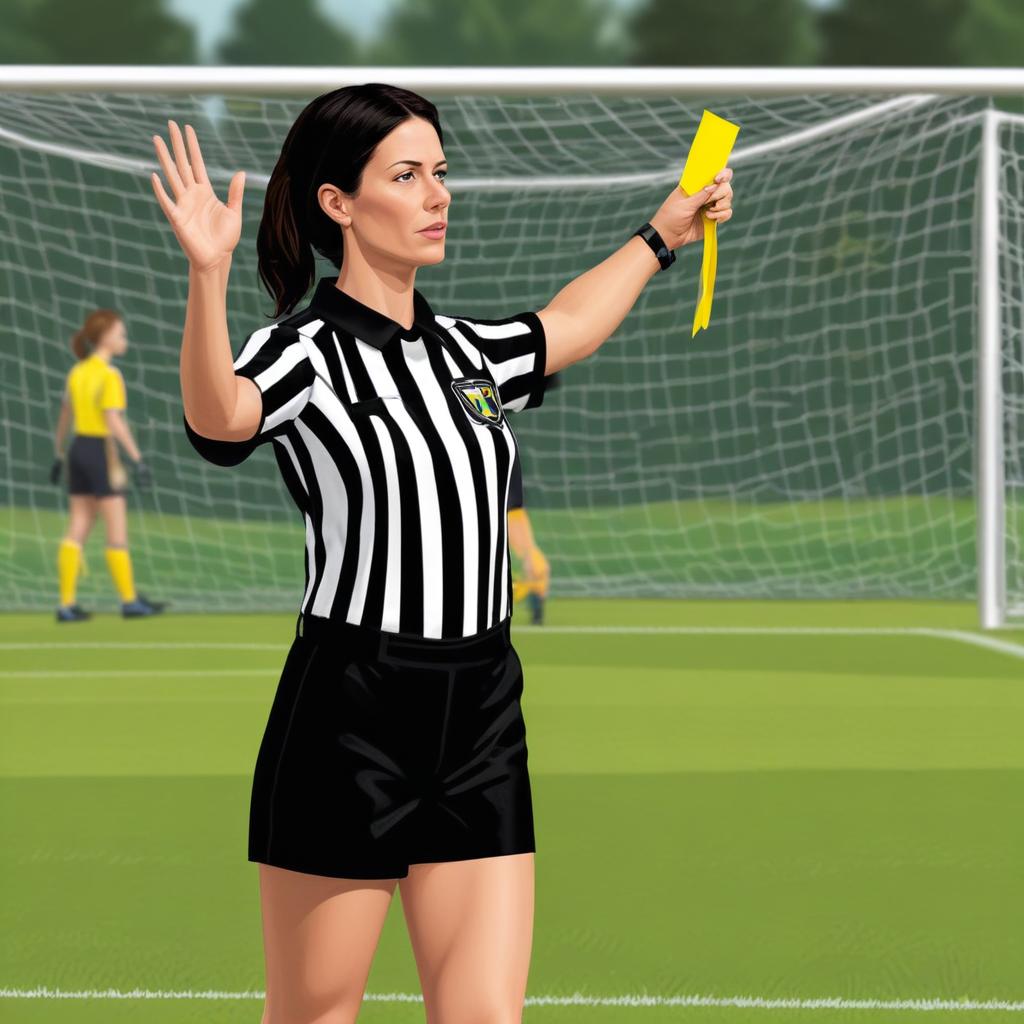
Overview of Women’s Soccer Officiating in Washington
Women’s soccer officiating in Washington is an essential aspect of maintaining fairness, safety, and enjoyment in the sport. The state’s officiating standards are designed to ensure that referees are well-trained, knowledgeable, and consistent in their application of the rules. This framework supports the development of the game at all levels, from youth leagues to competitive adult matches, fostering a positive environment for players, coaches, and fans alike.
The importance of women’s soccer officiating cannot be overstated. Referees not only uphold the rules but also serve as impartial enforcers who protect the integrity of the game. Washington soccer referees are held to high standards of professionalism and accountability, which helps to reduce conflicts on the field and promote sportsmanship. These officials are often seen as role models within the soccer community, inspiring young players, especially girls, to pursue the sport both on and off the field.
The general framework of officiating standards in Washington is established through a combination of training programs, certification processes, and ongoing education. Referees must complete rigorous courses that cover the Laws of the Game, positioning, communication, and fitness requirements before they are certified to officiate matches. Additionally, there are regular assessments and mentoring opportunities that encourage continuous improvement and skill development among Washington soccer referees.
Supporting these standards are local soccer associations and governing bodies that provide resources and guidance to officials at all experience levels. These organizations coordinate the scheduling of games, manage referee assignments, and address any concerns related to officiating quality. By maintaining a structured and transparent system, women’s soccer officiating in Washington ensures that every match is governed with fairness and respect, contributing to the overall growth and reputation of the sport in the region.
In summary, Washington’s commitment to strong officiating standards plays a pivotal role in the women’s soccer ecosystem. The combination of comprehensive referee training, high expectations for conduct, and robust organizational support creates a competitive yet fair playing field. This foundation helps to elevate the level of play while ensuring that the spirit of the game is preserved across all levels of women’s soccer in Washington.
Governing Bodies and Certification Processes
Women’s soccer officiating in Washington is primarily overseen by several key governing bodies, including the Washington State Youth Soccer Association (WSYSA), US Soccer Federation (USSF), and the National Intercollegiate Soccer Officials Association (NISOA). These organizations establish and enforce the standards for soccer officiating certification to ensure referees are well-trained and qualified to manage matches effectively and fairly.
To become a certified referee within Washington, individuals must first register with US Soccer, which provides a nationally recognized soccer officiating certification program. This certification process involves a comprehensive online course covering the Laws of the Game, followed by a written exam and a physical fitness test. Candidates must also attend in-person training sessions endorsed by WSYSA or affiliated regional bodies to gain practical refereeing skills specific to different levels of play.
Washington referees are required to renew their certification annually by completing continuing education workshops and passing updated exams to stay current with rule changes and officiating techniques. Additionally, advanced certification levels are available for referees who wish to officiate at higher-level competitions, including collegiate and semi-professional matches. These advanced levels often require mentorship and evaluation by experienced officials through NISOA and related institutions.
Overall, the governing soccer bodies in Washington maintain rigorous certification requirements and processes aimed at promoting a high standard of officiating in women’s soccer, ensuring the integrity and quality of the sport within the region.
Key Rules and Officiating Guidelines
Officiating women’s soccer matches in Washington follows a well-defined set of officiating rules and soccer guidelines designed to ensure fair play, safety, and a positive experience for all participants. Referees are required to adhere strictly to the Laws of the Game as outlined by FIFA, with additional emphasis on consistent enforcement tailored to the specific dynamics of women’s soccer in the region.
Key responsibilities of referees include maintaining control of the game, managing player conduct, and ensuring that all calls are made impartially and in accordance with established women’s soccer standards. This includes careful attention to fouls, offsides, and the proper administration of disciplinary actions such as yellow and red cards. Referees are also trained to recognize and appropriately handle issues unique to women’s soccer, such as managing physical play that respects the competitive yet respectful nature of the sport.
Moreover, officiating rules emphasize the importance of communication between the referee and assistant referees to maintain a cohesive officiating team, which is critical for accurately enforcing the soccer guidelines. Referees must also stay updated on any local rule modifications or guidelines issued by Washington soccer associations to align with regional competitive standards.
In summary, adherence to these officiating rules and soccer guidelines ensures that games are conducted fairly while upholding the integrity and spirit of women’s soccer standards across Washington. This commitment to consistency and professionalism helps foster a positive environment for players, coaches, and fans alike.
Training and Development Programs for Female Soccer Officials
Washington has made significant strides in providing comprehensive officer training and development programs specifically designed to support female soccer referees. These programs aim to enhance the skills, knowledge, and confidence of women officiating at various levels of the sport, ensuring that they are well-prepared to manage games fairly, safely, and effectively.
One of the key offerings in Washington is the structured referee certification courses, which cover the fundamental rules and mechanics of soccer officiating. These courses are made accessible to women of all experience levels, from beginners exploring the role for the first time to seasoned referees seeking to upgrade their credentials. The training includes theoretical sessions, practical fieldwork, and assessment tests, structured to create a solid foundation for female officials.
Beyond initial certification, continuing education programs are a vital part of the development framework. These programs include advanced workshops, online modules, and seminars led by experienced mentors and national-level referees. Female soccer referees in Washington benefit from specialized training in areas such as game management, positioning, communication skills, and the latest updates to the Laws of the Game. This ongoing education helps maintain high officiating standards and keeps officials current with evolving rules and practices.
Mentorship programs are also an integral component of development initiatives. New and less experienced female referees are paired with veteran officials who provide guidance, feedback, and encouragement. This mentorship fosters a supportive community that helps women navigate challenges unique to the role, boosting their retention and career progression in the world of soccer officiating.
Additionally, Washington’s soccer associations collaborate with local leagues and clubs to offer practical match experience, ensuring female referees have ample opportunities to apply their training in real-game environments. These partnerships contribute to a broader ecosystem that values diversity and inclusivity in soccer officiating, highlighting the importance of female representation on the field.
Overall, the officer training and development programs available in Washington not only equip female soccer referees with essential skills but also empower them to actively contribute to the sport’s growth and integrity. By supporting female officials through education, mentorship, and practical opportunities, Washington continues to nurture excellence and equality in soccer officiating.
Local Training Initiatives and Workshops
Washington has established a robust framework of local referee training initiatives and officiating workshops aimed at advancing the skills and knowledge of women’s soccer referees. These programs are thoughtfully designed to provide hands-on experience and theoretical understanding critical for officiating at all levels of the game. Local referee training sessions often emphasize the unique challenges faced by women officials, fostering a supportive environment that encourages continuous growth and confidence building.
Officiating workshops are conducted regularly throughout the year by experienced referee instructors and former professional officials. These workshops cover a wide range of topics, including rule updates, fitness requirements, positioning, and game management techniques. They also incorporate practical exercises and real-game scenario analyses to ensure referees are well-prepared to make confident decisions under pressure. Participation in these workshops is strongly encouraged for referees aiming to elevate their officiating standards in Washington’s competitive soccer environments.
Mentorship programs play a pivotal role in the Washington soccer training ecosystem. New and less experienced referees are paired with veteran mentors who provide guidance, feedback, and support throughout the season. This mentorship model fosters a culture of learning and professional development, enabling women referees to refine their skills and navigate the demands of officiating with greater expertise. Together, these local training efforts, workshops, and mentorship initiatives work synergistically to strengthen the officiating community and uphold high standards in women’s soccer across Washington.
Challenges and Opportunities in Officiating
Female soccer officials in Washington face a variety of officiating challenges ranging from limited access to advanced training resources to overcoming biases prevalent in a traditionally male-dominated sport. These challenges can impact confidence and professional growth, creating barriers to attaining higher levels of officiating. Additionally, balancing officiating duties with personal and professional life demands often requires substantial time management and dedication.
However, these challenges also open up significant opportunities for referees eager to enhance officiating standards and make a meaningful impact. Organizations within Washington are increasingly investing in specialized workshops, mentorship programs, and networking opportunities specifically designed for female sports officials. These initiatives help build skills, foster community, and promote leadership roles within the officiating community.
Moreover, technology integration and collaborative platforms now offer greater access to training materials and performance feedback, which can aid in overcoming traditional barriers. Emphasizing diversity and inclusion in soccer officiating not only improves the quality of game management but also inspires a new generation of female referees to pursue and excel in their careers. By addressing these officiating challenges and leveraging emerging opportunities, Washington’s female soccer officials are poised to set new standards in the sport.
Impact of Officiating Standards on Women’s Soccer in Washington
The established officiating standards play a critical role in shaping the landscape of women’s soccer in Washington. These standards not only ensure fairness on the field but also contribute significantly to the growth and competitiveness of the sport across the state. By enforcing consistent and clear guidelines, officials help maintain the integrity of the game, which in turn fosters a positive environment for athletes, coaches, and fans alike.
One of the key ways officiating impact manifests is through the promotion of fairness during matches. When referees apply rules uniformly, it minimizes disputes and tensions, allowing players to focus on skill development and teamwork. This sense of fairness is crucial for young female athletes who are still building their confidence and love for the game, thereby supporting the overall women’s soccer growth in Washington.
Moreover, well-defined Washington soccer standards create a dependable framework that helps in the consistent training and evaluation of referees. This ensures that officials are well-prepared to handle the fast-paced and often intense nature of competitive matches. Better officiating leads to fewer controversial decisions, which elevates the level of competition and encourages higher participation rates by athletes and clubs throughout the region.
In addition, the impact of officiating on the competitive experience cannot be overstated. Players and coaches recognize the value of a fair contest, which increases their commitment to the sport and drives them to excel. Standardized officiating also supports the development of strategic play, as teams learn to adapt to consistent rule enforcement, creating a richer and more dynamic soccer culture in Washington.
Ultimately, the rigor and professionalism embedded in Washington’s officiating standards are instrumental in advancing women’s soccer. These standards ensure that matches are conducted with clarity and respect, fostering an environment that nurtures talent and enthusiasm. The ongoing refinement of these officiating protocols is essential for sustaining the momentum of women’s soccer growth and enhancing the overall quality and competitiveness of the sport within the state.
Quality of Officiating and Game Outcomes
The quality of officiating plays a crucial role in determining the outcomes of women’s soccer matches in Washington. High referee quality ensures that the game is played fairly, with rules consistently applied and decisions made objectively. This fairness directly impacts the integrity of the match, fostering trust among players, coaches, and fans that the competition is just and unbiased.
When referees maintain high standards, they effectively manage game dynamics and prevent conflicts, which contributes to smoother play and helps avoid unnecessary stoppages. This not only supports fair play but also influences the final game outcomes, as teams can focus on strategy and skill rather than disputes over calls. The presence of well-trained officials reduces the likelihood of controversial decisions that could unfairly sway the result in favor of one side.
Moreover, high-quality officiating is essential for player safety. Referees with a strong understanding of the rules are better equipped to identify dangerous plays and intervene promptly. This vigilance helps minimize injuries and creates a safer environment, encouraging athletes to perform at their best without fear of harm. In Washington’s women’s soccer leagues, the commitment to referee excellence directly contributes to both the fairness of competition and the well-being of players on the field.
Overall, the relationship between referee quality and officiating effects on game outcomes is clear: superior officiating enhances fairness, protects players, and leads to results that truly reflect the abilities and efforts of the competing teams.
Future Directions for Officiating in Washington Women’s Soccer
As Washington women’s soccer continues to grow, future officiating trends indicate significant advancements aimed at enhancing the quality and fairness of the game. One of the pivotal areas for improvement lies in the integration of technology, such as Video Assistant Referee (VAR) systems and advanced communication tools, which promise to reduce errors and increase referee accuracy during matches. These technological enhancements will bolster confidence in decisions and elevate the overall standards of soccer refereeing improvements across the state.
In addition to technological innovations, reforms in training programs are expected to play a crucial role in shaping the future of officiating. More comprehensive and tailored education for referees, focusing on the nuances of women’s soccer, will help officials better understand the dynamics of the game and improve their decision-making skills. Continuous assessment and performance feedback mechanisms will also support referee development, ensuring consistent application of rules and boosting the credibility of officiating.
Furthermore, fostering a collaborative relationship between players, coaches, and officials can create a positive environment conducive to fair play and respect. Community engagement and awareness campaigns about the evolving nature of officiating will help in aligning expectations and supporting referees on the field. Together, these future directions highlight a commitment to advancing Washington women’s soccer through improved officiating standards and embracing both human expertise and technological progress.

I’ve been passionate about women’s soccer in Washington ever since I first watched a local match in high school. Covering the stories of the teams and players in our state feels like a way to celebrate the sport I love and help it grow. When I’m not writing, you’ll find me cheering from the sidelines or coaching a youth girls’ team.