

Distribution centers play a vital role in the logistics of sports gear, particularly for organizations like the Washington State Women’s Soccer Association. These centers are essential for managing the supply chain, ensuring that players, coaches, and fans have access to the necessary equipment and apparel to support women’s soccer in Washington. This article explores the various roles within distribution centers that support the efficient delivery of soccer gear, highlighting their importance in promoting the sport and enhancing the overall experience for players and supporters.
Understanding the Distribution Center’s Function
At its core, a distribution center serves as a hub for receiving, storing, and distributing products. For the Washington State Women’s Soccer Association, this means managing an array of soccer gear including uniforms, training equipment, and fan merchandise. The distribution center plays a crucial role in ensuring that these items are readily available for teams and events throughout the season. Efficient operations within the center directly impact the availability and timely delivery of gear to players and fans alike.
Effective inventory management is one of the primary functions of a distribution center. It involves tracking stock levels, forecasting demand, and replenishing inventory as needed. For the women’s soccer teams in Washington, this ensures that popular items, such as jerseys and training equipment, are consistently in stock, reducing the likelihood of shortages during critical times, such as pre-season training or tournament preparations.
Key Roles Within the Distribution Center
Several key roles exist within a distribution center, each contributing to the smooth operation of logistics. These include warehouse associates, inventory managers, and fulfillment specialists. Each position has specific responsibilities that collectively streamline the distribution of soccer gear.
Warehouse associates are often the backbone of the distribution center. They are responsible for receiving shipments, organizing inventory, and preparing orders for shipment. Their attention to detail ensures that the correct items are picked and packed for delivery, which is especially important during busy periods, such as the start of the soccer season when demand peaks.
Inventory Management and Its Impact
Inventory managers play a critical role in maintaining optimal stock levels. They analyze sales data and trends to predict future demand, which allows the distribution center to adjust its inventory accordingly. For the Washington State Women’s Soccer Association, this means having the right gear available at the right time, whether for players preparing for a match or fans looking to support their team.
Effective inventory management also reduces costs associated with overstocking or stockouts. By accurately forecasting demand, the distribution center can minimize waste and ensure that resources are allocated efficiently. This is particularly important for women’s soccer, where funding and resources may be limited compared to men’s programs.
Customization and Personalization of Gear
One of the unique aspects of distribution centers that support sports organizations is the ability to customize gear. The Washington State Women’s Soccer Association supports Women’s soccer education programs to teach young players about teamwork and personalization, such as adding names and numbers to jerseys. Customization adds a personal touch that enhances team spirit and fosters a sense of belonging among players and fans.
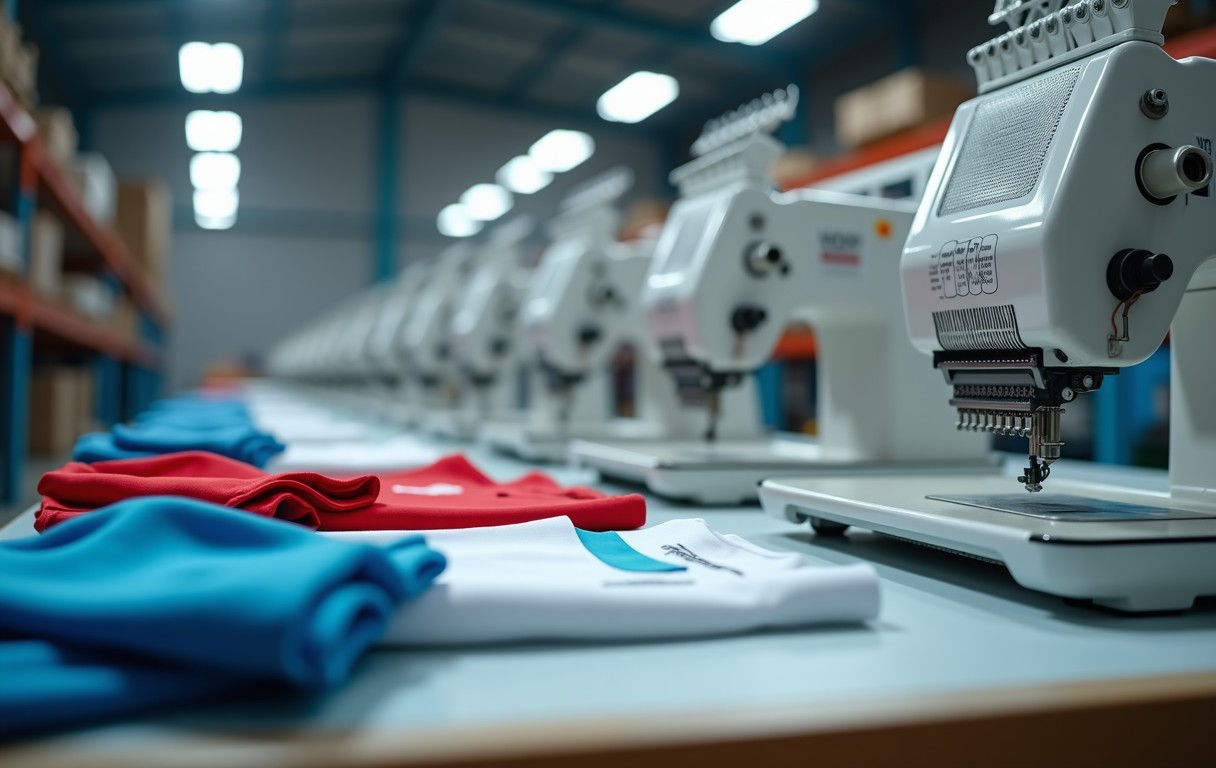
Specialized roles within the distribution center focus on customization. These associates handle the printing and embroidery of names and numbers on uniforms, ensuring high-quality results that meet the standards of the association. This attention to detail not only satisfies players but also encourages fans to purchase personalized merchandise, thereby increasing revenue for the association.
Technology’s Role in Distribution Centers
The integration of technology in distribution centers has transformed how organizations manage their logistics. Advanced inventory management systems, barcode scanning, and automated sorting processes enhance efficiency and accuracy. The Washington State Women’s Soccer Association uses technology to enhance Women’s soccer performance analysis fundamentals, improving training and game strategies.
These technological advancements also facilitate better communication between the distribution center and the teams. Real-time data allows coaches and managers to monitor inventory levels and place orders as needed, ensuring that players have access to the necessary gear without delays. This level of efficiency is crucial during the competitive soccer season when every moment counts.
Logistics and Distribution Challenges
While distribution centers are essential for supporting soccer gear logistics, they also face challenges. Issues such as supply chain disruptions, fluctuating demand, and staffing shortages can impact operations. For the Washington State Women’s Soccer Association, it is vital to develop strategies to mitigate these challenges to ensure a steady supply of soccer gear.

Collaboration with local suppliers and manufacturers can help address some of these challenges. By building strong relationships with vendors, the distribution center can secure better pricing and more reliable delivery schedules. This is especially important for women’s soccer, where maintaining a consistent supply of gear can directly affect team performance and fan engagement.
Community Engagement and Support
Community engagement initiatives by the Washington State Women’s Soccer Association highlight the importance of Administrative roles in women’s soccer. By hosting events such as gear drives or community fundraisers, the center can foster connections between the soccer teams and local supporters. These initiatives not only raise awareness of women’s soccer but also encourage community involvement and support.
Additionally, distribution centers can partner with local businesses to enhance their outreach efforts. Collaborations with local sports retailers can provide additional exposure for the association and help promote women’s soccer gear. This community-focused approach strengthens the association’s ties to the region and promotes a positive image of women’s sports.
Conclusion: The Future of Distribution Centers in Women’s Soccer
As the popularity of women’s soccer continues to grow, so too does the importance of effective distribution centers in supporting the sport. The Washington State Women’s Soccer Association relies on these centers not only for logistics but also for community engagement and promotional efforts. By focusing on efficiency, technology, and community involvement, distribution centers can enhance the overall experience for players and fans alike.
Looking ahead, embracing innovations in logistics and fostering strong community ties will be key to the continued success of women’s soccer in Washington. With the right support from distribution centers, the future looks bright for players and supporters of the Washington State Women’s Soccer Association.

I’ve been passionate about women’s soccer in Washington ever since I first watched a local match in high school. Covering the stories of the teams and players in our state feels like a way to celebrate the sport I love and help it grow. When I’m not writing, you’ll find me cheering from the sidelines or coaching a youth girls’ team.