

Starting a youth soccer league in washington is an ambitious project that can ignite a passion for the sport among young girls while strengthening the local women’s soccer ecosystem. By aligning the league’s mission with the Washington State Soccer Association’s emphasis on inclusive development, founders can tap into a network of resources, coaching standards, and community outreach programs already in place.
Understanding Washington’s Soccer Landscape and Community Needs
Washington State hosts a vibrant soccer culture, with Seattle and its surrounding suburbs reporting high participation rates in youth leagues. Surveys from the Washington State Soccer Association show that girls aged 7‑14 represent nearly 45% of all youth players, a figure that has risen steadily over the past decade. This demographic shift signals a growing demand for structured, girls‑centric programs that prioritize skill development, teamwork, and safe play environments. Conducting a local needs assessment, through focus groups with parents, school officials, and current league organizers, helps identify gaps such as limited field availability, lack of certified female coaches, and insufficient competitive opportunities.
Starting a youth soccer league in washington: Key Steps
The first concrete step is to register the league as a nonprofit under Washington state law, which provides tax advantages and eligibility for grants. File the Articles of Incorporation with the Secretary of State, then apply for an Employer Identification Number from the IRS. Once the legal entity is in place, draft bylaws that outline the league’s governance, membership criteria, and conflict‑resolution procedures. Washington’s nonprofit statutes require a board of directors with at least five members, ideally including a female chair to reflect the league’s focus on women’s soccer. These foundational documents not only satisfy state compliance but also build credibility with potential sponsors and partners.
Building a Governance Structure and Legal Foundations
Beyond registration, establishing a robust governance structure involves recruiting board members with diverse expertise, legal, finance, coaching, and community outreach. Washington’s charitable laws mandate regular financial audits and public disclosure of annual reports, which foster transparency and donor confidence. Securing liability insurance is also essential; most insurers require proof of a governing body and adherence to local safety regulations. Additionally, the league should adopt a Code of Conduct that aligns with the U.S. Soccer Federation’s Safe Play Initiative, ensuring that all participants, coaches, and volunteers operate within a framework that prioritizes safety and respect.

Crafting Age‑Group and Competition Formats that Foster Growth
Designing competition formats that balance skill development with competitive excitement is crucial. Washington’s climate allows for a season that runs from late summer through spring, with a mid‑season break in winter to accommodate weather constraints. Organizers can structure leagues into age brackets, U‑8, U‑10, U‑12, U‑14, U‑16, and U‑18, mirroring the U.S. Soccer Federation’s guidelines. Within each bracket, a double‑round robin format ensures each team plays at least eight games, providing ample experience while keeping travel demands reasonable. For older age groups, consider adding a skill‑based tournament component that rewards technical proficiency, encouraging players to hone specific abilities such as passing accuracy and defensive positioning.
Recruiting Qualified Coaches and Volunteer Support
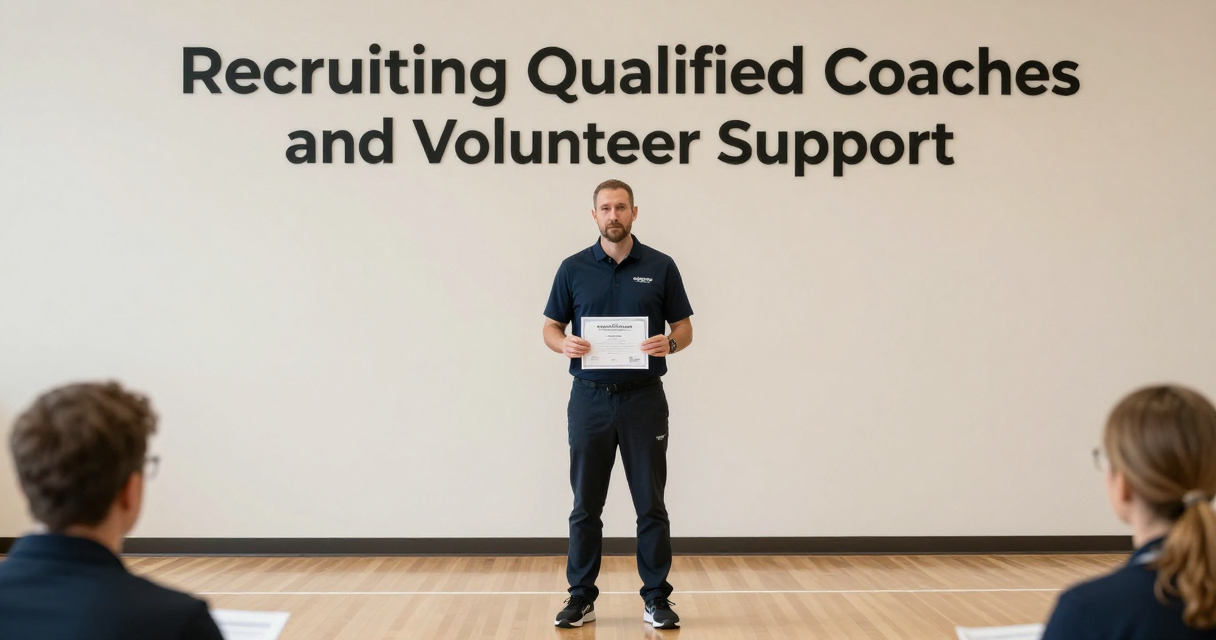
Starting a youth soccer league in washington requires a cadre of certified coaches who can deliver age‑appropriate instruction. Washington State offers coaching certification courses through the Washington State Soccer Association, covering fundamentals, child development, and first aid. Encourage coaches to obtain the U.S. Soccer “Coaching Level 1” certification, which is recognized statewide. Volunteers, parents, teachers, and community members, can support operations by handling logistics, field maintenance, and event coordination. Offering a volunteer training program that covers basic safety protocols, communication skills, and emergency response ensures that all staff operate cohesively and safely.
Launching, Promoting, and Evaluating the League
Once the league’s structure, coaching staff, and schedules are finalized, launch day becomes a community event. Partner with local schools and churches to host a kickoff ceremony that showcases the league’s mission and provides information on registration deadlines. Utilize digital marketing, social media posts, email newsletters, and a dedicated website, to reach parents across the region. Starting a youth soccer league in washington also means setting clear metrics for success: player retention rates, volunteer satisfaction scores, and financial health indicators. Conduct quarterly reviews to assess progress, gather feedback from participants, and adjust programs accordingly, ensuring the league remains responsive to the evolving needs of Washington’s girls soccer community.

I’ve been passionate about women’s soccer in Washington ever since I first watched a local match in high school. Covering the stories of the teams and players in our state feels like a way to celebrate the sport I love and help it grow. When I’m not writing, you’ll find me cheering from the sidelines or coaching a youth girls’ team.