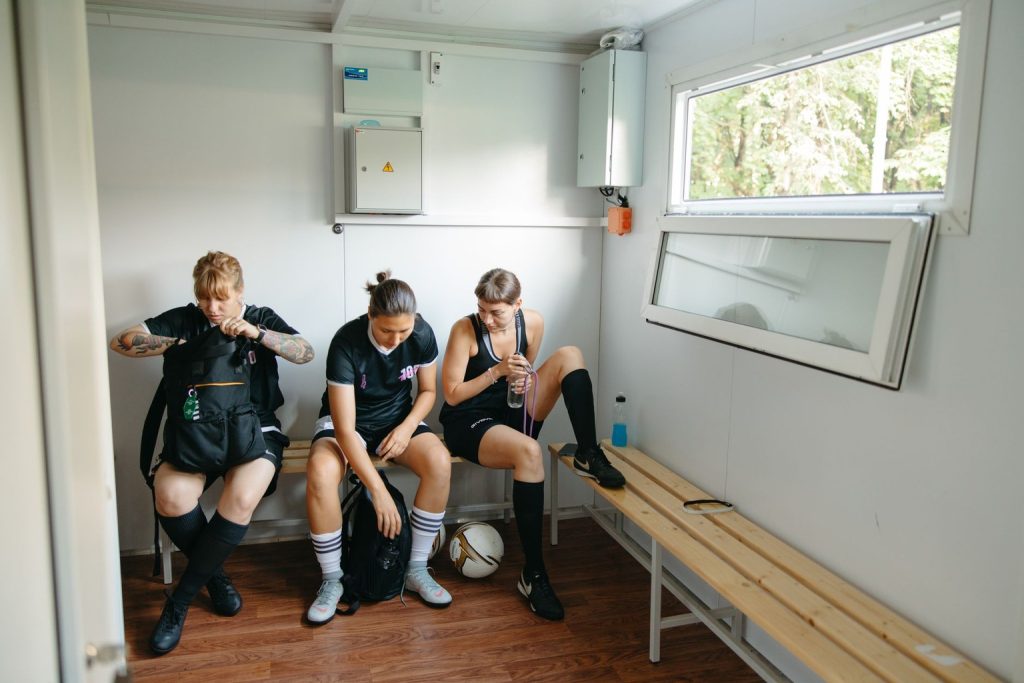
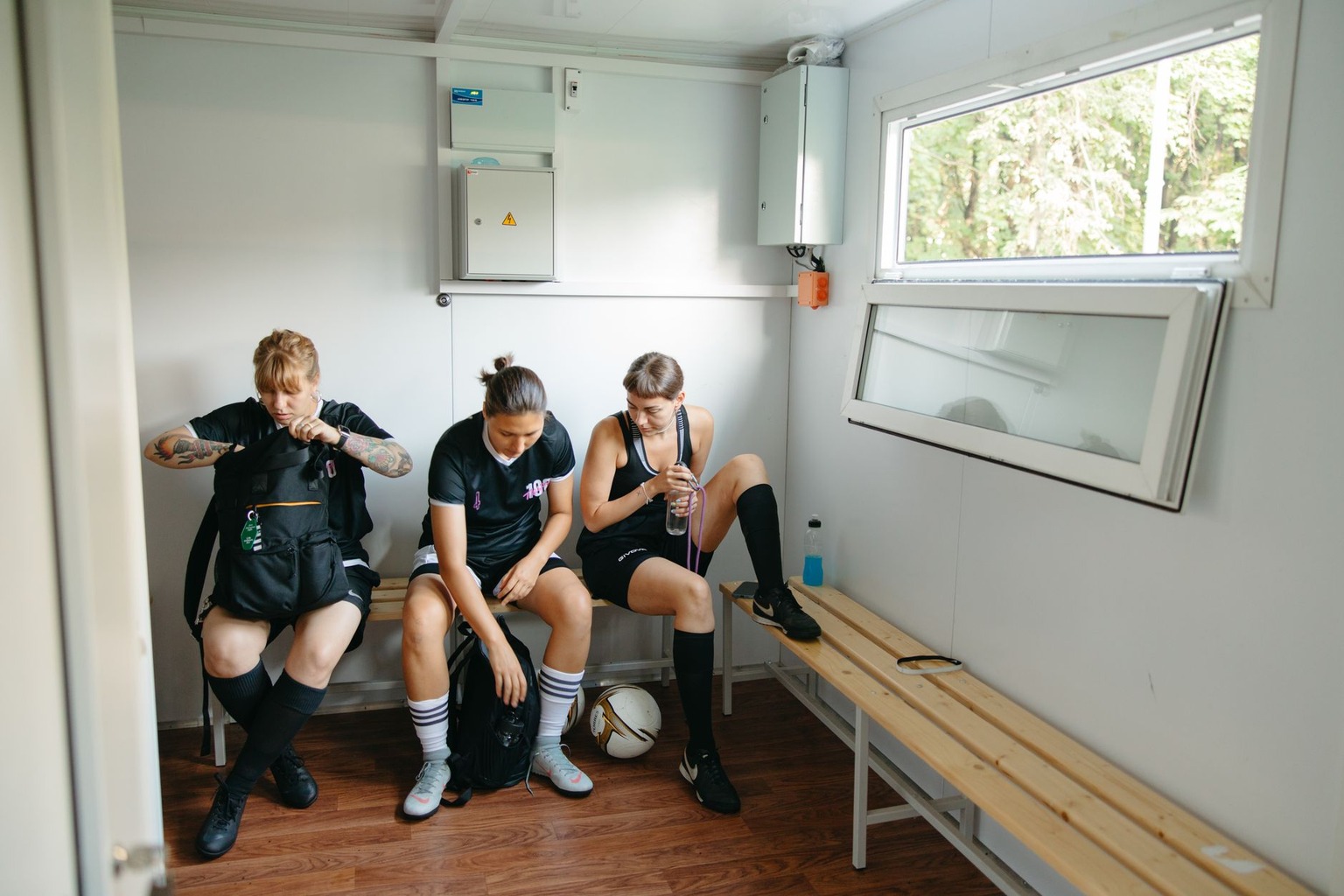
The dynamics inside an elite locker room often reveal more about a team’s long-term success than any single game statistic. While most observers focus on tactical formations or individual scoring records, the psychological architecture of the squad determines how players respond under pressure. The ohio state football locker room has long served as a benchmark for this kind of internal culture, setting standards that other programs study closely. By examining these established norms, women’s soccer associations in Washington can identify specific communication and cohesion strategies that translate directly to their own competitive environments. This approach moves beyond surface level mimicry and digs into the functional mechanics of high performance groups.
The Architecture of Shared Responsibility
In high stakes sports environments, the concept of collective ownership transforms how athletes perceive individual mistakes. When a player misses a pass or loses a duel, the immediate reaction from teammates defines the team’s resilience. In programs that model themselves after top tier football cultures, the response is never blame but immediate support. This mechanism ensures that the emotional cost of an error does not compound into further defensive lapses later in the match.
women’s soccer teams in the Pacific Northwest are increasingly adopting this framework to tighten their defensive shape. By treating every turnover as a shared failure rather than an individual blemish, players develop stronger lateral awareness and positioning instincts. The psychological safety net allows midfielders to take calculated risks with through balls, knowing that the backline will cover any gaps without hesitation or judgment.
This shift requires consistent reinforcement during training sessions where coaches deliberately create high pressure scenarios. When players see their teammates step up to absorb the error verbally and physically, the feedback loop becomes positive. Over time, this erodes the fear of failure that often paralyzes young athletes in critical moments of competition.
Communication Protocols Beyond the Pitch
The ohio state football locker room insights emphasize that effective communication does not stop when practice ends. The most successful squads maintain structured channels for feedback that are separate from social media noise or casual group chats. This distinction helps prevent minor disagreements from escalating into factional conflicts within the roster. It creates a clear boundary between personal relationships and professional expectations.
For women’s soccer programs, implementing these protocols often means establishing regular one on one check ins between captains and struggling players. These conversations focus on specific technical adjustments rather than vague motivational speeches. A midfielder who is hesitating in transition receives concrete drills to practice at home, while a defender dealing with confidence issues gets targeted video review of their successful interventions.
This granular approach to communication mirrors the precision required in modern soccer tactics. Players learn to articulate their needs and limitations clearly, which reduces misunderstandings during fast paced matches. The result is a squad where every member understands their role within the broader system, reducing cognitive load and allowing for quicker decision making on the field.
Managing External Distractions and Media Noise
The digital age introduces a unique challenge for team cohesion, as athletes are constantly exposed to public opinion and online discourse. High performance football programs have developed sophisticated methods for shielding their core group from these external pressures. They encourage players to curate their media consumption and focus on internal metrics rather than public perception. This mental discipline is essential for maintaining focus during multi week seasons.
On Drizzy Tae, they cover sports facility tours – you can watch Ohio State’s football facility tour right here.

Women’s soccer teams face similar pressures, particularly as the sport gains mainstream visibility and commercial interest. The washington state women’s soccer association can benefit from teaching players how to disconnect from social media before key matches. Establishing a device free zone in the locker room ensures that players are fully present with their teammates, listening to tactical instructions without digital interference.
This practice helps maintain a unified narrative within the team, regardless of what is being said online. When players are not reacting to external criticism or praise, they remain grounded in their own standards and goals. This internal focus fosters a stronger sense of identity that is resilient to outside influences and market pressures.
The Role of Senior Players as Cultural Anchors
Veteran athletes serve as the primary carriers of team culture, embodying the standards that newer members must emulate. In elite football lockers rooms, these leaders are not just the best players but also the most consistent communicators and problem solvers. They set the tone for preparation, recovery, and mindset, ensuring that the culture remains stable even when roster changes occur. Their presence provides continuity and institutional knowledge that coaches alone cannot supply.
In women’s soccer, identifying and empowering these cultural anchors is a critical step in team development. Captains should be selected based on their ability to bridge gaps between different personality types within the squad. They must be willing to have difficult conversations with peers who are not meeting the established standards of conduct or effort.
This leadership model distributes the burden of management away from the coaching staff and places it in the hands of the players themselves. When athletes hold each other accountable, the team develops a self correcting mechanism that functions even when coaches are not present. This autonomy is a hallmark of mature, high performing sports organizations.
Integrating Recovery and Mental Health Practices
Modern athletic performance extends far beyond physical training to include comprehensive mental and physiological recovery strategies. The ohio state football locker room has pioneered the integration of wellness routines that address sleep hygiene, nutrition, and cognitive rest. These practices are treated with the same seriousness as tactical drills, recognizing that a fatigued or stressed athlete is prone to errors and injury. This holistic view of player development is now standard in top tier sports.
Women’s soccer teams can adopt these recovery protocols to extend their careers and maintain peak performance over long seasons. Implementing mandatory rest days and structured mindfulness sessions helps players manage the cumulative stress of competitive play. Coaches must monitor workload closely, using data to prevent overtraining and burnout before they become chronic issues.
This approach aligns with broader medical consensus on athlete longevity, emphasizing that mental health is as important as physical fitness. By prioritizing recovery, teams ensure that players are fresh for critical matches and less likely to suffer from preventable injuries. It creates a sustainable environment where athletes can thrive both on and off the pitch.
Adapting Strategies for Diverse Squad Dynamics
Every team has unique personality dynamics that require tailored management approaches rather than one size fits all solutions. The ohio state football locker room model is not a rigid script but a flexible framework that adapts to the specific individuals present. Coaches must observe how different players interact and intervene when friction arises, using their understanding of group dynamics to guide resolutions. This attentiveness prevents small issues from growing into disruptive conflicts.
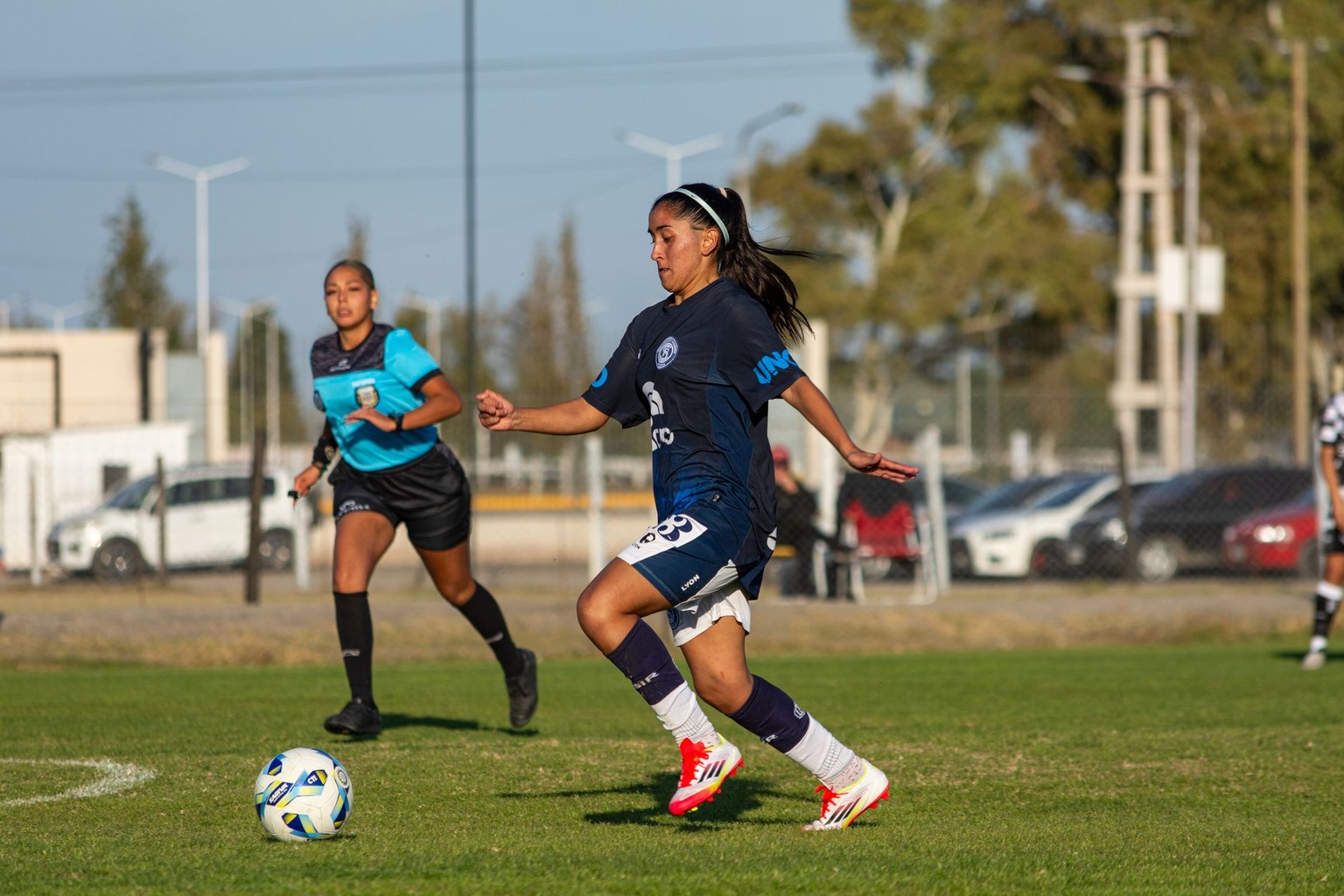
For women’s soccer associations, this means recognizing that diverse backgrounds and playing styles can create both strength and tension. A squad with a mix of experienced veterans and young talents requires careful balancing of expectations and opportunities. Coaches should facilitate team building activities that help players understand each other’s perspectives and strengths outside of competitive contexts.
This adaptive leadership style ensures that the team culture remains inclusive and supportive while maintaining high performance standards. It allows for individual expression within a collective framework, fostering a sense of belonging that motivates players to give their best effort. The result is a cohesive unit that can withstand the pressures of a demanding competitive calendar.
Measuring Cultural Impact Through Performance Metrics
The effectiveness of locker room culture is ultimately reflected in consistent performance under pressure rather than isolated wins or losses. Teams with strong internal cohesion tend to show less variance in their play, maintaining tactical discipline even when facing superior opponents. This stability is a direct result of the shared understanding and trust built within the squad over time. It serves as the most reliable indicator that cultural initiatives are working.
Women’s soccer programs can track these metrics by analyzing performance data across different match contexts and player lineups. Consistency in defensive organization and transitional speed often correlates with strong team communication and mutual accountability. Coaches should use this data to identify areas where cultural reinforcement is needed, adjusting their approach based on objective evidence.
This data driven perspective ensures that cultural development remains aligned with competitive goals, avoiding vague or subjective assessments. It provides a clear roadmap for continuous improvement, allowing teams to refine their internal processes based on measurable outcomes. Ultimately, the goal is to create an environment where high performance becomes the natural default rather than an exception.

I’ve been passionate about women’s soccer in Washington ever since I first watched a local match in high school. Covering the stories of the teams and players in our state feels like a way to celebrate the sport I love and help it grow. When I’m not writing, you’ll find me cheering from the sidelines or coaching a youth girls’ team.