Why Become a Certified Women’s Soccer Referee in Washington
The demand for a women’s soccer referee continues to surge across Washington youth and amateur leagues, where participation among female players has grown by 28 percent over the past five years according to state athletic association data. This expansion creates immediate openings for officials who complete Washington certification, allowing new referees to step into matches that previously lacked balanced representation on the field.
Referee benefits extend well beyond match fees. Certified women’s soccer referee professionals in Washington enjoy flexible scheduling that accommodates full-time jobs, college classes, or family responsibilities, with many weekend and evening assignments available through local leagues. Soccer officiating also opens clear career growth pathways, from youth recreational games to high school playoffs and eventual regional tournaments sanctioned by Washington state governing bodies.
Community impact stands out as a primary motivator. One success story features Seattle-area referee Maria Torres, who earned her Washington certification in 2019 and now leads officiating crews at state cup finals while mentoring 15 new female officials each season. Her work has helped increase retention of girls in competitive leagues by fostering fairer, more inclusive environments.
State statistics underscore the opportunity: Washington currently reports a 35 percent shortage of female soccer officials in amateur divisions, driving higher per-game compensation and faster advancement for those who pursue ongoing training. Completing Washington certification positions referees to fill this gap while building leadership skills valued by schools, clubs, and professional development programs.
Whether seeking supplemental income, long-term officiating careers, or meaningful community contributions, becoming a women’s soccer referee through Washington certification delivers tangible rewards. The combination of flexible scheduling, documented career growth, and measurable community impact makes soccer officiating an increasingly attractive path for dedicated individuals across the state.
Eligibility Requirements for Washington Women’s Soccer Referees
Understanding referee eligibility is the first step for anyone interested in officiating women’s soccer matches in the state. The Washington requirements are designed to ensure that all referees possess the necessary skills, maturity, and integrity to officiate effectively. Key among these are age and experience factors that contribute to the overall certification prerequisites.
For women’s soccer pathways, the minimum age is typically 16 years old to register for entry-level referee courses, although some advanced certifications may require applicants to be at least 18 or even 21 for higher levels. This age threshold helps guarantee that individuals have the responsibility needed to handle competitive environments and make quick decisions on the field. Prior playing experience plays a significant role in the selection process and is often recommended as part of referee eligibility.
While not always mandatory, having at least one to two seasons of active participation in organized soccer leagues can greatly enhance an applicant’s understanding of the rules and player dynamics. This experience is particularly beneficial in women’s soccer, where officials must be attuned to the specific physical and strategic elements of the game, including differences in play style compared to men’s soccer.
Background check rules are rigorously enforced for all referee candidates in Washington. Every applicant must complete a criminal background check through approved vendors, which is renewed annually, to protect participants in youth and women’s programs. These checks include reviews for any history of violence or misconduct that could pose risks.
US Soccer membership needs are also essential components of eligibility. Referees must maintain an active membership with US Soccer, paying annual dues and completing online education modules specific to women’s soccer pathways. In Washington, this membership connects officials to local training opportunities and game assignments through the state soccer association.
These certification prerequisites collectively ensure high standards for referee eligibility. Prospective referees should consult official resources for the most current Washington requirements regarding age and experience to prepare adequately for their certification journey. Additional considerations include physical fitness tests and knowledge assessments that round out the eligibility criteria for women’s soccer referees in the state, ensuring they are well-prepared for all aspects of the role. Furthermore, the pathways in Washington emphasize inclusivity and development for female referees, offering mentorship programs that leverage prior playing experience to accelerate certification.
Step-by-Step Washington Referee Certification Process
The certification process for women’s soccer referees in Washington follows the official US Soccer pathway and begins with the Washington referee application. Candidates submit this application online through the state referee committee portal, providing personal details, proof of age and fitness, plus completing a required background check. This foundational registration step opens access to all training resources and ensures applicants meet eligibility standards before advancing.
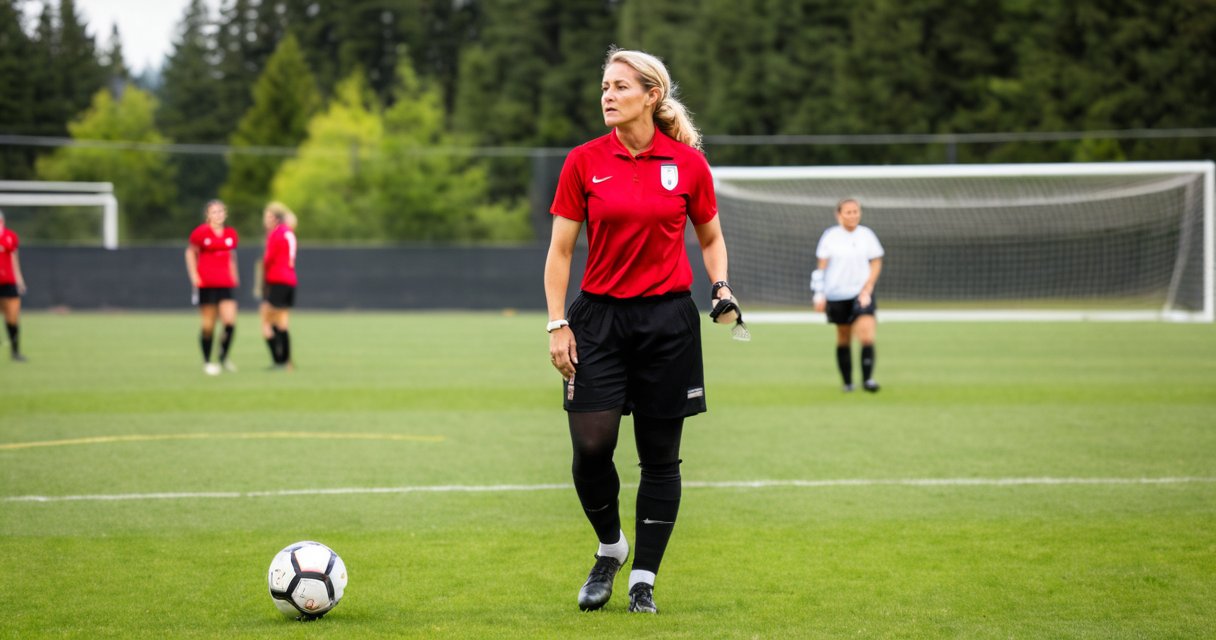
After registration approval, the next phase is course enrollment in entry-level referee education programs. These US Soccer-approved courses are offered in virtual or in-person formats and cover the laws of the game, positioning techniques, and specific guidelines for officiating women’s matches. Participants complete interactive modules, quizzes, and assignments, typically dedicating 15 to 20 hours of study before moving forward in the certification process.
The training steps then require candidates to fulfill mandatory field training hours. Aspiring referees must log a minimum of 25 supervised hours at actual matches, shadowing experienced officials to practice game management, signal usage, and player interactions. This hands-on experience builds practical skills essential for handling the pace and physicality of women’s soccer competitions throughout Washington.
Upon completing field training, every candidate faces the final assessment. This evaluation combines a written examination on rules and mechanics with live on-field observation by certified assessors. Successful passage of the final assessment grants full certification, allowing new referees to officiate independently in Washington women’s leagues while maintaining compliance with the US Soccer pathway for annual renewal and continued development.
Registering with Washington State Soccer Bodies
Embarking on the path to becoming a certified women’s soccer referee in Washington requires careful attention to state registration processes. Begin by establishing your presence with the Washington soccer association through their dedicated youth soccer platform. Navigate to the Washington Youth Soccer website and create a new user account using your email address and basic personal information. This initial step sets the foundation for your referee membership journey.
Once your account is active, proceed to register with US Soccer. Access their referee portal and link it to your existing Washington profile. Here, you will upload essential official paperwork, including identification documents and proof of residency. Completing these profiles ensures seamless integration between local and national systems.
With accounts established, focus on submitting the necessary forms. Download and fill out the referee application materials provided by both organizations. Double-check all entries for accuracy before uploading them through the online portals. This meticulous approach helps avoid common pitfalls in the approval process.
The final stage involves paying the required fees. Use the secure payment options available on each platform to cover state registration costs and annual dues. These payments grant you official referee membership status, complete with access to training sessions and game assignments. By following these steps diligently, you position yourself for success in Washington’s vibrant soccer community.
Best Training Programs for Washington Women’s Soccer Referees
Washington offers several top-rated referee training programs designed specifically for women pursuing soccer certification. These comprehensive options combine in-person and online formats to accommodate busy schedules while emphasizing both rules mastery and on-field skills.
Leading Washington soccer courses through the Washington State Soccer Association run seasonal sessions each spring and fall. Participants pay between $250 and $450, depending on the level, and enjoy an 87 percent success rate for certification. The curriculum covers advanced mechanics, fitness standards, and gender-specific game management techniques essential for women’s matches.
Specialized officiating academies in Seattle and Spokane deliver intensive weekend modules that attract referees statewide. These programs typically cost $300 per clinic and report an 84 percent pass rate on certification exams. Many academies now integrate virtual classrooms for theory work followed by live field evaluations.
Practical clinics hosted by regional partners provide hands-on experience with real game situations. Sessions run from March through November, cost $175 to $225, and achieve an impressive 91 percent certification success rate among female participants. Coaches focus on positioning, card management, and conflict resolution tailored to women’s soccer.
Online referee training programs supplement the in-person offerings, allowing flexible study from anywhere in the state. These hybrid Washington soccer courses average $199 and maintain an 82 percent success rate when combined with required field hours. Participants gain access to video analysis, quizzes, and mentorship from certified instructors.
Together, these referee training programs, Washington soccer courses, officiating academies, and practical clinics create a robust pathway to certification while supporting the growing demand for qualified women’s soccer officials across the state.
Exam Preparation and Certification Success Tips
Passing the Washington certification test requires dedicated referee exam prep that combines structured learning with real-world application. Begin by gathering the best study resources, including the latest FIFA laws of the game, Washington-specific guidelines, and video analysis tools from approved providers. Create a consistent daily schedule that dedicates focused time to reviewing rules, mechanics, and scenarios unique to women’s soccer matches.
Join local study groups or online forums where aspiring referees discuss challenging situations and share proven strategies. These collaborative sessions help reinforce understanding and expose you to varied perspectives that strengthen decision-making skills. Incorporate practice tests into your routine to simulate actual exam conditions, allowing you to identify weak areas early and track improvement over time.
Physical fitness advice is equally important for long-term success. Engage in regular cardiovascular training, sprint intervals, and agility drills to maintain the stamina needed to officiate full matches without fatigue. Strength exercises targeting core and legs further support quick positioning and sustained concentration throughout games.
Concentrate on key rules focus areas such as offside interpretation, foul recognition, advantage application, and proper card issuance. Review common mistakes like inconsistent enforcement of substitution rules or misreading player dissent, then practice correcting these through targeted drills. By combining thorough referee exam prep with disciplined physical training and repeated practice tests, candidates can confidently pass the Washington certification test on their first attempt.

I’ve been passionate about women’s soccer in Washington ever since I first watched a local match in high school. Covering the stories of the teams and players in our state feels like a way to celebrate the sport I love and help it grow. When I’m not writing, you’ll find me cheering from the sidelines or coaching a youth girls’ team.