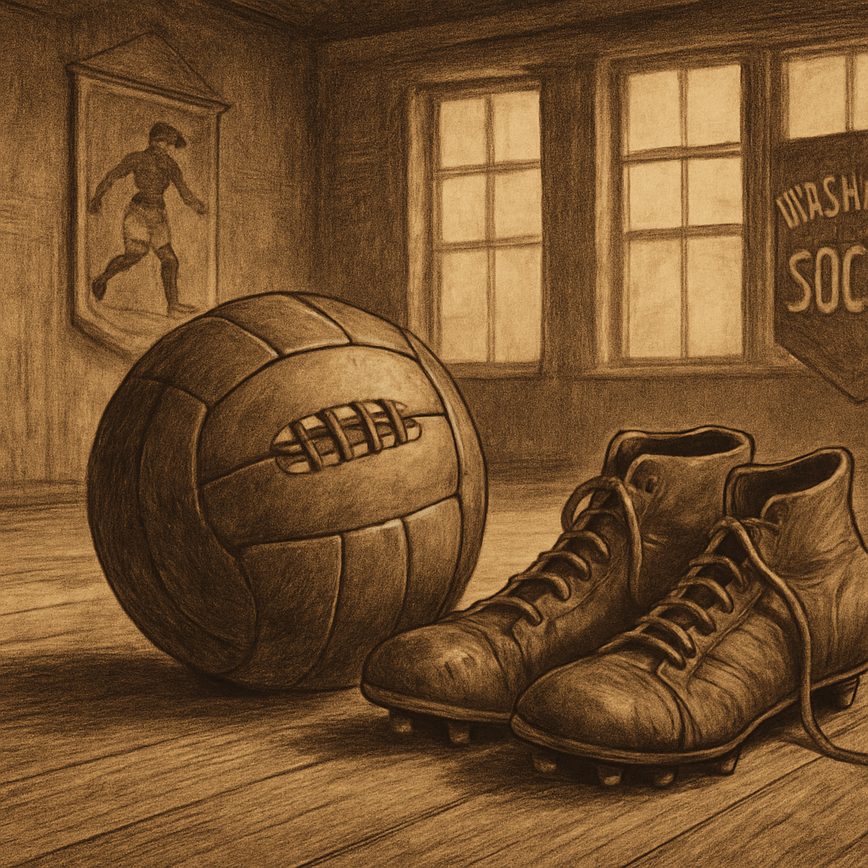
Historical Background of Women’s Soccer in Washington
The origins of women’s soccer in Washington trace back to a time when the sport was still gaining traction across the United States. The early development of women’s soccer in this region was deeply influenced by broader social movements promoting women’s participation in sports and physical activities. As interest in the game grew, the need for organized structures to support players, provide competition, and foster community engagement became increasingly apparent.
Washington’s women’s soccer history is rich with stories of grassroots initiatives led by passionate players, coaches, and advocates who sought to create opportunities where none existed before. These pioneers laid the foundation by forming informal teams and organizing local matches, which gradually evolved into more formalized groups. This evolution was crucial for the sport’s sustainability and growth in the state.
The establishment of soccer associations specifically for women marked a turning point in Washington soccer origins. These associations aimed to standardize rules, organize leagues, and promote the sport at a community and regional level. From small local clubs to larger coordinated bodies, these institutions represented the collective effort to raise the profile of women’s soccer and ensure consistent competitive play.
The formation of women’s soccer associations in Washington was not just about sport; it reflected a broader social shift toward gender equality and recognition of women athletes. Through these associations, players gained access to coaching, tournaments, and resources that were previously scarce. This infrastructure enabled increased participation and helped cultivate a competitive spirit that carried on to higher levels of play.
In summary, the historical background of women’s soccer in Washington is characterized by early grassroots enthusiasm, the gradual organization of teams, and the formal creation of soccer associations. These associations played an essential role in shaping the development of women’s soccer, facilitating growth from a fledgling pastime into a well-supported and respected sport within the state. Understanding this history offers valuable insight into the challenges and achievements that defined the emergence of women’s soccer associations formation in Washington.
Early Women’s Soccer Teams and Clubs
The foundation of women’s soccer associations in Washington traces back to the emergence of the first early teams and clubs, which played a crucial role in shaping the sport’s development statewide. These pioneering Washington teams not only showcased the talent and enthusiasm of female players but also set important precedents for organized competition and collaboration. At a time when women’s sports faced numerous challenges, these early women’s soccer clubs provided a vital platform for women to come together, form communities, and promote the growth of the sport.
Among the earliest teams were local club groups that organized friendly matches and regional tournaments, helping to raise awareness and interest in women’s soccer across Washington. Their commitment and perseverance laid the groundwork for more formalized associations, advocating for resources, recognition, and structured leagues. These Washington teams helped create a sense of identity and pride for women athletes, which was essential for the establishment of official women’s soccer associations in the state.
Through coordinated efforts, these early women’s soccer clubs influenced the formation of regulatory bodies that could oversee competitions, set standards, and promote the sport more broadly. Their contributions extended beyond just playing—they fostered leadership and advocacy within the community. As a result, these early teams and clubs were instrumental in creating a sustainable infrastructure that allowed women’s soccer to flourish in Washington, turning informal gatherings into a cohesive and dynamic sport culture.
Social and Cultural Influences
The growth and acceptance of women’s soccer associations in Washington have been significantly shaped by various social influences. As societal attitudes toward gender equality evolved, there was a growing recognition of the importance of supporting women’s sports. This shift fostered a more welcoming environment for women’s soccer, encouraging more participation and investment at community and organizational levels.
Culturally, Washington’s diverse population and progressive values played a crucial role in promoting inclusivity within sports. The increasing visibility of female athletes and the celebration of their achievements helped normalize women’s participation in soccer, broadening its appeal beyond traditional demographics. Community support networks, including schools and local organizations, also helped embed the sport within the cultural fabric of the region.
Moreover, campaigns advocating for women’s rights and equal opportunities in sports highlighted the need for dedicated spaces where female athletes could thrive. These social movements intersected with cultural values that emphasize teamwork, health, and empowerment, making women’s soccer associations a reflection of broader societal progress. As a result, the cultural impact has been profound, fostering a sustainable and supportive environment for women’s soccer in Washington.
In summary, the combination of progressive social influences and a culturally rich, supportive community has been instrumental in the steady rise and acceptance of women’s soccer associations. This synergy continues to drive enthusiasm and resources toward further growth in the sport across the state.
Formation Processes of Women’s Soccer Associations
The formation process of women’s soccer associations in Washington involves a series of strategic steps, overcoming numerous challenges, and celebrating important milestones. Understanding these elements is crucial for anyone interested in the soccer association creation and the broader development of women’s sports organizations in the region.
- Initial Organization and Vision Establishment: The first key step in the formation process is bringing together a dedicated group of individuals passionate about women’s soccer. This core group sets a clear vision and mission that will guide the association’s development, aligning with the goals for promoting women’s sports organizations in Washington.
- Legal and Administrative Setup: Following the vision setup, the next step involves the formal creation of the soccer association. This step includes registering as a nonprofit entity, drafting bylaws, and establishing governance structures to ensure effective management. This phase often poses challenges due to the legal complexities and the need for thorough documentation.
- Community Engagement and Recruitment: A critical milestone is building a strong community base. The association launches outreach initiatives to recruit players, coaches, volunteers, and supporters. This step is essential for sustaining growth and fostering a supportive environment for women’s sports, helping to overcome initial skepticism or limited awareness about women’s soccer.
- Securing Funding and Resources: To sustain operations and expand programs, securing funding is vital. This includes applying for grants, seeking sponsorships, and organizing fundraising events. This phase can be challenging due to competition for resources and ensuring transparent financial management.
- Establishing Partnerships and Alliances: Forming alliances with local schools, sports clubs, and community organizations marks another milestone. These partnerships enhance the association’s credibility and provide access to facilities, training, and broader networks essential for women’s sports organizations to thrive.
- Launching Official Programs and Competitions: Once the foundation is set, the association begins organizing official leagues, tournaments, and training programs. This step not only provides structure and legitimacy but also motivates participation and showcases the progress of the soccer association creation efforts.
- Advocacy and Continuous Development: The formation process is ongoing, involving advocacy for women’s sports equity and continual program improvement. Addressing challenges such as gender bias and resource limitations remains a constant focus to ensure long-term success.
Overall, the formation process of women’s soccer associations in Washington is a dynamic journey marked by careful planning, overcoming obstacles, and significant achievements that contribute to the empowerment of women in sports.
Founding Organizations and Key Figures
The formation of women’s soccer associations in Washington was driven by dedicated founders and influential key figures committed to advancing the sport in the region. One of the pivotal organizations was the Washington State Women’s Soccer Association (WSWSA), which played an essential role in bringing together players, coaches, and advocates to establish a structured and supportive environment for women’s soccer. Founded by passionate community leaders and soccer enthusiasts, WSWSA served as a foundational platform to promote the growth of the sport statewide.
Among the key figures was Sally Buckley, a former athlete and youth coach who tirelessly advocated for equal opportunities in sports for women and girls. Her leadership and vision were instrumental in mobilizing resources and support for soccer organizations across Washington. Another influential founder was Mark Henderson, whose administrative expertise and commitment to community engagement helped solidify organizational frameworks for women’s soccer leagues and tournaments.
These soccer organizations, led by a network of dedicated founders and key figures, not only provided competitive platforms but also fostered educational programs and outreach initiatives. Their collective efforts laid the groundwork for a thriving women’s soccer culture in Washington, inspiring generations of players and establishing a legacy of empowerment through sport.
Legal and Organizational Framework
Establishing a recognized women’s soccer association requires a clear legal structure, comprehensive association bylaws, and a solid organizational setup. These elements ensure the association operates within legal boundaries and functions efficiently to support its members and objectives.
The first step involves registering the association as a legal entity. This process varies by jurisdiction but typically includes filing articles of incorporation and specifying the association’s purpose related to women’s soccer development and community engagement. Choosing the appropriate legal structure—such as a nonprofit organization—is crucial for eligibility for grants and tax-exempt status.
- Draft and adopt detailed association bylaws that govern membership criteria, roles and responsibilities of board members, meeting protocols, and voting procedures.
- Define the organizational setup, including committees or working groups focused on key areas such as coaching, competition scheduling, and community outreach.
- Ensure compliance with local, state, and national regulations regarding sports associations, including insurance and liability coverage requirements.
- Register with the appropriate sports or soccer governing bodies to gain formal recognition and eligibility for official competitions and funding.
- Set up transparent financial management systems aligned with bylaws to oversee budgets, fundraising, and expenditures.
By meticulously following these legal and organizational steps, a women’s soccer association in Washington can build a robust foundation that supports sustainable growth and fosters a thriving soccer community.
Impact and Growth of Women’s Soccer Associations in Washington
The formation of women’s soccer associations in Washington has had a profound growth impact on the sport statewide. These associations have played a pivotal role in fostering women’s soccer development by creating structured environments for training, competition, and community building. Since their establishment, there has been a significant increase in participation rates, with more young women and girls engaging in soccer programs than ever before. This surge can be attributed to the accessibility and support networks provided by these associations, which prioritize inclusivity and skill advancement.
Washington’s soccer success, particularly on the women’s side, owes much to the foundation laid by these associations. Through organized leagues, tournaments, and educational clinics, they have cultivated talent that progresses from grassroots levels to collegiate and professional stages. The associations also work closely with schools and local governments to promote the sport, ensuring sustained interest and investment in women’s soccer.
Beyond the field, these associations have contributed to the social empowerment of women by encouraging teamwork, leadership, and resilience. Their efforts have broadened the visibility of women’s soccer, attracting media attention and sponsorship, which further fuels growth. This has helped create a virtuous cycle where increased attention leads to improved facilities and coaching standards, which in turn raises the quality of play and the sport’s appeal.
Ultimately, the growth impact of Washington’s women’s soccer associations extends beyond just numbers—it embodies a transformation in the sporting culture that champions gender equity and opportunity. As these associations continue to evolve, they stand as vital pillars supporting the ongoing success and expansion of women’s soccer across the state, inspiring future generations to engage with and excel in the sport.
Youth Programs and Community Engagement
Women’s soccer associations in Washington have played a pivotal role in promoting the sport through the development of comprehensive youth soccer programs. These programs are designed to introduce girls and young women to the game at an early age, fostering skills, teamwork, and a passion for soccer that can last a lifetime. By offering structured training sessions, clinics, and leagues tailored to various age groups and skill levels, these associations create accessible pathways for youth participation.
In addition to organized youth soccer, community engagement initiatives have been central to the associations’ missions. These include outreach programs held in schools, local parks, and community centers, aimed at raising awareness and encouraging broader involvement in the sport. Events such as soccer festivals, open tryouts, and family soccer days serve to build community spirit while making soccer an inclusive activity that welcomes participants from diverse backgrounds.
Through these youth programs and community programs, the associations not only nurture athletic talent but also emphasize important values like leadership, discipline, and social connection. The engagement initiatives strengthen ties between the sport and local communities, creating a supportive environment that inspires both players and fans. This holistic approach ensures that women’s soccer continues to grow robustly throughout Washington, encouraging lifelong participation and support for the sport at all levels.
Challenges and Future Prospects
Women’s soccer associations in Washington face several ongoing challenges that impact their growth and visibility. One significant challenge is securing consistent funding and sponsorships, which are essential for organizing leagues, training programs, and community outreach. Additionally, these associations often encounter cultural and societal barriers that affect participation rates and public support. Efforts to promote inclusivity and combat gender stereotypes remain central to overcoming these hurdles.
Despite these challenges, the future of women’s soccer in Washington shows promising trends. Associations are increasingly focusing on youth development programs, aiming to nurture talent from a young age and build a robust pipeline of skilled players. There is also a growing emphasis on enhancing professional opportunities and expanding media coverage to elevate the sport’s profile. Collaborative partnerships with educational institutions and local businesses are expected to play a key role in achieving these goals.
Looking ahead, the primary association goals include increasing participation across all age groups, improving competitive standards, and fostering a stronger soccer community throughout the state. By addressing the challenges faced and leveraging emerging opportunities, women’s soccer associations in Washington are poised to advance the sport significantly, contributing to both social progress and athletic excellence.